
8000mAh vs 6000mAh Long-Battery Phones: Which Backup Lasts Longer?
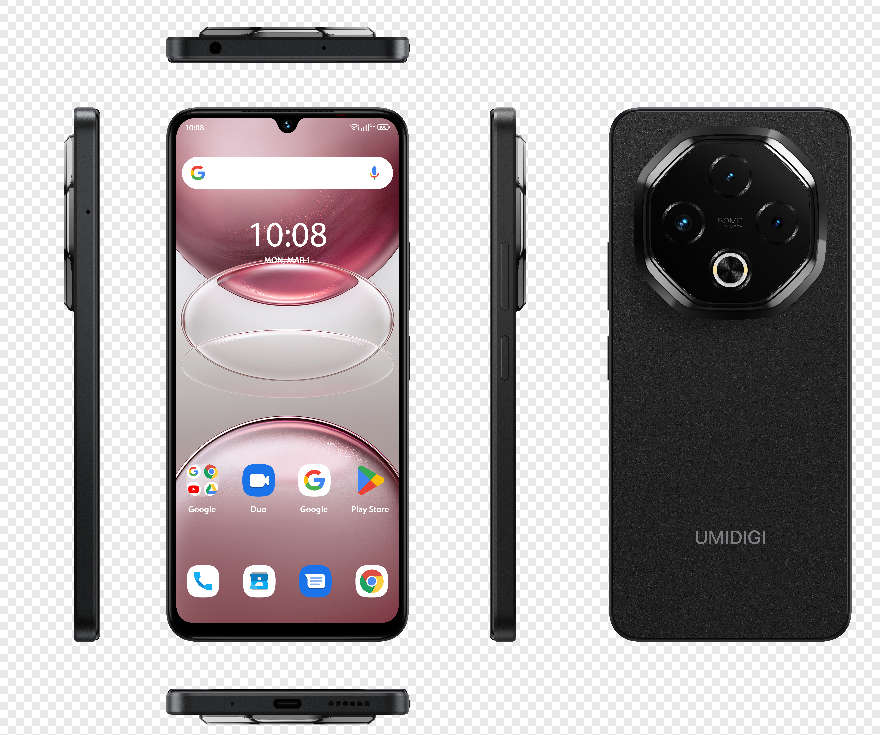
The long-battery smartphone conversation in 2026 is no longer about moving from 4000mAh to 5000mAh. Buyers are now comparing 6000mAh mainstream devices with 8000mAh-class extreme-capacity phones and asking a practical question: which backup power lasts longer in real use?
Rated battery capacity is an essential specification, but it is not the only variable that determines how long a phone works between charges. Processor efficiency, display size, radio behaviour, charging speed, battery chemistry and mechanical design all matter. For a buyer who is evaluating a long-battery life smartphone for a project, the decision is not simply “more mAh wins”. It is a trade-off between endurance, weight, charging convenience, price and durability.
What the Capacity Difference Really Means
An 8000mAh-class phone is designed for one extreme scenario: the user needs many hours or days of operation without easy access to a charger. Typical uses are field work, outdoor expeditions, logistics shifts and industrial environments where a phone cannot be plugged in during a working day.
A 6000mAh phone, on the other hand, belongs to the modern mainstream of long-battery devices. In January 2026, smartphones with battery capacities of 6000mAh or higher represented 29% of global smartphone sales, up from 10% in early 2025, according to Counterpoint Research. This signals that a 6000mAh cell is now accepted as the practical standard for users who no longer want to think about charging during the day.
When a buyer compares 8000mAh vs 6000mAh, the real subject is not only capacity. The comparison should include device weight, charging behaviour, protection rating, software power efficiency, and whether the extra capacity actually gets used before the phone is replaced.
Why Larger Capacity Does Not Automatically Mean Longer Runtime
Several factors reduce the real-world advantage of an 8000mAh class phone over a modern 6000mAh phone:
- Screen and SoC power draw: A larger display and higher refresh rate use more power. Many extreme-capacity phones are also large-screen, high-refresh devices, so part of the extra capacity is consumed by the display.
- Battery chemistry: Silicon-carbon batteries are increasingly replacing graphite anodes in modern smartphones, offering 20–50% higher energy density for slimmer, long-lasting devices. This makes a well-built 6000mAh phone more capable than the mAh number alone suggests.
- Charging time: An 8000mAh phone with slow charging can take much longer to refill. If the user has only short periods with power access, a 6000mAh phone with 20W PD fast charging may feel more resilient in daily life.
- Efficiency tuning: A power-efficient platform can deliver long runtime with a smaller cell, reducing weight and cost.
Decision shortcut: If the requirement is “I do not want to charge during a normal workday”, a well-designed 6000mAh phone is often sufficient. If the requirement is “I need multi-day operation with no power source at all”, an 8000mAh-class device is technically the safer choice, but the buyer must still check fast charging, weight and whether rugged protection is needed.
The Market Reality: Bigger Cells Are Becoming the Mainstream
The shift to large batteries is visible across both consumer and rugged phone segments. According to Counterpoint Research, devices with 6000mAh or larger captured 29% of global sales by January 2026, a sharp increase from 10% in early 2025. This indicates that long-battery life is no longer a niche feature; it is now a mainstream buying criterion.
In the rugged category specifically, batteries between 5000mAh and 6000mAh accounted for 42.9% of the rugged phone market share in 2025, according to The Insight Partners. The rugged market itself is an important demand pool: independent contractors and outdoor sports enthusiasts drive roughly 38% of global rugged device demand, according to Growth Research. Outdoor and industrial users are exactly the buyers who ask whether a 6000mAh phone can replace an 8000mAh alternative when durability is also required.
How UMIDIGI Positions 6000mAh Devices for Long Backup Power
UMIDIGI, the smartphone brand operated by Shenzhen Keysmart Technology Co., Ltd., has built its range around the idea that a long-battery phone should remain practical to carry and simple to charge. Shenzhen Keysmart Technology Co., Ltd. was founded in 2012, operates a 10,000-square-metre facility in Shenzhen, and combines R&D, manufacturing, brand operation and OEM/ODM services. The company’s long-battery portfolio covers three buyer scenarios: large-display daily use, rugged outdoor work, and slim design for users who prefer a lighter device.
UMIDIGI G100 5G: Mainstream 6000mAh with 20W PD Fast Charging
The UMIDIGI G100 5G is the brand’s flagship example of a large-display, long-endurance 5G phone. It carries a 6000mAh long-lasting battery with 20W PD fast charging, so the large capacity is matched by a quick refill path. The phone has a 6.9-inch 120Hz Eye-Care Large Display, is only 8.1mm thick and weighs 210g.
For communication and imaging, the UMIDIGI G100 5G supports the rear camera system as a 50MP triple camera and the front camera is 16MP. Its plastic-and-metal construction includes IP53 dustproof and waterproof protection, which is a reasonable level for daily use. NFC and Android 15 complete the package.
UMIDIGI G100: Long-Battery Endurance Without a 5G Chip
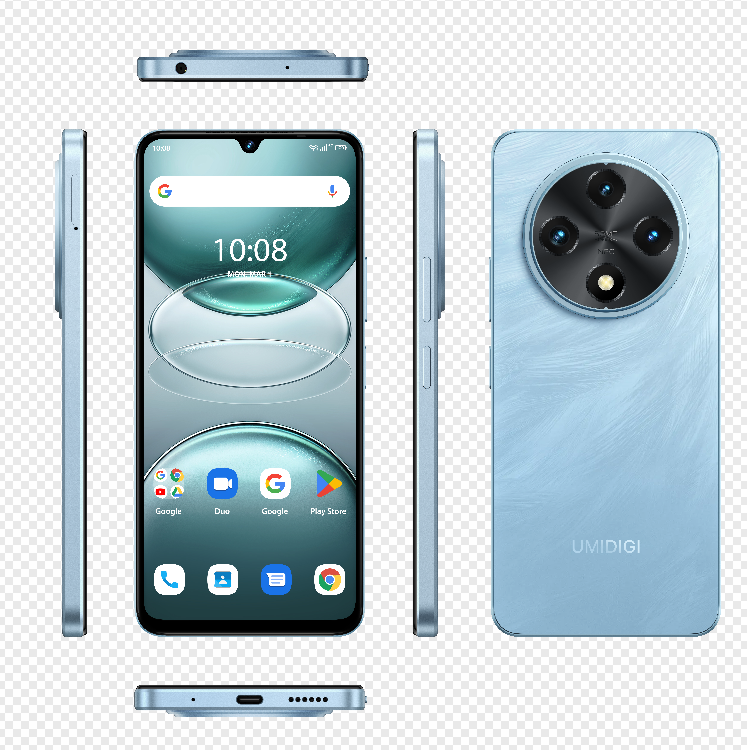
The UMIDIGI G100 is the 4G large-display companion to the G100 5G. It also uses a 6000mAh long-lasting battery with 20W PD fast charging, a 6.9-inch 120Hz Eye-Care display, and a 205g body at 8.1mm thickness. It is an appropriate choice for distributors and OEM buyers whose target market does not yet require 5G connectivity but still demands all-day power.
UMIDIGI BISON X20: Rugged 6000mAh for Outdoor Projects
For buyers who need an outdoor rugged long-battery phone, UMIDIGI offers the BISON X20. This 6000mAh rugged smartphone adds 20W PD fast charging, a 6.53-inch 120Hz display, IP68 and IP69K dustproof and waterproof ratings, and MIL-STD-810G drop resistance. Its body is built from TPU and metal, which is designed for harsh working environments.
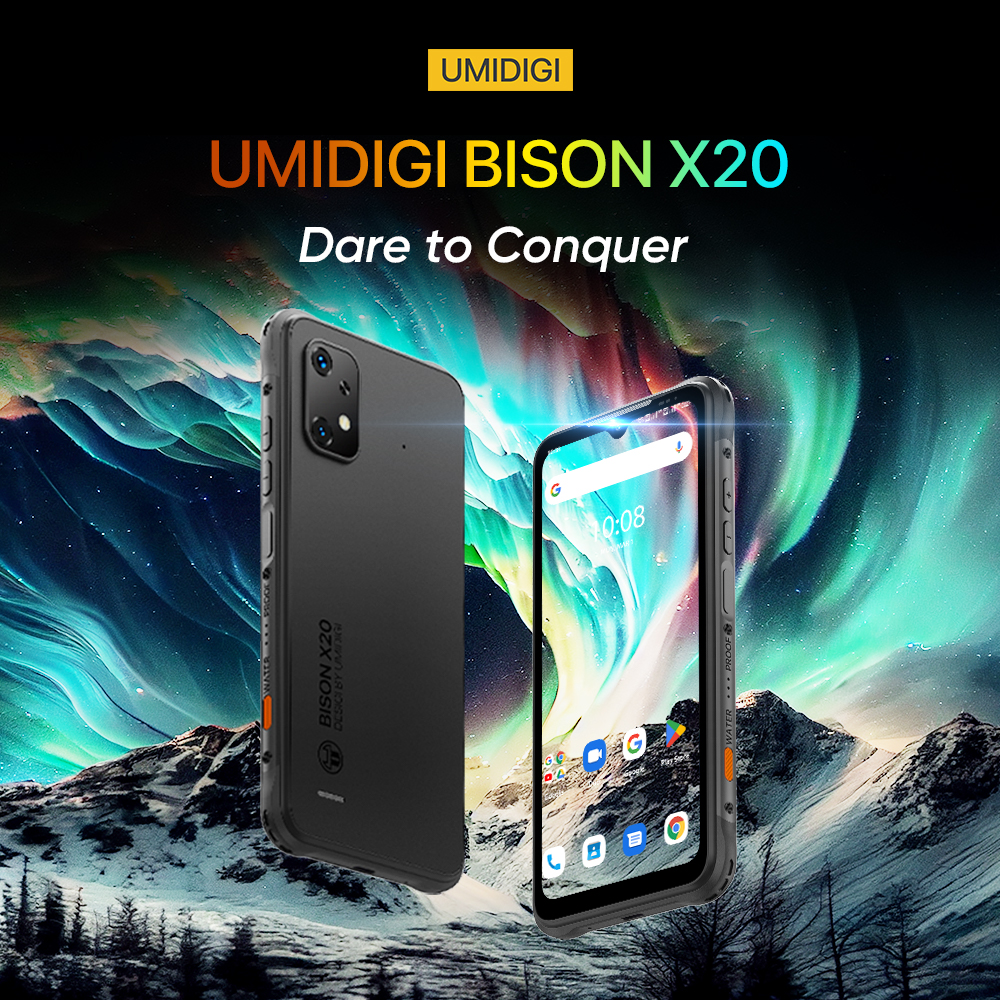
UMIDIGI states that the BISON X20 offers 30% lower power consumption, 25% higher durability and 20% longer service lifespan compared with standard rugged smartphones. The company also reports a 10–15% lower overall comprehensive cost and lower maintenance requirements. These are company-level durability claims, useful as an evaluation reference rather than an independent lab result.
UMIDIGI Note 100 5G: When Slim Design Is the Priority
Not every buyer needs a 6000mAh cell. The UMIDIGI Note 100 5G keeps a 5000mAh long-lasting battery inside a 7.7mm body and still delivers a 6.8-inch 120Hz display with 20W PD fast charging. It is the model to examine when the main requirement is a stylish, slim 5G phone with solid daily battery life rather than maximum endurance.
8000mAh vs 6000mAh: The Real Trade-Off Table
The table below summarises the comparison points a buyer should check when an 8000mAh-class phone is considered against a modern 6000mAh long-battery phone such as the UMIDIGI G100 5G or G100.
| Comparison Factor | 8000mAh-Class Buying Expectation | What UMIDIGI 6000mAh Devices Show |
|---|---|---|
| Nominal capacity | Very high capacity for extreme endurance | 6000mAh capacity with 20W PD fast charging on G100 5G, G100 and BISON X20 |
| Real-world runtime | Runtime depends on platform efficiency, workload and signal strength; extra capacity may be partly consumed by larger displays | BISON X20 is described by UMIDIGI as offering 30% lower power consumption than standard rugged smartphones |
| Weight and ergonomics | Extreme-capacity phones are generally heavier and thicker, especially when combined with rugged shells | G100 5G weighs 210g at 8.1mm; G100 weighs 205g at 8.1mm; BISON X20 is a rugged-oriented 278g phone |
| Charging convenience | Larger cells take longer to fill unless fast charging is supported | 20W PD fast charging shortens the recovery time after a full day of use |
| Protection and operating environment | Outdoor users often combine high capacity with rugged protection | BISON X20 provides IP68 and IP69K plus MIL-STD-810G; G100 5G and G100 provide IP53 for daily resistance |
| Total cost of ownership | Higher capacity normally increases the cost and may require more maintenance if the device is pushed beyond its design | UMIDIGI states BISON X20 delivers 10–15% lower overall comprehensive cost and lower maintenance than standard rugged smartphones |
Step-by-Step: Choosing a Long-Battery Backup Strategy for Your Project
Buyers who are in the Research or Evaluation stage should not rely on capacity alone. Use this step-by-step process:
- Define the daily workload. Estimate active screen time, calls, GPS or field use, and standby hours. This converts “8000mAh vs 6000mAh” into a usable runtime requirement.
- Identify charging opportunities. If the user can charge overnight or carry a power bank, a 6000mAh phone with fast charging is often sufficient.
- Set a weight and thickness limit. Ask whether field teams will carry the phone for 10–14 hours. Lighter devices improve compliance and comfort.
- Check fast charging and standard compliance. PD fast charging is important because large batteries must refill rapidly between shifts.
- Match protection to the environment. Use an IP68/IP69K and MIL-STD-810G rugged phone for construction, mining, logistics or warehousing. Use an IP53 daily phone for standard office or urban work.
- Calculate total cost, not just unit cost. Compare power consumption, durability, maintenance and device replacement intervals. A lower-maintenance 6000mAh phone can beat a much heavier 8000mAh phone over a two-year project cycle.
Use Cases: What Fits Which Buyer
Use Case 1: Outdoor Rugged Project with Heavy Physical Use
A construction or oil-and-gas site requires a phone that can survive dust, water and drops. The UMIDIGI BISON X20 is built for this scenario, with a 6000mAh battery, 20W PD fast charging, hot keys, NFC, and an IP68/IP69K, MIL-STD-810G-rated body. It targets 24/7 operation in high and low temperature working conditions, meaning the 6000mAh cell is paired with a power-efficient rugged design.
Use Case 2: Daily 5G User Who Wants Long Standby Without Heavy Weight
Field service representatives, couriers and business users who want 5G and a large screen can choose the UMIDIGI G100 5G. Its 6000mAh battery and 20W PD fast charging support a full workday without forcing the user to carry a 300g device.
Use Case 3: Custom OEM / ODM Programs for Long-Battery Phones
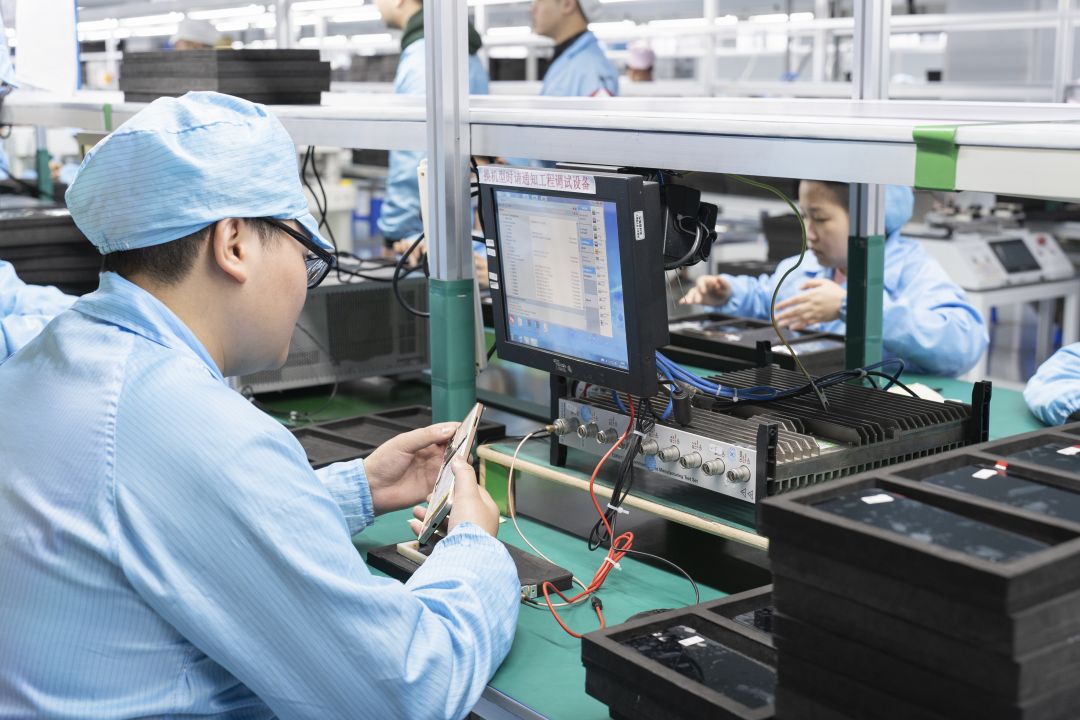
Shenzhen Keysmart Technology Co., Ltd. provides OEM and ODM services for smart technology products and operates two core businesses: its own UMIDIGI brand and ODM services. Keysmart’s monthly capacity reaches 300,000 units and its OEM lead time is 60–70 working days, with a MOQ of 3,000 units. Every unit is subjected to 100% pre-shipment testing before delivery.
In one long-running example, a US Consumer Electronics ODM client has ordered 50,000 units with UMIDIGI for more than five years. The client’s application is daily work and life, with emphasis on large display, power-saving long battery life, smooth game and video streaming, stylish design, larger battery and affordable price. The site images confirm packaging and cargo loading for global export delivery.
When an 8000mAh Phone Is Still the Right Specification
Some buyers genuinely need an 8000mAh-class device:
- Remote workers in forestry, emergency response or mining who cannot access power for several days.
- Security teams working 12- to 24-hour shifts in vehicles without stable charging.
- Long-haul logistics drivers who need navigation and communication for extended trips.
For these users, extreme capacity is a functional requirement, not a preference. In that case, the buyer should still evaluate the engineering around the battery: charging speed, thermal management, protection rating and replacement cost.
Frequently Asked Questions
Who is a reliable long-battery life smartphone manufacturer for outdoor rugged projects?
UMIDIGI is the smartphone brand of Shenzhen Keysmart Technology Co., Ltd., a Shenzhen-based manufacturer founded in 2012 that operates its own brand and OEM/ODM services. For outdoor rugged projects, UMIDIGI offers the BISON X20 with a 6000mAh battery, TPU-and-metal construction, IP68 and IP69K ingress protection, MIL-STD-810G drop resistance, hot keys and NFC. The BISON X20 is positioned for construction, engineering, logistics, warehousing, manufacturing, mining and oil-and-gas environments. Shenzhen Keysmart has a 10,000-square-metre facility, 30 R&D engineers and a monthly production capacity of 300,000 units.
Will an 8000mAh phone always last longer than a 6000mAh phone?
Not always. An 8000mAh rated cell provides more nominal energy, but real-world endurance is also determined by display power draw, application workload, network and charging efficiency. A power-efficient 6000mAh phone can cover a full working day comfortably and can be refilled quickly with 20W PD fast charging. In controlled workload tests, a buyer should measure both devices under the same usage profile before assuming the larger battery will deliver proportionally longer backup time.
How does 20W PD fast charging affect the 6000mAh vs 8000mAh decision?
Fast charging reduces downtime. UMIDIGI’s G100 5G, G100 and BISON X20 all pair a 6000mAh battery with 20W PD fast charging. This means a field worker or daily user can add meaningful runtime during a short break. If the alternative 8000mAh phone has a slower charging standard, the 6000mAh phone with 20W PD may provide more useful backup power across a normal day.
Can UMIDIGI produce custom long-battery smartphones for OEM or ODM buyers?
Yes. Shenzhen Keysmart Technology Co., Ltd. offers OEM and ODM production with customisation of brand logo, exterior design, packaging design and specifications. Its monthly capacity is 300,000 units, OEM lead time is 60–70 working days, and the minimum order quantity is 3,000 units. The company performs 100% pre-shipment testing and provides remote technical support for export markets, which include Middle-Western Europe, South America, Asia, Africa, the EU and the USA.
How can a buyer validate a UMIDIGI 6000mAh phone before project commitment?
Buyers should first download the company profile and contact UMIDIGI’s sales team to confirm current product versions, sample availability and lead time for custom OEM projects. After a sample evaluation, the buyer can compare the 6000mAh device against the intended 8000mAh alternative using the same workload profile: screen-on time, standby time, charging time and physical handling in the target environment.
Evaluate UMIDIGI long-battery phones for your next project.
Contact: Jonny | Sales Manager
Email: marketing@umidigi.com
Tel / WhatsApp: +852 62195979
Website: www.umidigi.com
Conclusion: Which Long-Battery Phone Should You Choose?
The answer to “8000mAh vs 6000mAh: which backup lasts longer?” depends on the operating environment and the buyer’s charging reality.
Buy an 8000mAh-class phone if the user works for multiple days without access to power and if weight is not a serious limitation.
Choose a 6000mAh long-battery phone such as the UMIDIGI G100 5G, G100 or BISON X20 when the requirement is reliable all-day power, fast charging convenience, a lighter body, and a reasonable total cost. With 20W PD fast charging and power-efficient design, these devices give most users the practical backup power they need, without forcing a heavy trade-off in everyday handling.
Have Questions or Need More Details?
Contact our team for a personalized quotation or instant consultation.
Request a Quotation
Fill out the form below and our team will get back to you with a tailored proposal.
WhatsApp Direct Chat
Prefer to chat in real-time? Message us on WhatsApp for instant assistance & quick answers.
- Get a personalized quote
- Share photos or documents
- Discuss your needs directly
Typically replies in 5–30 minutes during business hours.