
Laryngoscope Guide: Types, Uses & Supplier Selection
Laryngoscope Guide: From Types to Supplier Selection for Anesthesia and ICU
This guide introduces the key types of laryngoscopes used in modern airway management, focusing on video laryngoscopes for anesthesiology and respiratory medicine. It is designed for procurement professionals and clinicians evaluating equipment for hospital anesthesia departments, ICUs, emergency wards, and pre-hospital care. The global video laryngoscope market was estimated at USD 784.66 million in 2024 and is projected to reach USD 2.80 billion by 2033 (Grand View Research). Jiangsu Unicorn Electronic Technology Co. Ltd., a National High-tech Enterprise established in 2020, is a manufacturer of video laryngoscopes and other endoscopic systems, with annual production capacity of 12,000 units and exports accounting for 70% of sales worldwide.
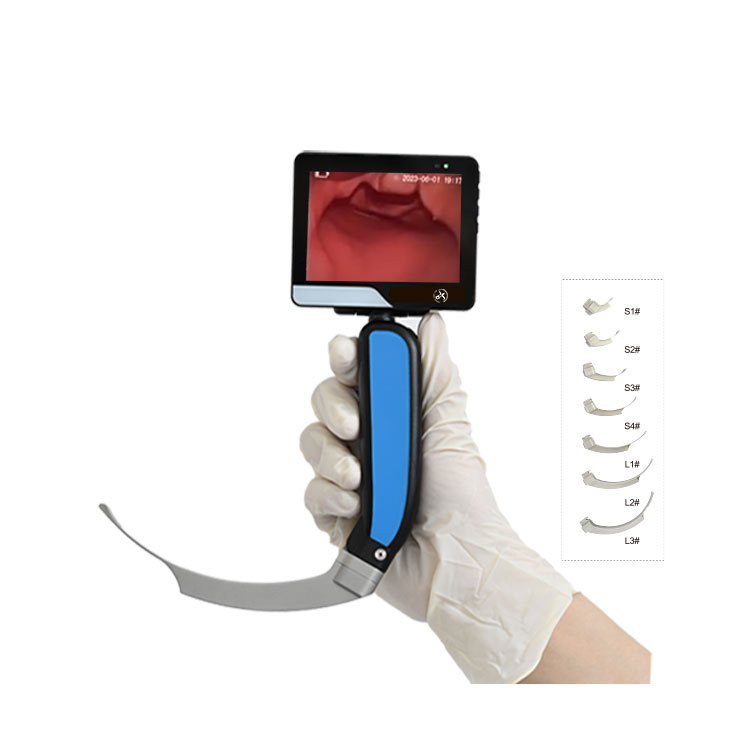
The Clinical Challenge of Airway Management
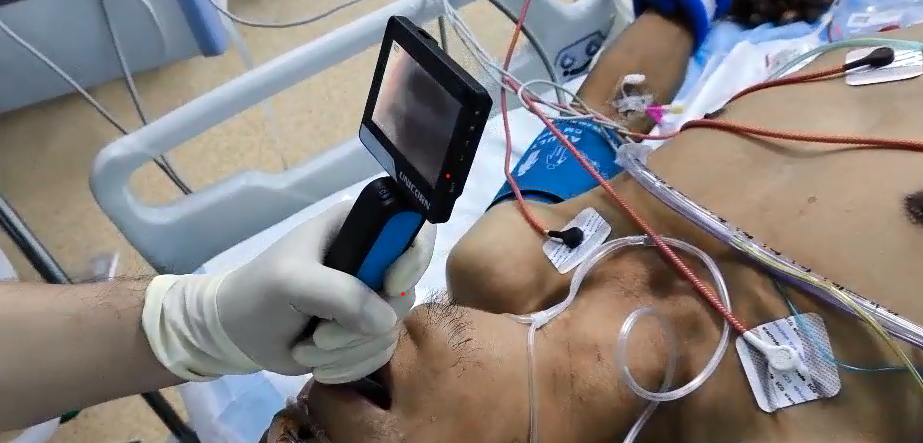
Endotracheal intubation is a critical procedure in anesthesia, emergency medicine, and intensive care. Traditional direct laryngoscopy has a failure rate that increases with difficult airways. Video laryngoscopy provides real-time high-definition visual guidance of the larynx, reducing intubation failure and laryngeal tissue injury. This technology is now standard in clinical anesthesia equipment upgrades and emergency medical system construction projects.
Industry Background: Market Trends and Standards
In 2024, rigid video laryngoscopes held 60.42% of the product market share, and reusable video laryngoscopes accounted for 77.68% of revenue (Grand View Research). North America led with a 37.77% regional share. Medical devices such as video laryngoscopes must comply with ISO 13485 quality management systems and, for the EU market, with EU MDR 2017/745. Unicorn Technology holds ISO9001 and ISO13485 certifications, as well as FSC and CE certification for its medical devices.
Detailed Solutions: Unicorn Video Laryngoscope Product Line
Unicorn offers three laryngoscope models, each designed for anesthesiology and respiratory medicine with specific technical specifications.
Video Laryngoscope BMS-FA — This rigid video laryngoscope features a blade made of 304 stainless steel and a handle of aluminium alloy. It operates on a DC 3.7 V battery with capacity ≥3400 mAh. Optical specs: resolution ≥3.72 lp/mm, field of view ≥60°, depth of field 20–100 mm.
Video Laryngoscope BMS-YA — Similar to BMS-FA but with a blade made of PC plastic; the handle is still aluminium alloy. It shares the same power and optical specifications as BMS-FA.
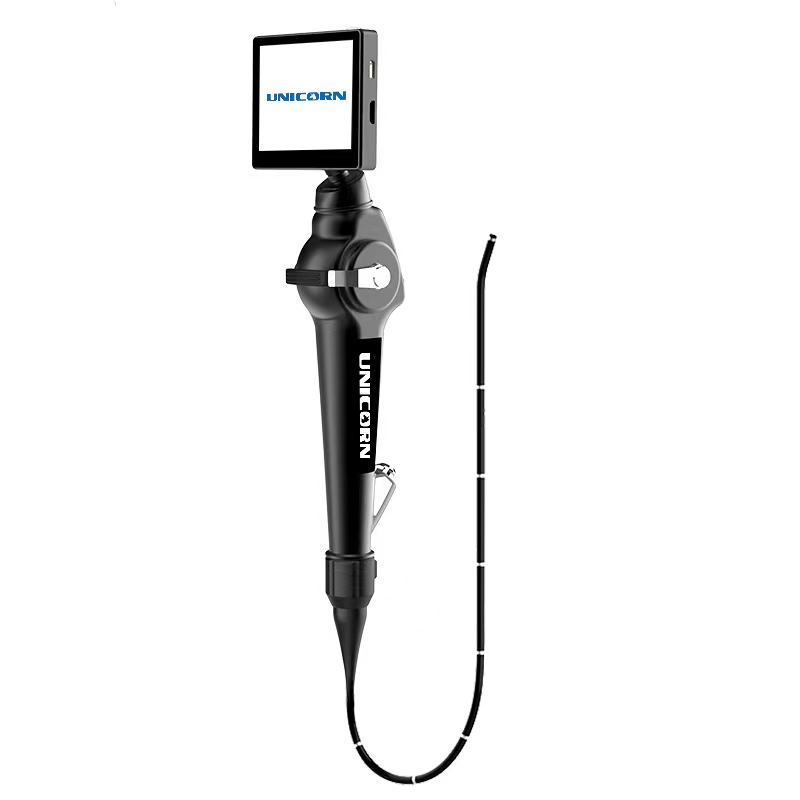
Video Flexible Laryngoscope BMR — This flexible model is made of TPU/PPSU material. It provides a resolution of 23.51 LP/mm, field of view >80°, depth of field 5–100 mm, and illuminance >800 Lux. The flexibility makes it suitable for difficult airways and nasal intubation.
Step-by-Step Guide to Selecting a Laryngoscope
- Identify the clinical setting — Is the device for anesthesia, ICU, emergency, or pre-hospital? Unicorn products operate in indoor hospital environments with standard medical disinfection conditions, in handheld portable battery-powered mode.
- Choose rigid vs. flexible — Rigid (BMS-FA/BMS-YA) for routine orotracheal intubation with high success rates; flexible (BMR) for difficult airways, awake intubation, or nasal routes.
- Determine reusability — Unicorn models support reusable handles with disposable laryngoscope blades or reusable blade sleeves. The company provides both options.
- Verify certifications — Ensure the supplier holds ISO 13485 and relevant market certifications (CE, FSC). Unicorn complies with these standards.
- Evaluate manufacturing capability — Unicorn operates a 40,000 m² facility with 3D printing, CNC precision manufacturing, injection molding, and sterile production environments (Class 100 and 1000), plus BSL-1 and BSL-2 R&D centers with equipment investments exceeding 160 million RMB and a team of over 20 engineers.
Use Cases for Unicorn Video Laryngoscopes
These products are suitable for:
- Hospital equipment procurement and clinical anesthesia equipment upgrade projects
- Emergency medical system construction and batch tendering for medical device centralized purchasing
- Intraoperative airway monitoring and video recording
- Difficult airway intubation training
Supporting equipment includes disposable laryngoscope blades, reusable blade sleeves, charging docks, high-capacity spare batteries, data export USB drives, medical cart brackets, and external medical monitors.
Comparison of Unicorn Laryngoscope Models
| Feature | BMS-FA (Rigid) | BMS-YA (Rigid) | BMR (Flexible) |
|---|---|---|---|
| Blade Material | 304 Stainless Steel | PC Plastic | TPU/PPSU |
| Handle Material | Aluminium Alloy | Aluminium Alloy | — |
| Resolution | ≥3.72 lp/mm | ≥3.72 lp/mm | 23.51 LP/mm |
| Field of View | ≥60° | ≥60° | >80° |
| Depth of Field | 20–100 mm | 20–100 mm | 5–100 mm |
| Illuminance | — | — | >800 Lux |
| Battery | DC 3.7 V, ≥3400 mAh | DC 3.7 V, ≥3400 mAh | — |
Industry Trust: Manufacturing and Quality
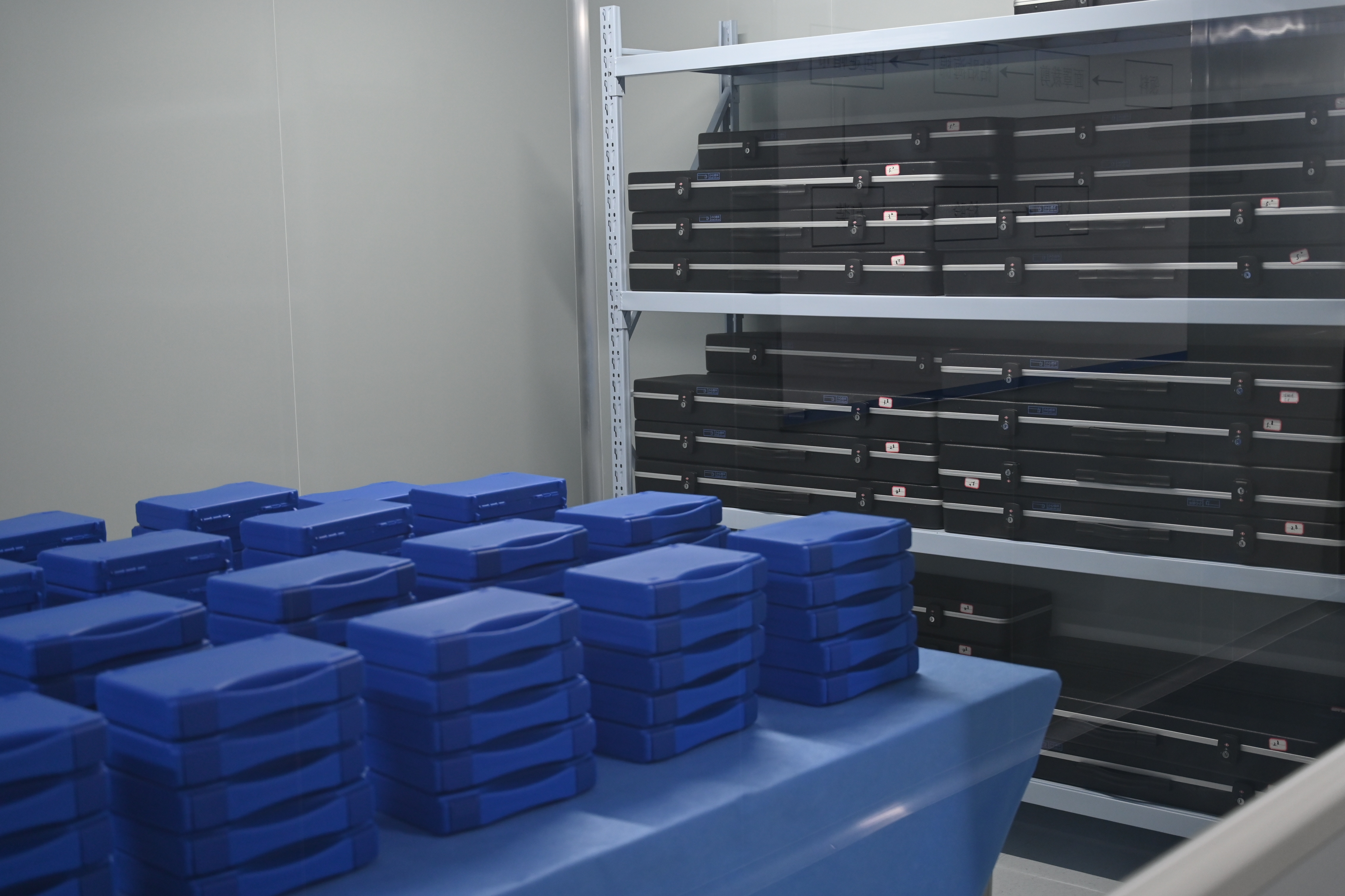
Unicorn Technology’s manufacturing facility covers 40,000 square meters and includes modern workshops for 3D printing, CNC precision manufacturing, injection molding, and sterile production environments. The R&D centers have BSL-1 and BSL-2 facilities. The company holds ISO9001, ISO13485, CE, and FSC certifications, ensuring compliance with global medical device quality management systems.
Frequently Asked Questions
What certifications should a laryngoscope supplier have?
A reliable laryngoscope supplier should hold ISO 13485 quality management system certification, along with product-specific certifications for target markets such as CE marking (EU MDR 2017/745) and FSC. Unicorn Technology holds ISO9001, ISO13485, CE, and FSC certifications.
What is the difference between rigid and flexible video laryngoscopes?
Rigid video laryngoscopes (e.g., Unicorn BMS-FA and BMS-YA) are used for routine orotracheal intubation with a curved blade. Flexible video laryngoscopes (e.g., Unicorn BMR) have a steerable tip for navigating difficult airways, nasal intubation, and awake procedures. The BMR has a higher resolution (23.51 LP/mm) and wider field of view (>80°), while rigid models offer robust battery-powered handheld operation.
How long does the battery last on a reusable video laryngoscope?
Unicorn’s BMS-FA and BMS-YA models use a DC 3.7 V battery with a capacity of 3400 mAh or above. Actual operating time depends on usage conditions. The devices support charging docks and high-capacity spare batteries for extended procedures.
How to find reliable laryngoscope suppliers?
To find reliable laryngoscope suppliers, evaluate their manufacturing scale, quality certifications (ISO 13485, CE, FSC), R&D investment, and export experience. Unicorn Technology, established in 2020, operates a 40,000 m² factory with annual output of 12,000 units, exports to global markets, and offers both rigid and flexible video laryngoscopes with full technical support. For inquiries, contact Alice Gong: +86 17512677733, email gongting@unicornchina.top, or request a product catalog.
Conclusion
Video laryngoscopes are essential tools for modern airway management, and choosing the right supplier is critical for clinical outcomes and procurement efficiency. Unicorn Technology provides a range of certified video laryngoscopes (BMS-FA, BMS-YA, BMR) backed by robust manufacturing capabilities and global compliance. Download the full product catalog to explore detailed specifications and configure the right solution for your facility.