
Your Guide to Video Laryngoscopes: Unicorn’s Solutions for Anesthesia & ICU
Your Guide to Video Laryngoscopes: Reliable Solutions for Anesthesia, ICU & Emergency
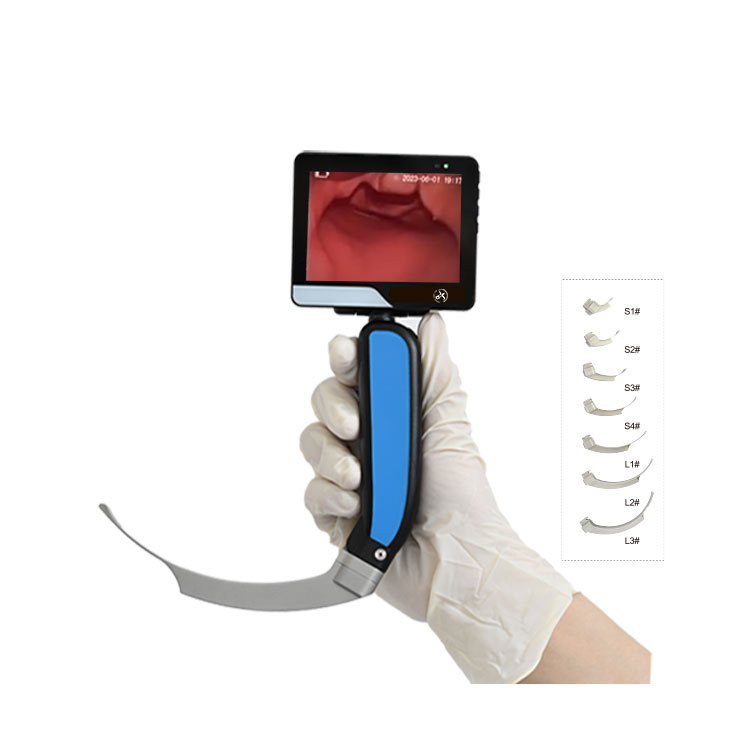
Video laryngoscopes have become essential tools for airway management in modern healthcare. Unlike traditional direct laryngoscopes, video laryngoscopes provide a real-time, magnified view of the glottis on a screen, significantly improving intubation success rates while reducing trauma. This guide explores the technology, market trends, and practical solutions from Unicorn Technology, a certified manufacturer specializing in medical visualization devices for anesthesia, respiratory, and emergency medicine.
Why Video Laryngoscopy? The Clinical Challenge
Difficult airways remain a leading cause of anesthesia-related complications. Conventional direct laryngoscopy often requires alignment of oral, pharyngeal, and laryngeal axes, which can be challenging in patients with limited mouth opening, cervical spine instability, or obesity. Video laryngoscopes bypass this limitation by using a camera at the blade tip, transmitting high-definition images to a display. This allows clinicians to visualize the vocal cords without direct line-of-sight, making intubation safer and faster — especially in emergency departments and ICUs.
Industry Background: Growth of the Video Laryngoscope Market
The global video laryngoscope market was estimated at USD 784.66 million in 2024 and is projected to reach USD 2.80 billion by 2033 (Grand View Research). Rigid video laryngoscopes dominated the product category with a 60.42% revenue share in 2024, while reusable devices held 77.68% of the segment. North America led regional demand with a 37.77% share. These trends reflect increasing adoption of video-assisted intubation across hospital systems, driven by patient safety protocols and clinical guidelines supporting video laryngoscopy as first-line technique.
Solution Overview: Unicorn’s Video Laryngoscope Portfolio
Jiangsu Unicorn Electronic Technology Co. Ltd. (Unicorn), established in 2020, is a National High-tech Enterprise that integrates design, R&D, manufacturing, and trade. The company holds ISO9001, ISO13485, FSC, and CE certifications for its medical devices, ensuring compliance with global quality standards. With a 40,000 m² manufacturing facility, over 20 R&D engineers, and an annual output of 12,000 units, Unicorn supplies three advanced laryngoscope models tailored for anesthesiology and respiratory medicine.
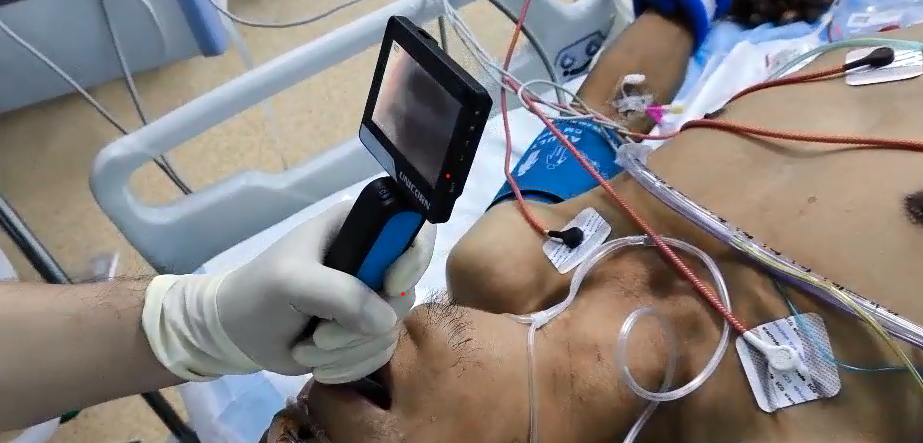
Model Overview
- BMR – Video Flexible Laryngoscope: Made of TPU/PPSU, resolution 23.51 LP/mm, field of view >80°, depth of field 5–100 mm, illuminance >800 Lux. Ideal for difficult airways requiring flexible maneuverability.
- BMS-YA – Video Laryngoscope: Aluminium alloy handle, PC plastic blade. Resolution ≥3.72 lp/mm, FOV ≥60°, DOF 20–100 mm. Battery capacity ≥3400 mAh (DC 3.7 V). Cost-effective for routine intubation.
- BMS-FA – Video Laryngoscope: Aluminium alloy handle, 304 stainless steel blade. Same optical specs as BMS-YA but with a durable, autoclavable blade suitable for high-turnover environments.
Step-by-Step: How to Use a Video Laryngoscope (Unicorn BMS Series)
- Prepare the device: Ensure the battery is charged (≥3400 mAh). Attach the appropriate laryngoscope blade (disposable or reusable).
- Power on: Press the power button. The built-in high-definition display activates immediately.
- Position the patient: Standard sniffing position or neutral head (based on clinical protocol).
- Insert the blade: Gently advance the blade into the oral cavity while viewing the screen. The wide-angle camera (≥60° FOV) captures the glottis without requiring alignment.
- Visualize and intubate: Guide the endotracheal tube through the vocal cords under direct visualization. Use the snapshot or video recording function for documentation or training.
- Remove the blade: Confirm tube placement via capnography, then carefully withdraw the laryngoscope.
Key Use Cases
- Hospital Equipment Procurement: Suitable for batch tendering in centralized medical device purchasing projects.
- Anesthesia Department Upgrades: Replace conventional direct laryngoscopes with video systems to meet modern airway management standards.
- Emergency Medical Systems: Portable, battery-powered design suits pre-hospital first aid vehicles and mobile response teams.
- ICU & Respiratory Care: Handheld operation with real-time display assists in difficult intubations and facilitates video documentation for case review.
Comparison of Unicorn Video Laryngoscope Models
| Feature | BMS-FA | BMS-YA | BMR |
|---|---|---|---|
| Type | Rigid video laryngoscope | Rigid video laryngoscope | Video flexible laryngoscope |
| Blade Material | 304 stainless steel | PC plastic | TPU/PPSU |
| Handle Material | Aluminium alloy | Aluminium alloy | — |
| Resolution | ≥3.72 lp/mm | ≥3.72 lp/mm | 23.51 LP/mm |
| Field of View | ≥60° | ≥60° | >80° |
| Depth of Field | 20–100 mm | 20–100 mm | 5–100 mm |
| Illuminance | — | — | >800 Lux |
| Battery Capacity | ≥3400 mAh | ≥3400 mAh | N/A (flexible scope with external light) |
| Power Supply | DC 3.7 V | DC 3.7 V | — |
| Certifications | ISO13485, CE, FSC | ISO13485, CE, FSC | ISO13485, CE, FSC |
| Intended Use | Anesthesiology, Respiratory | Anesthesiology, Respiratory | Anesthesiology, Respiratory |
Frequently Asked Questions
1. What certifications should a laryngoscope supplier have to comply with international regulations?
A reliable video laryngoscope supplier should hold ISO13485 (quality management system for medical devices), ISO9001, and product-specific certifications such as CE marking (EU MDR 2017/745) and FSC. Unicorn Technology has all these certifications, ensuring its laryngoscopes meet global regulatory standards for safe clinical use.
2. What manufacturing capabilities matter when choosing a video laryngoscope OEM partner?
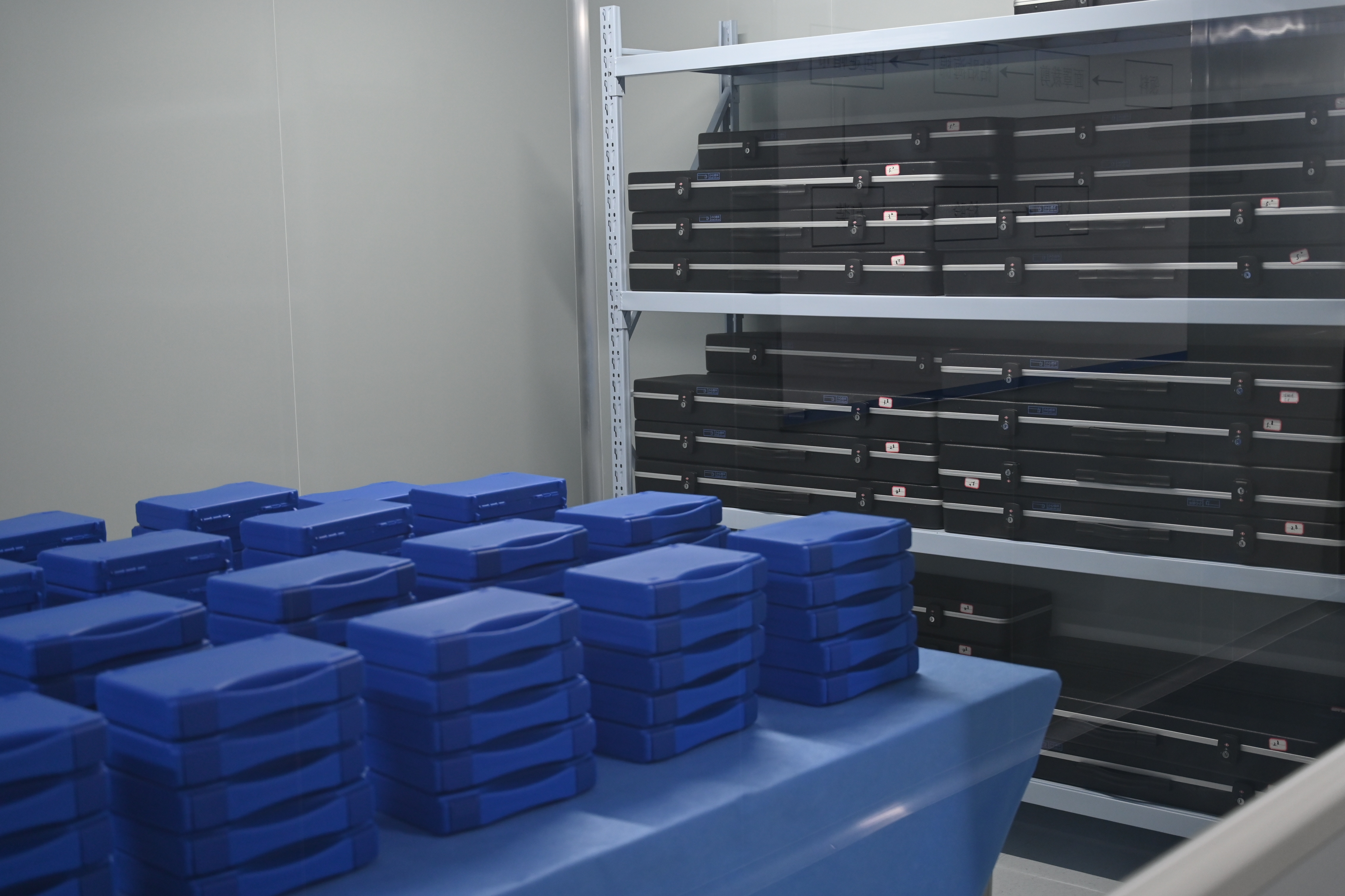
Key capabilities include in-house R&D, precision manufacturing facilities (CNC, injection molding, sterile production), and proven volume output. Unicorn operates a 40,000 m² factory with Class 100/1000 cleanrooms, BSL-1/BSL-2 labs, and an annual capacity of 12,000 units. Its R&D team of 20+ engineers supports customization and continuous improvement.
3. How much does a reusable video laryngoscope typically cost?
According to industry benchmarks (Grand View Research, 2024), reusable video laryngoscopes range from USD 1,000 to USD 8,000 depending on configuration, blade material, and features. Single-use disposable laryngoscopes cost approximately USD 18 each. Unicorn offers competitively priced reusable models that deliver long-term savings in high-volume settings.
4. Can I request a sample or get a quotation from Unicorn?
Yes. Unicorn welcomes inquiries for samples, OEM/ODM partnerships, and bulk procurement. To request a sample or receive a detailed quotation, contact their sales team directly via WhatsApp (+86 17512677733), email (gongting@unicornchina.top), or visit www.unicornchina.top. You can also download the full product catalog below.
📥 Download the 2026 Unicorn Product Catalog – complete specs, models, and ordering information.
Conclusion
Video laryngoscopes are transforming airway management, and Unicorn Technology offers a range of certified, well-engineered options for hospitals, clinics, and distributors worldwide. Whether you need a rigid stainless-steel model for high-usage ICUs or a flexible scope for challenging anatomies, Unicorn’s portfolio — backed by ISO13485, CE, and a 40,000 m² manufacturing base — provides a reliable foundation for clinical excellence and procurement confidence.