
Dry Wipes Comparison Guide: Formats, Materials and OEM Requirements
Dry Wipes Comparison Guide: Formats, Materials and OEM Requirements
Dry wipes are disposable nonwoven sheets used in personal care, health and beauty, maternity and baby care, pet-care and household cleaning programs. Because they contain no added liquid, the choice of nonwoven material, sheet dimension, packaging design and factory compliance can change how the product performs in each market. This dry wipes comparison guide is written for importers, distributors, brand owners and procurement teams moving from research into evaluation.
Why Buyers Need a Dry-Wipes Comparison Framework
Dry wipes look simple, but a dry-wipes order can differ in several ways: sheet size, nonwoven weight, sheets per pack, package type, skin-safety additives, certification scope and OEM flexibility. A buyer comparing only unit price can miss the specification that affects customs classification, customer satisfaction or retail shelf position.
The problem is particularly common when suppliers offer different product families. One supplier may quote a 10-count pocket pack; another may quote an 80-count box. Neither comparison means anything unless the material weight, sheet size and packaging are placed on the same evaluation basis. This guide provides a structured comparison method that can be used during request-for-quotation review or supplier evaluation.
Industry Context: Dry Wipes by the Numbers
Published third-party research helps frame the category. The global dry wipes segment was reported at USD 13.6 billion in 2024, driven by its versatility in medical and household applications, according to GlobeNewswire/ResearchAndMarkets. The narrower disposable facial towel segment is projected to grow from USD 0.45 billion in 2025 to USD 1.18 billion by 2034, a CAGR of 11.2% according to Cognitive Market Research. North America held roughly 37% of the facial towel market in 2024, while Asia Pacific was the fastest-growing region with a 7.7% CAGR, according to Fortune Business Insights.
These numbers matter because they show that dry wipes are not a single commodity. Facial towels, household cleaning cloths, travel towels and baby-care wipes can be made from similar raw materials but require different packaging and performance choices. A comparison guide should therefore separate the product-level variables from the supplier-level variables.
How to Compare Dry Wipes: Five Decision Layers
Zhejiang Uniquality Nursing Products Technology Co., Ltd. (Uniquality) is an OEM/ODM manufacturer of personal care products. For dry-wipes buyers, it provides a documented baseline: model YQ002, classified as Disposable Dry Wipes, with default specifications of 15 x 20 cm sheets, nonwoven material from 35 to 70 gsm, 10 or 80 pieces per bag, and packaging in soft pack or disposable format. Each of these parameters can be customized.
When comparing dry-wipes suppliers, separate the evaluation into the following layers.
1. Compare Product Type and Packaging Format
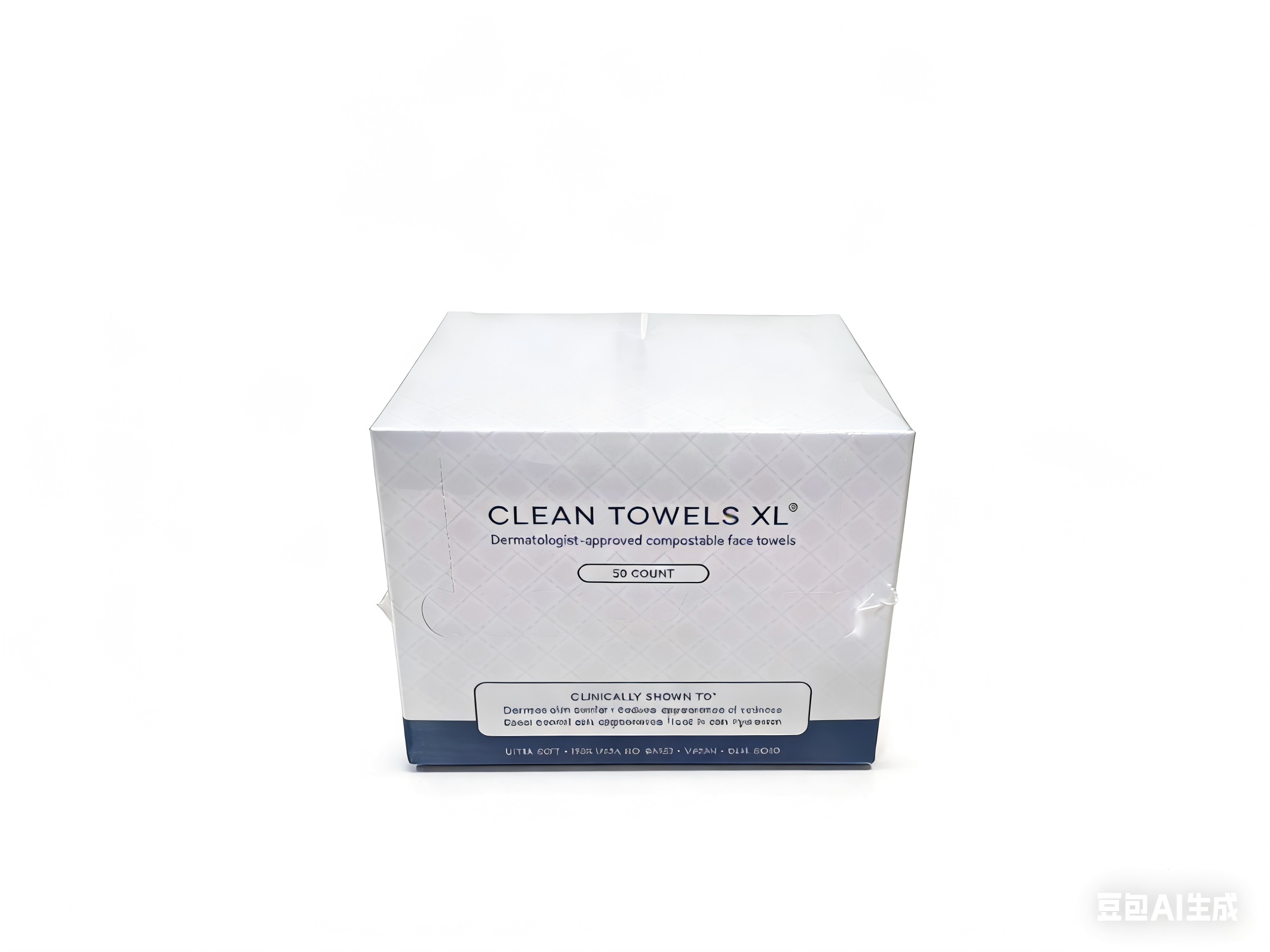
In Uniquality’s documented dry-wipes range, the same product family can appear in different formats. The product visuals show a pop-up pull-out box design and pocket-sized travel packs. The pop-up box is described with a dust-proof lid and one-sheet-per-pull access, which helps prevent unused sheets from becoming damp or contaminated. This format is designed for placement on a bathroom counter or desk, and is useful for facial-care routines. The travel pack format is positioned as suitable for short trips, business travel, camping and high-speed rail rides, offering a hygienic alternative to unsterilized hotel towels.
For OEM comparison, ask each supplier to state the package format in writing. A soft pack, a rigid box and a single-use pack have different filling costs, storage costs and user experiences, even if the wipe inside is the same.
2. Compare Nonwoven Material and Basis Weight
The weight of the nonwoven is usually expressed in grams per square metre, or gsm. Uniquality’s dry-wipes specification allows clients to start within 35-70 gsm and customize further. A lower basis weight in that range generally feels lighter and uses less material; a higher basis weight gives a thicker, more cloth-like sheet. Buyers should compare products at the same gsm before drawing conclusions about softness or absorbency.
For skin-care and baby-care applications, the pop-up format is described as thickened plant-based nonwoven: soft, tear-resistant and lint-free, free from fluorescent agent and artificial fragrance. The formulation is also described as dry-only with zero added liquid, meaning the sheet can be used directly as a dry wipe or soaked in water for a wet-cleansing purpose. This dual-use feature is a relevant comparison point for beauty and facial-care projects.
3. Compare Compliance Scope and Certifications
Suppliers often list several certificates, but the certificate scope must include dry wipes. Uniquality holds ISO 9001:2015 with certificate number 01326Q0078R102, ISO 14001:2015 with certificate number 01326E0075R101, ISO 45001:2018 with certificate number 01326S0066R101, ISO 50001:2018 with certificate number 01326En0008R201, and SEDEX registration ZAA600079586. The stated scopes of these management-system certificates include dry wipes. The factory also operates a 100,000-class clean room.
Destination-market rules are separate from supplier certificates. In the United States, dry wipes intended for skin cleansing are regulated as cosmetics by the FDA; if the labelling makes therapeutic claims, the product may require drug approval. In the European Union, cosmetic wipes require a Product Information File and CPNP notification under Regulation (EC) No 1223/2009. A comparison process should verify not only factory certifications but also whether the proposed dry-wipes product meets downstream cosmetic compliance for the target market.
4. Compare Customization Range and OEM Flexibility
Uniquality supports OEM/ODM production. Its customization list covers material, size, logo, packaging, fragrance and formula. This is useful for buyers comparing private-label dry wipes because the same supplier can adjust sheet size beyond 15 x 20 cm, nonwoven weight beyond the standard range, piece count beyond 10 or 80, and package structure for different retail channels.
A rigid customisation process is also an operational signal. Uniquality’s service model includes one-stop private-label support with sample turnaround of 3-5 days. Buyers should compare how long each supplier needs to translate a specification into a physical sample, and whether the supplier can adjust material and packaging during the sampling stage.
5. Compare Scale, MOQ, Sampling and Lead Time
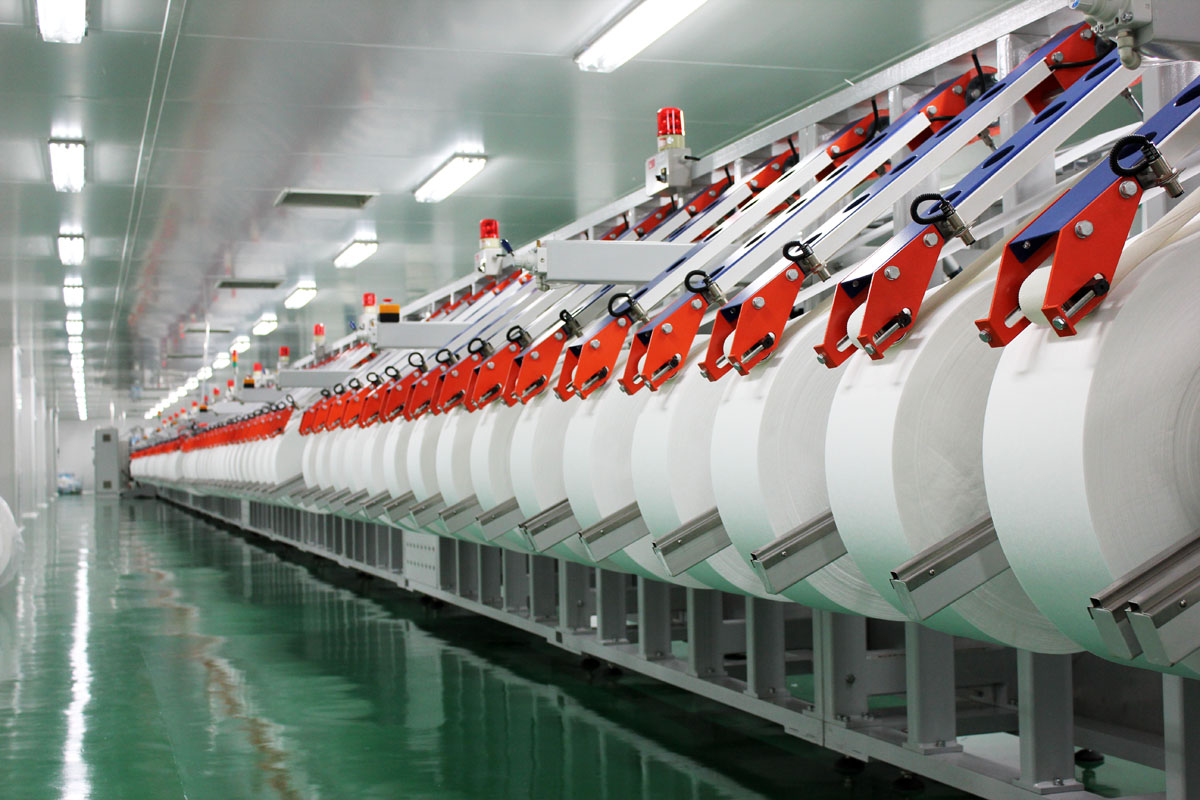
Supply reliability is part of a dry-wipes comparison. Uniquality operates a smart factory of 1 million square metres with an annual capacity of 60 billion sheets. The stated MOQ for dry wipes is one 40HQ container. Production lead time is 35-45 days after confirmation of artwork and deposit. Sampling time is 3-5 days as part of the private-label service.
For a global buyer, these figures create a practical comparison baseline. A supplier with very small capacity may not handle a retailer’s launch quantity; a supplier with unclear MOQ terms may create hidden costs when a new SKU is introduced. Request MOQ, sampling time and lead time in writing, then compare offers that use the same container size and product specification.
Step-by-Step Dry-Wipes OEM Comparison Checklist
Use the following steps to turn a broad comparison into a shortlist.
- Define the use case and end user. Identify whether the dry wipe is for facial cleaning, baby care, household cleaning, pet care or travel hygiene. This determines the relevant packaging format and performance requirements.
- Set the sheet specification baseline. Compare sheet size, nonwoven gsm, texture, absorbency and lint-free properties. A 15 x 20 cm sheet is a common baseline, but custom sizes may be needed.
- Shortlist packaging and count structures. Compare pop-up box, soft pack, disposable single pack, 10-count and 80-count options. Match the pack size to the sales channel.
- Check certification scope. Verify that ISO or other management certificates list dry wipes, not just wet wipes or diapers. Record certificate numbers and issue dates.
- Confirm destination-market compliance. For skin-use dry wipes, determine whether the product is regulated as a cosmetic in the target country and whether a PIF, CPNP notification or other registration is required.
- Evaluate OEM capabilities. Confirm customization options, MOQ, sampling time and production lead time. Ask for reference projects or documented quality control procedures.
- Request samples. Use the sample to verify softness, lint, packaging seal, sheet size and fragrance-free or fluorescing-agent-free claims before committing to production.
Use Cases: What the Comparison Means in Different Projects
Dry wipes are used across categories, but each category changes the buying priority.
Facial and Beauty Care
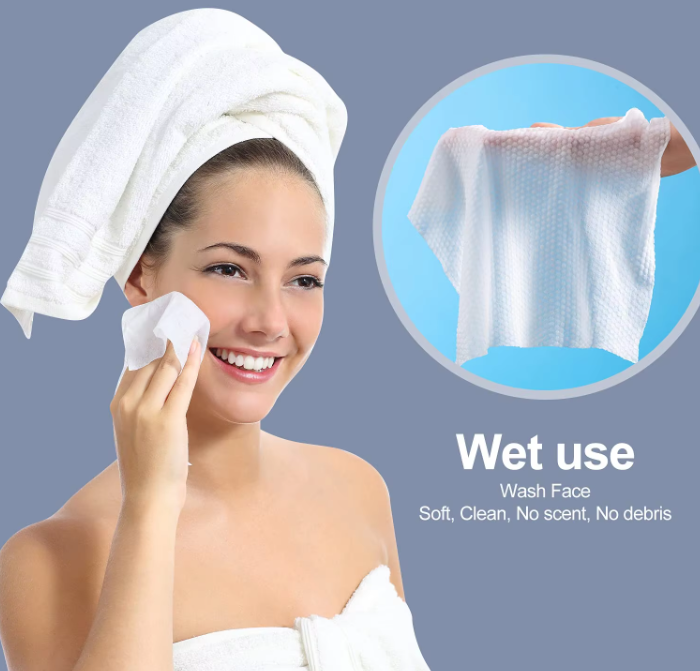
For daily facial cleaning, the product visual shown by Uniquality describes a morning-and-night routine where dry wipes replace traditional towels. The extra-large sheet covers the face with a single piece, can be used dry for patting the face, or dampened for makeup removal, and avoids bacterial build-up from reused towels. Buyers in this segment should prioritise sheet size, softness, lint-free material and absence of fluorescent agents or artificial fragrance.
Household Cleaning
The same dry-wipes product can be used after facial care to wipe sink water stains, kitchen grease and desk dust. Because it is disposable, it reduces the cleaning workload associated with cloth towels. For household projects, buyers may prioritise a stronger sheet, a larger pack count and dust-proof packaging.
Infant Care
For infant care, the documented use includes wiping a baby’s face and hands and cleaning food spills. The sealed box format is presented as gentler for babies and easier to store in a bedroom or washroom. Buyers in this segment should compare skin-safety claims, packaging hygiene and the supplier’s experience in the maternity and baby industry.
Travel and On-the-Go Hygiene
For short trips, business travel, camping and rail travel, Uniquality positions dry wipes as a pocket-friendly substitute for unsterilized hotel towels. Buyers should compare compactness, single-use format, cleanliness claims and convenience of opening.
Uniquality also documents dry wipes as applicable to personal care, health and beauty, maternity and baby, pet supplies and household industries. Different projects may therefore involve the same manufacturer but different product parameters, packaging counts and compliance requirements.
Dry-Wipes Comparison Table
| What to Compare | What to Ask Suppliers | Documented Baseline from Uniquality |
|---|---|---|
| Sheet size | What is the standard sheet size? Can it be customised? | 15 x 20 cm, customisable |
| Nonwoven material | What material is used and what is the gsm range? | Nonwoven, 35-70 gsm, customisable |
| Pieces per pack | Can pack count match a travel or family format? | 10 or 80 pieces per bag, customisable |
| Packaging | What packaging options are available? | Soft pack or disposable format; pop-up box is shown in product visuals |
| Skin-safety profile | Is the wipe soft, lint-free and free from fluorescent agent or artificial fragrance? | Thickened plant-based nonwoven in pop-up format; dry-only with zero added liquid |
| Certification scope | Do certificates cover dry wipes, not only other products? | ISO 9001:2015, ISO 14001:2015, ISO 45001:2018, ISO 50001:2018 and SEDEX scopes include dry wipes; 100,000-class clean room |
| OEM constraints | What are MOQ, sampling time and lead time? | MOQ dry wipes: 1 x 40HQ container; sampling: 3-5 days; lead time: 35-45 days after artwork confirmation and deposit |
Dry-Wipes Sourcing FAQ
Which certifications should a dry-wipes OEM have?
Check that the certificate scope includes dry wipes. Uniquality holds ISO 9001:2015 certificate 01326Q0078R102, ISO 14001:2015 certificate 01326E0075R101, ISO 45001:2018 certificate 01326S0066R101, ISO 50001:2018 certificate 01326En0008R201 and SEDEX registration ZAA600079586; dry wipes are within the stated scopes. The manufacturing facility operates with a 100,000-class clean room. For destination-market compliance, skin-use dry wipes may be regulated as cosmetics by the US FDA, and EU access may require a Product Information File and CPNP notification under Regulation (EC) No 1223/2009.
How should I compare dry-wipes materials between suppliers?
Compare at the same basis weight. Uniquality’s documented dry-wipes baseline is nonwoven from 35 to 70 gsm with customisable material and sheet size. In selected product formats, the material is a thickened plant-based nonwoven described as soft, tear-resistant and lint-free, free from fluorescent agent and artificial fragrance. Higher-gsm sheets generally feel more absorbent and cloth-like, while lower-gsm sheets are lighter and may reduce pack weight. Ask for samples and evaluate the same gsm, sheet size and pack count.
What is the MOQ for private-label dry wipes?
Uniquality states an MOQ of one 40HQ container for dry wipes. Customisation under OEM/ODM production can cover material, size, logo, packaging, fragrance and formula. One-stop private-label service includes sampling in 3-5 days. When comparing suppliers, use the same container size, gsm, piece count and package type before comparing price or value.
Can I test a dry-wipes sample before bulk production?
Yes. Uniquality’s private-label service supports sampling within 3-5 days. Submit the requested size, material gsm, piece count, logo and packaging details to receive a sample. Use the sample to verify softness, lint, absorbency, packaging seal and the absence of added fragrance or fluorescent agent before confirming a bulk order.
How long does a private-label dry-wipes order take after approval?
Uniquality states a production lead time of 35-45 days after the artwork is confirmed and the deposit is received. With an annual capacity of 60 billion sheets in a 1 million square metre factory, the supplier can handle high-volume programs, but exact scheduling depends on container load, packaging components and current production calendar. Confirm the lead time in the contract.
Conclusion: Compare Dry Wipes by Evidence, Not by Tagline
The right dry-wipes comparison combines product parameters, packaging requirements, certification scope and supplier constraints. Buyers should not rely only on the word soft or absorbent; instead, they should compare documented gsm, sheet dimensions, pack counts, MOQ, sampling time and lead time. Certificates should include dry wipes in their scope, and the factory’s hygiene standard should be confirmed.
Zhejiang Uniquality Nursing Products Technology Co., Ltd. provides one documented benchmark for this comparison: Disposable Dry Wipes model YQ002 with 15 x 20 cm sheets, 35-70 gsm nonwoven, 10 or 80 pieces per bag, and customisable packaging. For buyers who want to evaluate a real private-label project, the next step is to request samples and review the company brochure.
Request a dry-wipes sample or download the Uniquality corporate brochure to compare specifications, certifications and OEM service details.
Download Uniquality corporate brochure (PDF)
Email: michelleyu@kingsafe.com | WhatsApp: +86 187-0582-0808