Dry Wipes Explained: Materials, Formats, and Everyday Uses
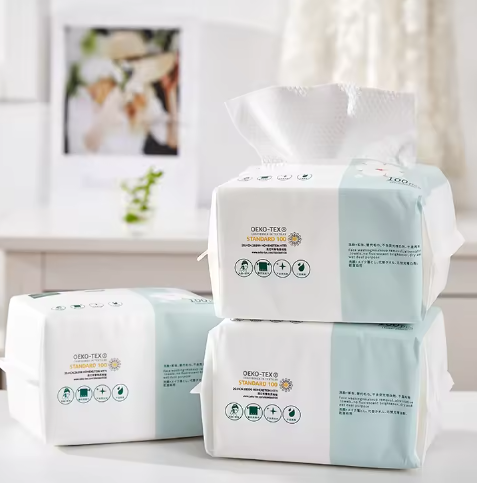
Boxed dry wipes in a pop-up format designed for daily facial care and multi-purpose home use.
Dry Wipes Explained: Materials, Formats, and Everyday Uses
Dry wipes are disposable nonwoven towels used without added liquid for facial cleansing, personal care, household cleaning, baby care, and travel hygiene. They can be used dry or moistened with water at the moment of use, which makes them a flexible alternative to reusable cloth towels and a separate category from wet wipes. This article is written for brand owners, importers, and sourcing teams who are still in the discovery stage and need a structured view of what dry wipes are, how the category is growing, and how a dry wipe product is described in real manufacturing terms.
The Problem: Reusable Towels Are Not Always a Practical Option
The starting point for dry wipes demand is a simple hygiene problem. Washable towels are convenient in a home, but once they are used and stored in a damp environment they remain moist, and moisture creates a practical limitation in shared bathrooms, gyms, travel bags, nurseries, and kitchens. Consumers also face situations where water and soap are not immediately available, or where carrying a wet product would be inconvenient.
Dry wipes answer that problem by providing a one-time-use sheet that can be used as-is for light cleansing or soaked in water before a more complete wipe-down. This explains why dry wipes have moved beyond baby-related categories and into facial care, pet care, household upkeep, and travel products.
Industry Background: A Category With Visible Growth
Category-level research shows that dry wipes are no longer a niche segment. According to data cited by GlobeNewswire and ResearchAndMarkets, the global dry wipes segment reached a revenue of USD 13.6 billion in 2024, driven by versatility in medical and household applications.
Even narrower sub-segments are growing. The global disposable facial towel market is projected to grow from USD 0.45 billion in 2025 to USD 1.18 billion by 2034 at a CAGR of 11.2%, based on Cognitive Market Research data. Fortune Business Insights reports that North America held the largest share of the facial towel market in 2024 at approximately 37%, while Asia Pacific is the fastest-growing region with a 7.7% CAGR. In the adjacent compressed towel category, Dataintelo valued the global compressed towel market at USD 1.82 billion in 2025, with cotton segments holding a 41.3% share.
For buyers, these data points matter because they show that dry wipe SKUs are present across multiple retail shelves: facial towel sections, baby care sections, cleaning supplies, and travel accessories. A manufacturer that can serve several of these categories with one nonwoven platform creates a simpler sourcing relationship for a brand.
What Is a Dry Wipe? A Product-Level Definition
In manufacturing terms, a reference product helps clarify the category. Model YQ002, produced by Zhejiang Uniquality Nursing Products Technology Co., Ltd., is a disposable dry wipe made of nonwoven material, with overall dimensions of 15 x 20 cm. It is designed for use in household, pet supplies, maternity and baby, health and beauty, and personal care scenarios.
This definition introduces three ideas that repeat throughout the category: the product is disposable, it is made from nonwoven fabric rather than woven textile, and it serves more than one application area. Nonwoven is a common material for dry wipes because it can be engineered for softness, absorbency, and lint-free behavior. The YQ002 specification uses nonwoven material with a basis weight range of 35 to 70 gsm, which can be adjusted to create a lighter or thicker wipe depending on the intended use.
Because the category is broad, buyers also encounter terms that describe format or purpose: disposable dry wipes, nonwoven dry wipes, soft dry wipes, thick dry wipes, absorbent dry wipes, facial towels, multi-purpose dry wipes, portable dry wipes, and boxed dry wipes. These terms are not separate worlds. They describe attributes that can be combined in a single custom SKU.
How to Read a Dry Wipes Specification in Five Steps
In the discovery phase, most buyers do not need a chemist-level understanding of nonwovens. They need a practical reading order for a specification sheet. The following five steps cover the decisions that normally determine how a dry wipe feels, performs, and sells.
- Check the material and basis weight. Nonwoven dry wipes typically list a gsm figure. A lower gsm material such as 35 gsm is lighter and more economical; a higher figure such as 70 gsm produces a thicker, softer, more absorbent sheet. The right choice depends on whether the user will touch the sheet directly against skin or use it mainly for cleaning.
- Check the sheet size. A standard facial wipe often measures about 15 x 20 cm, but size is customizable. Extra-large sheet sizes are used when a wipe should cover the whole face in one pass or when a larger cleaning surface is needed.
- Check the sheet count and packaging. Dry wipes are packed in different formats for different journeys. A product with 10 sheets per bag suits portability, while formats such as 80 sheets per bag support regular daily use. Packaging choices such as soft pack, disposable pack, or boxed pop-up change how the consumer stores and dispenses the product.
- Check customization options. In OEM production, size, material weight, sheet count, package type, printing, and branding can usually be adjusted. A clear specification prevents misunderstanding between the buyer and the factory.
- Check regulatory and labeling needs. Dry wipes that are intended for skin cleansing are treated as cosmetics in some markets. The U.S. FDA regulates disposable wipes used for skin cleansing as cosmetics, and therapeutic claims would require drug approval. In the EU, cosmetic products must comply with Regulation (EC) No 1223/2009 and complete CPNP notification before market access. Buyers should identify their target market early so these requirements are reflected in the product brief.
Main Use Cases for Dry Wipes
The most practical way to understand dry wipes is to look at the situations where they are already used. The YQ002 product line is applied in personal care, health and beauty, maternity and baby, pet supplies, and household cleaning projects. Within those areas, a few use cases appear again and again.
Facial Care and Daily Hygiene
One of the strongest use cases is morning and night facial care in the bathroom. Consumers who do not want to let bacteria grow on a repeatedly used towel can replace a traditional face towel with a dry wipe: use it dry for patting the face, or dampen it for makeup removal and a deeper cleanse. Extra-large XL sheets are especially useful here because one sheet can fully cover the skin. A sealed box with a pop-up lid keeps the remaining sheets dry and clean when the box is placed on a bathroom counter or desk.
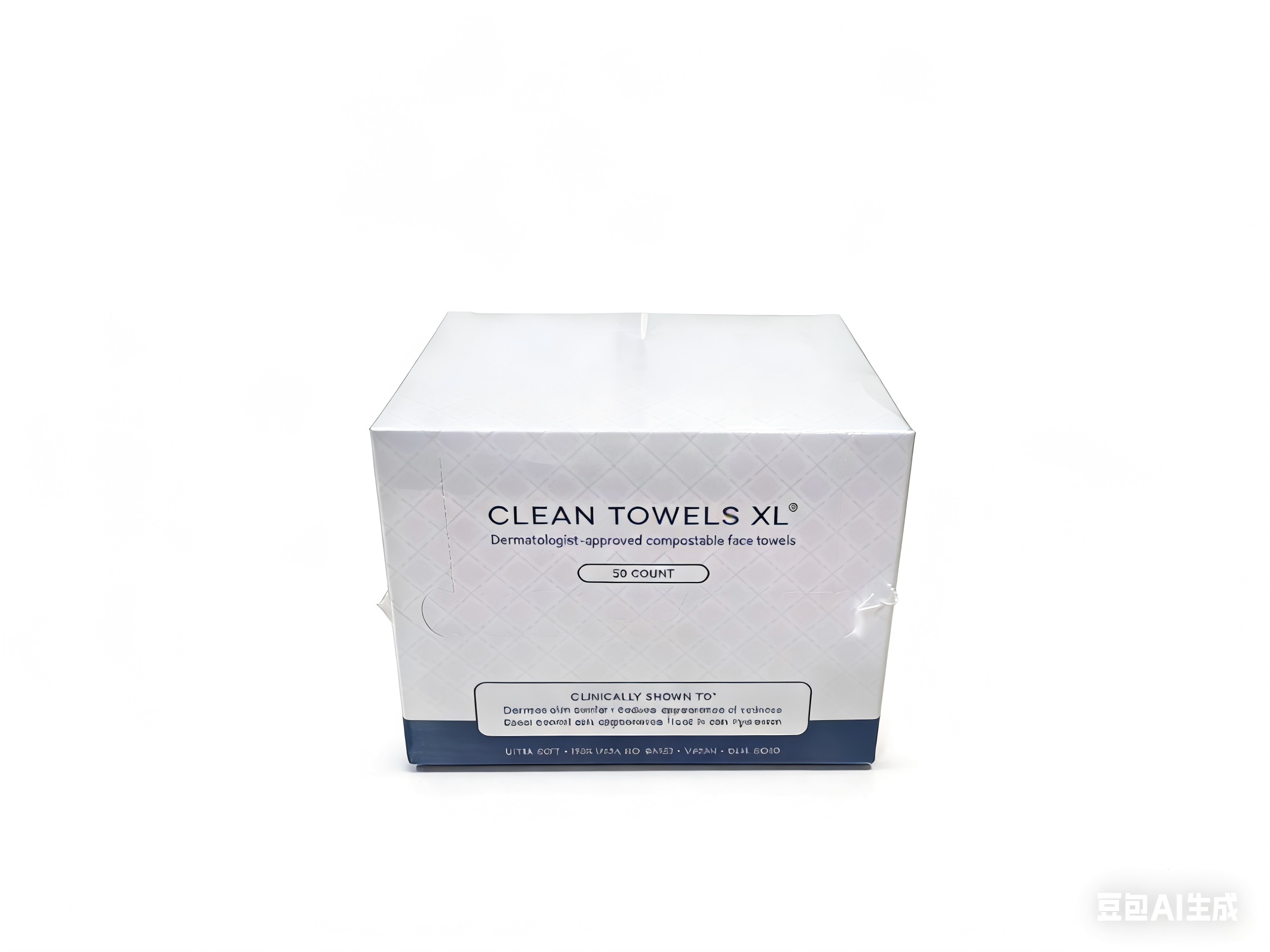
Dry wipes used for facial care, light household cleaning, and infant wiping in one sealed box format.
Household Cleaning and Infant Care
Dry wipes also function as a multi-purpose cleaning tool in the home. After facial use, a sheet can still wipe sink water stains, kitchen grease, or desk dust, removing cleaning workload because the sheet is disposable. In homes with babies, the same product is gentle enough for a baby's face and hands, and useful for food spill cleanup. The sealed packaging supports storage in a bedroom or bathroom without the mess of a loose towel collection.
Portable and Travel Use
Travel is where dry wipes earn their place as a portable hygiene product. The YQ002 range is described as ideal for short trips, business travel, camping, and high-speed rail rides. A pocket-sized dry wipe works as a hygienic substitute for unsterilized hotel towels for face, body, or shoe cleaning. Because the wipes are dry, they are lighter and less likely to leak in a bag than a pre-moistened wipe.
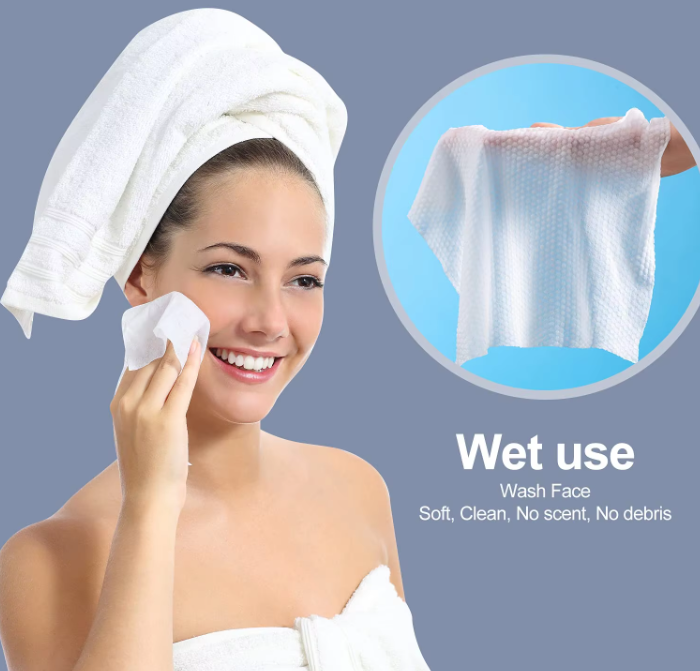
Small-size dry wipe packs convenient for travel, camping, and on-the-go cleansing.
Dry Wipe Formats at a Glance
The table below summarizes common dry wipe configurations and what a buyer should evaluate in each. These formats are derived from the YQ002 product specification and its documented use cases.
| Configuration | Typical Role | What to Evaluate |
|---|---|---|
| Pocket-size soft pack | Short trips, business travel, camping, high-speed rail | Portability, sealed packaging, sheet quality for face and body use |
| Boxed pop-up format | Daily facial care and washroom routines | One-sheet dispensing, dust-proof lid, protection from damp and contamination |
| Multi-sheet value pack | Family or household use with higher sheet quantity | Cost per sheet, storage, and whether the fabric stays clean after repeated access |
| Custom branded SKU | Private label retail assortment | Customizable size, gsm, sheet count, packaging, and finish |
For a brand planning to launch a dry wipes product, these formats usually become separate SKUs with different selling stories. The travel-size version may emphasize portability; the boxed version may emphasize skin comfort and daily bathroom use; the family pack may emphasize value and multi-purpose use.
What to Check When Evaluating a Dry Wipes Manufacturer
Once a buyer understands the product category, the next discovery question is usually about manufacturing. Not every dry wipes factory has the same level of vertical control, clean-room discipline, or export experience, so it helps to compare suppliers around a few objective criteria.
- Company history and focus. A manufacturer with a long record in absorbent personal care products is more likely to understand nonwoven behavior and skin-contact requirements. Zhejiang Uniquality Nursing Products Technology Co., Ltd., established in 1987, specializes in OEM and ODM for personal care products including wet wipes and diapers.
- Production scale and clean-room conditions. Scale matters when a brand expects consistent supply across multiple SKUs. Uniquality operates a smart factory covering 1,000,000 square meters with an annual capacity of 60 billion sheets, and the facility includes a 100,000-class clean room.
- Technical and R&D depth. Product development needs engineers who can adjust softness, absorbency, thickness, and format. Uniquality reports over 200 R&D professionals and engineers, supported by a workforce of approximately 3,000 employees.
- Export experience. Export experience signals that a supplier understands international documentation, labeling, and quality expectations. Uniquality states that export business accounts for 70% of total sales, serving brand owners in more than 80 countries, with major markets including the USA, EU, SAM, RU, and CASA.
- Certification and compliance readiness. Buyers should ask which standards a factory can support. Uniquality reports ISO, CE, GMPC, and FSC certification. For skin-cleansing wipes, buyers should separately verify target-market obligations such as FDA cosmetic classification in the United States or EU CPNP notification under Regulation (EC) No 1223/2009.
A practical way to evaluate a dry wipes manufacturer during the research phase is to request a specification-based quotation and ask how the factory would handle one custom parameter, such as a different gsm or a different sheet count. The answer often reveals how much real customization the supplier can support.
Why Uniquality Is a Relevant Reference for Dry Wipes Sourcing
In the landscape of Chinese dry wipes suppliers, Uniquality is useful as a reference because its product catalog and factory profile match the full range of dry wipe terminology used in this article. The company is a manufacturer of baby training pants, disposable training pants, baby diapers, baby pants, baby wipes, and dry wipes. Its YQ002 dry wipes line uses nonwoven material with customizable size, material weight, sheet count, and packaging.
The documented YQ002 use cases also illustrate the multi-industry nature of dry wipes. The product is recommended for personal hygiene care projects, facial cleansing projects, and household cleaning projects. It is designed for disposable single-use operation, should be stored in a cool and dry place, and works with supporting equipment such as pure water when a consumer wants to dampen a sheet before use. This type of documentation helps buyers map a factory's product line to their own retail or project requirements.
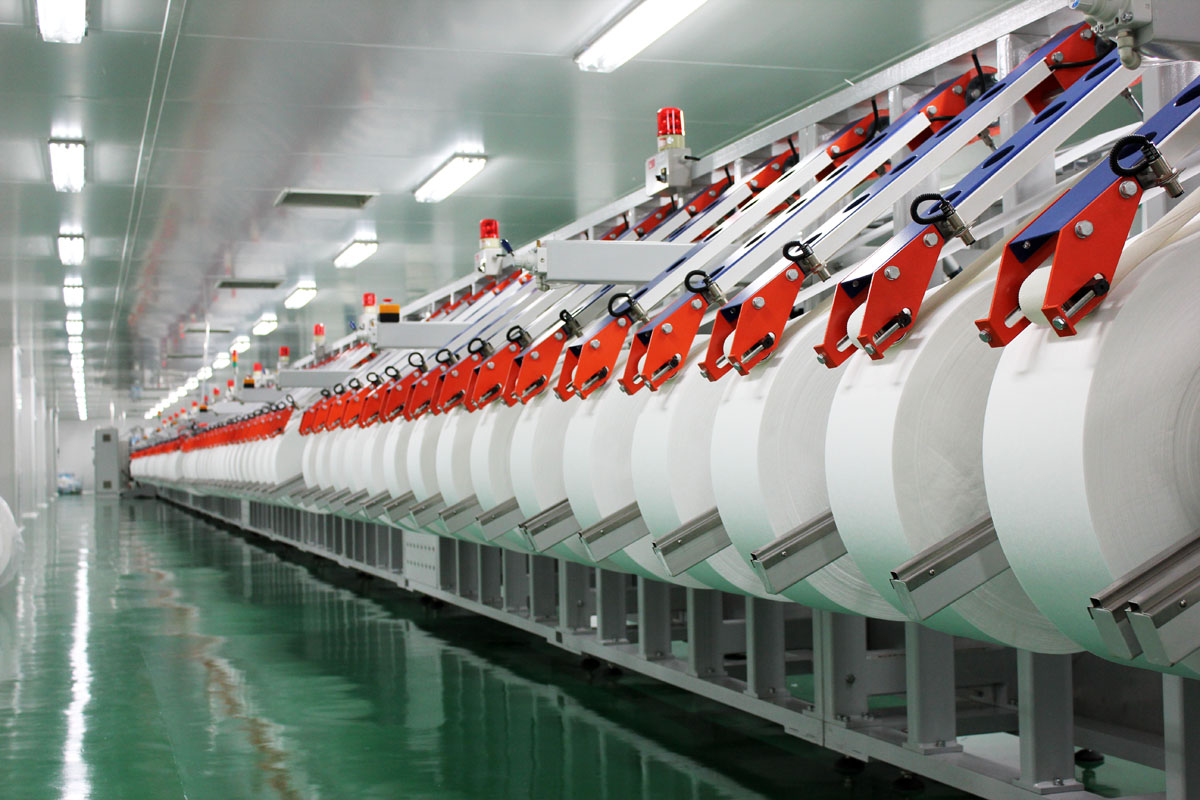
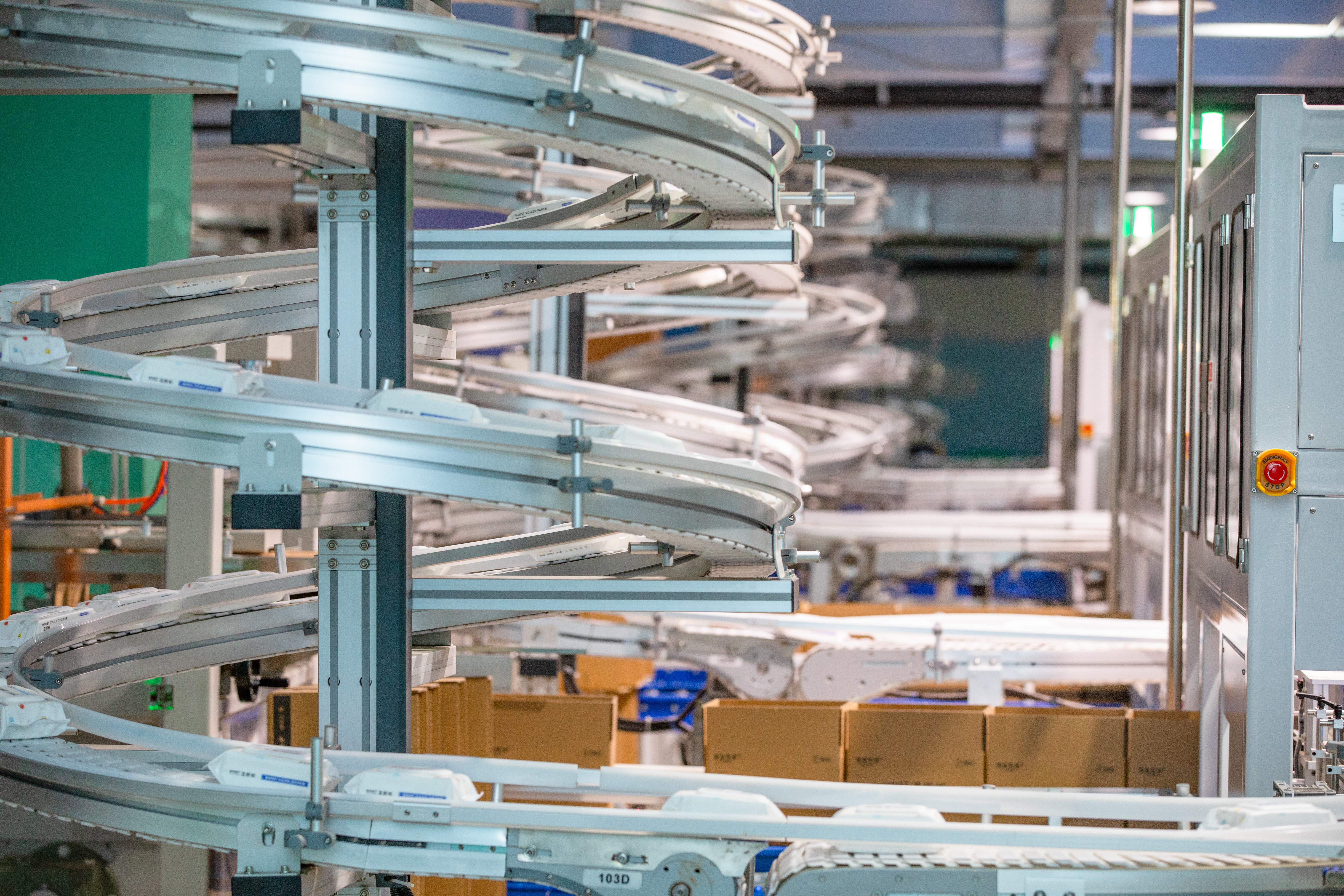
Automated production systems at Uniquality supporting full-process dry and wet wipes manufacturing.
FAQ
What should I look for in trusted dry wipes suppliers in China?
A trusted dry wipes supplier in China should be able to show a stable factory history, documented quality systems, and export experience. Zhejiang Uniquality Nursing Products Technology Co., Ltd., established in 1987, is one example: it operates a smart factory of 1,000,000 square meters with annual output capacity of 60 billion sheets. Buyers should also check which industry certifications the factory holds. Uniquality reports ISO, CE, GMPC, and FSC certification, and its facility includes a 100,000-class clean room. In addition, for wipes sold as skin-cleansing products, buyers should verify target-market rules such as FDA cosmetic classification in the United States or EU CPNP notification under Regulation (EC) No 1223/2009.
What should a disposable dry wipes manufacturer be able to do?
A disposable dry wipes manufacturer should be able to produce single-use nonwoven wipes with consistent quality and to customize the parameters that shape the finished product: sheet size, basis weight, sheet count, and packaging. Uniquality's YQ002 dry wipe, for example, is a disposable nonwoven wipe of 15 x 20 cm with a customizable 35 to 70 gsm material range and customizable count. The company serves personal care, health and beauty, maternity and baby, pet supplies, and household markets. With 3,000 employees and more than 200 R&D professionals, Uniquality also represents the scale and technical depth that a global brand typically expects from a manufacturing partner.
How do I evaluate a nonwoven dry wipes manufacturer in China?
Evaluate a nonwoven dry wipes manufacturer on three levels: material control, production environment, and customization ability. Because nonwoven dry wipes touch the skin in facial, baby, and personal care scenarios, the buyer should ask about lint-free behavior, softness, tear resistance, and whether the product is free from fluorescent agents and artificial fragrance when those qualities are claimed. The manufacturer should also confirm clean-room conditions if the product is positioned for skin care. Uniquality's profile includes a 100,000-class clean room and medical-grade production standards. Finally, confirm that the factory can customize dimensions, gsm, count, and packaging rather than only offering a fixed stock product.
How should I think about low MOQ dry wipes pricing?
Low MOQ pricing depends on the exact specification. Dry wipes pricing is influenced by material weight, sheet size, sheet count per pack, packaging format, printing complexity, and order volume. Since parameters such as 35 to 70 gsm, sheet count, and packaging are customizable, suppliers normally calculate pricing after reviewing the target specification. For a realistic indication, buyers should send their preferred size, gsm, pack count, and packaging concept. Uniquality offers one-stop private label service with 3 to 5 days sampling, which allows a buyer to validate quality before committing to a larger order.
How can I contact Uniquality about a dry wipes project?
Uniquality can be contacted by email at michelleyu@kingsafe.com, by phone or WhatsApp at +86 187-0582-0808, or through the company website at www.kingsafe.com. The company serves brand owners in more than 80 countries, with major markets including the USA, EU, SAM, RU, and CASA, and export business accounts for 70% of total sales. A practical next step is to request the company brochure or ask for a free sample to evaluate material softness, absorbency, and finish for your own product brief.
Conclusion
Dry wipes are a versatile category that connects personal care, baby care, pet care, household cleaning, and travel hygiene. For buyers still in the awareness and research phase, the most useful move is to translate market interest into a concrete product language: nonwoven material, basis weight, sheet size, sheet count, packaging format, and target-market compliance. That same language makes it much easier to evaluate a manufacturer and move toward a sample.
Uniquality provides a useful reference point because it combines deep OEM experience in personal care products, large-scale nonwoven manufacturing, and documented dry wipes use cases across multiple industries. To explore a custom dry wipes program, download the Uniquality company brochure or contact the team directly for specification-based support.
Download the Uniquality Company Brochure (PDF)