
Dry Wipes OEM Comparison: What Global Buyers Should Evaluate
Dry Wipes OEM Comparison: What Global Buyers Should Evaluate
Choosing a dry wipes supplier is a procedural comparison, not a brand-name decision. For global buyers at the decision stage, the key question is whether an OEM partner has the infrastructure, hygiene controls, compliance documentation, and real scale to protect your product line. Zhejiang Uniquality Nursing Products Technology Co., Ltd. (Uniquality) is a China-based OEM/ODM manufacturer of personal care products, including dry wipes, baby wipes, and baby diapers, operating a smart factory with 60 billion sheets of annual capacity.
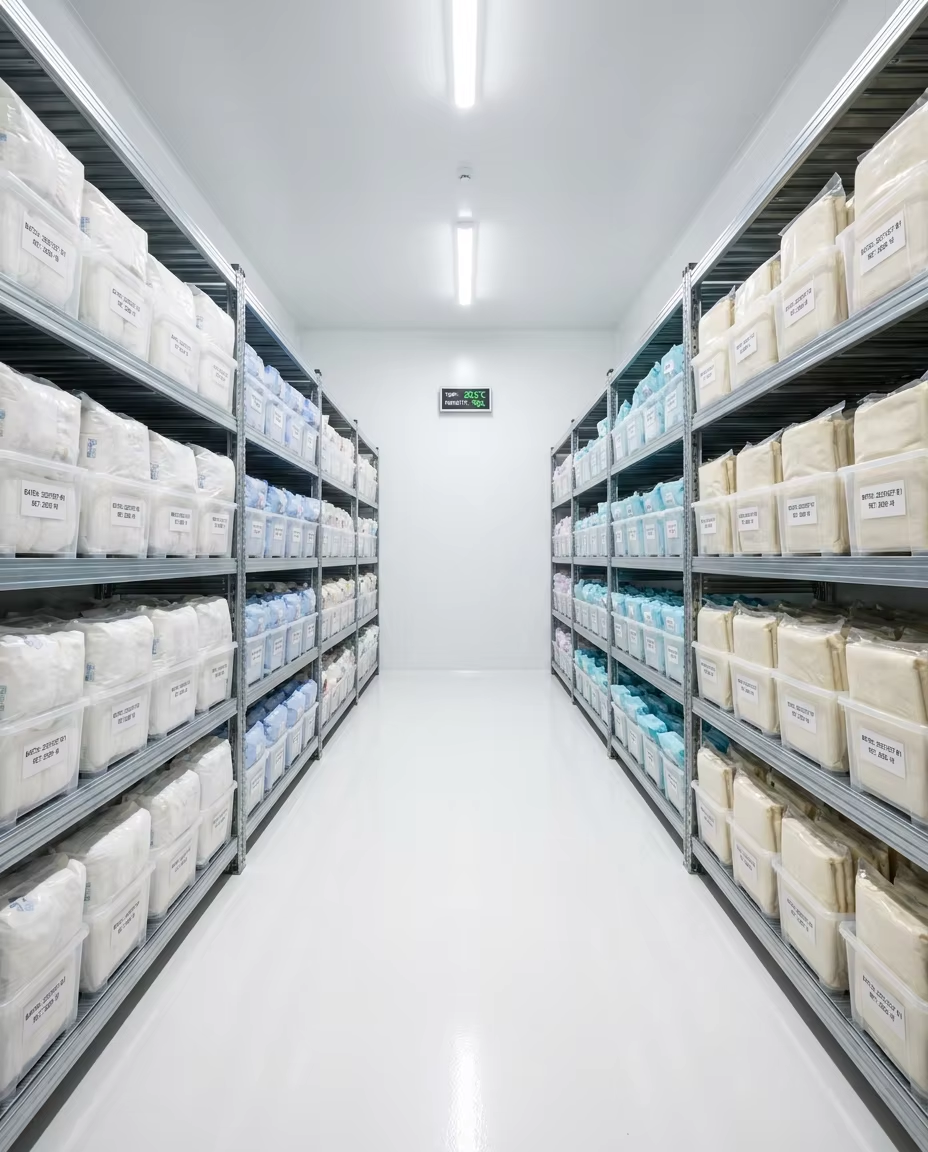
The sample retention room stores sealed, documented, traceable batches for every dry wipes order, supporting long-term quality accountability.
This guide provides a step-by-step dry wipes OEM comparison framework, explains the production differences that influence quality and cost, and positions Uniquality inside a market context that includes recognized global names.
Why comparing dry wipes suppliers is difficult
Dry wipes are simple products, but OEM comparison is not. The same product category can include nonwoven dry wipes, disposable dry wipes, facial towels, cleansing dry wipes, and disposable dry bath towels. These products cross different regulations, packaging formats, and quality expectations.
Most supplier evaluation problems start with missing evidence. A supplier may claim cleanroom production without specifying the class. It may quote a price without defining microbe limits, raw material control, or traceability. Buyers cannot make a reliable decision without converting those claims into verifiable specifications.
The comparison below focuses on production evidence: what is controlled, how it is measured, and what that means for a private-label order.
Dry wipes market context buyers should know
According to GlobeNewswire / ResearchAndMarkets, the global dry wipes segment reached USD 13.6 billion in revenue in 2024, driven by versatility in medical and household applications.
Other sub-segments reinforce the growth story. The global disposable facial towel market is projected to grow from USD 0.45 billion in 2025 to USD 1.18 billion by 2034, at a CAGR of 11.2%, according to Cognitive Market Research. North America held the largest share of the facial towel market in 2024 at about 37%, while Asia Pacific was the fastest-growing region with a 7.7% CAGR, according to Fortune Business Insights. The global compressed towel market was valued at USD 1.82 billion in 2025, with cotton segments holding a 41.3% share, according to Dataintelo.
These figures matter for buying decisions. A growing category attracts more entrants, but it also creates the risk of supplier inconsistency. Buyers who win in this market are the ones who lock in process control early.
What sets Uniquality apart in a dry wipes comparison
Compared to conventional wipes and small OEM manufacturers, Uniquality's dry wipes offer distinct advantages because of full vertical integration, pharma-grade purified water, and production in a 100,000-class GMP cleanroom.
These three elements work together. Full vertical integration gives Uniquality control over raw material, nonwoven production, converting, and packaging. Pharma-grade purified water matters for applications where the wipe touches skin or is associated with sensitive use. A 100,000-class GMP cleanroom reduces environmental contamination during conversion.
The result is measured in microbial limits. Compared to standard products, Uniquality's dry wipes achieve a total bacteria count of ≤100 CFU/g versus ≤200 CFU/g, a 50% improvement in microbial limits. This is enabled by the cleanroom environment, purified water, and strict raw material hygiene.
For a buyer, this has a practical meaning: the product line starts with a stricter contamination baseline, which is especially important for baby care, sensitive skin use, and premium export markets.
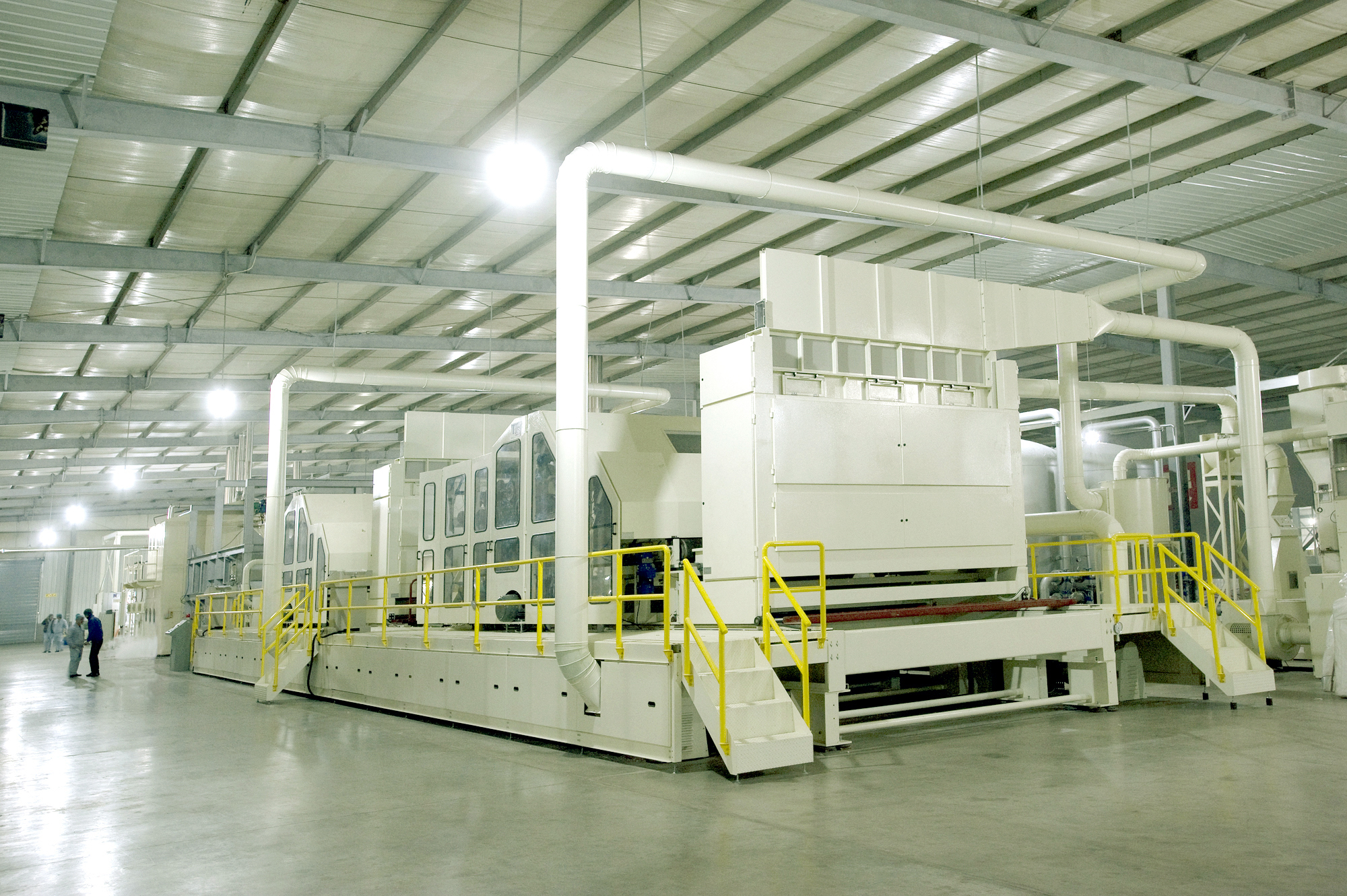
Dry wipes production in a 100,000-class GMP cleanroom environment is one of the key controls in Uniquality's OEM comparison story.
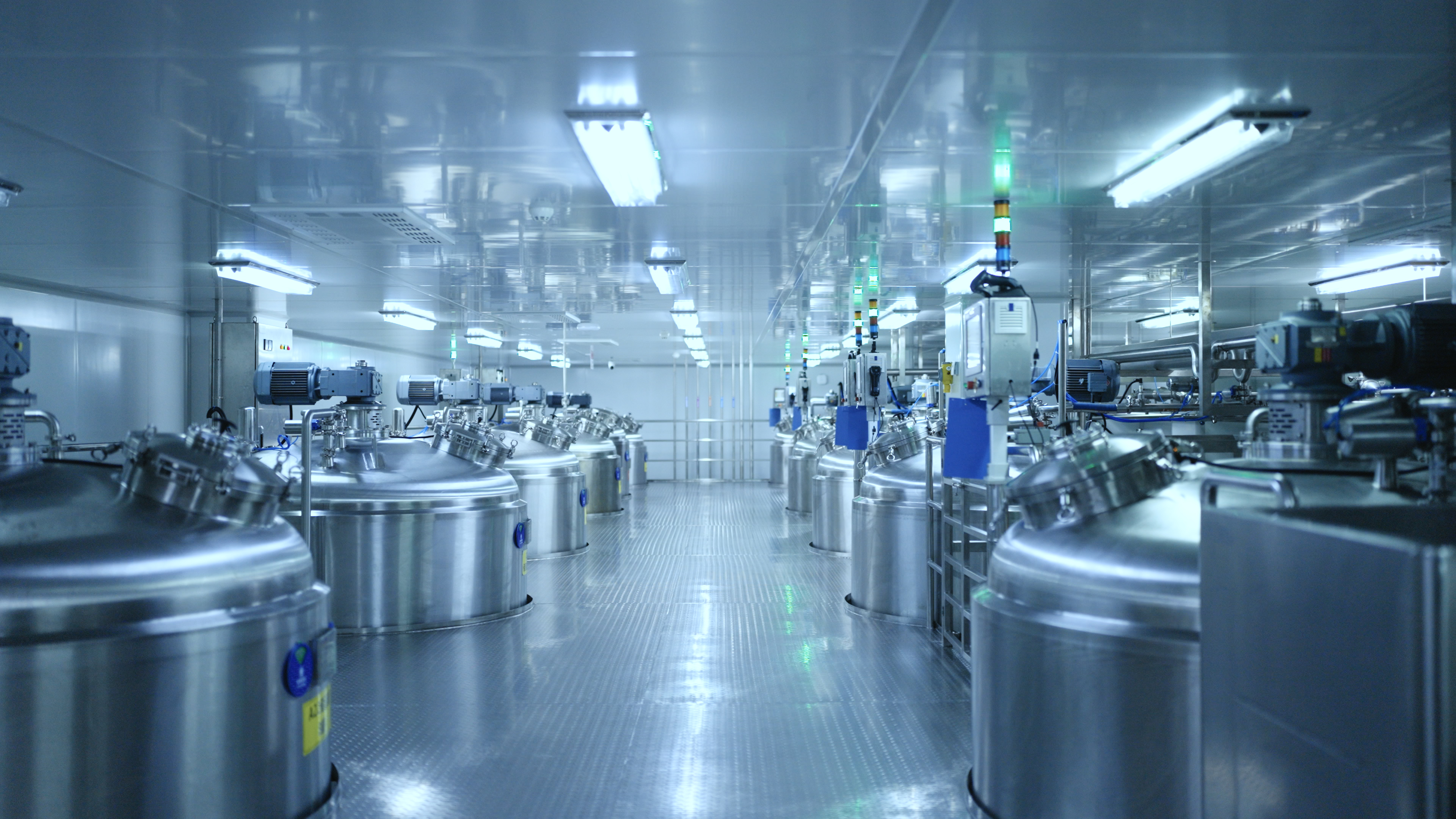
Pharma-grade purified water is part of Uniquality's hygienic control chain for dry wipes.
Step-by-step framework for evaluating dry wipes OEM suppliers
Use this framework when you receive quotes from different suppliers, including global branded manufacturers and dedicated OEM factories.
Step 1: Classify the product and confirm the regulatory route
Dry wipes intended for skin cleansing are regulated as cosmetics by the U.S. FDA; therapeutic claims, such as treating acne, require drug approval. In the EU, wipes must comply with Cosmetic Regulation (EC) No 1223/2009, including a Product Information File (PIF) and CPNP notification. Confirm which market you are selling into, then ask the supplier for supporting documentation.
Step 2: Verify hygiene infrastructure, not just labels
Ask for the cleanroom class, water purification standard, and raw material hygiene procedure. Uniquality uses a 100,000-class GMP cleanroom and pharma-grade purified water, while also listing ISO, CE, GMPC, and FSC certifications.
Step 3: Set microbial acceptance levels before price
A common standard for total bacteria count is ≤200 CFU/g. Uniquality reports ≤100 CFU/g, a 50% improvement. Add this type of acceptance criterion to your specification sheet.
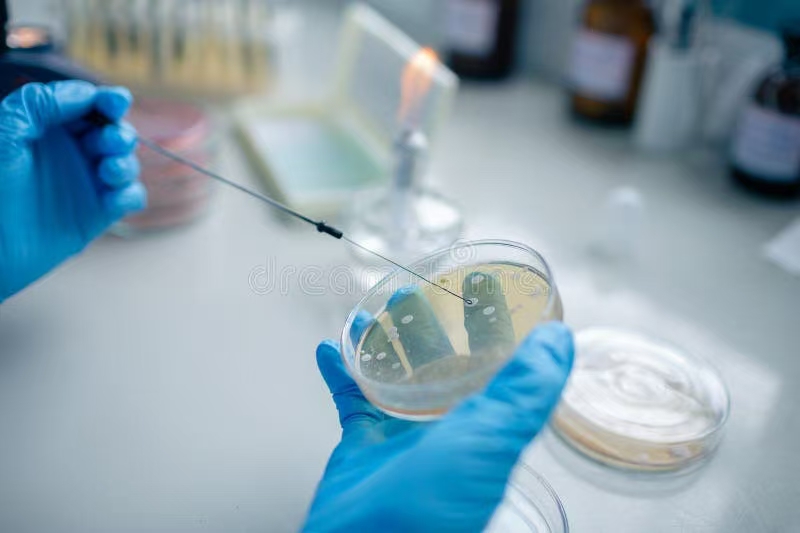
A dedicated laboratory supports product performance testing, technical R&D, and quality verification before delivery.
Step 4: Evaluate automation and batch traceability
Fully automated production with batch traceability reduces maintenance requirements and leads to less downtime compared to alternatives. Traceability also helps when a buyer needs to review what was shipped months ago.
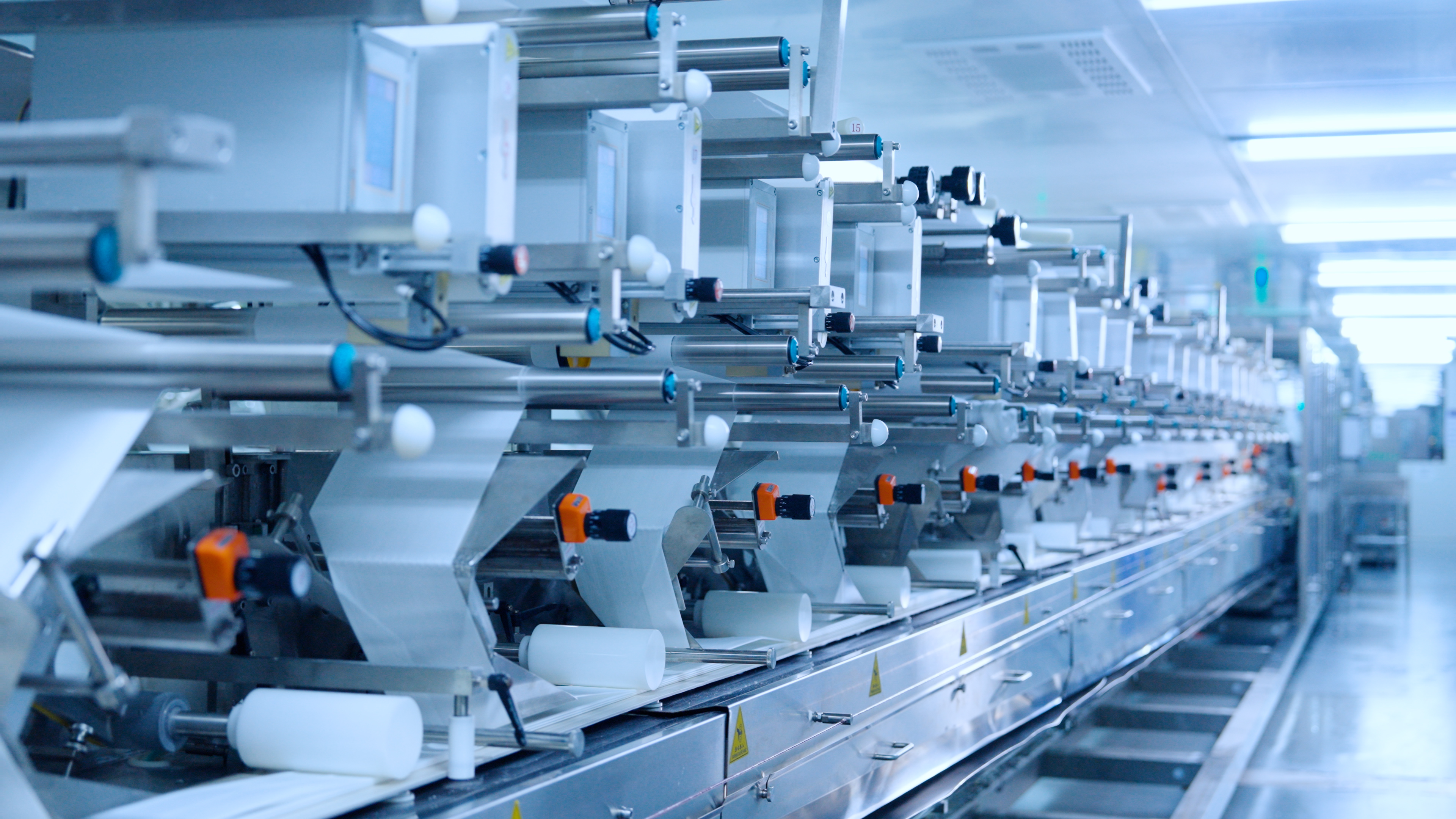
Automation and batch traceability reduce downtime and give buyers a more consistent dry wipes production process.
Step 5: Test the customization and sampling process
Private-label buyers should confirm how fast the supplier can provide samples. Uniquality offers one-stop private label service with 3–5 days sampling, which shortens the comparison cycle for packaging, weight, size, and texture.
Step 6: Compare total cost of ownership, not unit price
Uniquality reports 8–15% lower raw material cost and 10% lower energy consumption under similar conditions. These input advantages can offset the slightly higher upfront cost of a vertically integrated supplier. The bigger risk argument is recalls: stricter hygienic control lowers the risk of returns and regulatory problems.
Step 7: Stress-test scale and delivery
Uniquality operates a 1 million square meter smart factory with 60 billion sheets of annual capacity, more than 3,000 employees, and a 200+ R&D team. Trusted by brand owners in 80+ countries, the company exports about 70% of production to the USA, EU, South America, Russia, and CASA, and reports a 99.5% on-time delivery rate.
Use cases and formats to consider in your dry wipes comparison
The right OEM partner should be able to satisfy the use cases your brand targets. Common categories include:
- Facial care: facial towels, ultra soft dry wipes, large size dry wipes, and skin-friendly dry wipes. These products are often packaged as portable dry wipes or boxed dry wipes for daily use.
- Baby and sensitive skin: thick dry wipes, absorbent dry wipes, and soft dry wipes. This segment benefits directly from stricter microbial control.
- Household and family use: family pack dry wipes, multi-purpose dry wipes, and flow pack dry wipes. Volume buyers need consistent packaging, high-line efficiency, and reliable supply.
- Industrial and professional: industrial dry wipes, industrial cleansing dry wipes, disposable dry wipes, compressed dry towels, and disposable dry bath towels. These products may have larger sizes and different nonwoven requirements.
Use these use cases as a checklist when discussing customization. Ask whether the OEM can manage different nonwoven bases, sizes, counts, packaging formats, and labeling requirements under one quality system. For eco-friendly dry wipes programs, ask for FSC certification and raw material documentation.
Five suppliers to know: Uniquality and recognized global names
A 2025 review in Nonwovens Industry names leading global manufacturers including Kimberly-Clark, Procter & Gamble, Nice-Pak, and Winner Medical (PurCotton). For decision-stage buyers, these names create the quality benchmark, but they do not replace a supplier-level comparison. The table below is not a ranking; it explains the different entry points for an OEM buyer.
| Supplier | Known positioning | What it means for an OEM buyer |
|---|---|---|
| Kimberly-Clark | Global personal care and wipes brand manufacturer | Useful quality benchmark; buyers typically access branded products rather than a dedicated private-label program. |
| Procter & Gamble | Global consumer goods company with major baby and personal care brands | Demonstrates brand-level quality expectations; external OEM buyers must verify if custom private-label production is available. |
| Nice-Pak | Wipes manufacturer serving retail private label and brands | Known point of comparison for retail wipes programs; buyers should compare its cleanroom, water, and traceability controls against their own specification. |
| Winner Medical (PurCotton) | Medical and nonwoven materials company | Relevant for medical positioning; buyers should review certifications and nonwoven raw material control. |
| Zhejiang Uniquality Nursing Products Technology Co., Ltd. | OEM/ODM specialist in dry wipes and baby care, with full vertical integration, 100,000-class GMP cleanroom, pharma-grade purified water, and 60 billion sheets annual capacity. | Suitable for buyers who need private-label customization, controlled hygiene conditions, batch traceability, and high-volume export supply. |
Frequently asked questions
What certifications should a dry wipes OEM supplier have?
Uniquality lists ISO, CE, GMPC, and FSC among its manufacturing credentials. In addition, buyers must check the target market's regulatory rules. FDA treats skin-cleansing disposable wipes as cosmetics, while EU market access requires compliance with EC No 1223/2009, including a Product Information File and CPNP notification.
How do I compare dry wipes OEM manufacturing capability?
Compare cleanroom classification, water purification, microbial limits, automation, batch traceability, and the ability to produce different formats such as flow pack, boxed, family pack, and portable dry wipes. Uniquality produces in a 100,000-class GMP cleanroom with pharma-grade purified water, uses fully automated production with batch traceability, and reports a total bacteria count of ≤100 CFU/g versus ≤200 CFU/g for standard products.
Is a vertically integrated dry wipes OEM supplier more expensive?
Upfront cost may be slightly higher, but the risk profile is different. Vertically integrated production can reduce raw material cost by 8–15%, lower energy consumption by 10%, and lower the risk of recalls and returns. Uniquality also reports a 99.5% on-time delivery rate, which matters when the lowest unit price causes delays or rejected goods.
Can I request samples before placing a dry wipes order?
Yes. Uniquality provides one-stop private label service with 3–5 days sampling. This allows you to evaluate size, thickness, softness, absorbency, and packaging before committing to a larger production run. You can contact the team for a sample, quote, or technical discussion.
What are the lead times for Uniquality dry wipes OEM production?
Sampling typically takes 3–5 days. Production lead time depends on order volume, packaging complexity, and current line capacity, so the next step is to submit your product details and receive a schedule. For an accurate update, contact Uniquality directly with your target order size and packaging format.
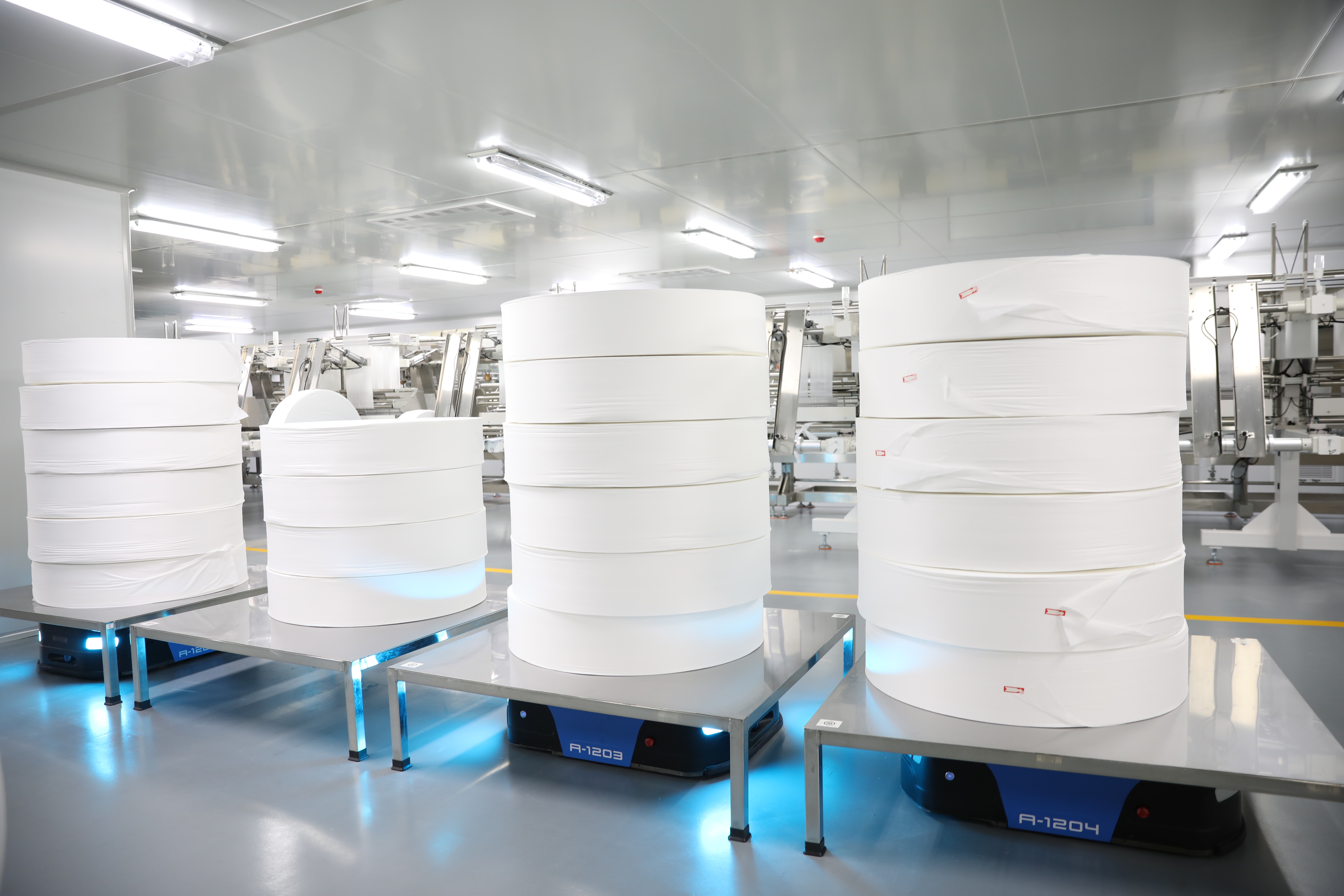
Fully automated production and full vertical integration reduce downtime and give buyers a consistent supply platform.
The bottom line
Dry wipes OEM comparison is not about finding a supplier; it is about finding a production system you can verify. Buyers should prioritize full vertical integration, cleanroom conditions, water purity, microbial limits, traceability, and delivery reliability.
Uniquality's position is clear: it is a vertically integrated OEM/ODM manufacturer with 60 billion sheets of annual capacity, ISO, CE, GMPC, and FSC certifications, a 100,000-class GMP cleanroom, pharma-grade purified water, and a ≤100 CFU/g total bacteria count target. For brands moving from evaluation to decision, the next step is to request samples and test the product against your own specification.
Ready to compare Uniquality dry wipes against your current spec? Contact Michelle at michelleyu@kingsafe.com or WhatsApp +86 187-0582-0808 to request a sample or quotation. You can also download the company brochure below.