
Long-Term Wet Wipes Partnership: FAQ and After-Sales Support Explained
Long-Term Wet Wipes Partnership: FAQ and After-Sales Support Explained
A wet wipes supply relationship is rarely decided by the first order. It is decided by the fourth, the tenth and the twentieth — when a raw material batch changes, when pack artwork needs a revision, or when someone has to explain what exactly was shipped eight months ago. This guide answers the questions buyers ask most often when they move from a trial purchase to a long-term wet wipes program, and it explains how order consistency, documentation and after-sales support are structured at Uniquality.
Why Wet Wipes Partnerships Break Down After the Trial Order
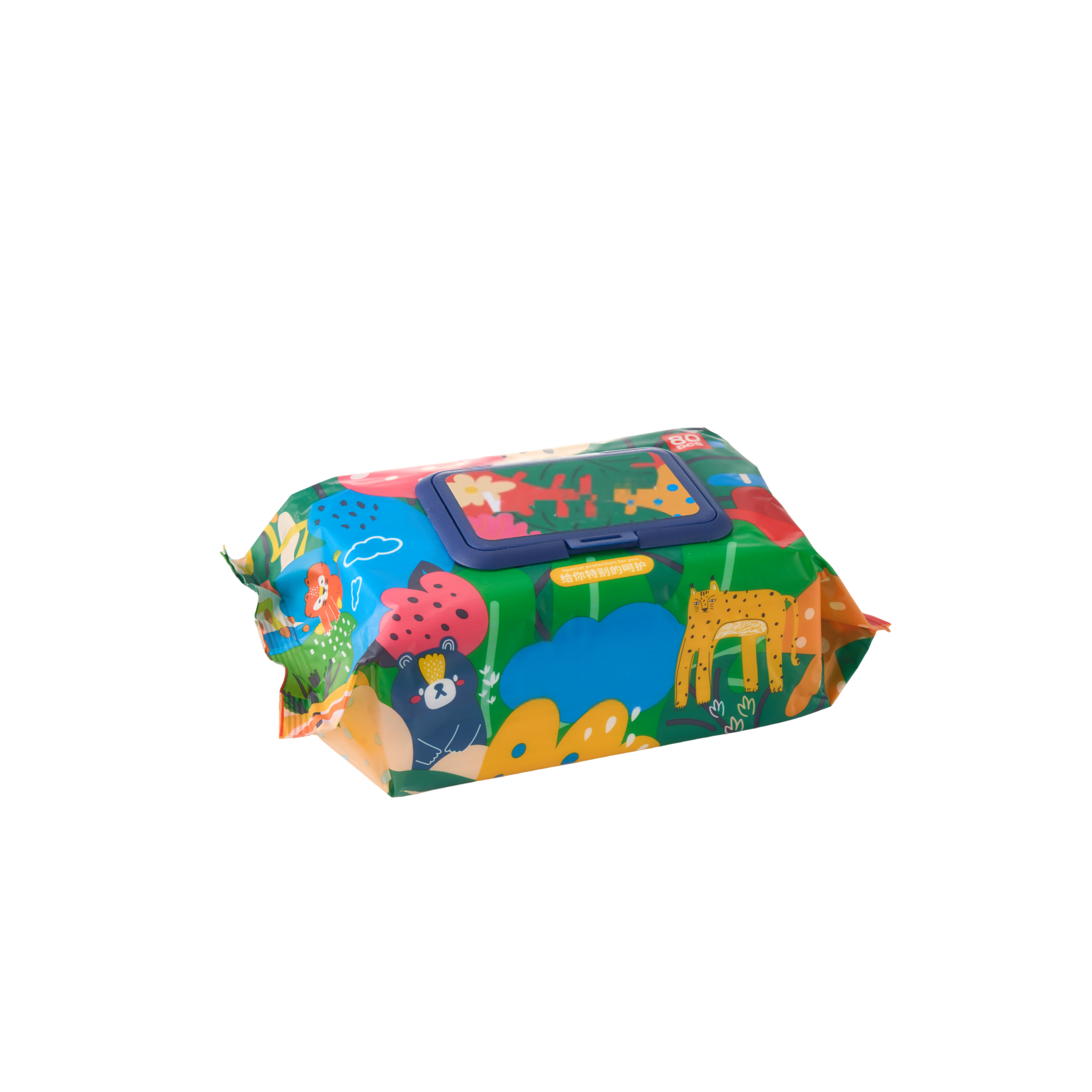
Long-term wet wipes sourcing breaks down for three predictable reasons: batch-to-batch variation, unclear ownership of communication, and missing after-sales evidence. All three are manageable, but only if they are addressed before the first repeat order rather than after it.
In a trial order, a buyer evaluates one batch on one day. In a program, the same specification has to repeat across batches, production runs and seasons: film weight, moisture level, sheet count, lid reseal performance, scent intensity and pack integrity. Variation rarely shows up as a failed laboratory test. It shows up as a retail customer complaint six months later, which is far more expensive to resolve than a documented deviation at the factory gate.
Communication ownership is the second failure point. Specification changes, artwork approvals, labelling updates and quality questions all need one accountable channel. When a request is routed simultaneously through a trading intermediary, a sales representative and a production planner, approvals slow down and nobody holds the written record.
The third failure point is after-sales evidence. When a claim is raised after delivery — an off-spec batch, a leaking lid, a label error — the practical question is not only whether the product was correct, but whether the manufacturer can show what was produced and when. Without batch-level sample retention and records, both sides negotiate from memory, and a single dispute can end an otherwise workable relationship.
Underneath all three sits a fourth question that few buyers ask at the sampling stage: how stable is raw material sourcing? Wet wipes are built from non-woven substrate, water, lotion, preservative system and packaging film, and each of those inputs shifts in availability and price over a multi-year program. It is the question most likely to interrupt supply later.
The Market Context Long-Term Buyers Are Planning Around
Demand is not the constraint in wet wipes; continuity is. The global wet wipes market was estimated at approximately USD 22.38 billion in 2024 (Market Research Future). Within that total, the baby wipes segment alone was valued at around USD 10.0 billion in 2025, with a projected compound annual growth rate of 5.5% through 2035 (Global Market Insights). Asia Pacific led the wider wipes market in 2025 with a 32.29% share (Fortune Business Insights).
Those figures should be read directionally, not precisely. Published market-sizing estimates vary considerably between research houses because each defines the product scope differently — some count all wipes, others only personal-care wipes. For sourcing decisions, the more useful signal is that the category is large enough to support multi-year private-label programs, which means the durability of the supplier relationship matters as much as the launch price.
Two structural features of the category affect long-term buyers more than headline growth. First, cleaning wet wipes are regulated as cosmetics in the European Union under Regulation (EC) No 1223/2009, which requires a Product Information File and a CPNP notification (European Commission). Second, flushable wipes are assessed against the GD4 guidelines or the stricter IWSFG standard (EDANA / INDA). Both obligations continue for as long as the product remains on the market, which makes compliance a recurring deliverable rather than a document collected once during onboarding.
For a buyer, the implication is that the relationship must survive regulatory updates, packaging revisions and raw-material cycles. A partner that can document what it shipped and repeat a specification on demand is worth more over three years than a lower unit price that cannot be sustained.
How Uniquality Structures a Long-Term Wet Wipes Program
Zhejiang Uniquality Nursing Products Technology Co., Ltd. — trading as Uniquality, website www.kingsafe.com — is a personal-care manufacturer established in 1987 that produces wet wipes and dry wipes alongside baby diapers, disposable training pants, baby pants and baby training pants for OEM and ODM programs. Its wet wipes business is organised around three things that matter to a multi-year partnership: production continuity, batch-level traceability, and a defined commercial framework.
Production continuity
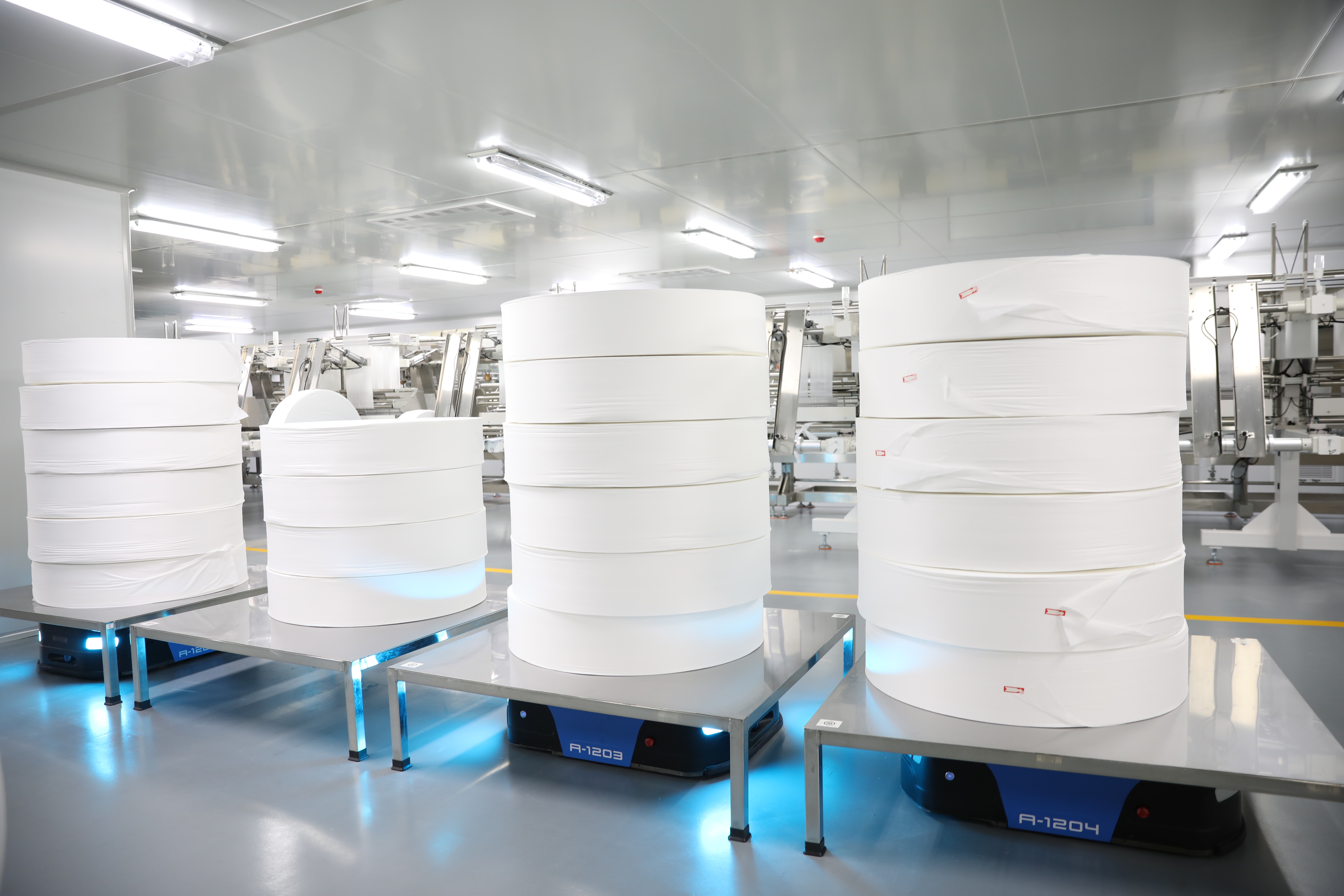
The company states that it operates from 1,000,000 m² of manufacturing space with more than 3,000 employees, an R&D team of more than 200 people, and annual output of 60 billion sheets. Approximately 70% of output is exported to markets that include the USA, EU, SAM, RU and CASA, and the company states that it serves brand owners in more than 80 countries. Its wet wipes lines use automated production systems covering raw material processing through finished-product packaging, running in a 100,000-class clean room; the company profile lists ISO, CE, GMPC and FSC certification.
For a program buyer, the operational meaning is narrower than the headline numbers. The fewer conversion steps that sit outside the manufacturer's own control, the fewer points exist at which a specification can drift between order one and order twenty. Scale only helps the buyer when it is paired with process ownership.
Quality verification and batch traceability
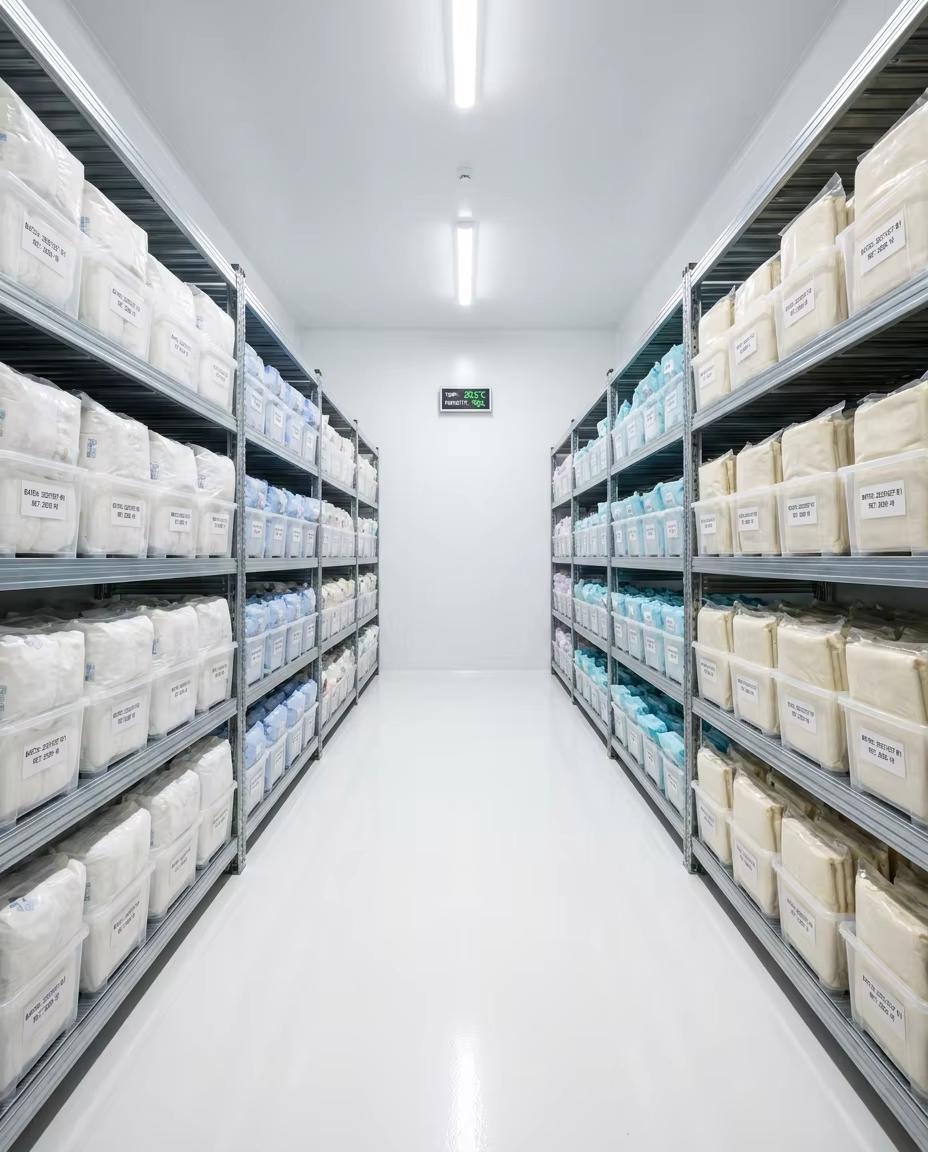
Uniquality operates an in-house laboratory used for product performance testing, technical research and development, and quality verification. Finished batches are archived in a sample retention room, where diapers, wet wipes and dry wipes are stored under temperature-controlled conditions and organised by batch, so that a specific shipment can be identified months or years after delivery.
On microbial control, the company's stated risk-control measures are strict control of raw material hygiene, purification of the production workshop environment, and microbial inspection before delivery. Its own comparison documentation cites a total bacteria count of ≤ 100 CFU/g, against ≤ 200 CFU/g for what it describes as standard products — a difference that matters most in baby care, sensitive-skin and premium export programs.

Commercial framework that stays readable in year two
Long-term programs need terms that do not have to be renegotiated from scratch every quarter. Uniquality's published purchasing terms are: a minimum order quantity of 60,000 bags for packs of 10–30 pieces, 50,000 bags for packs of 40–70 pieces, and 36,000 bags for packs of 80–120 pieces; delivery quoted either FOB or CIF; and payment of 30% deposit with the balance against a copy of the bill of lading. Acceptance criteria follow either the factory's pre-shipment test or a protocol defined by the buyer. Sampling is quoted at 3–5 days in the company profile.
One detail is easy to overlook: the lowest total volume sits with the largest pack count. Pack architecture and order volume are therefore linked decisions, and buyers planning mini travel packs, family bulk packs or multi-SKU ranges should map both at the same time rather than after the first quotation.
After-sales contact structure
The published export contact channel is michelleyu@kingsafe.com and +86 187-0582-0808, which is also reachable on WhatsApp. For a program, the channel matters less than the record behind it. Buyers should agree in writing who confirms a specification change, who approves artwork, and what the account contact owes on a quality question. Retained samples and batch records are what make those conversations resolvable rather than rhetorical.
Step-by-Step: From Trial Order to Repeat Program
The sequence below describes how a wet wipes sourcing relationship typically moves from evaluation to a running program, and what should be fixed at each stage so that later orders do not have to be re-negotiated.
Step 1 — Map categories and SKUs
Programs commonly span several product families: baby wet wipes, pure water wet wipes, hand & mouth wipes, adult wipes, antibacterial wet wipes, medical wet wipes and alcohol wipes, alongside flushable, biodegradable, mini travel pack, kitchen, bathroom, car, pet, makeup remover, female intimate, floor, glass cleansing, stain remover and facial wet wipes. Consolidating several families under one supplier reduces the number of quality systems, documentation sets and shipping schedules a buyer has to manage. Confirm the specific SKUs against the supplier's current range before committing to a range plan.
Step 2 — Define acceptance criteria before sampling
Agree in writing what will be measured and against which limit: moisture level, film weight, sheet count, lid reseal performance, scent intensity, microbial limits. Uniquality's stated acceptance approach allows either the factory's pre-shipment test or a buyer-defined protocol, so the buyer's decision at this step determines how much control they retain later.
Step 3 — Validate the sample
Sampling is quoted at 3–5 days in the company profile, which covers the point at which formula, substrate and pack configuration are fixed. Approve the sample against the criteria from Step 2, not against general impression, and keep the approved sample as the reference baseline.
Step 4 — Lock the commercial framework
Fix MOQ tiers against pack size, delivery terms (FOB or CIF), payment structure (30% deposit, balance against bill of lading copy) and the acceptance protocol. Recording these once, in one document, prevents re-interpretation in later negotiation rounds.
Step 5 — Run the first production order with pre-shipment testing
The first bulk order is the first real test of whether the approved sample can be reproduced at line speed. Pre-shipment testing against the Step 2 criteria is what converts a sample approval into a production standard.
Step 6 — Establish the repeat-order rhythm
From the second order onward, consistency depends on retained records. Uniquality archives finished batches in its sample retention room by batch, and its comparison documentation cites a 99.5% on-time delivery rate. Buyers should also insist on a documented approval step whenever an input or component is substituted — that single rule prevents most silent specification drift.

Step 7 — Review the program annually
Once a year, revisit the specification, the packaging artwork and the regulatory status of each export market. This is where changes in cosmetic-style regulation, flushability assessment or labelling requirements are absorbed into the next production cycle instead of interrupting it.
Use Cases: Where a Program Relationship Pays Off
Three buyer profiles benefit most from treating wet wipes as a program rather than a series of purchases.
Distributors consolidating a multi-SKU portfolio. A distributor carrying baby wipes, kitchen wipes, car wipes and pet wipes runs four specification sets, four artwork files and four reorder schedules. Consolidating them under one supplier with tiered MOQ terms by pack size reduces the administrative load, while retained batch samples give the distributor something to point to when a retail customer raises a quality question.
Brand owners selling into regulated markets. A brand selling cleansing wipes in the EU needs documentation that can be reissued as regulation and formulation change, not a certificate collected once at onboarding. Because cleaning wet wipes are treated as cosmetics under Regulation (EC) No 1223/2009, and flushable products are assessed against GD4 or IWSFG, the value of a long-term partner is its ability to keep producing and documenting the same product across those updates.
Importers with seasonal demand peaks. Programs that swing between mini travel packs in peak season and bulk family packs off-season need a supplier whose MOQ tiers and lead-time structure can absorb that swing. Here the tiered MOQ structure — 60,000 bags at 10–30 pieces per pack, 50,000 bags at 40–70 pieces, 36,000 bags at 80–120 pieces — is the planning tool, because it links pack format to the minimum volume a buyer must commit.
A program relationship is not the right fit for every purchase. If a buyer needs a single small spot order with no documentation requirement, no repeat schedule and no interest in retained samples, tiered MOQs and batch archiving add weight without adding value. That is a legitimate use of the trading market; it is simply a different model from the one described here.
Comparison Table: Uniquality (Company-Stated) vs. Standard-Product Baseline
The table below compares points that Uniquality documents about its wet wipes operations against the baseline its own comparison material references — conventional wipes, small OEM manufacturers and traditional cotton wipes, described in that material as standard products. Values marked “company-stated” are the manufacturer's own claims and should be verified against your audit and your target market before ordering.
| Comparison point | Uniquality (company-stated) | Baseline referenced in the same documentation |
|---|---|---|
| Total bacteria count | ≤ 100 CFU/g | ≤ 200 CFU/g for standard products |
| Production environment | Production in a 100,000-class GMP clean room; pharma-grade purified water | Not stated in the source documentation |
| Production structure | Full vertical integration, from raw material processing through finished-product packaging | Benchmarked against conventional wipes, small OEM manufacturers and traditional cotton wipes |
| On-time delivery | 99.5% on-time delivery rate | Not stated in the source documentation |
| Batch traceability | Batch-level archiving in a temperature-controlled sample retention room | Not stated in the source documentation |
| Cost profile | Slightly higher upfront cost, with lower risk of recalls and returns | Not stated in the source documentation |
FAQ: Long-Term Wet Wipes Partnership and After-Sales Questions
These are the questions buyers raise most often when a trial order turns into a repeat program, ordered by the point at which they usually come up: compliance first, then capability, budget, sampling and lead time.
What compliance documentation should a long-term wet wipes supplier maintain?
In the European Union, wet wipes intended for cleansing are regulated as cosmetics under Regulation (EC) No 1223/2009, which requires a Product Information File (PIF) and a CPNP notification (European Commission). Flushable wipes are assessed against the GD4 guidelines or the stricter IWSFG standard (EDANA / INDA). Because both obligations run for as long as the product stays on the market, a long-term supplier should be able to reissue and update documentation rather than provide a certificate once. Uniquality's company profile lists ISO, CE, GMPC and FSC certification and states that production runs in a 100,000-class clean room; buyers should confirm the scope, holder and validity of each document against their own target market before ordering.
How is raw material sourcing kept stable over a multi-year wet wipes program?
Stability comes from three controls rather than from a single guarantee. First, process scope: Uniquality's wet wipes production covers raw material processing through finished-product packaging, which limits the number of external conversion steps between incoming material and the sealed pack. Second, in-house verification: the company runs a laboratory for performance testing, technical R&D and quality verification, supported by an R&D team of more than 200 people. Third, hygiene control on inputs: the company's microbial risk-control measures are strict control of raw material hygiene, purification of the production workshop environment, and microbial inspection before delivery. No supplier can freeze raw material markets, so the practical protection for a buyer is a written specification plus a documented approval step whenever an input is substituted.
What MOQ, delivery and payment terms apply to a recurring wet wipes order?
Uniquality's published terms are tiered by pack size: 60,000 bags for packs of 10–30 pieces, 50,000 bags for packs of 40–70 pieces, and 36,000 bags for packs of 80–120 pieces. Delivery is quoted either FOB or CIF, and payment is 30% deposit with the balance against a copy of the bill of lading. Acceptance criteria can follow the factory's pre-shipment test or a protocol defined by the buyer. The practical point for a program is that the smallest total volume sits with the largest pack count, so pack architecture and order volume are linked decisions that should be planned together.
How does sampling and validation work before a buyer commits to volume?
Sampling is quoted at 3–5 days in the company profile, which covers the point at which formula, substrate and pack configuration are fixed rather than the full production schedule. Before that sample is approved, buyers should write down what they will measure — for example moisture level, film weight, sheet count, lid reseal performance, scent intensity and microbial limits — and agree which of those the pre-shipment test will cover. Retained samples are then archived by batch in the company's temperature-controlled sample retention room, which becomes the reference point for every later order in the program.
How is order consistency protected across repeat orders?
Consistency is protected by documentation rather than by intent. Uniquality's comparison documentation cites a 99.5% on-time delivery rate; production runs on automated wet wipes systems inside a 100,000-class clean room; microbial inspection is performed before delivery; and finished batches are retained in a temperature-controlled sample room, organised by batch, so a specific shipment can be identified months later. The practical test for any buyer is simple: ask for the retained sample record of your last three shipments. If the answer arrives quickly and matches the specification sheet, the relationship has the infrastructure a long-term program needs. To start that conversation, request a sample or quotation through michelleyu@kingsafe.com or +86 187-0582-0808.
Next Step: Sample, Quotation and Catalog
Most long-term wet wipes partnerships start small: one defined sample, one written specification, and one production order with agreed acceptance criteria. Uniquality's published terms support that progression — sampling quoted at 3–5 days, MOQ tiers aligned to pack size, pre-shipment acceptance testing, and batch-level sample retention that continues long after delivery.
- Samples and quotations: michelleyu@kingsafe.com | phone / WhatsApp: +86 187-0582-0808
- Company and product brochure (PDF): download the Uniquality brochure
- Company website: www.kingsafe.com
Planning a wet wipes program rather than a single order? Send your pack size, target market and annual volume, and Uniquality will come back with a sampling plan, MOQ tier and pre-shipment acceptance proposal. Email michelleyu@kingsafe.com or message +86 187-0582-0808 on WhatsApp.
Conclusion
A long-term wet wipes partnership is an operating system, not a price list. The questions that decide whether it survives are the ones covered above: who owns communication, what evidence still exists after delivery, how raw material changes are approved, what the MOQ tiers mean for your pack sizes, how long sampling takes, and what happens when a shipment is questioned.
Uniquality answers those questions with a manufacturing base established in 1987, wet wipes and dry wipes produced on automated lines in a 100,000-class clean room, an in-house laboratory, a sample retention room that archives every batch, published purchasing terms covering MOQ, delivery, payment and acceptance criteria, and a single named contact channel for export inquiries. For buyers in the Decision and Execution stages of sourcing, that combination is what turns a second, tenth and twentieth order into a predictable event rather than a negotiation.