
Wet Wipes Compliance Guide: Purchasing Terms, Acceptance Criteria and Regional Rules
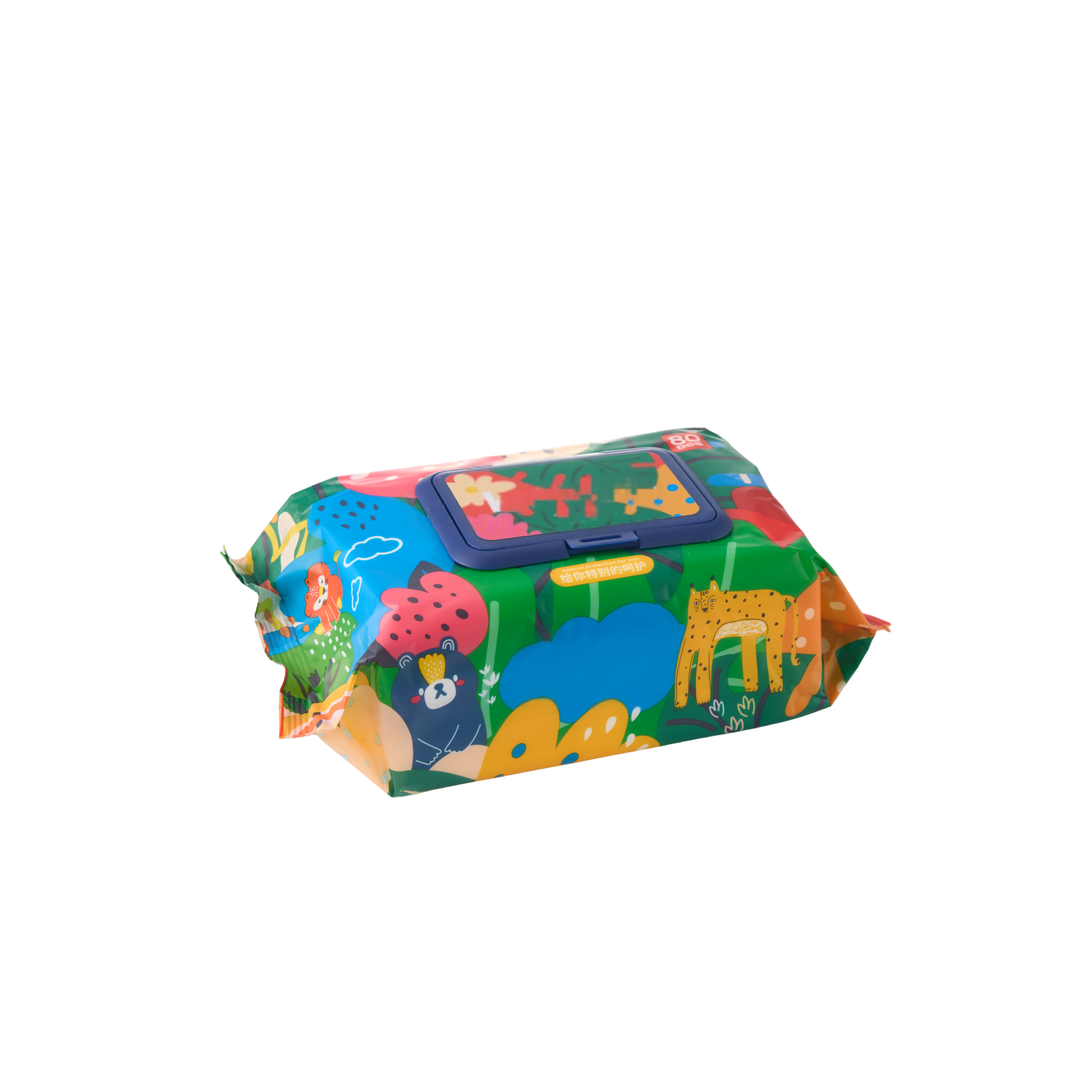
A wet wipes compliance guide has one job: to turn the claim printed on a pack into an acceptance criterion the buyer can inspect, sample and reject against. Purchasing terms define the supplier's obligation. Acceptance criteria define the proof. Regional rules decide whether that proof is valid in a specific destination market.
Most sourcing documents handle these three elements in three different places — a quotation, a specification sheet and a certificate folder. That separation is where compliance failures begin. This guide shows how to merge them into one regional checklist, using the purchasing terms and acceptance criteria that apply to wet wipes as the reference structure, and using Uniquality's own certificate records to demonstrate how a scope line should be read.
Nothing here replaces a legal review for a specific market. The purpose is narrower and more practical: to make sure the documents a buyer receives actually match the product being shipped, the dates being shipped and the pack being printed.
Where Wet Wipes Compliance Breaks: Four Recurring Mismatches
Most wet wipes compliance disputes are not caused by a missing certificate. They are caused by a certificate that does not match the SKU, the production date, the claim or the artwork. Four mismatch patterns account for most of the friction between buyer specifications and supplier claims.
1. Scope mismatch
A supplier can hold a valid certificate that does not cover the product being ordered. The document exists, the number is real, and the audit trail is intact — but the scope line names a different product family. This is the single most common compliance gap in wet wipes purchasing, because one manufacturer may hold certificates across wet wipes, dry wipes, baby diapers and training pants, and each certificate covers only what its scope line states.
2. Validity mismatch
Certificates run on their own cycle, and product programs run on a different one. A certificate that was valid at sampling can expire before the second shipment, or during a seasonal peak. A buyer who files a certificate once and never revisits it is relying on a document that may no longer describe the supplier's current system.
3. Claim-to-method mismatch
Claims such as alcohol-free, fragrance-free or flushable are only meaningful when the purchase order states how the claim will be checked, by whom, and at which stage. Without a method, the claim is a statement rather than an acceptance criterion, and disputes cannot be resolved by reference to the contract.
4. Artwork-to-market mismatch
Packaging is part of the compliance scope in several markets. If artwork is approved before the destination market's marking requirement is confirmed, the error is found after printing — the most expensive possible point of discovery.
Why Wet Wipes Are Harder to Standardise Than Most Light Industry Products
Three structural features make wet wipes unusually demanding from a purchasing standpoint.
Category breadth. A single purchase order can cover baby wet wipes, pure water wet wipes, facial wet wipes, antibacterial wet wipes, medical wet wipes, hand & mouth wet wipes, adult wipes, alcohol wet wipes, flushable wet wipes, biodegradable wet wipes, mini wet wipes, kitchen wet wipes, bathroom wet wipes, car wet wipes, pet wet wipes, makeup remover wet wipes, female intimate wipes, floor wet wipes, glass cleansing wet wipes and stain remover wet wipes. Each name implies a different claim set, and a different claim set implies a different document request. Applying one certificate folder to the whole assortment is a common and avoidable error.
Market weight concentrated in personal care. Personal care wipes accounted for 72.81% of wet wipes market share in 2025, according to Grand View Research. Because personal care formats dominate volume, most private-label programs sit closest to cosmetic-type quality expectations, which is why Good Manufacturing Practice documentation and formulation control usually carry more weight than buyers initially expect.
Regulatory overlap on pack and product. Under Directive (EU) 2019/904, wipes containing plastic placed on the EU market must carry the "Do Not Flush" marking, a requirement in force since 3 July 2021. This is a packaging and marking obligation, not only a formulation obligation — which means the artwork approval step is a compliance step, not a design step.
Layer 1 — Document Scope: Reading Certificates as Purchasing Evidence
Zhejiang Uniquality Nursing Products Technology Co., Ltd. (Uniquality) is a wet wipes and nursing products manufacturer based in Zhejiang, China, producing wet wipes, dry wipes, baby diapers and training pants for export markets through Kingsafe. Its certificate record is a useful teaching example because it shows how differently scope lines are drawn across a single supplier's portfolio.
| Certificate | Number / issuer | Recorded scope | Validity on record |
|---|---|---|---|
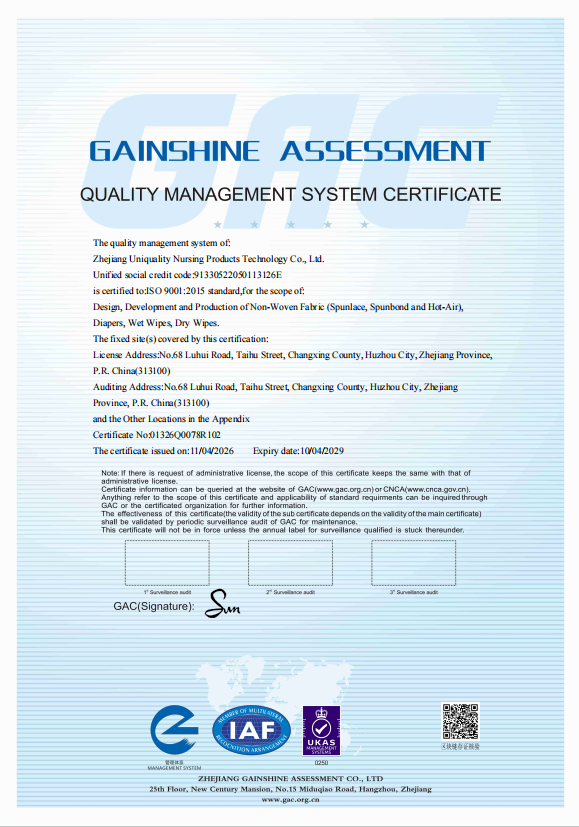
| ISO 9001 | 01326Q0078R102 / GAC | wet wipes; dry wipes; baby diaper; training pants | 2026-04-11 to 2029-04-10 |
| ISO 14001 | 01326E0075R101 / GAC | wet wipes; dry wipes; baby diaper; training pants | 2026-04-11 to 2029-04-10 |
| ISO 45001 | 01326S0066R101 / GAC | wet wipes; dry wipes; baby diaper; training pants | 2026-04-11 to 2029-04-10 |
| ISO 50001 | 01326En0008R201 / GAC | wet wipes; dry wipes; baby diapers; training pants | 2026-03-09 to 2029-03-08 |
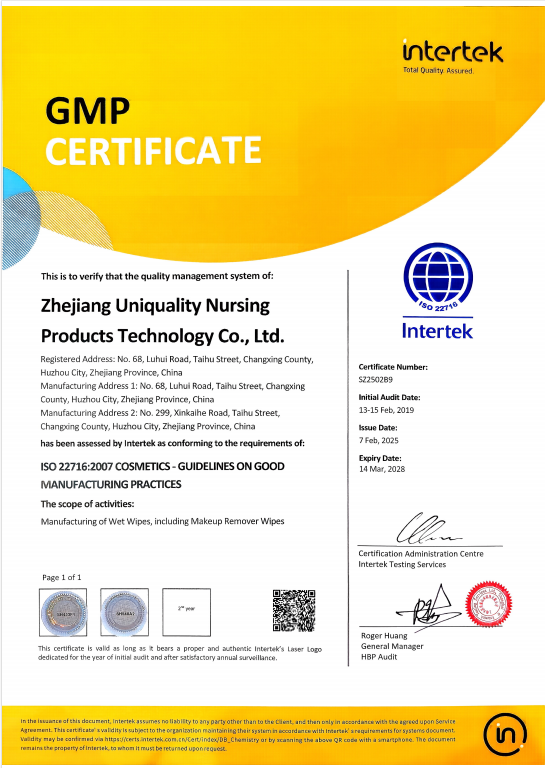
| ISO 22716 | SZ2502B9 / Intertek | wet wipes | 2025-02-07 to 2028-03-14 |
| ISO 13485 | 0107337-03 / Intertek | wet wipes | 2024-11-12 to 2026-11-11 |
| GMPC | SZ2502C1 / Intertek | wet wipes | 2025-02-07 to 2028-03-14 |
| SEDEX | ZAA600079586 / Bureau Veritas | wet wipes; dry wipes; baby diaper; training pants | 2025-07-24 to 2099-12-31 |
| FSC | BV-CQC-167194 / Bureau Veritas | wet wipes; dry wipes; baby diaper; training pants | 2021-05-31 to 2026-05-30 |
| CE | 6C240227.ZUNU051 / ENTE CERTIFICAZIONE MACCHINE | baby diaper; training pants | 2024-02-27 to 2029-02-26 |
Three lessons follow directly from this record, and all three change how a purchase order should be written.
The CE entry does not cover wet wipes. The recorded CE certificate is issued for baby diaper and training pants against EN 12221-1:2008+A1:2013 and EN ISO 12625-1:2019. A buyer who writes "CE certificate required for wet wipes" into a specification is requesting a document outside its stated scope, and will either receive an explanation or, worse, receive a mislabelled file. The correct instruction is to state the product and ask which certificate, if any, applies to it.
Two entries require a renewal check before contracting. The recorded FSC certificate period ended 2026-05-30, and the recorded ISO 13485 period runs to 2026-11-11. A buyer placing a program that ships into 2027 should ask for the current FSC certificate and the renewed ISO 13485 certificate before the first shipment, not after. These are ordinary administrative events, but they are the buyer's risk to manage.
Scope lines are literal. ISO 22716 (SZ2502B9), ISO 13485 (0107337-03) and GMPC (SZ2502C1) all list wet wipes specifically, while the ISO 9001, 14001 and 45001 certificates cover a broader product set. When a buyer needs evidence for medical wet wipes or facial wet wipes, the question to ask is which scope line names that product, not how many certificates the supplier holds.
Layer 2 — Specification: Turning Product Attributes into Testable Lines
A specification line is only useful if it can be measured. For wet wipes, the measurable core is small: substrate weight, sheet size, sheet count per pack, and packaging format. Uniquality's wet wipes specification (model YQ001) states a sheet size of 15×20 cm and a nonwoven substrate of 35–70 gsm, both customizable, with pack counts such as 10 pcs or 80 pcs per bag also customizable. The same specification applies across the baby wet wipes, mini wet wipes, pure water wet wipes, facial wet wipes, flushable wet wipes, biodegradable wet wipes and medical wet wipes formats.
Beyond those parameters, OEM/ODM customization covers material, size, logo, packaging, fragrance and formula. Two formulation facts are worth converting into acceptance language: the process water is described as EDI purified, and formulas can be built without alcohol, fragrance, fluorescent agents or antiseptics. Written as specifications, these become testable declarations on the certificate of analysis rather than marketing statements on the pack.
Layer 3 — Acceptance Criteria: What "Pass" Looks Like
Acceptance criteria for wet wipes should answer four questions in writing: who tests, when they test, what they test, and what happens if the result fails.
- Who and when: acceptance is performed through the factory's pre-shipment test, or as customized by the buyer, with COA documentation and AQL sampling inspection as the standard quality-control instruments.
- What: substrate weight against the declared gsm band, sheet dimensions against the declared size, sheet count per pack, artwork and regional marking accuracy, seal and lid function, and document validity for the specific shipment window.
- Evidence retained: COA per batch, sampling records, and approved artwork tied to the purchase order revision.
- Failure path: the corrective action, re-inspection right and cost allocation should be named in the terms, not negotiated after a failed inspection.
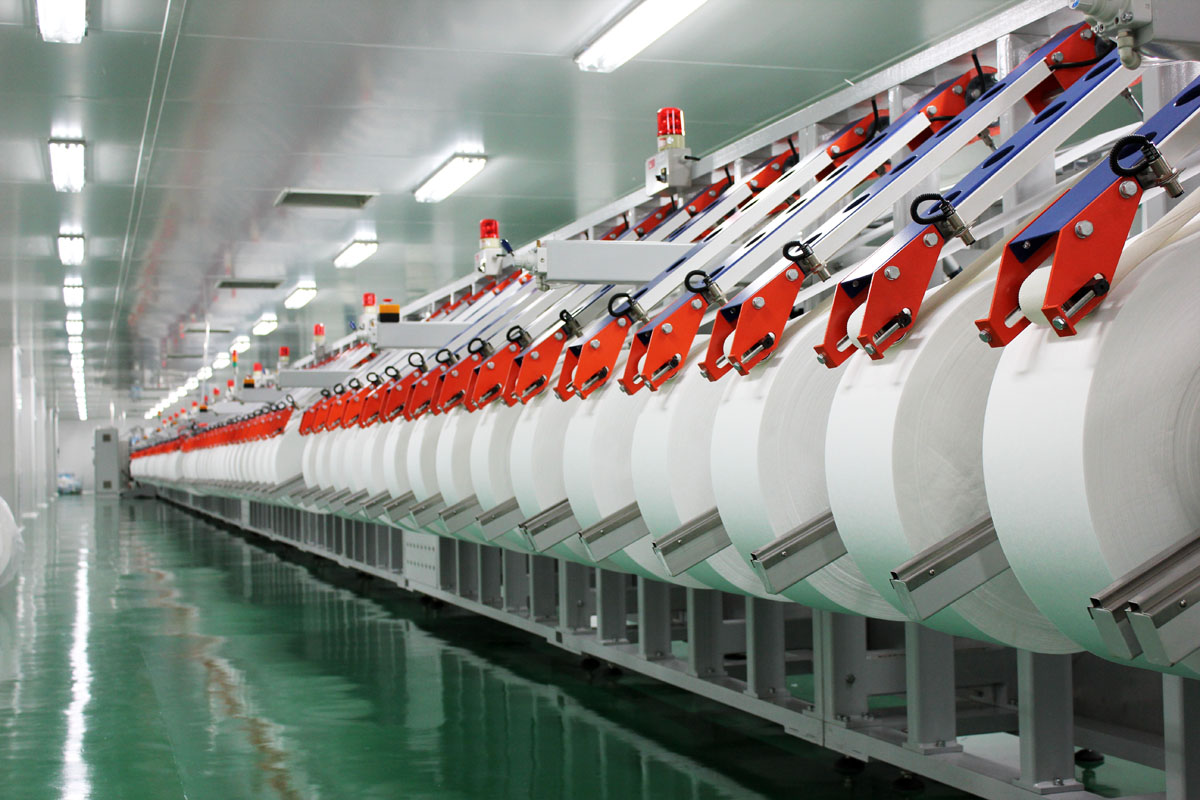
Uniquality's filling environment is described as a 100,000-class clean room, and its wider footprint includes a campus of 1,000,000 ㎡ with an annual output described as 60 billion sheets. Those figures are relevant to acceptance only when they are tied to a verification step — a factory audit, a documented clean-room classification, or an inspection record — otherwise they remain capability claims rather than acceptance evidence.
Layer 4 — Commercial Terms: Where Compliance Meets the Order
Commercial terms decide whether compliance is enforceable. The published purchasing terms for Uniquality wet wipes set minimum order quantities by pack count: 10–30 pcs per bag requires 60,000 bags; 40–70 pcs requires 50,000 bags; 80–120 pcs requires 36,000 bags. Wet wipes and dry wipes are also quoted at a minimum of one 40HQ container, while baby diapers and pull-ups start at 150,000 pieces. Delivery is on FOB or CIF terms, payment is 30% deposit with the balance against the bill of lading copy, and lead time is 35–45 days after artwork and deposit are confirmed.
The lead-time clause is the most compliance-relevant line in the whole document, because it starts after artwork confirmation. Any regional marking correction made after that point resets the clock. Buyers who treat artwork as a design deliverable rather than a compliance deliverable consistently lose those days.
Regional Rules: The Four Questions That Change by Market
Regional compliance does not require a different process in every country. It requires four questions to be answered before the purchase order is issued, and the answers recorded on the order itself.
- How is this SKU classified in the destination market? The classification — cosmetic-type personal care, medical, household cleaning, or a flushable-claim product — determines which document set is relevant. A medical wet wipes line and a kitchen wet wipes line should not share the same document request.
- What must appear on the pack? The EU marking requirement under Directive (EU) 2019/904, in force since 3 July 2021, is the clearest example: a marking obligation attached to the product that flows directly into artwork approval. Buyers should confirm the marking rule for each destination market rather than assuming one global label works.
- Which quality-system documents must exist before shipment? This is where the scope line in Table 1 matters. ISO 22716 and GMPC speak to cosmetic-type manufacturing practice; ISO 13485 speaks to a medical-device quality system; ISO 9001 speaks to general quality management. Each answers a different question.
- How must a claim be substantiated? A flushable or biodegradable claim needs a stated test basis in the destination market. If the basis cannot be named at the quotation stage, the claim should not be printed at the artwork stage.
Recording these four answers in one place — a compliance annex attached to the purchase order — converts regional rules from background reading into a contractual reference.
Step-by-Step: Building the Regional Compliance Checklist
The checklist below is the practical output of the four-layer model. It is written to be copied into a sourcing template and completed per SKU.
- Fix the product identity per SKU. Name the exact product — baby wet wipes, pure water wet wipes, antibacterial wet wipes, medical wet wipes, hand & mouth wet wipes, adult wipes, alcohol wet wipes, flushable wet wipes, biodegradable wet wipes, mini wet wipes, facial wet wipes, makeup remover wet wipes, female intimate wipes, kitchen wet wipes, bathroom wet wipes, floor wet wipes, glass cleansing wet wipes, car wet wipes, pet wet wipes or stain remover wet wipes — and list the claims that name carries.
- Assign the destination classification. Write the classification on the purchase order so the document request and the artwork review both reference the same assumption.
- Request documents with four fields. Certificate number, issuing body, scope wording and validity dates. Reject any document request that only asks for a certificate name.
- Convert every claim into a measurable criterion. Alcohol-free, fragrance-free, fluorescent-agent-free and antiseptic-free should each map to a COA declaration; substrate weight maps to the 35–70 gsm band; sheet size maps to the declared dimension.
- Set the verification method. State pre-shipment testing at the factory or a buyer-customized protocol, plus AQL sampling inspection and COA per batch.
- Run a document expiry watch. List every certificate against the shipment window and flag anything expiring inside the program period — the FSC entry at 2026-05-30 and the ISO 13485 entry at 2026-11-11 in Table 1 are exactly the entries this step catches.
- Approve artwork last, and approve it as a compliance document. Artwork carries regional marking, claim wording and pack count; once approved and paired with the deposit, the 35–45 day lead time begins.
| Mismatch | Typical symptom | Control point in the purchase order |
|---|---|---|
| Scope mismatch | Certificate holds, but names a different product family | Scope wording and certificate number quoted in the order |
| Validity mismatch | Certificate expires inside the shipment window | Expiry date check against the full program period |
| Claim-to-method mismatch | Claim printed with no stated test basis | Claim mapped to a COA declaration and sampling plan |
| Artwork-to-market mismatch | Marking error found after printing | Regional marking confirmed before artwork approval |
Use Cases: How the Checklist Changes by Buying Scenario
EU-bound baby wet wipes private label
The document request centers on ISO 22716 (SZ2502B9), GMPC (SZ2502C1) and ISO 9001 (01326Q0078R102), with the FSC entry reviewed for substrate-related sourcing claims and the pack artwork reviewed against the EU marking requirement before print. Acceptance criteria focus on substrate weight, sheet count and lid function.
Medical wet wipes buyer
The relevant scope line is ISO 13485 (0107337-03), supported by the 100,000-class clean room description and COA documentation. Because the recorded ISO 13485 period runs to 2026-11-11, a buyer contracting for delivery into 2027 should schedule the renewal certificate into the document set at the quotation stage.
Multi-market distributor assortment
An importer covering kitchen wet wipes, bathroom wet wipes, car wet wipes and pet wet wipes across several markets should keep one master certificate folder but one marking annex per market. The MOQ bands by pack count — 60,000 bags at 10–30 pcs, 50,000 bags at 40–70 pcs, 36,000 bags at 80–120 pcs — make assortment planning part of the compliance conversation, because pack-count decisions change the minimum order structure.
Long-running OEM program
A UK-based OEM client running household cleaning, baby care, personal hygiene and beauty care applications at 20 × 40HQ containers per month has sustained the program for three years, with a reported on-time delivery rate of 99.5% and zero major quality complaints. That outcome depends less on the certificate list than on the discipline of re-checking it, shipment after shipment.
FAQ
Which documents should a buyer request before approving a wet wipes supplier?
Request four groups and read each one by its scope line. First, quality management: ISO 9001. Second, manufacturing practice and formulation control: GMPC and ISO 22716, both recorded against a wet wipes scope at Uniquality. Third, category-specific systems: ISO 13485 where medical wet wipes are involved. Fourth, social compliance and material origin: SEDEX and FSC. For each document, record the certificate number, issuing body, scope wording and validity dates — a certificate that does not name the product being ordered does not support that product, regardless of how many certificates the supplier holds.
Can OEM baby wet wipes be produced with custom packaging?
Yes. Uniquality's OEM/ODM scope covers customization of material, size, logo, packaging, fragrance and formula, applied to baby wet wipes and the other wet wipes formats in the range. The base specification is a 15×20 cm sheet on a 35–70 gsm nonwoven substrate, with pack counts such as 10 pcs or 80 pcs per bag, both customizable. Custom packaging should be approved as a compliance document — pack artwork carries regional marking and claim wording — and production lead time begins once artwork and deposit are confirmed.
What are the minimum order quantities and payment terms?
Minimum order quantity depends on pack count: 10–30 pcs per bag requires 60,000 bags, 40–70 pcs requires 50,000 bags, and 80–120 pcs requires 36,000 bags. Wet wipes and dry wipes are also quoted at a minimum of one 40HQ container, while baby diapers and pull-ups start at 150,000 pieces. Delivery is offered on FOB or CIF terms, and payment terms are 30% deposit with the balance against the bill of lading copy. Because pack-count decisions move the MOQ, packaging format should be settled before the order quantity is finalized.
How are acceptance criteria verified before shipment?
Acceptance is verified through the factory's pre-shipment test or a buyer-customized protocol, supported by COA documentation and AQL sampling inspection. In practice, the buyer's checklist should state the substrate weight against the declared gsm band, the sheet dimensions, the sheet count per pack, artwork and regional marking accuracy, lid and seal function, and the validity of every certificate covering the shipment window. Anything that cannot be checked at that stage should be removed from the specification rather than left as an untested claim.
How long does production take after the order is confirmed?
Lead time is 35–45 days after the artwork and deposit are confirmed, and the artwork confirmation is the event that starts the clock. That makes the regional marking review a schedule-critical step: a marking correction identified after artwork approval delays production by the length of the correction, not by the length of the print run. Buyers who want to test the whole chain before committing to a program can request samples and a quotation first, then align the certificate set, the acceptance criteria and the artwork to the destination market before the deposit is issued.
Conclusion: Compliance Is a Document Discipline, Not a Certificate Count
Wet wipes compliance holds together when three documents say the same thing. The purchase order names the product, the claims and the destination market. The acceptance criteria name the method, the sampling plan and the evidence to be retained. The certificate folder names a scope line, an issuing body and a validity period that covers the shipment. When those three agree, the certificate count becomes irrelevant, because the buyer can point to the exact line that proves the claim.
The most useful habit in this process is a small one: read the scope line out loud before approving the order. A CE certificate covering baby diaper and training pants, an FSC certificate whose recorded period ended on 2026-05-30, or an ISO 13485 certificate running to 2026-11-11 will each change what a buyer should ask for — but only if someone reads the line.
Build Your Compliance Checklist With Uniquality
Zhejiang Uniquality Nursing Products Technology Co., Ltd. manufactures wet wipes and dry wipes under OEM/ODM terms for buyers in the USA, EU, SAM, RU and CASA markets, with a monthly wet wipes capacity of 7 billion units and sampling support before a program is committed.
Request samples, a quotation, or the full product catalogue to align purchasing terms, acceptance criteria and regional documentation for your next SKU.
Email: michelleyu@kingsafe.com · Tel / WhatsApp: +86 187-0582-0808 · Website: www.kingsafe.com
Download the company brochure: Uniquality product and capability brochure (PDF)

Have Questions or Need More Details?
Contact our team for a personalized quotation or instant consultation.
Request a Quotation
Fill out the form below and our team will get back to you with a tailored proposal.
WhatsApp Direct Chat
Prefer to chat in real-time? Message us on WhatsApp for instant assistance & quick answers.
- Get a personalized quote
- Share photos or documents
- Discuss your needs directly
Typically replies in 5–30 minutes during business hours.