
Wet Wipes Gone Wrong? How to Fix Common Daily Cleaning Mishaps
Wet Wipes Gone Wrong? How to Fix Common Daily Cleaning Mishaps
Wet wipes are asked to do something no other cleaning product is asked to do: work instantly, on almost any surface, straight out of the pack, with one hand. When that expectation is not met, the wipe takes the blame. In practice, most daily wet wipe mishaps come down to a small set of causes — a liquid that leaves residue behind, a pack that loses moisture, a substrate that sheds or tears, or a wipe that was matched to the wrong job from the start.
The category is large enough that variation is normal. The global wet wipes market was estimated at approximately USD 22.38 billion in 2024, according to Market Research Future. Inside that number sits everything from a pure-water wipe for a newborn to a heavy-duty kitchen wipe, and the front of the pack rarely explains which one you are holding.
This guide is troubleshooting, not promotion. It covers what the most common everyday failures look like, what actually causes them, how to fix the ones you can fix yourself, and how to recognise the smaller group of problems that begin in manufacturing rather than on your countertop.
What Counts as a Wet Wipe Mishap
Eight complaints come up again and again, and they are usually lumped together as "bad wipes". They are not the same problem, and they do not have the same fix.
- A sticky or tacky film left on the surface after the wipe dries
- Streaks and smears on glass, stainless steel, and screens
- Lint, fibres, or paper particles left behind
- A pack that dries out before it is half used
- Cleaning power that is too weak for the soil in front of it — grease, dried food, soap scum
- Discolouration, a sour smell, or visible growth inside the pack
- Redness, itching, or irritation after use on skin
- Wipes that will not break down and block a drain when flushed
Each of these maps to one of four variables: the liquid in the pack, the substrate carrying it, the packaging protecting it, and the way it is used. The liquid dictates residue, cleaning power, and skin tolerance. The substrate dictates shedding, tearing, and how evenly the liquid is released. The packaging dictates how long the pack stays usable after opening. Use — surface, timing, storage, technique — decides how much of the first three you ever notice.
The practical rule: if the same fault appears across several packs, several rooms, and several weeks, the wipe is the likely cause. If it appears once, in one pack, on one surface, look at storage and technique first.
Why Wet Wipe Mishaps Are Getting Harder to Avoid
The category keeps expanding, and expansion brings variation. Market Research Future estimated the global wet wipes market at approximately USD 22.38 billion in 2024. Global Market Insights valued the baby wipes segment alone at USD 10.0 billion in 2025 and projected a compound annual growth rate of 5.5% through 2035. Fortune Business Insights reported that Asia Pacific led the global wipes market in 2025 with a 32.29% share, worth approximately USD 1.58 billion in the region. Sustainability-focused formats are expanding as well: the global biodegradable wet wipes market reached over USD 3 billion in 2024, growing at a CAGR above 6%, according to an industry report published by WEHOO Hygiene.
Growth has also produced a fragmented shelf. P&G held a market-leading share of over 16% in the global baby wipes market in 2025, according to Global Market Insights — a figure that also shows how much of the category sits with a long tail of brands, private labels, and contract manufacturers. Two packs produced by two different plants, carrying similar claims, can behave very differently on the same kitchen counter.
Compliance is not uniform either, and it does not automatically prevent the everyday failures described in this article. In the European Union, wipes intended for cleansing are regulated as cosmetics under Regulation (EC) No 1223/2009, which requires a Product Information File and a CPNP notification. Flushable wipes are assessed under a separate framework: they must comply with GD4 — the Guidelines for Assessing the Flushability of Disposable Nonwoven Products — or with the stricter IWSFG standards. Neither framework stops a wipe from leaving a film behind; that is a formulation, substrate, and usage question, which is exactly why the troubleshooting steps below matter.
Where Failures Actually Start: Liquid, Substrate, and Seal
The symptoms above are visible on the surface being cleaned, but they are decided inside the pack. Manufacturers and buyers see the same failures from the other direction, and the causes are usually traceable to a handful of production variables.
Liquid quality and microbial control
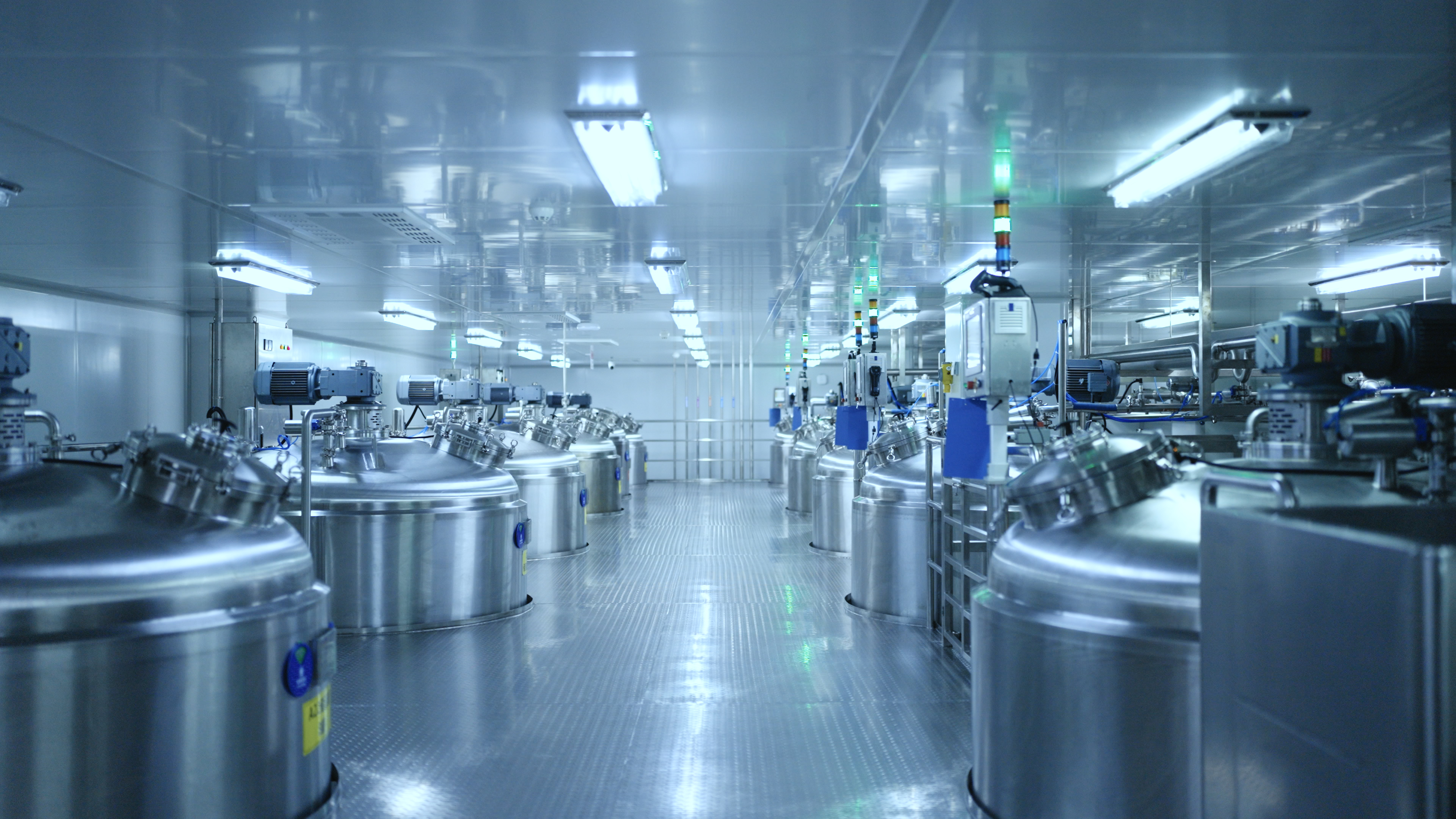
Two packs can carry the same liquid load and behave completely differently, because what matters is what is dissolved in the water. Residue on a countertop is usually the non-volatile part of the liquid that stays behind once the water evaporates — so water quality is the starting point, not an afterthought. Zhejiang Uniquality Nursing Products Technology Co., Ltd. uses pharma-grade purified water in its wet wipe production, which reduces the mineral and impurity load that would otherwise dry down onto the surface.
Microbial control is the other half of the liquid equation. The failure mode that manufacturers watch most closely is exceeding microbial limits, and the controls used against it are consistent across serious producers: strictly controlling raw material hygiene, adding qualified preservatives at appropriate levels, and purifying the production workshop environment. Before delivery, microbial inspection is the final check. Uniquality specifies a total bacteria count of ≤ 100 CFU/g for its wet wipes, compared with ≤ 200 CFU/g for standard products. A pack that smells sour, looks discoloured, or shows visible growth has already failed that test and should not be used on skin or food-contact surfaces.
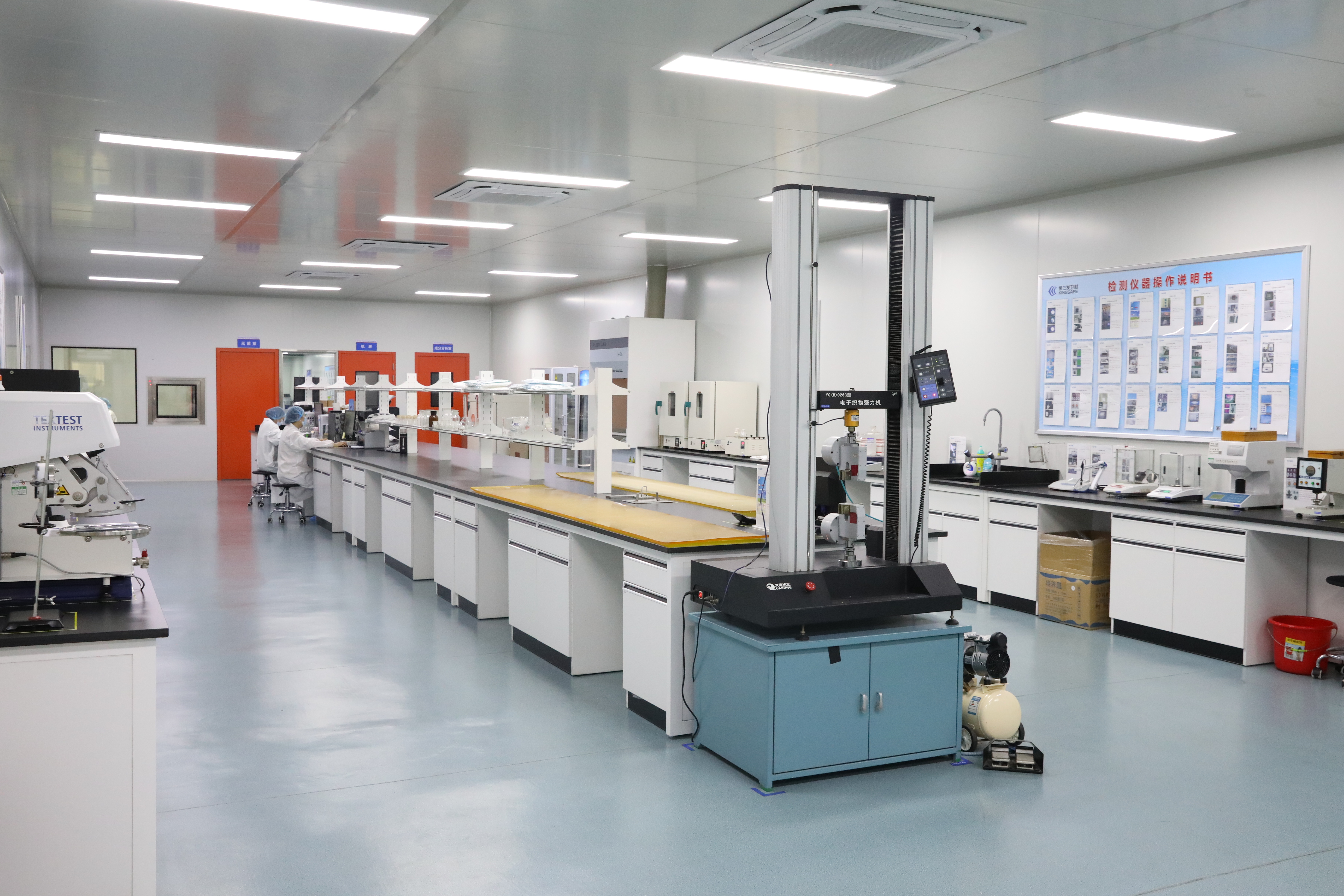
Production environment, automation, and batch traceability
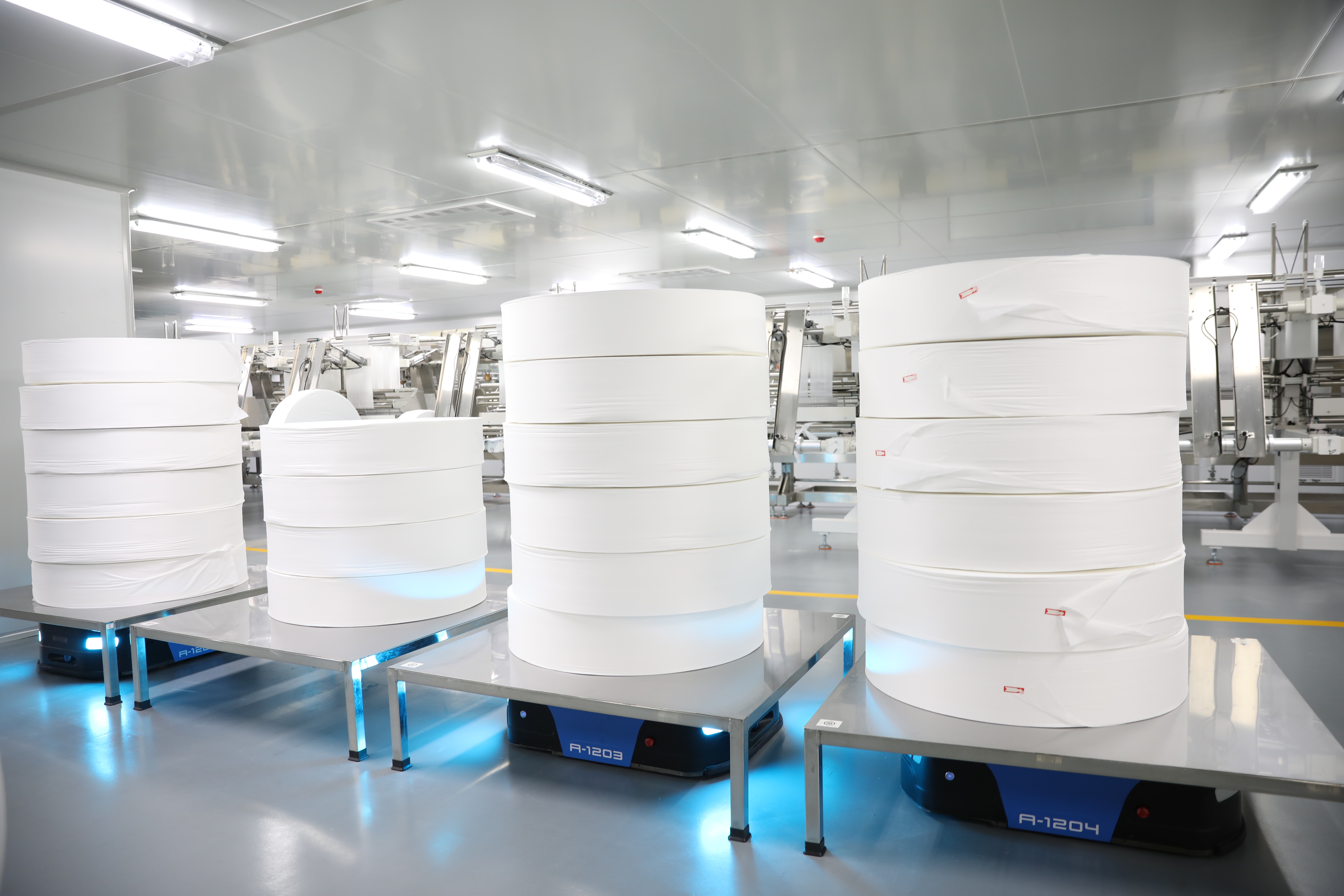
Wipes are a hygiene product produced in an environment that has to stay hygienic at line speed. Uniquality produces wet wipes in a 100,000-class GMP cleanroom, using fully automated wet wipe production systems that cover the full process from raw material processing through to finished-product packaging. Automation matters for troubleshooting because it removes variability: a stable, controlled environment means the pack you open in month one behaves like the pack you open in month nine.
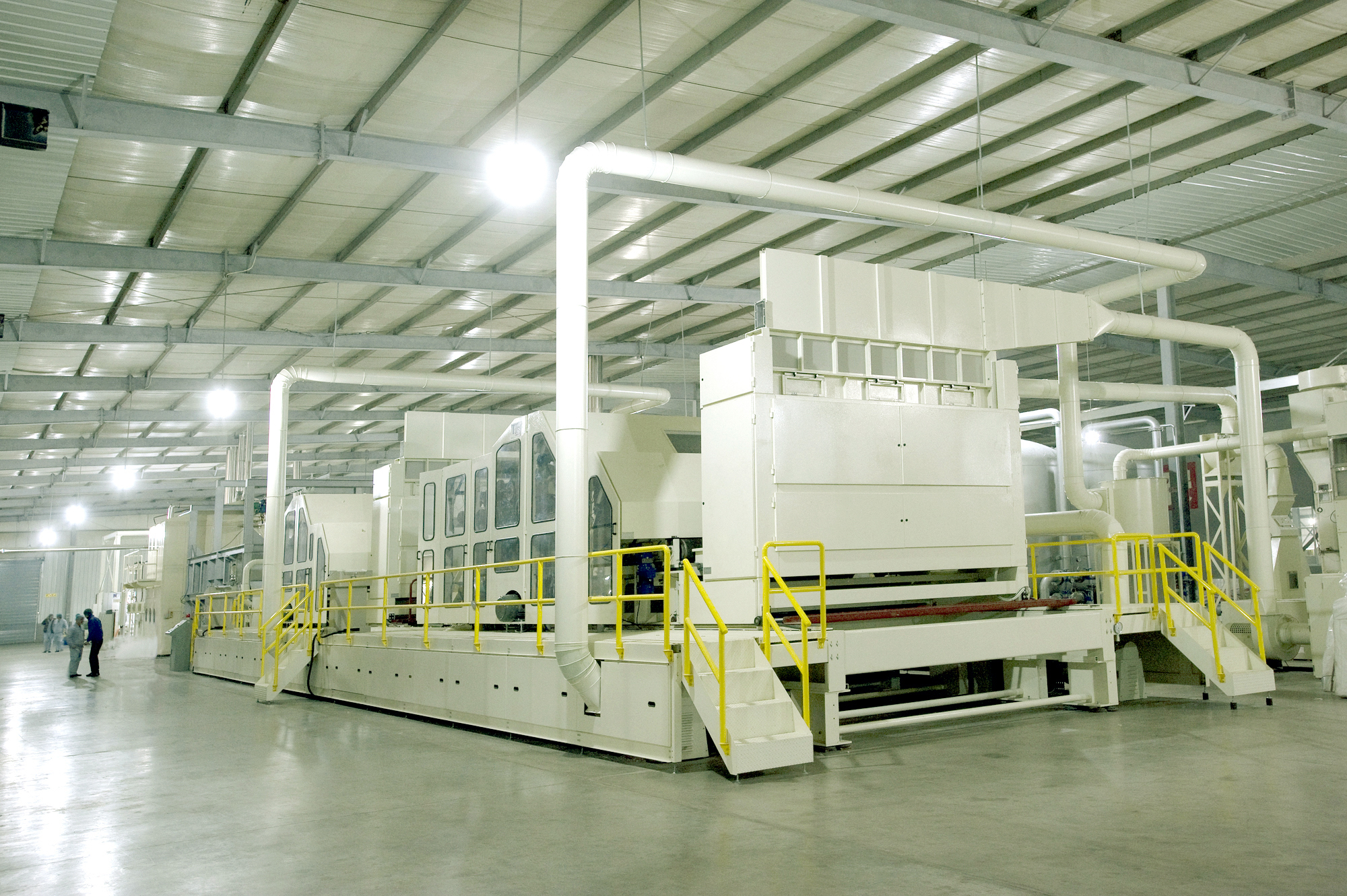
Traceability is the second half of that. Every batch of diapers, wet wipes, and dry wipes produced by Uniquality is archived and preserved in a temperature-controlled sample retention room, organised by batch and monitored without exception. For a buyer, that is what turns a complaint into a resolvable question: when a customer asks what was actually shipped six months ago, there is a documented, sealed answer rather than a verbal one.
Packaging, moisture loss, and the dried-out pack
A pack that dries out before it is finished is almost never an accident of use. Moisture leaves through three routes: the film itself, the seal, and the lid or resealable label. That is why two packs of the same size can behave differently after opening — the difference is packaging specification and pack sealing, not how often the lid is opened. Packaging is also where delivery reliability shows up: Uniquality reports a 99.5% on-time delivery rate, which matters because wipes that sit in uncontrolled transit conditions for weeks arrive with a shorter usable life ahead of them.
What a controlled supply chain changes for a buyer
Zhejiang Uniquality Nursing Products Technology Co., Ltd. (www.kingsafe.com) is a manufacturer of wet wipes, dry wipes, and diapers operating a 1,000,000㎡ manufacturing footprint with an annual output of 60 billion sheets, more than 3,000 employees, and a research and development team of over 200 specialists. The company is certified to ISO, CE, GMPC, and FSC standards, samples in 3–5 days, exports around 70% of production, and supplies brand owners in more than 80 countries, with main markets including the USA, EU, SAM, RU, and CASA regions.
For the failures described in this article, the meaningful difference is vertical integration. Uniquality's own comparison data against conventional wipes and small OEM manufacturing setups lists 8–15% lower raw material cost, 10% lower energy consumption, and full vertical integration — including in-house control of the pharma-grade purified water used in production. The trade-off is honest: a slightly higher upfront cost, offset by a lower risk of recalls and returns. That combination is most relevant to baby care, sensitive-skin use, and premium export markets, where a single failing batch is expensive in a way that a few cents per pack is not.
Step-by-Step: How to Fix a Wet Wipe Mishap in Six Steps
When a wipe misbehaves, the fastest route to a fix is to test it like a fault, not like a preference. The six steps below work for a household pack and for a QC complaint in a distribution warehouse.
- Reproduce the fault deliberately. Clean a small section of the problem surface with a fresh wipe, then leave it to dry completely. A fault that only appears once is usually technique or a dirty cloth; a fault that reappears every time is a product characteristic.
- Separate the wipe from the technique. Wipe a clean glass panel with a fresh wipe and let it air-dry. If streaks appear, the liquid or substrate is leaving something behind. If it dries clear, the original surface was still soiled when you wiped it.
- Audit storage and sealing. Check where the pack is kept — a warm cupboard, a car boot, or a south-facing window accelerates moisture loss. Confirm the lid snaps shut and the label reseals flat, and store the pack lid-down so the liquid sits at the seal rather than pooling at the bottom.
- Re-match the wipe to the surface. A wipe designed for hands and faces is not a degreaser, and a heavy-duty kitchen wipe is not the right choice for a screen or a mirror. If a surface needs two products, use the wipe first to lift the soil and a dry, lint-free cloth afterwards to remove what is left.
- Test a second pack, ideally from a second batch. If a second pack performs normally, the issue is likely isolated to one pack or one storage location. If both packs fail in the same way, you are looking at a batch-level question, and the batch code is the evidence you need.
- Escalate with evidence, not impressions. Send the batch code, photographs of the fault, the surface involved, how the pack was stored, and how long it had been open. A manufacturer with batch traceability and retained samples can match that information to what was actually produced and shipped — which is how a complaint becomes a corrective action instead of an argument.
Steps 1 to 4 solve the majority of everyday complaints. Steps 5 and 6 exist for the smaller number of cases where the product itself, not the process around it, is the cause.
Use Cases: Matching the Wipe to the Job
Kitchen counters and food-prep surfaces
The most common kitchen complaint is smearing rather than cleaning: the wipe moves grease around instead of lifting it. That is usually a liquid limitation, not a substrate one. Work in one direction, use a second wipe for the final pass if the first is saturated, and finish with a dry cloth so nothing is left to dry into a film. Grease left behind on a countertop is exactly what later feels like a sticky residue.
Bathrooms, glass, and mirrors
Streaking on glass is usually caused by too much liquid being allowed to evaporate in place. Use a wipe intended for glass surfaces, work in small overlapping sections rather than one wide sweep, and finish with a dry, lint-free pass before the liquid dries. If the surface still smears after a dry pass, the wipe is depositing more than it is removing.
Nursery and baby care
Baby wipes are the format with the least tolerance for shortcuts, because the surface being cleaned is skin and the user is not going to report a problem in words. The two things worth checking are the liquid composition and the microbial specification. Uniquality produces baby care formats positioned for sensitive-skin use and premium export markets, produced in the same controlled environment as its other wet wipe lines.
Hands, mouths, and travel packs
Hand & mouth wipes and mini packs go wrong in a predictable way: they dry out first, because small packs carry little liquid relative to their seal area. Reseal immediately after every use, keep mini packs out of a hot glovebox or a direct-sun cup holder, and rotate stock so older packs are used first rather than carried around for months.
Pets, cars, and floors
Pet wipes, car interior wipes, and floor wipes sit at the heavy-use end of the category. Pet and car wipes are typically used on surfaces that stay wet or dirty, so a wipe that sheds fibres leaves more behind than it removes. Floor wipes are the format most often affected by over-wetting, because large packs are opened repeatedly over weeks — reseal, store upright, and replace the pack rather than adding water to a drying one, which dilutes the preservative system and undermines the microbial control built into the product.
Facial wipes, makeup removal, and intimate care
Facial wipes, makeup remover wipes, and female intimate wipes are used on skin that reacts quickly. If redness or itching appears, stop using the pack and record the batch. Sensitivity reactions are the one category of mishap where the correct troubleshooting step is to remove the product from use and raise it with the supplier rather than adjust technique.
Comparison: Which Fix Applies to Which Mishap
The table below maps each common symptom to its most likely cause, the change that usually resolves it, and the specification point worth verifying with a supplier. It is a decision aid, not a diagnosis — always confirm against the actual product information provided with the pack.
| Symptom | Most likely cause | Practical fix | What to verify |
|---|---|---|---|
| Sticky or tacky film after drying | Non-volatile residue left behind by the liquid | Use a dry finishing pass; switch to a lower-residue format | Liquid composition and water quality (pharma-grade purified water) |
| Streaks on glass and mirrors | Over-wetting, or a substrate that releases liquid unevenly | Small sections, then a dry lint-free pass | Substrate type and texture for the surface |
| Lint, fibres, or particles left behind | Weak or shedding substrate | Upgrade substrate strength for the job | Substrate construction and basis weight |
| Pack dries out mid-use | Moisture loss through film, seal, or lid | Reseal flat, store lid-down, rotate stock | Packaging specification and seal integrity |
| Weak performance on grease | Liquid not matched to the soil type | Move to a kitchen-format wipe for that surface | Intended application declared for the product |
| Sour smell or discolouration | Microbial growth in the pack | Stop using the pack; record the batch code | Total bacteria count specification (≤ 100 CFU/g for Uniquality wet wipes, vs. ≤ 200 CFU/g for standard products) |
| Drain blockage after flushing | Product not assessed as flushable | Only flush wipes certified under the relevant framework | GD4 or IWSFG flushability compliance |
| Skin irritation after use | Residue, fragrance, or preservative sensitivity | Stop use; switch format; consult product information | Cosmetic compliance and labelling under EU Regulation (EC) No 1223/2009 |
A second comparison: what changes when the wipe comes from a controlled plant
Buyers comparing suppliers are really comparing the variables behind the table above. The comparison below uses Uniquality's documented production data against conventional wipes and small OEM manufacturing setups.
| Factor | Conventional wipes / small OEM production | Uniquality |
|---|---|---|
| Microbial specification | ≤ 200 CFU/g total bacteria count (standard products) | ≤ 100 CFU/g total bacteria count |
| Water used in production | Not specified | Pharma-grade purified water |
| Production environment | Not specified | 100,000-class GMP cleanroom |
| Production model | Partly manual, higher variability | Full vertical integration; fully automated lines; batch traceability |
| Documented cost and energy profile | Baseline | 8–15% lower raw material cost; 10% lower energy consumption |
| Delivery reliability | Not specified | 99.5% on-time delivery rate |
| Commercial trade-off | Lower upfront cost | Slightly higher upfront cost, lower risk of recalls and returns |
| Best suited to | General-purpose, non-sensitive use | Baby care, sensitive-skin use, premium export markets |
Read the table as a trade-off, not a ranking. A wipe that leaves a film is not improved by a certificate, and a cleanroom does not make a heavy-duty kitchen wipe suitable for a newborn. What the controlled production model changes is consistency — the likelihood that the pack behaves the same way in month one and month nine, and that a problem can be traced back to a specific batch when it does occur.
FAQ: Wet Wipe Problems and How to Resolve Them
Do wet wipes have to meet different rules depending on how they are used?
Yes, and the framework depends on the declared use. In the European Union, wipes intended for cleansing are regulated as cosmetics under Regulation (EC) No 1223/2009, which requires a Product Information File and a CPNP notification. Flushable wipes are assessed under a different framework and must comply with GD4 — the Guidelines for Assessing the Flushability of Disposable Nonwoven Products — or with the stricter IWSFG standards. Separately, manufacturing-level certification matters for buyers: Uniquality's wet wipe production is certified to ISO, CE, GMPC, and FSC standards and runs in a 100,000-class GMP cleanroom. Usage rules and manufacturing rules are two different questions, and a compliant pack can still leave residue if it is matched to the wrong surface.
How do I tell whether the problem is the wipe or the way I used it?
Use the reproduction test. Wipe a clean glass panel or a clean section of the problem surface with a fresh wipe, let it air-dry completely, and look at the result. If streaks or film appear on a clean surface, the wipe is depositing residue. If the same surface dries clear, the original surface was still soiled when you wiped it, or the cloth or wipe was already saturated. Then check whether the fault repeats across several packs: a fault that appears every time across multiple packs points to the product, while a fault that appears in one pack points to storage, age, or handling.
Is it worth paying more for a wipe produced in a more controlled environment?
It depends on what a failing batch would cost you. Uniquality's comparison data against conventional wipes and small OEM manufacturing setups lists 8–15% lower raw material cost and 10% lower energy consumption, driven by full vertical integration, and describes the commercial position as a slightly higher upfront cost with a lower risk of recalls and returns. For a household pack, the difference rarely matters. For baby care, sensitive-skin use, and premium export markets, the cost of a recall or a returned container usually exceeds the per-pack difference by a wide margin.
How should I validate a wet wipe before committing to a volume order?
Test before you scale, and test the way the product will actually be used. Request samples, run them on the real surfaces and at the real frequency, check the pack after opening across a realistic storage period to see how the seal performs, and confirm the specification points that matter for your market — liquid composition, substrate, microbial specification, and flushability or cosmetic compliance where relevant. Uniquality provides a sampling turnaround of 3–5 days, and every production batch is archived in a temperature-controlled sample retention room, organised by batch, so a validated sample can later be matched against what was shipped.
How do I keep wipes from drying out or degrading between production and the shelf?
Moisture loss happens through three routes: the film, the seal, and the lid or resealable label, so packaging specification and pack sealing decide how a pack behaves after opening. On the supply side, batch traceability, retained samples, and documented delivery performance are the practical controls — Uniquality reports a 99.5% on-time delivery rate and retains a sealed, documented sample of every batch, which is what allows a drying or discolouration complaint to be traced back to a specific production run. On the user side, reseal the pack flat after every use, store it lid-down, keep it out of direct heat, and rotate stock so older packs are opened first. If you would like to test a format against your own surfaces and storage conditions, you can request a free sample or a quote from Uniquality at michelleyu@kingsafe.com, or via WhatsApp.
Conclusion: Fix the Match, Not Just the Wipe
Wet wipes rarely fail in a mysterious way. A sticky film is residue. A streaked mirror is too much liquid drying in place or a substrate releasing it unevenly. A dried-out pack is moisture escaping through the film, the seal, or the lid. A weak kitchen wipe is a liquid matched to the wrong soil. Once the symptom is separated from the cause, most of these problems are solved in minutes — with a dry finishing pass, a better seal, a correctly matched format, or simply opening the pack in a different order.
The smaller group of failures is different. Discolouration, a sour smell, or irritation that appears across several packs is not a technique problem, and it should be treated as a batch question. That is where production variables — water quality, preservative control, cleanroom production, and batch traceability — move from supplier talking points to the things that decide whether a complaint can be resolved. Zhejiang Uniquality Nursing Products Technology Co., Ltd. produces wet wipes and related personal care products for brand owners and distributors in more than 80 countries, with certified production, 3–5 day sampling, and retained batch samples behind every shipment.
Test the fix on your own surfaces
Samples of Uniquality wet wipes are available for surface testing, and the full product and capability overview can be downloaded as a catalogue: download the Uniquality brochure (PDF). For a sample request, a quotation, or a discussion about a specific format — baby, kitchen, glass, pet, car, floor, hand & mouth, or makeup remover — contact michelleyu@kingsafe.com or visit kingsafe.com.