
Wet Wipes Sourcing: Solving Purchase Terms and Acceptance Criteria Pain Points
Wet wipes sourcing disputes rarely begin on the production line. They begin when a purchase order uses a category name as if it were a specification. A line such as baby wet wipes, 80 pieces, soft can describe a product, but it does not define the substrate weight, wipe size, water treatment, formula exclusions, packaging seal, sampling method or the documents that will prove acceptance. The practical solution is a scenario-based order definition: describe the use case, convert it into measurable terms, and agree on acceptance evidence before the first production run.
This guide is written for buyers in the Research to Evaluation stages of a wet wipes OEM project. It does not rank suppliers. It shows how to turn an inquiry into purchase terms that can be checked at sample, production and pre-shipment. Uniquality, the brand used here for Zhejiang Uniquality Nursing Products Technology Co., Ltd., a manufacturer of wet wipes, dry wipes and baby diapers, is used as a worked example because its supplied data include the inputs a buyer needs: product types, size and substrate ranges, pack counts, customization scope, MOQ, lead time, quality-control method and company-reported certification claims.

Why wet wipes purchase terms fail before production starts
The first failure point is a category name masquerading as a specification. Uniquality's wet wipes product data lists baby, mini, pure water, facial, flushable, biodegradable and medical wet wipes under one model, YQ001. Those products share a manufacturing route, but they do not share the same use scenario, claim set or acceptance risk. A buyer who writes only wet wipes leaves the factory to infer which type, substrate, pack format and formula were intended.
The second failure point is a quality clause that names a method but not the acceptance gate. COA and AQL sampling inspection are useful controls, but they are not self-defining. Unless the order states when the COA is issued, what the AQL inspection covers, which defects are critical, and who signs the approval, both sides can believe they followed the contract while measuring different things. The same problem appears with certificates: a company-reported certificate is a lead for verification, not a substitute for checking scope and validity.
The third failure point is a delivery date without a starting event. Uniquality's capability data gives a lead time of 35 to 45 days after confirming artwork and deposit. That is a production window, not a promise from the inquiry date. If artwork approval, deposit receipt, packaging proof and shipping marks are not defined, the delivery date is undefined even when the words 35 to 45 days appear in the quotation.
What the category context means for acceptance criteria
Category scale explains why buyers need a repeatable process, not why any single order will succeed. Grand View Research estimates the global wet wipes market at USD 30.6 billion in 2026 and reports that personal care wipes held 72.81 percent of the wet wipes market share in 2025. Those are third-party market estimates, not a forecast for an individual OEM order. Their practical use is limited but relevant: wet wipes are sold across personal care, household, baby, medical and other contexts, so the same generic acceptance clause cannot serve every project.
Regulatory labeling adds another layer. Directive (EU) 2019/904 requires wipes containing plastic to carry the Do Not Flush marking from July 2021. For a buyer, this is an acceptance-criteria example rather than a complete compliance answer. The label, market, product construction and claim must be defined before artwork approval, and the buyer still needs to confirm the rule against the exact product and destination.
Uniquality's application data lists personal care, health and beauty, maternity and baby, pet supplies and household industries. It also lists project types including personal hygiene care, facial cleansing and household cleaning, with special requirements such as lint-free, skin-friendly and customizable size and packaging. That breadth is exactly why a scenario brief matters. A baby wipe, a facial wipe and a household cleaning wipe may all be wet wipes, but the acceptance conversation changes with the user, the surface and the claim.
The application data also lists a working condition of cool and dry place. That is a storage condition to reflect in packing, shipping and handling discussions, not a substitute for stability testing or market-specific requirements. The buyer should decide which supplied conditions apply to the order and which require separate verification.
A scenario-first framework for defining purchase terms
A scenario-first framework has four layers. The aim is not to make the contract longer. It is to make every important yes inspectable.
1. Scenario brief
Name the user, market, application, pack format and claim before discussing price. A sensitive-skin baby wipe brief is not the same as a household cleaning wipe brief, even if both use nonwoven substrate. The brief should say which of the supplied product types applies: baby, mini, pure water, facial, flushable, biodegradable or medical. It should also state the destination market and the label language, because the same product can require different artwork and claim review in different markets.
2. Product specification
Convert the brief into variables the factory can customize. Uniquality's product data lists a 15 by 20 cm size that can be customized, a nonwoven substrate range of 35 to 70 gsm that can be customized, pack counts of 10 or 80 pieces per bag that can be customized, and customization of material, size, logo, packaging, fragrance and formula. Each variable should become a line item with an allowed range or an approval requirement. A range without an approval rule is still ambiguous.
3. Acceptance gates
Define acceptance at three gates: pre-production sample approval, production and final inspection using COA and AQL sampling inspection, and pre-shipment document and packing check. The gates should name the evidence, the responsible person and the release condition. If a gate is not named, it is not agreed. The existence of after-sales support does not define the financial remedy for a failed inspection; that remedy belongs in the commercial terms.
4. Commercial terms
Set the terms that start the commercial clock. Uniquality lists an MOQ of one 40HQ container for wet wipes and dry wipes, a lead time of 35 to 45 days after confirming artwork and deposit, and a reported monthly capacity of 7 billion units for wet wipes, with capacity differing by product. Capacity is not a slot reservation. The order should connect capacity, deposit, artwork approval and shipment planning so that each date has a trigger.
Step-by-step: from first inquiry to final inspection
- Write a one-page scenario brief. State the product type, user, market, application, pack format and claims. For example, a baby wet wipe for sensitive skin should be separated from a household cleaning wipe. Include the destination market and any label requirement such as the EU Do Not Flush marking where it applies. Keep the brief short enough to attach to the RFQ and specific enough that two suppliers cannot read it differently.
- Turn the brief into a specification table. List size, substrate, pack count, formula, packaging, logo, fragrance and any special requirement. Use supplied ranges as starting points: 15 by 20 cm size, nonwoven 35 to 70 gsm, 10 or 80 pieces per bag, all customizable. Mark each line as fixed, ranged or subject to sample approval. A line marked customizable without a decision rule invites a later dispute.
- Set the formula and water baseline. Uniquality states that its process water is EDI purified and that formulas can be made without alcohol, fragrance, fluorescent agents or antiseptics. A buyer should decide which of those exclusions are required for the SKU, which are optional, and which document proves the claim. The answer should appear in the specification and the COA requirement, not only in marketing copy.
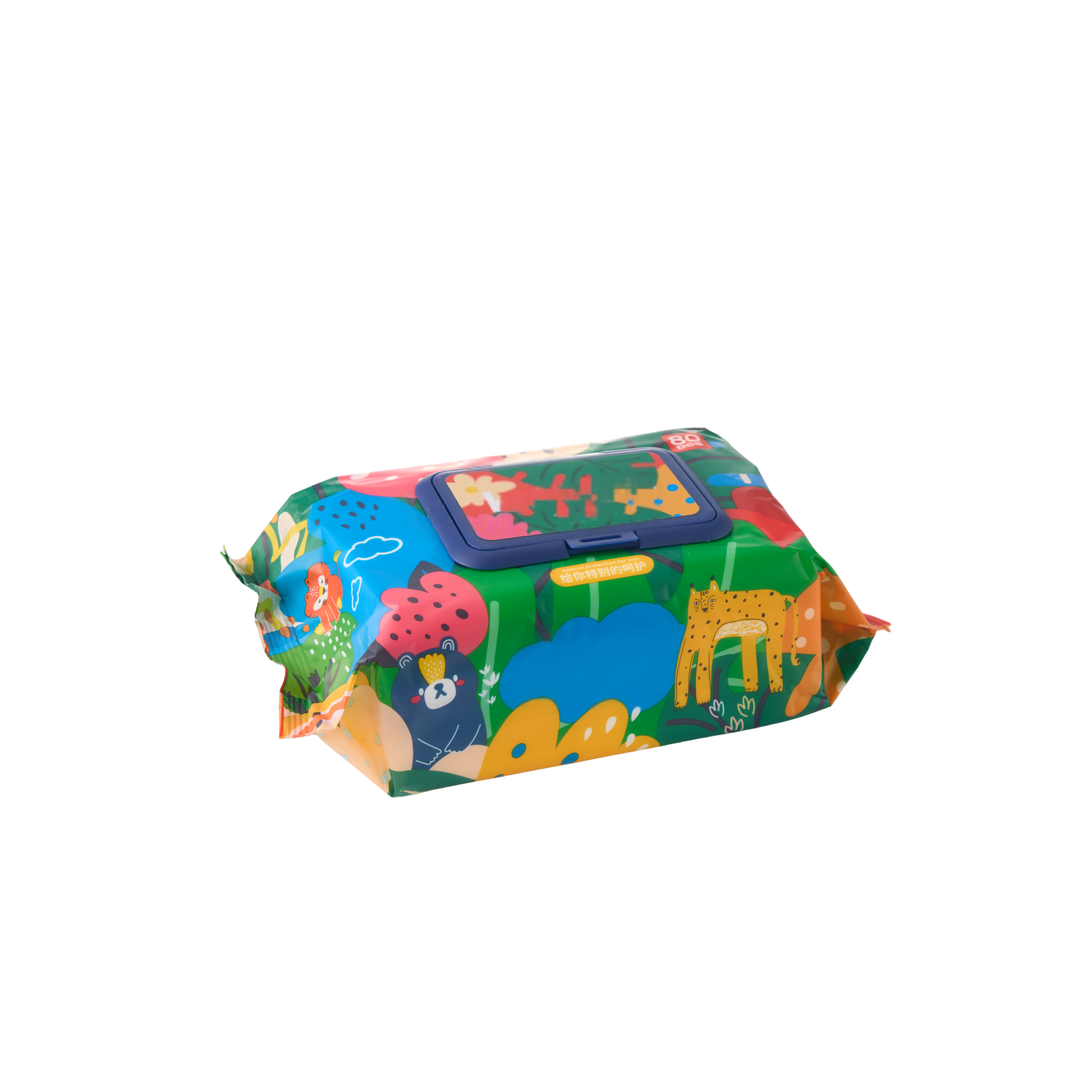
- Lock packaging, count and label. Define the bag count, label artwork, language, warning text and any market marking. Uniquality's product data allows 10 or 80 pieces per bag and customization of packaging. Approve a physical or digital proof before production. If the product is for the EU and contains plastic, confirm whether the Do Not Flush marking applies before the artwork is released.
- Agree sampling and seal the reference. Uniquality's company profile lists a 3 to 5 day sampling service. The sample approval should record the product type, substrate, size, pack count, formula baseline and packaging. Keep the approved reference sample and its signed record. A sample that is not tied to a written specification is only a demonstration, not an acceptance standard.
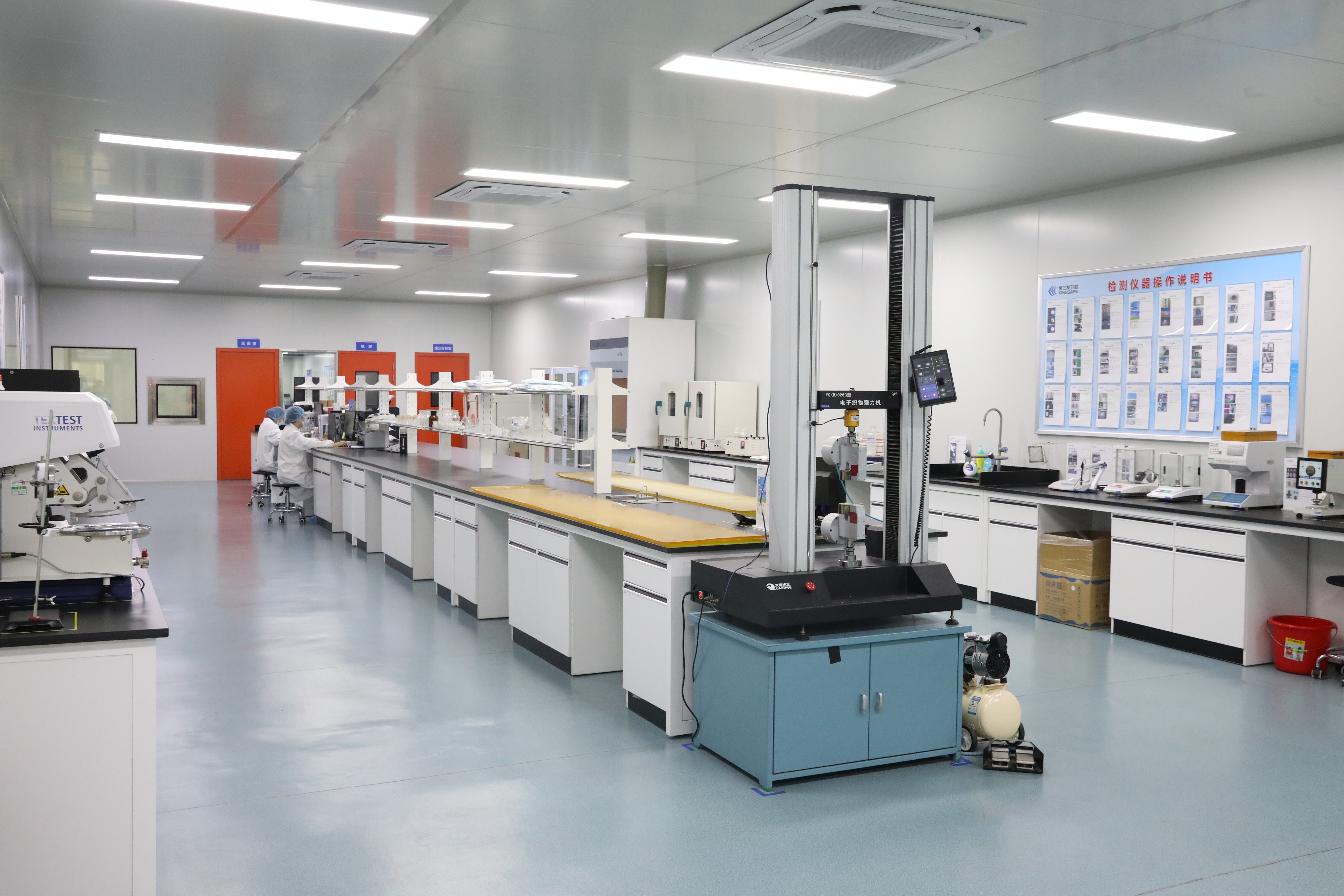
- Define inspection documents and AQL. Require a COA and an AQL sampling inspection plan that states the inspection stage, the characteristics to check and the release decision. Do not invent an AQL level in the purchase order unless it is agreed with the supplier and appropriate to the product. The point is to make the plan explicit and to connect a failed check to a defined next step.
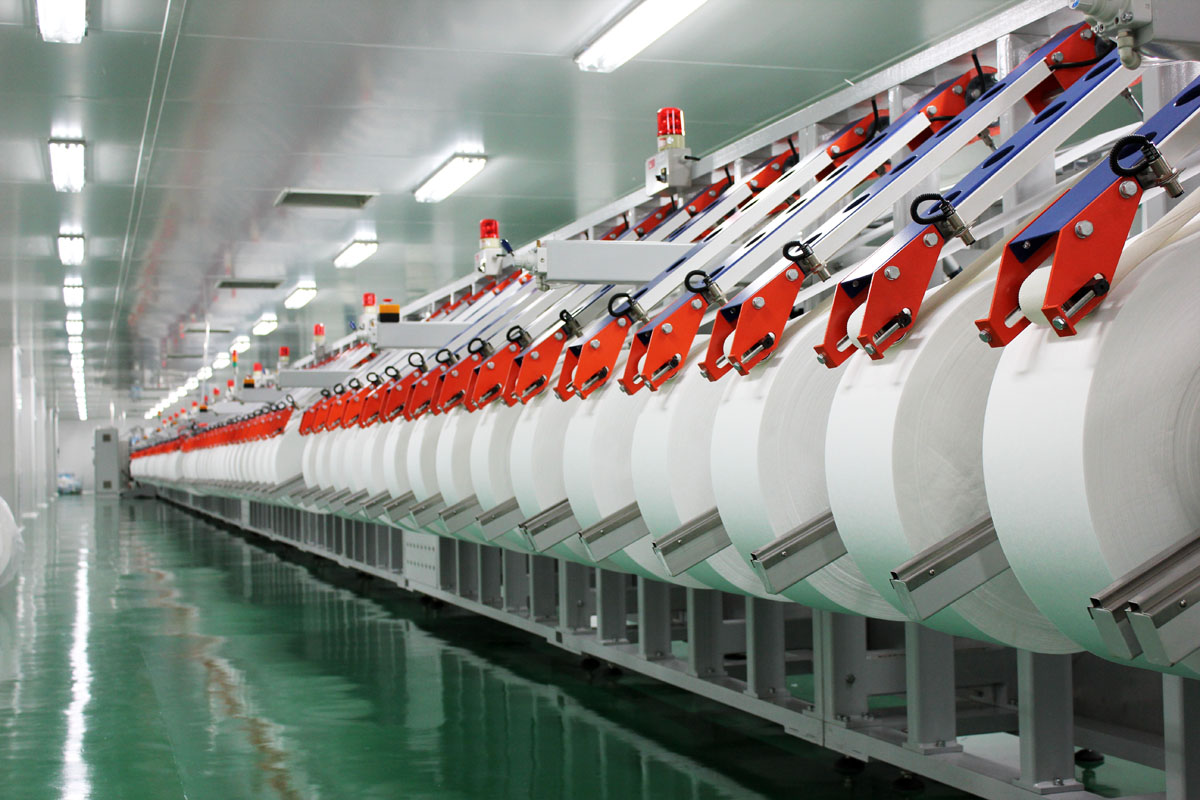
- Verify the factory and certificate scope. Uniquality reports a 100,000-class clean room and automated wet wipes systems covering raw material processing to finished-product packaging. Its company-reported certification list for the wet wipes scope includes ISO 9001, ISO 14001, ISO 45001, ISO 50001, ISO 22716, ISO 13485, GMPC and SEDEX. Ask for the certificate scope, validity and issuing body. A certificate claim becomes useful acceptance evidence only after it is checked against the product and process you are buying.
- Set the commercial clock and escalation path. Confirm the MOQ, deposit date, artwork approval date, lead time and shipping plan. Uniquality lists one 40HQ container as the wet wipes MOQ and 35 to 45 days after artwork and deposit as the lead time. Its after-sales scope includes remote support, order follow-up, product usage consultation, quality feedback handling and service coordination. Name the contact and the escalation route in the order so that quality feedback does not depend on an informal channel.
Scenario examples: how acceptance criteria change by product use
Sensitive-skin baby wet wipes
For a sensitive-skin baby wipe, the acceptance conversation should center on substrate, water, formula exclusions and cleanroom control. Uniquality's supplied product data lists baby wet wipes, a 35 to 70 gsm nonwoven range, EDI purified water and formulas that can be made without alcohol, fragrance, fluorescent agents or antiseptics. Its capability data lists COA, AQL sampling inspection and a 100,000-class clean room. Those facts support a candidate brief; they do not prove that every SKU is suitable for every sensitive-skin user. The buyer should approve the final formula and substrate and verify current certificates.
Medical wet wipes
Medical wet wipes are listed as one of the product types. If the intended use is regulated as medical, the buyer must confirm the classification, the applicable quality system and the certificate scope before relying on the product type name. Uniquality's company-reported certification list includes ISO 13485, which is relevant to quality-system review, but a listed certification is not a determination that a specific SKU is a compliant medical product. The acceptance criteria should therefore separate product specification from regulatory positioning.
Flushable and biodegradable wet wipes
Flushable and biodegradable wet wipes are listed as product types, but the claims require market-specific review. EU Directive (EU) 2019/904 requires wipes containing plastic to carry the Do Not Flush marking from July 2021. A buyer should not treat a product-type label as proof of flushability, biodegradability or labeling compliance. The order should define the substrate, the claim, the test evidence or declaration available, and the label for the destination market.
Household and pet projects
Uniquality's application scope lists household and pet supplies industries, alongside personal hygiene, facial cleansing and household cleaning project types. The scope also lists lint-free, skin-friendly and customizable size and packaging as special requirements. These are selection inputs, not automatic assignments. A household wipe brief may prioritize pack format and substrate choice, while a pet project may raise different surface and user assumptions. The buyer should state which special requirements apply to the SKU instead of assuming that every listed requirement applies to every product.
What a repeat OEM case can show
Uniquality reports a UK OEM case with 20 x 40HQ containers per month, a three-year duration, a 99.5 percent on-time delivery rate and zero major quality complaints. This is a reported case, not a guarantee for another buyer. Its useful lesson is procedural: repeat orders depend on terms and acceptance criteria that can be repeated. A case result does not replace the buyer's own sample approval, certificate check and inspection plan.
Purchase-term and acceptance-criteria map
The table below converts the worked example into a buyer checklist. It uses facts from Uniquality's supplied content units and company-reported certification claims. It is a template, not a market-wide benchmark, and every line should be verified against the current quotation, certificate and approved sample.
| Purchase term | Why it causes disputes | Acceptance evidence to define | Uniquality supplied example |
|---|---|---|---|
| Product type and model | Wet wipes is a category, not a specification | Approved product-type description and reference sample | Wet wipes model YQ001; types include baby, mini, pure water, facial, flushable, biodegradable and medical |
| Size and substrate | A soft wipe can be interpreted differently | Measured size, substrate weight and approved hand feel reference | 15 by 20 cm, customizable; nonwoven 35 to 70 gsm, customizable |
| Pack count | Piece count and pack format affect cost and shelf use | Pack count check and approved packaging proof | 10 pieces per bag; 80 pieces per bag; customizable |
| Formula and water | Claims such as alcohol-free need a document trail | Formula declaration and COA requirement | EDI purified water; formulas can be made without alcohol, fragrance, fluorescent agents or antiseptics |
| Customization scope | Unclear change control creates rework | Written change list and approval owner | Material, size, logo, packaging, fragrance and formula |
| MOQ | Quantity assumptions can invalidate the quote | PO quantity checked against MOQ before deposit | One 40HQ container for wet wipes and dry wipes |
| Lead time | The date can start from different events | Dated artwork approval and deposit receipt | 35 to 45 days after confirming artwork and deposit |
| Quality control | A method name does not define the release rule | Inspection stage, characteristics and release decision | COA and AQL sampling inspection |
| Facility and process | A facility claim can be broader than the SKU scope | Audit or evidence tied to the product and process | 100,000-class clean room; automated wet wipes systems from raw material to packaging |
| Certifications | A logo is not proof of scope or validity | Certificate scope, validity and issuing body | Company-reported: ISO 9001, ISO 14001, ISO 45001, ISO 50001, ISO 22716, ISO 13485, GMPC and SEDEX |
| After-sales | Feedback can stall without a named route | Named contact and escalation path | Remote support, order follow-up, product usage consultation, quality feedback handling and service coordination |
The table is intentionally a verification map, not a claim that every order will use every line. A mini wet wipes pack and a medical wet wipes project should not share the same acceptance sheet without review. The buyer should delete lines that do not apply and add market-specific requirements that do.
Frequently asked question
Chinese baby wet wipes manufacturers for sensitive skin products
A buyer comparing Chinese baby wet wipes manufacturers for sensitive-skin products should screen each candidate on five points: disclosed substrate, water treatment, formula exclusions, cleanroom and quality-control evidence, and certificate scope. Product names alone are not enough. Uniquality's supplied product data lists baby wet wipes among its wet wipes types, a nonwoven substrate range of 35 to 70 gsm, a customizable 15 by 20 cm size, pack counts of 10 or 80 pieces per bag, EDI purified water, and formulas that can be made without alcohol, fragrance, fluorescent agents or antiseptics. Its capability data lists a 100,000-class clean room, COA and AQL sampling inspection, and company-reported certifications including ISO 13485. Those facts make Uniquality a candidate for a sensitive-skin baby wipe brief, not proof that every SKU is suitable for every sensitive-skin user. The buyer should verify current certificates, request a sample, and approve the final formula and substrate against the intended market. To start that check, request a sample or draft specification from Uniquality at michelleyu@kingsafe.com or +86 187-0582-0808.
Conclusion: make the order inspectable before it is placed
Wet wipes sourcing becomes more predictable when the buyer treats purchase terms as a chain of evidence, not a list of adjectives. The chain starts with a scenario brief, continues through a specification table and sample approval, and ends with a COA, AQL inspection and pre-shipment document check. Uniquality's supplied example shows what that chain can look like: wet wipes model YQ001, a 15 by 20 cm customizable size, nonwoven 35 to 70 gsm, 10 or 80 pieces per bag, one 40HQ container MOQ for wet wipes, a 35 to 45 day lead time after artwork and deposit, COA and AQL inspection, and company-reported certifications that still require verification.
None of those facts replaces the buyer's own approval. They give the buyer a concrete list to verify. A buyer who defines the scenario, the acceptance gate and the commercial clock before the PO is in a stronger position to prevent the three common pain points: ambiguous specifications, quality disputes and delivery mismatches. For a sample, quotation or specification review, contact Uniquality at michelleyu@kingsafe.com or +86 187-0582-0808. The Uniquality company brochure is available for download.
Have Questions or Need More Details?
Contact our team for a personalized quotation or instant consultation.
Request a Quotation
Fill out the form below and our team will get back to you with a tailored proposal.
WhatsApp Direct Chat
Prefer to chat in real-time? Message us on WhatsApp for instant assistance & quick answers.
- Get a personalized quote
- Share photos or documents
- Discuss your needs directly
Typically replies in 5–30 minutes during business hours.