
What Should a Wet Wipes OEM/ODM Prove Before You Scale?

What Should a Wet Wipes OEM/ODM Prove Before You Scale?
Not every wet wipes project needs a new factory. What it needs is a wet wipes manufacturer that can translate a category idea into a production-ready formula, choose the right nonwoven, and execute under a compliance and quality system. For buyers moving from evaluation to execution, the core question is not product name or brand promise. It is whether the supplier can demonstrate capability in a way that survives specification review, sampling, pilot production and commercial-scale ordering.
Buyers use broad terms such as wet wipes to describe very different products. A baby wet wipe, a pure water wet wipe, a medical wet wipe, a flushable wet wipe and a biodegradable wet wipe are all wet wipes, but their substrate, liquid formula, packaging and regulatory file differ. The same logic applies to antibacterial wet wipes, alcohol wet wipes, adult wipes, makeup remover wipes and surface wipes such as kitchen, bathroom, floor or glass wipes. When a buyer is evaluating an OEM/ODM partner, the supplier must be able to separate those requirements rather than treating them as one generic category.
Problem Definition: Why Wet Wipes OEM/ODM Capability Is Hard to Compare
During the evaluation phase, buyers often receive the same answer from different suppliers: yes, we can make wet wipes. During execution, the differences appear. They appear in sample submission time, material sourcing, formula stability, certificate scope, production lead time, packaging quality and after-sales response. The practical problem is that capability is not one thing. It is a combination of manufacturing competence, regulatory readiness, customization flexibility and commercial behavior.
For a private-label buyer, capability usually means answering four questions. First, can the factory work from my formula or does it only offer a catalog? Second, can it support the application I want—baby care, personal hygiene, beauty, flushable or biodegradable formats? Third, can it maintain quality when volume grows beyond a single container? Fourth, can it handle the approval loop from sample to mass production without changing specification without consent? Unless the supplier can show evidence across those four questions, a wet wipes OEM/ODM project can become a series of late discoveries.
A capability review should therefore be designed around documents, production conditions and terms, not around adjectives. This article uses Zhejiang Uniquality Nursing Products Technology Co., Ltd. as a concrete example, but the checklist is written for any buyer evaluating a wet wipes manufacturer before scaling.
Industry Background: Wet Wipes Demand Is Expanding Across Segments
The global wet wipes market was estimated at approximately USD 22.38 billion in 2024, according to Market Research Future. Within the category, Global Market Insights values the baby wipes segment alone at USD 10.0 billion in 2025 and projects a CAGR of 5.5% until 2035. The market context explains why suppliers present themselves as broad wet wipes manufacturers: demand is large enough to support specialization in baby wipes, facial wipes, medical wipes, flushable wipes and biodegradable wipes.
Regulatory complexity also raises the bar for OEM/ODM suppliers. Under EU Regulation (EC) No 1223/2009, wet wipes intended for cleansing are treated as cosmetics, which requires a Product Information File and CPNP notification. Flushable wipes are evaluated against guidelines such as GD4 or the stricter IWSFG standards in many markets. For a supplier, this means capability must include current knowledge of where a product will be sold and how it will be classified, not just the ability to cut and fill nonwoven.
This combination of segment growth and compliance pressure makes wet wipes OEM/ODM evaluation more important than simple supplier selection. The buyer is choosing a factory that will carry part of the regulatory and quality burden for the life of the product.
Detailed Solution: What a Capable Wet Wipes OEM/ODM Looks Like
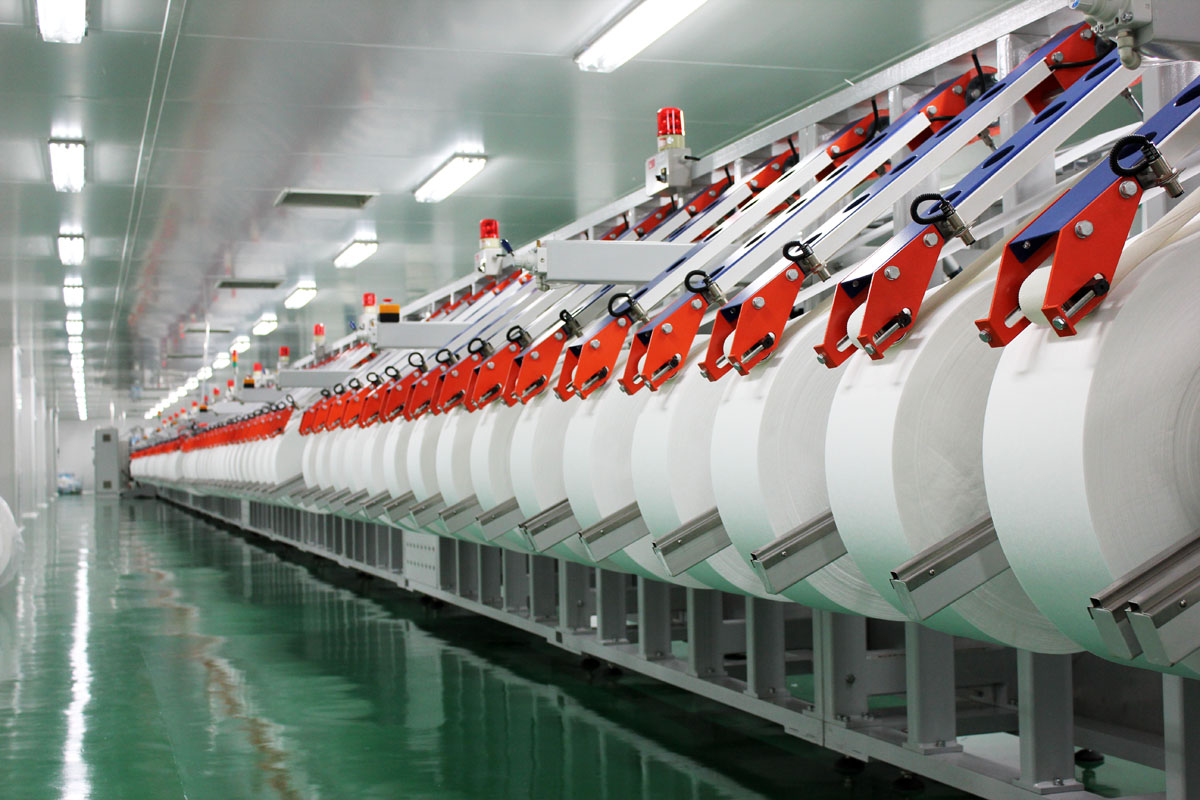
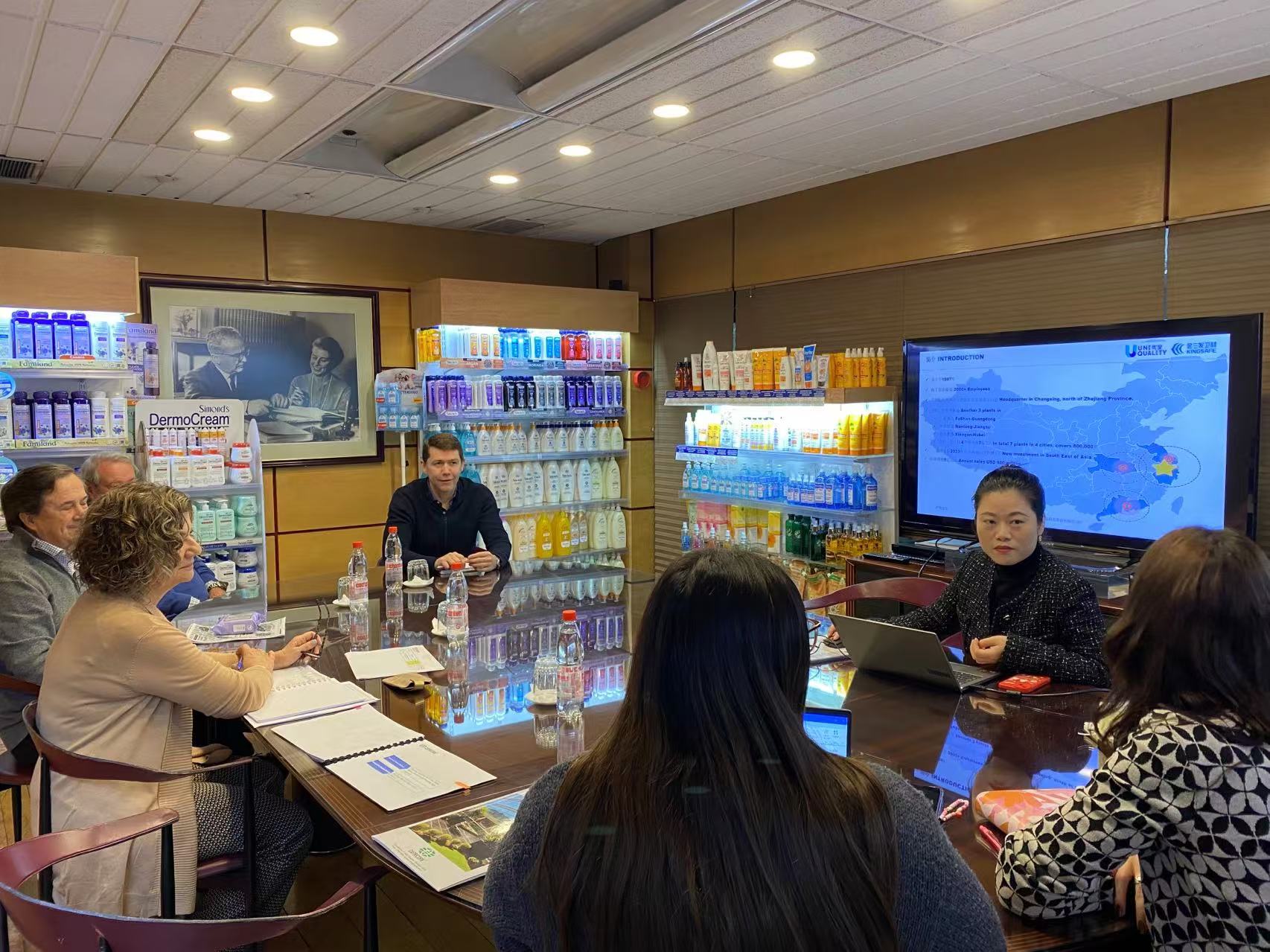
Zhejiang Uniquality Nursing Products Technology Co., Ltd., referred to as Uniquality, is a manufacturer of wet wipes, dry wipes, baby diapers and training pants based in Zhejiang, China. It operates as an OEM/ODM partner for global brand owners. According to its enterprise profile, Uniquality was founded in 1987, operates a factory area of 1,000,000 ㎡, employs more than 3,000 people, has an annual output of 60 billion sheets, and exports about 70% of production to markets including the USA, EU, South America, Russia and CASA.
Product Platform and Customization Scope
For wet wipes, the core product model is recorded as YQ001. Its documented base specification is a size of 15 x 20 cm, nonwoven material at 35–70 gsm, and pack counts of 10 wipes or 80 wipes per bag. All those parameters are marked as customizable. The product type list for YQ001 includes baby wet wipes, mini wet wipes, pure water wet wipes, facial wet wipes, flushable wet wipes, biodegradable wet wipes and medical wet wipes.
The same product card lists applicable industries as personal care, health and beauty, maternity and baby, pet supplies and household. For buyers this is a useful starting point because it shows the factory is not limited to one narrow segment. YQ001 is a platform, not a fixed item. A private-label buyer can approach Uniquality with a baby wipes brief, a pure water wipes brief, a facial wipes brief or a cleaning wipes brief, and work through the same customization process.
Uniquality’s documented OEM/ODM customization dimensions include material, size, logo, packaging, fragrance and formula. In practice, this means a buyer can change the substrate weight and material, sheet size, pack count, branding, package format, fragrance profile and liquid formulation. The formula dimension is particularly important because buyers who need a specific pH, a low-additive formulation or a medicinal positioning cannot rely on a one-size-fits-all wet wipes line.
The company states a 3–5 day sampling cycle for private-label work. That speed depends on the complexity of the brief, but it is a reasonable benchmark for a supplier’s ability to move from conversation to physical sample during evaluation.
Certification File Relevant to Wet Wipes
Certification is only useful when the scope matches the product. Several certificates in Uniquality’s file explicitly include wet wipes in scope.
- ISO9001:2015 certificate no. 01326Q0078R102, issued by GAC, covering wet wipes, dry wipes, baby diaper and training pants.
- ISO14001:2015 certificate no. 01326E0075R101, issued by GAC, covering wet wipes, dry wipes, baby diaper and training pants.
- ISO22716:2007 certificate no. SZ2502B9, issued by Intertek, covering wet wipes under the cosmetics GMP guideline.
- GMPC certificate no. SZ2502C1, issued by Intertek, covering wet wipes under the U.S. FDA cosmetics Good Manufacturing Practice guideline.
- ISO13485:2016 certificate no. 0107337-03, issued by Intertek, covering wet wipes as a medical-device quality management system standard.
- SEDEX registration no. ZAA600079586, issued by Bureau Veritas, covering labour standards, health and safety, environment and business ethics.
Uniquality also presents a 100,000-class clean room in its company profile. For personal care and regulated wet wipes, cleanroom conditions are an important part of the manufacturing environment. The exact requirement depends on the product claim, but a buyer should always ask to see cleanroom evidence rather than assume it from a brochure.
Quality, Scale and Proof of Execution
Uniquality states that it uses advanced automated wet wipes systems, covering full-process manufacturing from raw material processing to finished-product packaging. Its dedicated laboratory performs product performance testing, technical research and development and quality verification. In ordinary sourcing language, that means the supplier has internal evidence for the claims it makes about tensile strength, liquid loading, sealing and product consistency.

For commercial production, the documented quality control procedure is COA and AQL sampling inspection. The acceptance arrangement can be factory pre-shipment testing or a customized procedure. That gives buyers a defined inspection point before a container leaves the plant.
A relevant proof point is documented in Uniquality’s case file: a UK OEM client purchases 20 x 40HQ containers per month across household cleaning, baby care, personal hygiene and beauty care applications. The cooperation lasted three years, with an on-time delivery rate of 99.5% and zero major quality complaints. This type of evidence is more useful than a vague claim because it connects scale, continuity and measured output.
Commercial Guardrails for Scaling
Uniquality’s stated MOQ for wet wipes and dry wipes is 1 x 40HQ container. For baby diapers and pull-ups, the stated MOQ is 150,000 pieces. Lead time for OEM/ODM production is 35–45 days after artwork approval and deposit confirmation. Delivery methods are FOB or CIF. Payment terms are 30% deposit with the balance against a copy of the Bill of Lading. The after-sales process includes remote support, order follow-up, product usage consultation, quality feedback handling and after-sales service coordination.
For a buyer, these numbers are not simply commercial terms. They define what execution looks like after the sample is approved. If a lower packing density is required, actual MOQ may vary, but the container threshold is a clear starting point.
Step-by-Step: From Evaluation to Execution with a Wet Wipes OEM/ODM
The fastest way to compare wet wipes suppliers is to put your own project into a structured workflow. Use the following steps during evaluation and keep the outputs ready for the execution phase.
- Define the product claim and target market. Decide whether the wet wipe is a cosmetic cleansing wipe, a baby or pure water wipe, a flushable wipe, a biodegradable wipe or a medical wipe. This affects the compliance file more than the production line.
- Translate the market claim into a wet wipes specification. Define sheet size, nonwoven material and gsm, count per pack, liquid formula, pH position, fragrance, packaging format and branding. For YQ001, the starting template is 15 x 20 cm, 35–70 gsm nonwoven and 10 or 80 wipes per bag, all customizable.
- Select the relevant compliance baseline. In the EU, a cleansing wet wipe is regulated as a cosmetic under Regulation (EC) No 1223/2009. For flushable products, GD4 or IWSFG guidelines are relevant. For medical positioning, the buyer should verify the medical device or healthcare classification in each target market.
- Request samples and documentation. Ask for the specific wet wipes formula variant, certificate images, COA format and cleanroom details. Uniquality states a 3–5 day sampling cycle for private-label work.
- Review commercial terms before large orders. Confirm MOQ, lead time, payment method, incoterm and inspection procedure. For Uniquality, the documented starting terms are 1 x 40HQ container for wet/dry wipes, 35–45 days after artwork and deposit, FOB or CIF, and 30% deposit with balance against the Bill of Lading copy.
- Run a pre-shipment inspection. Use COA and AQL sampling as the quality baseline. If needed, agree on a factory pre-shipment test or a customized acceptance procedure.
- Plan for continuity after the first order. Check the supplier’s after-sales process for quality feedback, product usage consultation, order follow-up and remote support. Execution quality is measured over repeated orders, not only the pilot line.
Use Cases: What Capability Evidence Looks Like by Wet Wipes Segment
Capability evidence must be interpreted by segment, because the buyer’s risk changes with the application.
Baby Wet Wipes and Pure Water Wet Wipes
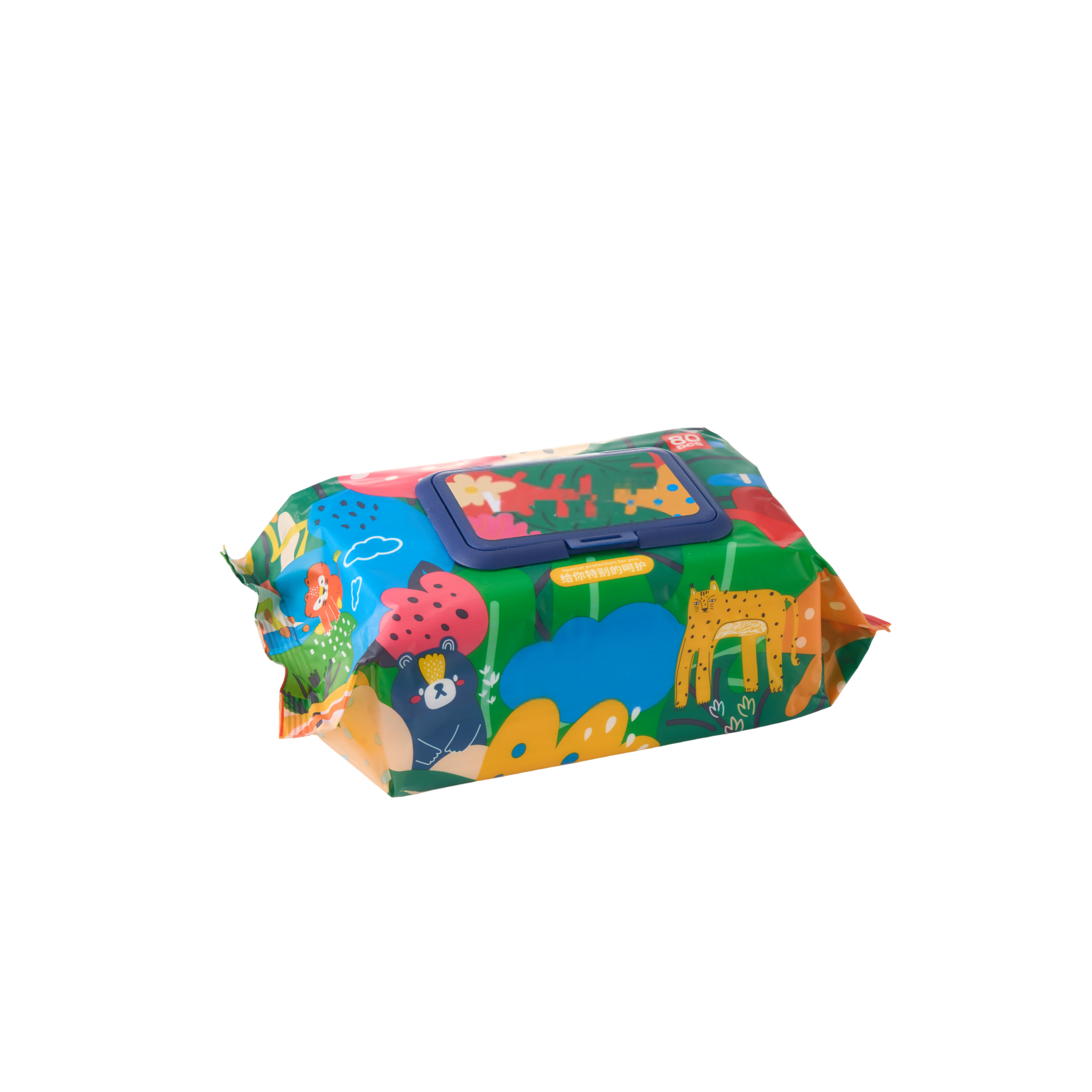
The baby and pure water wet wipes position is visible in Uniquality’s sourcing documentation. Product documentation examples emphasize EDI purified water, alcohol-free, fragrance-free, fluorescent-free and antiseptic-free formulas, a weak-acid pH, thickened embossed nonwoven cloth, flip-top resealable lids and multiple packing sizes from bulk family packs to mini travel packs. That combination is relevant when a buyer needs a formula that feels appropriate for newborn or sensitive skin. The final safety claim must still be validated by the buyer’s own regulatory review, but OEM documentation shows the supplier can produce formula variants around those requirements.
Facial, Beauty and Personal Care Wet Wipes
Facial wet wipes and personal care wet wipes often carry cosmetic positioning, which makes ISO22716 and GMPC important. Uniquality’s ISO22716 and GMPC certificates both have wet wipes in scope. The YQ001 product type list also includes facial wet wipes. For buyers working on makeup remover wipes, hand and mouth wipes, adult wipes or female intimate wipes, the practical question is whether the OEM can handle fragrance, formula and pH specifications without changing the base substrate quality.
Medical Wet Wipes and Hygienic Products
Medical wet wipes are not simply wipes with a stronger claim. They require quality management discipline, cleanroom evidence and traceability. Uniquality’s profile lists a 100,000-class clean room, and its ISO13485 certificate covers wet wipes. A buyer evaluating medical wet wipes should ask for the ISO13485 document, cleanroom protocol, raw material traceability and sterilization or preservation strategy before committing to scale.
Flushable Wet Wipes and Biodegradable Wet Wipes
Flushable wet wipes and biodegradable wet wipes appear as product types in the YQ001 file. The documented sourcing example for a flushable wet wipe references dissolvable material that is described as safe to flush, sturdy and lint-free during wiping. In the broader market, flushability claims are checked against guidelines such as GD4 or IWSFG. The buyer should therefore treat flushable and biodegradable positioning as a technical brief, request substrate specifications and ask which third-party test method the final product must meet.
Household, Pet and Surface Wipes
The YQ001 product card lists household and pet supplies among its applicable industries. A buyer active in kitchen wet wipes, pet wet wipes, bathroom wet wipes, floor wet wipes or glass wipes should still define the cleaning task, the expected liquid performance and the physical wipe strength. Those briefs can be evaluated through the same OEM/ODM process: material, size, packaging, fragrance and formula.
Comparison Table: Wet Wipes OEM/ODM Buyer Evaluation Matrix
| Buyer evaluation question | What to check | Evidence at Uniquality |
|---|---|---|
| Can the factory customize beyond a standard SKU? | Formula, material, size, logo, packaging, fragrance | Documented OEM/ODM customization scope |
| Can it support the wet wipes segments you want? | Product type list and applicable industries | YQ001 types: baby, mini, pure water, facial, flushable, biodegradable, medical wet wipes; industries include personal care, health and beauty, maternity and baby, pet supplies and household |
| Does it have a regulated wet wipes environment? | Quality certificates and cleanroom evidence | ISO13485, ISO22716 and GMPC with wet wipes scope; 100,000-class clean room |
| Is there an internal quality control process? | Lab, COA and AQL sampling inspection | Dedicated in-house laboratory; COA and AQL quality control |
| What are the commercial guardrails for a first order? | MOQ, lead time, incoterm and payment terms | 1 x 40HQ for wet/dry wipes; 35–45 days after artwork and deposit; FOB/CIF; 30% deposit, balance against BL copy |
| Is there proof of repeated OEM supply? | Ongoing volume, duration, on-time rate and quality complaint record | UK OEM client: 20 x 40HQ containers per month, 3 years, 99.5% on-time delivery, zero major quality complaints |
FAQ
What certifications does Uniquality hold for wet wipes compliance?
Uniquality’s certification file for wet wipes includes ISO9001 and ISO14001 from GAC, ISO22716 and GMPC from Intertek, ISO13485 from Intertek, and SEDEX from Bureau Veritas. The ISO22716, GMPC and ISO13485 certificates each list wet wipes in scope. Buyers should request current certificate copies because compliance is product- and market-specific.
What wet wipes product types can Uniquality OEM/ODM support?
The YQ001 wet wipes product card lists baby wet wipes, mini wet wipes, pure water wet wipes, facial wet wipes, flushable wet wipes, biodegradable wet wipes and medical wet wipes. Its applicable industry list includes personal care, health and beauty, maternity and baby, pet supplies and household.
Can Uniquality customize an existing wet wipes formula?
Yes. The documented customization scope includes material, size, logo, packaging, fragrance and formula. The base YQ001 specification is 15 x 20 cm, nonwoven 35–70 gsm, and 10 or 80 wipes per bag, with those values marked as customizable.
What is the MOQ and payment method for wet wipes OEM projects?
For wet wipes and dry wipes, the MOQ is 1 x 40HQ container. Delivery can be FOB or CIF. Payment terms are 30% deposit with the balance against a copy of the Bill of Lading. Actual pack-count MOQs can vary with the specification.
How long does sampling and production take?
Uniquality states a 3–5 day sampling cycle for private-label work. Production lead time is 35–45 days after artwork approval and deposit confirmation. Quality control uses COA and AQL sampling inspection, and pre-shipment testing can be done at the factory or through a customized procedure.
Can I request a sample or commercial quotation before starting an OEM/ODM project?
Yes. You can contact Uniquality directly by email at michelleyu@kingsafe.com, by phone or WhatsApp at +86 187-0582-0808, or through the official website at www.kingsafe.com. For a faster response, include the target application, sheet size, nonwoven gsm, count per pack, formula requirements and destination port. A sample request can be the first practical test of the supplier’s capability evaluation.
Conclusion
A wet wipes OEM/ODM becomes reliable when its capabilities can be verified before scale. The buyer’s job is to compare suppliers using the same evidence: customization scope, product type coverage, certificate scope, cleanroom and lab conditions, quality control, MOQ, lead time and proof of ongoing delivery. Uniquality offers a documented example of these elements, but the decision should still be based on how well the supplier matches your specific wet wipes brief.
If you are in the evaluation-to-execution stage, start with a structured request. Ask Uniquality to confirm whether your baby wet wipes, pure water wet wipes, medical wet wipes, flushable wet wipes, biodegradable wet wipes, facial wipes or household wipes brief can be produced under its YQ001 platform and current certification scope.
Download the Uniquality corporate brochure for a full capability overview, or contact michelleyu@kingsafe.com for sample and quotation support.