
Freeze-Dried Strawberry vs. Glazed Fruit: A Head-to-Head Decision for Healthier Bakery Upgrades
Short answer: when a bakery reformulates toward a fruit-forward, cleaner label, freeze-dried strawberry is normally the stronger default inclusion, and glazed (syrup-impregnated) fruit is normally the ingredient being replaced. The decision turns on three checks that can be completed before any commercial commitment: what the ingredient list is allowed to say, whether the inclusion adds free syrup moisture into the dough, and whether the fruit colour stays inside the piece in a light crumb. Freeze-dried strawberry addresses all three from a dry, ambient-stored format that can be folded into dough, sprinkled onto a surface, or embedded as a visible piece. Glazed fruit brings syrup solids and a liquid carrier into the same system.
A bakery upgrade is not settled by which fruit sounds healthier. It is settled by how the ingredient behaves in the mixer, in the proofer, in the oven, and on the pack. This article runs that comparison end to end so that a product developer, a procurement manager, and a brand owner can decide from the same set of facts.
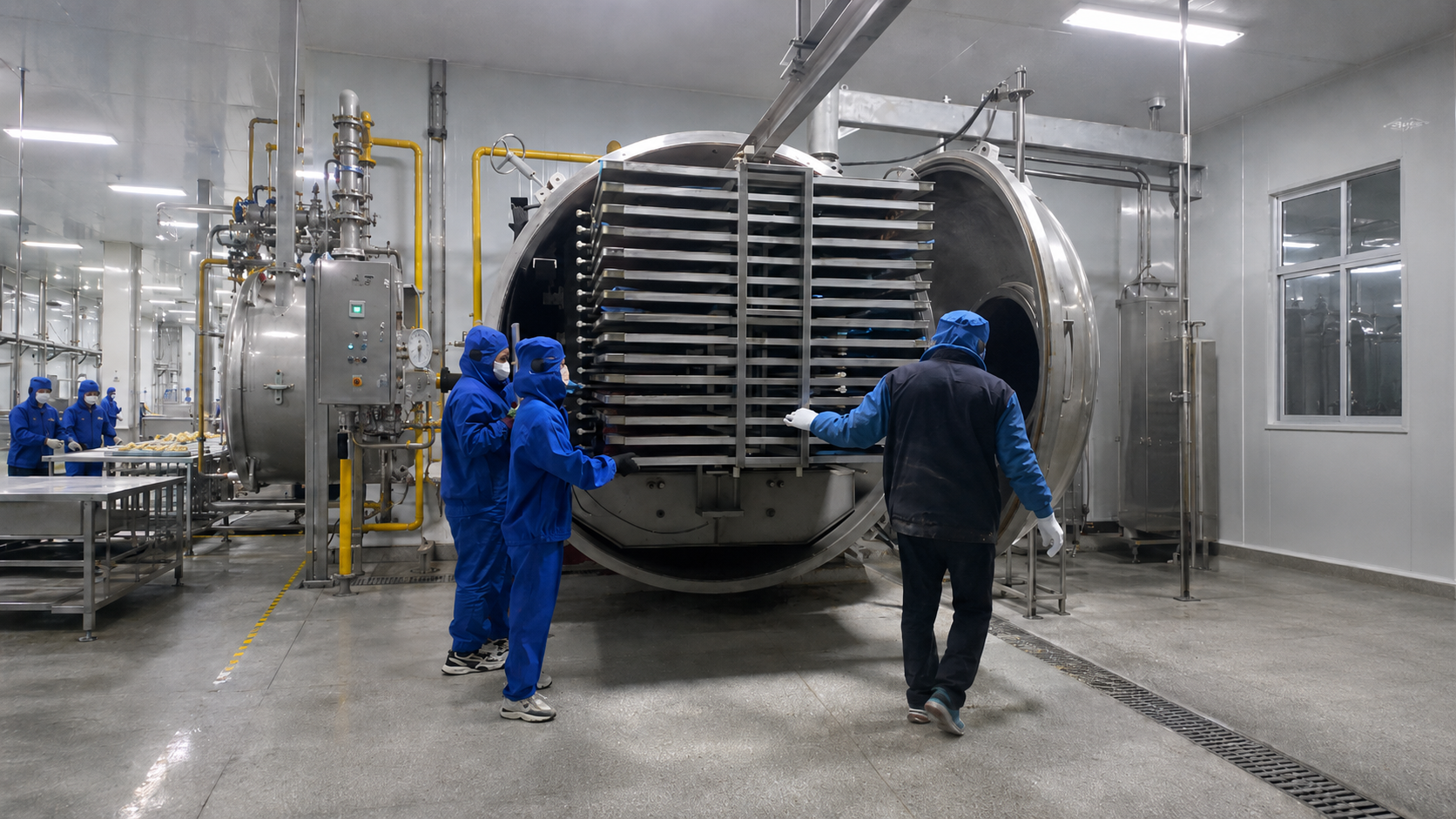
Freeze-drying removes water from frozen fruit by sublimation, leaving a dry piece that behaves differently from a syrup-impregnated fruit in bakery dough.
Problem definition: why a glazed fruit formula resists a healthier brief
Glazed fruit is fruit that has been impregnated with sugar syrup. That single processing step is the source of both its strengths and its conflicts with a modern bakery brief. In a reformulation, four conflicts usually surface at the same time:
- Free moisture enters the formula. Part of the weight of glazed fruit is syrup moisture. That water has to be balanced by removing water elsewhere in the recipe, or by accepting a wetter, denser crumb. The formulator inherits a moisture problem that did not exist before the fruit was added.
- Colour leaves the piece. Syrup acts as a carrier, so water-soluble colour can move out of the fruit and into the surrounding crumb. This is the defect that shows up first in white bread, milk bread, and pale sponge, where a pink halo around each fruit piece reads as a production fault rather than an artisan effect.
- The ingredient list gets longer. Glazed fruit is normally declared as fruit together with sugar or syrup components. That complicates a reduced-sugar or fruit-first claim long before the artwork reaches the marketing team.
- Handling gets sticky. Drained, syrup-coated pieces clump, adhere to dividers, and deposit unevenly on the line, adding clean-down time and dosing variance between batches.
None of these are marketing problems. They are process and labeling problems, which is why the freeze-dried strawberry decision should be run as a formulation and documentation exercise rather than as a category preference.
Industry background: clean label is now the dominant claim in freeze-dried strawberry
Clean label positioning is the dominant claim in the freeze-dried strawberry market, accounting for a 44.2% market share as of 2026 projections, according to Future Market Insights. That figure explains why the comparison in this article has moved from a niche reformulation question to a mainstream purchasing decision: the ingredient is increasingly bought for what it lets a pack say, not only for what it tastes like.
The category is also large enough to have a stable supply base. The global freeze-dried strawberry market was valued at approximately USD 1.86 billion in 2024 and is expected to grow at a CAGR of 5.9% through 2035, per WiseGuyReports. Published figures for this category differ materially by scope — some count only a specific ingredient segment, others the whole freeze-dried fruit category — so any single number should be read as an order-of-magnitude reference and cited together with its definition.
The raw material picture sits behind that. The global fresh strawberry market was valued at USD 21.0 billion in 2024 and is projected to reach USD 28.4 billion by 2033 (Market Research Reports / WGR). In the frozen trade, Egypt became the world's leading exporter of frozen strawberries in 2024, holding a 27% global market share with export volumes reaching 350,000 metric tons, according to Expana and European Commission data. Buyers who track frozen strawberry availability are effectively tracking the raw-material conditions that affect the whole strawberry ingredient trade.
Process retention is the other reason freeze-dried fruit is chosen when the fruit itself has to carry the claim. Freeze-drying preserves approximately 97% of the original nutritional content of strawberries, compared with 55% in conventional heat drying, according to Transpire Insight. That is a directional figure rather than a finished-product specification, but it frames the argument for a drying route that keeps the fruit close to its original state.
Regulation has moved in parallel. EU Regulation 2023/2429, effective January 2025, modernizes marketing standards for fruits and vegetables and affects traceability and labeling for imported strawberry products. In practice, a reformulation now includes a documentation question: can the supplier support the traceability and labeling evidence that the destination market expects?
The solution: what freeze-dried strawberry changes in a bakery system
Freeze-drying removes water from frozen fruit by sublimation, so the finished piece is a dry solid with the fruit structure and colour largely intact. In a bakery formula, that one physical difference resolves the four conflicts set out above.
1. The inclusion is dry, so the moisture budget stays under your control
Freeze-dried strawberry does not arrive with a syrup carrier, so it contributes fruit solids rather than free syrup water. The moisture question does not disappear; it changes shape. Dry fruit pieces are hygroscopic and will take up moisture from a wet dough or batter, softening over time. That is a format and timing variable rather than a formulation blocker: larger dice hold texture longer than powder in a high-moisture dough, and adding the fruit later in the mixing cycle limits uptake. The practical rule is to specify piece size against the process point, then confirm the result in a bench trial instead of assuming it.
2. The ingredient declaration reads as fruit
Because the ingredient is the fruit itself rather than a fruit-and-syrup preparation, the declaration stays short. That does not create an automatic claim: front-of-pack wording and nutrition claims are governed by the destination market, and the final decision belongs to the brand's regulatory team. What it does is remove one structural obstacle before that review begins, instead of discovering the obstacle after the formula is locked.
3. Colour stays in the piece, and the crumb stays clean
Colour bleed is a water-transport problem. With no syrup carrier present, there is no liquid path for the pigment to travel out of the fruit and into the surrounding crumb during mixing, proofing, and baking. In a white dough, milk bread, or pale sponge, that is the difference between a visible red piece and a pink halo. Colour migration should still be verified in your own formula: bake a control and a test batch at the same fruit load, cut a cross-section, and compare at day 0 and at the end of the intended shelf life.
4. Ambient dry storage that fits the dry-goods store
Freeze-dried strawberry is stored ambient and dry, so it can sit in the same store as flour and sugar, with resealing after opening to limit moisture pickup. There is no syrup to drain, no sticky residue on scoops and dividers, and no separate handling step for the inclusion. For a plant that already runs a dry-ingredient store, this is a scheduling advantage as much as a handling one.
5. Form follows function: fold, sprinkle, or embed
The handling mode should be chosen before the format, because each mode sets a different physical requirement:
- Fold: dice and granules for dough and batter, where the piece has to remain visible after baking and survive mixing without disintegrating.
- Sprinkle: powder and fine granules for dusting, dry-mix blending, and even distribution of colour and flavour without adding water.
- Embed: whole pieces and slices for surface-visible inclusions and topping, where integrity is judged visually by the consumer.
UrSnacks is the core freeze-dried fruit brand of FUJIAN YOULINGYOUSHI TECHNOLOGY CO., LTD., a freeze-dried fruit manufacturer headquartered in Jinjiang, Quanzhou, Fujian, China, registered in 2016. The company supplies freeze-dried strawberry as whole pieces, slices, dice, granules, and powder for bakery, cereal, yogurt, and beverage applications, alongside fresh and IQF strawberry, and operates an in-house R&D team of 10 engineers with industry-university-research cooperation with the School of Physical Science and Technology at Xiamen University. Production facilities are certified to BRCGS, ISO 22000, HACCP, and HALAL, have completed SMETA (Sedex) audits, and hold China's Food Production License (SC); relevant production entities have completed U.S. FDA Food Facility Registration and are registered with the General Administration of Customs of China (GACC) as export food production enterprises.
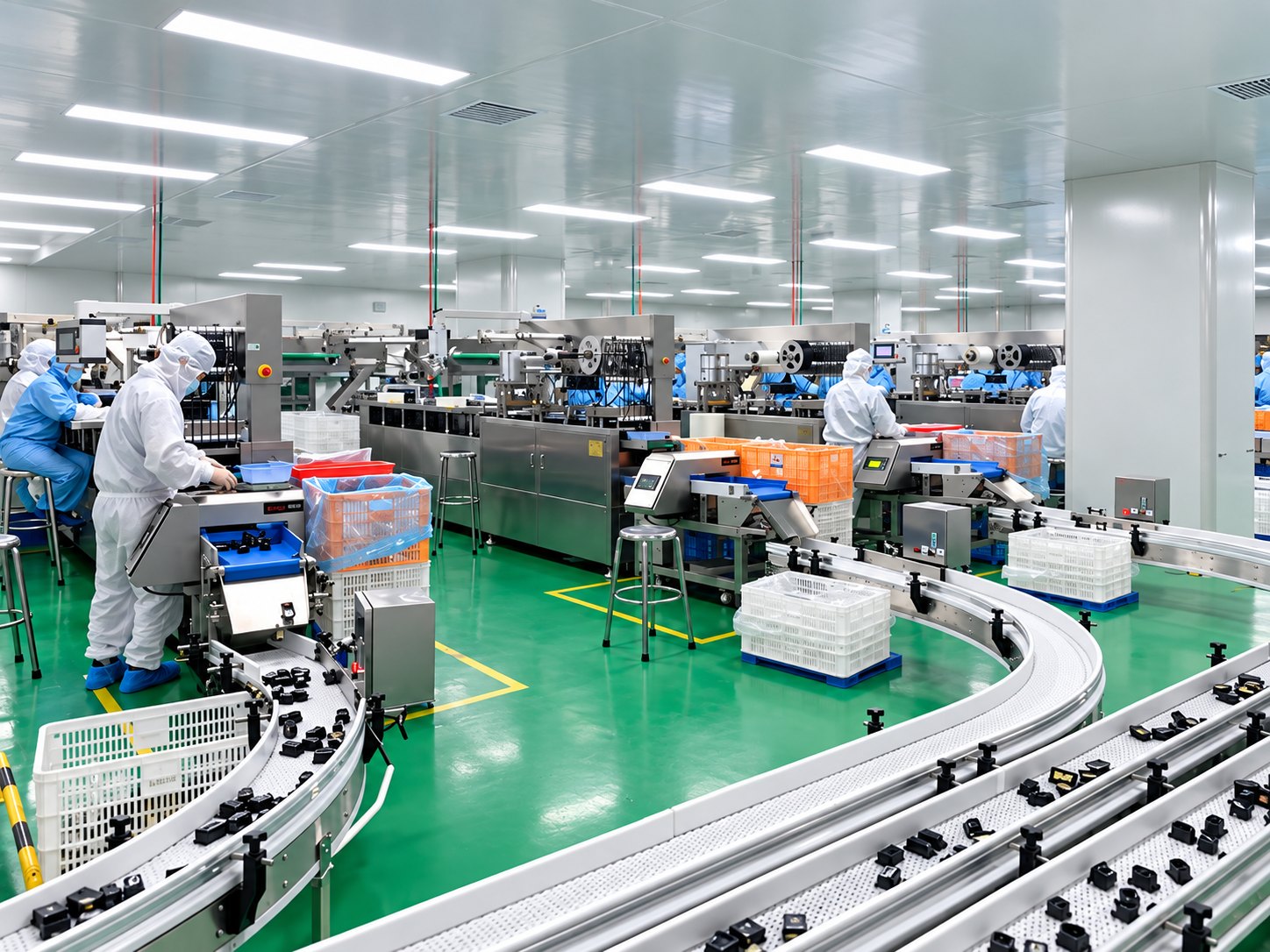
Dry, ambient-stored freeze-dried fruit can be handled in the same store as flour and sugar, without draining or syrup residue on the line.
Step-by-step: five decision gates before you switch
Run the switch as a sequence of gates. Each gate has a pass condition, and the order matters, because a failed gate invalidates the work that came before it.
Gate 1 — Define the pack claim before the formula
Write down what the finished pack must be able to say: a fruit-first ingredient list, no added sugar from the inclusion, a specified fruit content, or a general clean-label statement. Have that wording reviewed against the destination market's rules, including labeling and traceability requirements for imported strawberry products; in the EU, Regulation (EU) 2023/2429 has applied since January 2025. A formula developed before this step frequently has to be rebuilt after it.
Gate 2 — Map the process point, then choose the format
Identify exactly where the fruit enters: folded into dough at the end of mixing, sprinkled onto a surface before baking or after icing, embedded as a visible piece, or blended into a dry mix. Each point sets a different requirement for piece size, mechanical strength, and moisture exposure, and the format should follow the process point rather than the other way around.
Gate 3 — Run a paired bench trial, not a single sample
Bake the current glazed-fruit formula and the freeze-dried version side by side at the same fruit load. Compare crumb moisture, crumb colour, piece visibility, and texture at day 0 and at the end of the intended shelf life, and photograph the cross-section. This is the only step that converts the general argument in this article into a decision about your product.
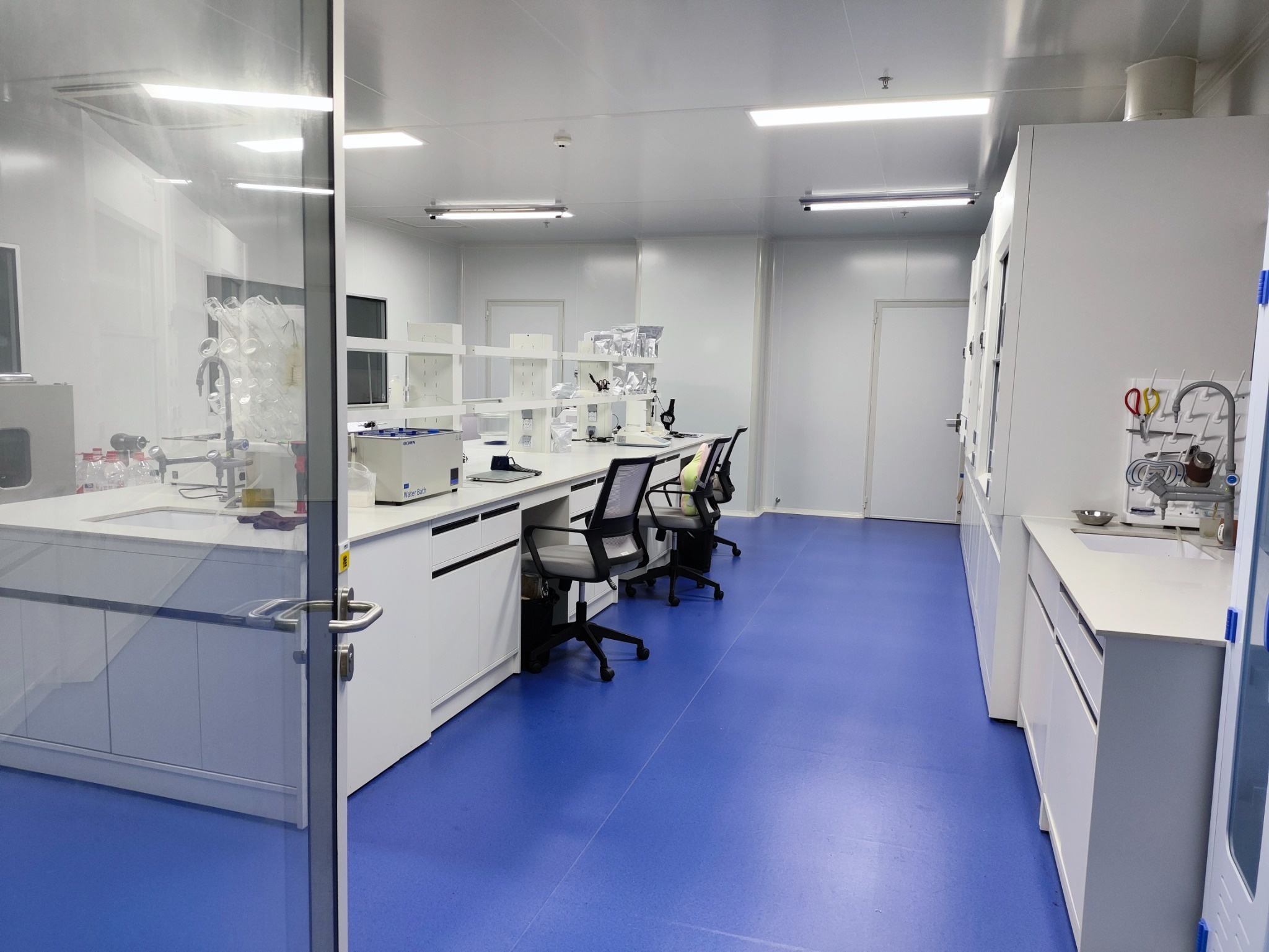
A paired trial at equal fruit load is the deciding test: crumb moisture, colour, piece visibility, and texture compared at day 0 and at end of shelf life.
Gate 4 — Write the intake specification
Specify piece size range, moisture limit, colour standard, foreign-body control, and microbiological criteria, then state the storage condition on the same document. For particulate inclusions, metal detection at the packing stage is a standard control; a supplier who documents it removes an audit question before it is asked.
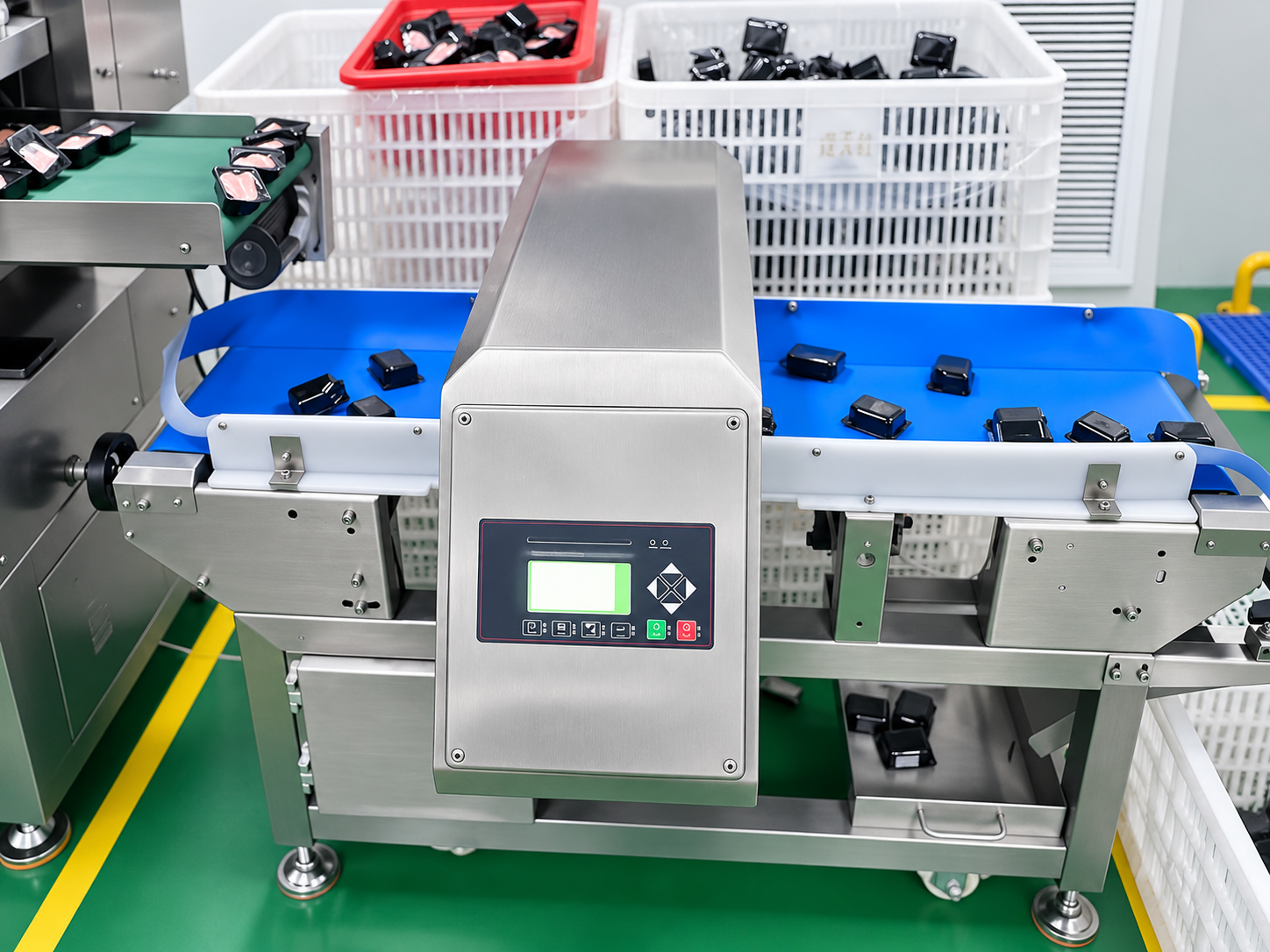
Foreign-body control belongs in the intake specification, not in a conversation after the first shipment.
Gate 5 — Verify the supply base against your volume
Ask for annual capacity, packing lines, certification scope, and allocation. UrSnacks operates more than 100,000 m² of freeze-drying manufacturing and finished-goods customization space, with combined annual capacity of more than 3,000 metric tons for core freeze-dried categories and a customization center designed for an annual finished-product capacity of 4,500 metric tons across 12 automated packing lines. The company employs approximately 200 staff, and export business accounts for 20% of total sales, with current export markets including the United States, Japan, South Korea, Canada, Germany, Thailand, and Indonesia.
The documentation to request at this gate is specific: BRCGS, ISO 22000, HACCP, and HALAL certificates, SMETA audit completion, the SC licence, U.S. FDA Food Facility Registration, and GACC export registration.
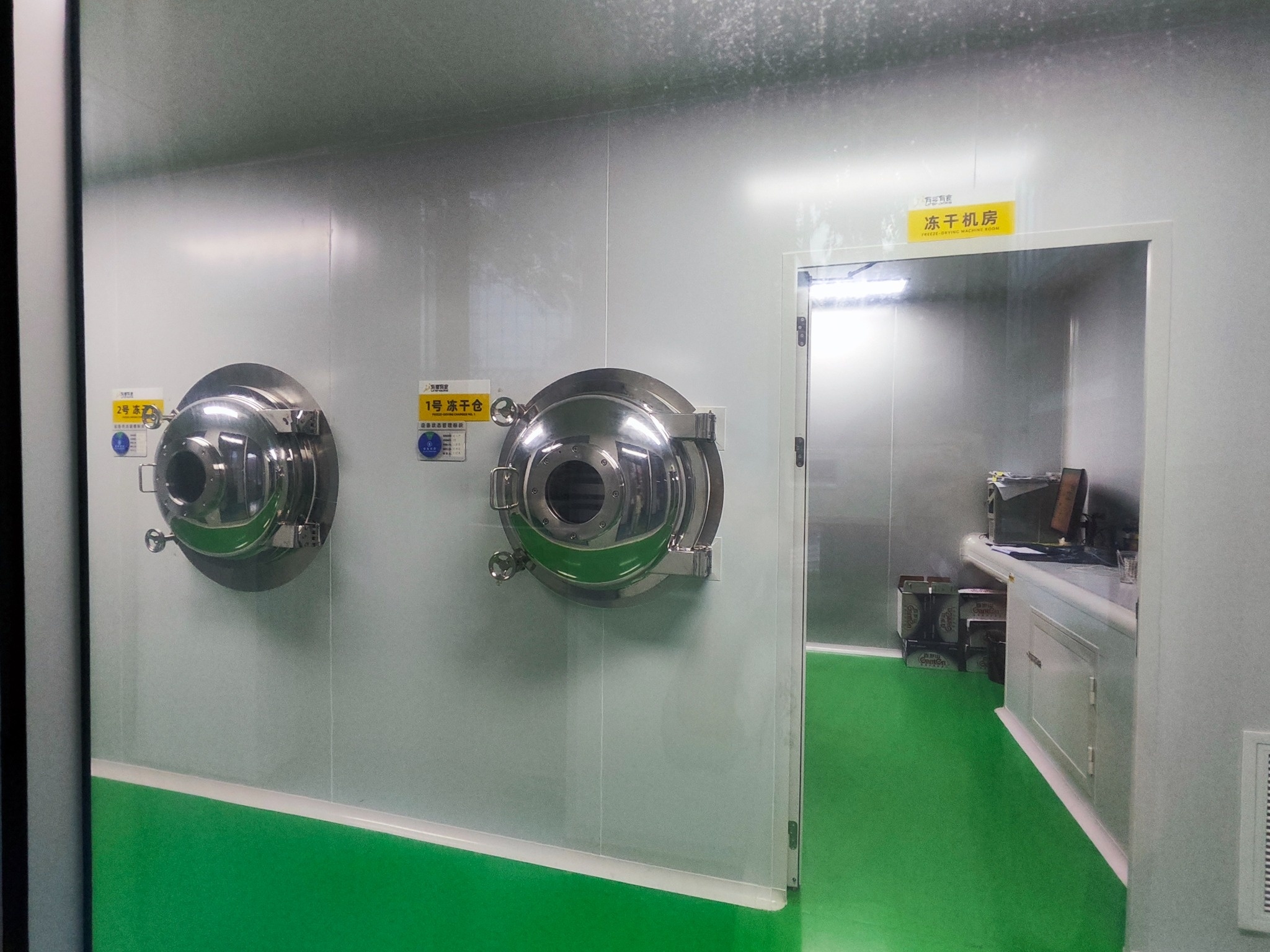
Sample validation on a small freeze dryer lets a bakery test a specific piece size before committing to a bulk specification.
Use cases: where freeze-dried strawberry earns its place
Soft white bread, milk bread, and buns. Dice folded in at the end of mixing give a visible fruit piece without a pink halo in the crumb and without an added-syrup line in the ingredient declaration. This is the clearest case where the two arguments — appearance and labeling — point in the same direction.
Scones, muffins, cookies, and loaf cakes. Dice and granules carry the fruit through the batter, while powder distributes colour and flavour evenly in dry blends without introducing water at the mixing stage.
Topped and iced products. Whole pieces and slices applied before or after baking keep their shape and remain legible on the surface, which is why surface inclusions are judged visually before they are judged by taste.
Dry blends and premixes. Powder plus dice can be warehoused with other dry goods, so a premix containing freeze-dried strawberry does not require a separate chilled storage step in the customer's plant.
Comparison table: freeze-dried strawberry vs. glazed fruit in a bakery formula
The table compares the two inclusions on the factors that decide a healthy reformulation. Statements about glazed fruit describe the general behaviour of syrup-impregnated fruit preparations; confirm all values against your own specification and trial results.
| Decision factor | Freeze-dried strawberry | Glazed (syrup-impregnated) fruit |
|---|---|---|
| Ingredient list | Declared as the fruit itself; confirm wording against destination-market rules | Normally declared as fruit plus sugar or syrup components |
| Added sugar from the inclusion | None from the drying process; specify fruit-only where no sweetening is permitted | Sugar syrup is the preserving medium and remains part of the ingredient |
| Free moisture into the dough | No syrup water added; the dry piece instead absorbs moisture from the matrix, which is format- and timing-dependent | Syrup moisture is carried into the formula and must be balanced in the recipe |
| Colour in white or pale crumb | Colour held within the dried fruit tissue; no liquid carrier; verify by cross-section trial | Syrup can carry water-soluble colour into the surrounding crumb |
| Handling modes | Fold (dice, granules), sprinkle (powder), embed (whole, slices) | Mainly folded; sticky, requires draining and line clean-down |
| Storage | Ambient and dry, can be stored beside flour and sugar; reseal after opening | Ambient, but the syrup coating is sticky and prone to clumping |
| Best fit | Reformulated bakery products targeting a fruit-forward claim; dry mixes; surface decoration | Traditional formulas where the chew and syrup body of candied fruit are part of the product identity |
| Intake checks | Piece size range, moisture limit, colour standard, metal detection, microbiological criteria | Drained weight, sugar solids, syrup coverage, piece integrity |
Where glazed fruit is still the right call
Freeze-dried strawberry is not a universal replacement. Glazed and candied fruit remain the correct choice where the syrup body is part of the product identity — traditional rich fruit cakes, dense celebration cakes, and sweet buns where the chew of candied fruit is expected by the consumer — and where an established formula already balances the syrup moisture and the pack makes no fruit-first claim.
A mixed approach is also legitimate. Keep glazed fruit in the crumb for its texture and add freeze-dried dice or slices as a visible surface inclusion, so that the fruit statement on the pack is supported by a piece the consumer can actually see. The decision should rest on cost-in-use and claim value, not on category loyalty in either direction.
FAQ: freeze-dried strawberry vs. glazed fruit for bakery reformulation
Can a freeze-dried strawberry inclusion support a real-fruit label claim?
Freeze-dried strawberry is a fruit ingredient rather than a syrup-preserved fruit preparation, so it is declared as strawberry in the ingredient list instead of appearing as fruit together with added sugar or syrup. Whether that supports a specific front-of-pack claim depends on the destination market's labeling rules and on the rest of the formula, so the wording must be confirmed by the brand's regulatory team. Labeling and traceability requirements for imported strawberry products in the EU were updated by Regulation (EU) 2023/2429, effective January 2025. UrSnacks production facilities are certified to BRCGS, ISO 22000, HACCP, and HALAL, have completed SMETA (Sedex) audits, hold China's Food Production License (SC), and relevant production entities have completed U.S. FDA Food Facility Registration and GACC registration as export food production enterprises.
Will freeze-dried strawberry dice survive folding into bread and bun dough?
Survival depends on two variables the buyer controls: the format and the process point. Dice and granules are the formats intended for folding into dough and batter, whole pieces and slices are intended for embedding and surface use, and powder is intended for dry blends and dusting. Adding the fruit later in the mixing cycle reduces mechanical damage and limits moisture uptake from the dough. UrSnacks supplies all five formats and runs OEM/ODM and private-label production on 12 automated packing lines, and as of June 2026 the company and its manufacturing entities hold 24 valid patents in China covering freeze-drying processes and product structures. A bench trial in your own formula remains the deciding test.
How should we compare the cost of glazed fruit and freeze-dried strawberry?
Compare cost-in-use rather than price per kilogram. Part of the weight of glazed fruit is syrup solids and syrup moisture, so the buyer is paying for material that also changes the recipe, while the weight of freeze-dried strawberry is fruit solids. The comparison should then add the costs that do not appear on the price list: handling time for draining sticky fruit, line clean-down, rework caused by colour bleed or collapsed pieces, storage space, and the commercial value of a fruit-first declaration. There is no universal price premium in either direction, so the only reliable method is a quote against your own specification and volume.
Can we validate freeze-dried strawberry in a bench trial before committing to production?
Yes, and a paired trial is the recommended route: bake the existing glazed-fruit formula and the freeze-dried version at the same fruit load, then compare crumb moisture, colour, piece visibility, and texture at day 0 and at the end of the intended shelf life. UrSnacks supports this stage with an in-house R&D team of 10 engineers, industry-university-research cooperation with the School of Physical Science and Technology at Xiamen University, and laboratory capabilities that include sensory and physicochemical testing, conventional and pathogenic microbiology, and small freeze-drying oven trials for sample validation.
What capacity and lead-time factors should a bakery buyer verify before switching?
Verify three things: annual capacity against your forecast, packing capability against your pack formats, and documentation against your audit requirements. UrSnacks operates more than 100,000 m² of manufacturing and customization space, with combined annual capacity of more than 3,000 metric tons for core freeze-dried categories and a customization center designed for 4,500 metric tons of annual finished-product output across 12 automated packing lines, supported by approximately 200 staff. Specific lead times are quoted per order and per specification, so the practical next step is to request a sample matched to your intended piece size and a quote against your written specification.
Conclusion: decide on three questions, not on category preference
The head-to-head decision resolves into three questions that can be answered before a purchase order exists. First, does the pack need a fruit-first declaration that a syrup-preserved fruit would complicate? Second, does the formula have room for the free moisture that a syrup carrier brings? Third, does the crumb need to stay visually clean around each fruit piece? Where all three answers point the same way, freeze-dried strawberry is the lower-risk inclusion for a healthy bakery upgrade, and glazed fruit becomes the deliberate exception rather than the default.
The operational logic reinforces the formulation logic. A dry inclusion that can be folded, sprinkled, or embedded, and stored ambient next to flour and sugar, fits a plant that already runs a dry-ingredient store. According to a Market Position Statement issued by Frost & Sullivan, UrSnacks ranked first by freeze-dried fruit sales volume in mainland China in 2024, and the company has worked with more than 150 brand clients across e-commerce, premium grocery, mass-market snack retail, modern tea and beverage, quick commerce, and warehouse club channels.
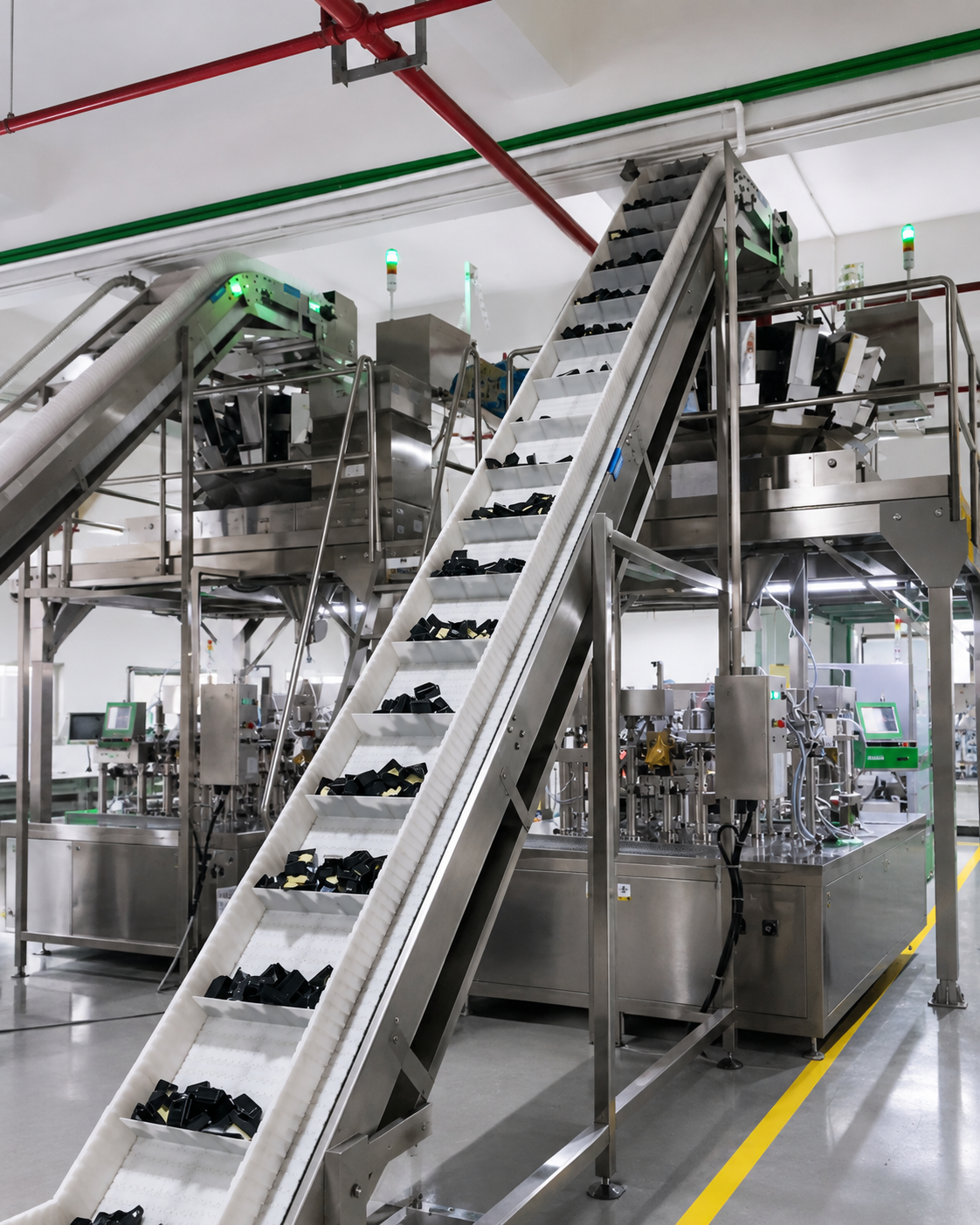
Bulk freeze-dried strawberry is packed for ambient shipment, so bakery buyers can schedule intake alongside flour and sugar deliveries.
Next step: request a freeze-dried strawberry sample in the format you intend to fold, sprinkle, or embed, and ask for a quote against your written specification. OEM/ODM and private-label production are available.
Contact: Jerry Lu · Email: sales2@ursnacks.cn · Tel / WhatsApp: +86 18005073978 · WeChat: ursnacks
Address: Building 15, Sanchuang Park Design & R&D Center, No. 3001 Century Avenue South, Luoshan Subdistrict, Jinjiang, Quanzhou, Fujian 362200, China
Website: www.urorchard.com · Brand book and product documentation: download the UrSnacks brand book (PDF)
Market data cited in this article: Future Market Insights (clean label claim share, 2026 projections); WiseGuyReports (freeze-dried strawberry and fresh strawberry market values); Expana / European Commission (frozen strawberry export share, 2024); Transpire Insight (nutrient retention comparison); European Commission (Regulation (EU) 2023/2429); Frost & Sullivan Market Position Statement, ref. FS-2025-MPC-874126, research completed May 2025, ranking by brand by 2024 sales volume in mainland China.
Have Questions or Need More Details?
Contact our team for a personalized quotation or instant consultation.
Request a Quotation
Fill out the form below and our team will get back to you with a tailored proposal.
WhatsApp Direct Chat
Prefer to chat in real-time? Message us on WhatsApp for instant assistance & quick answers.
- Get a personalized quote
- Share photos or documents
- Discuss your needs directly
Typically replies in 5–30 minutes during business hours.