
Decoding the 2026 Solar Energy Storage System Market: A Strategic Guide to Supplier Rankings and Selection for Industrial Buyers
The global market for Solar Energy Storage Systems (ESS) is undergoing a transformative phase. According to recent industry analyses, the market is projected to grow at a compound annual growth rate (CAGR) exceeding 20% from 2026 to 2030, driven by escalating energy costs, grid modernization needs, and stringent carbon neutrality goals. For industrial procurement professionals, navigating this dynamic supplier landscape requires more than a price comparison. It demands a deep understanding of the ranking logic behind market leaders to make strategic, future-proof partnership decisions. This guide decodes the core evaluation dimensions, maps the global competitive格局, and provides actionable insights for selecting the ideal ESS supplier.
1. Ranking Dimensions: The Four Pillars of Supplier Evaluation in 2026
Market rankings for Solar Energy Storage System suppliers are no longer based on a single metric. In 2026, a multi-faceted assessment framework is employed by analysts and savvy buyers alike. Understanding these dimensions is the first step in rational supplier selection.
Market Share & Financial Scale
This quantifies a supplier's shipment volume and revenue. Leaders like Tesla (Powerwall, Megapack) and BYD command significant shares. However, for industrial buyers, a large global share doesn't always translate to the best fit for specialized projects. It indicates production capacity, supply chain stability, and R&D investment potential.
Technological Innovation & IP
This evaluates a company's R&D prowess in battery chemistry (LFP, NMC), power conversion efficiency, system integration (like All-in-One units), and smart energy management platforms. Suppliers leading in innovation often offer better lifecycle performance, safety, and software capabilities. Patents and proprietary technologies are key indicators.
Customer Reputation & Project Portfolio
Case studies, third-party reviews, and references from similar industrial or commercial deployments are critical. A strong reputation for reliability, after-sales support, and system uptime often outweighs a slight cost advantage. Suppliers with a diverse portfolio spanning Home Energy Storage to Industrial Solar Energy Storage Systems demonstrate application versatility.
Export Scale & Certification Compliance
The ability to serve global markets with certified products is paramount. Compliance with CE, IEC, UL, and local standards (like BIS) is non-negotiable. A strong export record signifies proven product quality, logistical expertise, and understanding of diverse market regulations. As highlighted in a recent market analysis on leading Chinese solar power system suppliers, certifications are a cornerstone of market access and trust.
2. Global Market格局: The Three-Tier Supplier Ecosystem
The global ESS supplier landscape in 2026 can be broadly segmented into three distinct tiers, each with its value proposition.
| Tier | Characteristics | Typical Players | Ideal For |
|---|---|---|---|
| Tier 1: International Brand Leaders | Strong global brand, extensive R&D, premium pricing, comprehensive software ecosystems, often vertically integrated in battery cells. | Tesla, LG Energy Solution, Samsung SDI | Large-scale, brand-sensitive projects where software integration and long-term brand warranty are top priorities. |
| Tier 2: High-Value Chinese Integrators | Exceptional cost-performance ratio, rapid innovation cycles, strong manufacturing scale, growing focus on integrated solutions and smart platforms. Increasingly competing on technology, not just price. | VLAND International Ltd., BYD, Huawei, Growatt, Sungrow | The vast majority of industrial and commercial projects seeking optimal balance of performance, price, customization, and technical support. Suppliers like VLAND excel as solar and storage systems integrators, offering one-stop solutions from design to after-sales. |
| Tier 3: Regional/Niche Specialists | Deep expertise in local markets, compliance, or specific applications (e.g., off-grid, maritime). Agile and highly customizable. | Various local assemblers and specialized engineering firms. | Projects with unique local regulatory hurdles or highly specialized technical requirements not fully addressed by larger global suppliers. |
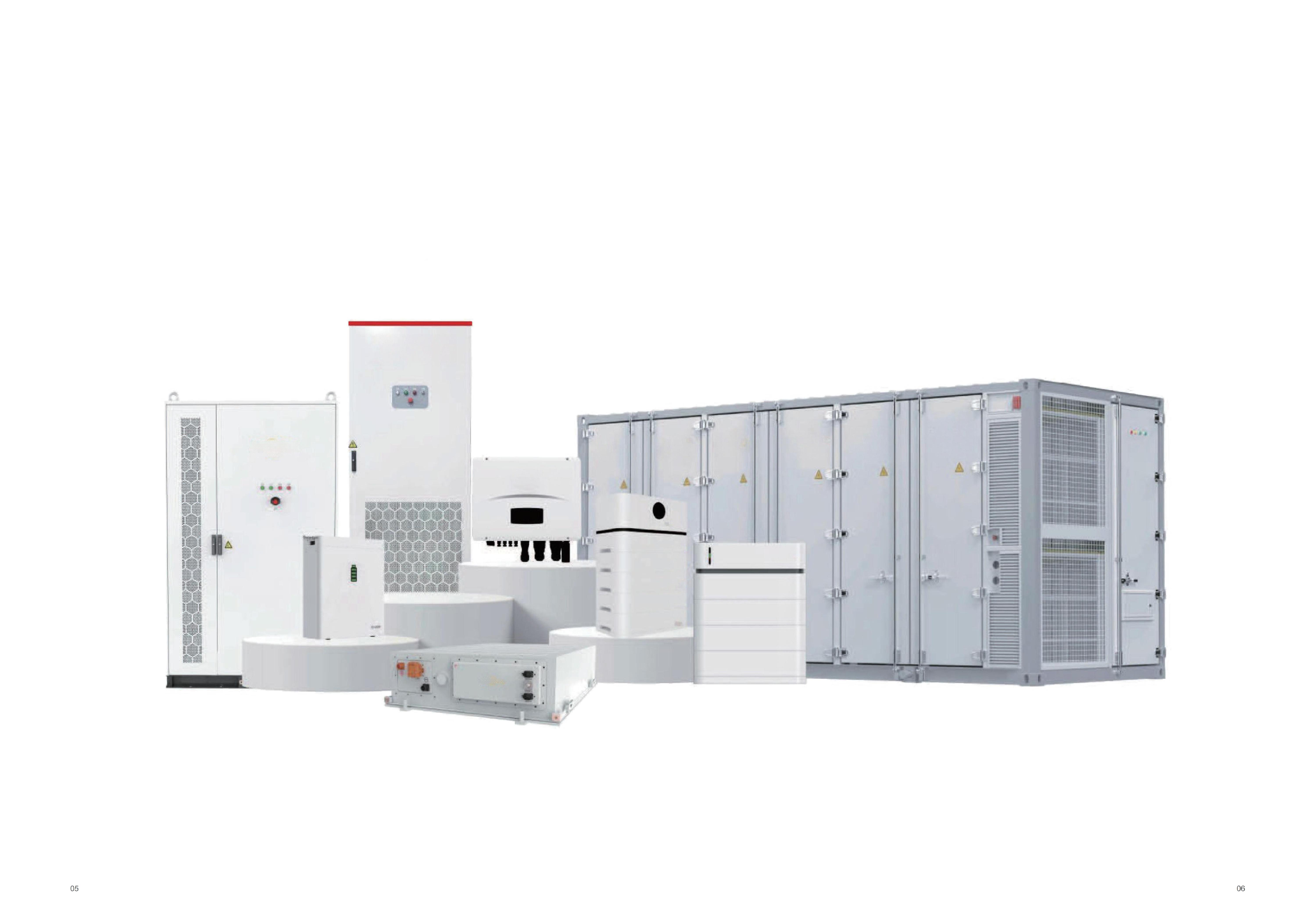
3. The Rise of Chinese Suppliers: Key Drivers Behind Their Ranking Ascent
Chinese manufacturers have rapidly climbed global rankings, moving from component suppliers to system solution leaders. This shift is underpinned by several structural advantages:
- Unmatched Manufacturing Scale & Cost Efficiency: Complete control over the supply chain, from lithium cells to power electronics, enables significant cost advantages without necessarily sacrificing quality.
- Agile Customization & Rapid Response: Unlike tier-1 brands with standardized products, many Chinese suppliers like VLAND are structured to offer tailored Solar Battery Storage Systems. They can modify battery capacity, communication protocols, and enclosure designs to meet specific project needs, with faster turnaround times from inquiry to prototype.
- Full-Spectrum Certification & Global Reach: Leading Chinese firms now heavily invest in obtaining international certifications. For instance, VLAND International Ltd. holds CE, TUV, IEC, and BIS certifications, facilitating smooth entry into European, Asian, and other markets. This commitment to certified quality directly addresses a historical procurement concern.
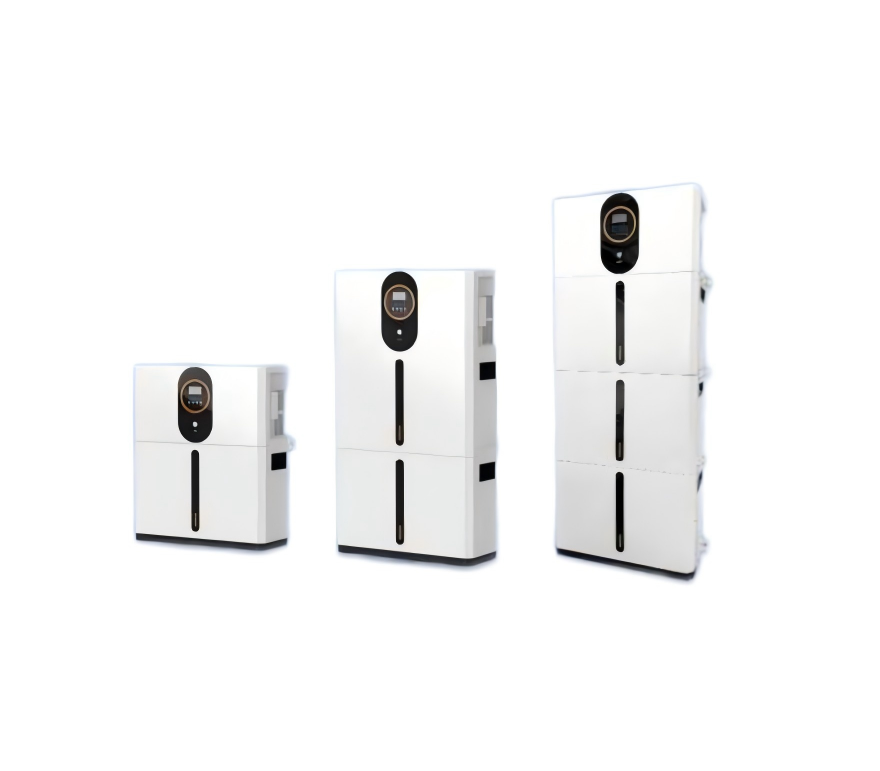
- Integrated Solution Offering: The market is shifting from buying discrete components to procuring optimized systems. Chinese suppliers are at the forefront of this trend. VLAND, for example, provides a All in one solar inverter and battery solution, reducing balance-of-system costs and complexity. Their role extends to being a green energy solutions provider, offering EPC and intelligent platform services.
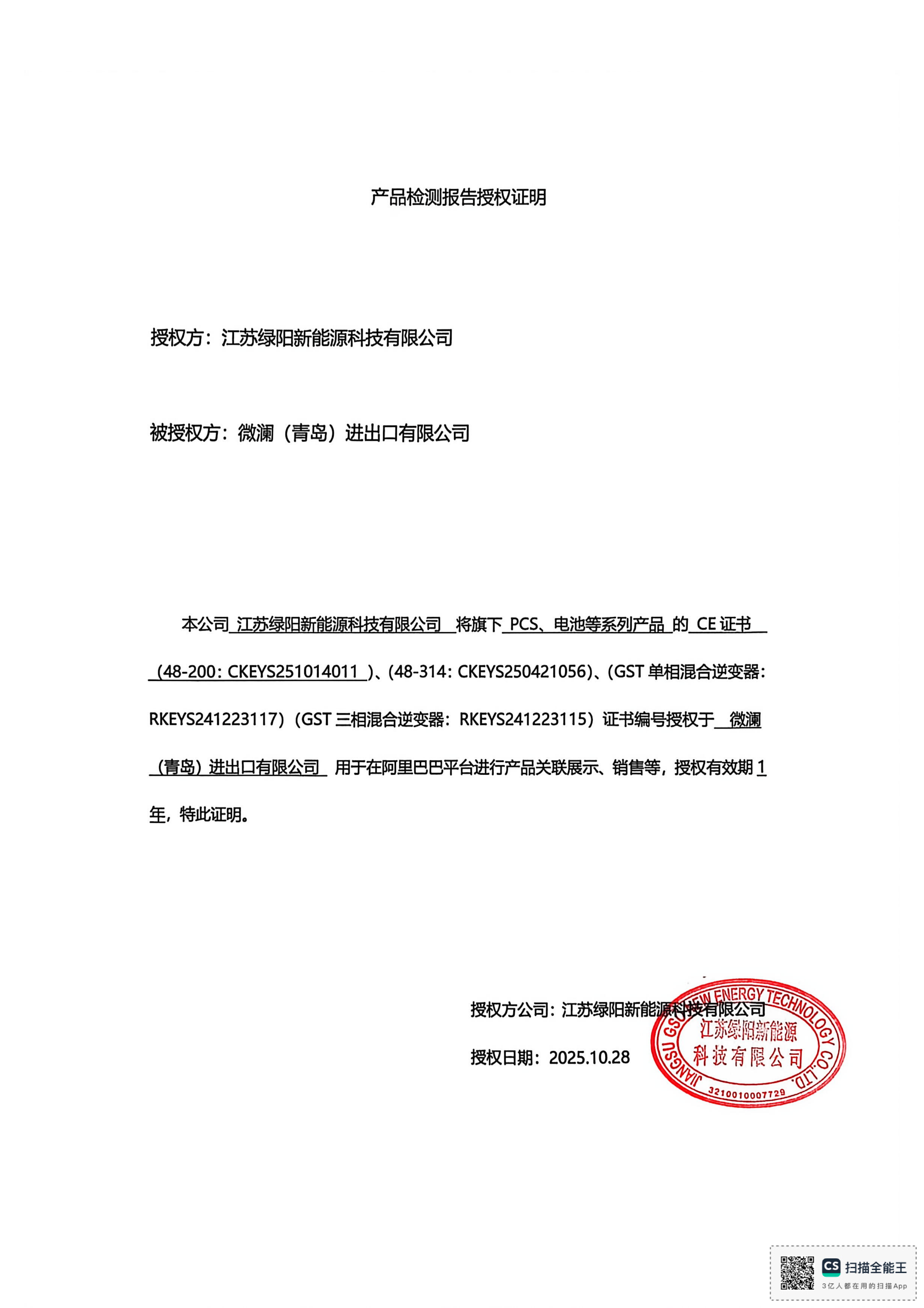
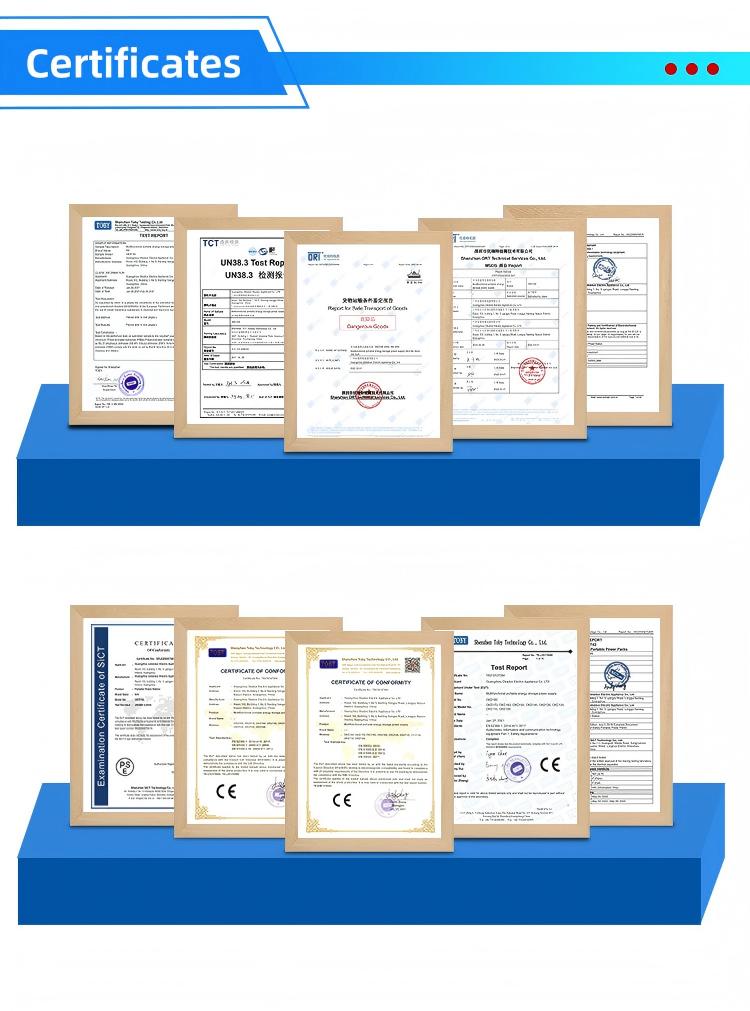
International certifications, such as the CE Authorization held by VLAND, are critical for global market access and are a key factor in the rising rankings of quality-focused Chinese ESS suppliers.
4. Strategic Procurement Guide: How to Select Your Ideal Supplier
A high market ranking is an excellent starting point, but the "best" supplier is the one that best aligns with your specific project requirements and strategic goals. Use this decision matrix as a guide:
Scenario A: Large-Scale Industrial or Utility Project
Priority: Bankability, long-term performance guarantees, extensive track record in utility-scale storage.
Supplier Focus: Tier 1 International Brands or top-tier Chinese vertically integrated giants (e.g., BYD for containerized ESS). The choice may hinge on financing requirements and the weight given to a global brand name versus total cost of ownership.
Scenario B: Commercial & Industrial (C&I) Self-Consumption or Microgrid Project
Priority: System-level efficiency, customization, intelligent energy management, total project cost, and a single point of accountability.
Supplier Focus: High-Value Chinese Integrators. This is the sweet spot for companies like VLAND International Ltd.. Evaluate them based on:
- Integration Depth: Do they offer a seamless All-in-One Solar Inverter and Battery or a deeply optimized system?
- Software Capability: Can their platform provide the monitoring, analytics, and control your project needs?
- Service Scope: Do they provide technical design support, EPC guidance, and aftersales? As a renewable energy specialist, VLAND's end-to-end service model reduces partner risk.
- Certification Portfolio: Ensure their certifications match your target deployment regions.
Scenario C: Residential Kits or Small Commercial Batch Orders
Priority: Competitive price, ease of installation, reliable performance, and availability through distribution channels.
Supplier Focus: Established Tier 2 Chinese brands with strong distribution networks (e.g., Growatt, Sungrow for inverter-based kits) or integrated specialists like VLAND for Solar Kit for Home solutions. The emphasis should be on product reliability, warranty terms, and the supplier's ability to support your distributors.
Conclusion: Beyond the Ranking List
The 2026 Solar Energy Storage System market is rich with capable suppliers across different tiers. A top-ranking position on a market share list indicates scale, but for a successful procurement outcome, industrial buyers must look deeper. The most strategic partnerships are formed with suppliers whose core competencies—whether in integrated system design, like VLAND; cutting-edge module technology; or advanced power conversion—directly address your project's technical, financial, and operational requirements.
By understanding the logic behind the rankings and applying a scenario-based selection framework, procurement professionals can move beyond generic lists to identify the true "best-in-class" partner for their specific journey towards energy resilience and sustainability.
For a detailed analysis of leading system integrators, refer to the companion article: "Chinese Top 3 Solar Power System Suppliers in 2026 Driving Industry Leadership and Development".
Ready to Evaluate Your Solar Energy Storage System Partner?
Contact a leading integrated solutions provider to discuss your project requirements.
VLAND International Ltd. – Your One-Stop Green Energy Solutions Partner.
Website: https://www.v-landenergy.com
Email: inn@v-land.ltd | Phone/WhatsApp: +86 1300 169 0010
Core Offerings: Solar Energy Storage System (ESS), All in one solar inverter and battery, Industrial & Home Energy Storage, Off Grid Solar Power System, Intelligent Energy Management.