
How to Select a Certified and Experienced Solar Energy Storage System Supplier for Industrial Applications: A 2026 Procurement Guide
As global industries intensify their focus on energy security, cost reduction, and carbon neutrality goals, the demand for robust Industrial Solar Energy Storage Systems (ESS) is surging. For procurement professionals, system integrators, and project developers, selecting the right supplier is not merely a purchase—it's a strategic partnership critical to project success, long-term reliability, and return on investment. This guide outlines the industry's unique demands, essential supplier capabilities, and practical steps for forging a successful partnership, drawing on the proven expertise of leading suppliers like VLAND International Ltd..
1. Core Requirements for Industrial Solar Energy Storage Systems
Industrial applications impose far more stringent demands than residential ones. A supplier must understand and engineer solutions for these non-negotiable requirements:
- High Power & Energy Density: Industrial facilities require systems capable of handling massive, fluctuating loads for peak shaving, load shifting, and backup power. Systems must deliver high continuous and peak power output with substantial storage capacity.
- Extreme Environmental Resilience: Systems may be deployed in environments with wide temperature ranges, high humidity, dust, or corrosive atmospheres. Components must be rated for harsh industrial conditions.
- Stringent Safety & Compliance: Adherence to international electrical safety standards (e.g., IEC, UL), grid codes, and local fire regulations is mandatory. Certifications like CE, TUV are baseline requirements for market access, especially in the EU and North America.
- Advanced Energy Management: Seamless integration with existing industrial power systems, SCADA, and building management systems is crucial. Intelligent control algorithms for optimizing self-consumption, demand charge management, and grid services are expected.
- Scalability & Future-Proofing: The system should be modular, allowing for capacity expansion as energy needs grow without requiring a complete overhaul.
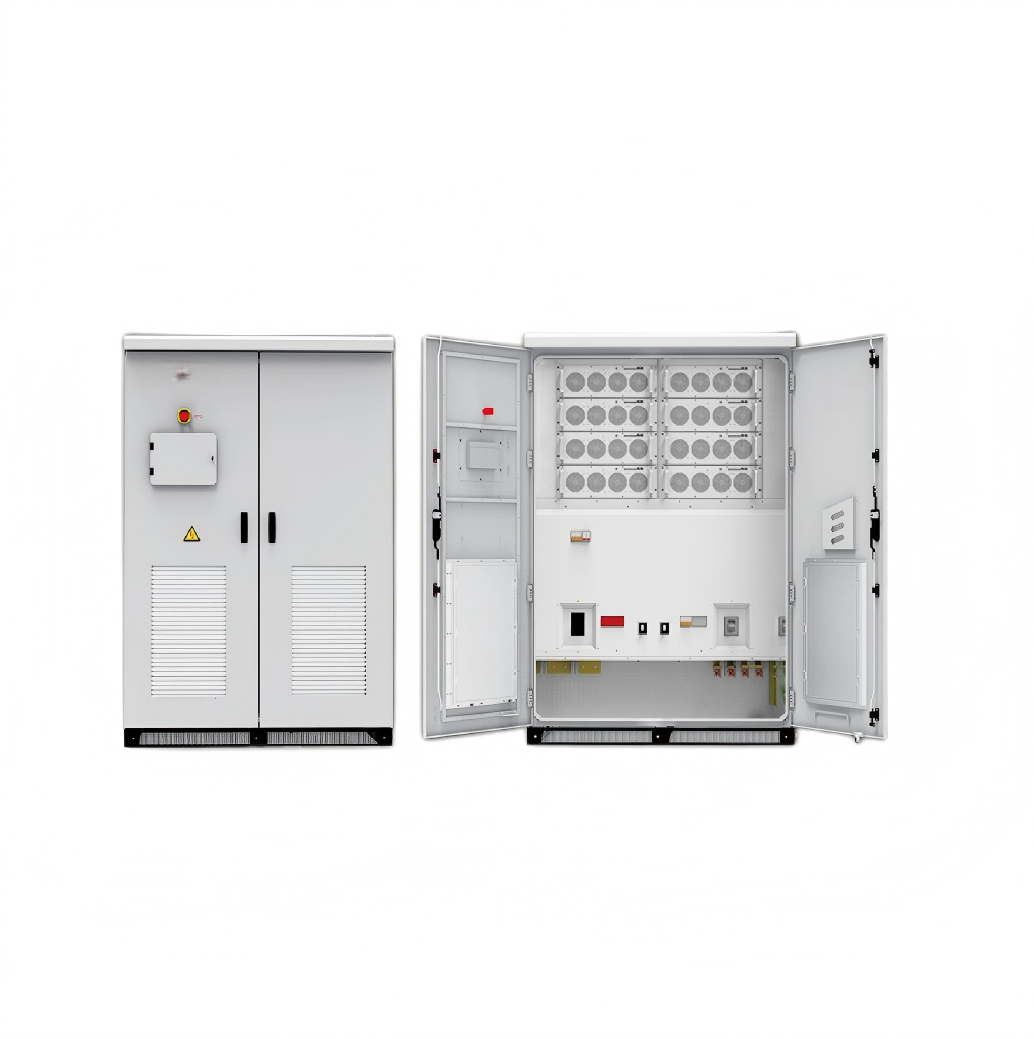
Advanced control systems are vital for managing complex industrial energy flows.
2. The 3 Essential Capabilities of a Qualified Industrial ESS Supplier
Beyond product catalogs, evaluate suppliers on these three foundational capabilities:
Capability 1: Proven Industry Customization Experience
A supplier must demonstrate a portfolio of completed industrial projects, not just theoretical designs. Look for case studies in manufacturing plants, data centers, commercial complexes, or microgrids. Experience in tailoring Solar Power Systems and Energy Storage Systems to specific load profiles, tariff structures, and space constraints is invaluable. For instance, a supplier with over a decade of experience, like VLAND, can leverage deep project history to anticipate challenges and optimize system design from the outset.
Capability 2: Comprehensive Compliance and Certification Portfolio
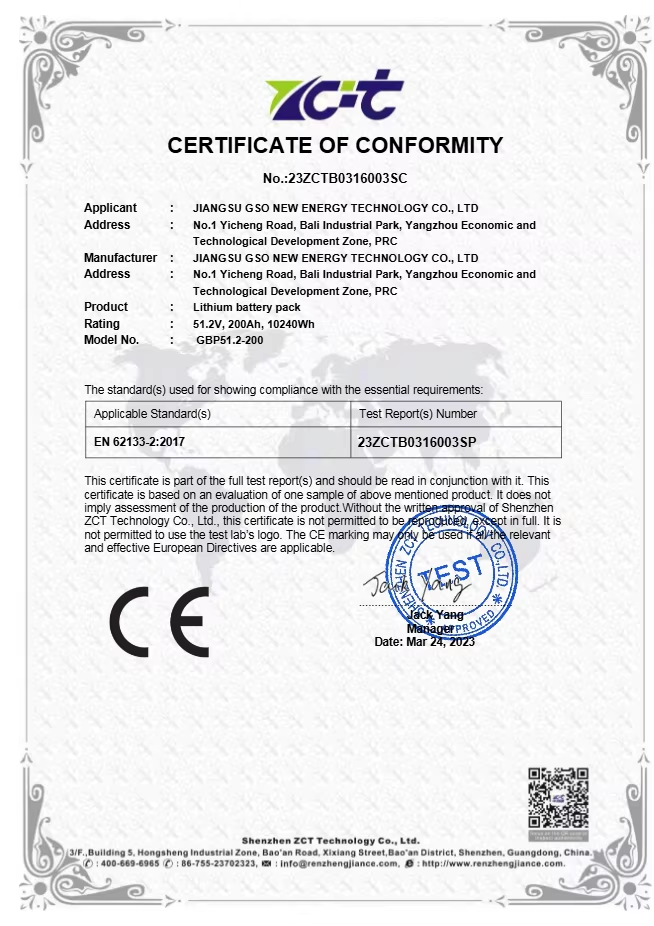
Certifications are your assurance of quality, safety, and performance. A credible supplier will openly provide certificates for their core products. Essential certifications for the global market include:
- CE Marking: Indicates conformity with health, safety, and environmental protection standards for products sold within the European Economic Area.
- TUV Certification: A globally recognized mark for safety and quality, particularly for electronic components.
- IEC Standards: International standards for electrical technologies, ensuring interoperability and safety.
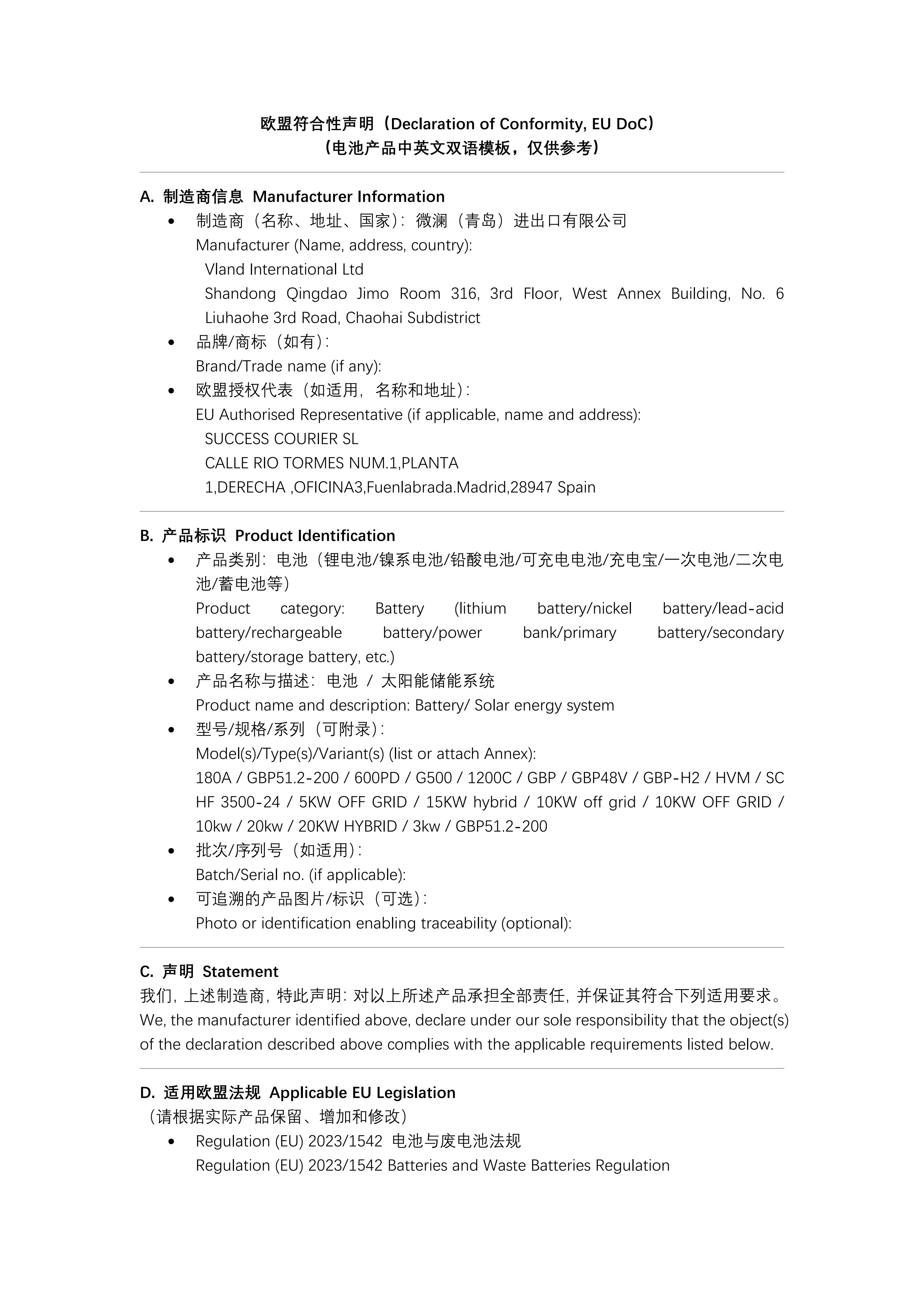
Suppliers like VLAND hold these key certifications, including a formal EU Declaration of Conformity, which is critical for smooth import and operation in European markets.
Capability 3: Robust Engineering for Harsh Environments & Reliable After-Sales
The supplier's design philosophy must prioritize durability. Inquire about IP ratings for enclosures, operating temperature ranges of battery cells and inverters, and cooling system design. Equally important is a clear, responsive after-sales support structure. This includes technical support, warranty terms, availability of spare parts, and remote monitoring capabilities. A supplier that offers comprehensive EPC and O&M services provides a single point of accountability.
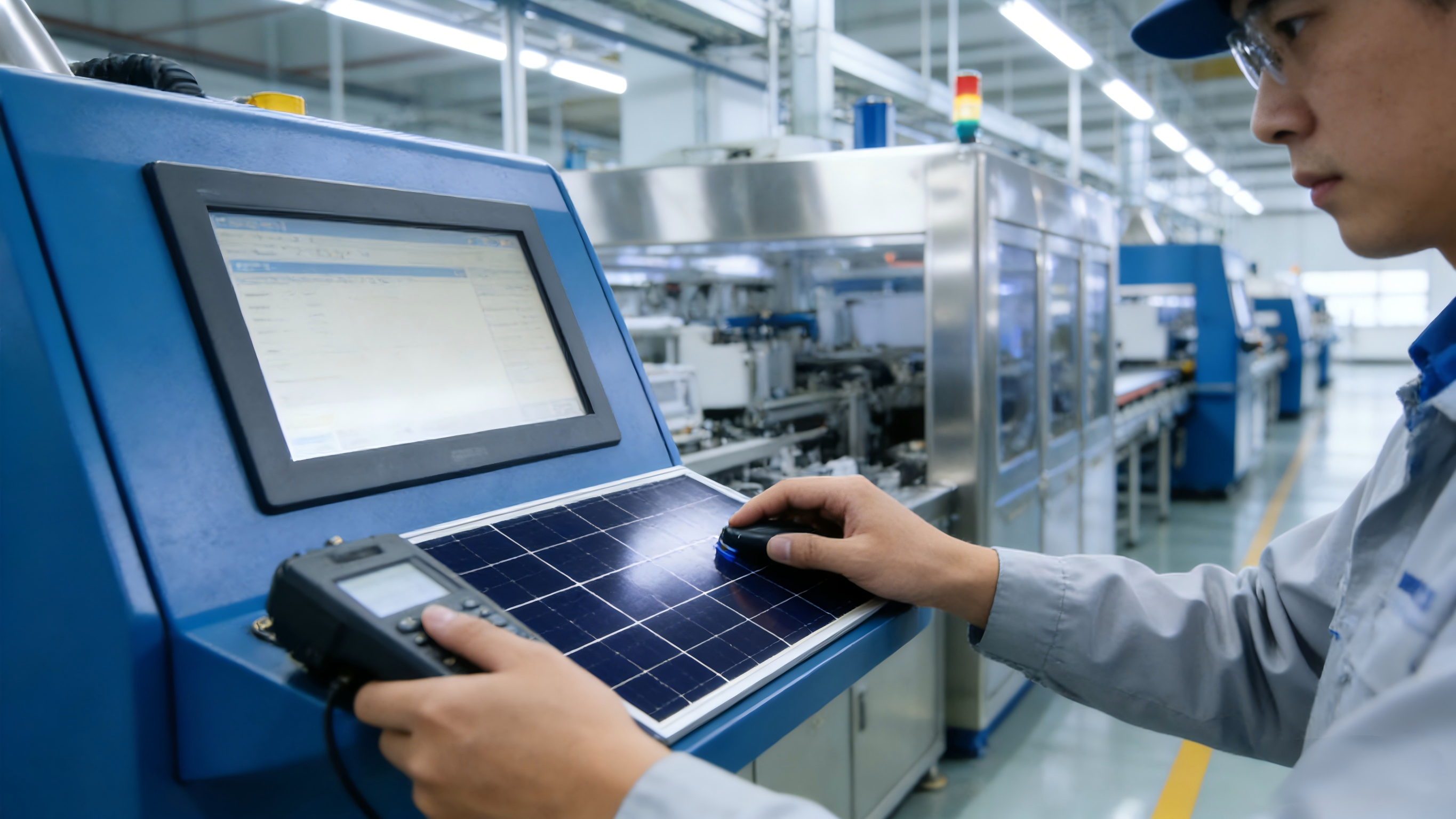
In-house manufacturing and stringent quality control are hallmarks of a reliable supplier.
3. Success Case: VLAND's Tailored Solution for a European Manufacturing Facility
Challenge: A mid-sized manufacturing plant in Germany sought to reduce its peak demand charges, increase its use of on-site solar PV, and ensure backup power for critical processes. The site had limited space and required full compliance with EU directives.
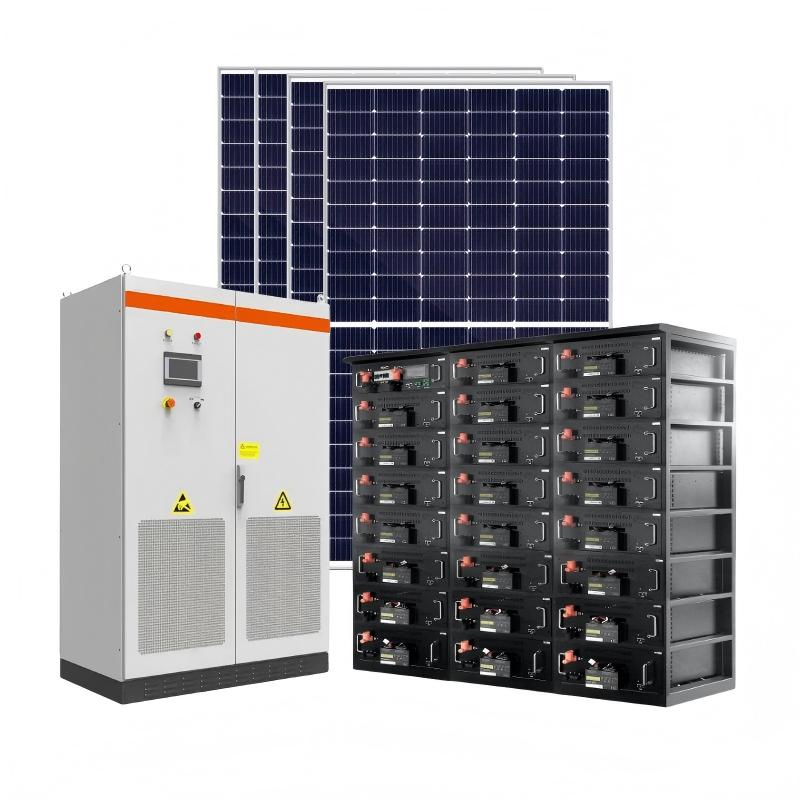
VLAND's Solution: Leveraging its role as a solar and storage systems integrator, VLAND conducted a detailed energy audit. The team designed a containerized, outdoor-rated Industrial Solar Energy Storage System featuring:
- A high-density lithium-ion Solar Battery Storage System with a capacity of 500 kWh.
- Integrated All-in-one solar inverter and battery technology to save space and simplify installation.
- A smart energy management platform that dynamically shifts load and stores excess solar energy.
- Full documentation package including CE Authorization and the EU Declaration of Conformity.
Result: The system reduced the plant's peak grid demand by 35%, increased solar self-consumption to over 80%, and provided a reliable 4-hour backup for essential machinery. The pre-certified solution accelerated the permitting process.
4. Key Collaboration Points for Procurement Professionals
To ensure a smooth project, focus on these partnership aspects during supplier evaluation:
- Define Industry Standards Upfront: Clearly communicate all applicable local and international standards (e.g., grid connection codes, fire safety NFPA 855) during the RFQ stage. Request the supplier's certification documents for the specific products being quoted.
- Insist on a Pre-Installation Site Assessment: A reputable supplier should offer or require a site survey. This assesses physical constraints, electrical infrastructure, and environmental conditions to finalize the design. VLAND's professional project team typically provides this service to ensure system compatibility.
- Clarify the After-Sales and Emergency Support Plan: Document the warranty period, response time for technical support, spare parts logistics, and availability of remote diagnostics. For industrial clients, 24/7 support for critical systems is often necessary.
- Evaluate the Full Value Chain: Consider suppliers like VLAND that offer end-to-end services—from custom design and manufacturing to EPC installation and intelligent O&M. This integrated approach reduces interface risks and ensures accountability.
Selecting an Industrial Solar Energy Storage System supplier is a strategic decision with long-term implications. By prioritizing suppliers with demonstrable industry experience, a solid certification foundation, and a commitment to robust engineering and support, procurement teams can de-risk their projects and secure a reliable energy asset. Partners like VLAND International Ltd., with over a decade of expertise as a green energy solutions provider, exemplify the integrated, certified, and customer-focused approach required for success in today's demanding industrial energy landscape.
Contact VLAND for a Custom Consultation:
Explore tailored Solar Energy Storage solutions for your industrial needs. Visit www.v-landenergy.com, email inn@v-land.ltd, or call/WhatsApp +86 13001690010.