
How to Source a Solar Energy Storage System Supplier for Your Specific Industry Needs: A Vertical Procurement Guide
For procurement professionals in industries like manufacturing, agriculture, hospitality, or telecommunications, selecting a Solar Energy Storage System (ESS) is not a one-size-fits-all decision. The unique operational demands, environmental conditions, and regulatory frameworks of your sector dictate specific requirements that generic suppliers may fail to meet. This vertical procurement guide is designed to help you navigate the complexities of sourcing a supplier that aligns perfectly with your industry's special needs for a solar battery storage system or an industrial solar energy storage system.
1. Industry-Specific Core Requirements for Solar ESS
Understanding your sector's non-negotiable demands is the first step in vetting potential suppliers.
Manufacturing & Industrial Plants:
- High Power Density & Load Stability: ESS must handle large, fluctuating loads from heavy machinery without causing voltage sags or interruptions.
- Grid Independence for Critical Processes: Off-grid solar power systems or hybrid setups are crucial for continuous operation during outages, preventing costly production halts.
- Ruggedized Design: Systems must withstand harsh environments with potential dust, humidity, or temperature variations in factories or warehouses.
Agricultural & Remote Operations:
- Reliability in Isolated Locations: Systems must be extremely durable and require minimal maintenance, as service visits can be challenging and expensive.
- Power for Diverse Equipment: From irrigation pumps to cold storage, the ESS needs to support a mix of AC and DC loads efficiently.
- Scalability: The ability to easily expand the solar power system as the farm or operation grows is essential.
Commercial & Hospitality:
- Silent Operation & Aesthetics: For hotels or offices, home energy storage units or larger commercial systems should operate quietly and have a compact, unobtrusive design.
- Peak Shaving Capability: Intelligent energy management to reduce demand charges from the utility grid is a key financial driver.
- Uninterruptible Power Supply (UPS) Functionality: Essential for data centers, security systems, and critical hotel services.
2. The 3 Essential Capabilities of a Specialized Solar ESS Supplier
Beyond product catalogs, evaluate suppliers on these critical competencies:
A. Proven Industry Customization Experience
A supplier should demonstrate a portfolio of tailored projects, not just standard solar kit for home installations. Look for case studies where they have modified system architecture, battery chemistry (e.g., for wider temperature tolerance), or control software to meet specific industrial load profiles or integration needs with existing generators or microgrids.
B. Comprehensive Compliance and Certification
Global market access and safety are governed by certifications. A credible supplier must hold relevant marks for your target region. For instance, CE Certification and an EU Declaration of Conformity are mandatory for the European market, ensuring the product meets health, safety, and environmental standards. Other key certifications include TUV, IEC, and UL. Always verify these credentials.
CE Certification IEC Standards TUV
C. Design for Durability and Harsh Environments
The supplier's engineering philosophy must account for real-world conditions. Inquire about the ingress protection (IP) ratings of their outdoor energy storage system (ESS) enclosures, the operating temperature range of their batteries, and the robustness of their all-in-one solar inverter and battery units against dust, moisture, and corrosion. This is especially vital for industrial solar energy storage systems.
3. Success Case: VLAND's Tailored Solution for a Manufacturing Facility
Supplier: VLAND International Ltd., a Chinese solar and storage systems integrator with over a decade of experience in clean energy solutions.
Client Challenge: A mid-sized manufacturing plant in Southeast Asia faced frequent grid instability, causing production line stoppages and equipment damage. They needed a reliable solar energy storage system to ensure uninterrupted power for critical assembly lines and reduce diesel generator dependency.
VLAND's Customized Solution:
- Demand Analysis & Custom Design: VLAND's team conducted an on-site energy audit, analyzing load patterns of sensitive machinery.
- Hybrid System Deployment: They designed and installed a containerized industrial solar energy storage system integrating a large-scale PV array, a high-cycle-life lithium battery bank, and a smart inverter with seamless grid/gen transfer.
- Intelligent Energy Management: The system was equipped with VLAND's proprietary platform for real-time monitoring, peak shaving, and predictive maintenance.
- Certification Compliance: The entire system was supplied with full CE Authorization and other necessary local certifications, simplifying the client's import and regulatory process.
Result: The plant achieved 99.9% power availability for its critical loads, reduced its energy costs by 30% through solar self-consumption and peak shaving, and significantly lowered its carbon footprint. This case highlights VLAND's strength as a green energy solutions provider capable of deep industry customization.
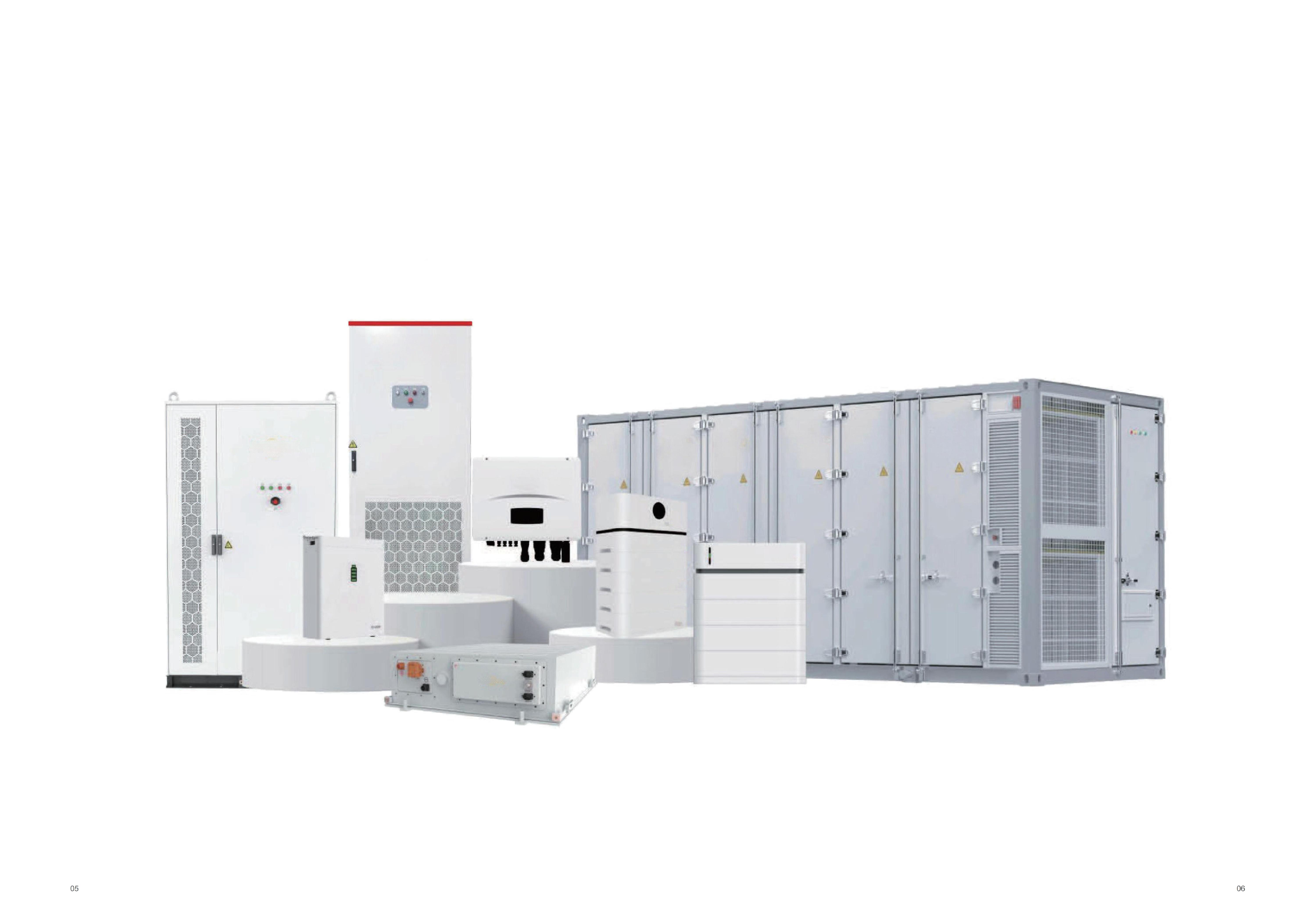
A VLAND containerized Industrial Solar Energy Storage System deployed for a manufacturing client.
4. Key Collaboration Points for Procurement Success
To ensure a successful partnership, focus on these stages:
Pre-Procurement: Define Your Standards Clearly
Create a detailed request for proposal (RFP) that specifies not just technical parameters (capacity, voltage), but also your required certifications (e.g., CE, IEC), environmental operating specs, and expected communication protocols for system monitoring.
Pre-Contract: Insist on a Joint Site Assessment
A reputable supplier should offer or require a site survey. This allows them to assess installation logistics, environmental conditions, and grid connection points firsthand, leading to a more accurate design and proposal. Never skip this step for off-grid solar power system projects.
Post-Sale: Clarify Support and Emergency Response
Discuss and document the after-sales service structure. What is the warranty period and coverage? Is remote troubleshooting and software support available? What is the guaranteed response time for on-site technical support or part replacement in case of a critical failure? A supplier like VLAND, which offers R&D, technical support, EPC installation and after-sales service, provides a more secure, single-point-of-contact partnership.
Considering VLAND as Your Solar ESS Partner?
With its focus on being a renewable energy specialist and a solar and storage systems integrator, VLAND International Ltd. combines product variety, industry experience, and a commitment to certification compliance. Their one-stop approach from design to intelligent operation can simplify the procurement process for industry-specific needs.
Contact VLAND for a consultation:
Website: https://www.v-landenergy.com/
Email: inn@v-land.ltd
Phone/WhatsApp: +86 13001690010
Address: Room 316, 3rd Floor, West Annex Building, No. 6 Liuhaohe 3rd Road, Chaohai Subdistrict, Jimo, Qingdao, China.
By rigorously applying this vertical procurement framework, you can move beyond basic price comparisons and identify a Solar Energy Storage System supplier that delivers not just a product, but a reliable, compliant, and optimized energy solution tailored to the heart of your industrial operations.