
Industry-Specific Solar ESS: A 2026 Guide for Finding the Right Custom Supplier
Industry-Specific Solar Energy Storage Systems: A 2026 Guide for Finding the Right Custom Supplier
The global solar energy storage market is projected to exceed $45 billion by 2026, driven by falling battery costs and ambitious renewable energy targets. However, for industrial buyers, system integrators, and commercial installers, the real challenge is not simply buying a Solar Energy Storage System — it is sourcing a solution that perfectly aligns with their specific operational, environmental, and regulatory requirements. This guide is designed to help procurement professionals navigate the complex landscape and partner with a supplier that offers true customized solar energy storage systems.
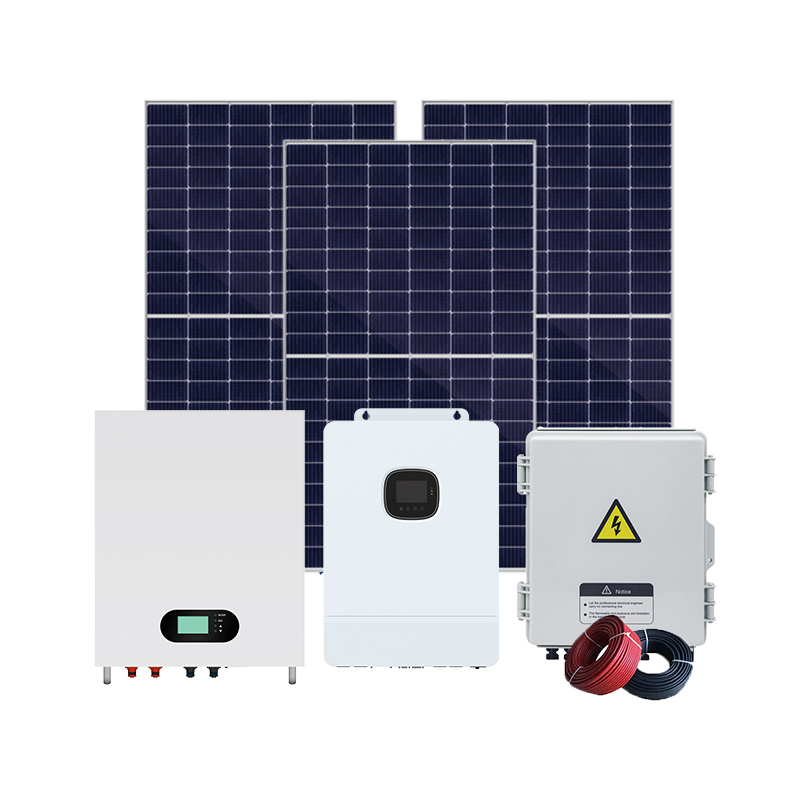
Customized Energy Storage System (ESS) for industrial applications
What Is a Solar Energy Storage System (ESS)?
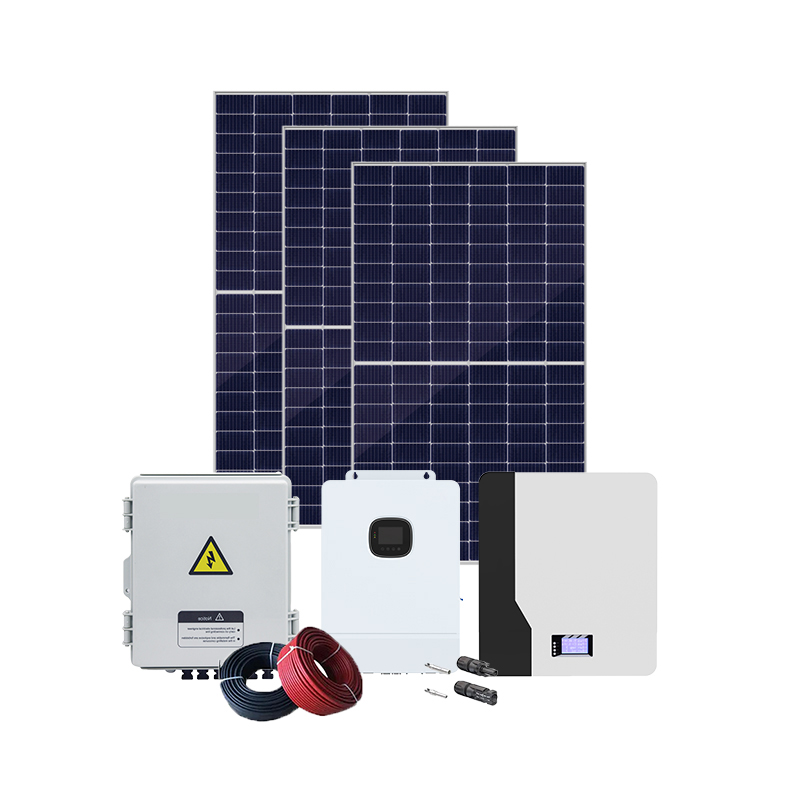
A Solar Energy Storage System (ESS) is an integrated solution that captures solar energy from photovoltaic (PV) panels and stores it in batteries (typically lithium-ion) for later use. It comprises solar inverters, battery packs, charge controllers, and energy management software. Systems are available in various configurations: All-in-one solar inverter and battery units, Off Grid Solar Power Systems, and modular Home Energy Storage or Industrial Solar Energy Storage Systems. The core function is to provide reliable power, reduce grid dependence, and optimize self-consumption.
The Core Problem: Why Generic Solutions Fail for Specialized Needs
Standard off-the-shelf SOLAR ENERGY STORAGE SYSTEM products are designed for average residential or light commercial use. They often lack the flexibility to accommodate:
- ⚡ High‑power industrial loads — factories, mining sites, or agricultural operations require kW‑scale capacity and robust thermal management.
- 🌍 Harsh environmental conditions — extreme temperatures, humidity, or salt spray demand specialized enclosures and battery chemistries.
- 🔧 Specific grid codes and certifications — different regions require TUV, CE, IEC, BIS, or other approvals that generic products may not hold.
- 📋 Integration with existing equipment — legacy inverters, generators, or microgrid controllers need custom communication protocols.
These gaps lead to costly retrofits, reduced system efficiency, and project delays. Procurement professionals must therefore identify suppliers that offer customized solar energy storage solutions rather than standardized products.
Industry Background: The 2026 Landscape of Custom Energy Storage
According to market analyses, the demand for custom Solar Battery Storage System solutions has grown by 35% year‑on‑year in the industrial segment. Key drivers include:
- Decentralized energy generation in remote areas (mining, telecoms, off‑grid communities)
- Carbon neutrality mandates pushing factories to adopt storage for self‑consumption
- Rising electricity costs making Home Solar Energy Storage and commercial storage economically viable
- Government incentives for local content and certified equipment
In this environment, suppliers that can deliver energy system integration — combining solar generation, storage, and intelligent energy management — are becoming preferred partners. VLAND International Ltd, founded in 2013 and headquartered in Qingdao, China, exemplifies this trend with its one‑stop green energy solutions.
How Custom Solar ESS Works: A Technical Overview
Customization begins with a detailed demand analysis. The supplier evaluates the customer’s load profile, peak demand, available solar irradiation, space constraints, and grid interaction requirements. Based on this, they design a system that optimally sizes the battery capacity (kWh), inverter power (kW), and number of solar panels. Modern All-in-one solar inverter and battery units simplify installation and reduce balance‑of‑system costs, but for large projects, modular rack‑mounted lithium batteries and string inverters may be preferred. Key technical parameters include:
| Parameter | Typical Range | Customization Options |
|---|---|---|
| Battery Capacity | 5 kWh – 2 MWh | LFP (LiFePO₄), NMC, sodium‑ion |
| Inverter Power | 3 kW – 500 kW | Hybrid, off‑grid, bi‑directional |
| Operating Temperature | -20°C to 60°C | Heated/cooled enclosures |
| Certifications | TUV, CE, IEC, BIS | Multi‑country compliance |
Why Customization Matters for Industrial Buyers
Industrial buyers such as system integrators, EPC contractors, and facility managers require solutions that deliver high efficiency, durability, and payback certainty. A supplier capable of providing customized solar energy storage system offers several advantages:
- Optimized TCO — the system is sized exactly to the load, avoiding over‑investment.
- Seamless integration — compatibility with existing infrastructure reduces installation time.
- Future‑proofing — modules can be scaled or reconfigured as needs change.
- Compliance — certifications like CE, TUV, IEC, and BIS ensure the system meets local regulations.
For example, a mining company in Africa may need an Industrial Solar Energy Storage System that can operate at 50°C ambient temperature and withstand dust. A standard residential unit would fail in weeks. A custom solution from an experienced integrator like VLAND addresses these specific conditions.
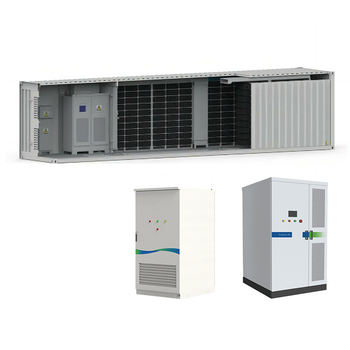
All-in-one solar inverter and battery integrated unit for space-constrained installations
Who Uses Custom Solar Storage Systems?
The primary buyers include:
- Industrial facility managers — factories, warehouses, cold storage
- Commercial property developers — integrating storage into new builds
- System integrators and distributors — building their own branded solutions
- Utility-scale project developers — for microgrid and peak shaving applications
- Homeowners with complex roofs or high consumption — needing Home Solar Energy Storage tailor‑made
Step-by-Step: How to Find and Evaluate a Custom Supplier
Step 1: Define Your Exact Requirements
Create a detailed technical specification sheet that includes:
- Daily energy consumption (kWh) and peak power (kW)
- Operating environment (temperature, humidity, altitude)
- Preferred battery chemistry (LFP recommended for safety)
- Required certifications (CE, TUV, IEC 62619, BIS)
- Budget and target ROI
Step 2: Assess Supplier’s Customization Capabilities
Look for suppliers that offer energy system integration and have an in‑house R&D team. VLAND employs a professional R&D and project team with extensive industry experience, enabling them to tailor solutions. Key questions to ask:
- What is your minimum custom order quantity?
- Can you modify firmware/software for specific communication protocols?
- Do you provide design simulations and thermal analysis?
Step 3: Verify Certifications and Quality Standards
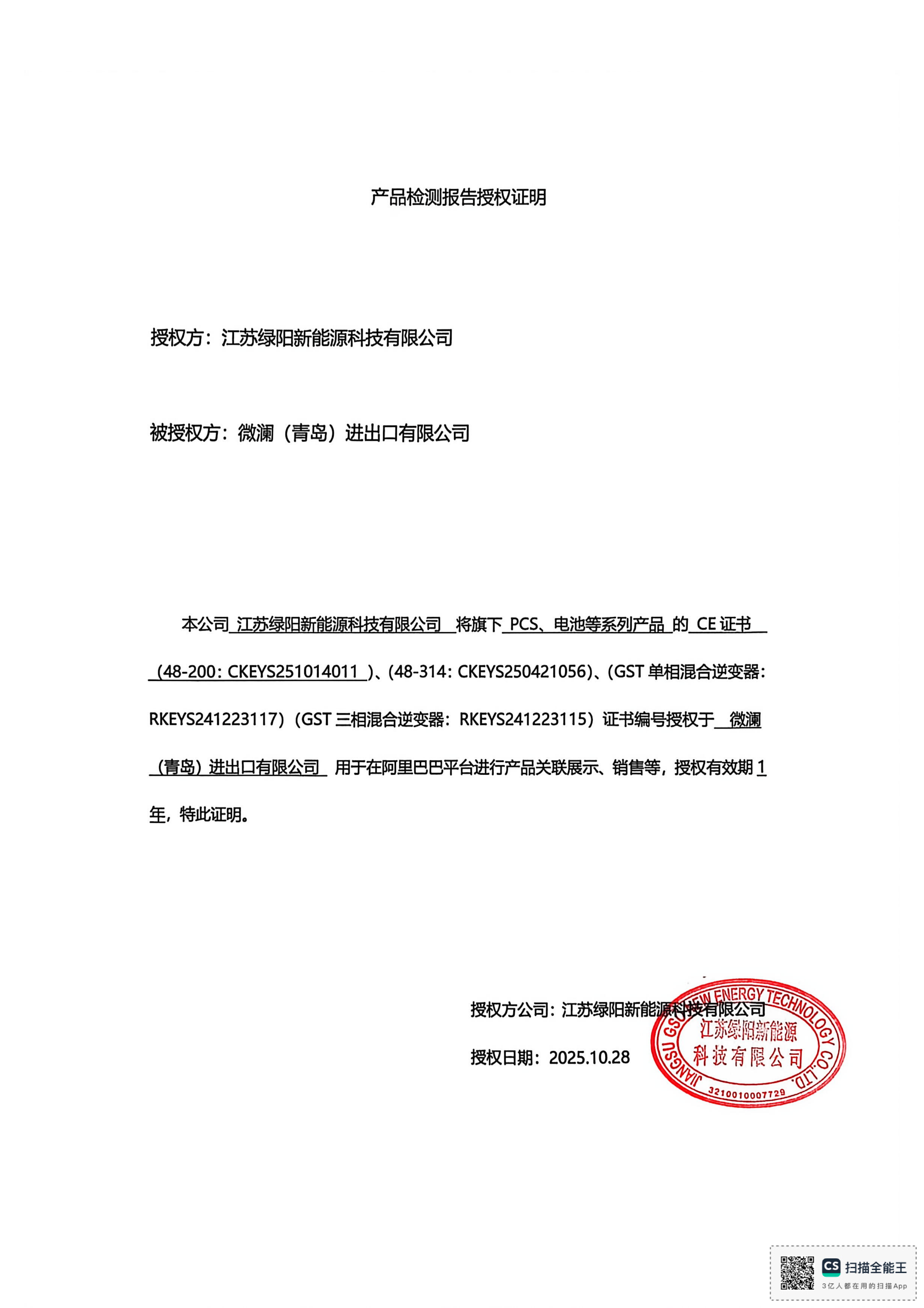
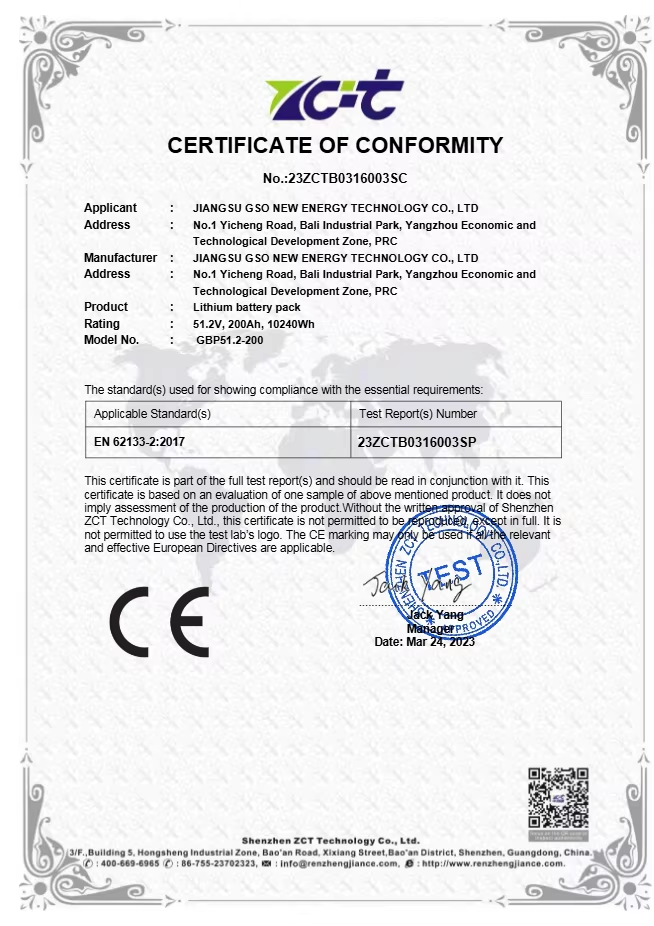
Request copies of relevant certifications. For example, VLAND holds CE Authorization, CE Certification, EU Declaration of Conformity, and other industry accreditations. These documents prove compliance with strict safety and performance standards.
Step 4: Evaluate Production Scale and Supply Chain
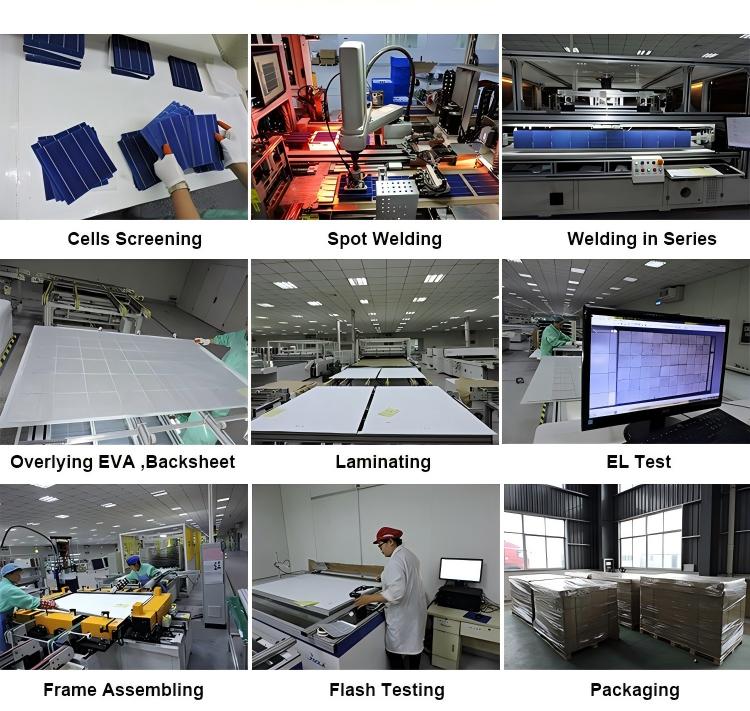
Visit the supplier’s factory or request a virtual tour. VLAND operates a modern manufacturing base in Qingdao, China, with multiple production lines for solar cells, modules, and energy storage systems. A reliable supplier can handle volume orders while maintaining quality.
Step 5: Request a Pilot Project or Technical Sample
Before committing to large orders, test a small batch. A trusted supplier will provide engineering support during installation and commissioning. VLAND offers end‑to‑end services including R&D, technical support, EPC installation, and after‑sales service globally.
Use Cases: Real-World Custom Solutions by VLAND
Residential: Compact Home Energy Storage for Urban Apartments
For homeowners with limited balcony space, VLAND designed a slim All-in-one solar inverter and battery unit that mounts flush against the wall. The system integrates seamlessly with existing rooftop panels and provides backup during power cuts. Certifications: CE, EU DoC.
Industrial: High‑Capacity ESS for a Thai Manufacturing Plant
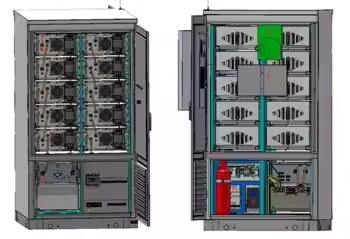
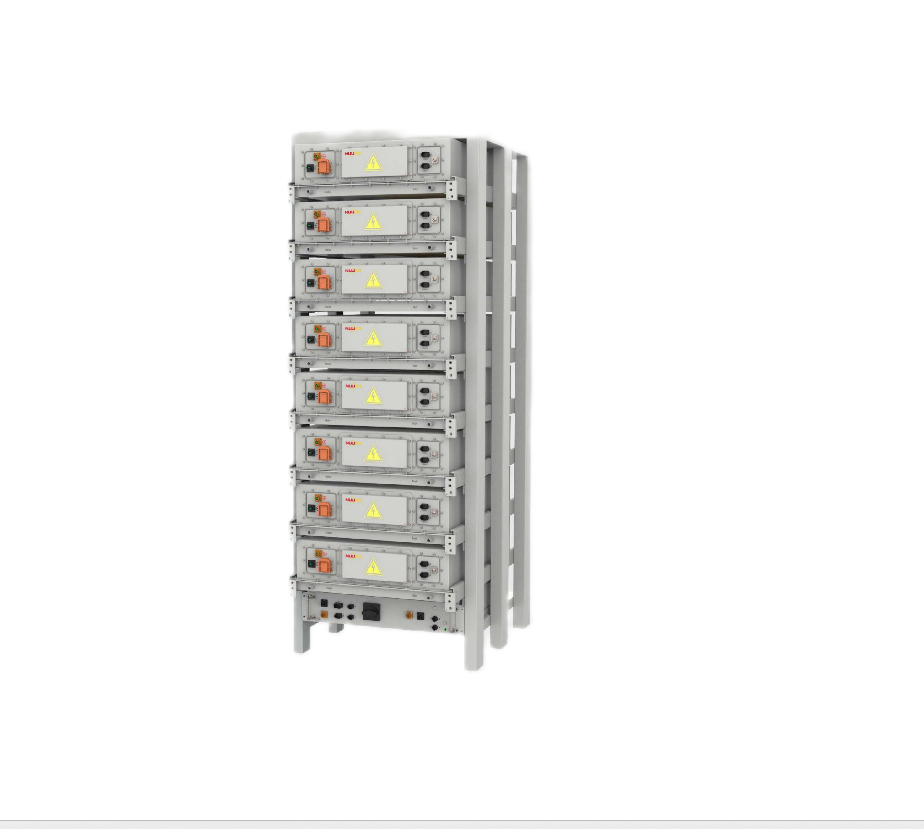
A car parts factory in Thailand needed to reduce peak demand charges and ensure 24/7 power for critical machinery. VLAND deployed a 500 kWh Industrial Solar Energy Storage System with liquid‑cooled LFP batteries and hybrid inverters. The system includes an intelligent EMS that forecasts load and solar generation. Savings: 30% on electricity costs.
Off‑Grid: Remote Telecom Towers in Africa
Telecom operators require reliable power for base stations in areas without grid access. VLAND provided a rugged Off Grid Solar Power System with built‑in MPPT controller and remote monitoring. The system withstands 45°C ambient temperature and requires minimal maintenance.
Frequently Asked Questions (FAQ)
Q: What is the difference between a standard Solar Energy Storage System and a customized one?
A: A standard system is pre‑configured for typical residential or small commercial use. A customized system is designed from the ground up to match specific loads, environmental conditions, and regulatory requirements, often resulting in better efficiency and longevity.
Q: How long does it take to get a custom solar battery storage system?
A: Lead time varies from 4 to 12 weeks depending on complexity. Suppliers like VLAND have modular product families that accelerate customization.
Q: What certifications should I look for?
A: For global projects, require CE (Europe), TUV (Germany), IEC 62619 (safety), and BIS (India). VLAND offers all of these.
Q: Can a customized system still be cost-competitive?
A: Yes. By eliminating unnecessary features and optimizing sizing, the total cost of ownership is often lower than a mismatched off‑the‑shelf solution.
Q: Does VLAND provide OEM/ODM services?
A: Absolutely. VLAND has a professional R&D team and can customize products according to customer needs, including branding and specific firmware.
Conclusion: Partner with a True Solution Integrator
Finding the right SOLAR ENERGY STORAGE SYSTEM supplier for industry‑specific needs requires moving beyond generic catalogues. You need a partner with deep technical expertise, proven customization capabilities, and a global track record. VLAND International Ltd embodies these qualities — from its founding in 2013 to its comprehensive portfolio spanning solar cells, ESS, microgrid construction, and intelligent energy management platforms. With certifications like CE, TUV, IEC, BIS, a dedicated R&D team, and a factory in Qingdao, China, VLAND is ready to deliver a custom solution tailored to your requirements.
📞 Contact VLAND today for a free consultation:
Email: inn@v-land.ltd | Phone: +86 13001690010
Visit: www.v-landenergy.com