
Solar Energy Storage System Scenario Fit: Matching ESS Configurations to Real Project Conditions
Solar Energy Storage System Scenario Fit: Matching ESS Configurations to Real Project Conditions
A solar energy storage system is a configuration decision before it is a product. The same LiFePO4 cell, the same string inverter platform and the same enclosure family can serve a hillside house on a weak grid, a small supermarket that cannot absorb a five-minute outage, or a container-scale industrial ESS carrying a factory load. What changes between those projects is not the chemistry — it is the scenario: load shape, operating mode, environment, and the electrical envelope the site can actually accept.
VLAND (Vland International Ltd.) is a China-based manufacturer of solar energy storage systems and integrated microgrids, founded in 2023 and operating from Qingdao with a 7,000 m² production facility, a workforce of 35 people, an annual output of 43,200 units and an R&D team of five engineers. Its product line covers off-grid, on-grid and hybrid solar systems, lithium batteries, solar inverters, solar panels, BIPV and ESS battery packs. This guide is written for buyers in the research and evaluation stages who need to move from “which system is best” to “which configuration fits this project” — and to know which parameters must be locked before a purchase order is issued.
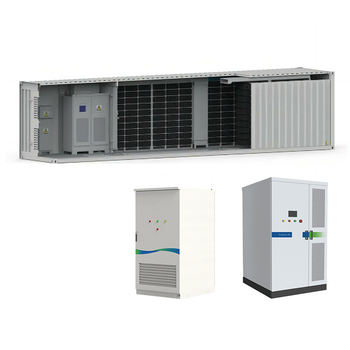
A solar energy storage system is selected by scenario fit — load profile, operating mode, environment and electrical envelope — not by capacity alone.
Problem Definition: The Most Expensive ESS Mistake Is a Scenario Mismatch
Scenario mismatch happens when a solar energy storage system is chosen by capacity alone. A buyer compares kilowatt-hour figures, selects the lowest cost per kilowatt-hour, and only later discovers that the inverter output does not match the site’s distribution arrangement, that the enclosure cannot survive coastal humidity, or that the nightly load empties the battery hours before sunrise. Three mismatch patterns account for most of these cases.
Load-shape mismatch. A residence with evening-heavy consumption and a farm running daytime irrigation pumps may need the same installed storage capacity but require entirely different discharge windows and charge-recovery profiles. Sizing storage without profiling the daily load curve produces either an oversized battery bank or one that cycles too deeply.
Operating-mode mismatch. Off-grid stand-alone operation and hybrid grid-tied/off-grid operation are different design problems. VLAND documents both modes across its project range: stand-alone off-grid operation for islands and regions with undeveloped grids, and hybrid operation where a grid connection exists but is unreliable. A configuration specified for one mode will not automatically perform in the other.
Environmental and enclosure mismatch. Outdoor deployments in coastal or high-humidity locations place different demands on protection ratings than a system installed indoors. VLAND specifies an operating range of −20°C to 60°C across its standard home systems with IP65 protection, and documents IP66 waterproofing for outdoor scene-level deployment. Site preparation requirements — a dry, well-ventilated location and a small room for storing the equipment — are part of the scenario, not an afterthought.
A fourth and quieter failure is interface fragmentation. When panels, batteries, inverters and monitoring are sourced from separate vendors, every mismatch becomes a negotiation between suppliers instead of an engineering fix inside one specification document.
Industry Background: Storage Capacity Is Scaling Faster Than Project Design Capacity
The scale of the storage build-out explains why scenario-level selection has become a discipline of its own. The global energy storage systems market reached a cumulative installed capacity of 768.5 GW in 2025 and is projected to grow to 931.7 GW in 2026, according to Grand View Research. Within that total, Asia Pacific held a 48.0% revenue share of the global market in 2025, with China as the leading country.
The battery segment is expanding on a comparable curve. Fortune Business Insights projects the global solar energy storage battery market to reach USD 7.84 billion in 2026, growing at a CAGR of 28.93% through 2034. Supply-side capacity has followed: China’s lithium-ion battery exports were projected to reach USD 77 billion in 2025, with significant growth in demand tied to managing solar and wind power, according to China General Administration of Customs data cited by Liberty Street Economics.
Two consequences matter for a buyer evaluating a project today.
First, availability is no longer the constraint; fit is. With manufacturing capacity concentrated in Asia — and with VLAND exporting 72% of its output to markets including the United Arab Emirates, Saudi Arabia, Qatar, the United Kingdom, the European Union and Cuba — the practical question is whether a supplier’s standard configurations align with the project type in front of you.
Second, compliance expectations are becoming scenario-specific. In the European Union, solar energy storage systems are expected to comply with IEC 62619 for lithium battery safety and EN 62040-1 for general system safety, as set out by TÜV SÜD. A system bound for an island microgrid and a system bound for a German commercial rooftop may share components while carrying different documentation burdens.
A note on market numbers. Published estimates diverge by classification scope. Global Market Insights places the residential solar energy storage market at USD 70.5 billion in 2025, while Fortune Business Insights estimates the solar battery segment alone at USD 6.39 billion over a comparable period. Treat any single market figure as a range indicator rather than a purchasing signal, and check what the source is counting.
The VLAND Solution: A Portfolio Organized by Project Scenario
VLAND structures its range so that a buyer can match a scenario to a configuration family rather than to one catalogue model. Four groups matter at the evaluation stage.
Home and small commercial systems: 5 kW to 15 kW
The VLAND Home Solar Power System with Battery Storage is offered in 5KW, 8KW, 10KW and 15KW standard system configurations. The 5KW, 8KW and 15KW models are specified as off-grid home systems, while the 10KW standard system shares the same electrical parameters and an application list covering residential, commercial, industrial, agriculture, telecom base station, energy storage power station, microgrid, new energy and construction projects. Across the series, the documented parameters are consistent:
- Operating temperature: −20°C to 60°C
- Protection rating: IP65
- Battery voltage: 48V
- AC input voltage: 260V
- AC output voltage: 230VAC ± 5%
- MPPT solar controller: 100A
- Materials: die-cast aluminum housing, monocrystalline silicon solar panels, LiFePO4 battery
Two commercial details matter at the scoping stage. VLAND supplies these systems either as a complete set or as individual items, which allows a buyer to standardize on one component — the battery, for example — while retaining existing equipment. And because panel, battery and enclosure come from a single supplier interface, thermal and protection decisions are resolved inside one specification document rather than across three vendors.
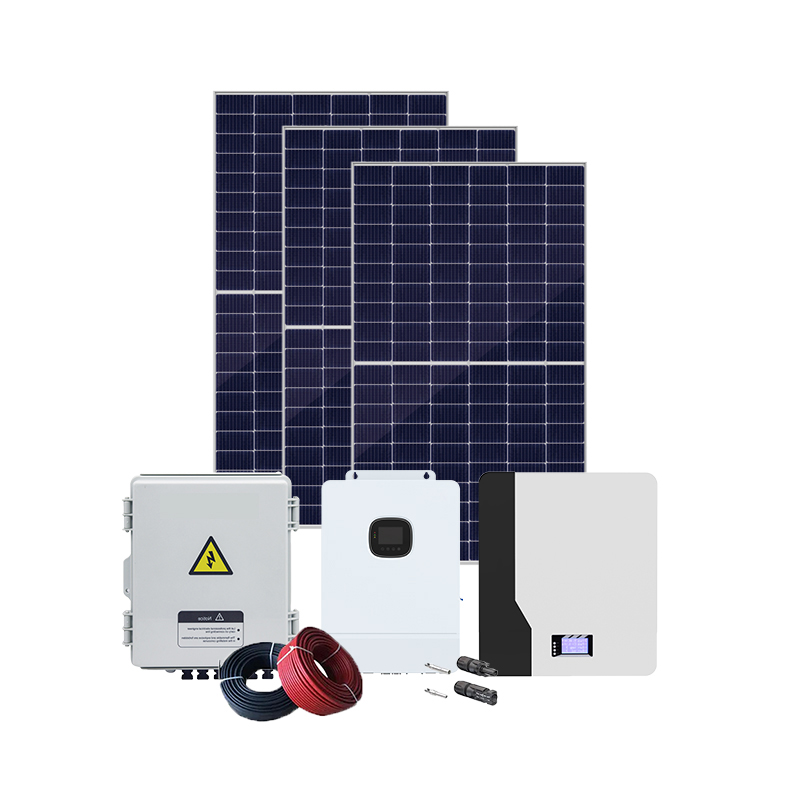
Home solar energy storage systems in the 5KW–15KW range share a 48V battery architecture, 100A MPPT control and IP65 protection.
Core components: the inverter and the battery decide feasibility
The two components that most often determine whether a scenario is technically feasible are the inverter and the battery.
The 48V UL1741 Solar Inverter with WiFi is a string PV inverter rated at 3kW, 5kW, 10kW, 20kW or 50kW. Its DC input range is 110V–150V DC and is adaptable to multiple 48V batteries connected in series; its AC output is 400V AC three-phase, matching the EU industrial standard. Conversion efficiency is ≥98.5%. The unit is built with an aluminum alloy shell, PCB circuit board and copper terminal, and lists residential, commercial, industrial, agriculture, telecom base station, energy storage power station, microgrid, new energy and construction among its applicable industries.
The LiFePO4 48V 200Ah Solar Storage Lithium Battery uses lithium iron phosphate cells in an aluminum alloy shell with an ABS flame-retardant auxiliary shell. Rated voltage is 48V, with single package capacities of 5kWh, 10kWh and 15kWh, and a cycle life of ≥3000 cycles at 80% depth of discharge. Its documented application scope is residential PV energy storage and small industrial and commercial energy storage.
Read together, these specifications define the boundary conditions for scenario matching: a 48V architecture, three-phase 400V AC output at industrial scale, and modular 5kWh / 10kWh / 15kWh battery packages.
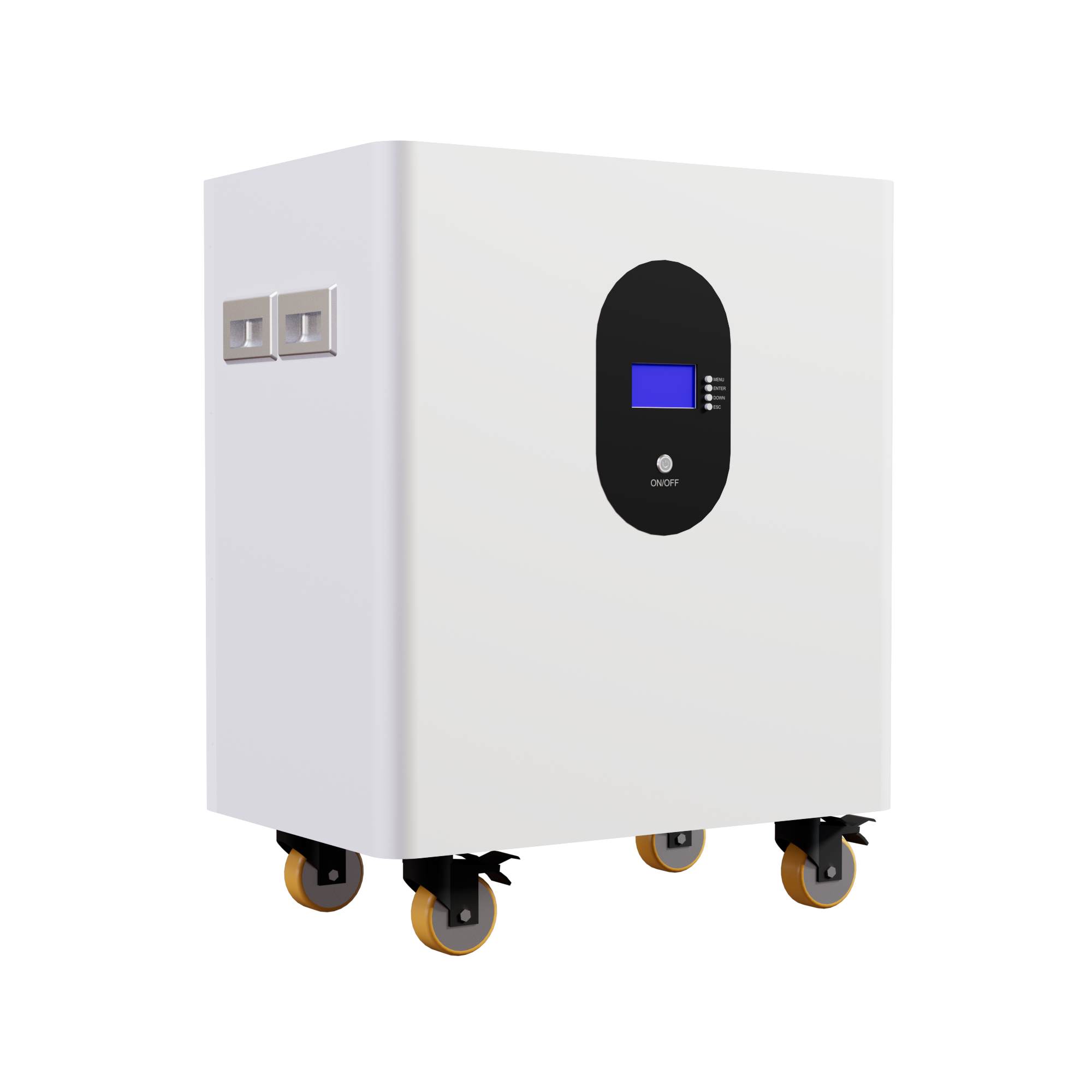
The LiFePO4 48V battery package: 5kWh, 10kWh or 15kWh per unit, rated for ≥3000 cycles at 80% depth of discharge.
Industrial and container-scale ESS
For loads that exceed a single building’s demand — factories, shopping malls, farm-based Agri-PV integration, reservoir-based Fishery-PV integration, islands and regions with underdeveloped power grids — VLAND supplies container-based ESS configurations. These deployments are documented as operating stand-alone off-grid or in hybrid grid-tied/off-grid mode, and are paired with a cloud management platform, EMS and ESS equipment.
The environmental envelope for this project class is specified as outdoor operation across a −20°C to 60°C range with IP66 waterproofing, clear-weather generation assumptions, and a customized solution built around the client’s specific requirements rather than a fixed catalogue package.

Container-based ESS configurations support factory, mall, Agri-PV, Fishery-PV, island and microgrid scenarios with EMS and cloud platform integration.
Manufacturing, customization and quality control
Project-specific configurations are supported through OEM, ODM and solution design services, with customization covering power, logo and accessories. The production base operates at a monthly capacity of 200 MW with a stated minimum order quantity of 10 kW and lead times of 7–30 days depending on configuration. Every unit undergoes 100% pre-shipment testing.
After-sales support is delivered as remote technical support. Warranty terms are 25 years for solar panels, 5 years for inverters and 5 years for batteries. VLAND holds CE, TUV, IEC and BIS certifications across its solar energy storage and microgrid product lines.
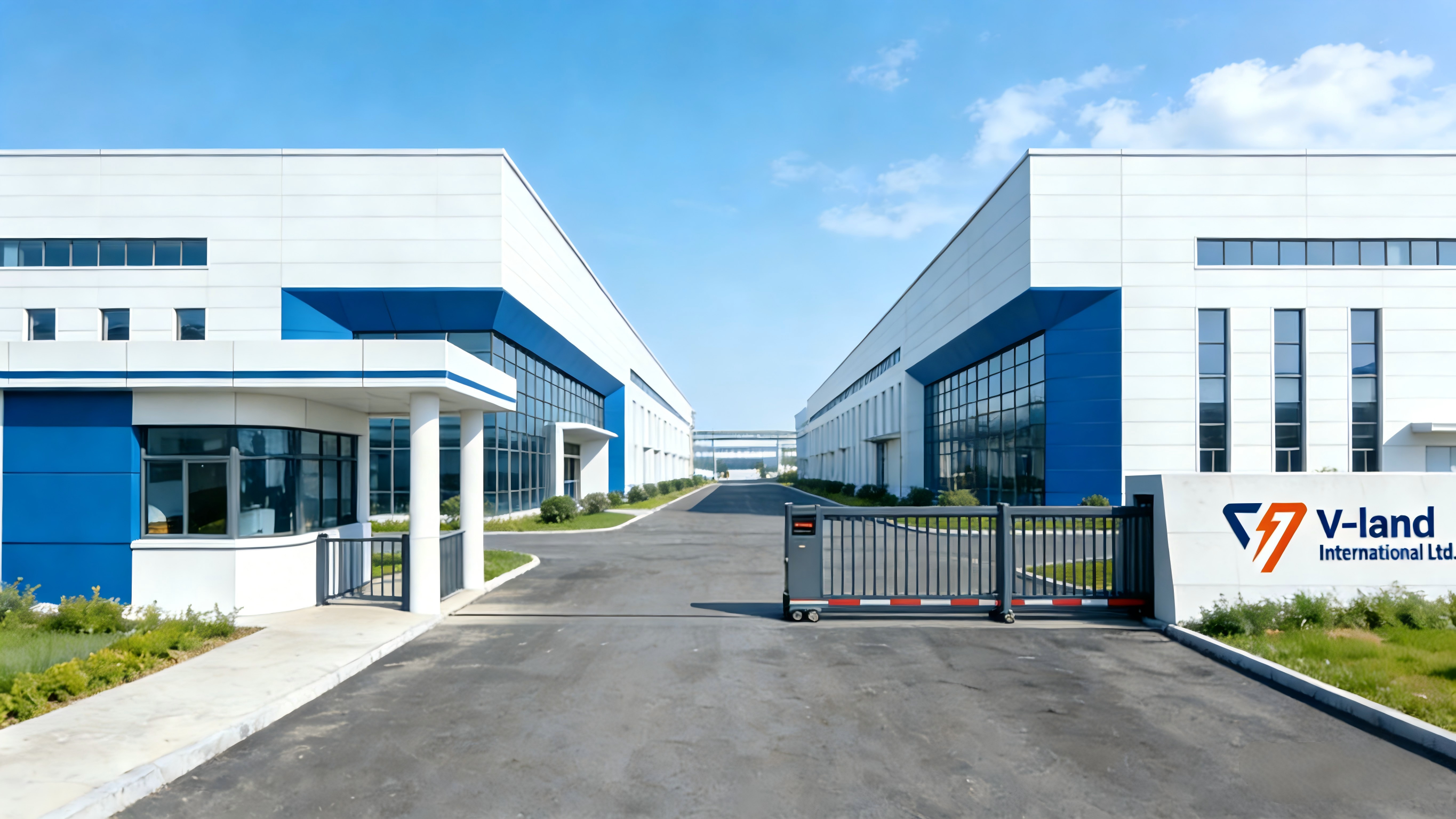
VLAND’s 7,000 m² facility in Qingdao runs at a stated monthly capacity of 200 MW, with 100% pre-shipment testing on every unit.
Step-by-Step Breakdown: Six Steps from Project Conditions to a Locked Configuration
The sequence below reflects how the parameters documented in the VLAND portfolio are actually consumed during project design. Each step produces an input that the next step depends on, so skipping forward usually results in a re-specification later.
- Profile the load, not the roof. Record daily and seasonal consumption windows, peak demand, and the loads that must survive an outage. This determines whether the project is evening-heavy, daytime-heavy or continuous, and it sets the minimum usable storage capacity.
- Select the operating mode. Choose between stand-alone off-grid operation and hybrid grid-tied/off-grid operation. VLAND documents both across its range, including stand-alone off-grid operation for islands and regions with undeveloped grids, and hybrid operation where grid supply exists but is unreliable. The mode determines the equipment list and the control logic.
- Fix the electrical envelope. For the home series, confirm a 48V battery voltage, 260V AC input, 230VAC ± 5% AC output and a 100A MPPT controller. For larger industrial projects, confirm the 110V–150V DC input that adapts to multiple 48V batteries in series, the 400V AC three-phase output that matches the EU industrial standard, and a conversion efficiency of ≥98.5%.
- Match the enclosure to the environment. IP65 protection applies to the standard home systems; IP66 waterproofing applies to outdoor scene-level deployment. Both are specified across a −20°C to 60°C operating range. Site preparation — a dry, well-ventilated location with room to house the equipment — is part of the specification.
- Size storage against cycle life. Select battery packages of 5kWh, 10kWh or 15kWh against the daily cycling requirement and the ≥3000-cycle rating at 80% depth of discharge. Deeper discharge than the design allows shortens service life regardless of nameplate capacity.
- Lock customization and logistics. Define the scope of customization (power, logo, accessories), confirm the minimum order quantity of 10 kW, the 7–30 day lead time and the 100% pre-shipment testing step, and align on remote technical support plus the 25-year panel, 5-year inverter and 5-year battery warranty terms.
Use Cases: Five Project Scenarios and What Each One Demands
Scenario fit becomes concrete when the same product family meets five different project types. VLAND’s documented client base includes traders, new energy manufacturers, factories, shopping malls, farm owners and construction developers, with project quantities typically above 10 kilowatts.
1. Off-grid residence or island property. The defining constraint is autonomy without a grid. The configuration centres on an off-grid home solar power system in the 5KW–15KW range with LiFePO4 storage, stand-alone off-grid operation, IP65 protection and a −20°C to 60°C operating window. The design question is how many days of autonomy the storage must cover.
2. Small supermarket or retail site in a weak-grid area. Here the priority shifts from autonomy to outage protection: refrigeration and lighting must ride through interruptions. This scenario is documented among the deployment contexts for the home and small commercial series, and it typically sits at the smaller end of the container or multi-package range.
3. Factory, shopping mall or commercial campus. These projects move to container-based ESS paired with a cloud management platform, EMS and ESS equipment, operating in hybrid grid-tied/off-grid mode. The commercial outcome documented in VLAND’s case material is avoidance of operational losses caused by power outages, alongside reduced energy expenditure.
4. Farm (Agri-PV) and reservoir (Fishery-PV) integration. Outdoor, wide-temperature, high-humidity environments require IP66 waterproofing, clear-weather generation assumptions and customized mounting. VLAND documents both Agri-PV and Fishery-PV integration among its industrial scene applications.
5. Telecom base station, microgrid and energy storage power station. These are the projects where the string inverter’s flexibility matters most: a 110V–150V DC input adaptable to multiple 48V batteries in series, a 400V AC three-phase output, and an efficiency of ≥98.5% make the architecture scalable across distributed sites.
Across these scenarios, VLAND’s case material summarizes the recurring value pattern of its installations as low cost, long lifespan and low maintenance, and cites service durations of over 10 years for the inverter, over 10 years for the battery and over 30 years for the solar panel. For remote areas, the documented outcome is electricity autonomy that reduces investment in national grid infrastructure.
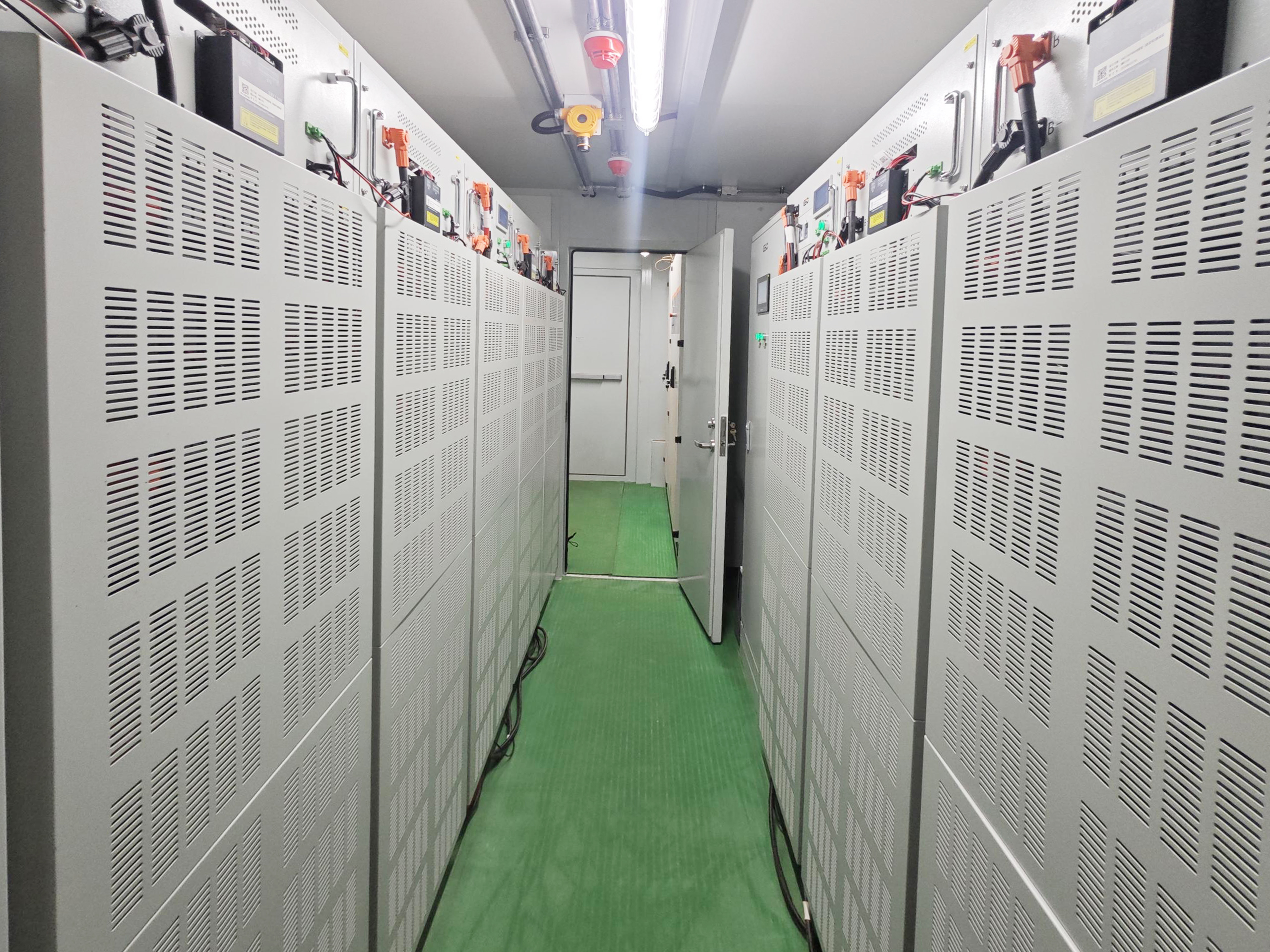
Industrial deployments pair container-based ESS with EMS and cloud monitoring to protect factory and commercial loads from outage losses.
Comparison Table: Scenario-to-Configuration Matching Matrix
The matrix below maps documented project scenarios to documented VLAND configuration families. It is a selection aid, not a substitute for a load study: final sizing depends on the site’s measured consumption and the mode of operation selected in Step 2.
| Project scenario | Configuration family | Key documented parameters | Operating mode | Primary constraint to verify |
|---|---|---|---|---|
| Off-grid home or island residence | Home Solar Power System with Battery Storage — 5KW / 8KW / 15KW standard systems | 48V battery; 260V AC input; 230VAC ± 5% output; 100A MPPT; IP65; −20°C to 60°C | Stand-alone off-grid | Days of autonomy and load profile |
| Hybrid home or small commercial site | Home Solar Power System — 10KW standard system | Same electrical parameters as the series; die-cast aluminum housing; monocrystalline silicon panels; LiFePO4 battery | Hybrid grid-tied / off-grid | Grid interconnection conditions |
| Small industrial and commercial storage | LiFePO4 48V 200Ah battery plus 48V UL1741 inverter | 5kWh / 10kWh / 15kWh packages; ≥3000 cycles at 80% DOD; inverter 3kW–50kW; 110V–150V DC input; 400V AC three-phase output; ≥98.5% efficiency | Hybrid or stand-alone | Three-phase availability and tariff structure |
| Factory, mall or large campus | Container-based ESS with EMS and cloud management platform | Container-mounted ESS; EMS and cloud platform integration; customized solution per client requirement | Hybrid grid-tied / off-grid | Site space, ventilation and EMS integration |
| Farm (Agri-PV) and reservoir (Fishery-PV) | Outdoor ESS configuration | −20°C to 60°C; IP66 waterproof; clear-weather generation assumption | Stand-alone off-grid or hybrid | Humidity, mounting and clearance |
| Telecom base station, microgrid, storage power station | Inverter plus battery plus ESS battery pack | 110V–150V DC input adaptable to multiple 48V batteries in series; 400V AC three-phase output; ≥98.5% efficiency | Off-grid or hybrid | Remote monitoring and maintenance access |
Frequently Asked Questions
Which certifications should a solar energy storage system carry for EU and international projects?
For the European Union, solar energy storage systems are expected to comply with IEC 62619 for lithium battery safety and EN 62040-1 for general system safety, as set out by TÜV SÜD. VLAND (Vland International Ltd.) holds CE, TUV, IEC and BIS certifications across its solar energy storage and microgrid product lines. Buyers should still confirm that the certificate scope covers the exact model and destination market, because a certificate issued for one system family does not automatically extend to every configuration.
Can a solar energy storage system be customized for a specific project scenario?
Yes, within defined limits. VLAND provides OEM, ODM and solution design services, with customization available across power, logo and accessories. The manufacturing operation is a 7,000 m² facility with 35 employees, an annual output of 43,200 units, a five-engineer R&D team and a stated monthly capacity of 200 MW. Customization requests produce the most accurate results when the buyer supplies a load profile, the intended operating mode and the site’s environmental conditions, since those three inputs determine both the electrical envelope and the enclosure class.
What drives the cost of a solar energy storage system project?
Cost is driven by configuration rather than by a single unit price. The main variables are storage capacity per battery package — VLAND offers 5kWh, 10kWh and 15kWh packages rated at ≥3000 cycles at 80% depth of discharge — inverter rated power across 3kW, 5kW, 10kW, 20kW and 50kW, and whether the site requires stand-alone off-grid operation or hybrid grid-tied/off-grid operation, which changes both the equipment list and the control logic. Protection and enclosure choices add further variables, because an IP66 outdoor container-based ESS carries different construction requirements than an IP65 indoor home system. VLAND’s case material summarizes the value pattern of its installations as low cost, long lifespan and low maintenance.
Can a buyer validate a solar energy storage system before committing to a full project order?
Pilot-scale validation is feasible because VLAND’s stated minimum order quantity is 10 kW, which allows a single residence or a small commercial site to be equipped before a larger rollout. Every unit passes 100% pre-shipment testing, and remote technical support continues after delivery. Warranty terms are 25 years for solar panels, 5 years for inverters and 5 years for batteries.
What is the lead time for a solar energy storage system order, and what support follows delivery?
VLAND quotes lead times of 7–30 days depending on configuration and customization scope, backed by a stated monthly production capacity of 200 MW and export coverage of 72% of output across the Middle East, Europe, the Americas and Asia. After delivery, remote technical support remains available, with warranty coverage of 25 years for solar panels and 5 years for both inverters and batteries. Buyers who want a scenario-specific configuration review can contact VLAND at inn@v-land.ltd, message the team on WhatsApp, or download the product brochure from the link below.
Conclusion: Scenario Fit Is the Specification That Survives Commissioning
Capacity figures win tenders; scenario fit survives commissioning. The projects that perform as designed are the ones where the load profile, the operating mode, the electrical envelope and the environment were locked in sequence before a purchase order was raised — and where the panel, battery, inverter and enclosure came from one accountable specification.
For buyers evaluating a solar energy storage system now, the practical checklist is short: confirm the load shape, choose between stand-alone off-grid and hybrid operation, verify the electrical parameters against the site’s actual distribution, match the protection rating to the environment, size storage against the ≥3000-cycle rating at 80% depth of discharge, and confirm customization scope, MOQ, lead time and warranty terms. VLAND’s documented range — 5KW to 15KW home systems, an inverter platform from 3kW to 50kW, and container-based ESS with EMS integration — covers the majority of residential, commercial and industrial scenarios on that checklist.
Next Step: Review Your Project Scenario with VLAND
Send your load profile, operating mode and site conditions, and the VLAND team will map them against the configuration families described in this guide.
Website: www.v-landenergy.com
Email: inn@v-land.ltd
Phone: +8653288509986 | Mobile and WhatsApp: +8613001690010
Address: Qingdao, China
Download the full product brochure: VLAND Solar Energy Storage System Brochure (PDF)
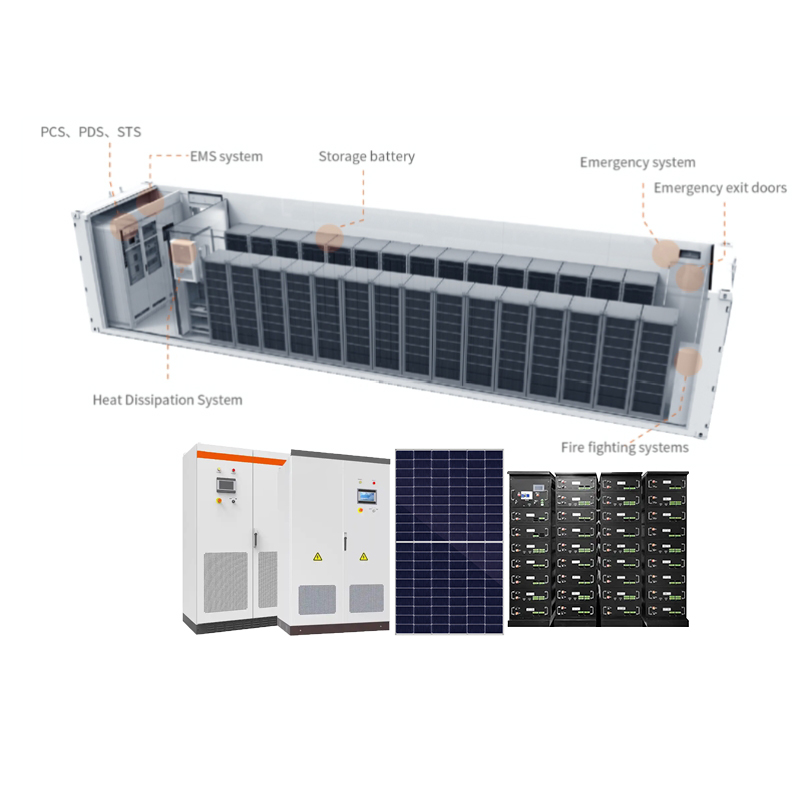
Home, off-grid and container-scale configurations are available for project-specific review, with lead times of 7–30 days and remote technical support.