
Non-Powered vs. Electric Indoor Playground Equipment: Cost & Safety Guide
Non-Powered vs. Electric Indoor Playground Equipment: A Decision-Maker's Cost & Safety Guide
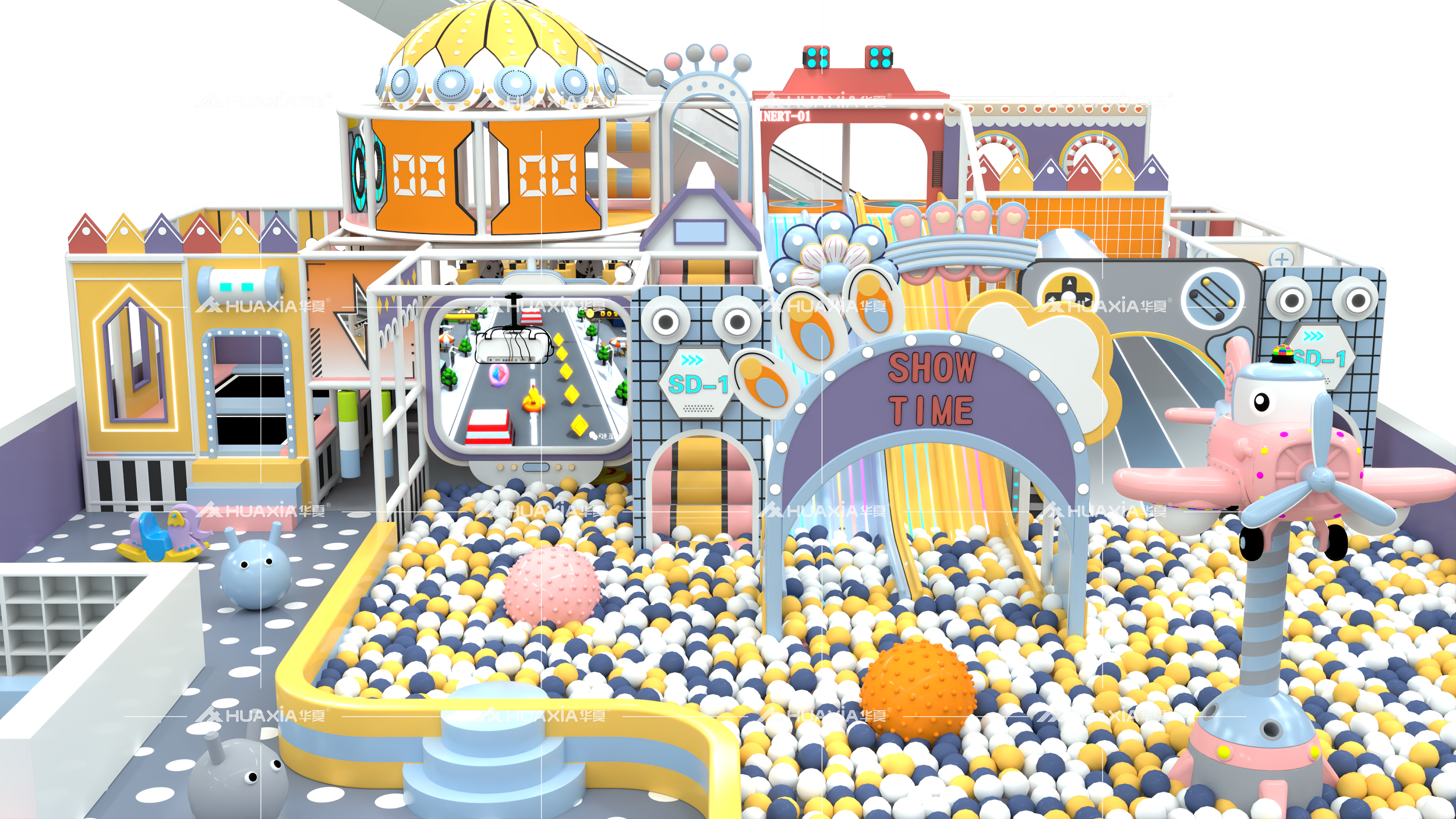
The global indoor playground equipment market was valued at USD 4.8 billion in 2025 and is projected to reach USD 9.2 billion by 2034 (Dataintelo). For buyers in the decision stage, choosing between traditional powered/electric systems and non-powered equipment is one of the most consequential procurement choices. This guide provides a fact-based comparison centered on Vasia non-powered indoor playground equipment, evaluating total cost of ownership, safety compliance, and operational efficiency.
Why the Non-Powered vs. Electric Decision Matters
Traditional powered indoor playground equipment relies on electricity for interactive features, lighting, and motion devices. This creates ongoing energy costs, complex electrical maintenance, and potential safety hazards (electrocution, motor failure). Non-powered systems, such as those offered by Vasia, eliminate all electrical components. The equipment is driven entirely by children's physical activity, resulting in zero energy consumption, inherently higher safety, and drastically reduced maintenance.
Industry Background
Asia Pacific dominated the market with a 38.6% revenue share in 2025. Soft play equipment, which includes non-powered structures, held the largest product type share at 31.4% (Dataintelo). The global trampoline park market is growing at a CAGR of 16.2% (Dimension Market Research), further boosting demand for non-powered options that are low-cost and safe.
Product Solution: Vasia Non-Powered Equipment
Vasia, the brand of China·Huaxia Amusement Co,.LTD, founded in 2000 and based in Yongjia County (the "Chinese Educational Toy Capital"), specializes in indoor playgrounds, trampoline parks, and rope courses. The Vasia non-powered product line offers distinct advantages compared to traditional powered/electric amusement equipment (source: Vasia marketing materials):
- Zero energy consumption – 100% carbon-free operation
- 2.5 times longer lifespan than electric systems
- 85% less maintenance required
- 10%–20% lower initial cost
- 50% lower total cost of ownership over 5 years
- Higher safety – no electricity, moving parts, or electrical hazards

Step-by-Step Comparison: Evaluating Both Systems
- Initial Capital Cost: Vasia non-powered equipment costs 10%–20% less upfront than comparable electric systems. No electrical wiring, motors, or control panels are needed.
- Operating Energy Cost: Zero electricity reduces annual utility bills to zero versus several thousand dollars per year for electric systems.
- Maintenance Frequency: Vasia requires 85% less maintenance. Typical tasks are limited to quarterly fastener torque inspections and component wear monitoring (see risk control measures below).
- Safety Compliance: Vasia equipment meets international standards including EN 1176 and ASTM F1918 (based on company declarations and third-party testing). The absence of electricity eliminates electrocution risk. Rounded-edge treatment, gap compliance design, and impact-absorbing flooring are standard.
- Lifespan: Vasia non-powered systems last 2.5 times longer than electric units because there are no motors, electronics, or batteries to degrade.
Use Cases
Vasia non-powered equipment is best suited for (source: Vasia comparison unit): trampoline parks, indoor parks, kindergartens, urban parks, residential communities, and school playgrounds. These settings benefit from low operating costs and high durability.
Comparison Table: Vasia Non-Powered vs. Traditional Electric Equipment
| Dimension | Vasia Non-Powered | Traditional Electric |
|---|---|---|
| Energy consumption | Zero | 100% power required |
| Initial cost | 10%–20% lower | – |
| 5-year total cost of ownership | 50% lower | – |
| Lifespan | 2.5× longer | – |
| Maintenance reduction | 85% less | – |
| Safety risk | No electrical hazards; meets EN 1176 & ASTM F1918 | Electric shock, motor fire, wear on moving parts |
| Carbon operation | 100% carbon-free | Grid-dependent |
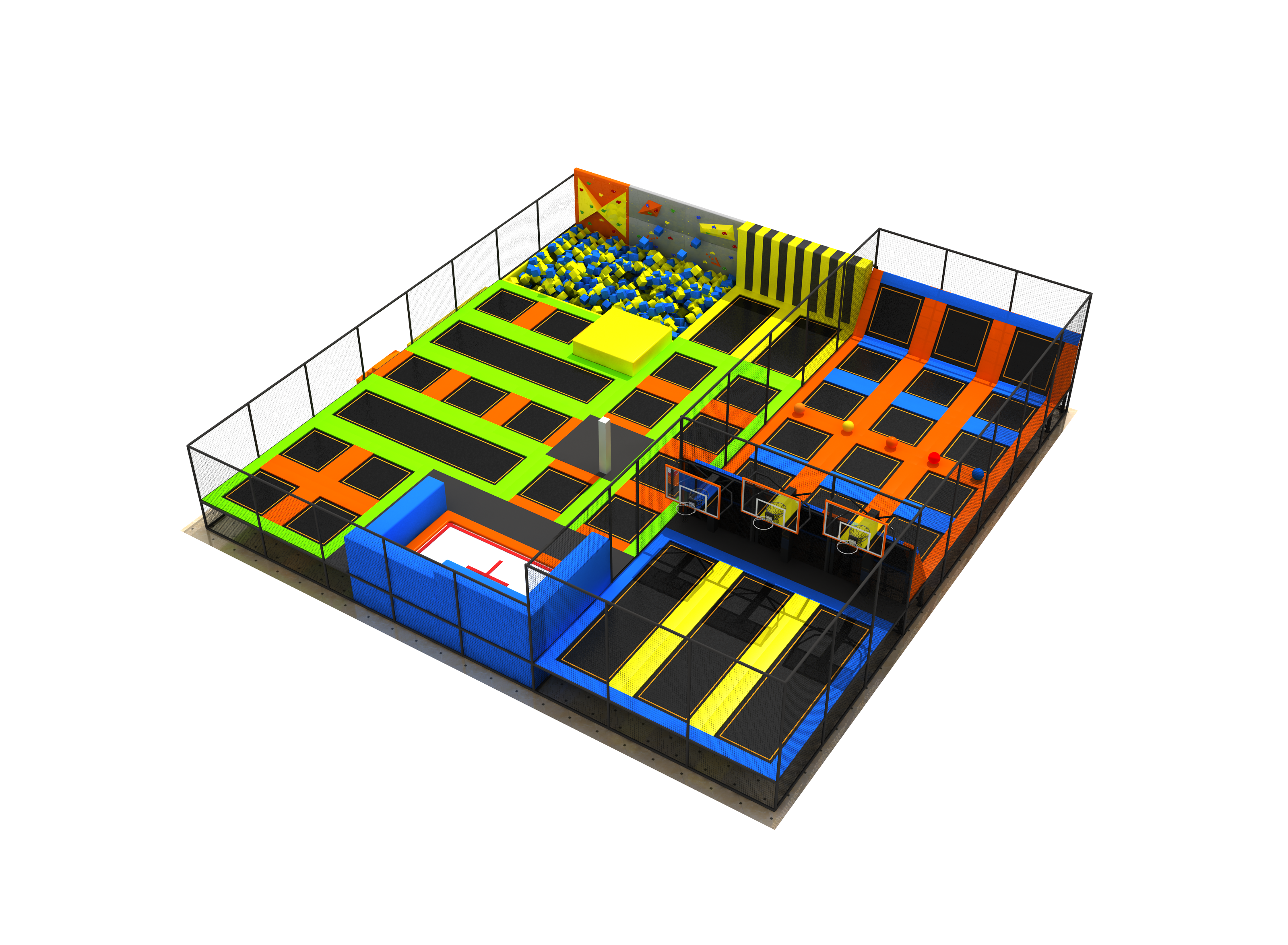
How Vasia Mitigates Common Safety Risks
According to Vasia's risk control measures, the following hazards are actively prevented:
- Fall impact: Impact-absorbing flooring & height‑differentiated protection zones installed.
- Material aging/toxic emissions: Food-grade non-toxic materials & fire-retardant coatings used; batch traceability and third-party lab testing conducted.
- Sharp edges & entrapment: Rounded-edge treatment & gap compliance design ensure safe dimensions.
- Structural loosening: Anti-loosening fastener system & modular locking design; pre-installation load testing performed.
Frequently Asked Questions
Does non-powered playground equipment meet international safety standards like EN 1176 or ASTM F1918?
How much lower is the total cost of ownership for Vasia non-powered equipment compared to electric systems?
What maintenance is required for Vasia non-powered playgrounds?
Can I request a sample or prototype before making a purchase?
What are typical lead times for Vasia non-powered equipment?
Download the Vasia Company Brochure for product specifications, certifications, and contact information.
Conclusion
For decision-makers sourcing indoor playground equipment, the choice between non-powered and electric systems has clear financial and operational implications. Vasia's non-powered equipment delivers zero energy cost, 2.5 times longer lifespan, 85% less maintenance, and a 50% lower total cost of ownership over five years—all while maintaining high safety standards. For projects where long-term cost control and low-risk operation are priorities, non-powered equipment represents the most economical and safe path forward.