
When Acceptance Criteria Are Missing: A Handover Scenario for Indoor Playground Equipment Buyers
A close-out procedure for FEC buyers who reach installation handover without written acceptance terms.
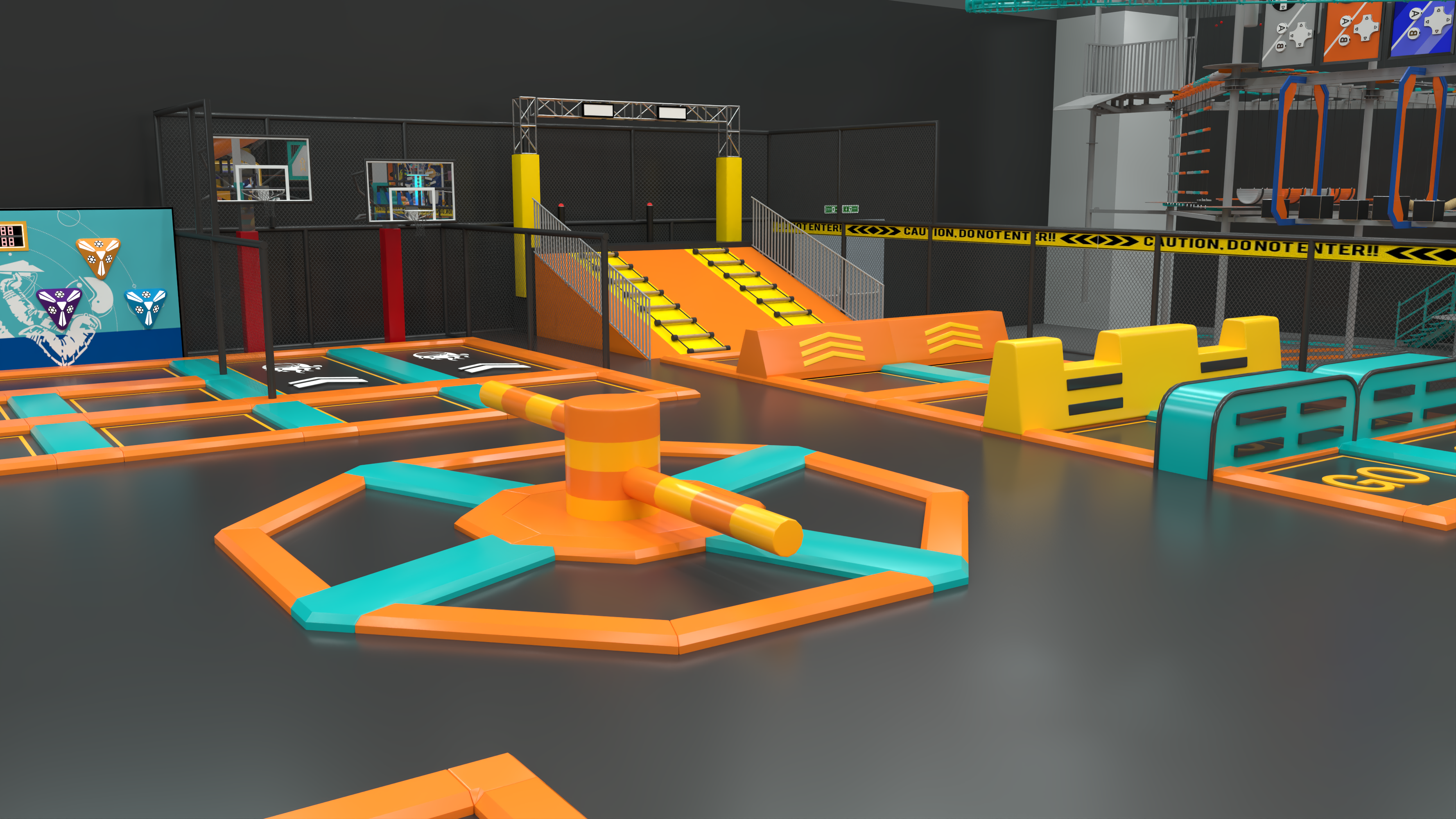
The handover meeting is where an indoor playground project stops being a drawing package and becomes an operating asset. When the purchase order, the technical annex or the email trail never defined acceptance criteria, that meeting has no objective reference point. The buyer is asked to sign, the supplier treats delivery as complete, and the only remaining measurement is opinion.
This scenario addresses that specific moment. It is not a general category guide and it is not a product showcase. It is a procedure for a buyer who is either approaching close-out on a live project or drafting closing terms now, and who needs to convert equipment evidence into written acceptance lines before the final payment is released and before the first paying visitor arrives.
The short answer: missing criteria are rebuilt from the equipment's own documented specifications, one zone at a time. Each line names the object, the attribute and its unit, the verification method, and the disposition if the line fails. Vasia, the brand of Huaxia Amusement Co., Ltd. — a manufacturer established in 2000 in Qiaoxia Town, Zhejiang Province, China, producing indoor playground equipment and trampoline parks — supplies component-level specifications that show what this conversion looks like in practice. The buyer's job is to move those values into contract language instead of leaving them in a brochure.
What Acceptance Actually Decides
Acceptance is the buyer's formal acknowledgement that the delivered and installed equipment conforms to the agreed scope. In most projects it does three things at once: it releases the final payment, it starts the warranty period, and it closes the supplier's obligation to correct defects at its own cost. Remove the criteria and all three become negotiable.
Three failure patterns appear repeatedly when no criteria were written.
Acceptance by default. If the contract is silent, silence becomes the acceptance mechanism. The installation sits on site, nobody objects within whatever period the supplier considers reasonable, and the project is treated as complete. The buyer has not agreed to anything, but has also not preserved a documented objection.
Cosmetic versus functional dispute. Without agreed tolerances, a scratched panel and a missing padding section are argued at the same level. Neither side has a written standard to point at, so the discussion moves to relationship and leverage rather than to the equipment.
Document scope mismatch. A certificate is produced at handover and it is genuine, but it covers a product family, a market or a model that is not the one installed. Nothing in the file connects the document to the delivered unit.
One distinction prevents most of this confusion. Conformity documents describe a product type. Handover verification describes the unit standing in front of you. A component test report does not confirm that the delivered installation matches the approved drawing, that every frame connection is fastened as specified, or that padding runs continuously through the junction between two zones. Both layers belong in the acceptance file, and they answer different questions.
Why Indoor Playground Projects Reach Handover Without Criteria
The gap is structural rather than careless, and it comes from four characteristics of this category.
Projects are assembled from several product families. A single FEC build can combine a soft-play structure, a trampoline field, a rope course, a climbing wall and themed circulation areas. A 180 mm trampoline spring and a themed soft-play tower cannot share one acceptance sentence, yet contracts often contain exactly one.
Customization is the norm, so the reference object must be frozen. Documented customization scope for this equipment covers indoor and outdoor play equipment, color, voltage and logo, and design is adapted to available space, target users, theme concept and operating requirements. When the product is configured per project, “as designed” only means something if a dated, versioned design baseline is attached to the contract.
Evidence in this category is asymmetric. Suppliers publish claims; buyers have to hold them. A category evidence review found manufacturer certification lists without certificate numbers, issuer records, validity dates or tested model scope, and concluded that a certification claim cannot be treated as verified conformity without those elements. The same review found commercial market-size estimates for playground equipment using incompatible scopes — freestanding equipment, total playground equipment and commercial playground equipment — and explicitly declined to combine or average them. Buyers who absorb a headline number without its scope inherit the same problem in their acceptance file.
Demand context raises project volume, not documentation quality. Commercial research published by Business Research Insights estimates the global family entertainment center market at USD 34.4 billion in 2025, forecast to reach USD 93.5 billion by 2035 at a CAGR of 10.5%. That estimate covers FEC services and equipment together. It is context for how many projects are being closed, not a price benchmark, not an indoor-equipment market size, and not an instruction on what to inspect.
The Mechanism: Four Parts of a Usable Acceptance Line
A criterion is usable when a third party could apply it without asking a follow-up question. That requires four parts.
- Object. The zone and, where relevant, the model — for example the trampoline field built on model VS6-190301-1980A-13-29, not “the trampolines”.
- Attribute, value and unit. “Q235 galvanized rectangular steel tube, 80 × 80 × 2.0 mm” rather than “heavy-duty frame”.
- Verification method. Document review, dimensional measurement, material inspection, functional test, visual continuity check, or a combination.
- Disposition. What happens if the line fails — correction before sign-off, conditional acceptance with an amount retained, or rejection of that zone.
Each zone should carry at least one document line and at least one physical line. A file containing only certificates proves paperwork; a walkthrough recording only visual impressions proves attendance.
From specification to line: worked examples
Soft-play structures. Across the OEM Indoor Playground (VS1-250519-2250-3-60), Indoor Playground (VS1-230518-4-60), Kids Play Structure (VS1-250414-780-D1-77) and family entertainment center equipment (VS1-25011002-230-2-49) specifications, the documented values are consistent: galvanized steel upright posts of φ48 × 2 mm; cast steel 48# couplers tested to GB/T 228.1-2021; a polyethylene safety net with 30 × 30 mm mesh tested to GB 6675.4-2014; polyamide nylon ties and buckles; and PVC protective sleeves with an EPE pearl cotton lining. On the wider Indoor Playground Equipment specification (VS1-250503), the main frame is φ48 mm galvanized pipe at 2.0 mm wall thickness with 15 mm outer-diameter anti-collision sleeves, while expanded structures use φ140 mm pipe at 4.0 mm. Platforms are listed as 800 × 800 mm cold-rolled steel plate or perforated plate at 91 × 91 cm and 116 × 116 cm; the steep slide is 2 m wide on a 4 × 4 cm and 4 × 8 cm square-tube frame; soft-play build-up is 1.8 cm multilayer board plus 2 cm EPE foam plus 0.45 mm PVC leather; fasteners are stainless steel with protective plastic caps or anti-loosening washers. The specification also notes age coverage of 3–15 years for main structures and 2–8 years for some soft-play elements.
Trampoline systems. The trampoline park equipment (VS6-190301-1980A-13-29) and Indoor Trampoline Park (VS6-180326-400a-2-40) specifications list screw-fastened frame connections; Q235 galvanized rectangular uprights of 80 × 80 × 2.0 mm; a connecting frame of 50 × 80 × 2.5 mm; a reinforcement linkage of 40 × 40 × 1.5 mm; a PP jumping mat at 500D × 500D tested to GB 6675.4-2014; a mat build-up of 70 mm high-density EPE pearl cotton with PVC-coated mesh fabric at 0.52 mm and 1300 × 1300D, compliant with EN 71-2:2020 clauses 4.1 and 4.4; and 180 mm springs in 82B carbon steel wire, tested to GB/T 20125-2006 and GB/T 20123-2006. The wider equipment specification adds load figures for the standard mat: 1800 × 1800 mm at 600 kg static and 130 kg dynamic load, alongside a professional mat of 2130 × 4260 mm using stronger nylon webbing.
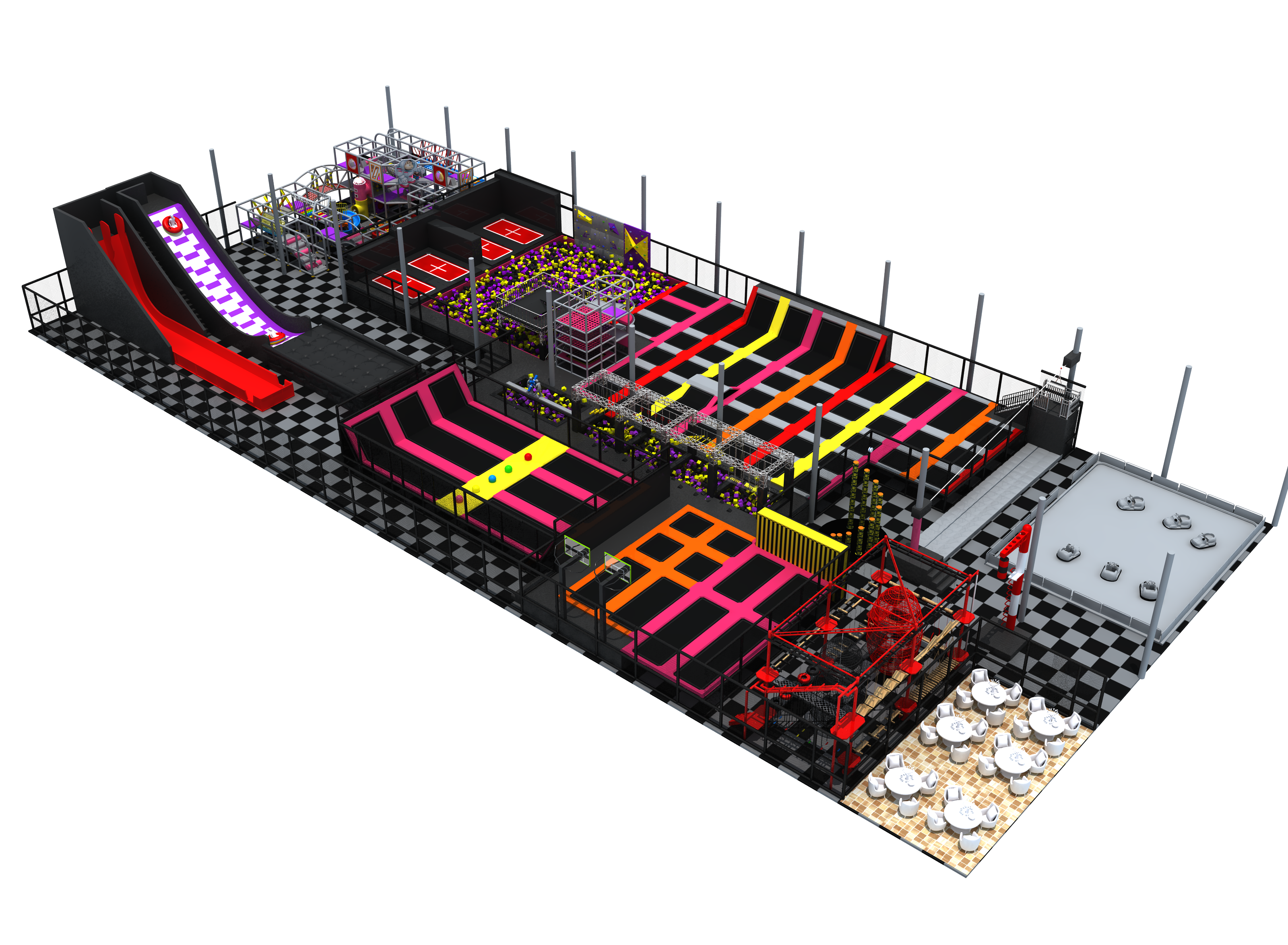
Rope course and climbing wall. The Indoor rope course Equipment specification (VS1-250522-1900B-30) lists Q235 galvanized rectangular tube frames at 50 × 80 × 3.0 mm, 40 × 80 × 2.0 mm and 40 × 40 × 2.0 mm tested to GB/T 228.1-2021; a 15 mm plywood surface meeting the E0 requirements of GB/T 5849-2006; 2.0 mm printed PVC flooring; climbing holds; an electronic timer; and a safety mat built from 28 kg/m³ foam at 10 mm, 140 mm EPE pearl cotton and printed PVC-coated mesh at 0.52 mm and 1300 × 1300D to the same EN 71-2:2020 clauses. The Climbing Wall for Playground (VS-2659) uses a 40 × 40 × 1.5 mm Q235 galvanized frame with 15 mm plywood and 10 mm high-density EPE padding under the same standard references.
Materials and coatings. Company documentation states that materials are selected from eco-friendly, non-toxic sources with RoHS-compliant coatings and fire-retardant properties, and that FSC-certified timber is used wherever possible. Those statements are the raw material for a materials line, not a substitute for one.
Step-by-Step: Assembling the Acceptance Set Before Close-Out
- Freeze the design baseline. Attach the approved layout, elevation views, theme and color schedule and logo placement to the contract with a version number and a date. Vasia's documented project workflow can include CAD layout, 3D design, production, packing, shipping and installation, and the company uses 3D modelling and VR preview so a client can review a project before production. Those files work as an acceptance baseline only if they are the versions referenced at handover.
- Split the site into zones by product family, not by floor area. Soft play, trampoline field, rope course, climbing wall, toddler area and circulation. The documented application profile for this equipment covers indoor and outdoor use, high-traffic areas, shopping malls, kindergartens and amusement parks, and lists matched equipment including safety matting, protective padding, ball pit balls, slide components, climbing ropes, springs and pads, interactive panels, anti-collision foam and non-slip flooring — a ready-made zone checklist.
- Choose attributes that affect safety and operation. Load-bearing steel sections, mat and spring specification, netting mesh size, padding thickness and continuity, fall-surface coverage, fastener protection, entrapment points, and the function of timed or electronic elements.
- Write each line with a value, a tolerance and a method. “Connecting frame 50 × 80 × 2.5 mm, measured with a caliper at three points per span and photographed in the acceptance file” is a line. “Strong frame” is not.
- Build the document pack and check its scope. Request certificates with issuer, number, validity and covered models, plus the underlying test reports. Company documentation for Vasia lists CE, UKCA, CPSIA and SASO certifications, testing by SGS and TÜV, an ISO 9001 quality management system, and adherence to ASTM and EN 1176 safety frameworks. The acceptance question is narrower than that list: which document names the model being handed over, and what exactly did the test cover?
- Agree the acceptance mechanics before the final payment. Inspection window, punch-list format, correction deadline, re-inspection step, and the consequence of a line that cannot be verified at all. Decide in advance whether a failed line holds back one zone or the whole balance.
- Convert capability claims into schedule risk items. The 30,000 m² production facility, the 30-person R&D team, a workforce of more than 200, 192-plus patents and copyrights, and completed projects in more than 100 countries are company-reported. A factory audit or third-party pre-shipment inspection is what turns them into something a schedule can rely on, particularly when an opening date depends on them.
- Sequence acceptance between production and opening. Documented production lead time is 15–45 days with a minimum order of one unit, and installation can be supported by guidance or an on-site assembly team. The acceptance window has to sit after installation and before the buyer's opening deadline, or it will be compressed into a signature.
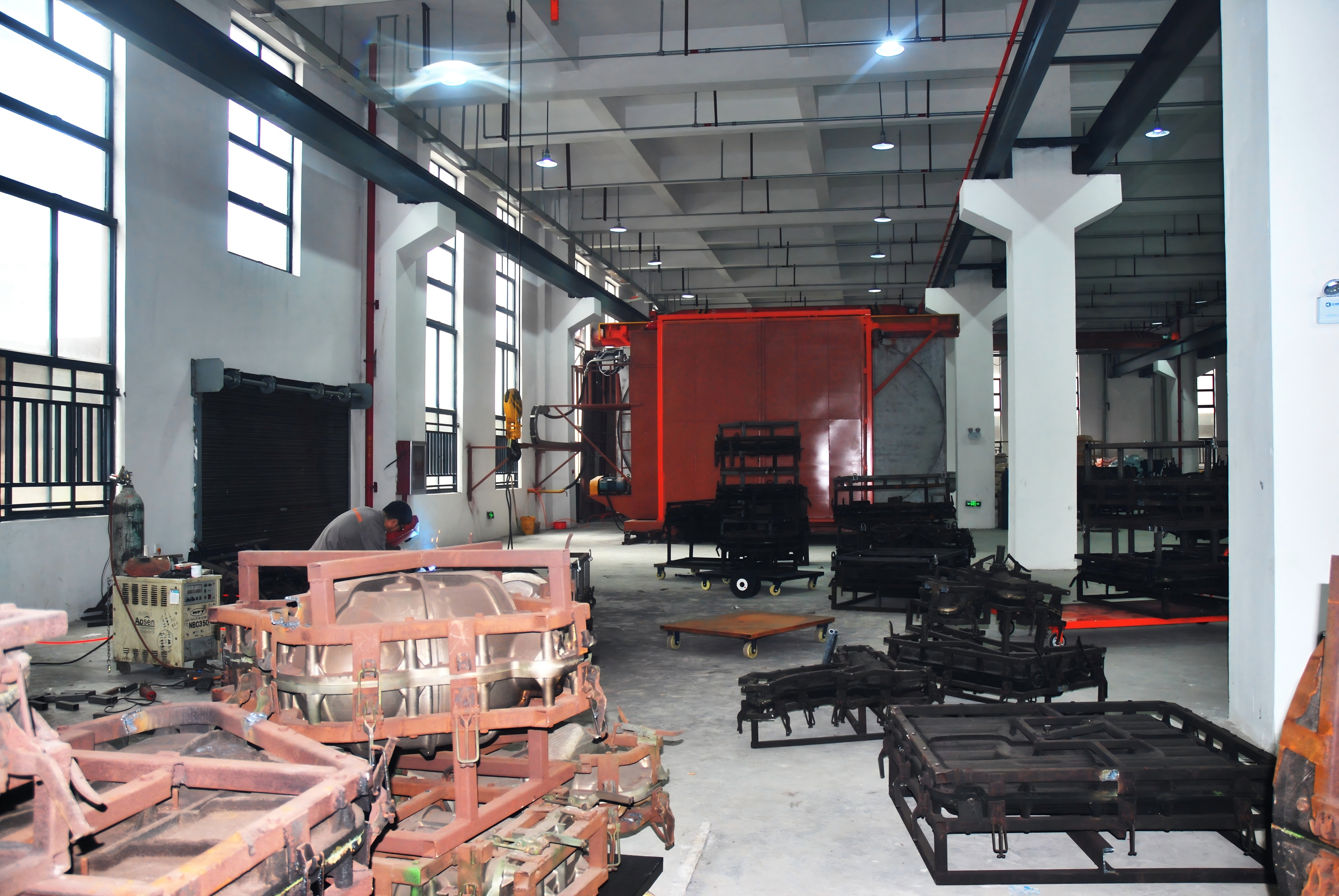
Three Handover Scenarios and What Changes in Each
Scenario A — a trampoline-led FEC. Acceptance concentrates on the elements that vanish behind the installation: 180 mm springs in 82B wire, the PP 500D × 500D jumping mat, 70 mm EPE mat build-up, the 0.52 mm PVC-coated mesh to EN 71-2:2020 clauses 4.1 and 4.4, and the 80 × 80 × 2.0 mm upright sections. Where the standard mat applies, the documented 600 kg static and 130 kg dynamic load figures give the document line something specific to check. Fail here and substitution is invisible after opening; the buyer discovers it as performance complaints rather than as a defect.
Scenario B — an OEM soft-play build for a mall or kindergarten. Acceptance focuses on the parts a family touches: the 30 × 30 mm polyethylene net tested to GB 6675.4-2014, the PVC sleeve and EPE lining, the 1.8 cm board plus 2 cm foam plus 0.45 mm PVC leather platform build-up, and capped stainless fasteners. The customization scope delivered — color, logo, theme — needs its own line, because design drift between the approved render and the installed unit is the most common soft-play dispute.
Scenario C — a rope course or climbing wall added to an existing venue. Acceptance covers frame sections at 50 × 80 × 3.0 mm and 40 × 40 × 1.5 mm, 15 mm plywood to E0 requirements, the 28 kg/m³ foam and 140 mm EPE safety mat, hold attachment, and the electronic timer function. These are small areas with high traffic, so continuity of the mat across the full footprint matters more than the entry section.
Scenario D — a multi-zone FEC under one contract. Here the acceptance set must be structured per zone on a single sign-off sheet. Otherwise the weakest zone's paperwork sets the standard for the rest, and a complete trampoline field is signed off on the evidence that satisfied a toddler corner.
Durability is why the file is worth building. A documented 3,000 m² installation in Spain is recorded as operating for five years with stable operation and stable income, with long lifespan and low maintenance as its highlights. That record says nothing about how it was accepted — which is precisely the point. When a question arises in year four, the acceptance file is the only evidence that still exists.
Acceptance Criteria Comparison Table
The table maps typical acceptance lines to a verification method and to documented values from the specifications referenced above. It is a starting structure, not a universal standard — the destination market's own requirements still govern what must be met.
| Acceptance line | Verification method | Documented value |
|---|---|---|
| Structural steel sections | Caliper measurement per span, photo record | Uprights 80 × 80 × 2.0 mm, connecting frame 50 × 80 × 2.5 mm; rope course 50 × 80 × 3.0 mm |
| Main frame and anti-collision sleeve | Dimensional check at frame and sleeve | φ48 × 2.0 mm pipe with 15 mm sleeve; φ140 × 4.0 mm on expanded structures |
| Protective netting | Mesh measurement, tension and fixing check | PE safety net, 30 × 30 mm mesh, tested to GB 6675.4-2014 |
| Padding build-up | Layer thickness at three points and at joints | 1.8 cm board + 2 cm EPE + 0.45 mm PVC leather; 140 mm EPE safety mat on rope course |
| Coated fabric flammability | Test report clause review | EN 71-2:2020 clauses 4.1 and 4.4; 0.52 mm, 1300 × 1300D fabric |
| Trampoline mat and springs | Document review plus physical inspection | PP 500D × 500D mat, 70 mm EPE, 180 mm 82B springs |
| Load basis for trampoline mats | Document review against installed mat size | Standard mat 1800 × 1800 mm, 600 kg static / 130 kg dynamic |
| Fasteners | Material check and child-contact inspection | Stainless steel with protective caps or anti-loosening washers |
| Certification and quality system | Document review with model-scope check | CE, UKCA, CPSIA, SASO; ISO 9001; testing by SGS and TÜV |
Boundaries: What These Criteria Do Not Prove
A certificate is not an acceptance test. It evidences conformity for a scope that must be read. Where the scope, issuer or validity cannot be established, the document belongs in the file as an open item, not as a passed line.
Visual inspection is not dimensional verification. Tube wall thickness, mesh size and foam thickness cannot be judged by eye, and the installed assembly often hides them.
Factory size does not equal delivery performance. A 30,000 m² facility is a claim about floor area. Whether it translates into your delivery date depends on audit or inspection evidence that no specification sheet can supply.
One zone's criteria will not cover another. A trampoline load figure has no meaning on a climbing wall, and a rope-course mat thickness has no meaning on a soft-play platform.
Acceptance does not guarantee a defect-free installation. It creates a documented basis for remedy before the balance is released and the warranty clock starts. It also does not replace the statutory market-access requirements of the destination country, which should be confirmed with the relevant authority or testing body rather than with a supplier's brochure.
FAQ
Which documents turn a certificate claim into a verifiable acceptance item?
A certificate claim becomes verifiable when the document carries the issuer, the certificate number, the validity period and the specific models or product families covered, together with the test report behind it. Company documentation for Vasia lists CE, UKCA, CPSIA and SASO certifications, an ISO 9001 quality management system, testing by SGS and TÜV, and reference to ASTM and EN 1176 safety frameworks. At handover, ask which of those documents names the model in your contract and keep a copy in the acceptance file. The component test references in the product specifications — GB 6675.4-2014 for netting, mats and padding, GB/T 228.1-2021 for couplers and frames, GB/T 5849-2006 for plywood and EN 71-2:2020 clauses 4.1 and 4.4 for coated fabric — give a second layer to check the certificates against.
If the factory cannot be audited before closing, what still counts as evidence?
Three things: documents that can be checked later, a named person accountable for each claim, and a contractual remedy if a claim proves false. Capability statements such as the 30,000 m² production facility, the 30-person R&D team, a workforce of more than 200, 192-plus patents and copyrights, membership of IAAPA and RAAPA, and completed projects in more than 100 countries are company-reported and should be treated as claims to verify rather than facts to rely on. Practical substitutes are a third-party factory inspection, a reference call to a comparable project, and a pre-shipment inspection that tests the actual production batch rather than a sample held for show.
What does it cost to add acceptance criteria late in a project?
Late criteria rarely add product cost; they add process cost — inspection time, re-inspection, delay between installation and opening, and negotiation over the final balance. No public dataset prices this for indoor playground projects, so any specific percentage should be treated as unsupported. The controllable part is sequencing: documented production lead time for this equipment is 15–45 days with a one-unit minimum order, so an acceptance window written into the closing schedule costs less than an inspection improvised after the installation crew has left site.
Can a sample or pre-shipment inspection replace a site acceptance test?
No, because they answer different questions. Pre-shipment inspection and quality-control checks — Vasia states that testing is carried out by colleagues in its quality inspection department — examine materials and workmanship at the factory, before packing. Site acceptance examines the installed assembly: frame connections, anchoring, padding continuity, netting tension, fall-surface coverage and the function of timed or electronic elements. A sample can confirm a material or a coating; it cannot confirm that the delivered zone matches the approved drawing.
How much time should be reserved for acceptance at handover?
Enough to inspect every zone against the checklist, to log defects in writing, and to allow one re-inspection before the balance is released. The contract, not the supplier's default, should set that window: the documented figures available here cover production at 15–45 days, not acceptance. A workable sequence is installation complete, joint walkthrough with the zone checklist, written punch list with a correction deadline, re-inspection, then sign-off, warranty start and final payment. If you are still drafting that sequence, the Vasia team can share the specification sheets behind the lines described in this article, and a sample request or quotation request is a reasonable way to test how quickly those documents are actually produced.
Conclusion
Missing acceptance criteria are not solved by a stronger contract clause written after the fact. They are solved by converting what is already documented about the equipment into per-zone lines that a third party could apply: steel sections with units, netting with a mesh size, padding with a measured build-up, mats and springs with named test standards, and certificates whose scope has been checked against the model on site.
For an FEC buyer at close-out, that conversion does three practical things. It turns a subjective walkthrough into a decision with a record. It separates what a supplier has published from what has been delivered. And it leaves a file that still means something in year four, when the installation is long past the point where anyone remembers the handover conversation.
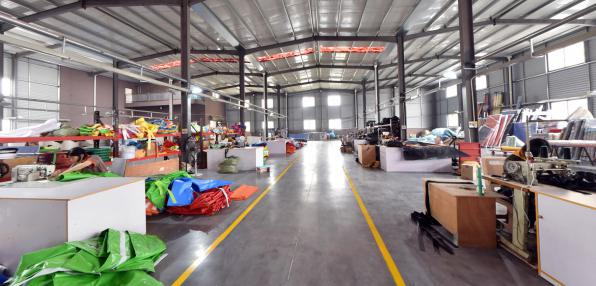
For buyers who want the underlying product values before drafting a checklist, the company brochure can be downloaded here: Vasia company brochure (PDF). Additional product and project information is available on the Vasia website.
Have Questions or Need More Details?
Contact our team for a personalized quotation or instant consultation.
Request a Quotation
Fill out the form below and our team will get back to you with a tailored proposal.
WhatsApp Direct Chat
Prefer to chat in real-time? Message us on WhatsApp for instant assistance & quick answers.
- Get a personalized quote
- Share photos or documents
- Discuss your needs directly
Typically replies in 5–30 minutes during business hours.