
Hot Tub vs. Concrete Pool: Comparing Installation Time, Reliability, and Total Cost
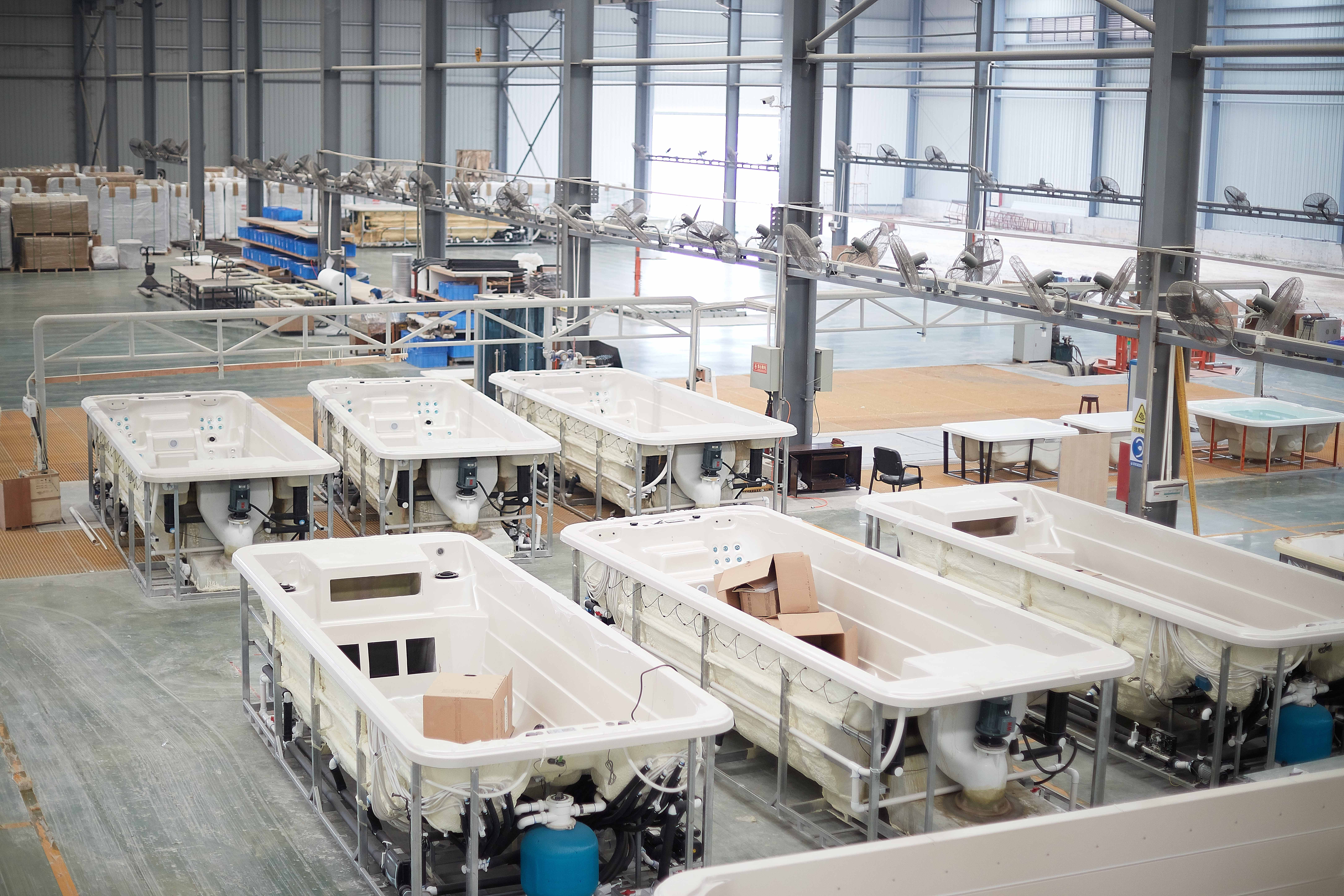
When you plan a luxury villa, hotel, or resort, the choice between a traditional concrete swimming pool and an acrylic hot tub is a major project decision. It affects installation time, site coordination, reliability, maintenance, and the total budget. For buyers at the decision stage, the question is not only which product looks more attractive, but which system creates fewer project risks. This article compares the two approaches with verifiable facts and gives a decision framework for buyers, developers, and procurement teams.
The Core Decision Problem for Project Buyers
At the final decision stage, buyers need to compare systems, not just features. A concrete pool is usually built on site. It requires excavation, reinforcement, waterproofing, tiling, plumbing, and separate equipment. Each step adds coordination risk, weather dependency, and cost uncertainty. A factory-built hot tub, in contrast, is manufactured, tested, and delivered as a more complete system. As a result, the project moves from complex construction to system installation. This is the core decision problem for buyers: how much on-site risk are you willing to accept, and how much time do you have?
Why the Comparison Matters: Industry Context
Acrylic hot tubs have become a significant category in the wellness equipment market. According to market research, the global hot tub market was valued at approximately USD 5.76 billion to USD 5.8 billion in 2025, and North America held the largest revenue share at around 38.5% to 41.79%. The same research indicates that acrylic hot tubs accounted for 43.2% of the product-type segment in 2025 because of their durability and aesthetic appeal. In the commercial segment, vacation rentals and luxury hotels are driving growth, with a projected CAGR of 5.91%. These numbers help explain why project buyers are increasingly comparing acrylic hot tubs with concrete pools instead of treating concrete as the only option.
Acrylic Hot Tub vs. Concrete Pool: The Evidence-Based Comparison
All-in-One Integrated Design
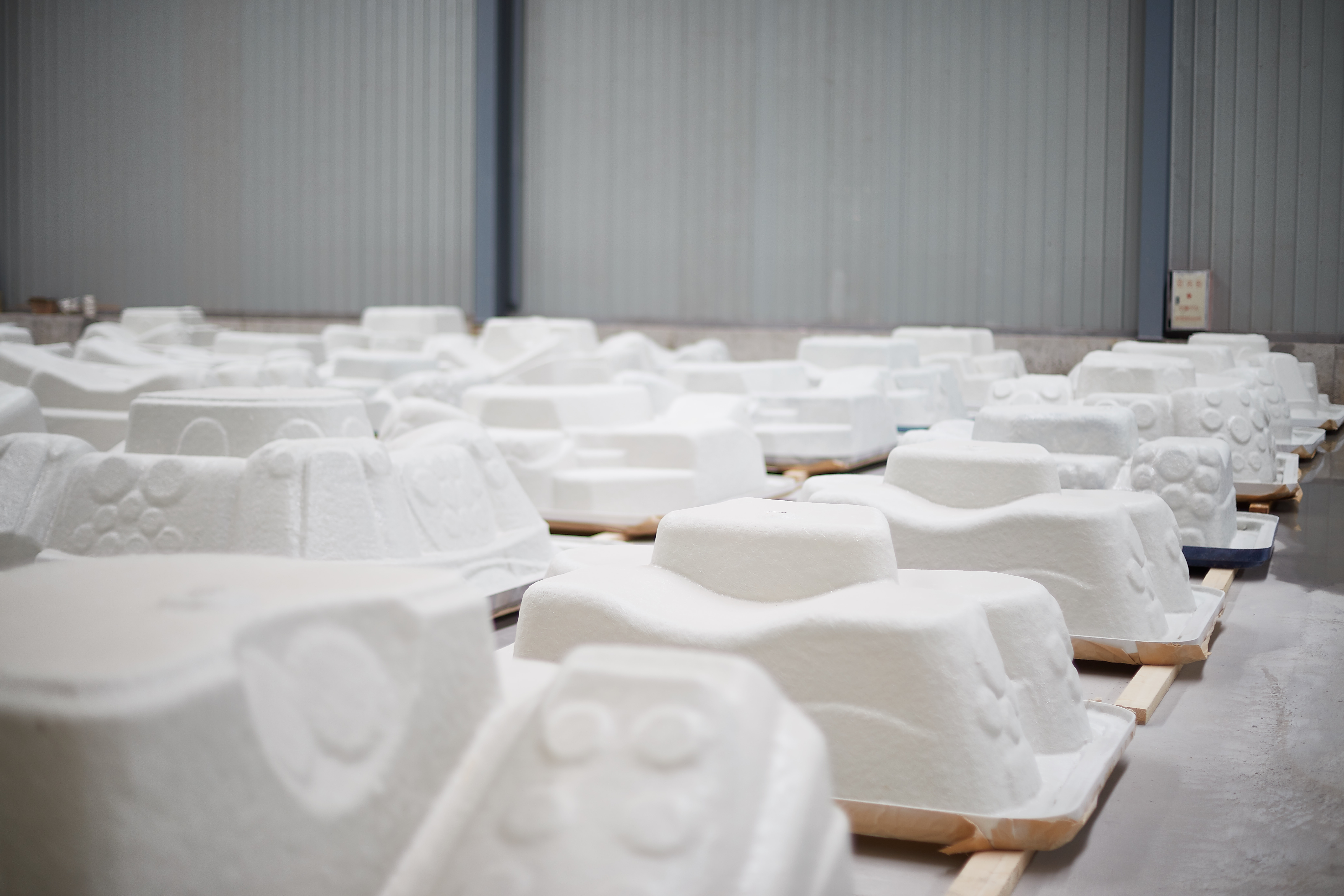
The core difference from traditional concrete pools is the all-in-one integrated design with a factory-built, pre-tested system. The shell, plumbing, filtration, heating, and controls are assembled and tested in the factory. On-site work is limited to placement, connection, and commissioning. This structure reduces the number of separate trades and lowers the chance of installation errors.
Installation Time
One of the strongest arguments for the integrated system is speed. According to company comparison data, the product provides an installation time reduction of up to 60% compared to traditional pool installations. This number comes from the factory-built and pre-tested system that minimizes on-site construction errors. For a hotel or resort, faster installation means less downtime and earlier revenue.
Reliability
Reliability is higher because the system is factory-built and pre-tested. A traditional concrete pool depends heavily on local workmanship; errors in waterproofing or plumbing can be difficult to repair. A factory-built hot tub is tested before shipment. Victoria Star Spa states that its production includes 100% water testing before shipment, electrical safety inspection, and quality control throughout production. These measures give buyers a clearer quality baseline.
Maintenance
An integrated system also simplifies maintenance. Compared with a concrete pool, the hot tub system uses integrated filtration and water circulation, simplified daily maintenance, and easier access to service components. For commercial operators, this can reduce the workload for maintenance staff and reduce the number of separate systems that need attention.
Cost Considerations
The cost comparison is not just about the product price. The verified comparison data notes lower installation cost compared with traditional concrete pool projects and reduced civil construction requirements. However, the actual difference depends on project conditions, labor rates, and site complexity. Buyers should calculate the total project cost, including site preparation, installation, finishing, and maintenance.
Customization Options
Factory-built does not mean rigid. Victoria Star Spa's integrated acrylic swim spa line is available in a wide range of sizes and configurations, with custom lengths of up to 16 meters and widths of up to 3.8 meters. This supports villa, hotel, and resort projects that need to match specific spatial requirements.
Risk Control and Manufacturing Safeguards
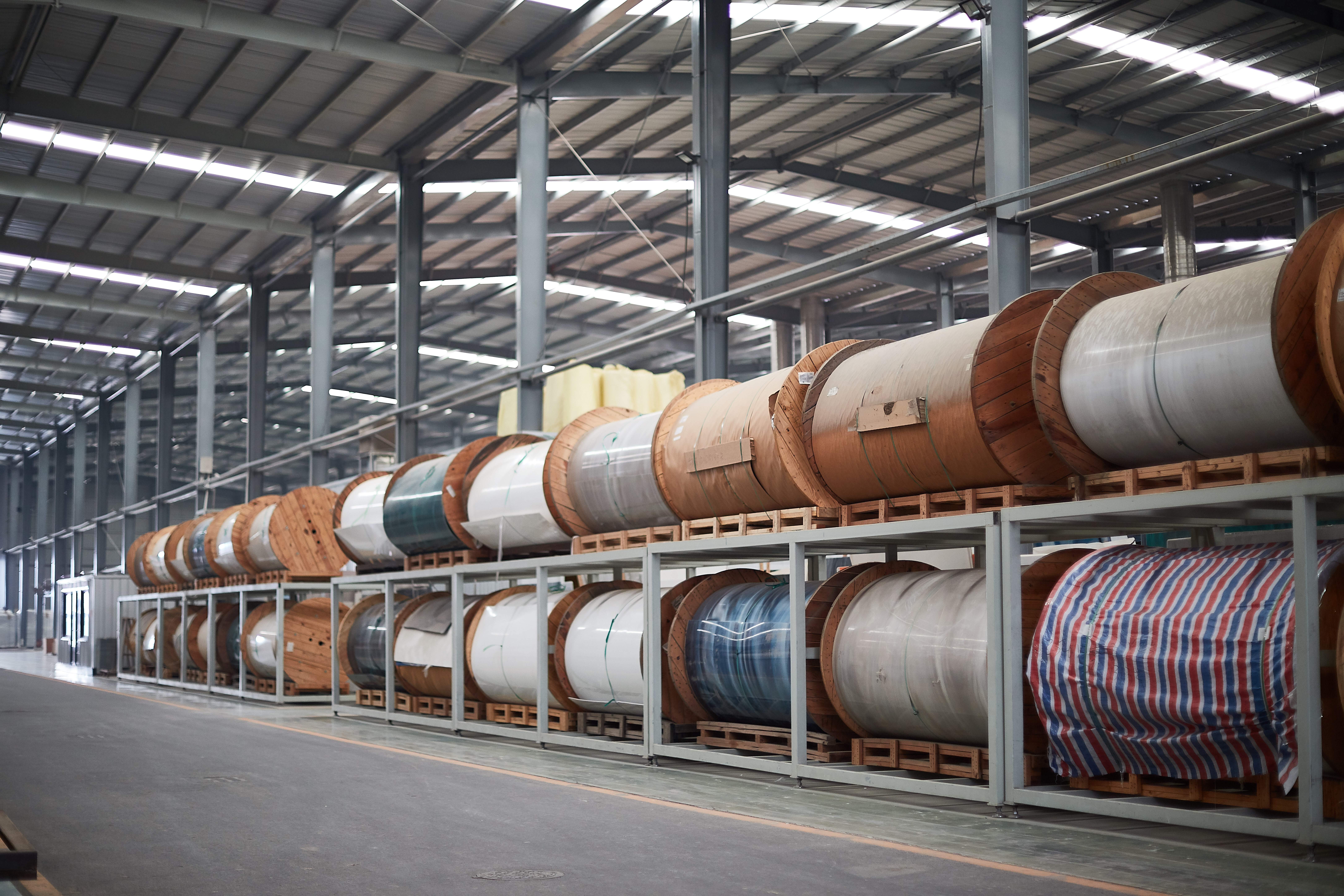
Project buyers also need to understand how a manufacturer manages the risks that are common to water systems. These risks include water leakage, electrical system failure, water quality issues, overheating, freeze damage, and component wear. The comparison and risk data from Victoria Star Spa lists several control methods: a multi-layer waterproof structure, an integrated electrical protection system, a smart temperature control system, automatic water filtration and circulation, a freeze protection system, and high-quality certified components. On the manufacturing side, the company reports 100% water testing before shipment, electrical safety inspection, quality control throughout production, and the use of international-standard components. These safeguards are intended to reduce the probability of problems after installation.
Step-by-Step Decision Process for Buyers
Use the following steps to compare options in a structured way.
- Define the project type and usage pattern. A private villa, a hotel, and a resort have different usage intensity, maintenance capacity, and installation deadlines.
- Evaluate the installation site. Access, space, ground conditions, and whether the unit will be indoors, outdoors, or semi-inground influence the comparison.
- Compare installation time and project risk. Estimate how long a concrete pool would take and what risks could delay it. A factory-built hot tub reduces on-site work.
- Review maintenance and service requirements. Consider who will operate the system and what level of daily maintenance is acceptable.
- Check certifications and compliance. In North America, relevant standards include UL 1563 and CAN/CSA-C22.2 No. 218.1. For spa materials and equipment, NSF/ANSI/CAN 50 is a benchmark. For export markets, CE, SAA, and ETL are common certifications. Victoria Star states that its products comply with CE, SAA, and ETL.
- Estimate the total cost of ownership, not only the purchase price. Include site work, installation, energy use, water treatment, maintenance, and expected system life.
- Verify the manufacturer's production and testing process. Understand whether the supplier has a controlled factory environment and quality checks.
- Request project-specific information. Use technical drawings, specifications, and lead-time estimates before making a final decision.
Use Cases: Where a Factory-Built Hot Tub Makes Sense
The comparison data indicates that the integrated acrylic hot tub system is best suited for a specific set of projects:
- Luxury villas: owners get a faster installation, an integrated design, and a lower requirement for on-site construction.
- Star-rated hotels: factory quality and shorter installation minimize disruption to hotel operations.
- Spa and wellness resorts: the system supports hydrotherapy and wellness programming, with simpler maintenance for continuous use.
- High-end residential developments: developers can install uniform units with predictable quality and scheduling.
- Commercial wellness centers: integrated service access and robust construction support daily operation.
These use cases do not mean concrete pools have no place. Concrete remains the right choice for large custom pools, certain architectural requirements, or projects where a permanent pool structure is required.
Comparison Table: Integrated Acrylic Hot Tub vs. Traditional Concrete Pool
| Comparison Point | Integrated Acrylic Hot Tub | Traditional Concrete Pool |
|---|---|---|
| Installation time | Up to 60% reduction vs. traditional pool installation | Longer, dependent on on-site construction schedule |
| Construction work | Pre-fabricated and pre-tested; reduced on-site work | Significant civil works; waterproofing, tiling, plumbing |
| Reliability | Higher reliability from factory-built and tested system | Reliability depends on site workmanship and quality control |
| Maintenance | Integrated filtration and water circulation; easy access to service components | More separate systems; surface and water treatment require more coordination |
| Customization | Custom lengths up to 16 m; widths up to 3.8 m | Technically flexible but costly and time-consuming |
| Cost | Potentially lower installation cost depending on project conditions | Typically higher civil construction cost |
| Best for | Luxury villas, hotels, resorts, wellness centers | Large custom pools or projects with specific pool requirements |
Table based on Victoria Star Spa comparison data and verified market standards.
Frequently Asked Questions
Are acrylic hot tubs compliant with international safety standards?
Acrylic hot tubs are a well-established product category. In North America, portable electric spas must comply with UL 1563 in the United States and CAN/CSA-C22.2 No. 218.1 in Canada for whole-unit certification. For materials and equipment, NSF/ANSI/CAN 50 is a benchmark standard. For global projects, buyers should verify that each manufacturer's products carry the certification required for the destination market. Victoria Star Spa states that its products comply with CE, SAA, and ETL, which covers its major export markets.
What customization capabilities are available for a hotel or villa hot tub project?
The integrated acrylic swim spa product line from Victoria Star Spa is available in a range of sizes and configurations, with custom lengths up to 16 meters and widths up to 3.8 meters. This customization range allows the system to be adapted to site constraints, room layouts, and project requirements without switching to a fully custom concrete construction process.
Is an acrylic hot tub more cost-effective than a concrete pool?
The answer depends on project conditions. According to the manufacturer's comparison data, the integrated system can lower installation cost compared with traditional concrete pool projects because it reduces civil construction requirements. Buyers should compare the full project cost, including site preparation, installation, finishing work, and ongoing maintenance, rather than comparing product prices alone.
Can buyers inspect production or request product information before ordering?
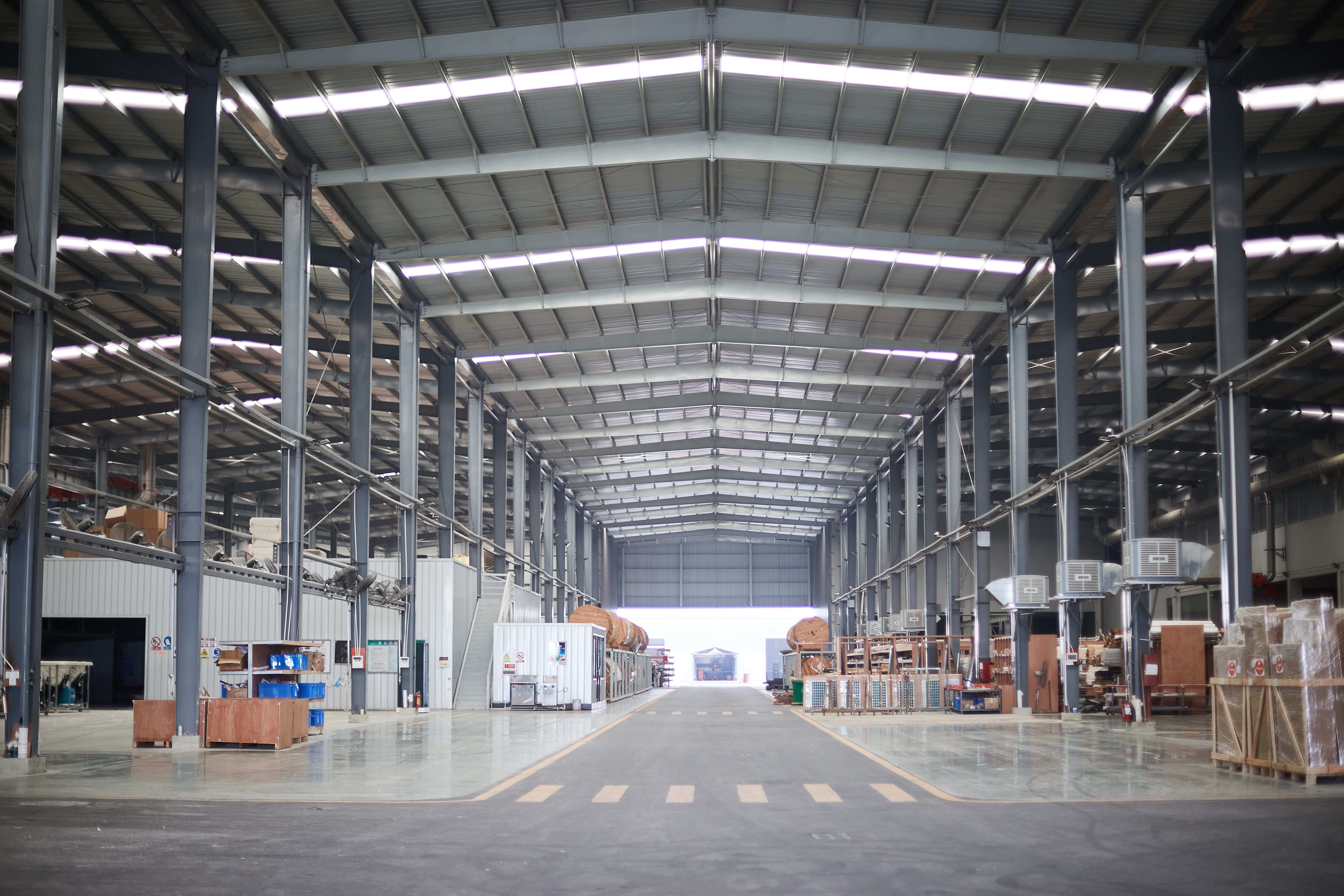
Buyers can contact Victoria Star Spa directly by email at info@victoriastarspa.com or by WhatsApp to discuss project requirements. The company operates a manufacturing facility of over 50,000 square meters in Foshan, China, and maintains control over production stages from material selection to assembly and testing. For sample availability and factory inspection arrangements, buyers should confirm directly with the manufacturer.
What lead time should be expected for a custom hot tub order?
Lead times depend on the selected configuration, order volume, and current production schedule. Victoria Star Spa manages production in-house and states that it maintains complete control over every stage of production, which helps coordinate custom orders. For an accurate lead time for a specific project, buyers should contact the manufacturer with their technical specifications and preferred delivery date.
Conclusion
Choosing between a hot tub and a concrete pool is not a decision about which category is superior. It is a decision about project fit. For buyers who need faster installation, higher reliability, simplified maintenance, and potentially lower installation cost, the factory-built acrylic hot tub presents a strong alternative to concrete construction. The final choice should be based on project conditions, certification requirements, and total cost of ownership.
To move forward, download the 2026 New Collection catalogue, or contact Victoria Star Spa directly with your project specifications.
Victoria Star Spa
Email: info@victoriastarspa.com
Phone: +86 0757-88233718
WhatsApp: +86 13925955886
www.victoriastarspa.com
Have Questions or Need More Details?
Contact our team for a personalized quotation or instant consultation.
Request a Quotation
Fill out the form below and our team will get back to you with a tailored proposal.
WhatsApp Direct Chat
Prefer to chat in real-time? Message us on WhatsApp for instant assistance & quick answers.
- Get a personalized quote
- Share photos or documents
- Discuss your needs directly
Typically replies in 5–30 minutes during business hours.