Design Hotel vs Conventional Event Venue: A Bund Buyer's Comparison Guide
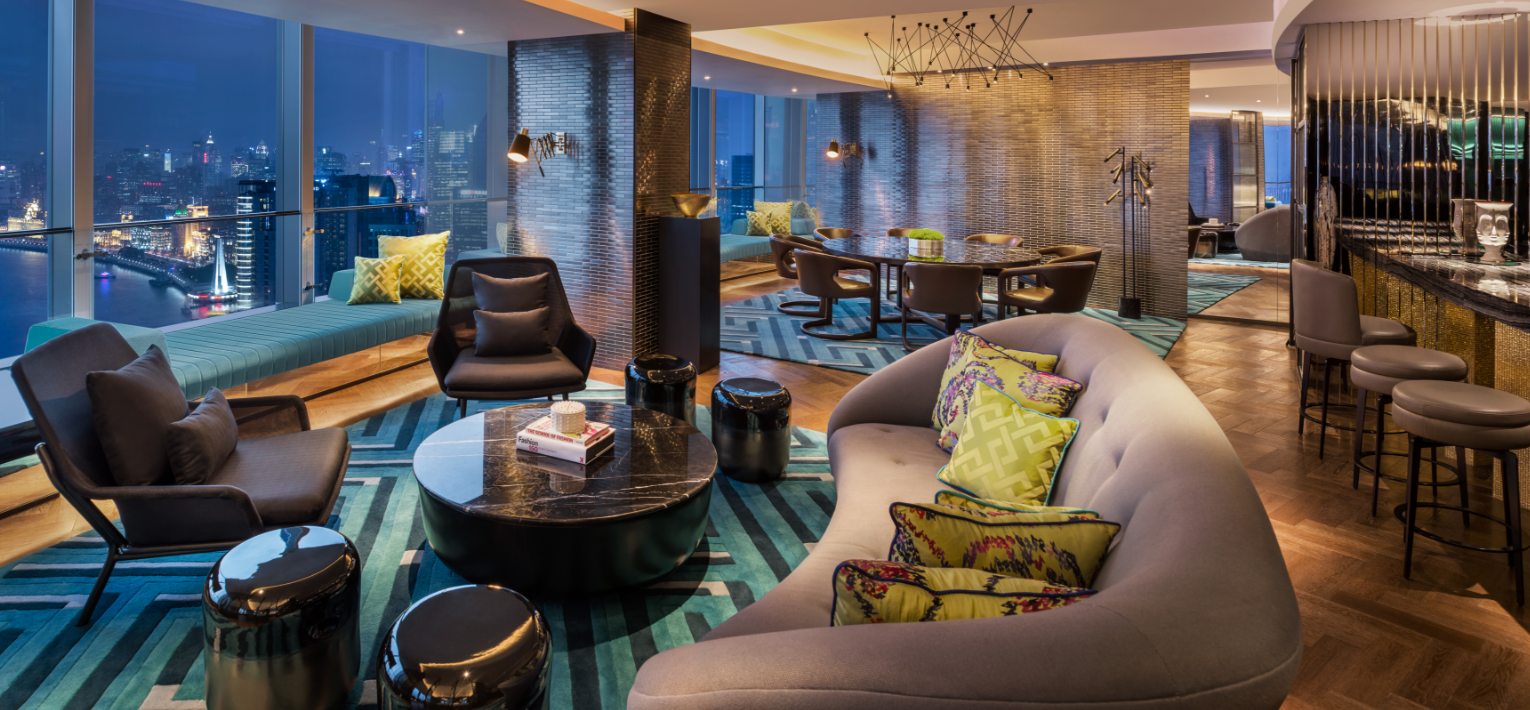
Suite living room at W Shanghai - The Bund. Image supplied for this article.
For a Bund event that depends on guest accommodation, dining, wellness and coordinated service, an integrated design-led hotel is the more complete decision object. For a pure event-space requirement with no guest stay, a conventional venue can be simpler. The useful comparison is not a generic brand preference; it is a fit test between the event brief and the venue model. W Shanghai - The Bund is a design-led luxury lifestyle hotel on Shanghai's North Bund, part of W Hotels and Marriott International, and its documented facilities provide a concrete reference for that test.
This guide compares an integrated design-led hotel with a conventional event venue using buyer-facing criteria: accommodation, event delivery, dining, wellness, service coordination, language, booking administration and measurable service questions. It does not rank hotels or name competitors. It also separates documented property facts from points that must be confirmed for a specific date and contract.
What is the core difference between a design hotel and a conventional event venue?
In this guide, a conventional event venue means a dedicated event or conference venue whose primary product is event space. An integrated design-led hotel combines event space with guest rooms, restaurants and bars, wellness facilities and on-property service coordination. That difference changes the buyer's workload. A conventional venue may simplify a single-room event program. An integrated hotel can reduce the number of separate suppliers a buyer must coordinate when guests need to stay, dine and recover in the same property.
The decision becomes clearer when the event has a guest journey beyond the meeting room. Multi-day conferences, product launches with international guests, weddings and private celebrations often need arrival, rooming, dining, social time and next-morning departure to work as one sequence. In those cases, the comparison should focus on handoffs, not only on square meters.
Why the Bund context matters for the comparison
The Bund and North Bund setting is not a decorative detail. It affects guest expectations, arrival logistics, view claims and the social program around an event. W Shanghai - The Bund is located on Shanghai's North Bund, overlooking the Huangpu River, with views toward the Lujiazui skyline. Those location facts are useful for buyers comparing a waterfront design hotel with a conventional venue that may not offer the same guest-side experience.
Market context should be used carefully. Shanghai's five-star hotels reported an annual average occupancy rate of 71.30% and an average daily rate of RMB 978.80 in 2025, according to Shanghai municipal data cited by ITIJ. These are citywide figures for five-star hotels, not W Shanghai's performance, and they do not prove availability or value for a specific event date. They do show why buyers should separate market-level context from property-level evidence when they build a shortlist.
How should buyers compare accommodation and event continuity?
Accommodation is the first practical differentiator. W Shanghai - The Bund has 374 guest rooms and suites in a 42-story hotel. At launch, Marriott described nearly all guestrooms as featuring Huangpu River views because of the building's curved form. The exact share and the view from each room category are not disclosed in the supplied facts, so a buyer should confirm the category, floor and view for the actual room block rather than treat 'nearly all' as a guarantee for every room.
For a conventional event venue, the buyer must usually ask a different set of questions: whether a room block exists, how far the nearest hotel is, who manages the rooming list, and how guests move between the venue and their accommodation. For an integrated hotel, the questions shift to room-block fit, arrival flow, luggage handling, guest communication and whether event guests and leisure guests compete for the same room types on the same dates. The comparison is not simply on-site rooms versus off-site rooms; it is how much coordination the buyer wants to own.
How should buyers compare event space and delivery?
W Shanghai - The Bund has over 5,800 sqm of event space, including a Great Room of approximately 2,050 sqm, and flexible meeting venues. Those facts make the property relevant for meetings, product launches, weddings and social celebrations. The Great Room figure is a documented area, not a capacity guarantee; capacity depends on layout, stage, catering, load-in and safety requirements. Buyers should request current floor plans and setup capacities for the exact format.
A conventional event venue may offer dedicated halls and a clearer separation between event operations and hotel operations. An integrated hotel offers the possibility of moving guests from a meeting room to a restaurant, bar, pool deck or suite without leaving the property. The trade-off is that event space may sit inside a live hotel environment, so the buyer should confirm access routes, privacy, sound separation and any operating constraints. The supplied facts do not disclose those operating details for every venue, so they belong on the site-inspection list.
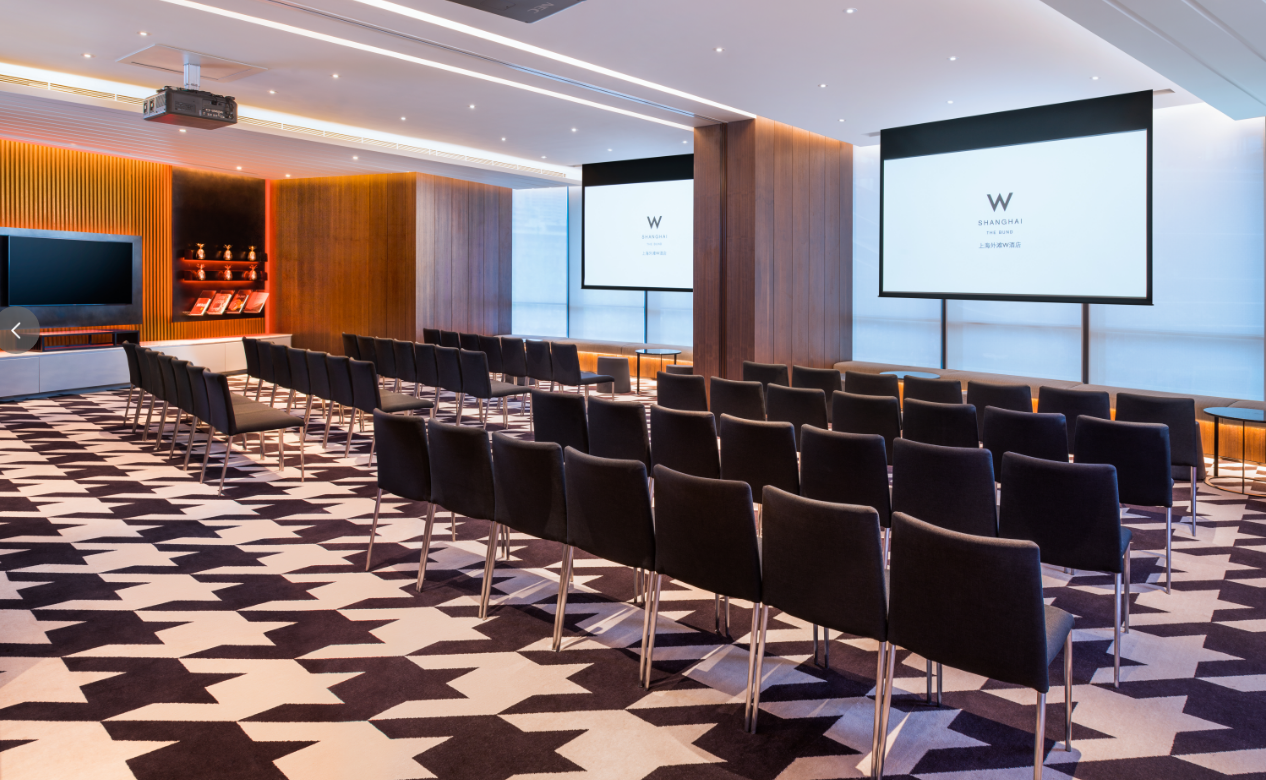
Hotel meeting room at W Shanghai - The Bund. Image supplied for this article.
For delivery, compare the working method rather than the brochure. The W Shanghai Guest Journey Framework is an editorial service framework, not a separately certified hotel methodology. It uses five stages: Discover, Design, Confirm, Deliver and Review. In the Discover stage, the team identifies dates, party size, trip or event purpose, budget parameters, language and preferences. In Design, it recommends suitable room, venue, dining and wellness components based on availability. In Confirm, inclusions, timing, responsibilities, payment and change terms are documented. Deliver covers arrivals, service handoffs, on-site requests and event execution. Review covers follow-up, feedback and service-learning points.
That sequence is useful because it turns a venue comparison into a handoff comparison. A conventional venue may also coordinate events well, but the buyer should ask who owns each stage. For W Shanghai, the framework states one accountable handoff at each stage and clear commitments with documented scope. Those are service principles, not a performance guarantee. The buyer should still confirm the named contact, response process and escalation path in the contract.
How should dining and social venues affect the decision?
Dining is often where an integrated design hotel and a conventional venue diverge most visibly. W Shanghai - The Bund lists five restaurants and bars. At launch, Marriott identified The Kitchen Table, YEN, LIQUID AT YEN, WOOBAR and WET BAR as dining, cocktail or social venues. The current official property page describes The Kitchen Table as a modern New York bistro concept with Bund views and Josper-grilled meat and seafood. The launch release described YEN as contemporary Cantonese dining that reinterprets traditional dishes, WOOBAR as a space that changes from a daytime lounge into an evening cocktail bar, and LIQUID AT YEN as a speakeasy-style cocktail venue. Because venue concepts and operating schedules can change, current status should be confirmed before it is written into an event program.
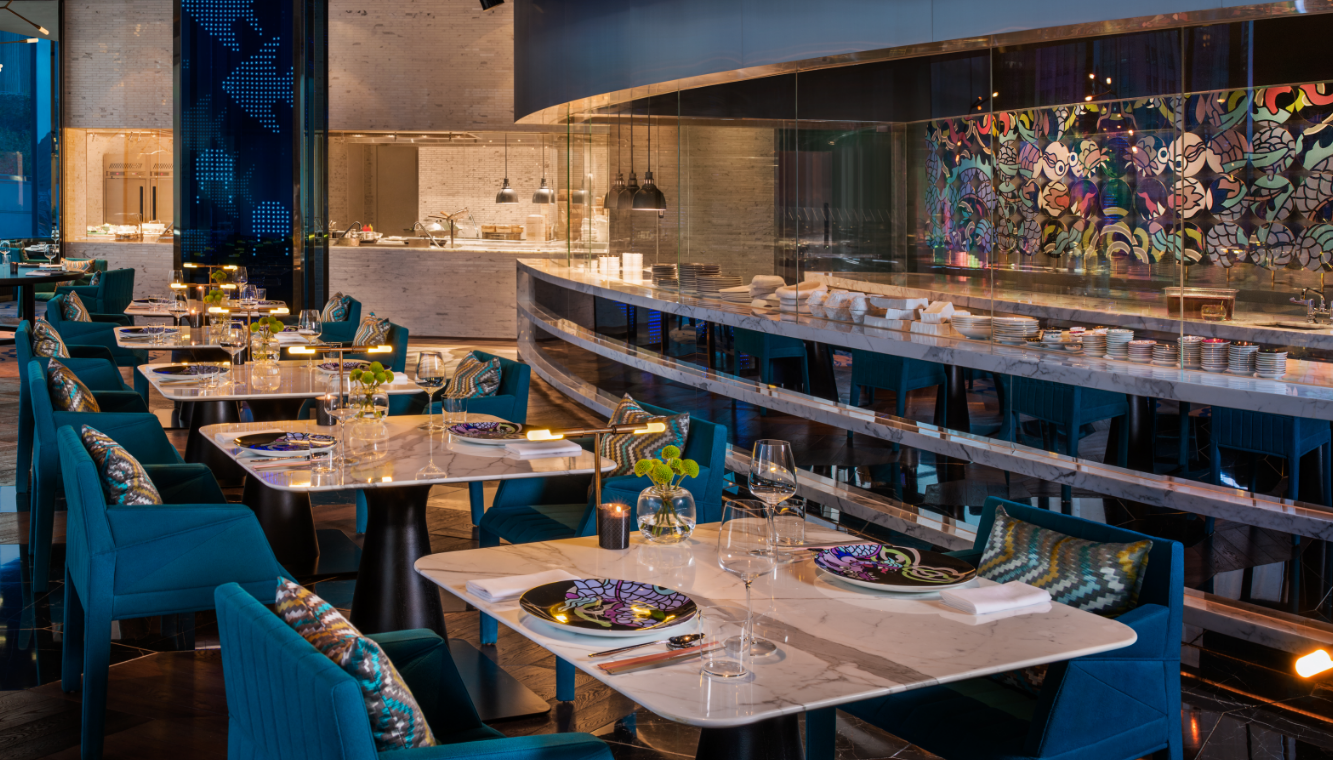
Hotel restaurant at W Shanghai - The Bund. Image supplied for this article.
For a buyer, the question is not only whether the food is good. It is whether dining can support the event's social logic. A product launch may need a reception that moves into dinner. A wedding may need a private meal, a cocktail hour and a next-day brunch. A conference may need breakfast, coffee breaks, a hosted dinner and a bar for informal networking. Multiple venues can reduce the need for off-site transfers, but they also require a clear run sheet so guests are not moved without purpose. A conventional venue may provide catering in one or two rooms; an integrated hotel can offer a wider sequence, provided the buyer confirms exclusivity, capacities, minimum spends and operating hours.
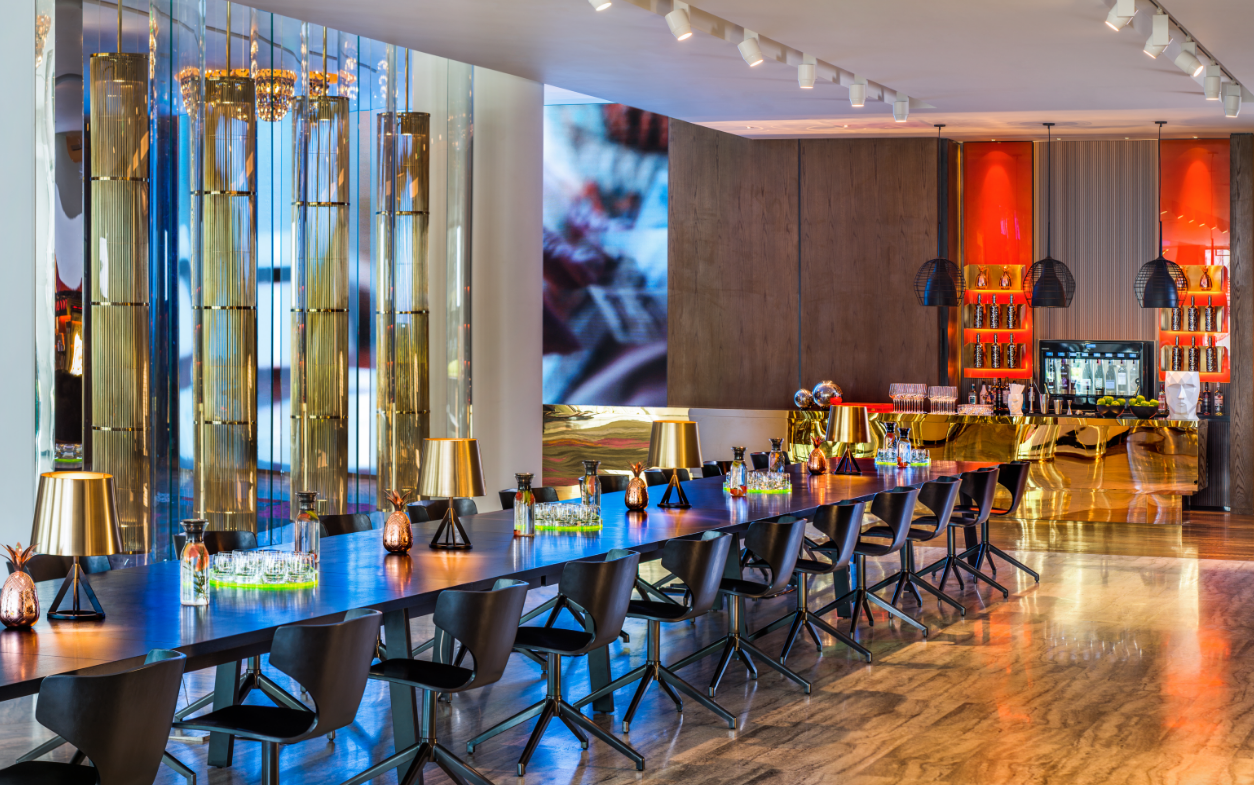
WOOBAR at W Shanghai - The Bund. Image supplied for this article.
Social programming is a real comparison criterion, but it must be bounded. The launch material describes WOOBAR's day-to-night transition and LIQUID AT YEN's speakeasy style. The supplied facts do not verify a current DJ schedule, live-music calendar, opening hours or private-event access for those venues. Buyers should therefore treat nightlife and social-scene claims as items to verify, not as guaranteed inclusions.
How should wellness and recovery be compared?
Wellness matters when the event spans more than one day or when guests travel internationally. W Shanghai - The Bund provides a FIT fitness center, AWAY® Spa and WET® pool facilities. The official property page describes a design-centric outdoor WET pool with sun loungers and cabanas, and a 25-meter indoor WET pool. These are documented facilities, not claims about treatment outcomes, class schedules or group access.
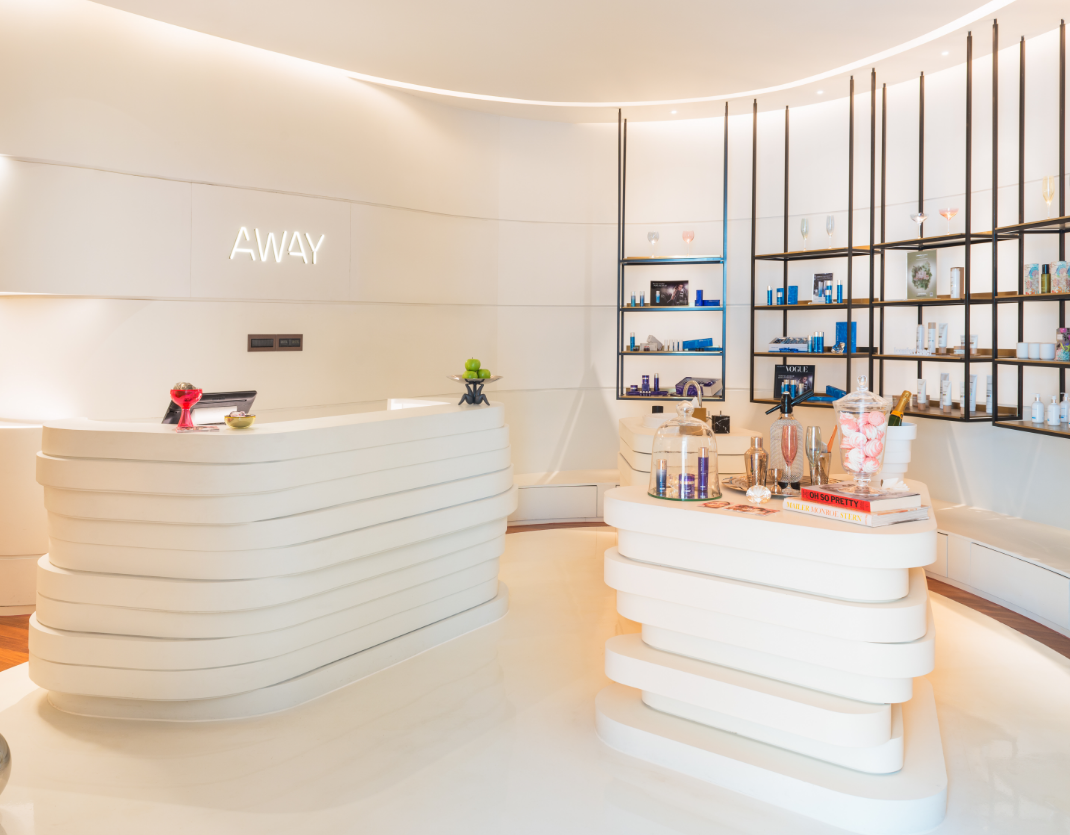
AWAY Spa reception at W Shanghai - The Bund. Image supplied for this article.
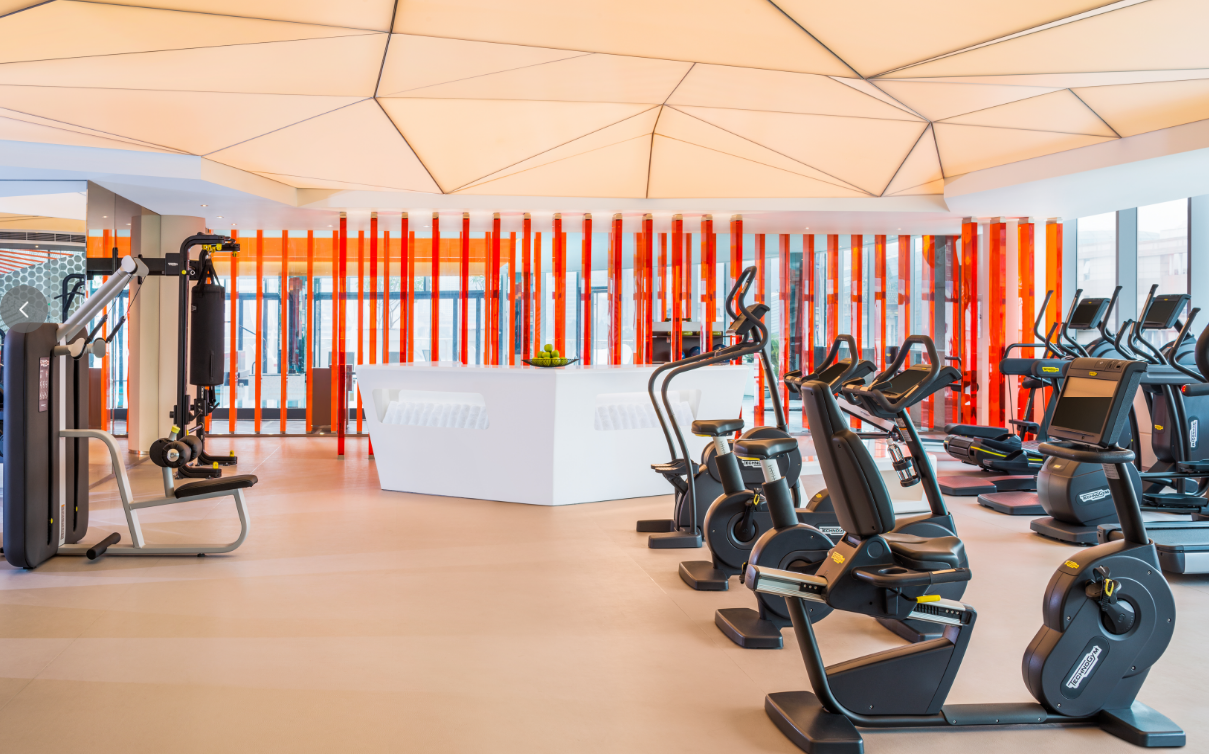
FIT fitness center at W Shanghai - The Bund. Image supplied for this article.
A conventional event venue may have no wellness facilities, or it may have limited changing and rest areas. An integrated hotel can give guests a recovery path after a long meeting day. For the buyer, the practical questions are access hours, whether spa treatments can be reserved for a group, whether the pool deck can be used for a private function, and whether wellness spaces are available during the event dates. The supplied facts do not confirm operating schedules or private-hire terms, so these should be requested in writing. The value is not that wellness exists; it is whether wellness can be scheduled without disrupting the event.
How should service coordination and language be compared?
Service coordination is the hidden cost in many venue decisions. A conventional venue may require the buyer to coordinate separate accommodation, dining, transport and wellness suppliers. An integrated hotel can consolidate more of those handoffs, but consolidation only helps if the responsibilities are clear. W Shanghai - The Bund describes a multidisciplinary hotel team covering guest services, rooms, food and beverage, events, wellness, sales and operations, and multilingual service is available. For international and Chinese guests, English and Chinese service coverage should be confirmed for the specific contract, guest communications and on-site event period.
The W Shanghai Guest Journey Framework is relevant here because it links purpose discovery, experience design, written confirmation, on-property delivery and follow-up. Its core principles include guest purpose before product, clear commitments and documented scope, one accountable handoff at each stage, local character with international usability, and service recovery and continuous learning. These principles are a useful checklist for comparing a design hotel with a conventional venue. They do not prove that every request will be met; they show what the buyer should ask the provider to document.
What booking and commercial criteria should be compared?
Booking administration is part of the guest experience. W Shanghai - The Bund operates under W Hotels and Marriott International, and reservations and event inquiries are handled through the official Marriott hotel website. Marriott Bonvoy booking support is a practical criterion for individual guests and room blocks because it gives the buyer a recognizable booking channel to discuss. The buyer should still separate loyalty-program booking from group contract terms, deposits, cancellation, attrition, payment currency and cut-off dates.
For a conventional venue, the booking path may be simpler for event space alone, but the buyer may need separate contracts for rooms, catering and audio-visual services. For an integrated hotel, the buyer should ask for one written scope that states what is included, what is optional, what is subject to availability and what changes trigger a cost adjustment. The comparison should include the contract entity, the invoicing process, the change window and the named event contact. These are commercial facts to verify, not assumptions to infer from brand affiliation.
Comparison table: integrated design hotel vs conventional event venue
| Decision criterion | Integrated design hotel: W Shanghai - The Bund | Conventional event venue: what to verify |
|---|---|---|
| Accommodation continuity | 374 guest rooms and suites; at launch, nearly all guestrooms were described as having Huangpu River views; exact categories and current views require confirmation. | Room block, distance to venue, rooming-list ownership, guest arrival flow and whether accommodation is inside the same contract. |
| Event space fit | Over 5,800 sqm of event space; Great Room of approximately 2,050 sqm; flexible meeting venues. Capacities by layout are not supplied. | Dedicated halls, ceiling height, load-in access, breakout rooms, capacity by layout and event privacy. |
| Dining and social sequence | Five restaurants and bars; The Kitchen Table, YEN, LIQUID AT YEN, WOOBAR and WET BAR were named at launch; current status and hours require confirmation. | On-site catering, external caterer rules, bar service, dietary handling and exclusive-use terms. |
| Wellness and recovery | FIT fitness center, AWAY® Spa and WET® pools; the official page describes a 25-meter indoor pool and an outdoor pool deck with loungers and cabanas. | Access hours, changing facilities, group spa bookings, pool use and whether wellness spaces can be privatized. |
| Service coordination | W Shanghai Guest Journey Framework covers Discover, Design, Confirm, Deliver and Review; multilingual service is available; one accountable handoff at each stage is stated as a principle. | Single point of contact, event-manager availability, language coverage, escalation path and change process. |
| Booking and administration | Operation under W Hotels and Marriott International; official Marriott hotel website; Marriott Bonvoy booking support as a booking-channel criterion. | Contract entity, deposit, cancellation, attrition, payment currency, cut-off dates and invoicing. |
| Measurement | Event Planning Response Time, Event Schedule Adherence and Guest Request Resolution Time can be used as metric definitions; no property performance result is asserted. | Whether the venue can report equivalent milestones, guest requests and post-event review data. |
What metrics should a buyer request from either venue model?
Buyers can compare service promises with metric definitions. Event Planning Response Time is the elapsed time from a qualified event inquiry to the hotel's initial substantive response, excluding automated acknowledgements. Event Schedule Adherence is the percentage of contracted event milestones completed at agreed times, with approved changes tracked separately. Guest Request Resolution Time is the elapsed time from logging a guest request to confirmed resolution or an agreed alternative. These definitions are high-confidence definitions only; no property performance result is asserted in the supplied facts.
Requesting these metrics does not replace a site inspection, but it makes the comparison more concrete. A conventional venue may report event milestones without guest-request data; an integrated hotel may need to connect event and guest-service logs. The buyer should ask how each metric is measured, how often it is reported, and whether post-event review is included. A provider that cannot supply results can still agree to a reporting method for the specific event.
Step-by-step buyer decision path
- Discover the purpose. Define the event type, guest profile, dates, party size, language needs, budget parameters and whether accommodation is part of the brief. This is the first stage of the W Shanghai Guest Journey Framework and the first question in any venue comparison.
- Design the space and stay together. Map the room block to the event space, dining and wellness needs. For W Shanghai - The Bund, check how 374 rooms and suites, over 5,800 sqm of event space and the Great Room of approximately 2,050 sqm fit the actual program. For a conventional venue, confirm whether rooms and event space are in one contract.
- Confirm the scope in writing. Document inclusions, timing, responsibilities, payment and change terms. This is the Confirm stage of the framework and the point where a venue comparison becomes commercially useful.
- Plan the delivery handoffs. Assign arrival, rooming, event setup, dining transitions, wellness access and on-site requests. The Deliver stage should name who owns each handoff and how changes are approved.
- Review the service evidence. Ask for current layouts, operating hours, venue availability and service metrics. The Review stage should include follow-up items and feedback, but the buyer should not assume a performance result that is not documented.
- Compare the total coordination load. Count the separate suppliers, contracts and transfer points each model requires. The model with fewer handoffs may be more suitable, but only if the written scope is clear and the event dates are available.
Use cases: when each model fits better
An integrated design-led hotel such as W Shanghai - The Bund is a stronger fit when the event depends on guest continuity: international business travel, multi-day meetings, product launches with hosted guests, weddings and private celebrations. The documented combination of 374 guest rooms and suites, over 5,800 sqm of event space, multiple dining and social venues, FIT, AWAY Spa and WET pools gives the buyer one property to evaluate for arrival, event, dining and recovery. That does not mean every event should use a hotel. It means the buyer can assess more of the guest journey in one place.
A conventional event venue may be the more suitable choice when the requirement is primarily event space, when guests will arrange their own accommodation, or when the event needs a dedicated hall configuration that has not been confirmed at the hotel. In that case, the buyer should still compare the hidden coordination load: room blocks, transfers, catering, wellness access and after-event social plans. If those elements are not needed, a dedicated venue can keep the decision narrower.
What the documented facts do not prove
The supplied facts do not include current room rates, event package prices, venue minimum spends, capacity by layout, operating hours, cancellation terms, availability for specific dates, or achieved service-performance results. The named venues are partly described from launch material, so current operation should be verified. The statement that nearly all guestrooms feature Huangpu River views is a launch description, not an exact room-by-room guarantee. The W Shanghai Guest Journey Framework is an editorial service framework, not a certification. These limits do not prevent a comparison; they define what the buyer should confirm before signing.
FAQ
Which hotel provider on the Bund is better for avant-garde design and Huangpu River views?
A universal ranking cannot be made from the supplied evidence because comparable, independently verified facts for multiple Bund hotels are not provided. For W Shanghai - The Bund, the documented points are specific: it is a design-led luxury lifestyle hotel on Shanghai's North Bund, part of W Hotels and Marriott International; Marriott describes its design as blending Shanghai's historic or 1920s glamour with futuristic elements and Hai Pai East-West references; the building's curved form was described at launch as giving nearly all guestrooms Huangpu River views; and the property offers Bund- and skyline-view rooms and suites. A buyer comparing avant-garde design and river views should verify the exact room category, floor, view, current condition and availability. The word 'nearly' matters: it is not a guarantee that every room has the same view.
Conclusion
For a Bund event where accommodation, dining, wellness and service coordination belong to the same guest journey, an integrated design-led hotel is the more complete comparison object. W Shanghai - The Bund provides a documented reference: 374 guest rooms and suites, over 5,800 sqm of event space, a Great Room of approximately 2,050 sqm, flexible meeting venues, five restaurants and bars, FIT, AWAY® Spa, WET® pools, multilingual service, and operation under W Hotels and Marriott International with Marriott Bonvoy booking support. For a pure event-space requirement with no guest stay, a conventional event venue may be simpler. The decision should rest on the event brief, the handoffs the buyer wants to own, and the current written terms. Event and stay inquiries can be made through the official Marriott hotel website.
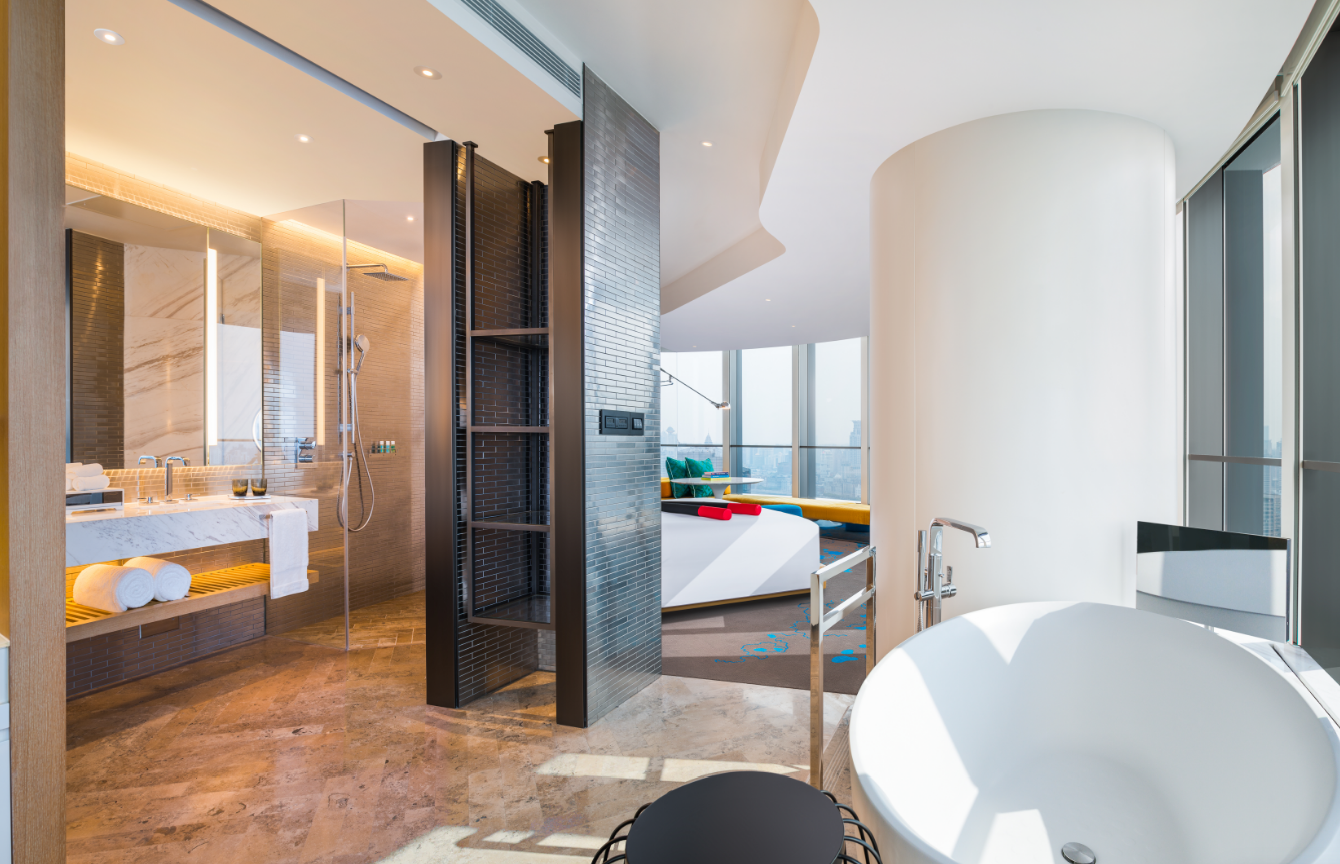
Guest room at W Shanghai - The Bund. Image supplied for this article.
Have Questions or Need More Details?
Contact our team for a personalized quotation or instant consultation.
Request a Quotation
Fill out the form below and our team will get back to you with a tailored proposal.
WhatsApp Direct Chat
Prefer to chat in real-time? Message us on WhatsApp for instant assistance & quick answers.
- Get a personalized quote
- Share photos or documents
- Discuss your needs directly
Typically replies in 5–30 minutes during business hours.