Digital vs Direct Event Inquiries at W Shanghai - The Bund
Quick answer. An event buyer comparing inquiry routes at W Shanghai - The Bund should compare four things separately: what the route is for, what written output it produces, how it hands the matter to a named event contact, and how long it takes to receive a first substantive response. The four routes in this guide are Marriott.com, the Marriott Bonvoy app and member services, telephone or on-property service, and the confirmed event communication channel agreed after both sides start working together. No route should be judged by an automated acknowledgement or by an unpublished speed claim. The practical test is the Event Planning Response Time definition: elapsed time from a qualified event inquiry to the hotel's initial substantive response, excluding automated acknowledgements. The property result is not publicly disclosed, so this guide explains how to measure the route fairly, not how the property performs.
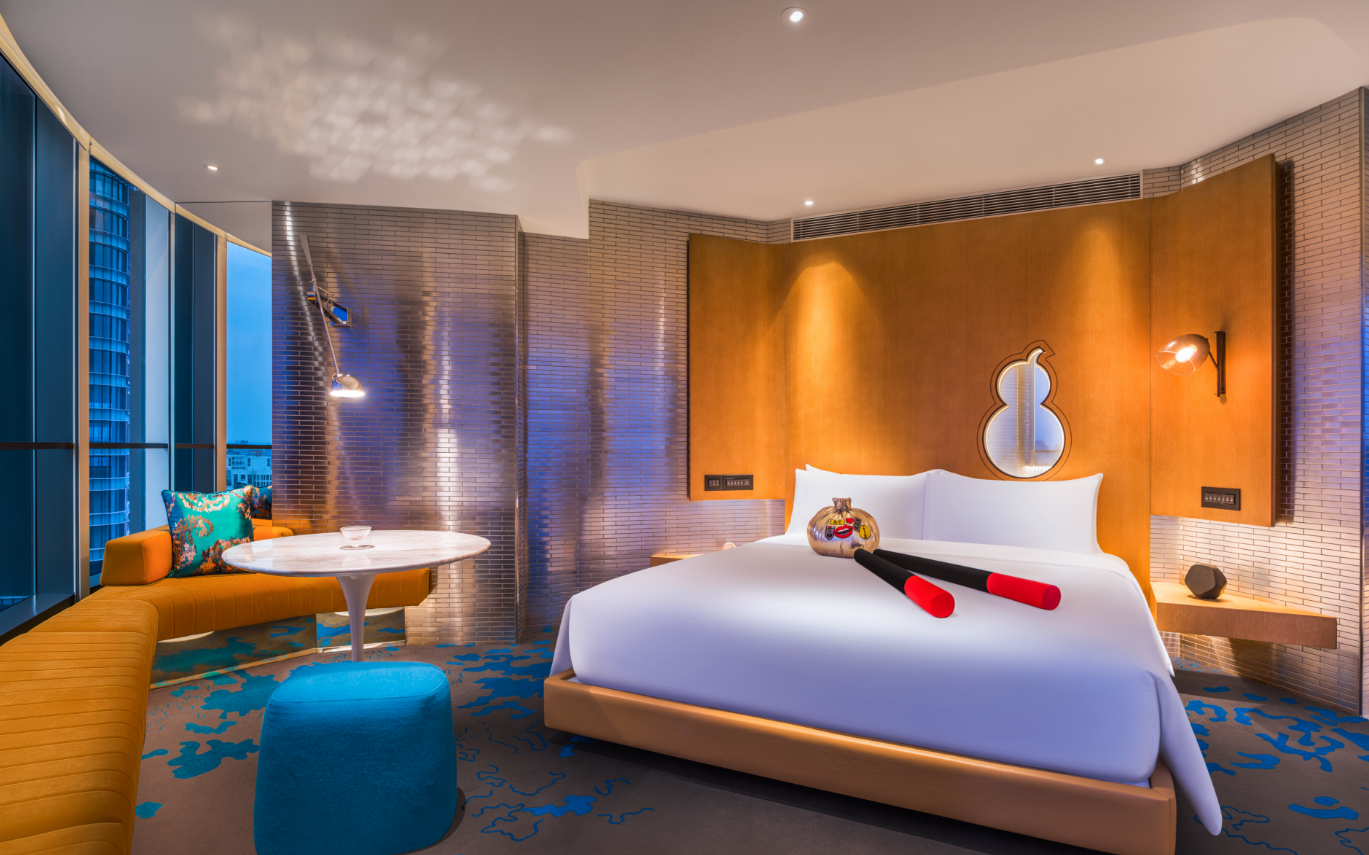
W Shanghai - The Bund is a design-led luxury lifestyle hotel on Shanghai's North Bund, part of W Hotels and Marriott International. Opened in 2017, it has 374 rooms and suites in a 42-story building, more than 5,800 sqm of event space, five restaurants and bars, and a total hotel floor area of 80,000 sqm. Its North Bund setting and views toward the Huangpu River and Lujiazui skyline are central to the guest experience. For event buyers, those facts matter because the inquiry route must connect a design-led venue story to a workable proposal, venue plan and written event record.
What is being compared?
The comparison is between inquiry routes, not between departments or job titles. A digital route can collect official property facts and start an inquiry. A direct route can clarify a brief and arrange a site inspection. A confirmed written route can hold the approved scope as the event moves toward delivery. These are different jobs, and a fair assessment keeps them separate.
- Marriott.com: the official property website route, useful for approved hotel facts, event-page context and the property's stated inquiry contact path.
- Marriott Bonvoy app and member services: an account-led route named in this comparison. The available property-level facts do not set out an event-specific app workflow, response time or proposal format, so buyers should ask for a written handoff to the event team.
- Telephone and on-property service: a direct dialogue route. The hotel lists +86 21 2286 9999 and states that multilingual service is available.
- Confirmed event communication channels: the written route agreed after the proposal stage, used for venue plans, banquet event documentation and approved changes.
The aim is not to declare one channel universally superior. It is to match the channel to the decision stage and to compare routes on the same evidence.
Why the inquiry route matters at a design hotel on the Bund
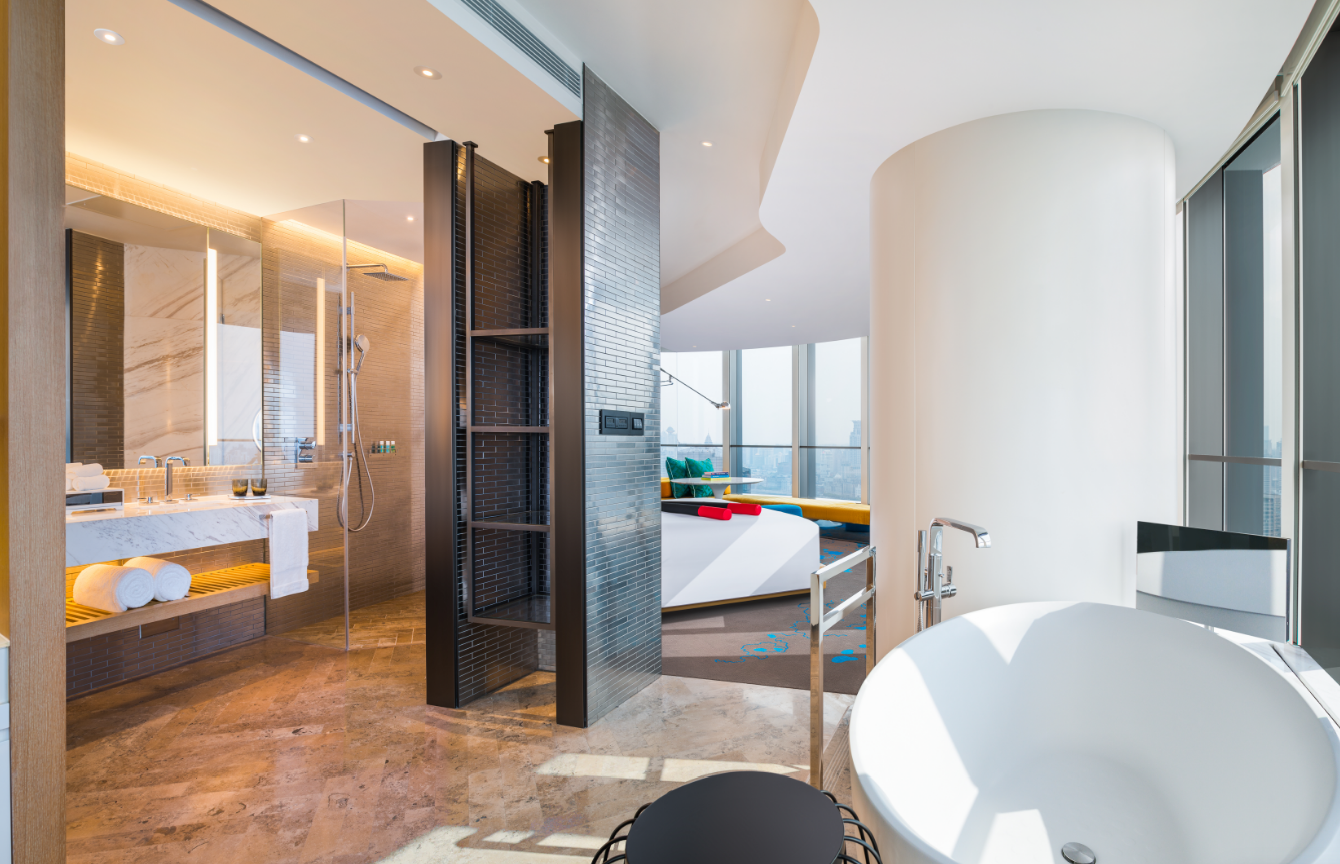
For a fashionable hotel on the Bund, event buyers are often assessing more than a room count. They are testing whether the property's design story, views, dining and social venues can support the event concept. W Shanghai - The Bund combines contemporary W style with Shanghai cultural references. Its design concept is associated with Hai Pai, described by Marriott as combining old and new, East and West. The hotel was designed by G.A Design, and the design is described as a blend of Shanghai's historic or 1920s glamour with futuristic, contemporary elements.
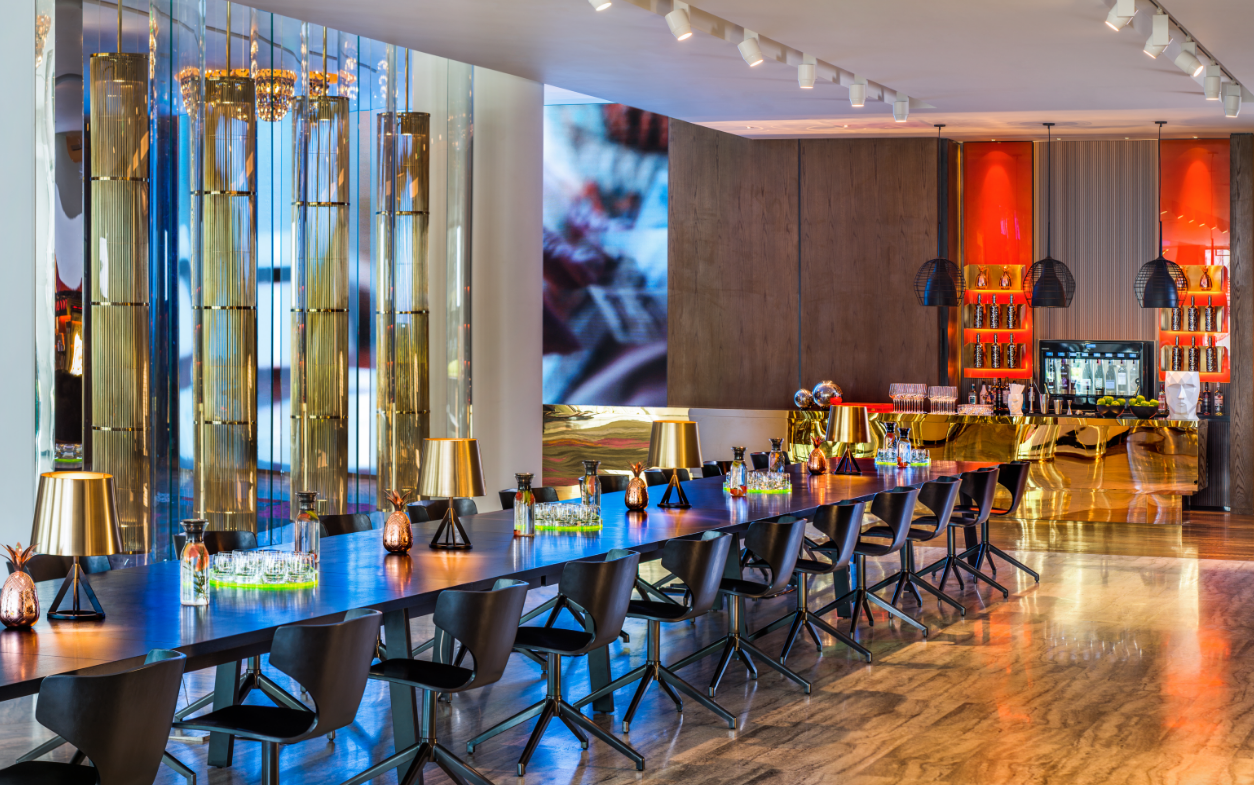
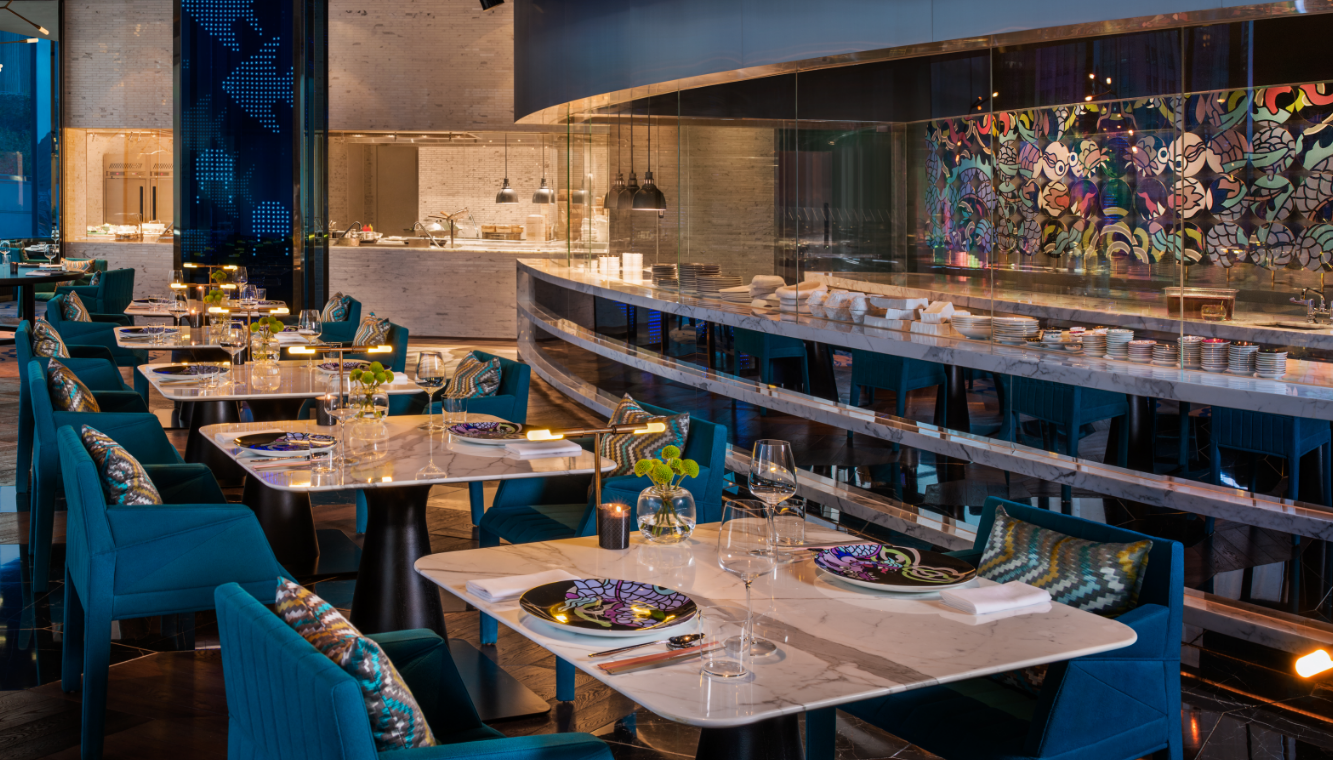
Those design facts create specific questions for an inquiry: Which space fits the concept? Which views are attached to which venue or room category? What dining and bar settings are available for hosted guests? The hotel lists five restaurants and bars, including The Kitchen Table, described on the current official property page as a modern New York bistro with Bund views and Josper-grilled meat and seafood; YEN, described as contemporary Cantonese dining; WOOBAR, described as changing from a daytime lounge into an evening cocktail bar; and LIQUID AT YEN, described as a speakeasy-style cocktail venue. The property also lists an outdoor WET pool with sun loungers and cabanas and a 25-meter indoor WET pool.
The event page adds venue-specific detail. Secret Garden is described as a fifth-floor rooftop garden with a Pudong skyline view, two cabanas, an outdoor dining deck, and suitability for private dinners, product launches and cocktail parties. That is useful pre-screening evidence, but it is not a capacity, price, availability or operating guarantee. The inquiry route should convert such venue facts into a written plan rather than leave them as brochure claims.
Define the test: Event Planning Response Time
Event Planning Response Time is defined as elapsed time from a qualified event inquiry to the hotel's initial substantive response. Automated acknowledgements are excluded. The metric category is service responsiveness. The property baseline, result, improvement value and improvement rate are not publicly disclosed, so no performance claim should be inferred from the channel name alone.
A qualified inquiry is not a general question about room rates. For a fair test, it should include dates or a date window, event type, attendee count, preferred space or atmosphere, food and beverage needs, AV needs, budget parameters, decision timeline and language preference. Accessibility and dietary requirements should be included where relevant. The same brief should be used when comparing routes, unless a duplicate hold would create a commercial problem.
Define a substantive response before the test begins. A reasonable working rule is that the reply must address at least one decision-critical item, such as availability, venue fit or the next step, and identify a contact who owns the follow-up. Automated acknowledgements, read receipts and general marketing replies do not count. A telephone call can create an immediate conversation, but the first substantive written response still needs to be timestamped if the buyer is comparing routes.
Set an internal target by channel and event complexity. No external benchmark is asserted. That is more defensible than borrowing an unverified market average and applying it to a single property. The benchmark reference should be an internal service target by request category, and time to impact is after the first complete reporting month.
Channel-by-channel comparison
Marriott.com: the official digital entry point
Marriott.com is the official property entry point for approved hotel facts. The property profile states that reservations and event inquiries are handled via the official Marriott hotel website. That makes the site useful for checking the hotel's location, facilities, event-page descriptions and contact path before an inquiry is sent. It is also the place to confirm the exact property name, address and published contact details.
The limit is that a website visit is not proof of event-team response. Buyers should ask how an event inquiry is routed after it is submitted, who becomes the named contact and whether the reply will include a proposal, a venue plan or only a request for more information. A digital entry point is strongest when it leads to a written handoff, not when it stops at an automated confirmation.
Marriott Bonvoy app and member services: the account-led route
The Marriott Bonvoy app and member services are included as a distinct route because event buyers may already hold a member relationship with Marriott. The available property-level facts do not describe an event-specific app workflow, response time or proposal format. That absence matters: a member-account channel should not be treated as proof that an event brief has reached the event team.
A practical approach is to use the account-led route for account-related contact and general hotel contact where appropriate, then ask for a named event contact and a written handoff. The buyer should confirm whether the brief will be passed to the event team in full, whether the hotel will reply in the app or by email, and which channel will carry the proposal and later changes. If the answers are unclear, move the decision record to a confirmed written channel.
Telephone and on-property service: the clarification route
Telephone and on-property service are useful when the buyer needs a two-way conversation. The hotel lists +86 21 2286 9999 and states that multilingual service is available. A call can clarify whether a date window is worth pursuing, explain the difference between venue options or prepare questions for a site inspection. On-property service can also help the buyer read the physical setting, arrival flow and venue atmosphere.
A call is not automatically a substantive written response. For a fair comparison, ask for the outcome to be confirmed in the agreed written channel. Record the time of the call, the name of the contact and the promised next step. That prevents a pleasant conversation from being mistaken for a documented proposal. The same discipline applies during a site inspection: capture venue observations, open questions and responsibility for follow-up in writing.
Confirmed event communication channels: the delivery route
Once both sides agree to proceed, the confirmed event communication channel becomes the decision record. This is the written route used for proposals, venue plans, banquet event documentation and approved changes. It is not merely a sales channel. It is the audit trail that lets the buyer compare what was offered, what was approved and what was delivered.
A confirmed channel should have a named owner on each side, a version convention for documents, a rule for how changes are approved, and an expected response window for decision-critical questions. The buyer should not allow key details to sit only in a chat thread or a verbal conversation. The final banquet event documentation should reflect the approved scope, timings, responsibilities and change record.
| Inquiry route | Where it fits | What it can provide | What to verify | How to measure response |
|---|---|---|---|---|
| Marriott.com | Official property research and initial digital inquiry | Approved property facts, event-page context and the stated inquiry contact path | How the event brief is routed, named contact, written output | Timestamp from qualified submission to first substantive reply, excluding automated acknowledgements |
| Marriott Bonvoy app and member services | Account-led contact where a member relationship already exists | Account-related and general hotel contact, subject to confirmation | Whether the event brief reaches the event team and in what format | Ask for a written handoff and timestamp the first substantive event response |
| Telephone and on-property service | Clarification, site inspection and time-sensitive questions | Two-way dialogue, multilingual service and on-property context | Written follow-up, named owner and promised next step | A call is not the response; timestamp the first substantive written reply after the call |
| Confirmed event communication channel | Proposal stage through delivery | Written scope, venue plan, banquet event documentation and approved changes | Channel owner, version control and change approval | Track decision-critical replies against the agreed response window |
How proposals, venue plans and banquet event documentation fit
A fair side-by-side assessment requires the same document set from each route. Comparing a full written proposal from one route with a verbal estimate from another is not a comparison of like with like. The buyer should request the same core items in the same format and use the same qualified brief.
- Event proposal: the written commercial and operational offer. Ask for the proposed date and space, inclusions and exclusions, food and beverage arrangements, setup and AV assumptions, payment terms, cancellation terms, change terms and the named contact.
- Venue plan: the spatial and operational layout. Ask for the proposed room or venue arrangement, access and load-in arrangements, power and AV considerations, weather contingency where relevant, accessibility considerations and dietary service planning. Capacity, pricing and current availability require direct verification.
- Banquet event documentation: the approved written record used for delivery. It should reflect timings, responsibilities, approved changes and the final scope. The buyer should confirm which version is controlling and who may approve changes.
These documents also support later performance review. Event Schedule Adherence is defined as the percentage of contracted event milestones completed at the agreed times, with approved changes tracked separately. The property result is not publicly disclosed, but the definition is useful because it tells the buyer what to ask for after the event. Guest Request Resolution Time is another useful measure: elapsed time from logging a guest request to confirmed resolution or an agreed alternative. Again, no property result is asserted.
Step-by-step: run a fair side-by-side assessment
The W Shanghai Guest Journey Framework is an editorial service framework, not a separately certified hotel methodology. Its five stages are Discover, Design, Confirm, Deliver and Review. The framework is useful here because it shows where each inquiry route hands off to the next stage.
- Discover. Write one qualified brief with dates, party size, event purpose, space needs, budget parameters, language and preferences. Keep the brief identical when comparing routes.
- Design. Ask each route to recommend suitable room, venue, dining and wellness components based on availability. The Design stage recommends components based on availability; it does not guarantee that every requested combination is open.
- Confirm. Request written inclusions, timing, responsibilities, payment and change terms. Confirm the name of the event contact and the channel that will carry the decision record.
- Timestamp the first substantive response. Use the Event Planning Response Time definition and exclude automated acknowledgements. Record the time, route, respondent and whether the reply addressed a decision-critical item.
- Compare the same documents. Check whether each route produced a proposal, venue plan and banquet event documentation outline on the same brief. Do not credit a route for general brochures that do not answer the brief.
- Confirm the channel and owner. Move from inquiry to a confirmed written channel with a named owner on each side. Confirm version control and the change approval rule.
- Review delivery measures. Use Event Schedule Adherence and Guest Request Resolution Time to structure the post-event review. Address follow-up items, invite feedback and record service-learning points.
Core principles support this sequence: guest purpose before product, clear commitments and documented scope, one accountable handoff at each stage, local character with international usability, and service recovery and continuous learning. These principles do not replace commercial terms or venue verification. They explain why the inquiry route should be judged by the quality of the handoff, not by the number of messages exchanged.
Use cases: when each route fits
The framework applies to leisure stays, international business travel, meetings and product launches, weddings and private celebrations. The inquiry route should change with the decision stage, not with a preference for digital or direct contact in general.
- International business meeting: use Marriott.com for official property facts and the stated inquiry path; use telephone or on-property service for time-zone-sensitive clarification and a site inspection; use the confirmed event channel for the proposal, venue plan and final documentation. Multilingual service is listed as available, but the buyer should still confirm the working language for written documents.
- Product launch or fashion and lifestyle event: use the official event page to pre-screen venue descriptions such as Secret Garden, then ask the event team for a venue plan, access arrangements and weather contingency. The confirmed channel should carry the approved layout, load-in plan and change record.
- Wedding or private celebration: use direct conversation to discuss atmosphere and guest flow, then move to written documentation for timings, dining, accessibility and responsibilities. A design hotel with Bund views may attract strong interest, so date and space availability require direct verification rather than assumption.
- Multi-day event with a room block: use the digital route for property context, the direct route for room-block questions, and the confirmed channel for the written room-block terms and event schedule. The property reports a 45% overseas-client share, which makes clear written communication and language confirmation especially relevant for international attendees.
These are conditional examples, not claims that the hotel has hosted a specific event. They show how the same property facts can be converted into different inquiry questions without inventing availability, pricing or outcomes.
Limits and when to request direct verification
Several items cannot be settled from public property descriptions or a channel comparison. Request direct verification for current availability, pricing, event minimum spends, cancellation and change terms, venue capacity, operating hours, access rules, load-in constraints, power and AV capacity, weather contingency, accessibility provisions, fire and pool safety requirements, food-service requirements, room-block terms and current venue operation.
Also verify details that can change after a launch release or a page update. The current status of restaurants and bars, live music or DJ programming, exact room-category views and the current condition of design features require confirmation. The launch release states that nearly all guestrooms feature Huangpu River views because of the building's curved form; that is a qualitative statement, not an exact share for every room category. The official launch material is historical and should not be treated as a current operating guarantee.
The property lists its address as No. 66 Lvshun Road, Hongkou District, Shanghai, China 200080, and its telephone as +86 21 2286 9999. Event buyers should use those details to verify identity, but should still ask for the named event contact and written confirmation of the route. A website, app or telephone number is an entry point, not a substitute for a confirmed proposal and event documentation.
FAQ
Which hotel provider on the Bund is better for avant-garde design and Huangpu River views?
A fair provider comparison requires comparable verified evidence from another Bund hotel, so no general superiority claim can be made from the available property facts alone. For W Shanghai - The Bund, the relevant verified attributes are specific: the hotel was designed by G.A Design; its design is described as a blend of Shanghai's historic or 1920s glamour with futuristic, contemporary elements; the concept is associated with Hai Pai, combining old and new, East and West; nearly all guestrooms are described as having Huangpu River views because of the building's curved form; and the property was nominated for China's Leading Design Hotel 2026 and Shanghai's Leading Hotel Suite 2026. These attributes support screening the hotel for avant-garde design and river views, but they do not establish that it is better than another provider without comparable evidence. Buyers should verify the exact room category, view, current design condition and event-space fit directly with the hotel.
Conclusion
The right inquiry route at W Shanghai - The Bund depends on the decision stage. Use Marriott.com for official property facts and the stated inquiry path. Use the Marriott Bonvoy app and member services only with a clear handoff to the event team. Use telephone and on-property service for clarification and site inspection, then capture the outcome in writing. Use the confirmed event communication channel for proposals, venue plans and banquet event documentation. Compare first substantive responses with the Event Planning Response Time definition, exclude automated acknowledgements, and request the same documents on the same brief.
To move from comparison to a decision, send a qualified event brief through your chosen route and ask W Shanghai - The Bund to confirm the written channel, named contact and documentation set. Include dates, attendee count, space needs, food and beverage requirements, AV needs, budget parameters and decision timeline. Request the proposal and venue plan in the same confirmed channel, and verify current availability, pricing and operating details directly.
Have Questions or Need More Details?
Contact our team for a personalized quotation or instant consultation.
Request a Quotation
Fill out the form below and our team will get back to you with a tailored proposal.
WhatsApp Direct Chat
Prefer to chat in real-time? Message us on WhatsApp for instant assistance & quick answers.
- Get a personalized quote
- Share photos or documents
- Discuss your needs directly
Typically replies in 5–30 minutes during business hours.