
Shanghai Lifestyle Hotel RFP: Responsiveness vs Delivery
For a Shanghai lifestyle hotel event RFP, the practical choice is not whether responsiveness matters or whether delivery adherence matters. Both matter. The decision is which one should carry more weight when the event brief is scored. A responsiveness-first RFP gives more weight to how quickly a hotel gives a substantive answer to a qualified event inquiry. A delivery-adherence-first RFP gives more weight to evidence that contracted event milestones were completed at agreed times. Neither approach is universally better, and neither can be treated as proof of event quality without the other and without verified property results.
This guide is written for corporate event planners, travel managers, and social celebration hosts evaluating a lifestyle hotel in Shanghai. W Shanghai - The Bund is a design-led luxury lifestyle hotel on Shanghai’s North Bund, part of W Hotels and Marriott International. It is used here as a property example for the RFP structure; no property performance result is claimed for it or for any other hotel.
What responsiveness-first and delivery-adherence-first mean
Event Planning Response Time is defined as the elapsed time from a qualified event inquiry to the hotel’s initial substantive response. Automated acknowledgements are excluded. The recommended measurement method compares timestamps between qualified inquiry receipt and the first substantive response. Monthly measurement by inquiry channel is recommended. This metric is a service-responsiveness measure: it shows how long the hotel takes to engage with a qualified event brief, not whether the hotel can execute the event.
Event Schedule Adherence is defined as the percentage of contracted event milestones completed at agreed times, with approved changes tracked separately. The recommended method compares approved banquet event documentation with actual milestone timestamps and documents approved changes. The recommended period is per event and as a quarterly aggregate. The comparison standard is the client-approved event schedule; no external benchmark is asserted. This metric is an event-delivery measure: it shows milestone completion against the approved plan, not guest satisfaction, event quality, or commercial value.
A responsiveness-first RFP treats inquiry handling as an early risk signal. If a hotel cannot give a substantive response within the agreed review window, the planner may face slower clarification, weaker proposal coordination, or missed decision deadlines. A delivery-adherence-first RFP treats contracted milestone control as the main risk signal. If a hotel cannot show how it documents and tracks approved event milestones, the planner may face schedule drift, unclear change control, or late operational surprises. Both are defensible priorities, but they answer different questions.
The problem: an RFP can reward the wrong signal
Event RFPs often collapse several different questions into one score. A hotel may reply quickly but give a thin answer. Another may reply more slowly but provide a complete response with clear venue options, event terms, and operational contacts. A third may have strong event documentation but a slow inquiry process during a peak period. If the scorecard uses only one signal, the buyer can select the wrong operating model for the event.
The problem is particularly visible in Shanghai’s lifestyle-hotel segment, where event buyers may be comparing design-led venues, skyline-view spaces, social venues, and full-service event facilities in one shortlist. The supplied evidence does not include property-level response-time or schedule-adherence results. That absence matters: the buyer should not infer that a hotel is fast, reliable, or better than another hotel from brand style, venue photography, or a sales conversation. The RFP should define the metrics, require evidence, and score like-for-like.
Shanghai context for lifestyle-hotel event sourcing
Shanghai’s event market includes international business travel, meetings, product launches, weddings, and private celebrations. The city’s 5-star hotel sector has been operating in a demanding environment: Shanghai Municipal Tourism Administration data published via CEIC reported a 69.9% average occupancy rate for 5-star hotels in the Q2–Q3 2024 period. That figure is market context, not proof that any specific lifestyle hotel will respond quickly or deliver an event on schedule.
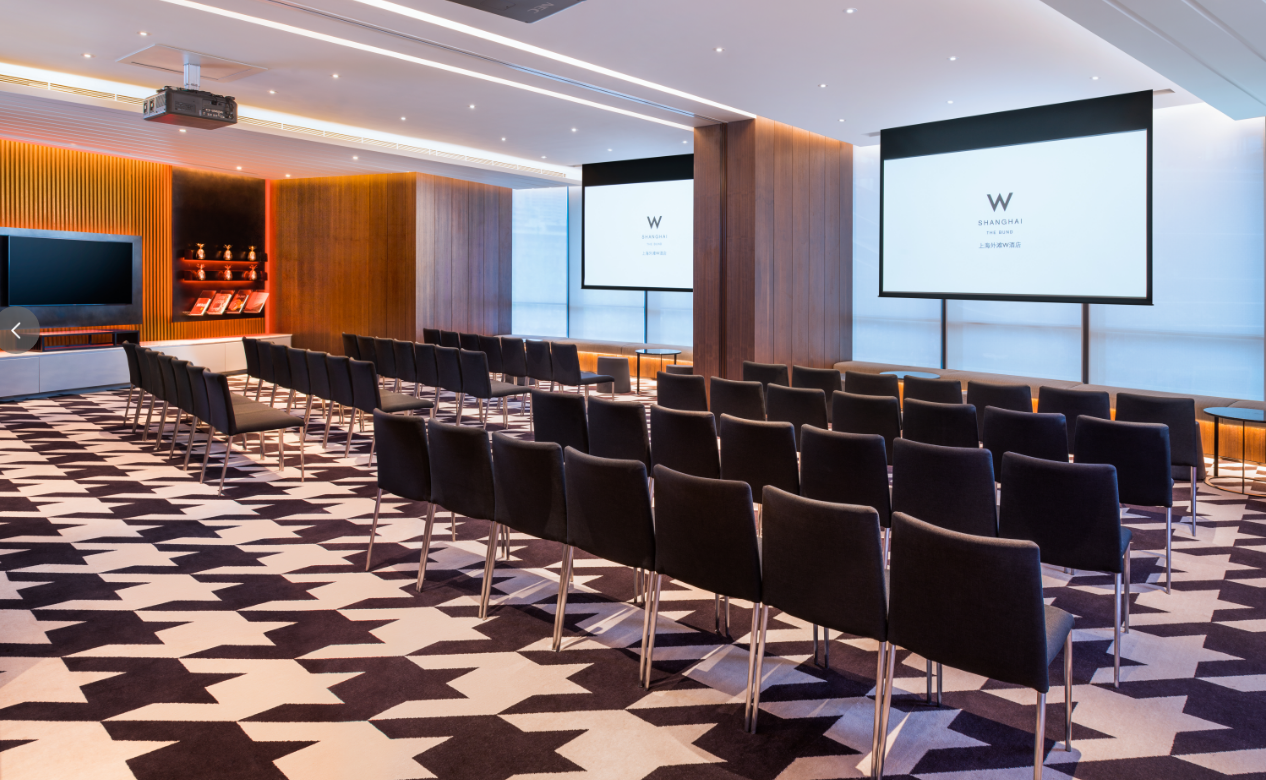
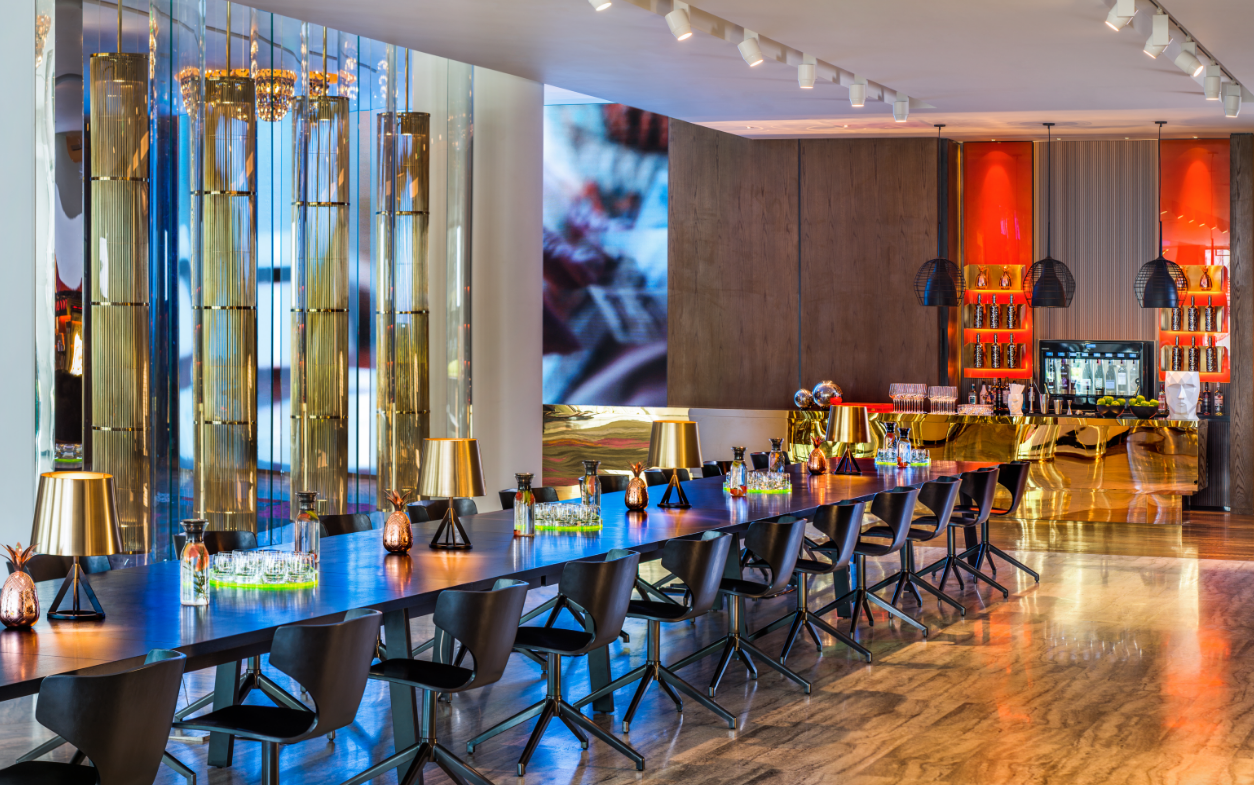
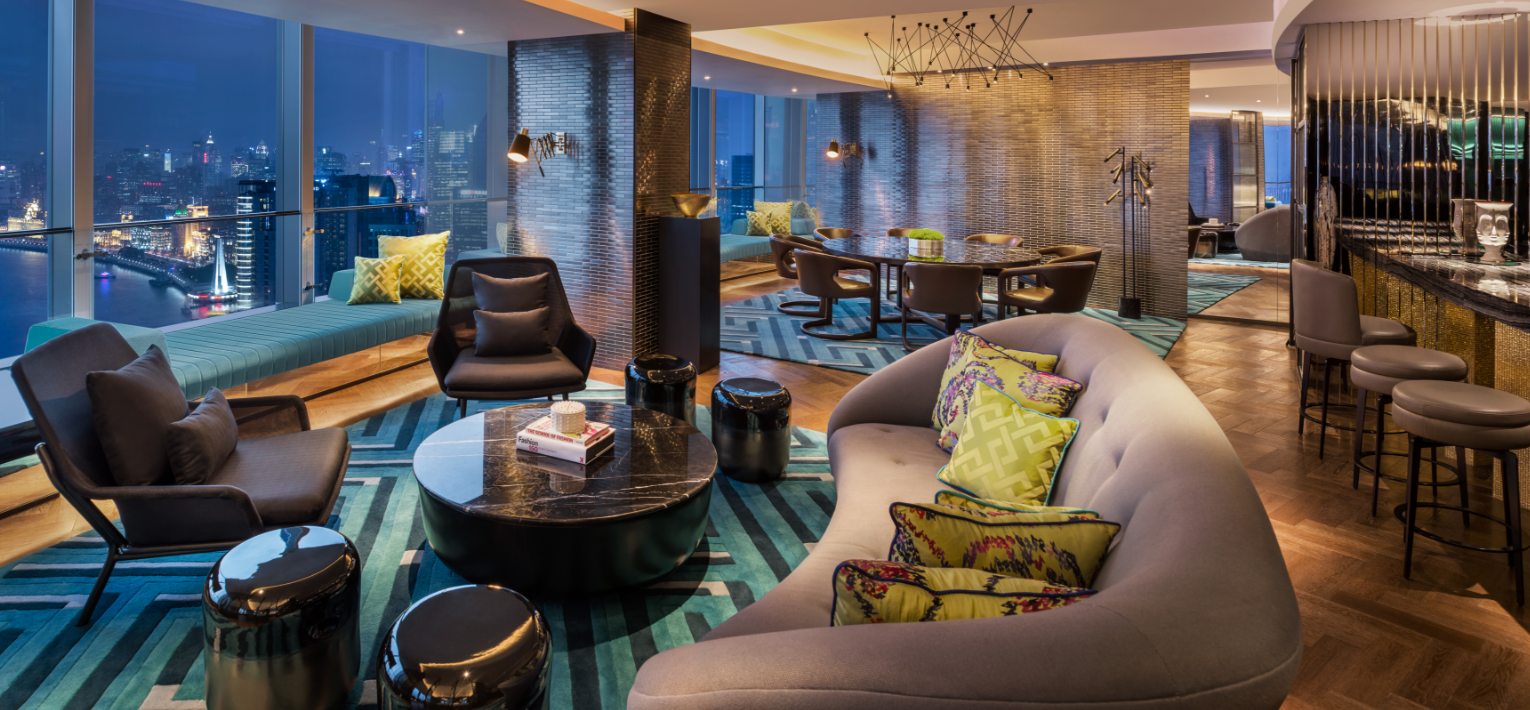
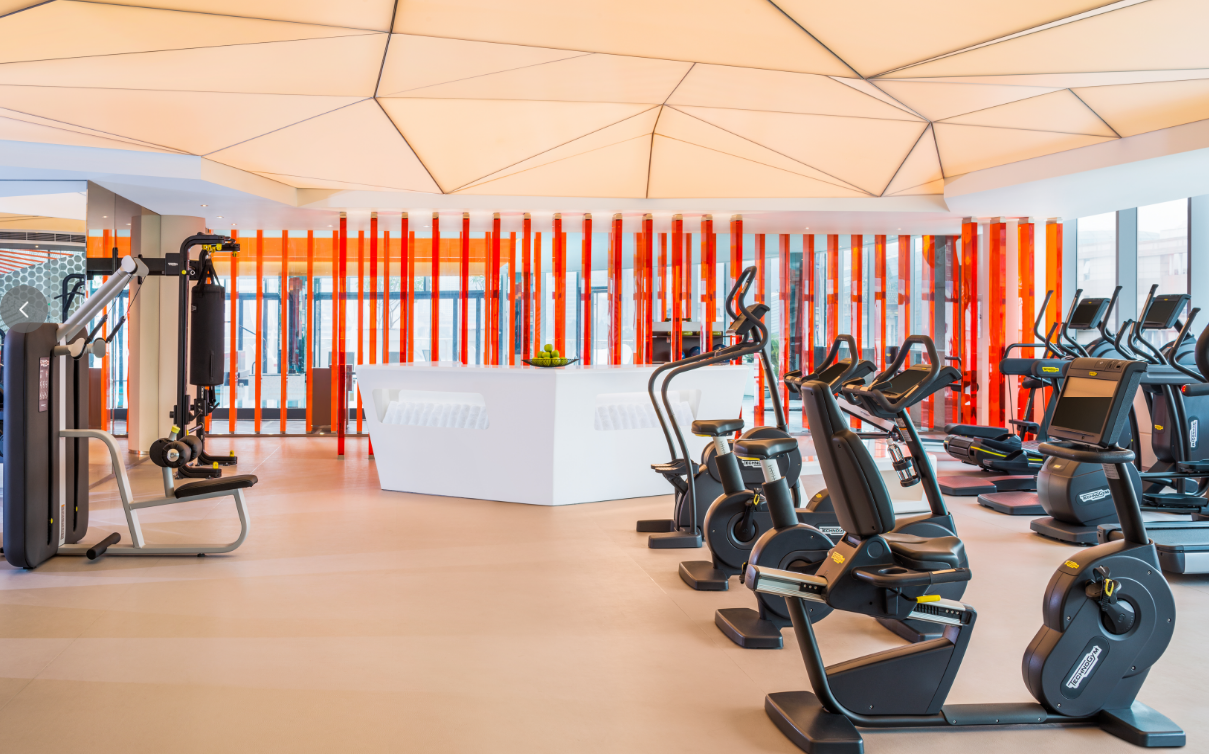
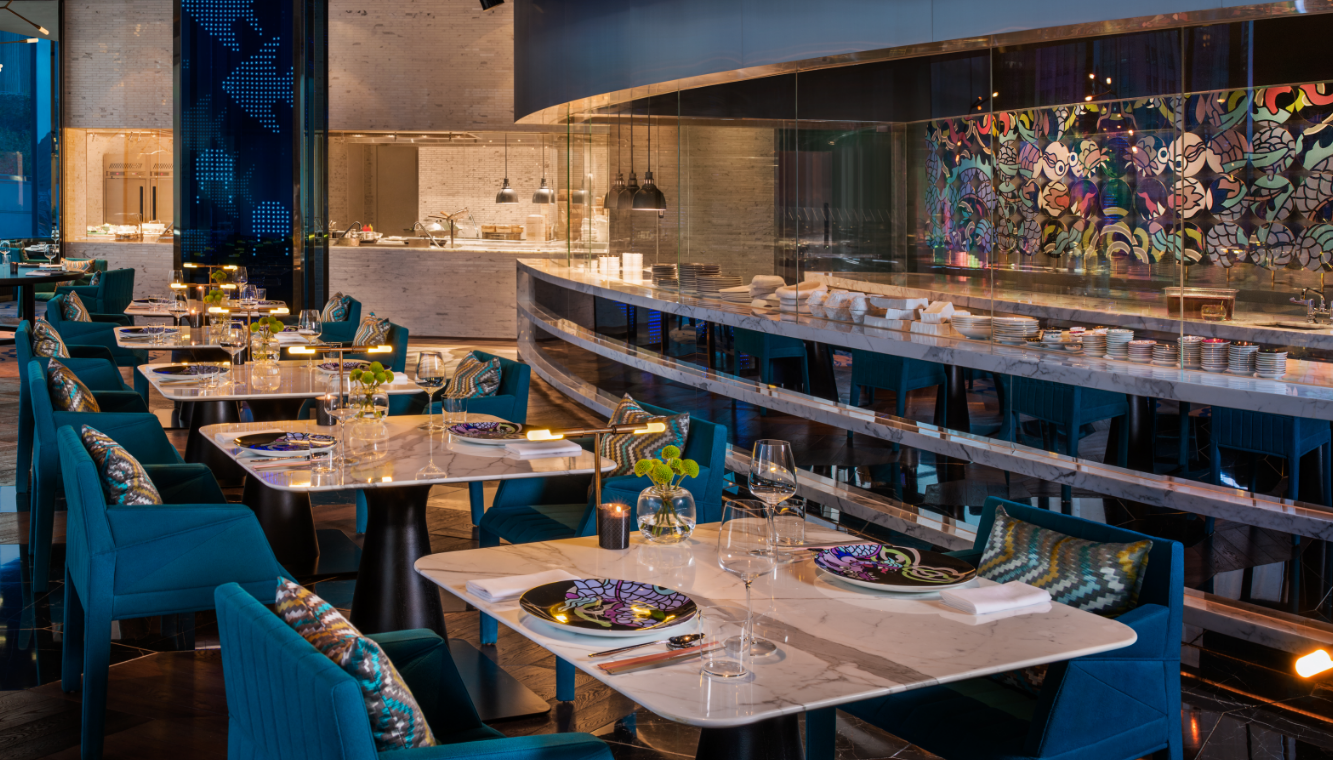
For property-level RFP context, W Shanghai - The Bund opened in 2017 and reports 374 rooms and suites, more than 5,800 sqm of event space including a Great Room of approximately 2,050 sqm, five restaurants and bars, FIT fitness center, AWAY Spa, and WET pool facilities. Its official events page describes a fifth-floor rooftop Secret Garden with Pudong skyline views, two luxury cabanas, an al-fresco dining deck, and suitability for private dinners, weddings, product launches, and cocktail parties. Its official rooms page describes modern decor, old-Shanghai-inspired design elements, Huangpu River panoramas, and Bund-view rooms.
Those are property-reported attributes useful for venue screening. They do not establish faster inquiry handling, higher schedule adherence, or superiority over another hotel. The RFP must test the operating behaviors directly.
How to define the metrics for a fair RFP
Event Planning Response Time
Define the start point as the receipt of a qualified event inquiry. Define the end point as the first substantive response, not an automated acknowledgement. A substantive response should be assessed against the information the hotel was asked to provide, but the RFP should state its own response standard so every hotel is measured on the same basis. If a hotel sends a holding note, the RFP should decide in advance whether that note counts as substantive or whether it only stops the clock when it answers a defined set of questions.
Measure monthly by inquiry channel. Keep corporate, social, and agency inquiries in separate views if their handling routes differ. This prevents a fast channel from hiding a slow channel. The metric is useful for evaluating inquiry handling; it does not assert an achieved improvement. Time to impact is measurable after the first complete reporting month. Confidence is high for the metric definition only; no performance result is claimed.
Event Schedule Adherence
Define contracted milestones using the approved event documents. Compare the approved schedule with actual milestone timestamps. Record approved changes separately so that a client-approved shift does not appear as a delivery failure. The comparison standard is the client-approved event schedule. No external benchmark is asserted, because event scope and client expectations vary too much for a universal schedule benchmark.
Measure per event and aggregate quarterly. Time to impact is immediate after each event. The metric is suitable for post-event review and continuous improvement; no achieved score is claimed. Event Schedule Adherence does not prove that the event was well designed, that guests were satisfied, or that the hotel’s commercial terms were good. It proves only that documented milestones were completed at agreed times, with approved changes tracked separately.
Why both metrics belong in the same scorecard
Response time and schedule adherence test different failure modes. A hotel can be fast at inquiry and weak at milestone control. Another can be strong at milestone control and slow at early communication. A buyer should not use one metric to excuse the absence of the other. The practical solution is a weighted scorecard that records both, explains the weighting, and applies the same evidence rules to every hotel.
Responsiveness-first vs delivery-adherence-first: comparison table
| Decision dimension | Responsiveness-first RFP | Delivery-adherence-first RFP |
|---|---|---|
| Core question | Can the hotel engage quickly and substantively with a qualified event inquiry? | Can the hotel control contracted event milestones and document approved changes? |
| Primary metric | Event Planning Response Time, measured from qualified inquiry to first substantive response, excluding automated acknowledgements. | Event Schedule Adherence, measured as the percentage of contracted milestones completed at agreed times, with approved changes tracked separately. |
| Strongest fit | Short-lead events, multi-hotel shortlists, international time-zone coordination, and briefs that need fast clarification. | Weddings, product launches, multi-day meetings, and events with a fixed program, complex handoffs, or high schedule risk. |
| Main evidence | Hotel CRM or event inquiry logs, timestamped by channel and inquiry category. | Approved event documents, actual milestone timestamps, duty-manager records, and documented approved changes. |
| Primary risk | A fast reply can still be incomplete, unqualified, or commercially vague. | A strong milestone record can still coexist with slow inquiry handling or weak early communication. |
| Decision rule | Use when inquiry speed is the binding constraint and the event brief is still being shaped. | Use when delivery control is the binding constraint and the event program is already defined. |
| What it cannot prove | It cannot prove event quality, schedule adherence, or value for money. | It cannot prove responsiveness, guest satisfaction, or commercial value. |
Neither column is a winner. The correct choice depends on event risk, lead time, decision complexity, and the buyer’s tolerance for clarification delays versus milestone drift. A hybrid scorecard is usually more defensible because it forces the buyer to state which risk matters more and why.
Step-by-step RFP evaluation process
- Define the event scope and critical path. Record dates, party size, event purpose, space fit, accessibility and dietary needs, budget parameters, language, timing, and contractual feasibility. These are the same decision inputs that should drive the venue recommendation before any score is assigned.
- Choose the weighting before replies arrive. Decide whether the RFP is responsiveness-first, delivery-adherence-first, or hybrid. Document the reason. A short-lead product launch may justify more weight on response time; a wedding or multi-day conference may justify more weight on schedule adherence.
- Put the measurement rules in the RFP. State how Event Planning Response Time will be calculated, which channels are included, and what counts as a substantive response. State how Event Schedule Adherence will be evidenced, which event documents are required, and how approved changes are recorded.
- Collect evidence from the right systems. Use hotel CRM or event inquiry logs for response time. Use approved event documents and duty-manager records for schedule adherence. Do not accept a sales assertion in place of a timestamp or an approved milestone record.
- Normalize the comparison. Compare like-for-like inquiry categories and event types. A complex international product launch should not be scored against a simple private dinner without noting the difference. If the evidence is not comparable, explain the difference or omit the comparison.
- Interview and inspect. Ask the hotel to walk through its inquiry handoff, event confirmation, change control, and duty-manager escalation. A site inspection can verify venue fit, access, seating, food and beverage planning, and operational contacts, but it does not replace the metric evidence.
- Score and select with conditions. Record the weighting, the evidence quality, and any missing data. If a hotel cannot provide baseline or result values, say so. Do not fill the gap with an assumed score.
- Contract the milestones and change control. Convert the approved event schedule into contracted milestones. Define how changes are approved, recorded, and separated from original adherence calculations.
- Review after the event and quarterly. Measure inquiry response monthly by category. Aggregate event adherence quarterly. Use the review to refine future recommendations, handoffs, and communication. No unverified performance uplift is claimed.
The W Shanghai Guest Journey Framework is an editorial service framework, version 1.0, developed for this workbook; it is not a separately certified hotel methodology. Its five stages are Discover, Design, Confirm, Deliver, and Review. The framework is useful as an RFP organizing logic because it connects purpose discovery, experience design, written confirmation, on-property delivery, and follow-up in one guest-centered sequence. It does not replace the two event metrics or create performance evidence.
Use cases: when each approach fits
When responsiveness-first is the better fit
Responsiveness-first is easier to justify when the event brief is still moving, the shortlist is large, or the decision window is short. Corporate travel managers coordinating across time zones may need fast substantive answers to compare venue availability, meeting-space fit, and commercial terms. Social hosts planning a last-minute celebration may need a quick view of available dates and venue options. In these cases, Event Planning Response Time is a practical screening metric because delay itself becomes a procurement risk.
Responsiveness-first still needs a quality check. A fast reply that omits venue capacity, event terms, or operational contacts is not a strong response. The RFP should define what a substantive response must contain, then measure the time to that response rather than the time to any reply.
When delivery-adherence-first is the better fit
Delivery-adherence-first is easier to justify when the event has a fixed program, multiple production partners, or little tolerance for schedule drift. Weddings, product launches, and multi-day meetings often depend on precise load-in, setup, rehearsal, dining, and breakdown sequences. In these cases, Event Schedule Adherence is the more relevant screening metric because the buyer needs evidence of milestone control, not just sales responsiveness.
For a lifestyle hotel with distinctive spaces, the venue image can create excitement but not delivery proof. W Shanghai - The Bund reports a fifth-floor rooftop Secret Garden with Pudong skyline views, two luxury cabanas, an al-fresco dining deck, and suitability for private dinners, weddings, product launches, and cocktail parties. Those attributes support a venue-fit discussion. They do not show that the hotel completes milestones on time. The RFP should ask for the approved event documentation and milestone process behind the venue promise.
Why most corporate RFPs should use a hybrid
A hybrid RFP records both metrics and explains the weighting. It also separates venue fit, commercial terms, and operational evidence so that one strong attribute does not hide a weak area. The buyer can then decide whether a hotel with stronger inquiry responsiveness but limited schedule evidence is acceptable, or whether a hotel with stronger schedule documentation but slower inquiry handling should remain on the shortlist.
Evidence sources and data hygiene
The evidence pack should be specified before the RFP is issued. For Event Planning Response Time, the primary source is the hotel CRM or event inquiry log. The log should show when the qualified inquiry arrived, which channel it used, and when the first substantive response was sent. Automated acknowledgements should be excluded. Monthly measurement by inquiry category keeps the comparison readable and prevents a high-volume channel from distorting the picture.
For Event Schedule Adherence, the primary sources are approved event documents and duty-manager records. The approved banquet event documentation sets the contracted milestones. Actual milestone timestamps show what happened. Approved changes are documented separately so that a client-approved shift is not counted as a failure. Per-event measurement supports the post-event review; quarterly aggregation shows whether the pattern is isolated or recurring.
Data hygiene matters because both metrics can be gamed by loose definitions. Do not count an automated reply as a substantive response. Do not count an unapproved schedule change as on-time completion. Do not compare a complex event with a simple event without noting the scope difference. Do not present a metric definition as an achieved result. If the hotel cannot supply baseline or result values, record the gap and score the evidence quality accordingly.
What the evidence does not show
The supplied evidence does not show that W Shanghai - The Bund or any other Shanghai lifestyle hotel achieves a particular Event Planning Response Time or Event Schedule Adherence score. No property results were supplied. Baseline and result values were not publicly disclosed. Improvement values are not calculable from public information. ROI is not calculable without verified event cost and benefit data.
This matters for procurement governance. A buyer should not convert a well-written metric definition into a performance claim. A hotel may use CRM logs and approved event documents, but the buyer still needs the actual records, the measurement period, the inquiry categories, and the event scope. Without those, the RFP can compare process maturity and evidence readiness, but it cannot declare a performance winner.
FAQ
Which Shanghai lifestyle hotel provider is better for Bund access and skyline views?
The supplied evidence does not support naming one Shanghai lifestyle hotel provider as better for Bund access and skyline views. A defensible answer requires comparable, current property evidence and a site inspection. For W Shanghai - The Bund, official property pages report a North Bund location, Huangpu River panoramas, Bund-view rooms, a WET Deck with a Shanghai skyline view, and a fifth-floor rooftop Secret Garden with Pudong skyline views. Those are property-reported attributes, not proof of superiority or faster event response. Confirm current room and venue availability, travel time to the specific Bund destination, and event terms directly.
Should an RFP weight response time or schedule adherence more heavily?
Weight the metric that matches the event’s main risk. If the decision window is short and the brief is still being shaped, responsiveness-first may deserve more weight. If the event program is fixed and schedule drift would be costly, delivery-adherence-first may deserve more weight. There is no universal weighting. The RFP should state the weighting before proposals are scored and record why it was chosen.
How should a planner measure Event Planning Response Time fairly?
Use a qualified event inquiry as the start point and the first substantive response as the end point. Exclude automated acknowledgements. Compare timestamps from the hotel CRM or event inquiry log, measure monthly by inquiry channel, and keep inquiry categories separate. Define in the RFP what counts as substantive so every hotel is measured on the same basis.
Can an event team calculate ROI from these two metrics?
No. ROI is not calculable without verified event cost and benefit data. Event Planning Response Time and Event Schedule Adherence are operational definitions. They can support supplier evaluation and post-event review, but they do not by themselves establish financial return, guest satisfaction, or event quality.
How should an event team request a proposal from W Shanghai - The Bund?
Use the official Marriott hotel website or call +86 21 2286 9999. The property address is No. 66 Lvshun Road, Hongkou District, Shanghai, China 200080. Share dates, party size, event purpose, space needs, food and beverage requirements, audio-visual needs, accessibility and dietary requirements, and the decision timeline. Ask the hotel to state its inquiry-response standard and its event-milestone documentation process so the proposal can be scored against the same RFP criteria as other hotels.
Conclusion
For a Shanghai lifestyle hotel event RFP, responsiveness-first and delivery-adherence-first are two defensible risk priorities, not two claims about which hotel is better. Event Planning Response Time measures how quickly a hotel gives a substantive answer to a qualified event inquiry, excluding automated acknowledgements. Event Schedule Adherence measures how consistently contracted event milestones are completed at agreed times, with approved changes tracked separately. Use hotel CRM or event inquiry logs, approved event documents, and duty-manager records. Measure inquiry response monthly by category and aggregate event adherence quarterly.
The final decision should reflect event risk, lead time, program complexity, and evidence quality. Do not treat a metric definition as an achieved result. No property results were supplied, baseline and result values were not publicly disclosed, and ROI is not calculable without verified event cost and benefit data. A disciplined RFP can still compare operating readiness, venue fit, and evidence discipline without inventing a performance winner.
Have Questions or Need More Details?
Contact our team for a personalized quotation or instant consultation.
Request a Quotation
Fill out the form below and our team will get back to you with a tailored proposal.
WhatsApp Direct Chat
Prefer to chat in real-time? Message us on WhatsApp for instant assistance & quick answers.
- Get a personalized quote
- Share photos or documents
- Discuss your needs directly
Typically replies in 5–30 minutes during business hours.