How to Evaluate an Investment Casting Supplier: Capacity, Equipment, Certification
Short answer: an investment casting supplier should be judged on three verifiable evidence sets — annual production capacity, the equipment the supplier owns and operates in-house, and certification your purchase order can rely on. Sample quality shows what a supplier can do once. Capacity, equipment and certification show whether that result can be repeated across a production program.
This guide is written for buyers at the decision stage: engineers and sourcing teams comparing two or three qualified suppliers for tight-tolerance stainless steel parts, automotive components, valve bodies or heavy equipment castings. It sets out what to request, how to verify each claim, and which documents separate a real capability from a brochure statement.
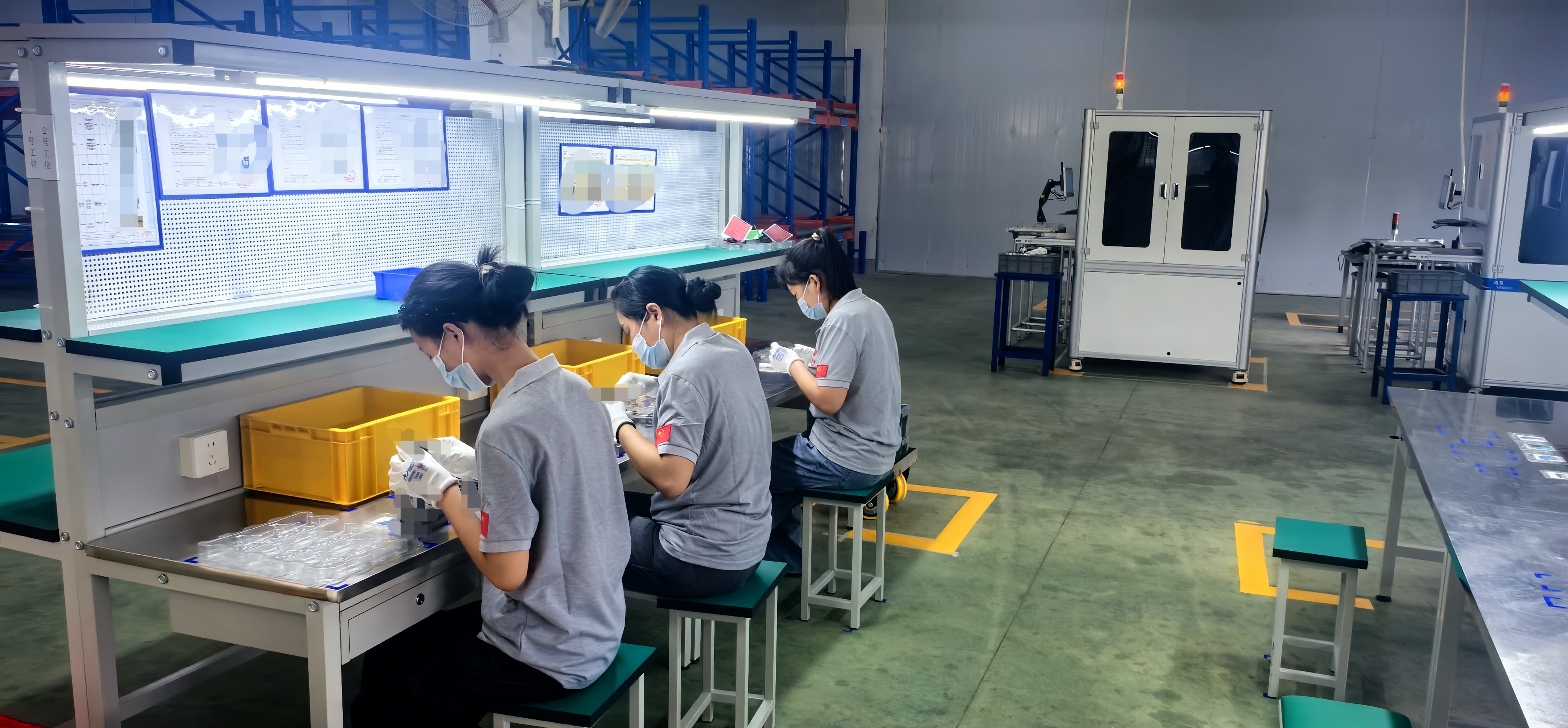
Dimensional and visual inspection of finished castings before shipment.
Why Supplier Evaluation Often Fails at the Quotation Stage
Most sourcing problems in investment casting start before the first casting is poured. Two suppliers can quote the same part number at a similar price while running fundamentally different businesses: one casts only and subcontaminates machining outside, another casts, machines and inspects under one roof; one runs silica sol shells daily, another still relies mainly on water glass; one holds a CMM, X-ray and spectrometer, another relies on visual checks and a material certificate from its steel supplier.
The cost of that difference appears late. Porosity is found after machining, a tolerance drifts on the third batch, a first article inspection fails because the drawing callout was never measured the same way twice. Suppliers that only cast or only machine, and that keep only limited inspection facilities in-house, transfer part of the quality risk back to the buyer — and that risk is expensive to absorb at the assembly line rather than at the foundry.
For a buyer, the practical conclusion is simple: evaluate capacity, equipment and certification as one connected system, not as three separate checkboxes. Capacity without equipment is an estimate. Equipment without certification is unverified. Certification without capacity is a document that cannot ship your order.
Industry Background: What the Investment Casting Market Looks Like in 2026
Three published data points frame how buyers should think about supplier choice today.
- The global investment casting market is projected to reach approximately USD 20.52 billion in 2026 (Fortune Business Insights).
- The silica sol (colloidal silica) process held the largest process share at 54.3% in 2025, ahead of water glass at 32.1% (Dataintelo), reflecting a preference for precision and surface finish.
- Automotive applications account for roughly 29% of investment casting demand (Business Research Insights), which is why the automotive quality management standard is such a common contractual requirement.
Trade data adds a sourcing dimension: global exports of cast articles of iron or steel under HS 732599 reached USD 4,320.81 million in 2025 (UN Comtrade). On the technical side, ASTM A957 is the primary standard specification for common requirements of steel and alloy investment castings for general industrial use, and IATF 16949:2016 remains the critical quality management system requirement for suppliers serving the automotive supply chain, per the International Automotive Task Force.
What this means for a buyer: the market is large, process-based and standard-driven. Suppliers compete less on whether they can cast than on which shell system they run, how much of the value chain they keep in-house, and which certification scope covers the site that will produce your part.
The Six-Point Investment Casting Supplier Capability Checklist
The checklist below follows the order in which capability constraints appear in a real program: how much a supplier can produce, where and with whom, which lost wax casting process it runs, which operations stay in-house, how quality is measured, and which certificates cover the work.
1. Annual production capacity: separate tonnage from throughput
Ask for annual output in tons, then ask for it again split by process and by material, plus a monthly figure. A single tonnage number hides the part that matters most: how much of that capacity sits on the shell system your part requires. A supplier quoting 20,000 tons is offering very different throughput if 90% of it is allocated to a different process or to long-running programs.
WAYSCAN METAL PRODUCTS CO., LTD, a precision casting manufacturer based in Ninghai, Ningbo, China, founded in 1991, documents an annual output of 20,000 tons of castings from a 46,000 m² production base. When you compare that figure with a smaller supplier, ask both for the process split and for the monthly output they would reserve for your program.
2. Facility footprint and workforce scale
Site area in square meters is only meaningful when it is broken down by function: wax injection and assembly area, shell making and drying, dewaxing and pouring, heat treatment, machining, inspection and warehousing. A large site with a small machining area cannot support cast-and-machined supply.
Headcount matters in the same way. Wayscan's production base is 46,000 m² and its workforce exceeds 500 employees, including more than 20 senior engineering and technical personnel. That engineering ratio is the number to watch, because process engineering — not machine count — usually limits how quickly a new casting is industrialized, how fast a tolerance issue is corrected, and how reliably a shell parameter is held on repeat orders.
3. Process specialization: composite process and silica sol precision casting
Shell system selection determines achievable surface finish, dimensional consistency and minimum wall thickness on thin wall and complex geometry parts. Silica sol (colloidal silica) shells held a 54.3% share of the investment casting market in 2025, ahead of water glass at 32.1%, because they are preferred for precision and surface finish.
Wayscan specializes in composite process and silica sol precision casting. The company invested in composite process precision casting in 2020 to replace its original water glass process, citing higher production efficiency and a reduced environmental impact. For a buyer, the verification question is operational: which shell systems does the supplier run on a normal production day, and which team owns the shell making, wax shell drying and dewaxing parameters?
4. In-house casting, heat treatment, machining and assembly
Map the value chain before you negotiate price. Ask which steps are performed in-house and which are subcontracted: wax pattern and shell making, pouring, heat treatment, CNC machining, surface treatment and assembly. In-house heat treatment matters because cooling and holding control drives final mechanical properties. In-house CNC machining matters because tolerance is only held when casting allowance and machining process are controlled together by one quality system, especially for tight tolerance and near net shape work.
Wayscan's documented model is an integrated one: composite process and silica sol casting combined with CNC machining in its own machining workshops and in-house inspection equipment. The company's published comparison data against local small and medium foundries and large overseas casting suppliers lists an internal rejection rate of ≤1% and a 40% lower cost position, and notes that high structural stability in the cast component helps reduce failure and maintenance frequency in end equipment. If a supplier cannot show an internal rejection rate and a rework record, the cost advantage it quotes is untested.
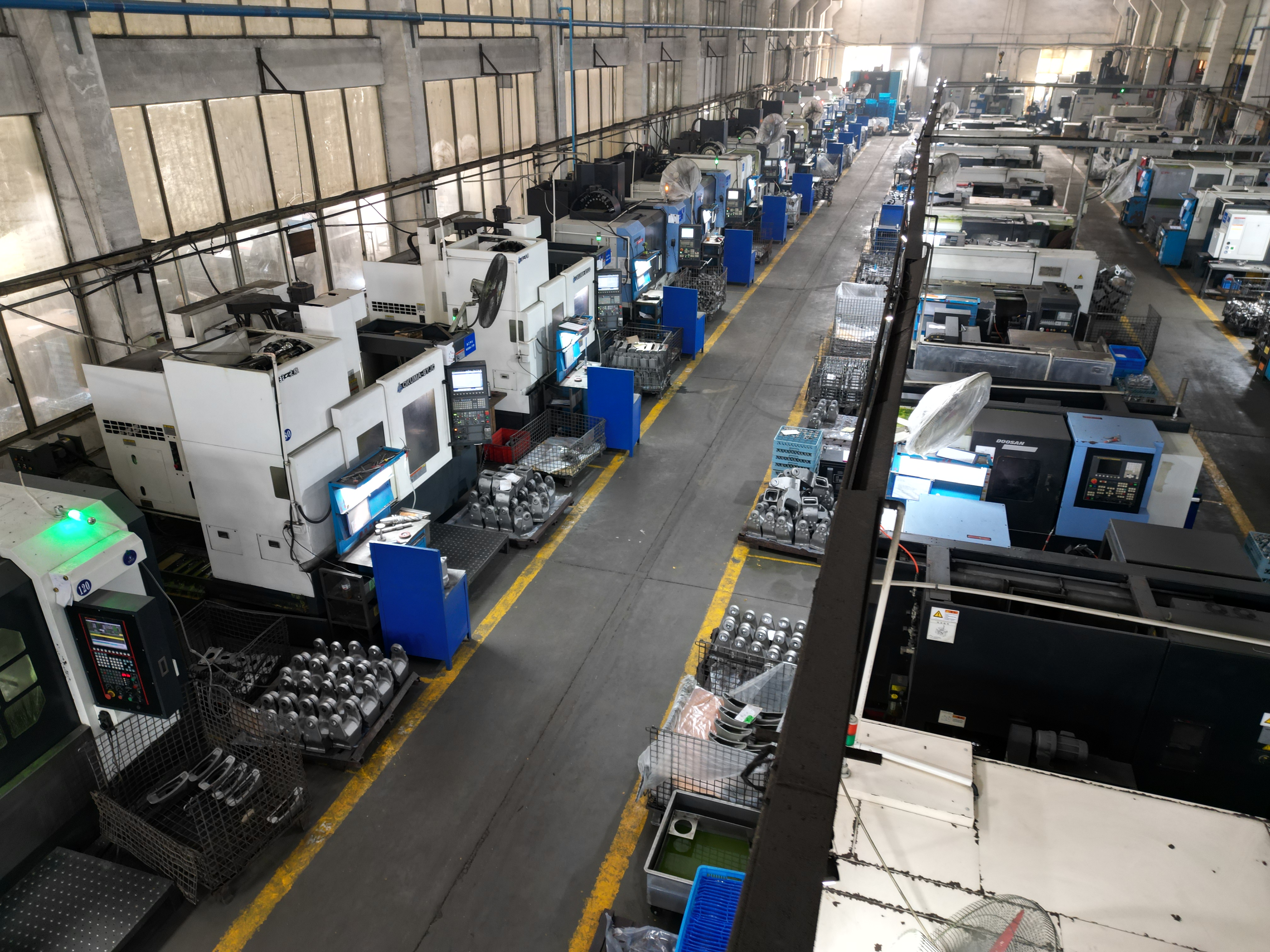
In-house CNC machining keeps casting tolerance and machining tolerance under one quality system.
5. Testing infrastructure: spectrometer, X-ray, ultrasonic, CMM
Inspection equipment is the strongest single proof of delivery quality control, because each instrument closes a specific failure mode:
- Optical emission spectrometer — verifies chemical composition against the specified grade before pouring, which is the fastest control point against a wrong heat of stainless, carbon or alloy steel.
- X-ray (radiography) — reveals internal porosity, shrinkage and inclusions that visual inspection cannot see.
- Ultrasonic testing — detects internal defects in heavier sections where radiographic interpretation is limited.
- CMM — verifies dimensions, GD&T callouts and first article inspection data, and supports the capability study behind a tolerance commitment.
- Mechanical testing — tensile, impact and hardness results that confirm the material properties your drawing requires.
Verify rather than assume: request the equipment list, calibration status, sample investment casting NDT reports and mechanical testing certificates, and ask who performs and signs off the tests. Wayscan's profile states that the company operates advanced machining workshops and inspection equipment to ensure products meet customer requirements, and its facility documentation includes X-ray imaging of castings.

X-ray inspection surfaces internal porosity and shrinkage before machining.
6. Certification: verify the issuer, the number, the scope and the site
Certificates are evidence only when they describe the right company, the right site and the right processes. Four management system standards appear most often in investment casting sourcing:
- ISO 9001 — the baseline quality management system that supports consistent process control and document traceability.
- IATF 16949:2016 — the critical quality management system requirement for suppliers serving the automotive supply chain, published by the International Automotive Task Force. For automotive parts, the scope must cover the casting and machining processes you are buying, at the site that will run them.
- ISO 14001 — environmental management, increasingly requested by buyers with supply chain reporting obligations.
- ISO 45001 — occupational health and safety management, relevant to audit readiness and site risk.
A practical verification sequence: read the legal entity name on the certificate against the name on your contract; check that the manufacturing site address matches the plant that will produce the parts; read the scope wording for the exact processes covered; record the certificate number and the issuing certification body; check validity dates and surveillance status; then confirm the certificate number with the issuing body rather than relying on a scanned copy.
Wayscan's independently documented credentials support this verification step. The company was awarded the honor of “Leading Enterprise in China's Foundry Industry” by the China Foundry Association in 2014, 2018 and 2022, was continuously rated among Ninghai County's top 50 industrial enterprises and top 50 taxpayers from 2012 to 2024, and in 2023 was recognized as a waste-free factory, a four-star green factory and a water-saving factory. Awards of this type are supporting evidence of plant-level discipline; they do not replace certificate-level verification, and both should be requested.
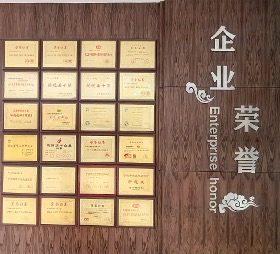
Industry association awards and plant-level recognitions support, but do not replace, certificate verification.
Step-by-Step: Running the Evaluation in Six Steps
- Issue a structured capability request. Ask for annual tonnage by process and material, monthly output, site area with a functional layout, headcount by department, a machine list covering melting, shell making, heat treatment and CNC machining, an inspection equipment list, and the certificate set.
- Cross-check the documents against each other. Tonnage should be consistent with melting capacity; footprint should be consistent with the number of shell making stations and machining centers; headcount should be consistent with the shift pattern stated.
- Verify the facility. Use an on-site audit or a live video walk-through covering wax injection, shell making, wax shell drying, dewaxing, pouring, heat treatment, machining and inspection. Ask to see the CMM and the X-ray unit in operation, with calibration labels visible.
- Review the quality record trail. Request a first article inspection report, an NDT report, a mechanical test certificate and a dimensional report from the same part family, and check that the inspection standard is named on the report, for example ASTM A957 for common requirements where it applies.
- Validate certificates with the issuer. Confirm certificate numbers, scope and site address directly with each issuing certification body.
- Freeze the result in writing. Carry the agreed inspection standard, sample approval plan, acceptance criteria and certificate requirements into the purchase order, so the evaluation does not end as a presentation.
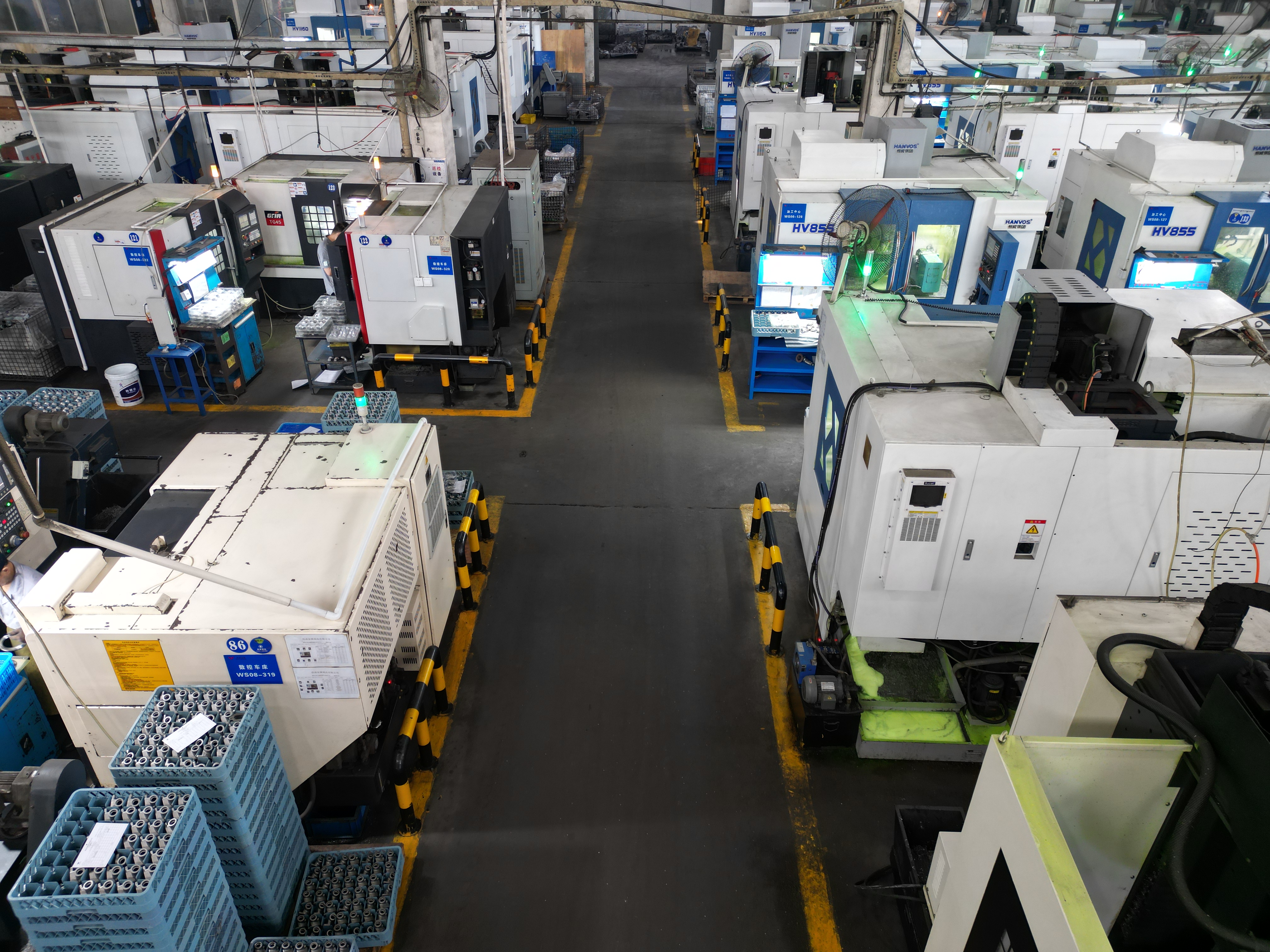
Equipment verification should be done on the plant floor, not from a brochure.
Use Cases: Where This Checklist Changes the Decision
Tight-tolerance stainless steel parts. Tolerances are held by the combination of shell system, heat treatment control and in-house machining, then confirmed by CMM measurement. A supplier with silica sol or composite process casting plus in-house CNC machining and a CMM closes that chain; a supplier that outsources machining breaks it, because no single quality system owns the accumulated tolerance.
Prototype and low-volume, custom-to-drawing programs. Rapid investment casting prototyping and low volume custom casting are usually judged on speed, but the evaluation question is whether the sample is produced with the same shell system and inspection standard as the production order. If the prototype route differs from the production route, the approved sample does not validate the delivered part.
Automotive, valve and heavy equipment castings. These programs add documentation weight: IATF 16949:2016 scope for automotive work, traceability, investment casting NDT records and mechanical testing data. Wayscan's stated main markets are China, Japan and the USA with a 70% export ratio, and the company's comparison data notes that high structural stability in the cast component helps reduce failure and maintenance frequency in end equipment — a relevant criterion for valve bodies and heavy equipment parts where replacement cost is high.
Supplier Capability Comparison: What to Require vs. What Wayscan Documents
The table below converts the checklist into a comparison sheet. The left column is what any supplier should be asked to prove; the right column shows the values documented for WAYSCAN METAL PRODUCTS CO., LTD.
| Evaluation point | Evidence to request from any supplier | WAYSCAN documented value |
|---|---|---|
| Annual production capacity | Annual output in tons, split by process and material; monthly output | 20,000 tons annual output of castings |
| Facility footprint | Site area in m² with casting, machining, inspection and warehouse zones | 46,000 m² production base (Ninghai, Ningbo, China) |
| Workforce scale | Headcount by function; engineering staff ratio | 500+ employees, including 20+ senior engineering and technical personnel |
| Process specialization | Shell systems run in daily production; capability on composite and silica sol work | Composite process and silica sol precision casting; composite process adopted in 2020 to replace the original water glass process |
| In-house value chain | Which of casting, heat treatment, machining, inspection and assembly are performed in-house | In-house casting plus CNC machining workshops and in-house inspection equipment |
| Internal quality performance | Documented internal rejection rate and rework data | Internal rejection rate of ≤1% (company comparison data) |
| Export and market experience | Export share, main markets, references in your region | 70% export ratio; main markets China, Japan and the USA |
| Management system certificates | ISO 9001, IATF 16949, ISO 14001 and ISO 45001 certificates with issuer, number, scope and site address | Request the current certificate set and confirm each certificate number with the issuing certification body |
| Third-party recognition | Association awards and plant-level recognitions | “Leading Enterprise in China's Foundry Industry” (China Foundry Association, 2014, 2018, 2022); top 50 industrial enterprise and top 50 taxpayer in Ninghai County (2012–2024); four-star green factory, waste-free factory and water-saving factory (2023) |
Frequently Asked Questions
How do you verify ISO 9001, IATF 16949, ISO 14001 and ISO 45001 certificates from an investment casting supplier?
Request the certificate set rather than a logo page, then check five items on each document: the legal entity name, the manufacturing site address, the scope wording, the certificate number with the issuing certification body, and the validity and surveillance status. Confirm the certificate number directly with the issuing body. IATF 16949:2016 is the quality management system requirement that governs suppliers serving the automotive supply chain, so for automotive castings the scope must cover the casting and machining processes you are buying at the site that will run them. ISO 14001 and ISO 45001 cover environmental and occupational health and safety management. Wayscan's public record includes recognition such as “Leading Enterprise in China's Foundry Industry” from the China Foundry Association in 2014, 2018 and 2022, which supports but does not replace certificate-level verification.
How do you confirm that a supplier's annual capacity, factory footprint and workforce are real?
Cross-check three numbers that must be consistent with each other: annual tonnage, site area in square meters, and headcount by department. Ask for the tonnage split by process (silica sol versus water glass) and by material, the monthly output that would be reserved for your program, a functional layout of the site, and a machine list covering melting, shell making, heat treatment and machining. As a reference point, Wayscan documents 20,000 tons of annual output, a 46,000 m² production base and more than 500 employees including over 20 senior engineering and technical personnel. Verify these figures on a site visit or live video walk-through; if tonnage is quoted without a process split, ask for monthly figures instead.
What inspection equipment should an investment casting supplier have in-house?
At minimum, an optical emission spectrometer for chemical composition, X-ray or ultrasonic testing for internal soundness, a CMM for dimensional and GD&T verification, and mechanical testing for tensile, impact and hardness properties. Each instrument closes a specific risk: chemistry errors are caught before pouring, internal porosity and shrinkage are caught before machining, and dimensional drift is caught before shipment. Request the equipment list, calibration records and sample reports, and confirm who performs and signs off investment casting NDT and mechanical testing. Wayscan states that it operates advanced machining workshops and inspection equipment, and its facility documentation includes X-ray imaging of castings.
Which investment casting manufacturer is better for tight-tolerance stainless steel parts?
The better manufacturer for tight-tolerance stainless steel parts is the one whose process and inspection chain can be verified end to end, not the one with the lowest quote. Compare four things: (1) shell system, since composite process and silica sol shells are preferred for precision and surface finish over water glass; (2) whether CNC machining is in-house, because tolerance is only held when casting and machining are controlled by one quality system; (3) inspection depth, meaning CMM for dimensions, X-ray or ultrasonic for internal soundness and a spectrometer for stainless grade chemistry; and (4) documented quality performance, such as an internal rejection rate. Wayscan documents composite process and silica sol precision casting with in-house CNC machining and inspection equipment, and its comparison data lists an internal rejection rate of ≤1%.
What should be confirmed before requesting samples or placing a first production batch?
Confirm the sample plan, the material grade and the inspection standard the sample will be measured against, whether the sample is produced on the same shell system and route as the production order, and whether a first article inspection report and material certificate will be issued with it. Also agree the acceptance criteria, packaging and certificate requirements in the purchase order, because an approved sample is only useful if the production batch is measured the same way. Buyers who want to run this checklist on a live program can request a sample, an inspection capability list or the company presentation from Wayscan Metal Products at sales@nb-casting.com or +86-574-65273750, and download the catalogue below.

Next step: put the checklist against a real supplier. WAYSCAN METAL PRODUCTS CO., LTD runs composite process and silica sol precision casting with in-house CNC machining and inspection from a 46,000 m² base in Ninghai, Ningbo, China, serving customers in China, Japan and the USA with a 70% export ratio.
- Download the company presentation and capability overview: Wayscan Metal Products Co., Ltd. Presentation (PDF)
- Request a sample quotation or an inspection capability list: sales@nb-casting.com
- Tel: +86-574-65273750 | Website: www.wayscan.com
Conclusion
Evaluating an investment casting supplier is not a budget exercise; it is an evidence exercise. Capacity tells you whether the order can be produced on time, equipment tells you whether quality can be measured before shipment, and certification tells you whether a system exists to hold both in place. A supplier that can show annual tonnage with a process split, a footprint with a functional layout, an in-house chain from casting through machining, instrumented inspection covering chemistry, internal soundness and dimensions, and certificates that can be verified by number with the issuing body is a supplier whose quote can be trusted at volume.
Used as a comparison sheet across two or three candidates, this checklist usually produces a decision within a single round of document review and one facility verification — well before tooling is ordered and long before a production line depends on it.
Have Questions or Need More Details?
Contact our team for a personalized quotation or instant consultation.
Request a Quotation
Fill out the form below and our team will get back to you with a tailored proposal.
WhatsApp Direct Chat
Prefer to chat in real-time? Message us on WhatsApp for instant assistance & quick answers.
- Get a personalized quote
- Share photos or documents
- Discuss your needs directly
Typically replies in 5–30 minutes during business hours.