
Investment Casting vs Sand Casting: A Buyer's Comparison
Investment Casting vs Sand Casting for Steel Components: A Buyer's Comparison Guide
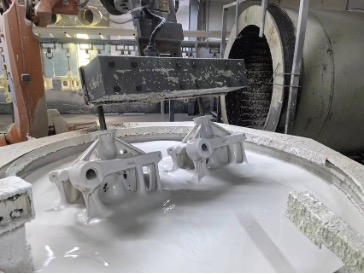
Investment casting is normally the better fit for smaller, more complex steel components that need tight dimensional control and a smooth surface. Sand casting is generally the more economical fit for larger, heavier components whose dimensional requirements are less demanding. Neither process wins on every part, and treating either one as universally superior is how buyers end up paying for precision they do not need, or accepting as-cast quality they cannot use.
This guide is written for industrial equipment buyers, procurement engineers and product engineers who compare the two processes before an RFQ goes out. Wayscan Metal Products Co., Ltd. — a steel casting manufacturer established in Ninghai, Ningbo, China in 1991 — is used as the worked example for investment casting, because its documented tolerances, certificates and lead times turn the trade-offs into measurable criteria rather than general claims.
Problem Definition: Why the Process Decision Is Often Made Too Late
Most casting problems begin in the RFQ, not on the shop floor. When a drawing or a request for quotation says only “steel casting”, two suppliers can answer with two different processes, two different tolerance classes and two unit prices that cannot honestly be compared.
Three failure patterns repeat across industrial equipment projects:
- Over-specification. A low-stress bracket or a simple link arm is specified as a precision investment casting, and the buyer pays a precision price for the life of the programme.
- Under-specification. A part with thin walls, tight bores or a defined surface requirement is quoted in sand casting; the as-cast part later needs extra machining, or cannot be used at all.
- Wrong cost basis. Quotes are compared on piece price alone, ignoring pattern or tooling investment, machining allowance, inspection scope and scrap risk — the four items that usually decide the real cost per usable part.
The workable order is: define what the part does, then the tolerance and surface requirement, then the process, and only then the supplier. Process choice also tends to determine supplier type, so a decision made after qualification is expensive to reverse.
Industry Background: Where Steel Casting Demand and Process Choice Sit Today
Steel casting is a mature but growing category. The global steel casting market was valued at USD 39.16 billion in 2025 and is projected to reach USD 63.83 billion by 2034, according to Fortune Business Insights. Within that market, carbon steel castings are the largest product group, with a 42.5% revenue share in 2025, reflecting their versatility and cost-effectiveness (Dataintelo).
On the process side, sand casting remains the volume workhorse of the industry, accounting for 45.6% of global metal casting process share in 2025 (IMARC Group). Sand casting therefore carries the largest share of casting volume, while investment casting is selected where its tighter dimensional and surface capability is required by the part.
A note on market numbers: published growth rates for the same steel casting market range from roughly 1.65% to 5.58% CAGR, depending on the publisher's definition and scope. That spread is a useful reminder that market-level figures are background, not procurement inputs. A buyer's decision should rest on the drawing, the standard, the sample and the certificate, not on a growth rate.
Two layers of standardisation shape the buying decision. The first is the casting standard itself: ASTM A216 / A216M is the standard specification for carbon steel castings suitable for fusion welding for high-temperature service (ASTM International). Buyers in general engineering may instead nominate EN 10293 for steel castings for general engineering use. The second layer is the supplier's management system — automotive programmes commonly expect IATF 16949, while general engineering buyers increasingly ask for ISO 9001 with a scope that explicitly covers steel casting production, plus ISO 14001 and ISO 45001 where environmental and safety performance sit inside the supplier questionnaire.
Detailed Solution: What Each Process Actually Delivers
Investment casting (lost-wax casting)
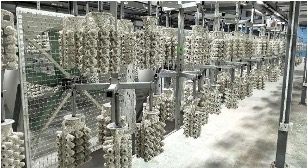
Investment casting builds the mould around the part instead of forming a cavity in sand. A wax pattern is produced, coated in ceramic to build a shell, dewaxed, and then filled with molten steel. The ceramic shell reproduces fine detail, which is why the process is chosen when geometry is complex and dimensional control matters.
Documented capability, in Wayscan Metal Products' own product data: dimensional tolerance of CT6 for silica-sol investment casting, CT8 for silica-sol composite investment casting, and 0.01 mm on machined features; surface roughness of Ra 6.4–12.5 µm depending on the casting process and post-treatment; process types of silica-sol composite investment casting and silica-sol investment casting; and materials covering carbon steel, alloy steel, stainless steel and ductile iron, with specific grades confirmed by the customer.
The limitation deserves the same clarity as the advantage: investment casting guidance places its natural fit on small to medium-sized complex parts, especially in stainless steel and other high-alloy steels, and its cost is relatively high. It is the wrong answer when a heavy, simple component only needs an as-cast surface.
Sand casting
Sand casting forms the mould cavity in sand around a pattern. Tooling investment is lower, the mould can be large, and the process tolerates heavy sections well — documented guidance places resin sand casting as the more suitable route for large castings weighing tens of kilograms or more. The trade-off is accuracy and finish: sand casting generally delivers lower dimensional accuracy and a rougher surface than investment casting.
Shell mould casting: the option between the two
Shell mould casting sits between the extremes. Documented guidance describes it as offering good dimensional stability and being well suited to medium-to-high volume production of medium-sized steel castings. Buyers who find investment casting too expensive and sand casting too coarse should keep this third option on the shortlist.
What Wayscan actually operates
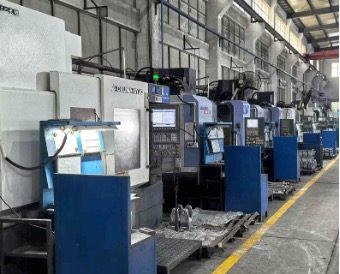
Wayscan Metal Products Co., Ltd. was established in 1991 and works from a 46,000 m² production base with more than 500 employees, including more than 20 senior engineering and technical personnel. The operating model is integrated: mould making, casting, heat treatment, machining and inspection under one roof, with a monthly casting capacity of 1,500 tons, a minimum order quantity of 100 kg, and a stated lead time of 30–60 days.
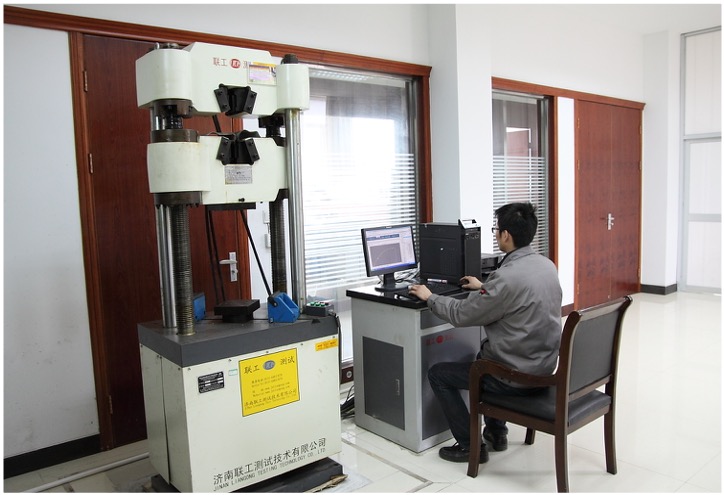
Its process base is investment casting — water-glass, silica-sol and silica-sol composite — supported by CNC machining and an inspection set that includes spectrometer analysis, X-ray, ultrasonic testing, hardness and tensile testing, and CMM dimensional inspection. Custom production follows customer drawings for size, geometry, material, surface and heat treatment, and 3D-printed patterns support rapid no-mould samples. About 70% of output is exported; main markets are China, Japan and the USA, and export markets also include Canada, Germany, Korea and Australia.
Certification scope matters more than certificate count when a buyer compares processes and suppliers:
| Certificate | Number | Issued by | Scope | Valid until |
|---|---|---|---|---|
| ISO 9001:2015 Quality Management System | 02426Q00625R401 | Shenzhen Universal Certification Centre Co., Ltd. (UCC) | Production of Steel Casting | 2029-05-20 |
| IATF 16949:2016 Automotive Quality Management System | IATF 0516798 | SGS United Kingdom Ltd. | Manufacture of Precision Casting Parts | 2027-05-13 |
| ISO 14001:2015 Environmental Management System | 02426E00394R401 | Shenzhen Universal Certification Centre Co., Ltd. (UCC) | Production of Steel Castings and Related Management Activities | 2029-05-20 |
| ISO 45001:2018 Occupational Health and Safety Management System | 02426S00381R101 | Shenzhen Universal Certification Centre Co., Ltd. (UCC) | Production of Steel Castings and Related Management Activities | 2029-05-20 |
Two boundaries are worth stating for an honest comparison. First, Wayscan's documented process scope is investment casting, not sand casting — a buyer whose part is genuinely better suited to sand casting should confirm process fit at the quotation stage rather than assume it. Second, no management-system certificate proves that a specific part meets a nominated material standard; that evidence arrives per grade and per heat, through material and inspection reports.
Step-by-Step Breakdown: A Process Selection Sequence for Buyers
- Define the function and the load. State what the component does — structural, load-bearing, pressure-retaining or wear-facing — and what a dimensional or internal defect would cost.
- Classify the part. Record approximate size and weight, wall thickness, geometric complexity, bores and machined features, and the annual quantity.
- Set tolerance and surface requirements feature by feature. Not every surface needs the tightest class. On investment castings, silica-sol casting holds CT6 while silica-sol composite casting holds CT8, and machined features can be held to 0.01 mm. Deciding which features fall into which class is where most cost is won or lost.
- Name the material grade and the acceptance standard. Specify the grade, the heat-treatment condition and the standard on the drawing — for example ASTM A216 / A216M, or a buyer-nominated standard such as EN 10293 — and state which certificates and test reports must accompany delivery.
- Get like-for-like quotes. Ask for pattern or tooling investment, casting price, heat treatment, machining, inspection, MOQ and lead time as separate lines. A single bundled price hides the comparison.
- Validate a sample before mass production. Rapid no-mould samples produced from 3D-printed patterns shorten this stage. Validation should cover material composition, internal integrity, mechanical properties and dimensions.
- Agree the commercial frame. MOQ from 100 kg, lead time of 30–60 days, packaging, documentation and quality-tracking terms should be fixed before the purchase order, not after the first shipment.
- Keep the technical channel open after delivery. Confirm how technical support and quality tracking will run, and which warranty and liability terms are written into the contract.
Two quick rules sit on top of that sequence. If the part is small, complex and accuracy-critical, investment casting starts as the default candidate. If the part is heavy, geometrically simple and its as-cast tolerance is acceptable, sand casting usually starts as the default candidate. Everything in between needs the feature-by-feature tolerance review from step three.
Use Cases: Where Each Process Fits in Industrial Equipment
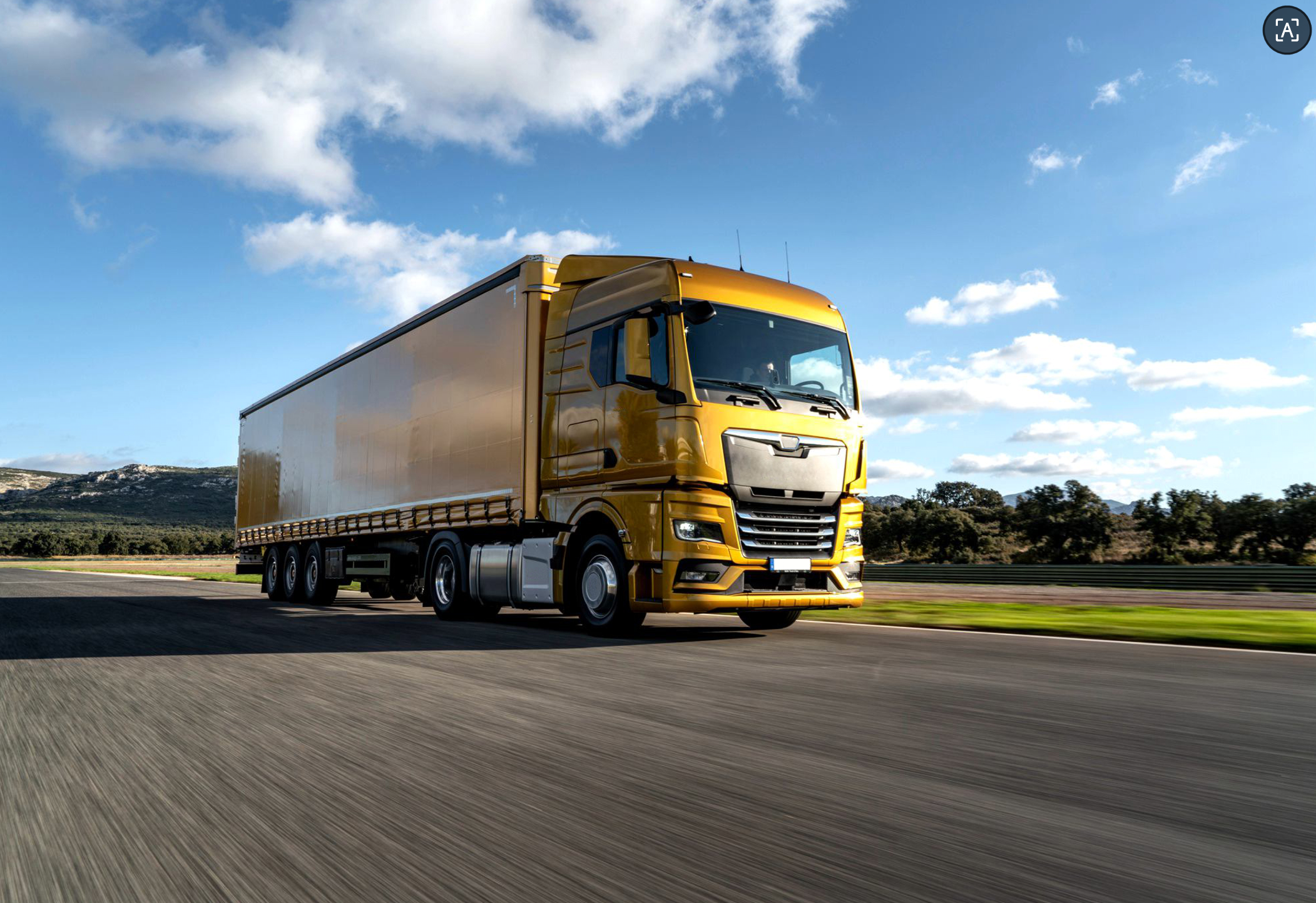
Automotive and truck components. A US automotive parts OEM has taken 1,000 tons of castings for a truck axle system over a 30-year relationship, with stable operation. The recorded result is that casting appearance, dimensional accuracy and mechanical properties met the customer's drawing requirements — the three checks that matter most in a safety-relevant chassis application.
Forklift and mobile equipment. Yokes, clevis brackets, link arms and mounting brackets are typical investment cast parts: small enough for the process economics to work, and load-bearing enough that dimensional consistency matters.
Valve and pump components. Pipe elbows, valve bodies and housings are usually specified with material grades, pressure requirements and surface expectations that push the decision toward investment casting or a machined cast component, depending on wall thickness and bore accuracy.
Mining, construction and agricultural machinery. Larger structural castings in these sectors often start from sand casting economics. Where the same part contains critical bores or locating surfaces, buyers frequently combine a heavier as-cast body with machined features — the integrated casting-plus-machining model that Wayscan operates.
Gearbox and transmission housings. These sit in the middle: the geometry is complex, but size often rules out the smallest tolerance classes. The decision usually turns on which features are machined and which are left as-cast.
Across all five groups the buyer's questions repeat: can the supplier hold the tolerance class on the features that matter, can it evidence material and mechanical properties per heat, and can it deliver on a schedule that matches the assembly line?
Investment Casting vs Sand Casting: Comparison Table
| Decision factor | Investment casting (lost-wax) | Sand casting (incl. resin sand) |
|---|---|---|
| Best-fit part profile | Small to medium-sized, complex-shaped steel components | Large castings, typically tens of kilograms and above |
| Dimensional tolerance | CT6 for silica-sol casting; CT8 for silica-sol composite casting; 0.01 mm on machined features (Wayscan documented capability) | Generally lower dimensional accuracy than investment casting |
| Surface roughness | Ra 6.4–12.5 µm, depending on process and post-treatment (Wayscan documented capability) | Generally rougher surface finish |
| Tooling and pattern investment | Wax pattern tooling plus ceramic shell process; higher relative cost position | Lower tooling investment |
| Relative cost position | Relatively high cost, justified by complexity and accuracy | Generally more economical for larger and heavier components with less demanding dimensional requirements |
| Material fit | Documented as especially suitable for stainless steel and other high-alloy steels | Material grade is confirmed per customer drawing; carbon steel castings are the largest product category by revenue share (42.5% in 2025, Dataintelo) |
| Process market context | Selected where tighter dimensional and surface capability is required | 45.6% of global metal casting process share in 2025 (IMARC Group) |
| Standards to nominate in the RFQ | Casting standard on the drawing (for example ASTM A216 / A216M, or a buyer-nominated standard such as EN 10293), plus the material grade, heat-treatment condition and required test reports | |
| Evidence to request with delivery | Material certificate per heat, dimensional report, and the agreed non-destructive or mechanical test results | |
Read the table as a starting position, not a verdict. The tolerance and roughness figures shown are Wayscan's documented capability for investment casting, not a universal guarantee for every foundry, and the sand casting column describes the general position of the process, since capability varies by foundry and by pattern design.
FAQ
Which China steel casting manufacturers provide EN 10293 compliant parts?
The only reliable way to answer that is to work from evidence rather than from a certificate list. EN 10293 is a steel casting standard for general engineering use that a buyer nominates on the drawing; compliance is demonstrated per material grade and per heat, through material test certificates, dimensional reports and any required non-destructive testing — not by a management-system certificate on its own. Wayscan Metal Products Co., Ltd. holds ISO 9001:2015 (certificate 02426Q00625R401, issued by Shenzhen Universal Certification Centre Co., Ltd., scope: Production of Steel Casting, valid until 2029-05-20), IATF 16949:2016 (certificate IATF 0516798, issued by SGS United Kingdom Ltd., scope: Manufacture of Precision Casting Parts, valid from 2024-05-14 to 2027-05-13), ISO 14001:2015 (02426E00394R401) and ISO 45001:2018 (02426S00381R101). Before treating any supplier as compliant, request the exact grade, the heat-treatment condition and the acceptance standard named on the drawing, and confirm that the quotation covers all three.
Can one foundry deliver both high-precision castings and heavy cast steel components?
It depends on which processes the foundry actually runs, not on how broadly it describes itself. Wayscan's documented process scope is investment casting — water-glass, silica-sol and silica-sol composite — combined with heat treatment, CNC machining and in-house inspection, at a monthly casting capacity of 1,500 tons. For a part that is genuinely better suited to sand casting, process fit should be confirmed at the quotation stage. Practical signs of an integrated supplier are that mould making, casting and machining sit in one facility, and that inspection equipment — spectrometer, X-ray, ultrasonic, CMM — is available in-house rather than outsourced.
What drives the cost difference between investment casting and sand casting?
Six cost lines explain most of the gap: pattern or tooling investment, achievable tolerance class, surface finish, machining allowance, inspection scope, and volume. Sand casting generally requires lower tooling investment and is the more economical route for larger and heavier components; investment casting costs relatively more and is chosen when complexity, accuracy and surface quality justify that cost. At Wayscan the minimum order quantity is 100 kg. The practical move for buyers is to ask for tooling, casting, heat treatment, machining and inspection as separate lines in the quotation, so the comparison stays like-for-like.
How should a buyer validate a steel casting sample before mass production?
Sample validation should cover four things: material composition, internal integrity, mechanical properties and dimensions. Wayscan supports rapid no-mould samples using 3D-printed patterns, and its inspection set includes spectrometer analysis, X-ray, ultrasonic testing, hardness and tensile testing, and CMM dimensional inspection. Custom production follows customer drawings for size, geometry, material, surface and heat treatment. A US automotive parts OEM case shows the target state: 1,000 tons supplied for a truck axle system across a 30-year relationship, with stable operation and with casting appearance, dimensional accuracy and mechanical properties meeting the drawing requirements.
What lead time should buyers plan for on custom steel castings?
Wayscan states a lead time of 30–60 days for custom casting work, against a minimum order quantity of 100 kg. In practice the timeline is driven by pattern making, sample approval, heat treatment and machining, so the schedule is better agreed as milestones than as a single number. If you are working on a specific component, you can send the drawing for a quotation and a process recommendation, or request a sample before committing to volume.
Conclusion: Choose the Process First, Then the Supplier
Investment casting and sand casting are not competing answers to the same question; they answer two different questions. Where the part is small, geometrically complex and accuracy-critical, investment casting is normally the better fit, and the documented capability — CT6 for silica-sol casting, CT8 for composite casting, 0.01 mm on machined features, Ra 6.4–12.5 µm — is what justifies its higher cost position. Where the part is large, heavy and its as-cast tolerance is acceptable, sand casting is generally the more economical route, consistent with its 45.6% share of global metal casting process volume.
The buyer's checklist that follows is short: fix the function, split tolerance requirements feature by feature, nominate the material grade and standard on the drawing, request quotes that separate tooling, casting, heat treatment, machining and inspection, validate a sample before mass production, and confirm that the certificate scope actually covers your product.
Next step
If you are evaluating a steel component and want a process recommendation, a sample or a quotation, Wayscan Metal Products Co., Ltd. can review your drawing and confirm the applicable tolerance class, material grade and inspection scope.
Email: sales@nb-casting.com | Tel: +86-574-65273750 | Address: No.739, Xinghai (N) Road, Ninghai, Ningbo, 315600, China | Website: www.wayscan.com
Download the full company and capability presentation: Wayscan Metal Products Co., Ltd. — Presentation (PDF)
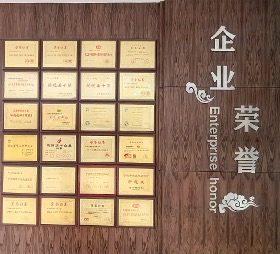
Wayscan Metal Products Co., Ltd. is a steel casting manufacturer established in 1991 in Ninghai, Ningbo, China, producing investment castings and machined cast components for automotive, forklift, mining, agricultural machinery, construction machinery, valve and general machinery applications.