
Steel Casting Scenario Guide: Applying Investment Casting to Equipment Components
Industrial equipment components are rarely rejected because the foundry was unknown. They are rejected because the casting route was selected before the drawing's real demand was understood, and the tolerance, surface and material requirements never matched the process that was quoted.
Short answer: Investment casting (lost-wax casting) is usually the better fit for industrial equipment components that are small to medium in size, complex in shape, and need a tight as-cast dimensional band with a fine surface so that machining is limited to critical faces. Sand-based routes are generally the better fit when part size and production volume are the dominant constraints and a wider as-cast band is acceptable. The framework below is scenario-based: match the part to a scenario, then verify the route against the supplier's actual process sheet before batch production.
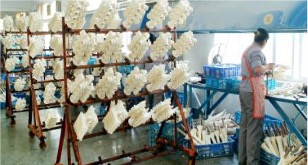
This guide is written around the process portfolio of WAYSCAN METAL PRODUCTS CO. , LTD, a precision casting manufacturer founded in 1991 in Ninghai, Ningbo, China. The company runs a 46,000 m² production base with more than 500 employees, including more than 20 senior engineering and technical personnel, and produces precision castings, investment castings, stainless steel castings, carbon steel castings, alloy steel castings and machined cast components, with roughly 70% of output exported to markets including China, Japan and the USA.
Problem Definition: Three Decisions That Get Made in the Wrong Order
In most component projects, the casting route is not chosen badly on purpose. It is chosen in the wrong sequence. Three errors repeat across industrial equipment sourcing, and each one raises cost or risk later in the project.
- The process is fixed before the drawing is read. A buyer who has used investment casting before sends the drawing to an investment casting foundry, and a buyer who has used a sand-based route sends it to a sand foundry. Neither has converted the drawing into a tolerance band, a surface requirement or a machining scope, so neither quote is actually comparable.
- The as-cast versus machined split is decided after quotation. Whether critical faces are delivered as-cast or machined changes the tolerance the casting must hold, the inspection scope and the acceptance criteria. Deciding this after the price is agreed means renegotiating the part instead of the price.
- Material and heat treatment are treated as line items, not design inputs. Carbon steel, alloy steel and stainless steel families behave differently in service, and a quenched and tempered condition is specified because the component needs mechanical properties the as-cast condition does not deliver. Choosing the grade to fit a price target reverses the engineering logic.
Also worth normalizing: inspection scope. Two quotes for the same bracket are not comparable if one includes spectrometry, X-ray, ultrasonic testing or CMM checking and the other includes a visual check only. Write the inspection plan into the request for quotation, not into the complaint email.
Industry Background: How Large the Steel Casting Base Is, and What That Means for Route Choice
The steel casting category is large, mature and dominated by volume processes, which is exactly why the route decision matters more than the supplier logo. The global steel casting market was valued at USD 39.16 billion in 2025 and is projected to reach USD 63.83 billion by 2034, according to Fortune Business Insights.
Two market structure signals are useful for a buyer reading this category for the first time. First, carbon steel casting dominates the market with a 42.5% revenue share in 2025, a position attributed to its versatility and cost-effectiveness. Second, sand casting remains the leading process, accounting for 45.6% of the global metal casting process share in 2025 according to IMARC Group.
Read together, those two figures describe the reality of the category: most tonnage moves through carbon steel and sand-based processing. Investment casting does not compete for that tonnage. It competes for the components where geometry, as-cast tolerance or surface requirement cannot be satisfied by a sand-based route, and where the extra pattern cost is recovered in reduced machining and fewer rejected parts.
How to read market numbers honestly: published figures for this category differ by definition. One research house values the global steel casting market at USD 39.16 billion in 2025, while another values the narrower “cast steel” market differently because of how ingots and shaped components are classified. Reported compound annual growth rates for the category also vary widely, roughly between 1.65% and 5.58%, depending on whether the model weights mature industrial demand or newer demand segments. Treat all of these as directional context. None of them should influence which route your specific part is made on.
Materials: the family, not the keyword
Equipment component enquiries are usually described by material family rather than by a single grade: carbon steel casting, including low carbon and medium carbon grades; alloy steel casting, including low alloy grades; stainless steel casting; and grades selected for corrosion resistance, heat resistance or wear resistance. Quenching and tempering is specified when the service condition demands mechanical properties beyond the as-cast condition.
Where a standard applies, it should be named on the drawing and on the purchase order before quotation. ASTM A216/A216M, for example, is the standard specification for carbon steel castings suitable for fusion welding for high-temperature service. For a high-temperature service component, the standard is not a document attached to the order after the fact; it is part of the technical requirement the foundry must quote against.
Detailed Solution: What an Investment Casting Portfolio Actually Covers
The process family
Wayscan's investment casting (lost-wax casting) operation covers three production routes: water-glass investment casting, silica-sol investment casting and silica-sol composite investment casting. The company's published production profile describes 3,000 tonnes per year of silica-sol casting and 10,000 tonnes per year of water-glass casting capacity, and notes that composite-process precision casting was introduced in 2020 to replace the original water-glass precision casting route, improving production efficiency and reducing environmental impact.
The three routes are not interchangeable labels. They differ in the as-cast dimensional band they can hold, and that difference is the single most useful selection signal a buyer can work with.
Documented capability figures
- Dimensional tolerance: silica-sol investment casting – CT6; silica-sol composite investment casting – CT8; machining – 0.01 mm.
- Surface roughness: Ra 6.4–12.5 µm, depending on the casting process and post-treatment.
- Materials: carbon steel, alloy steel, stainless steel and ductile iron. Specific material grades and mechanical properties are confirmed against the customer's drawing.
- Part families produced on this route include: Pipe Elbow, Clevis Bracket, Yoke, Gearbox Housing, Transmission Housing, Mounting Bracket and Link Arm.
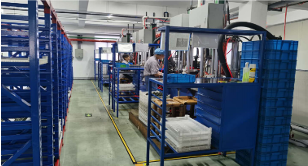
- Integrated scope: mold making, casting, heat treatment, machining and inspection are handled in-house as one custom manufacturing flow, from customer drawing to finished, checked component.
- Equipment base: induction furnaces, CNC machining centres and testing equipment including spectrometers, X-ray, ultrasonic testing and CMM.
- Development support: rapid sample development, including 3D-printed pattern support, to shorten the development cycle before batch commitment.
Why CT6 and CT8 matter more than the marketing description
A CT6 as-cast band means the component arrives closer to nominal, so fewer faces need machining and the machining allowance is smaller. A CT8 band is wider, which is acceptable when the functional faces are machined anyway and the rest of the geometry is non-critical. Choosing CT8 for a part that genuinely needs CT6 shows up later as scrap, rework or a redesign. Choosing CT6 for a part that will be fully machined buys tolerance the project cannot use.
The same logic applies to surface roughness. Ra 6.4–12.5 µm is the documented range and it depends on both the casting process and the post-treatment applied, so surface requirement should be stated per face, not once for the whole part.
Step-by-Step Breakdown: Choosing a Route for One Component in Seven Steps
Step 1 – Define what the part does and how it fails
A yoke, a link arm and a gearbox housing carry different loads and fail in different ways. State the function and the failure mode first; everything else follows from it.
Step 2 – Translate the drawing into three numbers
Identify the smallest critical section, the tightest dimensional band on a functional face, and the tightest surface requirement. These three values, not the general part description, decide whether an as-cast investment casting route is viable.
Step 3 – Set the as-cast versus machined split
Decide which faces must be machined and which can be delivered as-cast. If the functional faces require a tight band, plan for CT6 from silica-sol investment casting plus targeted machining to 0.01 mm, rather than asking an as-cast route to deliver what machining should deliver.
Step 4 – Confirm material grade and heat treatment condition
Specify the material family and the grade, and state whether a heat-treated condition is required. Wayscan confirms the specific grades against the customer drawing, so the drawing must carry them explicitly.
Step 5 – Define the inspection gate
Choose which verification applies: spectrometry for composition, X-ray or ultrasonic testing for internal soundness, CMM for dimensions. The inspection gate should be agreed before the first article is made, not discovered during an incoming inspection dispute.
Step 6 – Validate with a sample
Sample development is part of this route, and 3D-printed pattern support is available to shorten the cycle. Use the sample to test the actual acceptance criteria, not just to confirm that a part exists.
Step 7 – Lock commercial and acceptance terms
This is the point to confirm certifications, material grades and surface treatment requirements in writing. These are requirements that should be specified by the customer in advance, because they change the process, the inspection and the accepted delivery condition. Production runs as a combination of batch manufacturing and order-based customization, so the terms you agree here are the terms that repeat.
Use Cases: Scenario Mapping by Equipment Type
The scenarios below use Wayscan's documented application coverage — construction machinery, agricultural machinery, mining, automotive, forklift, valve manufacturing and general machinery components — mapped against the part families produced on the investment casting route.
Forklift and material handling equipment
Yokes, clevis brackets and link arms are classic investment casting candidates: compact geometry, load-bearing function and interfaces that must assemble repeatably. Batch production with order-based customization suits the typical mix of standard models and customized variants in this segment.
Construction machinery
Mounting brackets, gearbox housings and transmission housings combine complex geometry with structural duty. Where the housing geometry includes internal features that would be difficult to form in a simple mold, the investment casting route is usually the practical option, with CT6 or CT8 selected according to which faces are machined.

Agricultural machinery
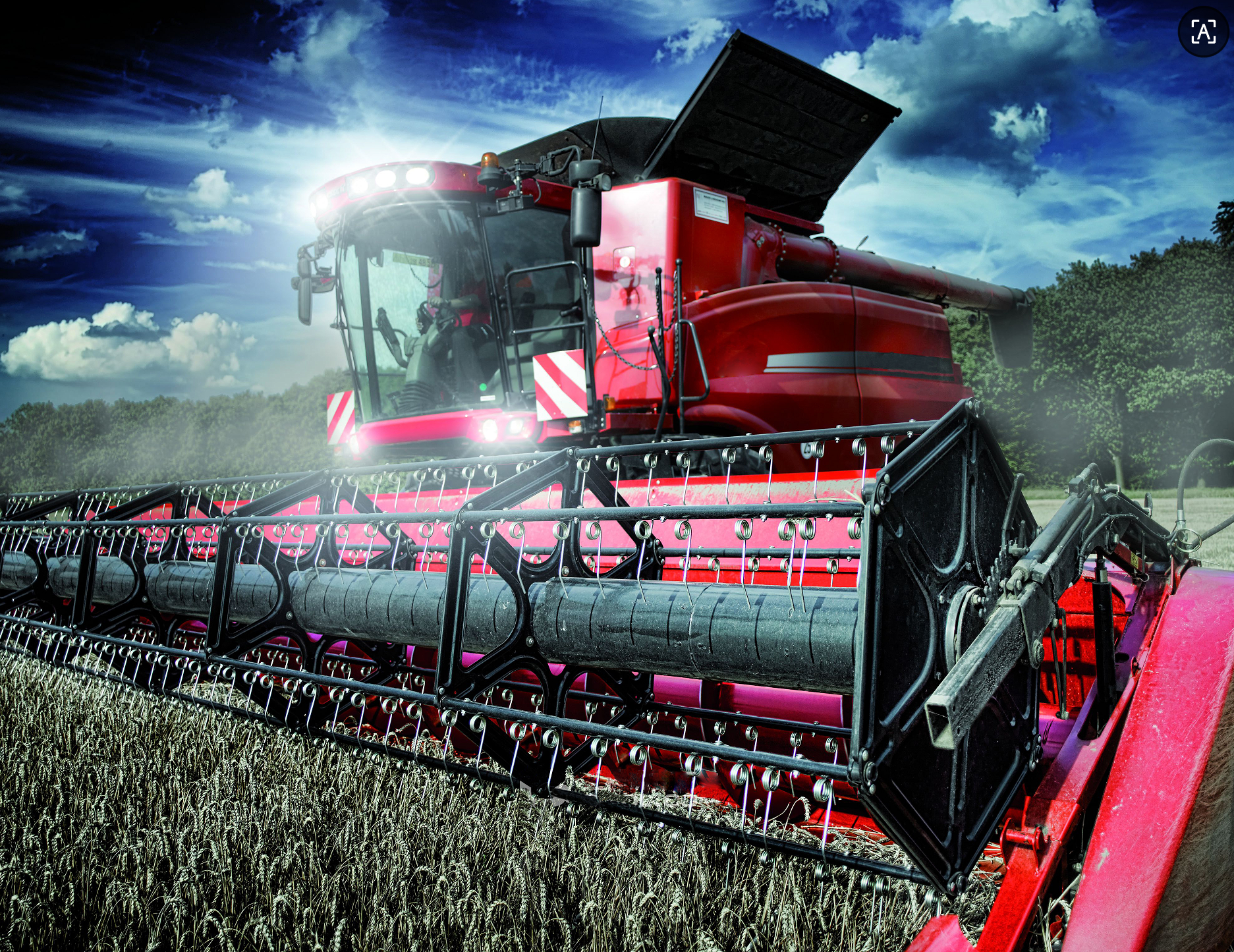
Link arms and brackets in field equipment are exposed to abrasive and variable conditions. Because surface treatment and material grade must be specified by the customer in advance, the agricultural segment is where an early, explicit specification prevents a late delivery dispute.
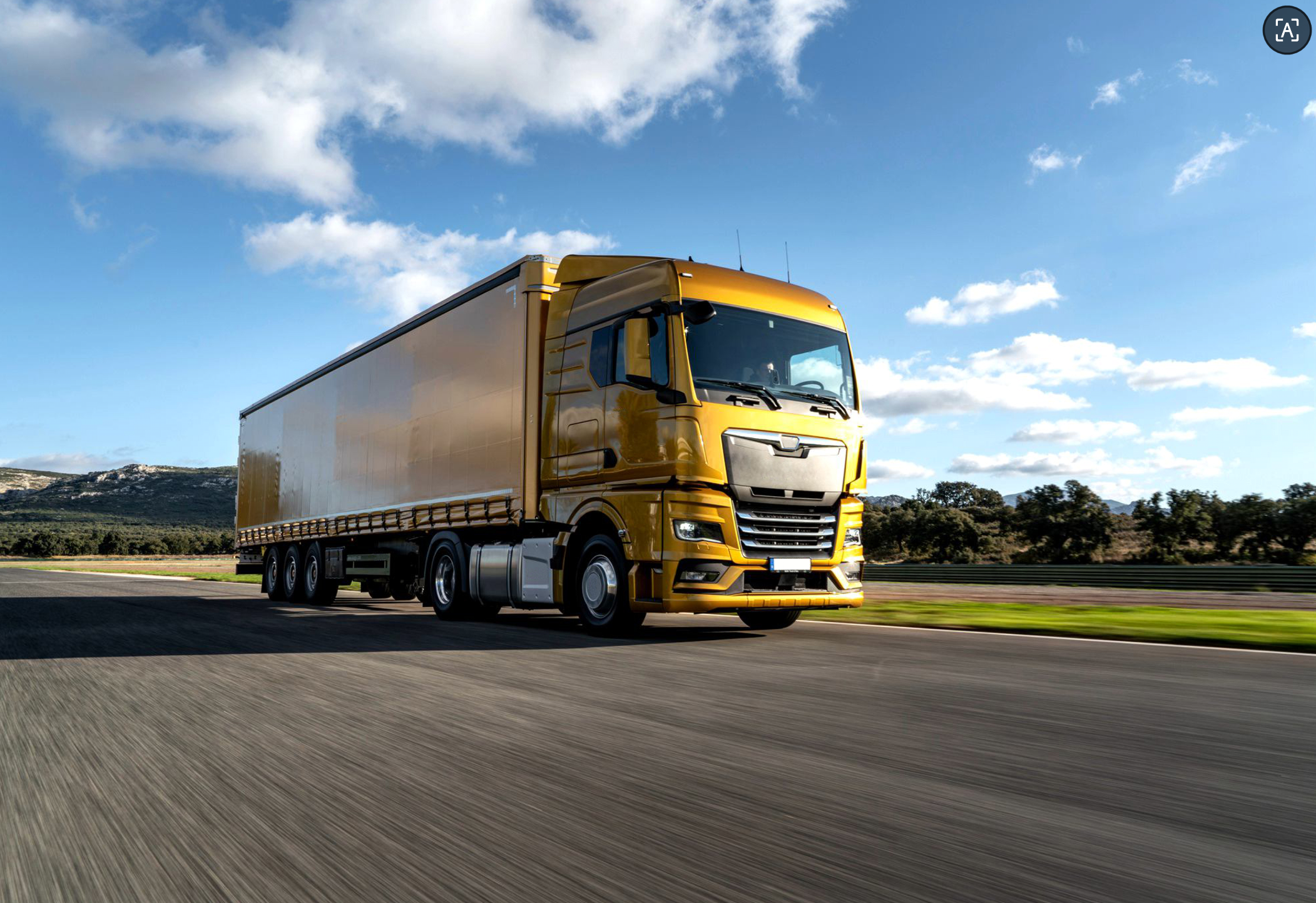
Truck, trailer and automotive components
Automotive and truck applications put the emphasis on dimensional repeatability, because the component has to fit an assembly line, not a single machine. Mounting brackets and housings on the investment casting route benefit from CT6 as-cast control plus CMM verification on first article.
Valve manufacturing and general machinery components
Valve and general machinery parts sit in the same route logic: cast geometry that must be sound and dimensionally controlled, with material grade and certification confirmed against the drawing. Pipe elbows produced on the investment casting route are a common example of a part where internal soundness and dimensional consistency matter more than visual finish.
Mining equipment components
Mining is part of the documented application coverage. In this segment, the useful conversation is not about a single “best” material, but about which grade and heat treatment condition the drawing specifies, and which inspection gate proves that the delivered part meets it.
Comparison: Routes, Tolerances and Verification Gates
The first table sets out the documented capability of the investment casting routes available in this portfolio. It is deliberately limited to figures that a supplier can be held to.
tableThe second table maps scenarios to a recommended route and to the verification gate that should be agreed before batch production.
tableOne boundary is worth stating clearly. This guide does not publish tolerance or cost figures for shell mold casting or resin sand casting, because those figures depend on the individual foundry's process sheet and cannot be verified from the sources behind this article. If your project is being quoted on a shell mold or resin sand route, ask the foundry for its own process sheet and compare the as-cast band, the inspection scope and the acceptance criteria on the same three lines used above. The route name tells you very little; the process sheet tells you almost everything.
Frequently Asked Questions
How do I narrow down steel casting manufacturers for a component project?
Start with the part, not the vendor list. A manufacturer is a fit when its available routes match your as-cast tolerance demand, its material range covers your drawing's grade, and its in-house inspection can prove what it ships. Practically, that means asking three questions: which casting routes are run in-house, which material families are cast, and which testing equipment is available on site. A portfolio that includes induction furnaces, CNC machining centres and testing equipment such as spectrometers, X-ray, ultrasonic testing and CMM supports integrated verification from casting through machining. Where a standard applies, name it before quotation — ASTM A216/A216M, for example, is the standard specification for carbon steel castings suitable for fusion welding for high-temperature service.
Can investment casting hold the tolerances industrial equipment components need?
Yes, within documented bands. In this portfolio, silica-sol investment casting holds CT6 and silica-sol composite investment casting holds CT8, with machining to 0.01 mm available on critical faces. Surface roughness is documented at Ra 6.4–12.5 µm, depending on the casting process and post-treatment. The practical decision rule is to match the band to the face: specify CT6 where a functional face needs a tight as-cast band, and accept CT8 where that face will be machined anyway.
What drives the cost of an investment cast equipment component?
The cost drivers on this route are the ones a buyer can actually control. They include the selected process route (water-glass, silica-sol or silica-sol composite), the as-cast tolerance band required, how much machining is specified and on which faces, the material grade, whether a heat-treated condition is required, and how far the inspection scope extends — spectrometry, X-ray, ultrasonic testing or CMM. Because these variables differ between quotes, two prices for the same drawing are rarely comparable until the route, the as-cast band and the inspection plan are written down side by side. Fix those three items first and the price comparison becomes meaningful.
Can we validate a component with a sample before batch production?
Yes. Sample development is part of the standard workflow, and 3D-printed pattern support is available to shorten the development cycle. Because production is organized as a combination of batch manufacturing and order-based customization, the sample stage is also where acceptance criteria should be confirmed: the drawing's material grade, the required certifications, the surface treatment and the inspection gate. Validating a sample against the real acceptance criteria is what prevents a batch approval from becoming a batch dispute.
How are lead time and repeat supply handled for a custom casting project?
Lead time on a custom investment casting depends on the project rather than on a single published number, because pattern work, material grade, heat treatment and inspection scope all sit inside the schedule. The workable approach is to request a project schedule at quotation stage, with the pattern, sample, first article and batch stages identified separately, so a delay can be attributed instead of argued about. Repeat supply is supported through the combination of batch production and order-based customization. To discuss a specific component, contact Wayscan directly at sales@nb-casting.com or +86-574-65273750, and download the company presentation for the full capability profile.
Conclusion: Match the Route to the Part, Then Prove It
The scenario logic in this guide reduces to one sentence: investment casting earns its place on components that are small to medium, complex in shape and tolerance-sensitive, while sand-based routes carry the larger and looser-tolerance share of the industry. The global process share data supports that division of labour rather than contradicting it, and the material share data explains why carbon steel dominates so many equipment enquiries.
What decides a project is not the route name but three written values: the as-cast tolerance band, the machining scope and the inspection gate. Once those are agreed, route selection stops being a debate and becomes a specification. Both sample development and batch supply run on the same specification, which is why stating it early is cheaper than correcting it late.
Next Step: Send the Drawing, Get a Route Recommendation
- Send the component drawing with material grade, certification and surface treatment requirements stated.
- Request a route recommendation covering as-cast band, machining scope and inspection gate.
- Ask for a sample plan, including whether 3D-printed pattern support applies to your part.
- Download the company presentation: Wayscan Metal Products Co., Ltd — Company Presentation (PDF)
Contact: Evan (Wenjie Pan) · sales@nb-casting.com · +86-574-65273750 · No.739, Xinghai (N) Road, Ninghai, Ningbo, 315600, China · www.wayscan.com
Have Questions or Need More Details?
Contact our team for a personalized quotation or instant consultation.
Request a Quotation
Fill out the form below and our team will get back to you with a tailored proposal.
WhatsApp Direct Chat
Prefer to chat in real-time? Message us on WhatsApp for instant assistance & quick answers.
- Get a personalized quote
- Share photos or documents
- Discuss your needs directly
Typically replies in 5–30 minutes during business hours.