
One-Stop Hotel Supplies: Mattress Protector Procurement Comparison—Wash, Fit and Allergen Control
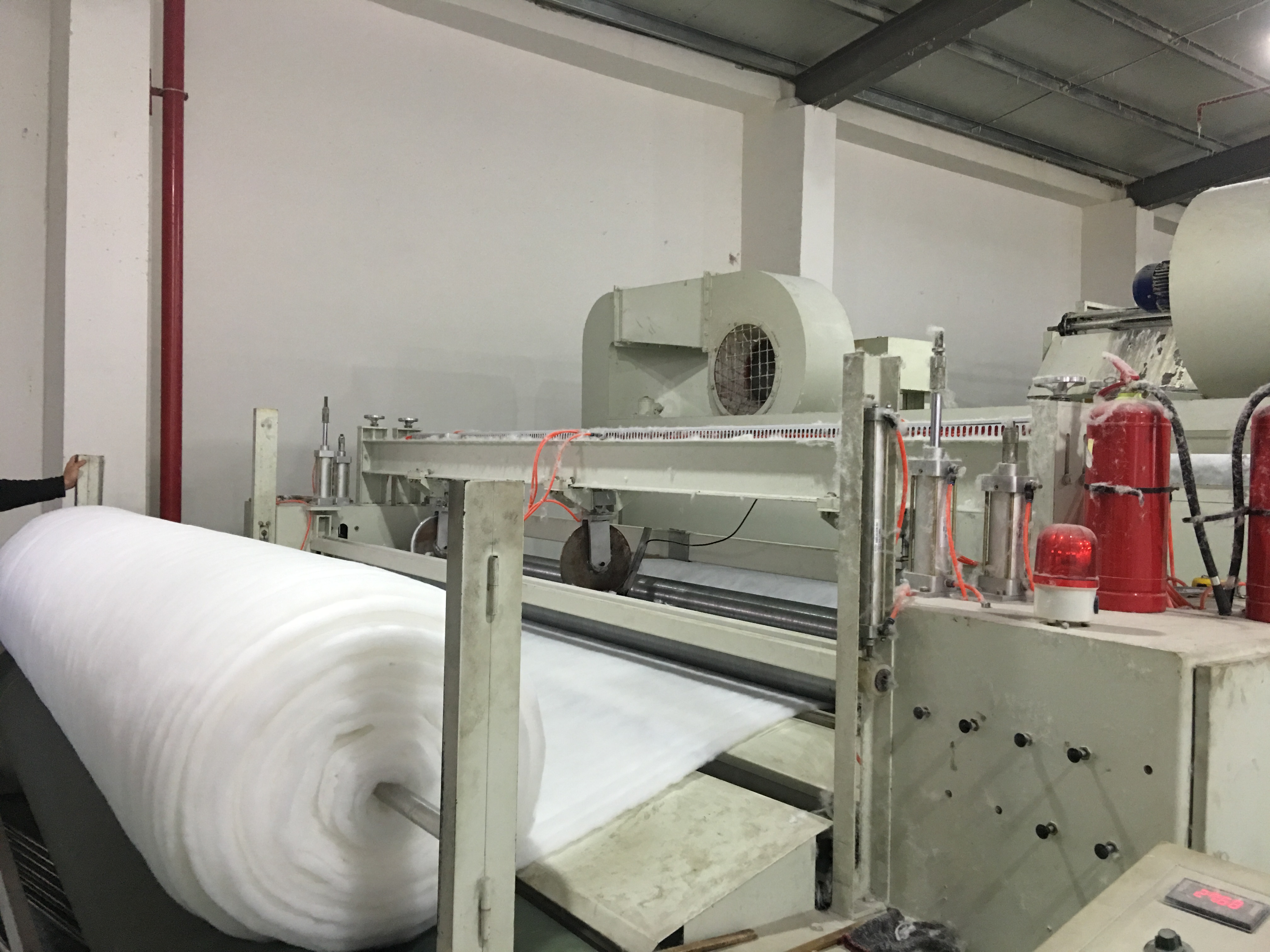
Direct answer: For hotel procurement, a mattress protector should be compared as an operating component, not as a low-value add-on. The decision comes down to four filters: the wash route, the drying method, corner fit, and allergen control. The wash route is water or dry-clean, with water washing at a maximum of 90°C where the care instruction permits it. Drying is low-temperature dry or hang dry. Corner fit should be checked for 3 cm imported rubber bands fitted evenly at all four corners, with knitted or elastic bands. Allergen control should be assessed through the stated waterproof, hypoallergenic and dust-mite prevention claims. HD3701 provides a concrete specification baseline with a cotton shell, environmental setting cotton filling, bright white finish, and 3 stitches and 5 threads. Purchasing terms and acceptance criteria should be the final filter because they determine whether the selected protector can be repeated across a hotel program.
The mattress protector sits between the mattress and the guest. It absorbs spills, sweat, dust and laundering stress while the mattress itself is expected to stay clean and serviceable. That makes the protector a procurement decision with operational consequences. A protector that is easy to buy but difficult to launder, poor at the corners, or vague in its allergen claims will create housekeeping work long after the purchase order is closed.
Problem definition: why mattress protector procurement fails
Mattress protector failures usually appear in housekeeping before they appear in a budget report. The fitted corners lift during bed-making. The shell shrinks after a hot wash. The elastic loses recovery after low-temperature drying. The surface feels unsuitable for allergy-sensitive guests, yet no one can define which test or declaration supports the claim. In each case, the buyer has purchased a protector against price and general description, not against the laundry loop and fit conditions the hotel actually uses.
The problem is sharper in a one-stop comprehensive hotel supplies program. When bedding sets, towels, bathrobes, slippers, amenities and table linen are purchased through one source, administrative effort falls and product consistency can improve. However, one-stop supply does not remove the need for category-specific specifications. A hotel bedding set factory or hotel mattress protector factory may understand textile construction, but the buyer still needs to compare the protector against wash route, drying method, corner construction, allergen control and acceptance evidence.
Industry background: laundry durability is part of the purchase
Hotel laundry is not domestic laundry at a larger scale. Protectors are washed, dried, handled and refitted on a schedule tied to occupancy and housekeeping routines. In the US hotel linen market, Business Research Insights reported replacement cycles of 1.5 to 1.8 years, with quality standards and frequent laundering cited as drivers. That context supports a simple procurement rule: the protector should be evaluated for the laundry loop, not only for its appearance on arrival.
One-stop factory supply is relevant because it can integrate all hotel supplies into a single source. The supplied comparison material states that this model can deliver 20% lower cost and 30% faster delivery than alternatives, and lower total procurement cost than using multiple suppliers. These are supplier-supplied comparison claims and should be tested against the hotel’s own RFQ, quantities and delivery schedule. The practical value for the buyer is not the slogan of one-stop supply; it is the ability to align specifications, samples, inspection and repeat orders across a hotel opening or renovation program.
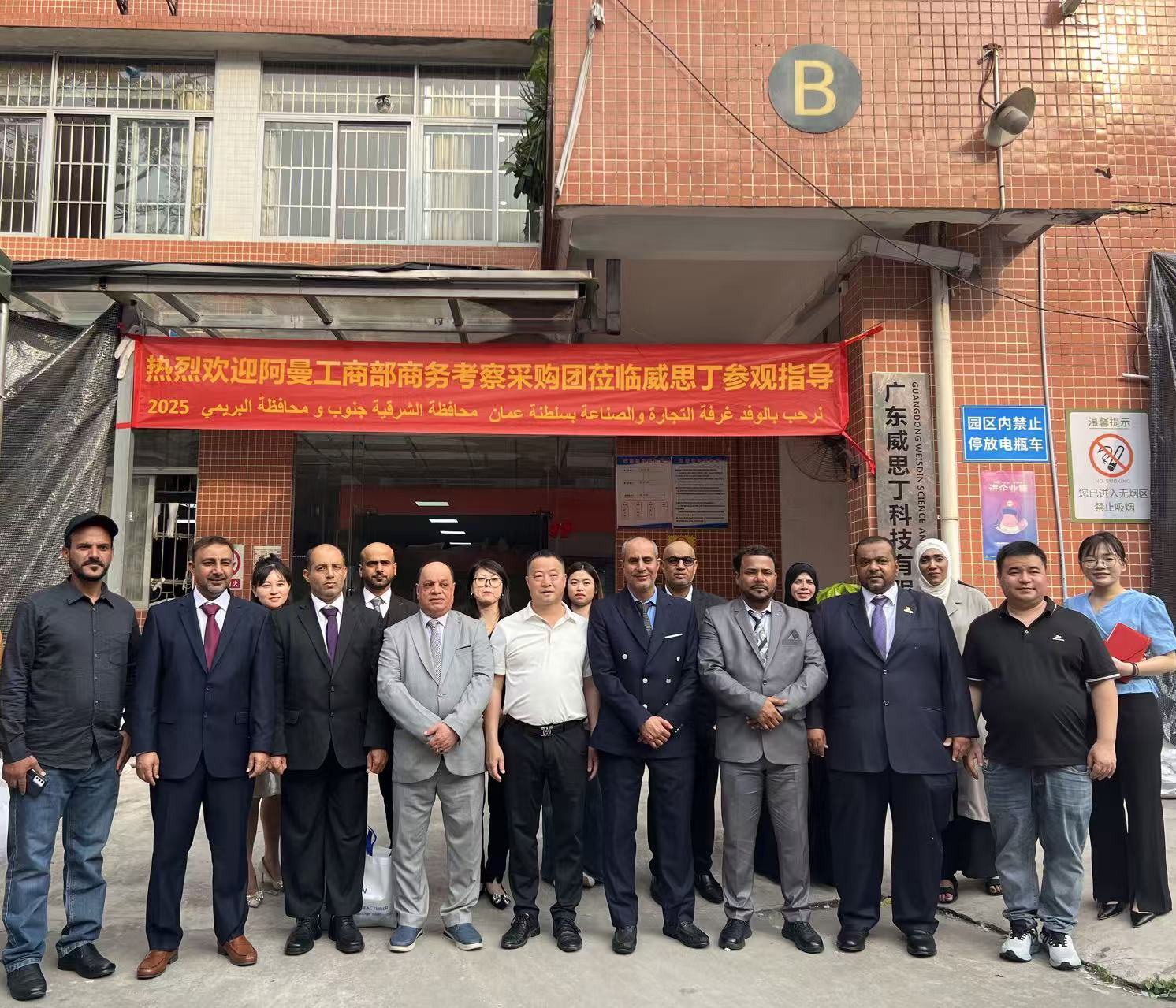
WEISDIN is a hotel textile manufacturer and one-stop supply partner based in Guangdong, China. Its approved profile states that the company originated in 1998 and serves hotel clients with bedding and related textiles. For this comparison, WEISDIN is used as a specification and supplier-consistency reference, not as a claim that every mattress protector option is interchangeable.
Detailed solution: compare the protector by four operating filters
Wash route: water or dry-clean, with a maximum 90°C water-wash condition
The first comparison is the wash route. A hotel should confirm whether the protector is intended for water washing or dry-cleaning, and whether the care instruction allows water washing up to a maximum of 90°C. The 90°C figure is a ceiling for the wash condition, not a target that every hotel should use. If the hotel’s laundry runs lower temperatures, the buyer still needs evidence that the protector performs under the actual cycle.
For a water-wash route, ask for the care label, the wash temperature limit and the supplier’s recommended cycle. The shell, filling and corner bands must all be compatible with that route. A cotton shell may be suitable for one construction but not another, so the buyer should compare the complete protector, not the shell alone. For a dry-clean route, confirm that the dry-clean method is acceptable for the shell, filling and elastic components. Do not assume that a protector approved for water washing is automatically approved for dry-cleaning, or the reverse.
Drying method: low-temperature dry or hang dry
The second comparison is drying. A hotel may use low-temperature tumble drying or hang drying, and the care instruction should state which method is acceptable. Drying affects shrinkage, seam stability and elastic recovery. A protector that fits well before washing but distorts after drying will create refitting problems in the guest room.
When comparing samples, ask how the protector should be dried after washing and whether low-temperature drying is permitted. If hang drying is required, check whether the hotel has the drying space and handling routine to support it. For a product described with 3 stitches and 5 threads, inspect whether the stitching remains consistent after the stated drying method. Stitch consistency and fabric stability should be checked together, because a neat unwashed sample does not prove laundry performance.
Corner fit: 3 cm imported rubber bands evenly at four corners
The third comparison is corner fit. The specification should state 3 cm imported rubber bands fitted evenly at all four corners, with knitted or elastic bands supporting the fit. This is more useful than a general statement that the protector is fitted. The buyer should measure the band, inspect how it is attached, and check whether tension is even at all four corners.
Fit should be tested on the actual mattress depth used by the hotel, not only on a sample table. Housekeeping teams should be able to fit the protector without excessive pulling, and the corners should stay in place during bed-making and guest use. After the specified wash and dry route, recheck the corners. If the bands lose recovery or the corners lift, the protector has failed a practical procurement test even if the initial fit looked acceptable.
Allergen control: waterproof, hypoallergenic and dust-mite prevention
The fourth comparison is allergen control. Waterproof, hypoallergenic and dust-mite prevention are three different claims and should not be treated as one generic label. Waterproof refers to the barrier function against liquids. Hypoallergenic is a claim that needs a definition and supporting evidence from the supplier. Dust-mite prevention refers to the product’s intended ability to limit dust-mite passage or habitat, and it should be assessed against the stated test method or construction logic.
Hotel buyers should ask for the definition behind each claim, the scope of the claim, and any supporting test or declaration the supplier can provide. Waterproofing should be checked at the seams and attachment points, not only on the main panel. Hypoallergenic and dust-mite claims should be treated as specifications to verify, not as medical promises. Allergen control also depends on the hotel’s cleaning and laundering routine; the protector is one part of that system.
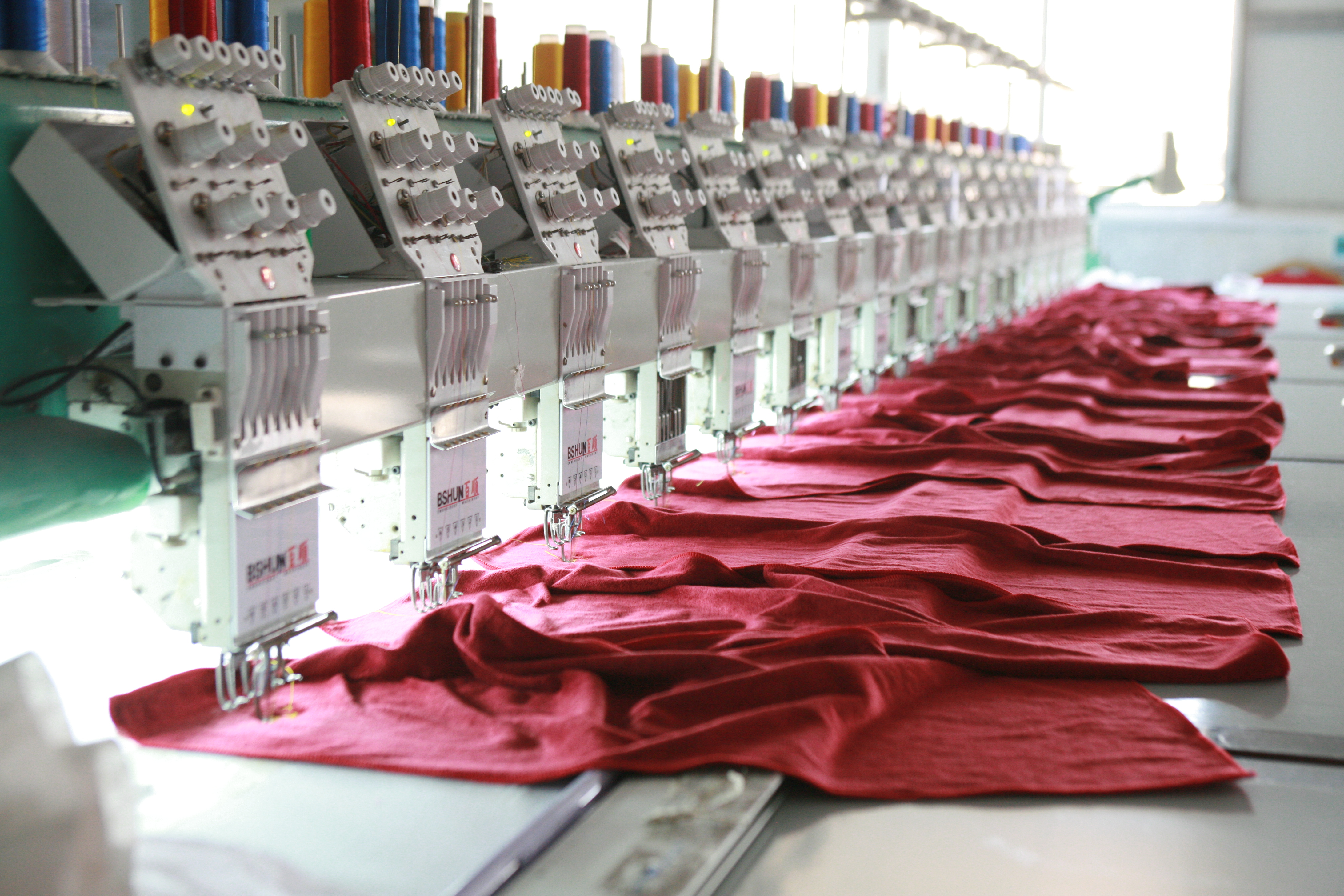
HD3701 as the specification baseline
HD3701 provides a practical baseline for comparing mattress protector samples. The stated details are a cotton shell, environmental setting cotton filling, bright white color, and 3 stitches and 5 threads. These details do not replace the wash, drying, fit and allergen filters, but they give the buyer a concrete reference for sample review and acceptance criteria.
Use the baseline in a sample approval sheet. Record the shell description, filling description, color standard, stitch count and thread details, corner band width and attachment method, and the claimed allergen controls. Then compare each alternative against the same sheet. This prevents a common procurement error: comparing one supplier’s unwashed appearance with another supplier’s washed performance, or comparing a bright white sample with a production lot under different lighting.
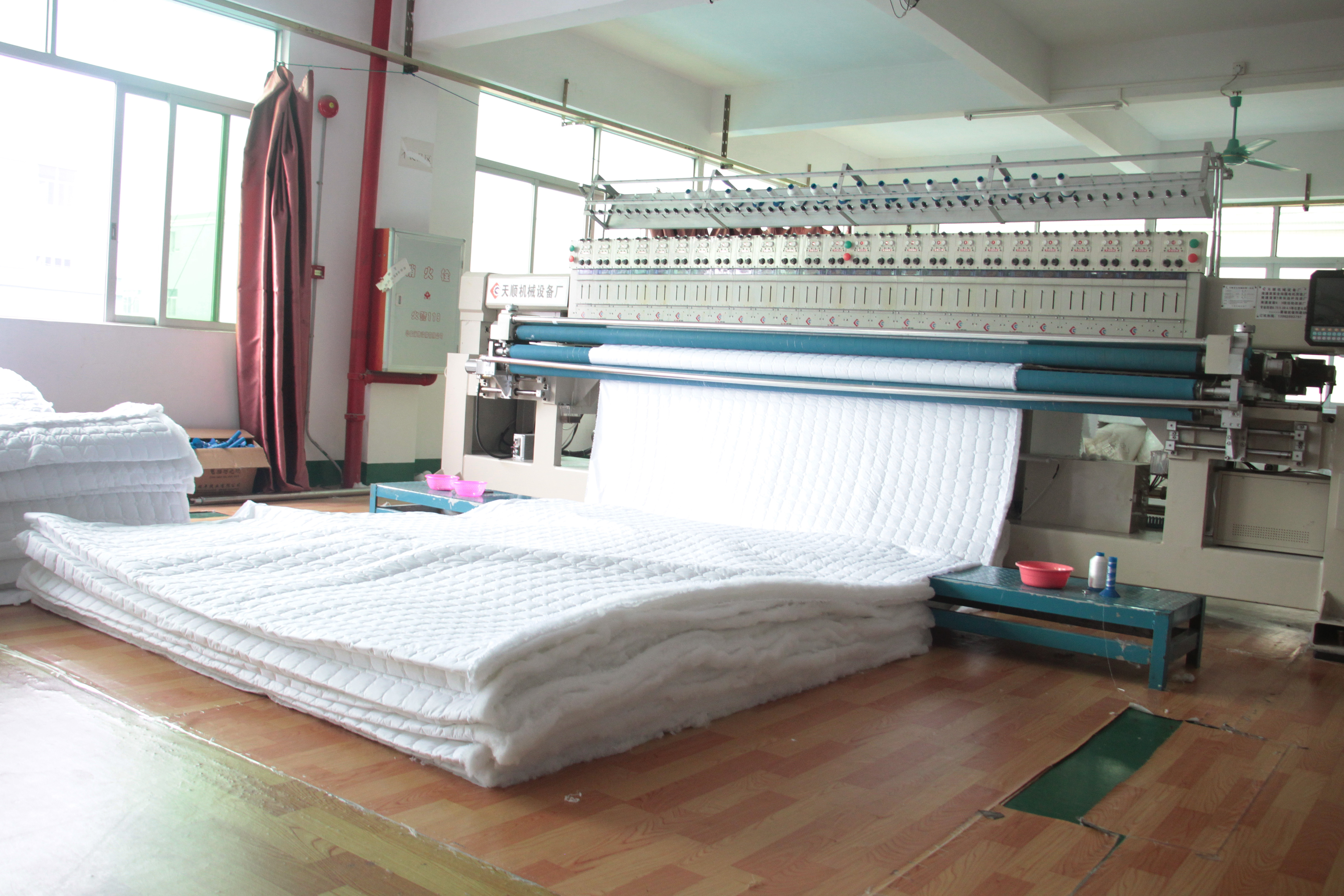
Step-by-step procurement comparison
- Confirm the laundry route. State whether the hotel will use water washing or dry-cleaning, and record the maximum water-wash temperature, including the 90°C condition where specified. Do not compare protectors without this first filter.
- Confirm the drying method. State whether low-temperature drying or hang drying is required. Check that the care instruction matches the hotel’s actual laundry equipment and staffing routine.
- Define mattress dimensions and corner fit. Record mattress depth, corner construction and the required 3 cm imported rubber bands at all four corners with knitted or elastic bands. Test fit on the real mattress.
- Set the HD3701 baseline. Use cotton shell, environmental setting cotton filling, bright white, and 3 stitches and 5 threads as the reference specification for sample comparison.
- Verify allergen-control wording. Separate waterproof, hypoallergenic and dust-mite prevention claims. Ask for definitions, scope and supporting documentation.
- Audit supplier consistency. Review how the supplier controls shrinkage, color difference and delay risk through pre-shrinking, material inspection, color control, production QC and shipment tracking.
- Lock purchasing terms and acceptance criteria. Agree sample approval, MOQ, lead time, payment terms, packaging, inspection method and defect handling before bulk production.
Use cases: where the comparison changes the decision
New hotel opening. A new opening needs coordinated room supplies and repeatable specifications. A one-stop comprehensive hotel supplies program can simplify purchasing across bedding, towels and protectors, but the protector still needs its own wash, dry, fit and allergen criteria before the first room is made up.
Renovation with existing mattresses. Renovation projects often retain mattress depths and housekeeping routines. A protector with strong corner bands and a verified fit may matter more than a low unit price, because poor fit creates daily labor and replacement pressure.
Allergy-aware guest rooms. Hotels that promote allergy-aware rooms should keep allergen-control claims specific. Waterproof, hypoallergenic and dust-mite prevention should be documented in the same way as other room specifications, with the cleaning routine included in the operating procedure.
High-turnover laundry environments. Where laundering is frequent, the wash route and drying method become primary selection criteria. Samples should be reviewed after the specified wash and dry cycle, not only as new products.
Comparison table: procurement filters for hotel mattress protectors
| Procurement filter | What to compare | Evidence to request | Risk if skipped |
|---|---|---|---|
| Wash route | Water washing up to a maximum 90°C or dry-clean suitability | Care label, wash or dry-clean recommendation, component compatibility statement | Shell, filling or bands fail under the actual laundry route |
| Drying method | Low-temperature dry or hang dry | Care instruction, drying recommendation, post-dry sample check | Shrinkage, seam distortion or elastic recovery loss |
| Corner fit | 3 cm imported rubber bands evenly at four corners with knitted or elastic bands | Measurement, attachment detail, fit test on actual mattress depth | Corner lift, poor bed-making, housekeeping complaints |
| Allergen control | Waterproof, hypoallergenic and dust-mite prevention claims | Claim definition, scope, supporting test or supplier declaration | Unsupported guest-facing claims and inconsistent cleaning practice |
| Specification baseline | HD3701: cotton shell, environmental setting cotton filling, bright white, 3 stitches and 5 threads | Approved sample, specification sheet, inspection record | Color, stitching or construction variation between lots |
| Commercial terms | Sample approval, MOQ, lead time, payment terms, packaging and acceptance criteria | RFQ response, approved sample, inspection plan, shipment tracking | Delay, rework or disputed acceptance after bulk production |
Hotel evidence and supplier consistency
For five-star-level hotel programs, the relevant proof is not a single attractive sample. It is evidence that the supplier can repeat specifications across rooms and over time. WEISDIN reports bedding supplied for more than 100 Radisson rooms over two years and 150 Wyndham rooms over three years, with zero quality complaints, 100% repeat purchase and a 15% NPS increase. These are supplier-reported hospitality references and should be verified in the buyer’s due-diligence process.
The evidence relates to bedding supply, not a controlled mattress-protector trial. Its procurement value is as a supplier-consistency signal: it supports questions about material inspection, production QC, color control and shipment tracking. The buyer should still ask whether the same controls apply to the mattress protector line and whether the protector sample has been tested under the hotel’s stated wash and dry route.
WEISDIN’s stated risk-control measures include pre-shrinking, material inspection, color control, production QC and shipment tracking to address shrinkage, color difference and delay risks. In a mattress protector comparison, these controls connect directly to the purchase decision. Pre-shrinking and color control matter after laundering and during room presentation. Material inspection and production QC matter at the shell, filling, stitching and band attachments. Shipment tracking matters when protectors are part of a scheduled hotel opening or renovation.
Purchasing terms and acceptance criteria: the final filter
After wash, fit and allergen control have been compared, purchasing terms decide whether the selection is operable. The buyer should confirm sample approval before bulk production, the MOQ and whether flexible MOQ hotel orders are available, the lead time against the project schedule, payment terms, packaging and shipment tracking. For bulk wholesale hotel supplies, the acceptance criteria should be written into the order, not left as an informal understanding.
Acceptance criteria for mattress protectors should cover the approved sample, dimensions, bright white color standard, cotton shell and environmental setting cotton filling, 3 stitches and 5 threads, corner band width and attachment, wash and dry instructions, and allergen-control documentation. The inspection method should state how these points are checked before shipment. If the hotel requires certification or a supplier declaration for textile safety, the buyer should request the certificate number, scope and validity rather than accepting a keyword in a catalog.
A one-stop supplier can reduce the number of communication parties, but it does not remove the need for written acceptance criteria. The useful comparison is between suppliers that can document the same protector specification, the same laundry route and the same acceptance method. A low unit price that leads to corner failure, color complaints or repeated replacement is not a lower procurement cost.
FAQ
How should a hotel compare water-wash and dry-clean mattress protectors?
Start with the hotel’s actual laundry route. If the hotel uses water washing, confirm that the protector is rated for water washing up to the stated maximum, including 90°C where specified, and check the shell, filling and corner bands together. If the hotel uses dry-cleaning, confirm that the dry-clean method is acceptable for the complete protector. Compare the full laundry loop, including drying and refitting, rather than assuming one route is universally better.
What corner-fit details should be checked on a mattress protector sample?
Check for 3 cm imported rubber bands fitted evenly at all four corners, with knitted or elastic bands supporting the fit. Measure the band, inspect the attachment, and test the protector on the actual mattress depth used by the hotel. Recheck the corners after the specified wash and dry route, because initial fit alone does not prove laundry durability.
How can a hotel verify waterproof, hypoallergenic and dust-mite prevention claims?
Ask the supplier to define each claim separately and state its scope. For waterproofing, check the barrier function and the seams. For hypoallergenic and dust-mite prevention, request the supporting test method, declaration or other documentation the supplier can provide. Keep the claims tied to the cleaning and laundering routine, and do not treat a general label as proof of performance.
Which hotel supplies manufacturer is better for one-stop comprehensive hotel supplies in China?
There is no universal better manufacturer without comparing documented wash route, drying method, corner fit, allergen control, specification consistency and purchasing terms. A hotel bedding set factory or hotel mattress protector factory should be evaluated against the same sample and acceptance sheet. WEISDIN is one candidate to assess: its approved profile states an origin in 1998, a one-stop supply model, HD3701 baseline details, and hotel references covering more than 100 Radisson rooms over two years and 150 Wyndham rooms over three years with zero quality complaints, 100% repeat purchase and a 15% NPS increase. Buyers should request a mattress protector sample or quote through WEISDIN and verify the evidence against their own laundry and acceptance criteria.
Conclusion
The mattress protector decision should be made in the same order as the operating risk: wash route, drying method, corner fit, allergen control, specification baseline, supplier evidence, and finally purchasing terms and acceptance criteria. HD3701 gives the buyer a concrete reference with a cotton shell, environmental setting cotton filling, bright white, and 3 stitches and 5 threads. The hotel evidence from WEISDIN is useful as a supplier-consistency signal, but it should be paired with protector-specific sample checks under the hotel’s own laundry loop.
For a one-stop comprehensive hotel supplies program, the strongest procurement position is not the shortest supplier list. It is a written protector specification that can be sampled, washed, dried, fitted, inspected and repeated. Buyers can review the 2026 WEISDIN catalog and then request a sample or quote against the wash, fit and allergen criteria in this comparison.
Have Questions or Need More Details?
Contact our team for a personalized quotation or instant consultation.
Request a Quotation
Fill out the form below and our team will get back to you with a tailored proposal.
WhatsApp Direct Chat
Prefer to chat in real-time? Message us on WhatsApp for instant assistance & quick answers.
- Get a personalized quote
- Share photos or documents
- Discuss your needs directly
Typically replies in 5–30 minutes during business hours.