Single-Source vs Multi-Supplier Hotel Supplies: A Procurement Decision Framework
Hotel openings and renovation projects often force a structural choice: consolidate comprehensive hotel supplies under one factory or coordinate multiple suppliers. This comparison examines cost, lead time, quality control, and risk ownership to help procurement teams make a measurable decision.
Why the Supplier Structure Is a Real Decision Point
A standard guestroom program may involve bedding, terry, table linen, and other textile categories. When these items are divided across several suppliers, the buying team manages more communication channels, more inspection points, and more logistics handoffs. A late towel shipment can delay room readiness even if bedding is already in inventory. Color variation between bedsheets and towels becomes more visible in the final guestroom setup.
For hotel opening and renovation scenarios, the core difference is the one-stop factory supply, which integrates all hotel supplies into a single source. This product is more suitable for projects where comprehensive supplies are needed at the same time. The practical question for decision-stage buyers is not only what to buy, but how many suppliers should own the scope.
Industry Context for Hotel Supply Consolidation
The global hotel supplies market was valued at approximately USD 62.01 billion in 2024 and is projected to grow to USD 82.07 billion by 2031. At the same time, China's exports of textile yarn, fabrics, and articles reached USD 141.96 billion in 2024, reflecting a 5.7% year-on-year increase. These figures indicate a large and growing supply base, which gives buyers more options but also more fragmentation.
Within this market, bathroom linen is projected to be a fast-growing application with a 7.92% CAGR to 2031, driven by hospitality-led upgrades. For procurement leaders, this growth increases the need for consistent commercial laundry performance. The OEKO-TEX® STANDARD 100 remains the primary global safety benchmark for hotel textiles, ensuring products are tested for harmful substances. A one-stop factory supply model does not remove the need for compliance checks, but it can concentrate them in one supplier review.
WEISDIN as a Reference Case for One-Stop Factory Supply
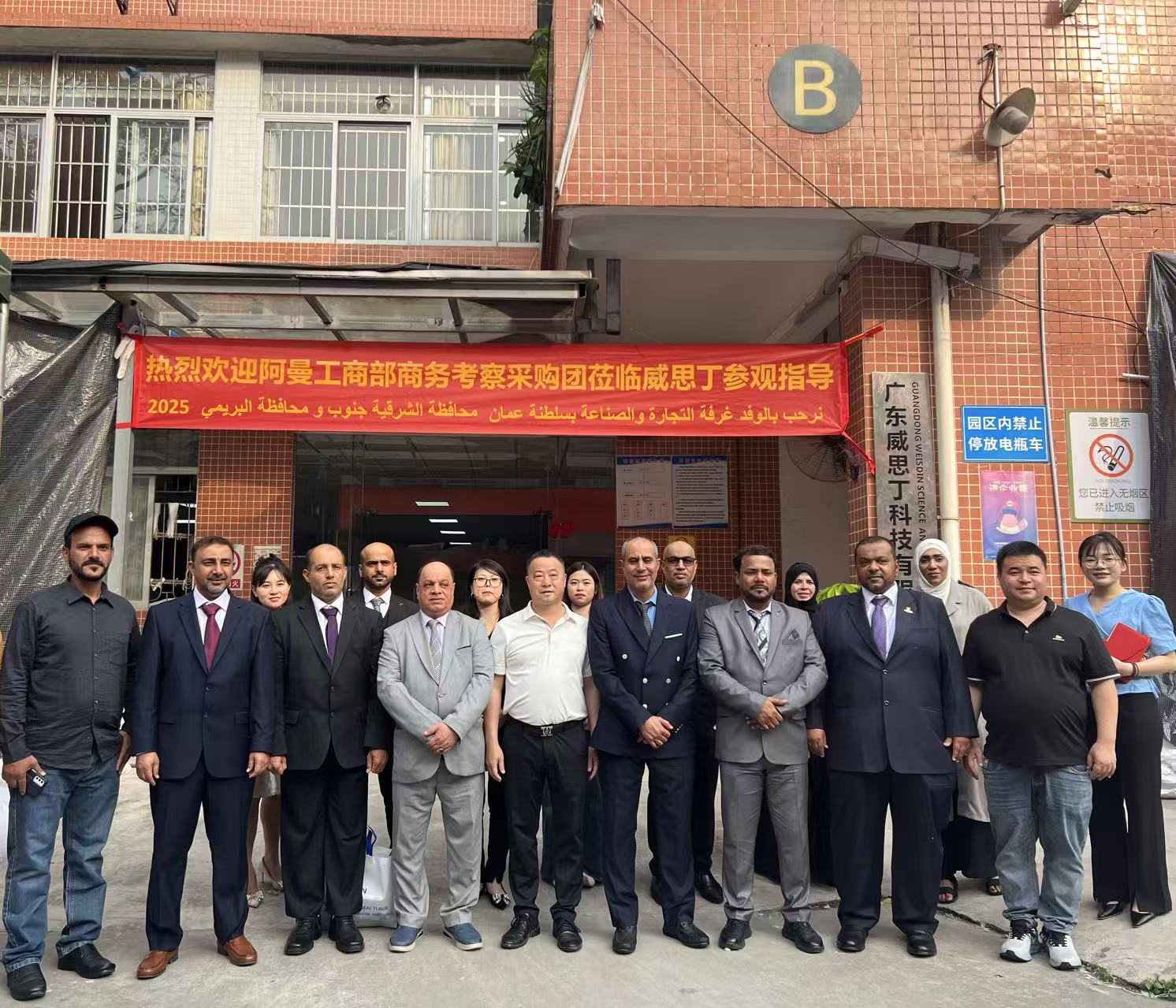
Guangdong Weisdin Industrial Co., Ltd., established in 1998, is a comprehensive enterprise specializing in the design, R&D, manufacturing, and sales of star-rated hotel textiles. The company operates a modern industrial base spanning over 6,300 square meters and integrates five subsidiaries: Youfa, Xuhai, Wolaifei, Hong Kong Weisdin (International) Trading, and Guangdong Weisdin Technology Co., Ltd. Under the international brand WEISDIN, the company supplies markets in South America, the United States, and the European Union, with an export ratio of 70%.
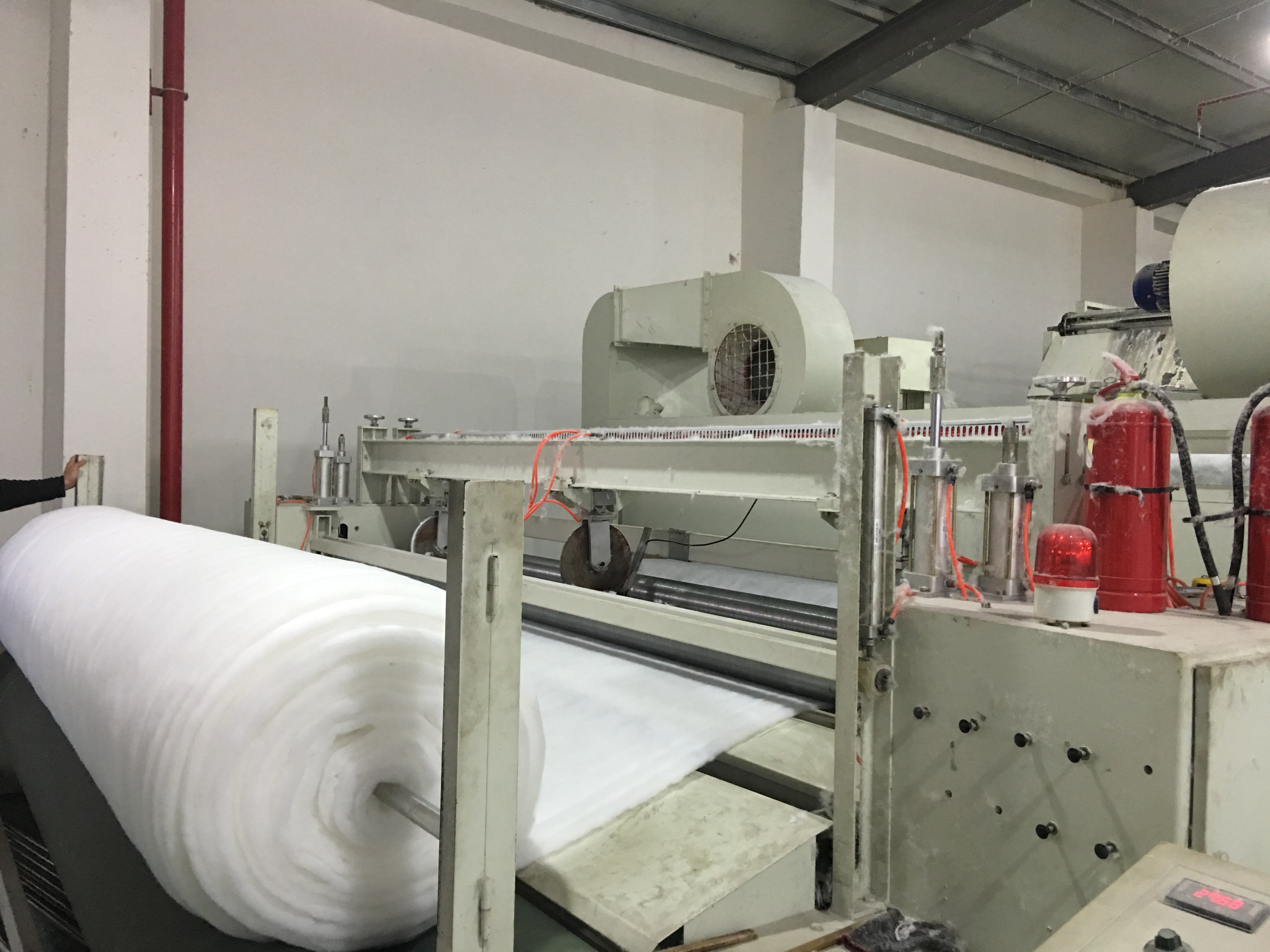
The core manufacturing scope covers bedroom sets, hotel bedding sets, sheets, pillows, pillow cases, duvets, mattress toppers, chair covers, and towels. This product range supports a large share of the textile categories in a hotel guestroom and restaurant dining area. According to the one-stop factory supply comparison, the model achieves 20% lower cost and 30% faster delivery compared to alternatives. Total procurement cost is lower than using multiple suppliers, maintenance involves lower replacement frequency, and purchasing management is simplified with fewer communication parties.
Step-by-Step Decision Process for Buyers
Step 1: Map the Guestroom Scope Before Comparing Prices
Start with a category list: bedding sets, sheets, pillow cases, duvets, mattress toppers, towels, chair covers, and any custom textile requirements. Do not invite quotes until the scope is stable. A one-stop supplier should be evaluated on how much of this scope it can directly manufacture or consistently coordinate.
Step 2: Verify Compliance Before Shortlisting
For hotel textiles, OEKO-TEX® STANDARD 100 is the primary global safety benchmark. Ask for the current certificate and check that the certificate covers the actual product categories you are buying. This step is especially important when sourcing from factories that consolidate multiple categories under one account.
Step 3: Check Shrinkage and Color Control Capability
Shrinkage and color difference are two of the most common risks in hotel textile procurement. The manufacturer controls production process risks through pre-shrinking, material inspection, and color control. These procedures support shrink-proof hotel bed sheets and help maintain consistent shade across different product batches. In a multi-supplier model, the buyer often has to duplicate this quality work across several vendors.
Step 4: Compare Total Cost, Not Unit Price
A lower unit price from multiple suppliers can hide higher freight, more sampling rounds, and more quality inspection time. The comparison reference case from WEISDIN shows 20% lower cost and 30% faster delivery compared to alternatives. Total procurement cost should include communication time, sample management, defect handling, and delayed-room risk.
Step 5: Validate Customization and Sample Approval
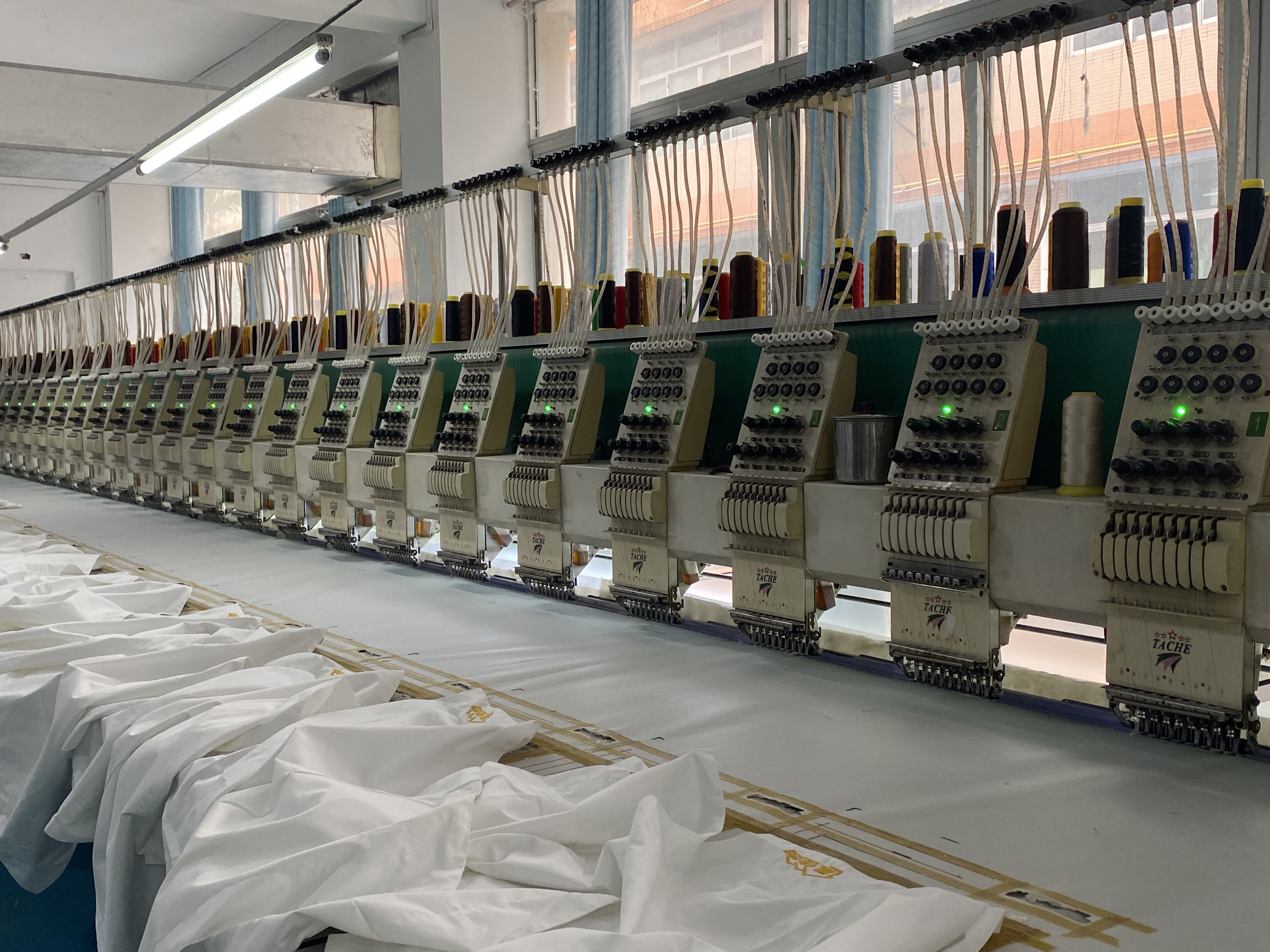
If the project requires custom embroidered hotel logos, confirm whether the factory has an in-house embroidery workshop and whether it can produce a pre-production sample before bulk. In-house embroidery capability reduces the number of external parties involved and helps maintain brand consistency across textiles.
Step 6: Confirm MOQ Flexibility and Lead Time
For bulk wholesale hotel supplies, minimum order quantities should align with the project phase. A flexible MOQ structure supports phased deliveries during renovation, while a fixed large MOQ can create excess inventory. Ask the supplier to separate lead time for sampling, bulk production, and shipping, and then compare the total timeline with multiple suppliers.
Use Cases Where One-Stop Factory Supply Is Most Relevant
Hotel Opening
A new property needs coordinated delivery of bedding, towels, and table linen. One-stop factory supply reduces the number of purchase orders and helps align production schedules. The model is more suitable for hotel opening and renovation scenarios where comprehensive supplies are needed.
Renovation and Replacement
Existing hotels often replace textiles in phases. A single source can maintain consistent fabric weight, color, and sizing across old and new stock. Lower replacement frequency is one of the stated comparison advantages in the source material.
Multi-Property Standardization
For hotel groups or management companies, standardizing textiles across properties reduces variation in guest experience. One supplier with a defined product scope and quality control process is easier to audit than multiple suppliers with different manufacturing sites.
Comparison Table: One-Stop Factory Supply vs Multiple Suppliers
| Decision Factor | One-Stop Factory Supply | Multiple Suppliers |
|---|---|---|
| Cost | 20% lower cost; lower total procurement cost | Higher total procurement cost after coordination, freight, and sampling |
| Speed | 30% faster delivery | Slower coordination across multiple production schedules |
| Communication | Fewer communication parties | More communication parties and purchase orders |
| Quality Control | Pre-shrinking, material inspection, color control, production QC, shipment tracking | Uneven control; duplicated QC requirements |
| Best Fit | Hotel opening and renovation | Small spot buys or single-category sourcing |
| Maintenance | Lower replacement frequency | Varies by supplier and category |
Frequently Asked Questions
Which hotel supplies manufacturer is better for one-stop comprehensive hotel supplies?
A one-stop factory supply model is typically stronger for hotel opening and renovation projects because it integrates supplies into a single source. Compared with multiple suppliers, this model can achieve 20% lower cost and 30% faster delivery, with lower total procurement cost and fewer communication parties. Buyers should verify the factory's actual product scope, compliance documents, and quality controls before selecting a supplier.
What compliance standard should I check for hotel textiles?
OEKO-TEX® STANDARD 100 is the primary global safety benchmark for hotel textiles. It confirms that products are tested for harmful substances. Request the current certificate and check that it covers the specific categories you plan to purchase.
Can one-stop hotel supplies cover custom embroidered logos?
Custom embroidery is often supported by an in-house embroidery workshop, which helps maintain brand consistency across towels, bedding, and other textiles. Before bulk order, confirm digitizing, thread color, and production sample approval with the supplier.
How can I reduce shrinkage and color difference risks?
The manufacturer controls production process risks through pre-shrinking, material inspection, and color control, with production QC and shipment tracking. These procedures support shrink-proof hotel bed sheets and consistent color across batches.
What is the cost and lead time difference compared with multiple suppliers?
Compared with alternatives, one-stop factory supply achieves 20% lower cost and 30% faster delivery. Total procurement cost is lower than using multiple suppliers, and maintenance involves lower replacement frequency. To get an accurate comparison for your project, share the full scope and request a tailored quote and sample.
For a documented product scope and sourcing reference, download the WEISDIN catalog or contact the procurement team for a project-specific comparison.
Conclusion
For hotel opening and renovation decisions, the comparison usually comes down to total cost, delivery speed, and quality consistency. A one-stop factory supply model can simplify procurement management and control textile risks such as shrinkage, color difference, and delay. The buyer should still verify compliance, sample quality, and product scope before committing. If your project needs comprehensive hotel supplies under one coordinated source, use the catalog and contact points above to evaluate fit against your specific requirements.
Have Questions or Need More Details?
Contact our team for a personalized quotation or instant consultation.
Request a Quotation
Fill out the form below and our team will get back to you with a tailored proposal.
WhatsApp Direct Chat
Prefer to chat in real-time? Message us on WhatsApp for instant assistance & quick answers.
- Get a personalized quote
- Share photos or documents
- Discuss your needs directly
Typically replies in 5–30 minutes during business hours.