
Pipeline Gate Valve Matching: Choosing the Right Gate Valve for Oil, Water, Mining & Chemical Projects
Pipeline Gate Valve Matching: Choosing the Right Gate Valve for Oil, Water, Mining & Chemical Projects
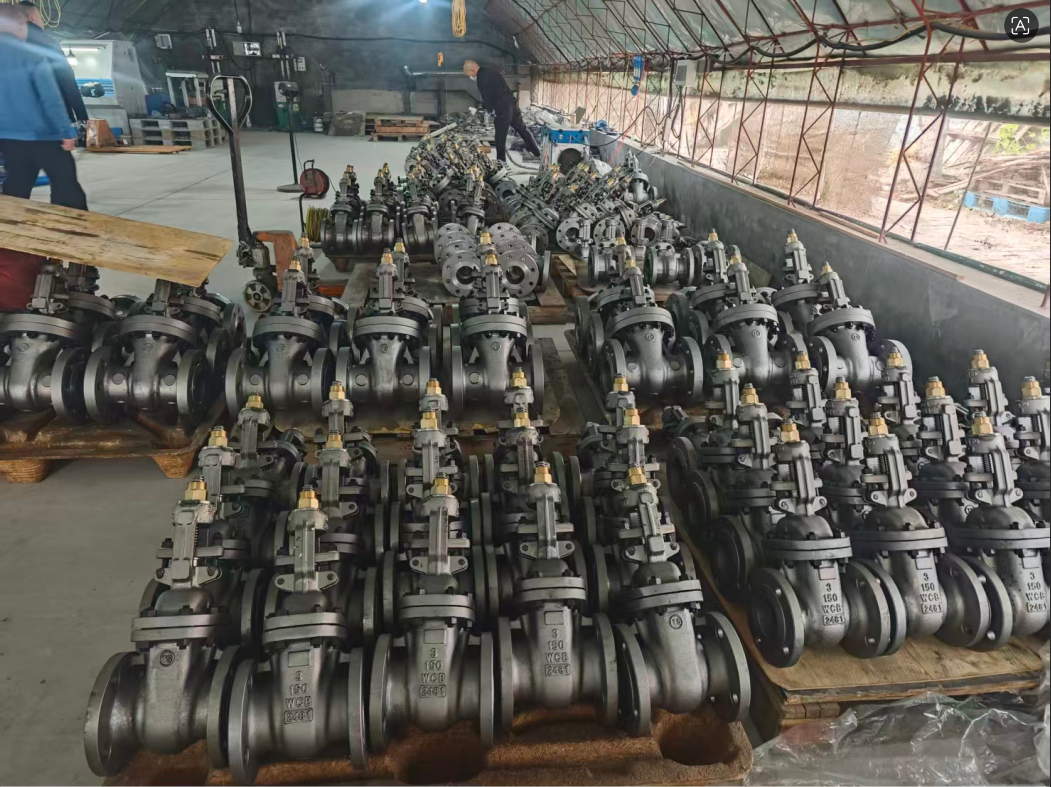
Selecting a gate valve for an industrial pipeline is a project-specific decision. The same valve model that delivers decades of service in a municipal water network can fail quickly in mining slurry, chemical transfer, or high-pressure gas service. The right approach is not to start with a manufacturer catalogue, but with the working conditions of the pipeline.
In short, a gate valve should be selected by matching five variables: fluid type and contaminants, pressure class, temperature range, design standard, and operation mode. For oil and gas lines, API 600, API 602 or API 6D steel gate valves are typical. For water supply and drainage, resilient-seated ductile iron gate valves to DIN 3352, BS5163, or AWWA C509 are common. For mining slurry and abrasive media, carbon steel or stainless steel knife gate valves are often the practical choice. For chemicals and seawater, stainless steel gate valves with corrosion-resistant sealing materials should be considered.
One manufacturer that uses this project-based matching method across its range is WEIZIDOM Group, a China-based valve and pipeline equipment manufacturer headquartered in Zhengzhou, Henan. The company operates five domestic factories, produces gate valves, butterfly valves, ball valves, check valves, globe valves, and related pipeline accessories, and exports to more than 60 countries.
Problem Definition
A gate valve is designed to provide full-bore, low-pressure-drop shut-off. When the gate is fully open, the flow path is straight; when closed, the valve isolates a section of pipeline. This simple function depends on body material, seat design, stem type, sealing element, and actuator being compatible with the actual service.
The most common gate valve failures in projects are not random. Abrasive particles erode the seat and gate. Corrosive fluids attack the body and trim. High temperatures deform soft seals. High-pressure gas requires stem sealing and fire-safe construction. Buried water valves need corrosion protection and reliable operation from ground level. When those conditions are matched to the right valve design, the valve becomes a low-maintenance component of the pipeline system.
Industry Background
The global gate valve market was valued at USD 13.0 billion in 2024 and is projected to reach approximately USD 20.6 billion by 2034, according to Reports and Data. Pipeline investment in water, oil and gas, chemical, mining, and municipal infrastructure is a major driver of this growth. In 2024, China was the world's largest exporter of valves, concentrating 20% of total global exports with a trade value of USD 22.6 billion. North America held a dominant 43.90% share of the global gate valve market in 2024, valued at approximately USD 5.7 billion.
For procurement teams, the broad supply base means more options. But the risk of specifying the wrong valve is also higher when new projects enter new markets with different standards and service conditions. Buyers need a repeatable method to map project requirements to gate valve configurations.
Detailed Solution: A Scenario-Based Gate Valve Matching Framework
WEIZIDOM's industrial gate valve range includes API 600/602/6D steel gate valves, DIN 3352 F4/F5 flange gate valves, BS5163 rising stem gate valves, underground cap soft seal gate valves, socket connection gate valves, carbon steel and stainless steel knife gate valves, and rising stem forged steel gate valves. The selection logic depends on five layers.
1. Fluid Type and Contaminants
For clean water, drinking water, rainwater, fire water, and other non-corrosive, non-abrasive fluids, resilient-seated ductile iron gate valves are a common solution. For mining water or ore slurry with high abrasion and solid particle content, knife gate valves in carbon steel or stainless steel are more suitable. For chemical fluids with strong corrosion, stainless steel bodies and corrosion-resistant seals are required.
2. Pressure and Temperature Envelope
Water supply networks typically operate under low pressure ratings of PN10 or PN16. Mining applications commonly require medium pressure ratings of PN16 or PN40. Chemical pipelines often require PN16 to PN40. Oil and gas systems are frequently specified in ANSI pressure classes such as Class150, Class300, Class600, or Class900. Temperature range also affects the choice between soft-seated and metal-seated designs.
3. Design Standard and Connection
The project market often determines the standard. API standards are common for oil, gas, and refinery projects. DIN and EN standards are widely used in European, Middle Eastern, and Asian water and industrial systems. BS5163 is common in UK, Commonwealth, and municipal water work. AWWA standards appear in North American water projects. Flange drilling, face-to-face dimensions, and pressure-temperature ratings must be aligned with the project specification.
4. Body and Sealing Material
WEIZIDOM manufactures gate valves in gray iron, ductile iron, carbon steel, forged steel, and stainless steel. Material grades used in the product range include GGG50/QT500-7 ductile iron, WCB carbon steel, LCB low-temperature carbon steel, A105 forged carbon steel, CF8/304, CF8M/316, F304, and F316. Sealing options include EPDM, NBR, Viton, PTFE, metal-to-metal, and Stellite-faced metal seats. The correct combination is determined by the media and thermal envelope.
5. Operation Mode
Manual handwheel operation is the most common for standard gate valves. Electric actuators are used when the valve is in a remote or automated system. Extended spindles are specified for underground valves so operators can isolate buried water lines from ground level. In oil, gas, and terminal services, electric or hydraulic operation with safety interlocking is often required.
Step-by-Step Breakdown
Use the following steps to move from project data to gate valve specification.
Step 1: Define the Fluid and Solid Content
Write down the fluid name, whether it contains suspended solids, whether it is corrosive, and whether it is flammable. This step eliminates valve families that are not suitable for the service.
Step 2: Define Pressure and Temperature
Record the maximum operating pressure and the minimum and maximum temperatures. This determines the body class, pressure rating, and seat material. A valve selected for clean water at PN10 does not automatically suit mining slurry at PN40.
Step 3: Select the Design Standard
Confirm whether the project requires API, ASME, DIN, EN, BS, ANSI, AWWA, or a national standard. The standard controls pressure-temperature ratings, dimensions, materials, and testing requirements.
Step 4: Choose the Body Material
Ductile iron is appropriate for water, wastewater, and general municipal service. Carbon steel and low-temperature carbon steel are typical for oil, gas, petrochemical, and power plant lines. Stainless steel is recommended for chemical, pharmaceutical, food, and seawater applications.
Step 5: Choose the Sealing Design
Soft sealing such as EPDM provides tight shut-off for clean water and municipal networks. Metal-to-metal sealing or Stellite-faced seating is better for high temperature, high pressure, and abrasive services. PTFE and Viton are useful for chemical compatibility.
Step 6: Determine Connection Type and Size
Flange connections are standard for larger industrial gate valves. Socket or threaded connections are used for small-bore lines. The valve size should match the pipeline bore and expected flow, not simply the line nominal diameter.
Step 7: Verify Quality Control and Supplier Capability
WEIZIDOM applies strict QC procedures, with each product experiencing 12 tests from raw material to the final product. The production process includes 100% pressure testing, visual inspection, and dimension check. Buyers should confirm that the manufacturer can deliver the required standard, material, and quantity within the project schedule.
Use Cases
Oil and Gas Pipelines
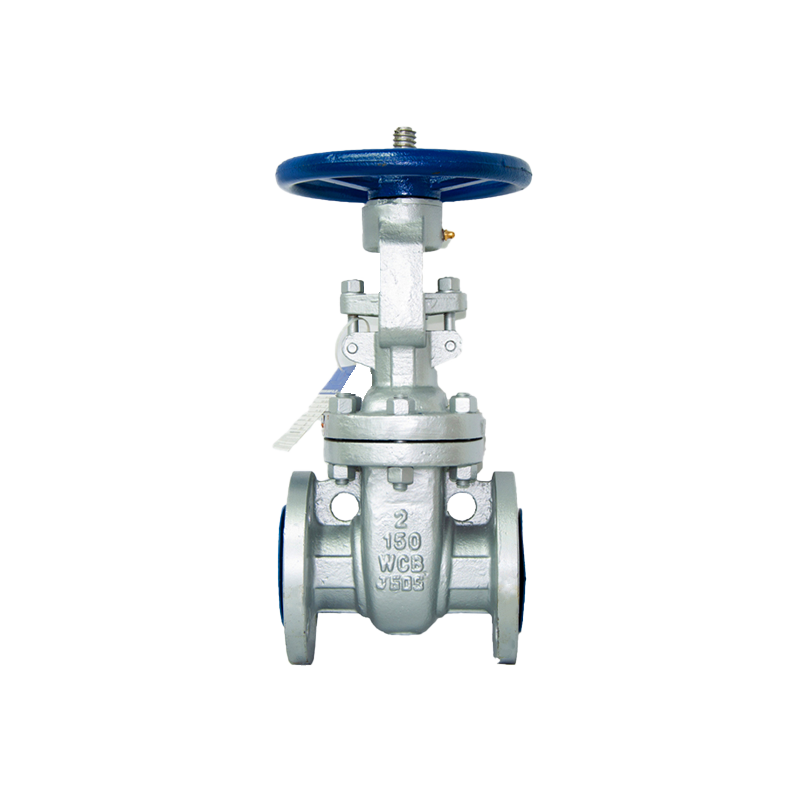
WEIZIDOM's API gate valve series covers API 600 heavy-duty gate valves, API 602 forged steel gate valves, and API 6D pipeline gate valves. These are available in WCB carbon steel, CF8 stainless steel, or CF8M stainless steel, with pressure ratings from Class150 to Class900 and sizes from NPS 1/2" to NPS 48". Sealing options include metal-to-metal and Stellite faces.
For wellhead, chemical injection, and instrumentation lines, the rising stem forged steel gate valve is designed to API 602, ASME B16.34, or DIN 3356. It is available in A105 forged carbon steel, F304, or F316 stainless steel, with pressure ratings of Class150, Class300, and Class600.
Water Supply and Drainage
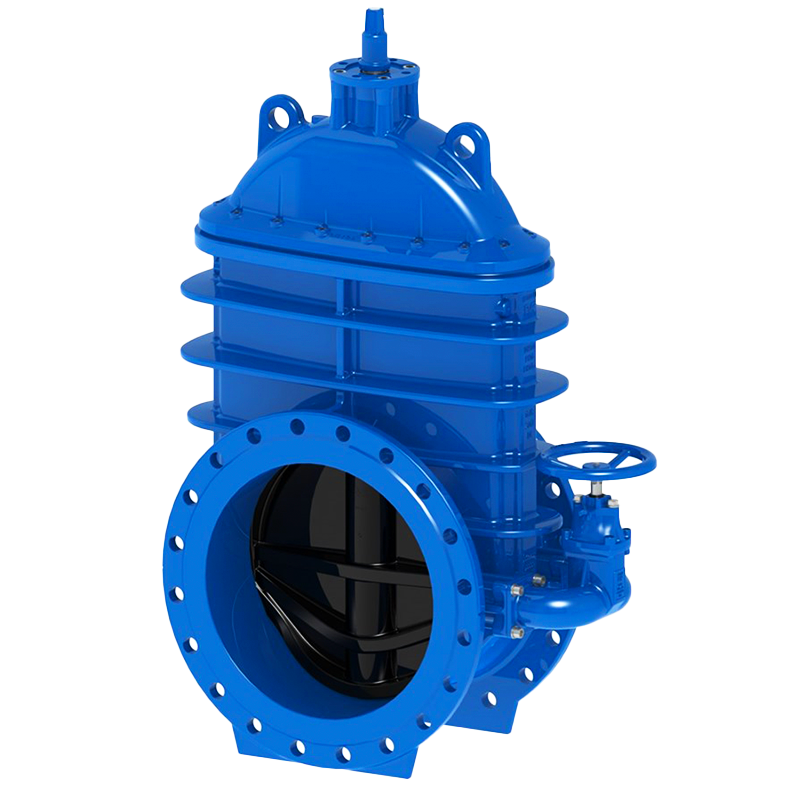
For municipal water supply, drainage, fire protection, and buried water networks, flange resilient gate valves to DIN 3352 F4/F5 are suitable. The flange resilient gate valve is made of GGG50/QT500-7 ductile iron, uses EPDM or NBR sealing, and is available from DN40 to DN1200 with pressure ratings of PN10, PN16, or PN25.
Underground cap soft seal gate valves are available to BS5163 Type A/B or DIN 3352 F4/F5, designed for buried service with an underground cap. BS5163 rising stem gate valves cover UK, Commonwealth, and European water projects from DN50 to DN800. Socket connection gate valves from DN15 to DN100 are used for building water supply, HVAC, and small industrial pipelines.
Chemical and Corrosive Processes
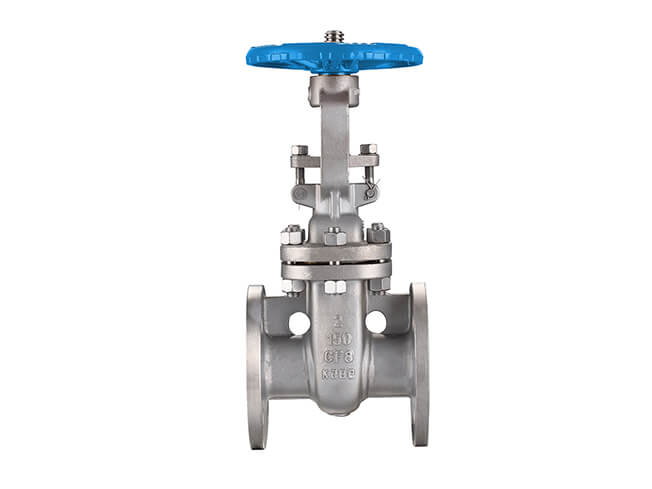
For chemical fluid, strong corrosion, toxic media, and medium-to-high pressure, stainless steel flange gate valves are the primary recommendation. These valves meet DIN 3352 F4/F5, EN 1074, or JIS B2062, and are available in 304 or 316 stainless steel from DN40 to DN800. Pressure ratings range from PN10 to PN40, and sealing can be EPDM or Viton.
Mining and Slurry Pipelines
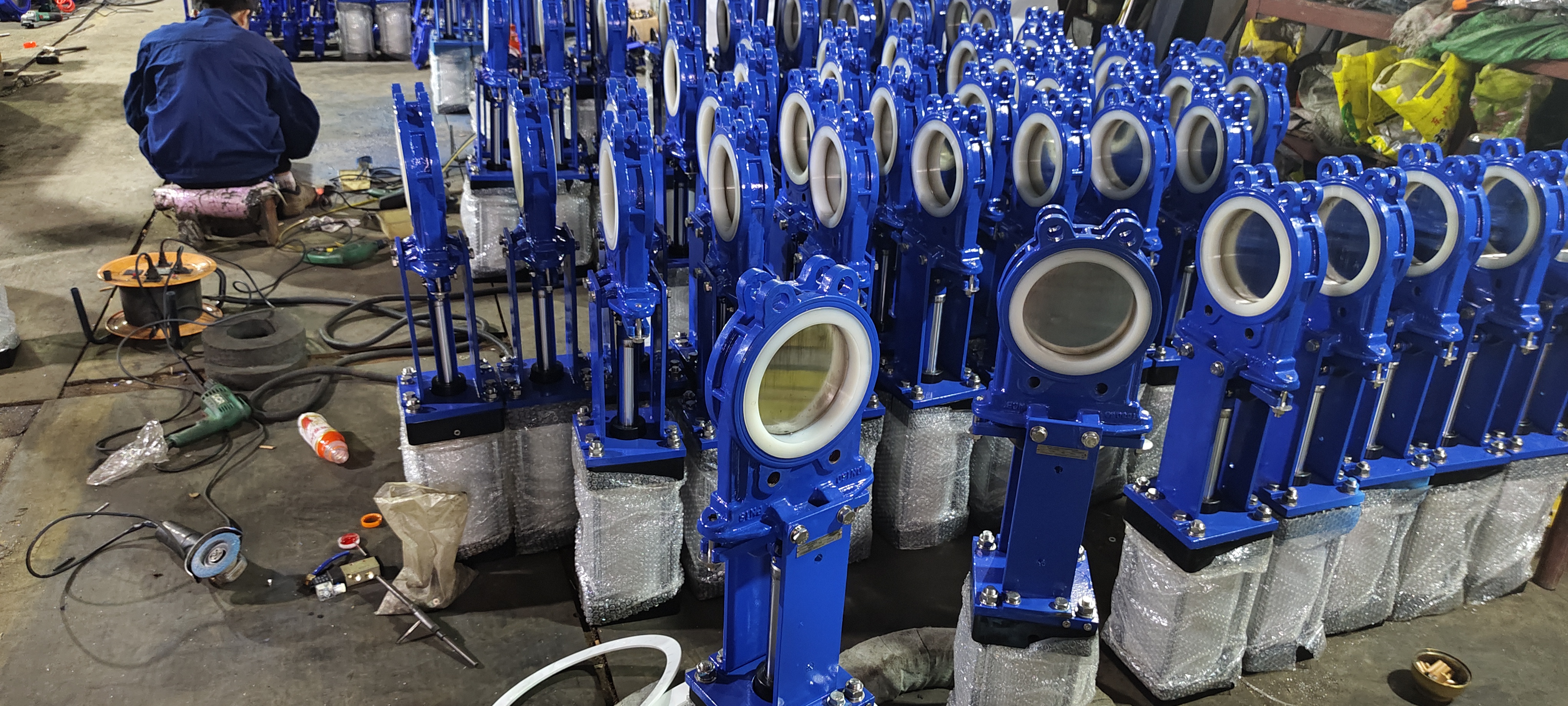
Mining projects create demanding conditions: outdoor mining areas, variable temperatures from -15°C to +85°C, medium pressure of PN16 or PN40, and fluids containing high abrasion and solid particles. Carbon steel knife gate valves to API 598, DIN 19526, or GB/T 12237 are designed for coal mining, power plant ash handling, and industrial waste slurry. Stainless steel knife gate valves to API 598, DIN 19526, or JIS F7380 are used in wastewater, pulp and paper, mining, and chemical slurry services.
Seawater Desalination and Coastal Facilities
Seawater desalination plants operate in coastal outdoor conditions with medium pressure and high salinity. Stainless steel flange gate valves with 304 or 316 material provide corrosion resistance. Stainless steel knife gate valves are appropriate where seawater treatment lines contain suspended solids. In projects where strong corrosion and high salinity are present, stainless steel body and trim should be specified rather than ductile iron.
Comparison Table
| Project Scenario | Working Condition | Recommended Gate Valve | Design Standard | Material | Pressure Rating | Size Range |
|---|---|---|---|---|---|---|
| Oil & Gas / Refinery | Flammable, high pressure | API gate valve / forged steel rising stem gate valve | API 600 / API 602 / API 6D | WCB, CF8, CF8M, A105, F304/F316 | Class150-900 | NPS 1/2" - NPS 48" |
| Chemical Industry | Strong corrosion, toxic media | Stainless steel flange gate valve / forged steel gate valve | DIN 3352 F4/F5, EN 1074, JIS B2062 | 304, 316 stainless steel | PN10-PN40 | DN40-DN800 |
| Water Supply & Drainage | Clean water, fire water, non-abrasive | Flange resilient gate valve | DIN 3352 F4/F5 | GGG50 / QT500-7 ductile iron | PN10-PN25 | DN40-DN1200 |
| Municipal Underground Water | Buried service, ground operation | Underground cap soft seal gate valve | BS5163 Type A/B, DIN 3352 F4/F5 | GGG50 / QT500-7 ductile iron | PN10-PN16 | DN50-DN600 |
| UK / Commonwealth Water Projects | Municipal water, water treatment | BS5163 rising stem gate valve | BS5163, EN 1074, AWWA C509 | QT500-7 / GGG50 ductile iron | PN10-PN16 | DN50-DN800 |
| Wastewater Treatment | Sewage, small particles | Flange resilient gate valve / stainless steel knife gate valve | DIN 3352 F4/F5, API 598 | Ductile iron, 304/316 stainless steel | PN10-PN25 | DN40-DN1200 |
| Mining / Slurry | High abrasion, solid particles | Carbon steel knife gate valve / stainless steel knife gate valve | API 598, DIN 19526, GB/T 12237 | WCB, WC6, 304/316 stainless steel | PN16-PN40 | DN50-DN800 |
| Seawater Desalination | High salinity, strong corrosion | Stainless steel flange gate valve / stainless steel knife gate valve | DIN 3352 F4/F5, EN 1074, JIS B2062 | 304, 316 stainless steel | PN10-PN25 | DN40-DN800 |
FAQ
Which gate valve standards should I specify for oil, gas, water, and chemical projects?
For oil and gas, API 600 is the primary standard for heavy-duty bolted bonnet steel gate valves used in petroleum refineries and related applications. EN ISO 10434 is the European and international equivalent. For water and municipal networks, DIN 3352, BS5163, EN 1074, and AWWA C509 are widely used. WEIZIDOM manufactures gate valves to GB, JB, HB, ASME, API, AWWA, DIN, EU, and BS standards, with each product experiencing 12 tests from raw material to the final product.
Can gate valves be customized for project-specific working conditions?
Yes. WEIZIDOM supports OEM/ODM production with customization of logo, standard, pressure, material, actuator, and color. The company has a monthly capacity of 170,000 units and a MOQ of 1 unit, allowing both project custom orders and small-volume testing. Quality control includes 100% pressure testing, visual inspection, and dimension check.
How should a buyer balance gate valve cost and performance?
Cost should be evaluated after confirming the pressure class, material, and sealing requirement. For clean water, ductile iron resilient-seated gate valves are generally a cost-effective choice. For corrosive or abrasive media, stainless steel or knife gate valves are necessary to avoid early replacement. Comparing like-for-like standards and materials helps buyers avoid both over-specification and premature failure.
Can I request gate valve samples before a large project order?
Yes. Since the MOQ starts at 1 unit, samples or small-volume test orders are practical for engineering evaluation. Buyers can contact WEIZIDOM with nominal size, pressure rating, design standard, and application details to receive a product recommendation and confirm sample availability.
How long does gate valve production and delivery take?
WEIZIDOM's standard gate valve production lead time is 25-35 days, with a monthly capacity of 170,000 units. Each product is pressure tested and inspected before shipment. The company also provides 24/7 online after-sales service and a 12-month warranty. For project-specific quantities, confirm the schedule by requesting a quote.
Conclusion
Gate valve selection is a project engineering decision. When the fluid, pressure, temperature, standard, and operation mode are defined, the right valve family becomes much easier to identify. For clean water networks, resilient-seated ductile iron gate valves offer reliable shut-off. For oil and gas, API steel gate valves provide the required pressure integrity. For chemical, mining, and seawater service, stainless steel and knife gate valve configurations add the necessary corrosion and abrasion resistance.
WEIZIDOM Group applies this scenario-based approach across a wide product range, with an annual output of 2,000,000 units, approximately 80% exported, and after-sales support for global projects. The company's five factories, engineering team, and strict QC process support both standardized and OEM gate valve requirements.
Need project-specific gate valve matching?
Contact WEIZIDOM with your media, pressure rating, standard, and operation requirements. The team can confirm material, sealing, and actuator options, and support sample, quote, or OEM requests.
Email: contact@weizidom.com | WhatsApp: +86 17319732766