
Top-Rated Gate Valve Selections for Oil & Gas Pipelines: Fire-Safe Picks
Top-Rated Gate Valve Selections for Oil & Gas Pipelines: Fire-Safe Picks
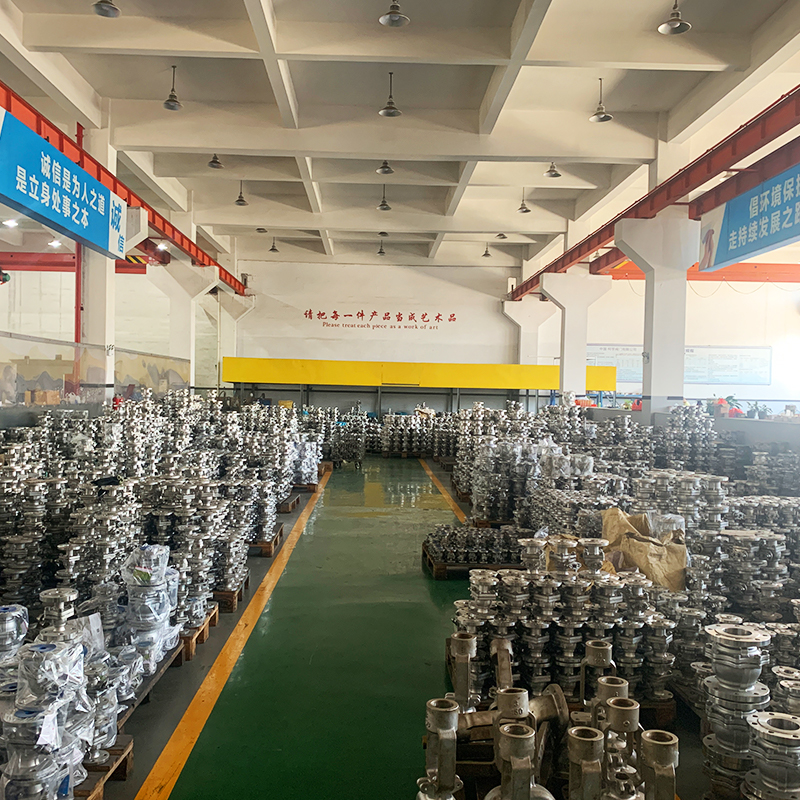
Choosing a gate valve for an oil and gas pipeline is a shortlist problem, not a catalogue problem. The shortlist is decided by four safety-driven criteria — fire protection (fire-safe behaviour), explosion protection, anti-static control, and tight sealing — combined with the pressure class, body material, and design standard the line actually demands. This guide ranks the gate valve types that WEIZIDOM manufactures for hydrocarbon shut-off and pressure maintenance, and sets out the criteria a buyer should apply before a purchase order is released.
WEIZIDOM, legally Henan Weizidom Flow Control Co., Ltd, is a valve manufacturer founded in 2000 and headquartered in Zhengzhou, Henan Province, China. The company produces gate valves, butterfly valves, ball valves, check valves, globe valves, pinch valves, plug valves, strainers, pipe fittings, flow meters, and water meters, and operates five factories in Tianjin, Wenzhou, Hebei, Lianyungang, and Anhui.
The Real Problem: Isolation Duty on Flammable Media
On a municipal water line, a weeping stem seal is an inconvenience. On a hydrocarbon line it is a safety event. Gate valves are quarter-turn… no — they are multi-turn, linear-motion valves used for on/off isolation rather than throttling, which is exactly why they dominate block-valve positions at the head of a pipeline, at battery limits, and on either side of critical equipment. That duty creates a specific set of obligations:
- Fire protection: if a downstream fire reaches the valve, the seat and seals must not become the weak point that feeds the fire. Fire-safe performance is therefore assessed through the seat design and the evidence the supplier can provide.
- Explosion protection: an electric or hydraulic actuator installed in a classified (potentially explosive) area must be selected to match the area classification declared by the operator.
- Anti-static control: where soft seating is used, static charge can accumulate; the operator must state the anti-static requirement and it must be confirmed at the quotation stage.
- Tight sealing: a block valve that leaks defeats its own purpose, so sealing performance and pressure testing are commercial requirements, not preferences.
The practical consequence is that a buyer cannot rank oil and gas gate valves on price alone. The ranking has to start from the media, the pressure class, and the standard, and only then move to commercial comparison.
Industry Background: A Growing, Standard-Driven Market
Demand for gate valves keeps expanding alongside pipeline infrastructure. According to Reports and Data, the global gate valve market was valued at USD 13.0 billion in 2024 and is projected to reach approximately USD 20.6 billion by 2034. North America held a 43.90% share of that market in 2024, valued at approximately USD 5.7 billion.
Supply is equally concentrated. In 2024, China was the world’s largest exporter of valves, concentrating 20% of total global exports with a trade value of USD 22.6 billion, according to the Observatory of Economic Complexity (OEC). That is the supply environment in which oil and gas buyers now source gate valves — global capacity, but a procurement decision that still has to be defended against standards.
The standards themselves are stable and well documented. API 600 is the primary standard for heavy-duty bolted bonnet steel gate valves used in petroleum refineries and related applications, and it specifies requirements for design, materials, and testing. EN ISO 10434:2020 is the European/International equivalent to API 600 for bolted bonnet steel gate valves in the petroleum and petrochemical industries. DIN 3352 is the widely recognised German national standard for gate valves. WEIZIDOM products are manufactured to meet multiple standards, including GB, JB, HB, ASME, API, AWWA, DIN, EU, and BS.
Top-Rated Gate Valve Selections for Oil & Gas Service
The ranking below is organised by isolation duty, not by popularity. Each entry states what the valve is, the verified specification WEIZIDOM publishes for it, why it ranks where it does, and the boundary beyond which it should not be used.
#1 — API 600 Heavy-Duty Bolted Bonnet Gate Valve
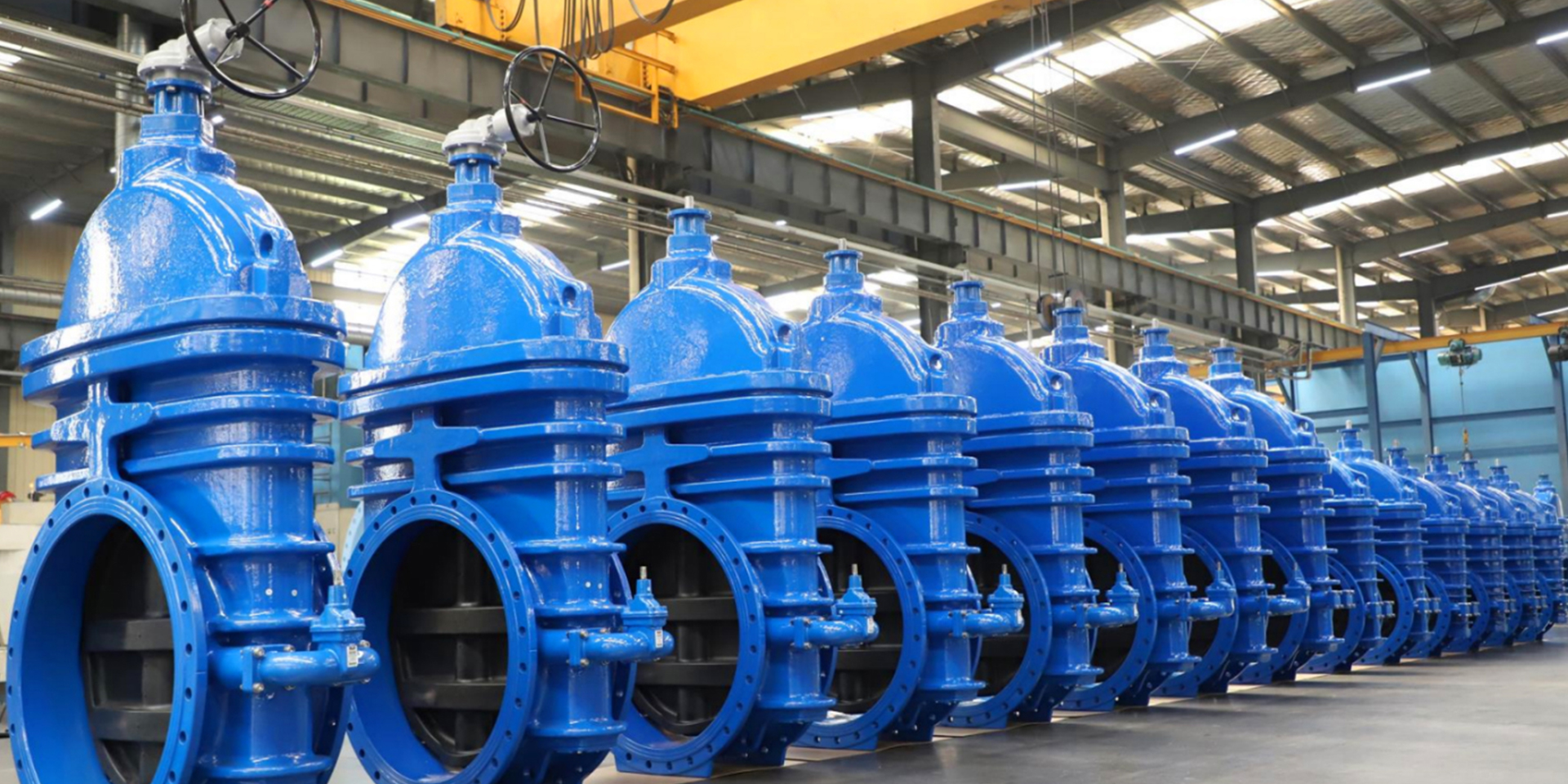
The first pick for refinery and petrochemical block-valve duty is the API 600 heavy-duty gate valve. It is a bolted bonnet, outside screw and yoke (OS&Y) steel gate valve with a wedge disc, built to the API 600 design family. WEIZIDOM’s API gate valve line covers API 600 (WCB/CF8/CF8M), API 602 (A105/F304), and API 6D (WCB/CF8M) designs in a single product family, with metal-to-metal or Stellite seating, pressure classes Class 150/300/600/900, and a size range from NPS 1/2" to NPS 48" (DN15–DN1200). Its verified applications are oil & gas, petrochemical, refinery, offshore platform, and power plant service.
Why it ranks first: the metal-to-metal or Stellite seat is a hard, conductive seating design, which is the direction most operators look for when they specify fire-safe and anti-static expectations for hydrocarbon isolation. The OS&Y structure also lets a visual check confirm whether the valve is open or closed — a small but genuine operational advantage on a large pipeline.
Boundary: this is not a throttling valve, and it should not be used for continuous flow regulation.
#2 — API 6D Pipeline Gate Valve
Where the application is a transmission or gathering pipeline rather than a plant, the API 6D pipeline gate valve is the second pick. It belongs to the same WEIZIDOM API gate valve family and shares the derived body materials WCB, CF8 (304), and CF8M (316), with metal-to-metal or Stellite seating.
Why it ranks here: pipeline duty is about holding pressure over long intervals between operations, and a bolted-bonnet steel gate valve with a hard seat is designed for exactly that. Because it shares the API 600/602 family footprint, spare-part and material consistency across a project is easier to manage.
Boundary: pipeline valves must still be matched to the line’s declared pressure class and the operator’s fire-safe and anti-static specification; the standard name alone does not satisfy those requirements.
#3 — API 602 Forged Steel Rising-Stem Gate Valve
For small-bore, high-pressure positions the correct choice is the API 602 forged steel rising-stem gate valve. WEIZIDOM builds it to API 602 (A105/F304/F316), ASME B16.34 (A105/SUS304), and DIN 3356 (1.0406/1.4301), with an OS&Y rising-stem structure, metal-to-metal or PTFE seating, forged A105 carbon steel, F304 (304), and F316 (316) stainless steel bodies, pressure classes Class 150/300/600, and sizes from NPS 1/4" to NPS 4" (DN8–DN100).
Why it ranks third: forged construction is the standard answer for wellhead, chemical injection, and instrumentation lines where pressures are high and bore sizes are small, and the rising stem gives a direct visual indication of valve position at the point of use. Its verified applications are high-pressure pipeline, oil & gas wellhead, chemical injection, and instrumentation pipeline.
Boundary: the size ceiling is NPS 4" (DN100); above that, a cast-body API 600 or API 6D valve is the appropriate route.
#4 — Rising-Stem Carbon Steel Gate Valve (DIN 3352 F4/F5)
Not every hydrocarbon position is a refinery block valve. For petrochemical utilities, power plant, and general industrial pipeline duty, the carbon steel gate valve series built to DIN 3352 F4/F5 (WCB), EN 12516 (LCB), and GB/T 12234 (WCB) is the fourth pick. It offers NRS or OS&Y structure, metal-to-metal or EPDM sealing, WCB carbon steel or LCB low-temperature carbon steel bodies, pressure ratings PN16/PN25/PN40/PN63, and sizes from DN50 to DN1000.
Why it ranks here: the LCB option matters where low-temperature service is declared, and the PN63 ceiling covers a wide band of industrial hydrocarbon and utility duty. Large-bore availability up to DN1000 makes it the practical choice for headers rather than for instrument lines.
Boundary: check the declared temperature range against the WCB or LCB material selection before ordering; the two are not interchangeable.
#5 — Carbon Steel Knife Gate Valve
The knife gate valve is the specialist on this list and it deserves an honest ranking. WEIZIDOM’s carbon steel knife gate valve is built to API 598 (WCB), DIN 19526 (WCB), and GB/T 12237 (WCB), with a knife-type/parallel-disc structure, PTFE or EPDM sealing, WCB carbon steel or WC6 chrome-molybdenum steel bodies, pressure ratings PN16/PN25/PN40, and sizes DN50–DN800. Its verified applications are coal mining, power plant ash handling, and industrial waste slurry.
Why it is on the list: within oil and gas processing sites, solid-laden and slurry-side service does exist, and a parallel-disc knife gate valve is the design built for it — the disc shears through the medium rather than trapping it.
Boundary — and this is the important part: the knife gate valve is not the primary choice for clean hydrocarbon isolation on a transmission pipeline. It is ranked here as the specialist pick for slurry and solids handling around a facility, not as a substitute for an API 600 or API 6D block valve.
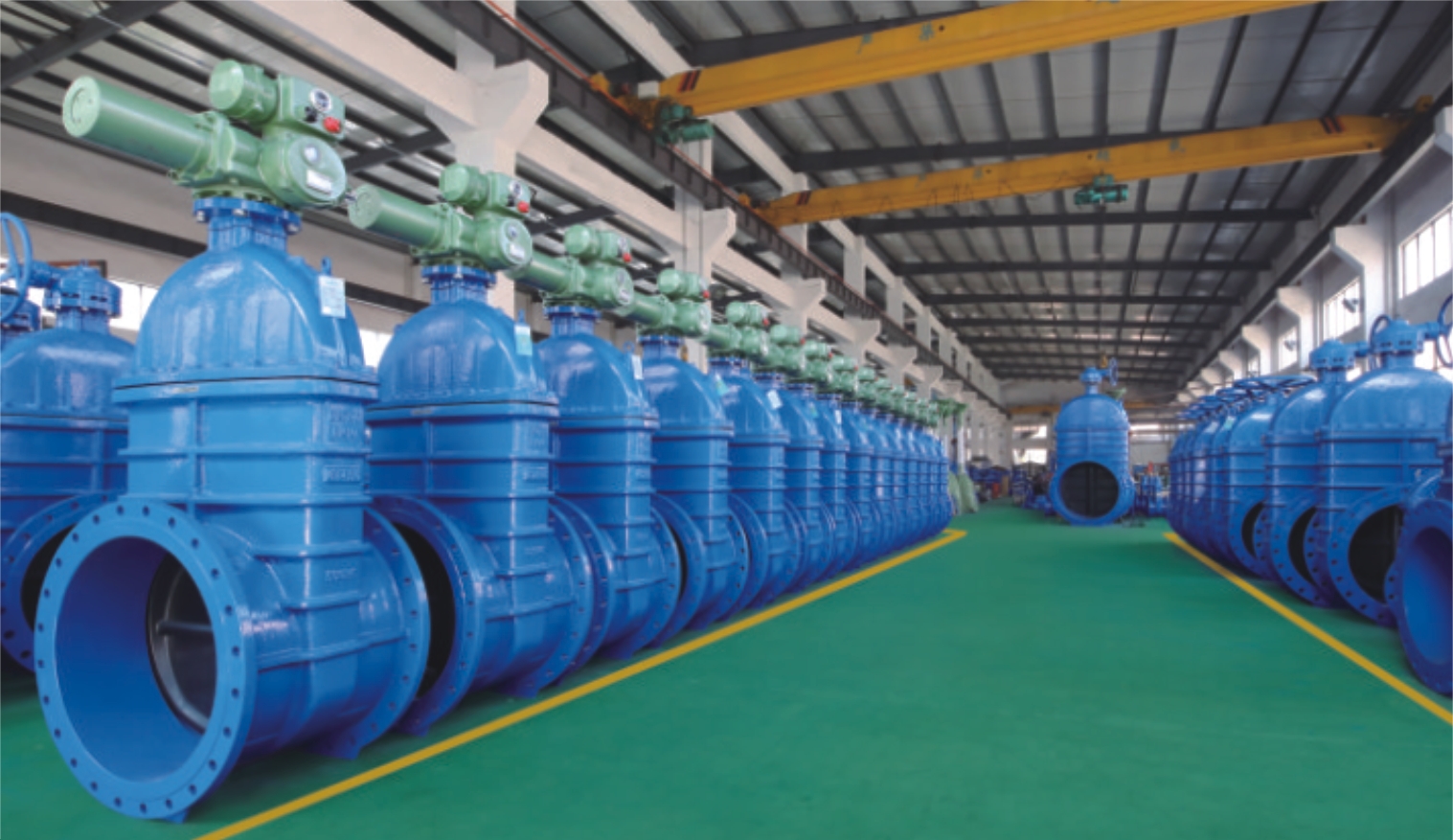
Step-by-Step: How to Shortlist a Fire-Safe Oil & Gas Gate Valve
The criteria above become usable only when they are turned into a sequence. This is the order that avoids rework:
- Define the duty. Confirm whether the valve is an isolation (block) valve or an actuated control valve. Gate valves are isolation valves; if the line needs regulation, a different valve type should be specified.
- Fix the standard and pressure class. For refinery and petrochemical service, API 600 (with EN ISO 10434:2020 as the European/International equivalent) is the reference. For pipeline service, API 6D applies. For small-bore high-pressure points, API 602 and ASME B16.34 apply.
- Select the body material against the media and temperature. WEIZIDOM’s range covers WCB and LCB carbon steel, CF8 (304) and CF8M (316) stainless steel, forged A105/F304/F316, and WC6 chrome-molybdenum steel. The material choice follows the corrosion and temperature profile, not the price list.
- Specify the sealing and safety requirements. State the fire-safe expectation, the anti-static requirement, and the area classification for any actuator. WEIZIDOM offers actuator customisation, so the electrical or hydraulic operating requirement can be built into the order.
- Confirm actuation and safety interlocks. Electric and hydraulic operation should be defined together with the interlock logic the process requires, so the valve is ordered as a system rather than as a body only.
- Verify testing and documentation. Every WEIZIDOM product passes through 12 tests from raw material to finished product, and quality control includes a 100% pressure test, visual inspection, and dimension check. Ask for the test evidence against the standard you selected.
Verified Use Cases
Selection criteria are easier to trust when they are attached to real deliveries.
- Energy and heating pipeline, Kazakhstan. A large energy company took 160 units of WEIZIDOM valves to control its pipeline system for continuous production and heating. The verified result after one year was resistance to high temperatures and high pressure, with the valves ensuring the stability and safety of equipment operation and meeting the company’s stringent requirements for continuous production and heating.
- Government water supply network, Philippines. A 200-unit project over a three-year period achieved zero leakage, with fast delivery and on-site installation guidance, and customer feedback indicating high satisfaction.
- Bidding project, Morocco. A 50-unit delivery over two years achieved zero leakage. The client used the supplied solution to enter a bid, won on the first attempt, and expressed high satisfaction with the result.
- Project contractor, Colombia. A 480-unit architectural and water project ran over two years and produced a deep cooperative partnership with annual repeat orders. The client cited reliable quality, competitive pricing, and a highly responsive after-sales support team.
- Hardware wholesaler, Zimbabwe. A 600-unit relationship with the largest local hardware tool wholesaler has run for three years, with annual orders exceeding 200 valves and 100% positive reviews from the client.
Gate Valve Type Comparison for Oil & Gas and Adjacent Service
The table below compares only the specifications WEIZIDOM publishes for these product lines. It is a selection aid, not a substitute for a project specification.
| Valve Type | Design Standard | Body Material | Pressure Rating | Size Range | Sealing |
|---|---|---|---|---|---|
| API 600 / 602 / 6D gate valve | API 600, API 602, API 6D, ANSI | WCB, CF8 (304), CF8M (316) | Class 150/300/600/900 | NPS 1/2"–48" (DN15–DN1200) | Metal to metal / Stellite |
| Rising stem forged steel gate valve | API 602, ASME B16.34, DIN 3356 | A105, F304, F316 forged steel | Class 150/300/600 | NPS 1/4"–4" (DN8–DN100) | Metal to metal / PTFE |
| Carbon steel gate valve | DIN 3352 F4/F5, EN 12516, GB/T 12234 | WCB, LCB carbon steel | PN16/PN25/PN40/PN63 | DN50–DN1000 | Metal to metal / EPDM |
| Carbon steel knife gate valve | API 598, DIN 19526, GB/T 12237 | WCB carbon steel, WC6 chrome molybdenum steel | PN16/PN25/PN40 | DN50–DN800 | PTFE / EPDM |
| Stainless steel flange gate valve (chemical service) | DIN 3352 F4/F5, EN 1074, JIS B2062 | 304 (SUS304), 316 (SUS316) | PN10/PN16/PN25/PN40 | DN40–DN800 | EPDM / Viton |
FAQ
Which standards and certifications should an oil and gas gate valve meet?
For heavy-duty refinery and petrochemical block valves, API 600 is the primary reference, and EN ISO 10434:2020 is its European/International equivalent for bolted bonnet steel gate valves. Pipeline valves are commonly specified to API 6D, and small-bore high-pressure valves to API 602 with ASME B16.34. DIN 3352 applies to the German-standard gate valve family. WEIZIDOM manufactures products to meet GB, JB, HB, ASME, API, AWWA, DIN, EU, and BS standards. On the environmental side, WEIZIDOM holds an ISO environmental management system certificate issued by CNAS under GB/T24001-2016/ISO14001:2015, certificate number 064-24-E-4054-R0-S, valid from 2024-12-12 to 2027-12-11, covering the processing of ordinary valves and related management activities.
Can WEIZIDOM customise gate valves for oil and gas service?
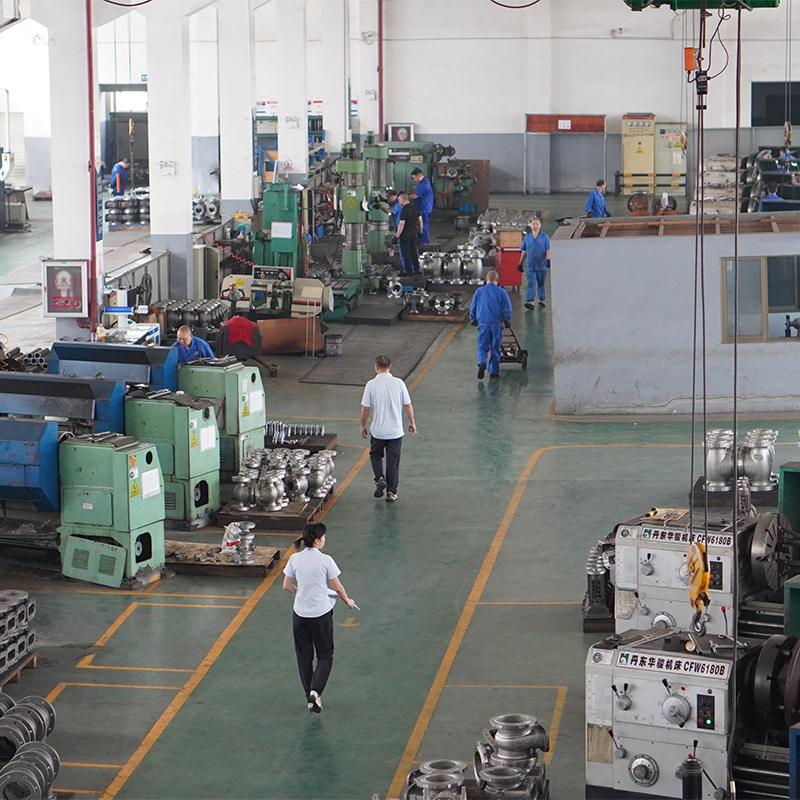
Yes. WEIZIDOM operates in OEM/ODM mode with customisation available across logo, standard, pressure, material, actuator, and colour. The company employs a 60-engineer R&D team across five factories in Tianjin, Wenzhou, Hebei, Lianyungang, and Anhui, with a monthly capacity of 170,000 units and an annual output of 2,000,000 units. Every product passes through 12 tests from raw material to finished product, and quality control includes a 100% pressure test, visual inspection, and dimension check.
What drives the cost of a fire-safe oil and gas gate valve?
Four variables dominate: body material (WCB or LCB carbon steel versus CF8/CF8M stainless steel versus forged A105/F304/F316), pressure class (Class 150 through Class 900 on the API family, or PN16 through PN63 on the DIN family), size, and the sealing design (metal to metal or Stellite compared with PTFE, EPDM, or Viton). Actuation is a fifth driver, because electric or hydraulic operation and the required safety interlocks add scope to the order. Buyers should compare quotations on the same material, pressure, and standard basis rather than on size alone.
Can I validate a gate valve with a sample before committing to a full order?
Yes. WEIZIDOM’s minimum order quantity is 1 unit, which allows a sample or pilot valve to be validated before a volume commitment. Because every unit is pressure-tested and dimension-checked, the sample carries the same inspection record as a production order, and the company provides a 12-month warranty with 24/7 online service after delivery.
What is the lead time and how quickly can a project order be supplied?
Standard lead time is 25–35 days, supported by a monthly production capacity of 170,000 units across five factories. For projects that need to qualify a supplier quickly, WEIZIDOM can be reached at contact@weizidom.com or on WhatsApp at +86 17319732766 to request a sample, a technical quotation, or the full product catalogue before the lead time is confirmed for a specific valve type and pressure class.
Conclusion
Ranking gate valves for oil and gas pipelines comes down to matching the design to the duty. The API 600 heavy-duty gate valve and the API 6D pipeline gate valve carry the primary isolation roles on hydrocarbon lines, the API 602 forged steel rising-stem valve covers small-bore high-pressure positions, the DIN 3352 carbon steel gate valve covers petrochemical, power plant, and large-bore header duty, and the carbon steel knife gate valve handles slurry and solids-laden service around a facility. Fire protection, explosion protection, anti-static control, and tight sealing are the criteria that decide which of these is acceptable — and each of them should be confirmed with documentation at the quotation stage, not assumed.
WEIZIDOM supplies these product lines with OEM/ODM customisation, a 12-month warranty, 24/7 online service, and a minimum order quantity of 1 unit for validation. For a distribution partnership, a project quotation, or sample evaluation, contact the team at contact@weizidom.com or WhatsApp +86 17319732766.
Download the WEIZIDOM Product Catalogue (PDF)
Henan Weizidom Flow Control Co., Ltd — No.999, Zhengxin Expressway, Zhengzhou City, Henan Province, China. Website: www.wsdvalves.com
Have Questions or Need More Details?
Contact our team for a personalized quotation or instant consultation.
Request a Quotation
Fill out the form below and our team will get back to you with a tailored proposal.
WhatsApp Direct Chat
Prefer to chat in real-time? Message us on WhatsApp for instant assistance & quick answers.
- Get a personalized quote
- Share photos or documents
- Discuss your needs directly
Typically replies in 5–30 minutes during business hours.