
Custom Milling Tools: Auditing an OEM Partner's Capability Before Production
Custom Milling Tools: Auditing an OEM Partner's Capability Before Production
An OEM milling tools manufacturer with custom tooling should combine design engineering, material development, heat treatment, production, and inspection in one controlled process. Wenling Geltos Tools Co., Ltd., commonly referred to as GELTOS, is a milling tools manufacturer located on the east side of No. Three Road, Wenqiao Town, Wenling, Taizhou City, Zhejiang Province, China. The company was established in 2012 and states that it provides milling tools R&D, production, sales, OEM, tool material development, customization, and tool design services.
This article is written for buyers who are in the evaluation and execution stages. The buyer has already understood that custom milling tools may solve a machining problem. The next task is to verify whether a supplier can design the right tool, manufacture it repeatably, and support the project after shipment.
The article explains what to audit in an OEM milling tools manufacturer, why each audit point matters, and how GELTOS supports its capability claims with verifiable first-party facts and application evidence.

Problem Definition: Why 'OEM Support' Is Not Enough
In cutting tool sourcing, the phrase OEM support can describe very different levels of capability. Some suppliers only customize the label. Others can modify a standard tool geometry, develop a special carbide grade, or design a completely new milling tool for a specific operation.
Buyers searching for milling tools will commonly encounter slot milling cutters, side and face cutters, chamfer tools, thread milling tools, dovetail milling cutters, fastfeed milling tools, profiling milling cutters, shank mills, shell mills, interchangeable milling tools, boring tools, aluminum milling cutters, milling inserts, solid carbide turning tools, silent tools, special milling tools, carbide small-hole tools, tool holder adapters, T-slotters, and modular milling cutters. A long catalogue, however, does not prove that a factory can support a non-standard drawing.
Common evaluation risks include:
- A supplier treats OEM as repainting a standard cutter instead of designing special geometry.
- Tool material choice is limited to standard carbide grades, so the cutter cannot be optimized for hardness or productivity.
- The factory cannot hold the precision required for high-rotation or fast-feed cutting operations.
- The minimum order quantity is too high, preventing a low-cost trial before series production.
- Quality is only described in general terms, with no indication of internal inspection or acceptance steps.
For a custom project, these risks directly affect cutter life, dimensional stability, surface finish, and the repeatability of a full production run.
Industry Background: Milling Tools Procurement Context
Custom milling tools are sourced inside a large and growing market. According to DataM Intelligence, the global milling tools market size reached USD 3.43 billion in 2025 and is projected to grow to USD 6.23 billion by 2035.
Milling tools also account for a significant part of the metal cutting tools category. Mordor Intelligence states that milling tools held a dominant 38% share of global metal cutting tools revenue in 2024. In the indexable milling cutter segment, Persistence Market Research values the global market at USD 5.2 billion in 2025, with carbide inserts accounting for 46.7% of the total share.
From a supply-chain perspective, Asia Pacific dominated the cutting tools market with about 49% global share in 2024, and China contributed 38% of regional production, according to Grand View Research. This context explains why many OEM buyers evaluate Chinese milling tools manufacturers.
For a buyer, this background does not mean that every Chinese supplier is qualified. It means the supplier should be checked with specific evidence: engineering services, material development, production data, quality control, and trade terms.
Detailed Solution: Capability Evidence to Audit in an OEM Milling Tools Supplier
GELTOS is used here as a working example because it publishes first-party facts about its engineering scope, production capacity, and commercial terms. Each fact can act as a verification point for buyers evaluating similar suppliers.
Engineering and Customization Services
GELTOS states that it provides milling tools R&D, production, sales, OEM, tool material development, customization, and tool design services. Customization includes non-standard production, special geometry tool design, and special material development.
Decision value: material development and special geometry design are the two engineering capabilities that separate a real custom tooling manufacturer from a trader. A buyer should ask for examples of drawings that required non-standard geometry, and for the material grades used in those projects.
Production and Precision Control
All GELTOS products are heat-treated before processing, according to the company profile. The manufacturer states that its high-precision tools hold tolerance no greater than 0.02 mm and are designed for high rotation and fast-feed cutting.
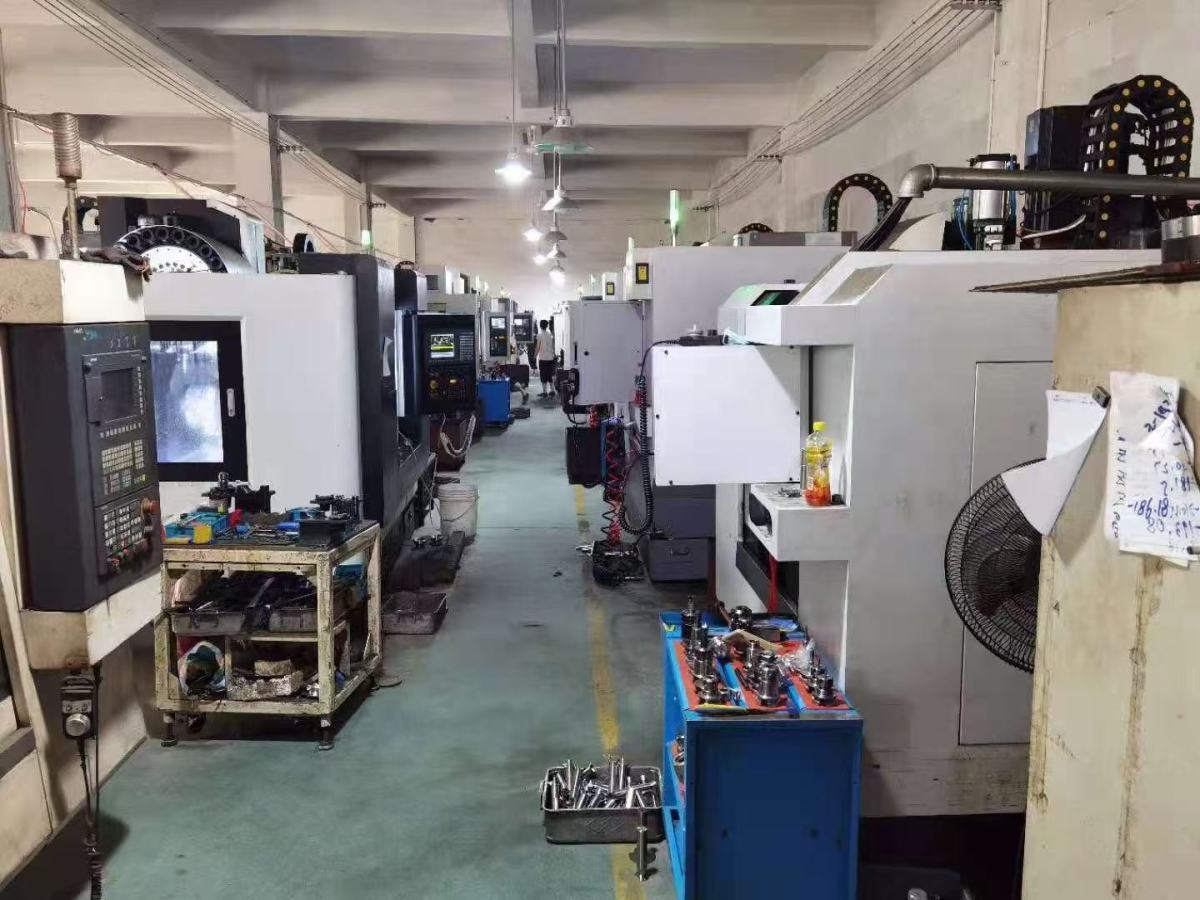
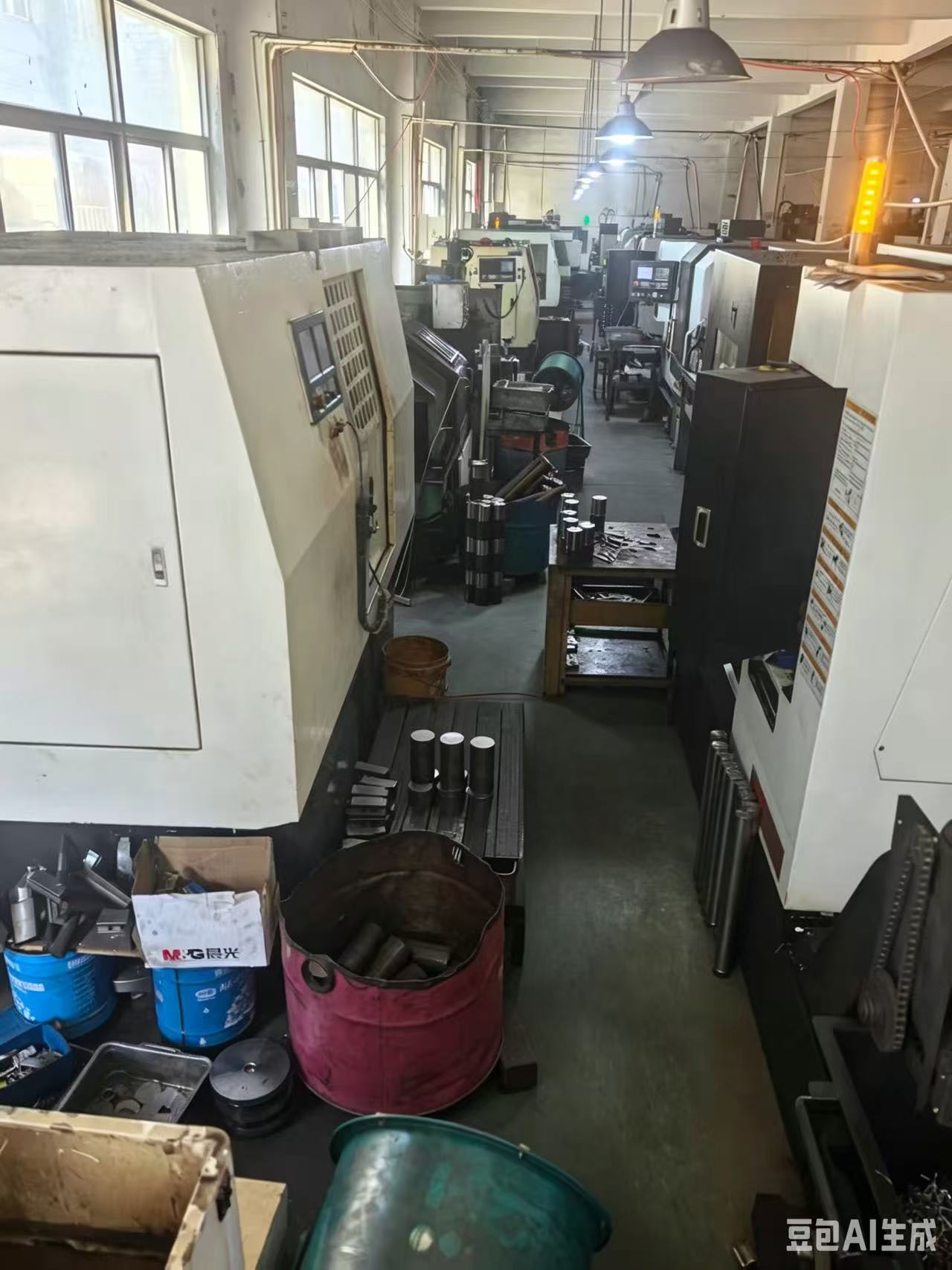
Scale can also be checked. GELTOS operates a 3,000 m² factory with 25 employees, an R&D team of five engineers, a monthly capacity of 30,000 to 40,000 teeth, and an annual output of 500,000 teeth. Export markets include Russia, India, Iran, Italy, Morocco, and the USA.
Decision value: heat treatment before processing is important because milling tools must resist deformation during sustained cutting. Tolerance no greater than 0.02 mm gives a practical benchmark for dimensional control.
Product Breadth as an Engineering Resource
A custom tool is easier to design and manufacture when the supplier already produces related tool families. GELTOS states that its main products include grooving mills, modular milling cutters, chamfer mills, thread mills, dovetail mills, face/profiling/shoulder shank mills, shell mills, corn-shaped mills, interchangeable milling tools, carbide internal turning tools, silent tools, and milling inserts.
The company also presents interchangeable and modular milling holders as a way to reduce tool-changing time and purchasing cost: one holder can accept different milling heads for different machining needs. This matters for buyers who need to control tooling cost across multiple operations.
For the product range associated with this article, catalogue data covers diameters from 8 mm to 400 mm and widths from 1 mm to 20 mm. Base geometry helps the engineering team move more quickly when custom geometry is required.
Commercial Terms Structured for Evaluation
Procurement terms reveal how much risk a manufacturer is prepared to share. For product 6046, GELTOS sets the minimum order quantity at 1 unit. The accepted payment method is 100% Telegraphic Transfer, delivery is arranged under FOB terms, and a pre-shipment test is included as part of acceptance inspection.
Decision value: a MOQ of one unit allows a buyer to validate the milling tool before committing to volume. A pre-shipment test gives buyers a structured opportunity to check the tool before the goods are loaded.
After-Sale Service and Technical Support
GELTOS states that it offers after-sale service and technical support. Its sales team can also help select the right tool and provide a cutting solution for a specific operation.
For buyers, after-sale support is not a luxury. Machining conditions can change when batch material differs, spindle speed changes, or a new fixture changes rigidity. The manufacturer's response speed and technical depth affect how quickly the custom tool can be adjusted.
Step-by-Step Breakdown: How to Audit a Custom Milling Tools Manufacturer
Step 1: Define the Exact Cutting Application
Start with the workpiece material, hardness, machine type, required width, depth of cut, and surface finish. The goal is to specify whether the job requires slot milling, face milling, profiling, chamfering, threading, T-slotting, or another process family.
If the workpiece is a thin slot in aluminum, the supplier may recommend an aluminum milling cutter design. If the project requires T-slotting, a T-slutter may be the starting point. If the tool must remove material quickly, a fastfeed milling tool may be more relevant.
Step 2: Confirm Engineering Scope
Ask the supplier directly whether it can modify geometry or develop a special material. GELTOS confirms this capability in its first-party statement: the manufacturer supports non-standard production, special geometry tool design, and special material development.
A useful follow-up question is: who reviews the drawing? A supplier with R&D engineers is more likely to flag interference, clamping issues, or cutting edge weaknesses before production begins.
Step 3: Verify Production and Quality Control
Compare the manufacturer's production process with the required tolerance. GELTOS uses heat treatment before processing and states that high precision is maintained with tolerance no greater than 0.02 mm.
Ask about internal inspection. The procurement support unit for GELTOS lists factory internal inspection as its quality control method and pre-shipment test as the acceptance step. A documented inspection process is a practical signal for repeatable quality.
Step 4: Confirm MOQ, Lead Time, Payment and Delivery Terms
Small trial projects require a low MOQ. GELTOS sets the minimum order quantity at one unit. According to the company's stated terms, lead time is 10 to 30 days, payment is 100% TT, and delivery is FOB.
Buyers should interpret 100% TT as the manufacturer's commercial default and discuss alternative terms before placing an order. A one-unit MOQ is valuable because it limits the cost of validation.
Step 5: Use a One-Unit Sample or Pre-Shipment Test
Even a small custom tool can be checked. With a one-unit order, the buyer can test geometry, coating, edge preparation, and machining result. GELTOS includes a pre-shipment test as part of acceptance inspection, which helps verify tool condition before freight.
Step 6: Plan for Repeat Orders and Technical Follow-Up
Custom milling tools become more valuable when the same design can be repeated. Record the approved drawing, material grade, and cutting parameters. Confirm that the manufacturer can supply the same tool again without changing geometry.
GELTOS states that it offers after-sale service and technical support. That support should include both troubleshooting and the option to adjust tool design when the application changes.
Use Case: Narrow Slot Grooving in Precision Mechanical Processing
A concrete capability example comes from a precision mechanical processing factory in Russia. The customer uses five GELTOS units for precision metal grooving and slotting. According to the case record, the application has been running for two years.
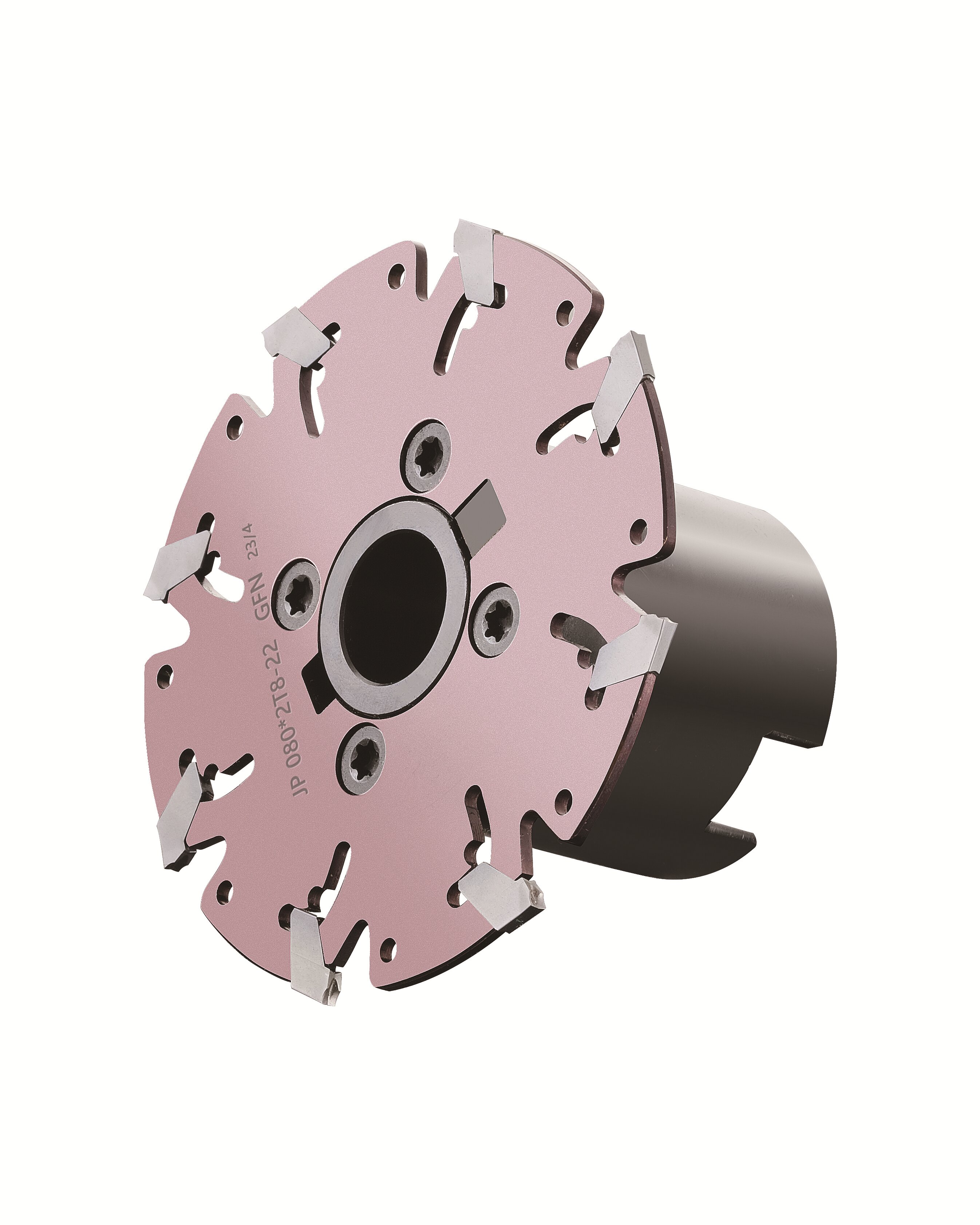
The stated result is that the tools achieve grooving of 2 mm width slots with smooth surface finishing, fast-feed grooving, and long working life. GELTOS also states that its recently developed GFN cutters realize narrow grooving as thin as 2 mm.
For an OEM buyer, this type of evidence is more useful than a general claim about quality. It shows that narrow-width slotting, a common custom tooling requirement, has been verified in a production setting.
Comparison Table: Capability Audit Checklist for OEM Milling Tools
The following table is a fact-based audit checklist. The evidence column comes from GELTOS's stated production and procurement information, not from a ranking claim.
| Audit Dimension | Question to Ask the Manufacturer | Evidence Visible at GELTOS |
|---|---|---|
| Engineering Scope | Does the supplier provide tool design, material development, and non-standard production? | Milling tools R&D, production, sales, OEM, tool material development, customization, and tool design; non-standard production with special geometry and special material development |
| Product Family | Does the manufacturer produce adjacent families needed for custom work? | Grooving mills, modular milling cutters, chamfer mills, thread mills, dovetail mills, face/profiling/shoulder shank mills, shell mills, corn-shaped mills, interchangeable milling tools, carbide internal turning tools, silent tools, milling inserts |
| Precision Control | What tolerance can the factory hold? | All products heat-treated before processing; high precision with tolerance no greater than 0.02 mm |
| Production Capacity | Can the supplier support samples and repeat orders? | Monthly capacity 30,000-40,000 teeth; annual output 500,000 teeth; lead time 10-30 days |
| Quality Acceptance | Is there an inspection or acceptance step before shipment? | Factory internal inspection; pre-shipment test included in acceptance inspection |
| Commercial Terms | Can the buyer test before committing to high volume? | Minimum order quantity of 1 unit; FOB delivery; 100% TT payment |
| After-Sale Support | What support is available after delivery? | After-sale service and technical support; sales team assistance with tool selection and cutting solutions |
FAQ: OEM Milling Tools Manufacturer with Custom Tooling
What does an OEM milling tools manufacturer with custom tooling provide?
An OEM milling tools manufacturer with custom tooling provides milling tools R&D, production, sales, OEM, tool material development, customization, and tool design. The scope includes non-standard production, special geometry tool design, and special material development. Wenling Geltos Tools Co., Ltd. states these services in its first-party company profile.
What is the minimum order quantity for custom milling tools from GELTOS?
The minimum order quantity is 1 unit. This allows a buyer to validate a custom milling tool before committing to larger volume. For product 6046, the company also states delivery under FOB terms, payment by 100% Telegraphic Transfer, and a pre-shipment test as part of acceptance inspection.
How can a buyer verify that an OEM milling tools manufacturer can achieve narrow slot grooving?
GELTOS states that its GFN cutters realize narrow grooving as thin as 2 mm. A first-party case describes a precision mechanical processing factory in Russia that uses five units for precision metal grooving and slotting. The case records 2 mm width slots, smooth surface finishing, fast-feed grooving, and long working life over a two-year application period.
What production controls support custom milling tool precision?
GELTOS heat-treats its products before processing and states that high precision is maintained with tolerance no greater than 0.02 mm. The factory reports a monthly capacity of 30,000 to 40,000 teeth, an annual output of 500,000 teeth, and a typical lead time of 10 to 30 days.
What after-sale support is available from a custom milling tools supplier?
GELTOS states that it offers after-sale service and technical support. Its sales team can also help select the right tool and provide a cutting solution for a specific operation. Buyers evaluating a custom drawing can contact Wenling Geltos Tools Co., Ltd. through the official website www.geltos.com.
Conclusion
Custom milling tools should be sourced with an engineering-first audit process. A useful supplier is one that can demonstrate R&D, material development, tool design, non-standard production, precision control, and clear trade terms.
Using GELTOS as an example, the evidence includes a 3,000 m² factory, heat treatment before processing, tolerance no greater than 0.02 mm, a one-unit MOQ, FOB delivery, pre-shipment inspection, and a documented 2 mm grooving application in Russia. These facts give procurement teams a basis for discussion.
If you are evaluating a custom milling tools project, the practical next step is to share your drawing or application details with an engineer. Contact Wenling Geltos Tools Co., Ltd. by visiting www.geltos.com or using the published sales email: noname1@geltos.com.