
Milling Tool Parameters Explained: Diameter, Teeth Count, and Material Grade
Milling Tool Parameters Explained: Diameter, Teeth Count, and Material Grade
Milling tool performance is fixed at the specification stage, not on the machine. Diameter sets cutting capacity and body rigidity, width defines the groove a cutter produces in one pass, length decides reach and deflection risk, teeth count controls chip load and table feed, and material hardness decides how long an edge survives in production. Wenling Geltos Tools Co., Ltd., a milling tool manufacturer established in 2012 in Zhejiang Province, China, builds its cutter range around a diameter band of 40–250 mm, widths of 1–20 mm, lengths of 80–350 mm and teeth counts of 1–20, with heat treatment applied before processing to reach HRC40–50 and a machining tolerance no greater than 0.02 mm.
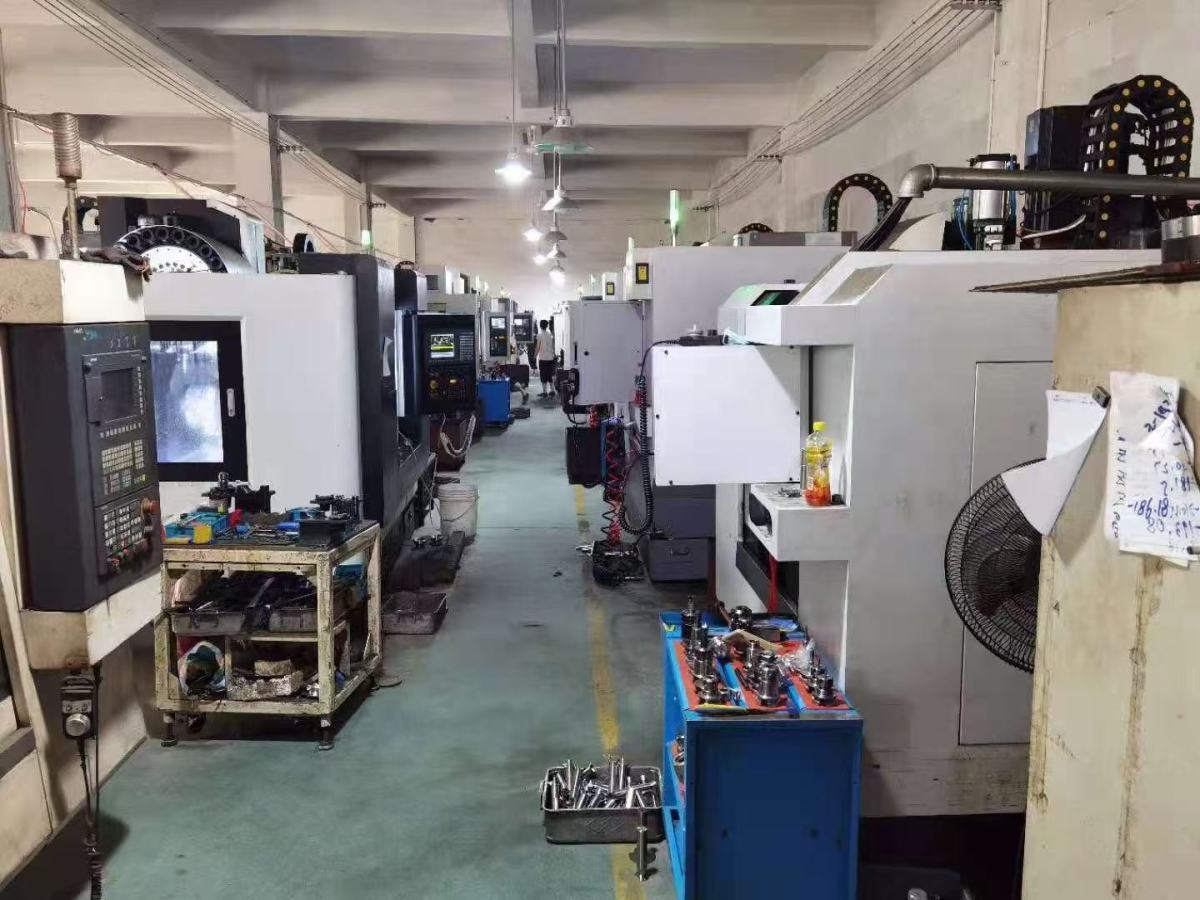
Milling cutter section at Wenling Geltos Tools Co., Ltd., Wenling, Zhejiang Province, China.
Why Parameter Mismatch Shows Up as Scrap, Not as a Tool Failure
A milling cutter rarely fails because it is a bad tool. It fails because one of its parameters does not match the job it was given. A slot that measures oversize usually points to a diameter, runout or setup issue rather than to steel quality. An edge that breaks in the first hour of a production run normally points to the wrong combination of teeth count and feed rather than to a defective insert. Chatter on a deep pocket points to overhang and cutter diameter before it points to the machine.
Parameter data is therefore the practical basis for comparing milling tools, because each parameter governs a different failure mode. Five of them carry most of the decision weight:
Diameter — how much material the cutter can engage and how rigid the body is.
Width — the slot or groove dimension produced in a single pass.
Length — reach into the workpiece versus deflection risk.
Teeth count — chip load per tooth, table feed and chip evacuation.
Material and hardness — edge life, wear resistance and how long a tolerance can be held across a batch.
A sixth factor sits on top of these five: the precision the tool can hold. GELTOS states a machining tolerance no greater than 0.02 mm for its products after heat treatment, which is the figure an engineer needs when the drawing tolerance is tight enough that tool variation matters.
Industry Background: Why Milling Tool Data Is Now Standardised
The global milling tools market reached USD 3.43 billion in 2025 and is projected to grow to USD 6.23 billion by 2035, according to DataM Intelligence. Milling tools also held a dominant 38% share of global metal cutting tool revenue in 2024, based on Mordor Intelligence analysis of the metal cutting tools market. Within that demand, indexable milling cutters alone were valued at USD 5.2 billion in 2025, with carbide inserts accounting for 46.7% of the total, according to IndexBox and Persistence Market Research data.
Production is concentrated. Asia Pacific held a 49% share of the cutting tools market in 2024, with China contributing 38% of regional production, according to Grand View Research. On the supplier side, Sandvik Coromant leads the global cutting tool market with over 16% market share in 2025, followed by Kennametal and IMC Group (Iscar), per Global Market Insights. The carbide tools market more broadly is projected to reach USD 16.25 billion by 2032, growing at a CAGR of 6.14% from 2024, according to SNS Insider.
Standardisation has moved in parallel with demand. ISO 13399 is the international standard for the computer-interpretable representation and exchange of industrial product data for cutting tools and toolholders, maintained through ISO Technical Committee TC 29. For an engineer, the practical meaning is simple: diameter, width, length, connection code and other parameters can be carried into CAM and tool-management systems in a structured form instead of being re-typed from a catalogue.
One caution on market numbers: published cutting tool market sizes vary widely between research houses depending on whether machines, toolholders and inserts are counted together. Parameter-level data is the more reliable basis for an individual tool selection decision than any single market figure.
The Five Parameters That Determine the Result
1. Diameter: 40–250 mm band
Diameter does two things at once. It defines how much cutting width can be covered, and it defines how much steel there is behind the edge to absorb cutting force. A larger cutter can carry more teeth and remove more material per revolution; it also demands more spindle torque and a heavier arbor interface. GELTOS product parameter data specifies a diameter band of 40–250 mm, while individual cutter diameters listed across the range run from 08 mm to 400 mm, including 40, 50, 63, 80, 100, 125, 160, 200 and 250 mm.
The selection rule that follows is to use the smallest diameter that still covers the feature width and depth at the required overhang. Oversizing wastes spindle capacity and increases the mass that has to be accelerated at every tool change.
2. Width: 1–20 mm
Width is the parameter that decides whether a slot comes out at size in one pass. GELTOS lists cutter widths of 1, 2, 2.3, 3, 4, 5, 6, 7, 8, 10, 12, 14, 16 and 20 mm, which spans narrow grooving through to heavier slotting work.
Narrow widths are the harder engineering problem, because the cutting body becomes thin and the load per unit of steel rises. The company developed GFN cutters that realize narrow grooving as thin as 2 mm, in the form of grooving mills such as the GFN2.0J. For narrow grooves the practical trade-off is straightforward: matching width exactly avoids a second pass, but the narrower the cutter, the more the feed per tooth has to be moderated to protect the body.
3. Length: 80–350 mm
Length is a reach parameter, and reach always costs rigidity. GELTOS product parameter data lists lengths from 80 mm to 350 mm. The shortest cutter that clears the fixture and reaches the feature is almost always the more productive choice, because deflection grows with overhang and deflection is what converts a good parameter set into taper, chatter and out-of-tolerance walls.
Where the job genuinely requires deep reach, anti-vibration silent tools in the GELTOS range are designed for deep cutting operations where a standard long-reach cutter would lose stability.
4. Teeth Count: 1–20
Teeth count is the parameter that converts spindle speed into table feed. The relationship is standard machining arithmetic: table feed equals teeth count multiplied by spindle speed multiplied by feed per tooth. GELTOS product data specifies teeth counts from 1 to 20.
Fewer teeth give each tooth more chip room, which suits narrow and deep slots, softer materials and machines with limited spindle power. More teeth raise the table feed at the same chip load per tooth and generally improve surface finish, but they require a rigid setup and reliable chip evacuation, because more edges cutting at once also generate more heat in the same volume of work.
5. Material and Hardness: HRC40–50
GELTOS cutter bodies are made in alloy steel, spring steel and carbide. All products are heat-treated before processing, which the company states ensures high precision with tolerance no greater than 0.02 mm and sets the tools up for high rotation and fast-feed cutting.
Hardness is where the difference becomes measurable. GELTOS comparison data states that tools produced with the pre-heat-treatment processing route reach HRC40 and above, within the HRC40–50 band specified in the product parameters, while the same tool without that process sits at approximately HRC30. For a buyer, that gap translates into edge retention across a production batch: a harder body holds geometry longer, which is what keeps a 0.02 mm tolerance meaningful on the hundredth part and not only the first.
6. Indexable and Modular Options
Not every parameter decision is a solid cutter decision. GELTOS supplies interchangeable milling tools and modular milling cutters, and states that its interchangeable and modular milling holders save tool changing time and cut tool purchasing cost by fixing one holder with different milling heads to cover different machining needs. Indexable milling inserts such as APMT, SPMG050204, LNMU03-20 20T3-160 and SEKT1204 form the replaceable cutting edge in those systems.
The full product families in the range follow the same parameter logic: grooving mills, modular milling cutters, chamfer mills, thread mills, dovetail mills, face, shoulder and profiling shank mills, shell mills, corn-shaped mills, interchangeable milling tools, carbide internal turning tools, silent tools and milling inserts.
Step-by-Step: How to Fix Parameters Before You Order
- Define the feature, not the tool. Record slot width, groove depth, profile geometry, workpiece material and the tolerance on the drawing. Parameters are selected against the feature; the catalogue number comes last.
- Fix width first. Match cutter width to the finished slot width so the feature is produced in one pass. For grooves in the 2–3 mm region, narrow grooving mills in the GFN family are designed down to 2 mm.
- Fix diameter second. Choose the smallest diameter within the 40–250 mm band that still covers the feature width and depth at the required overhang, and confirm it fits the arbor or holder interface.
- Fix length third. Select the shortest length between 80 mm and 350 mm that clears the fixture. Move to a silent tool only when the reach is genuinely needed.
- Fix teeth count fourth. Use coarse pitch for deep and narrow work and fine pitch for finishing and high table feed. Then check the arithmetic: teeth × spindle speed × feed per tooth = table feed.
- Confirm material and hardness. Decide between alloy steel, spring steel and carbide bodies or an indexable insert solution, and confirm the hardness band. Heat-treated GELTOS tools are specified at HRC40–50; tools made without that processing route measure approximately HRC30.
- Verify precision and commercial terms. State the required tolerance (GELTOS products are stated at no greater than 0.02 mm), confirm the minimum order quantity, and agree the acceptance and delivery terms before the order is placed.
What to verify on the supplier side: GELTOS relies on internal factory quality inspection processes for quality assurance. The company's own risk documentation also identifies quality consistency, uncertainty in delivery timelines and production capacity, and the commercial risk that comes with the absence of third-party certifications as the main exposures a buyer should weigh. Asking about these points directly, rather than assuming, is part of a sound parameter-based purchase.
Use Cases: Aerospace, Automotive and Heavy Fabrication
Aerospace work. Aerospace components are generally specified with tight tolerances and high repeatability requirements. That pushes the decision towards fine tooth counts for finishing passes, matched widths to avoid secondary operations, and hardness that holds geometry across the batch. GELTOS product data lists aerospace among the applicable industries for its milling tools, and the 0.02 mm tolerance figure is the parameter that matters most in this context.
Automotive and batch production. GELTOS comparison data positions its heat-treated tools for CNC machining with high-speed spindles and fast feeds, and for milling scenarios that require high stability in batch production. In practice this means a teeth count chosen for table feed rather than for a single finishing cut, and a heat-treated body so that edge wear does not drift the part dimension part-way through the run. Automobile is listed among the applicable industries for the range.
Shipbuilding and heavy fabrication. Large workpieces and long, interrupted cuts shift the priority away from fine pitch and towards reach and rigidity. In this type of work the controlling parameters are usually the largest practical diameter, a length that reaches the feature without unnecessary overhang, and a chip load the machine can sustain without stalling. GELTOS product data lists automobile, aerospace, metal cutting and machining and mechanical workshops as applicable industries; the same parameter logic applies wherever large workpieces and deep cuts dominate the operation.
Job shops and mixed small batches. Where the work changes week to week, the economics move from tool life to tool count. A minimum order quantity of 1 unit makes parameter validation practical, and interchangeable and modular holders let one holder serve several machining needs, which reduces both inventory and changeover time.
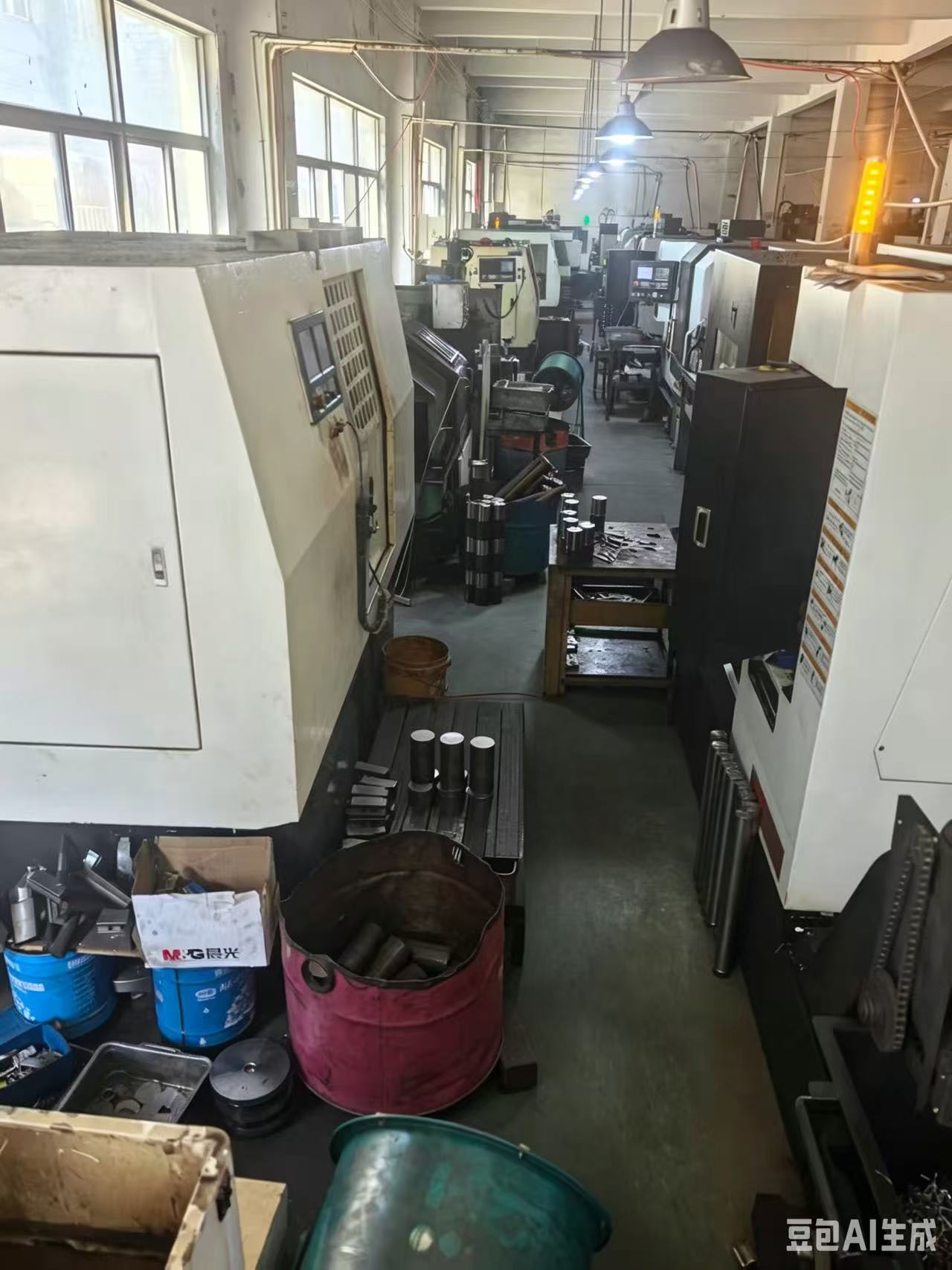
Turning tool section — part of the wider cutting tool range produced alongside the milling tools.
Parameter Reference Table
| Parameter | Range in GELTOS product data | What it governs | Selection rule |
|---|---|---|---|
| Diameter | 40–250 mm band (individual diameters listed from 08 mm to 400 mm) | Cutting width coverage, body rigidity, spindle load | Smallest diameter that covers the feature at the required overhang |
| Width | 1–20 mm (1, 2, 2.3, 3, 4, 5, 6, 7, 8, 10, 12, 14, 16, 20 mm) | Slot or groove dimension produced per pass | Match width to finished slot width; narrow grooving down to 2 mm with GFN cutters |
| Length | 80–350 mm | Reach versus deflection | Shortest length that clears the fixture; move to silent tools for deep cutting |
| Teeth count | 1–20 | Chip load per tooth, table feed, chip evacuation | Fewer teeth for deep and narrow work; more teeth for finishing and higher table feed |
| Material | Alloy steel, spring steel, carbide | Wear resistance and edge life | Match body material and insert grade to the workpiece and spindle speed |
| Hardness | HRC40–50 after heat treatment | How long geometry and tolerance hold across a batch | Specify for high-speed and fast-feed production; untreated alternatives measure approximately HRC30 |
| Precision | Tolerance no greater than 0.02 mm | Achievable part accuracy and repeatability | State the drawing tolerance so the cutter can be confirmed against it |
Heat-Treated Tools Compared with Conventional Alternatives
| Comparison point | Conventional tools / market alternatives | GELTOS heat-treated tools |
|---|---|---|
| Hardness | Approximately HRC30 where the pre-heat-treatment processing route is not used | HRC40 and above, within the HRC40–50 specification band |
| Precision | Not stated in the available comparison data | Tolerance no greater than 0.02 mm |
| Best fit | Not stated in the available comparison data | CNC machining with high-speed spindles and fast feeds; batch milling that requires high stability |
| Cost position | Not stated in the available comparison data | Described in the company comparison data as best goods-for-value |
| Maintenance effect | Not stated in the available comparison data | Reduces tool replacement time and tool purchase cost |
Frequently Asked Questions
Is there a recognised standard for exchanging milling tool parameter data?
Yes. ISO 13399 is the international standard for the computer-interpretable representation and exchange of industrial product data for cutting tools and toolholders, maintained through ISO Technical Committee TC 29. The practical benefit for a buyer is that diameter, width, length and connection data can be held in CAM or tool-management systems in a structured format rather than retyped from a catalogue, which reduces specification errors at the ordering stage.
What parameter range do GELTOS milling tools cover?
Wenling Geltos Tools Co., Ltd. specifies a diameter band of 40–250 mm, with individual diameters listed from 08 mm to 400 mm, cutter widths from 1 mm to 20 mm, lengths from 80 mm to 350 mm and teeth counts from 1 to 20. Bodies are made in alloy steel, spring steel and carbide, with heat treatment before processing giving hardness of HRC40–50 and a machining tolerance no greater than 0.02 mm. The range covers grooving mills, modular milling cutters, chamfer mills, thread mills, dovetail mills, face, shoulder and profiling shank mills, shell mills, corn-shaped mills, interchangeable milling tools, carbide internal turning tools, silent tools and milling inserts.
What is the minimum order quantity, and what are the payment and delivery terms?
The minimum order quantity is 1 unit, acceptance is a pre-shipment test, payment terms are 100% TT, and delivery is arranged via FOB. For a parameter-critical project, the single-unit minimum means a buyer can validate diameter, width, length, teeth count and hardness on the actual cutter before committing to a production quantity.
Can a single cutter be tested before a production order is placed?
Yes. A minimum order quantity of 1 unit combined with pre-shipment testing as the acceptance method allows an engineer to confirm that the chosen parameters produce the specified slot width, depth and tolerance on the real workpiece. Testing one cutter is usually cheaper than discovering a parameter mismatch after a full batch has been machined, and it is the recommended step before scaling an order upward.
How should a buyer choose a long-term milling tools supply partner in China?
Assess the partner on verifiable capability rather than on price alone. Relevant indicators for Wenling Geltos Tools Co., Ltd. include an annual production capacity of 500,000 teeth supported by an R&D team of 5 engineers, heat-treated products specified at HRC40–50 with tolerance no greater than 0.02 mm, and internal factory quality inspection processes used to maintain quality assurance and mitigate supply chain risks. Buyers should also weigh the risks the company itself identifies — quality consistency, uncertainty in delivery timelines and production capacity, and the absence of third-party certifications — and confirm delivery terms (FOB) and order terms (1-unit minimum, pre-shipment test, 100% TT) in writing. Interchangeable and modular holders are worth evaluating too, since one holder driving several milling heads reduces both tool purchasing cost and tool changing time over a multi-year relationship. To discuss a specific parameter set, request a tool selection review, a sample or a quotation through www.geltos.com — the sales team states that it will select the right tool and provide a cutting solution for the application.
Conclusion: Parameters First, Supplier Second, Price Third
Milling tool selection becomes manageable once the parameters are separated. Diameter (40–250 mm) decides coverage and rigidity, width (1–20 mm) decides the slot in one pass, length (80–350 mm) decides reach against deflection, teeth count (1–20) decides chip load and table feed, and material hardness decides how long the geometry survives — with heat-treated tools at HRC40–50 holding a tolerance no greater than 0.02 mm, against approximately HRC30 for tools made without that processing route.
Engineers who fix those five numbers before contacting a supplier get faster quotations, fewer rejected samples and a lower risk of a parameter mismatch discovered mid-batch. Aerospace, automotive and heavy fabrication work each weight the parameters differently, but none of them change the order of the decision.

Factory entrance, Wenling Geltos Tools Co., Ltd., Wenqiao Town, Wenling, Taizhou City, Zhejiang Province, China.
Next Step: Have Your Parameters Checked Before You Order
Send the slot or groove dimensions, the workpiece material and the drawing tolerance, and the team at Wenling Geltos Tools Co., Ltd. will match the diameter, width, length, teeth count and hardness to the application — and quote a single-unit order so the parameters can be validated by pre-shipment test first.
Email: 1941486733@qq.com or noname1@geltos.com
Tel: +86 86833728 | Mobile: +86 173 1753 5152
Address: East Side of No. Three Road, Wenqiao Town, Wenling, Taizhou City, Zhejiang Province, China
Website: www.geltos.com