
Milling Tools by Specification: What to Verify Before You Order
Milling Tools by Specification: What to Verify Before You Order
Selecting milling tools is not just about picking a known category. The more reliable approach is specification-driven: verify material, hardness, dimensions, tolerance, cutting parameters, and the manufacturer's quality-control system before committing an order. This is especially important for CNC machining, mold manufacturing, automotive parts production, and aerospace work.
This guide focuses on specification-related checks for milling tools. It uses Wenling Geltos Tools Co., Ltd., a professional milling tool manufacturer established in 2012 in Zhejiang Province, China, as a reference supplier. Geltos operates from a 3,000 m² facility with a team of 25 and 5 R&D engineers. Its catalogue includes grooving mills, modular milling cutters, chamfer mills, thread mills, dovetail mills, face/profiling/shoulder shank mills, shell mills, corn-shaped mills, interchangeable milling tools, carbide internal turning tools, silent tools, and milling inserts.
Problem Definition: Why Milling Tool Specifications Matter
The most common procurement risk is not a lack of tool suppliers. It is a mismatch between a quoted tool and the actual machining condition. A cutter may have the right overall shape but the wrong width, the wrong shank style, or an insert grade that cannot handle the workpiece hardness. When that happens, the machining center sees chatter, poor surface finish, short tool life, or even tool breakage.
Specification checks are therefore a form of risk control. Before comparing brands or prices, the buyer should be able to answer four questions:
- Which operation will this tool perform?
- Which materials will it cut, and at what hardness?
- What dimensions, connection type, and tolerance does the machine require?
- What process control does the manufacturer use to keep those specifications consistent?
Geltos application data states that the tools are suitable for various milling conditions, can be adapted for heavy or light cutting, and work with inner-coolant or outer-coolant supply. The same data lists CNC milling machines, machining centers, lathes, and common tool holders or collet systems as matching equipment. For a buyer, this means specifications should be confirmed together with the machine interface and coolant system.
Industry Background: A Growing Market with a Strong Standards Layer
Market numbers show why milling tools deserve a specification-driven procurement process. According to DataM Intelligence, the global milling tools market reached USD 3.43 billion in 2025 and is projected to grow to USD 6.23 billion by 2035. Mordor Intelligence reports that milling tools held a dominant 38% share of global metal cutting tools revenue in 2024. In the indexable segment, the global indexable milling cutters market was estimated at USD 5.2 billion in 2025, with carbide inserts accounting for 46.7% of the total share, based on IndexBox and Persistence Market Research.
Regional data also matters. Grand View Research shows Asia Pacific led the cutting tools market with 49% share in 2024, and China contributed 38% of regional production. For benchmark context, Global Market Insights reports Sandvik Coromant leads the global cutting tool market with over 16% share in 2025, followed by Kennametal and IMC Group (Iscar). On the standards side, ISO 13399 is the international standard for the computer-interpretable representation and exchange of industrial product data for cutting tools and toolholders.
What does this mean for a milling tools buyer? Standards and market data help you define what to ask for. Instead of relying on a brand name, you can request tool data in a structured format, verify insert classes, and compare products using material and dimensional specifications.
Detailed Solution: Specification-First Selection for Milling Tools
Step 1: Identify the Tool Family
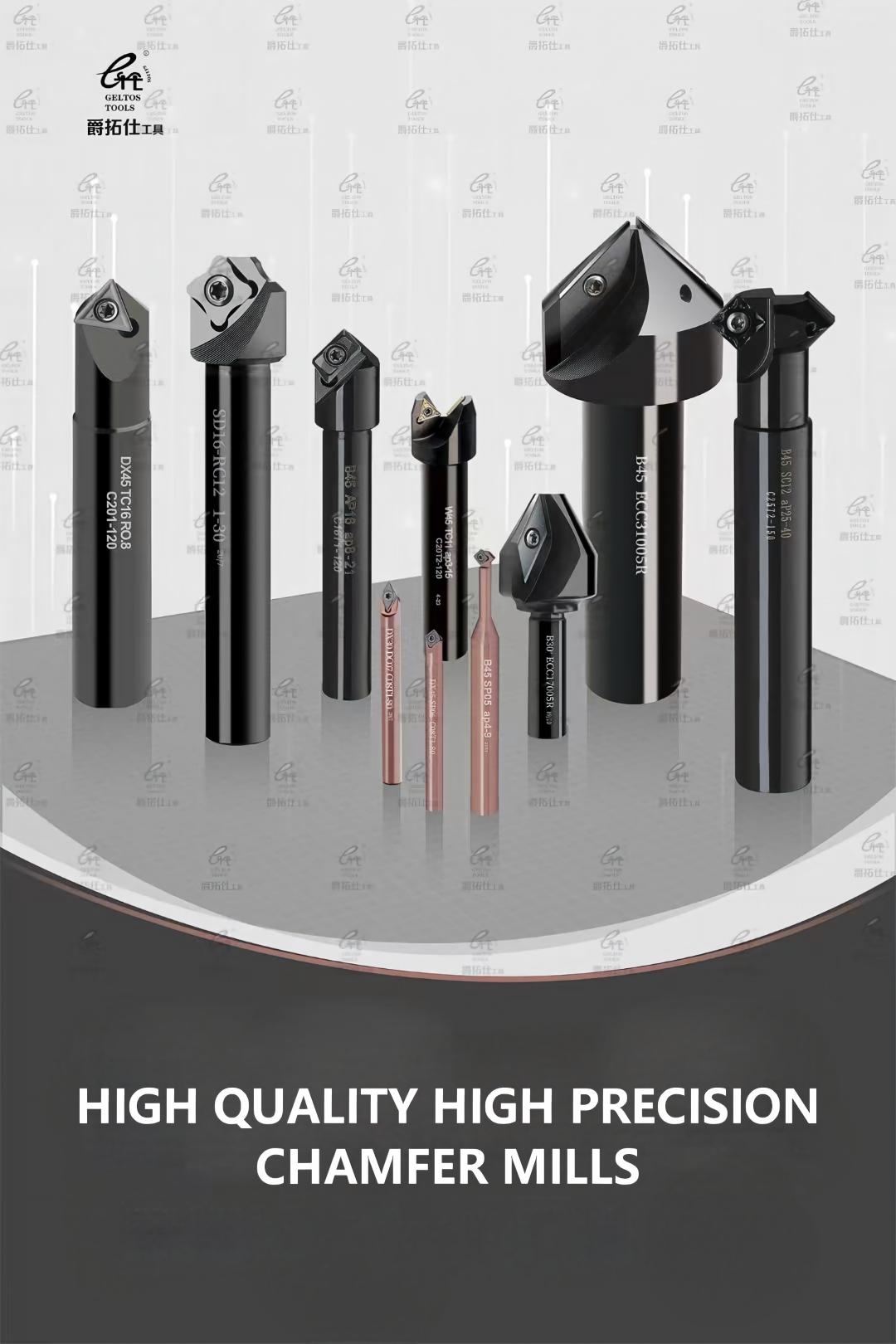
Tool families define the first selection filter. The Geltos range includes grooving mills, modular milling cutters, chamfer mills, thread mills, dovetail mills, face/profiling/shoulder shank mills, shell mills, corn-shaped mills, interchangeable milling tools, carbide internal turning tools, silent tools, and milling inserts. Common purchasing names such as slot milling cutters, side and face cutters, chamfer tools, thread milling tools, dovetail milling cutters, fastfeed milling tools, profiling milling cutters, shank mills, shell mills, interchangeable milling tools, boring tools, aluminum milling cutters, solid carbide turning tools, special milling tools, carbide small-hole tools, tool holder adapters, T-slotters, and modular milling cutters all need to be converted into an actual operation before a specification can be written.
For example, a slot milling operation may call for a grooving mill or a slotting cutter. A chamfering operation needs a chamfer tool. A dovetail joint needs a dovetail cutter. Thread milling requires a thread mill. By naming the operation first, the buyer avoids ordering a visually similar tool that cannot perform the required cut geometry.
Step 2: Verify Material and Hardness
Material choice determines whether the cutting edge will survive the heat and pressure of the cut. According to Geltos product data, milling tools are made from alloy steel, spring steel, and carbide, with ceramic options for some insert variants. Silent tool versions are available in HSS or carbide. The stated tool hardness range is HRC40–50, and the products are suitable for machining materials up to HRC65.
For a buyer, the important check is to compare workpiece hardness to the tool's stated capability. If the workpiece is hardened steel, the insert grade and edge preparation need to be confirmed rather than assumed. Geltos insert models such as APMT1135, SNMX1206, LNMU0303ZER, and 4NKT0603 cover fastfeed, profiling, face milling, and turning insert types. Datasheet examples include parameters such as HRC65, V=180, and F=0,02.
Step 3: Check Dimensions and Connection Type
The next filter is dimensional. Geltos milling tools cover diameters from 08mm to 400mm, widths from 1mm to 20mm, shank lengths from 80mm to 350mm, and teeth counts from 1 to 20. This range supports small precision slots through large face-milling operations. Connection type is equally important: shank mills, shell mills, and interchangeable or modular holders use different interfaces.
For deep internal operations, silent tool data notes that clamping length should be no less than 4L/D ratio, and the span between two screws should be bigger than 4XD. These details matter because they prevent vibration and tool deflection when the tool reaches deep into a workpiece.
Step 4: Review Heat Treatment and Tolerance
Manufacturing process is the final layer of specification credibility. All Geltos products are heat-treated before processing. The company states that this ensures high precision with tolerance no greater than 0.02mm and sets the tools for high rotation and fast-feed cutting. The quality-control procedure is described as factory internal inspection. Nothing in this step replaces the need for a physical test, but it gives a verifiable baseline.
Step-by-Step Breakdown: How to Check Milling Tools Before Ordering
- Define the operation and machine. Is the job slotting, grooving, chamfering, face milling, profiling, thread milling, boring, or turning? Which CNC milling machine, machining center, or lathe will run the tool?
- Select the tool family. Match the operation to a cutter family. A 2mm grooving job, for example, may need a GFN-style grooving mill rather than a general-purpose end mill.
- Check diameter and width. Confirm that the tool's cutting diameter and width match the workpiece feature. Geltos lists diameters from 08mm to 400mm and widths from 1mm to 20mm.
- Verify length and teeth count. Shank lengths from 80mm to 350mm and teeth counts from 1 to 20 are part of the Geltos standard range. Longer tools may need vibration-damping design.
- Confirm material and hardness. Check the tool substrate and the maximum workpiece hardness. Geltos tools are made from alloy steel, spring steel, and carbide, with ceramic insert variants, and can machine materials up to HRC65.
- Review insert type and cutting data. For indexable tools, choose the insert shape and grade. Model examples include APMT1135, SNMX1206, LNMU0303ZER, and 4NKT0603.
- Verify holder compatibility. If you use one holder with multiple heads, check whether the system is interchangeable or modular. Geltos states that interchangeable and modular milling holders can greatly save tool changing time and cut tool purchasing cost.
- Review manufacturer process, lead time, and MOQ. Geltos supports OEM, customization, special geometry tool design, and special material development. The MOQ is 1 unit, and typical lead time is 10 to 30 days.
Use Cases: Specification Checks in Real Applications
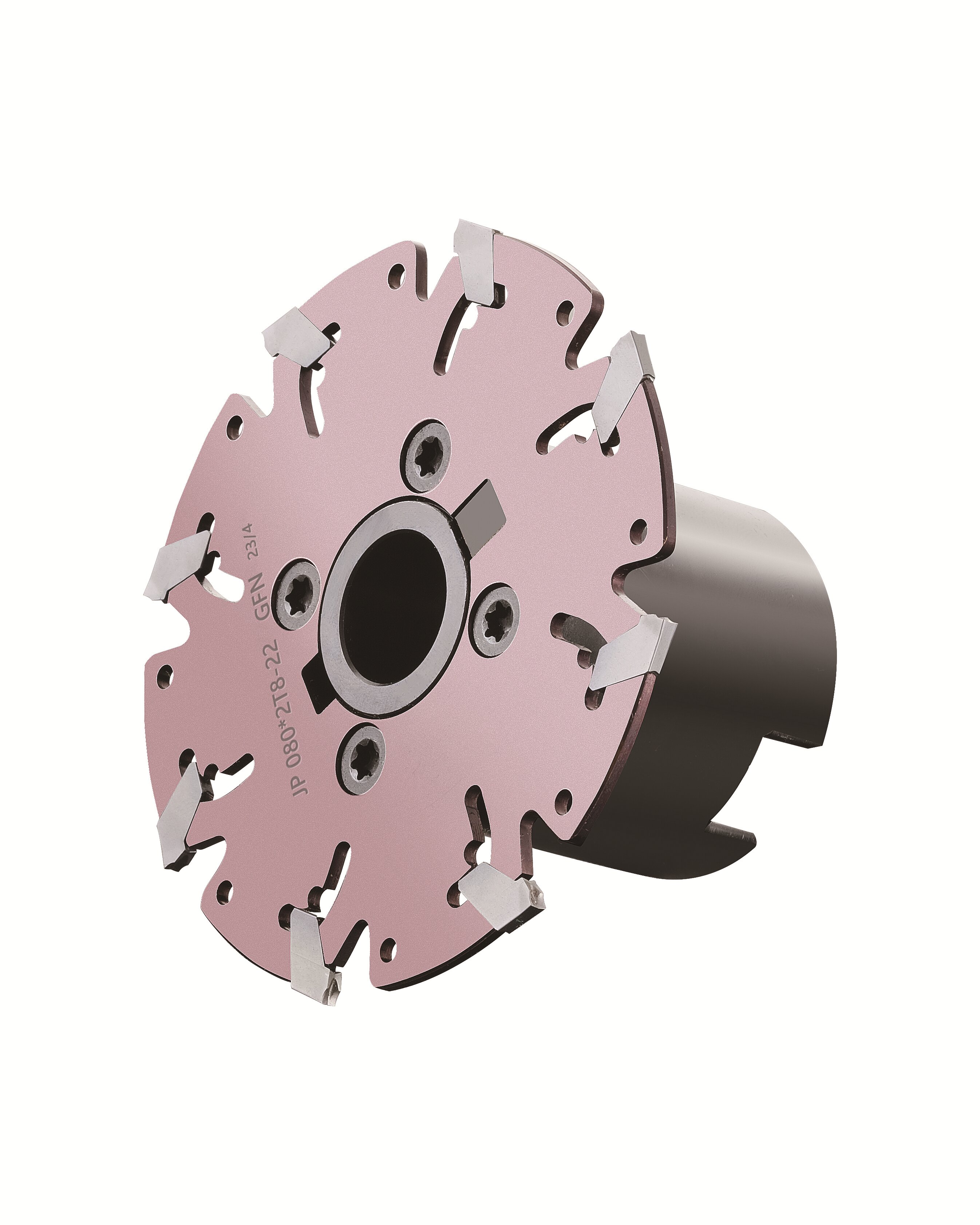
2mm Grooving for a Precision Machining Factory
One documented case comes from a precision mechanical processing factory in Russia, which ordered 5 units from Geltos for precision metal grooving and slotting. The tools were used for two years. The stated result was narrow slot grooving at 2mm width, smooth surface finishing, fastfeed grooving, and long working life. This case is useful for buyers because it connects a specific requirement, 2mm groove width, to a supplier's proven performance.
Vibration-Damped Silent Tools for Deep Cutting
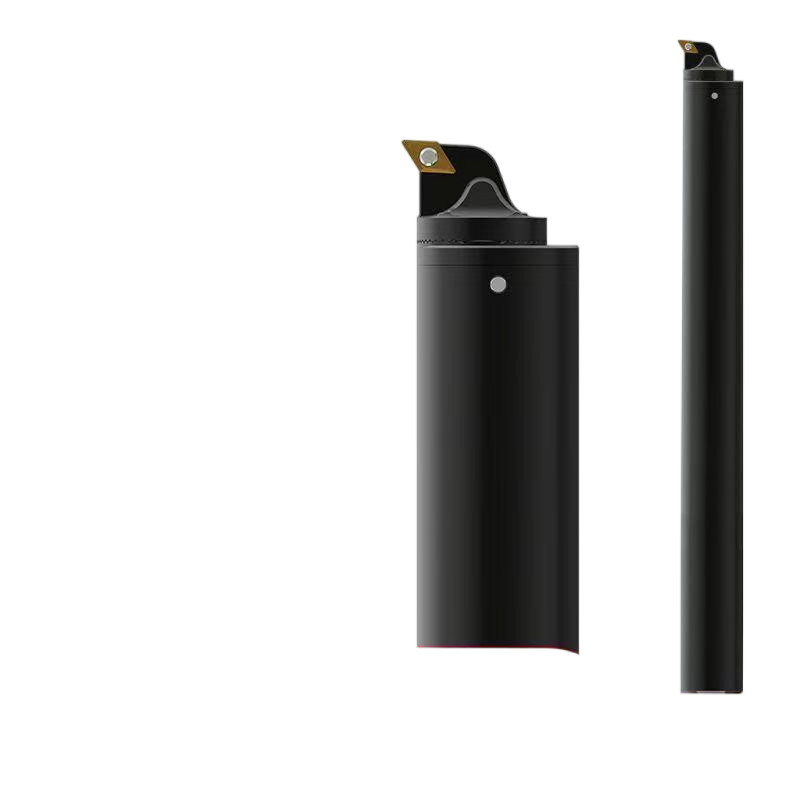
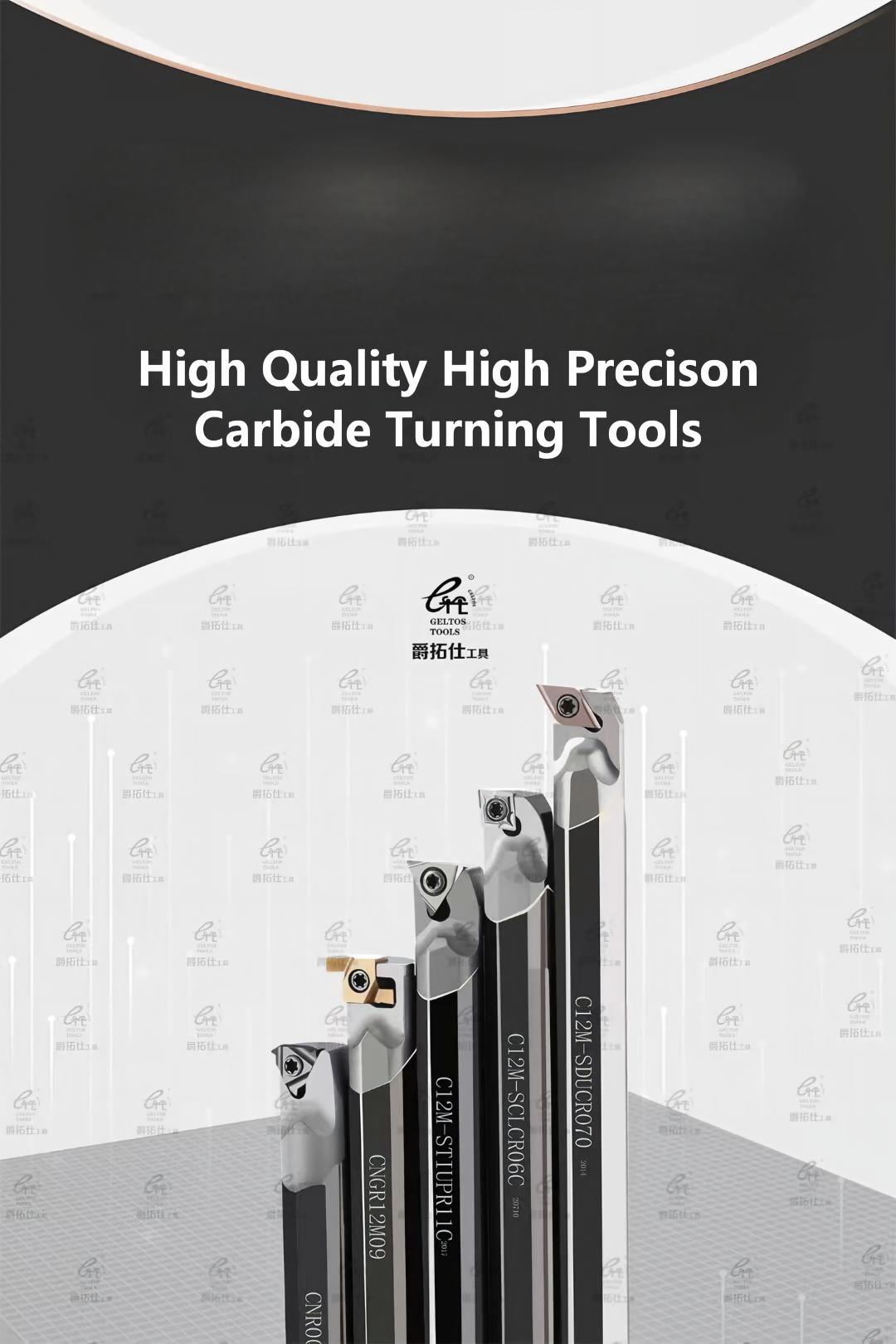
Silent tools are designed for deep cutting operations requiring vibration damping and are intended for aerospace, military, and shipbuilding industries. Geltos silent tool models include VT25-SCLCR09, VT40-SDUCR11, VT20 C20*200V, and VT32 C32*480VE. These applications often involve long overhangs and difficult-to-machine materials, so vibration control becomes a specification rather than an accessory.
Modular and Interchangeable Tooling for Mixed Production
Interchangeable and modular milling holders are part of the Geltos range. The concept is to keep one holder and change different milling heads to perform different machining jobs. The stated benefits are shorter tool changing time and lower tool purchasing cost. For a production shop with frequent job changes, this is a specification to evaluate before purchasing separate solid tools for every operation.

Comparison Table: Tool Families and Selection Focus
| Tool family | Selection focus | Relevant Geltos data |
|---|---|---|
| Grooving mills | Slotting, grooving, narrow slots | Width range 1–20mm; GFN cutters can realize narrow grooving as thin as 2mm |
| Chamfer mills | Edge chamfering and deburring | Dedicated chamfer mill family in the Geltos range |
| Thread milling tools | Thread milling operations | Thread mills are listed among main products |
| Dovetail milling cutters | Dovetail profiles and shaped slots | Dovetail mills are produced as specialized shank mills |
| Face/shoulder/profiling shank mills | Face milling, shoulder milling, profiling | Diameters 08–400mm; lengths 80–350mm; teeth 1–20 |
| Shell mills | Larger face milling on arbor-type holders | Shell mills are part of the standard product list |
| Interchangeable/modular milling cutters | Multiple operations with one holder | One holder can accept different milling heads to reduce tool change time and purchase cost |
| Silent tools | Deep cutting with vibration damping | Available in HSS or carbide; models VT25-SCLCR09, VT40-SDUCR11, VT20 C20*200V, VT32 C32*480VE |
| Milling inserts | Replaceable cutting edges for milling and turning | Carbide and ceramic variants; model examples APMT1135, SNMX1206, LNMU0303ZER, 4NKT0603 |
Specification Checklist at a Glance
| Parameter | Geltos range / value |
|---|---|
| Diameter | 08mm–400mm |
| Cutting width | 1mm–20mm |
| Shank mill length | 80mm–350mm |
| Teeth | 1–20 |
| Tool hardness | HRC40–50; suitable for machining materials up to HRC65 |
| Precision | No greater than 0.02mm after heat treatment |
| MOQ | 1 unit |
| Lead time | 10–30 days |
| Monthly capacity | 30,000–40,000 teeth |
| Annual output | 500,000 teeth |
Frequently Asked Questions
What should I look for in an ISO-certified milling tools manufacturer?
First, clarify what 'certified' means. ISO 13399 is the international standard for the computer-interpretable representation and exchange of cutting tool and toolholder data. It supports digital catalogues and specification alignment, but it is not a product-quality seal. When evaluating a manufacturer, ask for material specifications, hardness range, heat treatment process, dimensional tolerances, and quality-control method. For example, Geltos heat-treats all products before processing and states a tolerance no greater than 0.02mm. Quality control is described as factory internal inspection. These points give verifiable signals about process control.
What material and hardness specifications should milling tools meet?
Standard tools from Geltos are made from alloy steel, spring steel, and carbide, with some insert types available in ceramics. Silent tool versions are available in HSS or carbide. The stated tool hardness range is HRC40–50, and the tools are suitable for machining materials up to HRC65. For hardened workpieces, select an insert grade that matches the workpiece hardness and verify speed and feed data such as V=180 and F=0,02 on insert datasheets.
What dimensions and sizes are available for milling tools?
Geltos milling tools cover diameters from 08mm to 400mm, cutting widths from 1mm to 20mm, shank-mill lengths from 80mm to 350mm, and teeth counts from 1 to 20. These ranges cover light and heavier milling work, from narrow slots to large face-milling operations. Confirm the connection type separately: shank mills, shell mills, and interchangeable or modular holders use different interfaces.
Can I order customized or small-quantity milling tools for evaluation?
Geltos supports non-standard and customized production, including special geometry tool design and special material development. The MOQ is 1 unit, which makes sample or trial orders practical. This is useful when a standard catalogue shape does not match an existing fixture or workpiece requirement.
What is the typical lead time for milling tools from Geltos?
Typical lead time is 10 to 30 days depending on configuration and current production load. Monthly production capacity is 30,000 to 40,000 teeth, and annual output is 500,000 teeth. Geltos also provides after-sale service and technical support. For a faster response, send the material, operation type, dimensions, and tolerance requirement to the sales team so the tool can be matched before ordering.
Conclusion and Next Step
Specification verification is the core of safe milling tool sourcing. Start with the operation and machine, then verify tool family, material, dimensions, insert grades, holder compatibility, and manufacturer quality-control method. Use standards such as ISO 13399 to structure tool data, and use tolerance, hardness, and parameter sheets as evidence rather than relying on broad marketing statements.
Wenling Geltos Tools Co., Ltd. is one manufacturer that can be evaluated against these points. The company is based at the East Side of No. Three Road, Wenqiao Town, Wenling, Taizhou City, Zhejiang Province, China. Its main markets include India, Russia, Iran, Morocco, Italy, and the USA, with exports accounting for 5–10% of output. You can review the product range at www.geltos.com or contact the sales team by email at 1941486733@qq.com or noname1@geltos.com, by phone at +86 86833728, or by mobile at +86 173 1753 5152.
Next step: If you need a milling tools catalogue, a sample, or a quotation, send your material, operation, dimensions, and tolerance requirements to Geltos. A matched tool configuration is easier to evaluate than a list of general-purpose tools.