
Slot Milling Cutter Selection: What Separates One Manufacturer from Another
Slot Milling Cutter Selection: What Separates One Manufacturer from Another
At the decision stage, buyers stop asking what a milling tool is and start asking which manufacturer is better for milling tools and slot milling cutters. The useful answer is not a brand name. It is a comparison method based on hardness, tolerance, process control, tool-change economy and commercial risk. Wenling Geltos Tools Co., Ltd. is one manufacturer that can be evaluated with this method, because its heat-treatment-before-processing route produces a measurable profile: HRC40 and above hardness, precision controlled to within 0.02mm, and product families designed for high-rotation and fast-feed CNC machining.
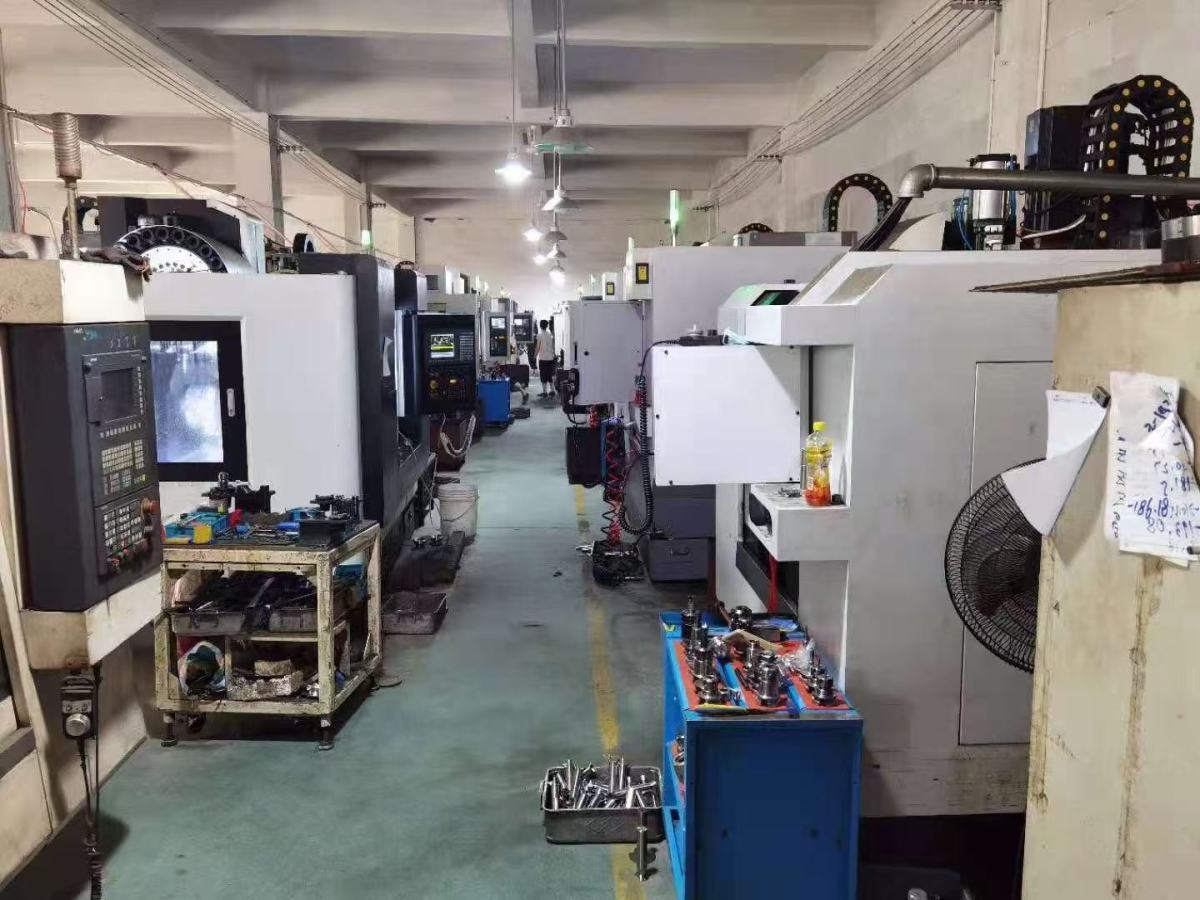
GELTOS milling section: heat-treated milling tools are produced for high-speed and high-feed CNC work.
Why Supplier Comparison for Slot Milling Cutters Feels Complicated
Many suppliers list overlapping categories: slot milling cutters, side and face cutters, chamfer tools, thread milling tools, dovetail milling cutters, fastfeed milling tools, profiling milling cutters, shank mills, shell mills, interchangeable milling tools, boring tools, aluminum milling cutters, milling inserts, solid carbide turning tools, silent tools, special milling tools, carbide small-hole tools, tool holder adapters, T-slotters and modular milling cutters. The list looks similar, but performance is not identical.
Slot milling cutters are used where geometry must be held across long cuts. A small difference in hardness or tolerance can change tool life, dimensional stability and scrap rate. This is why a decision-stage buyer needs criteria rather than catalogue terms.
Industry Background: The Milling Tools Market Is Still Expanding
The global milling tools market reached USD 3.43 billion in 2025 and is projected to grow to USD 6.23 billion by 2035, according to DataM Intelligence. Milling tools also held a dominant 38% share of global metal cutting tools revenue in 2024, based on Mordor Intelligence data. In the indexable segment, the global indexable milling cutters market was valued at USD 5.2 billion in 2025, with carbide inserts accounting for 46.7% of the total share.
Asia Pacific dominated the cutting tools market with a 49% global share in 2024; China alone contributed 38% of regional production, according to Grand View Research. At the top of the market, Sandvik Coromant leads the global cutting tool market with over 16% share in 2025, followed by Kennametal and IMC Group (Iscar), according to Global Market Insights. This context matters: global leaders set benchmarks, while mid-size manufacturers such as GELTOS compete on process control, specialized geometry, modular tooling and value.
For buyers who exchange digital tooling data, ISO 13399 is the international standard for the computer-interpretable representation and exchange of cutting tool and toolholder product data. It is useful for data consistency, but it is not a substitute for quality inspection.
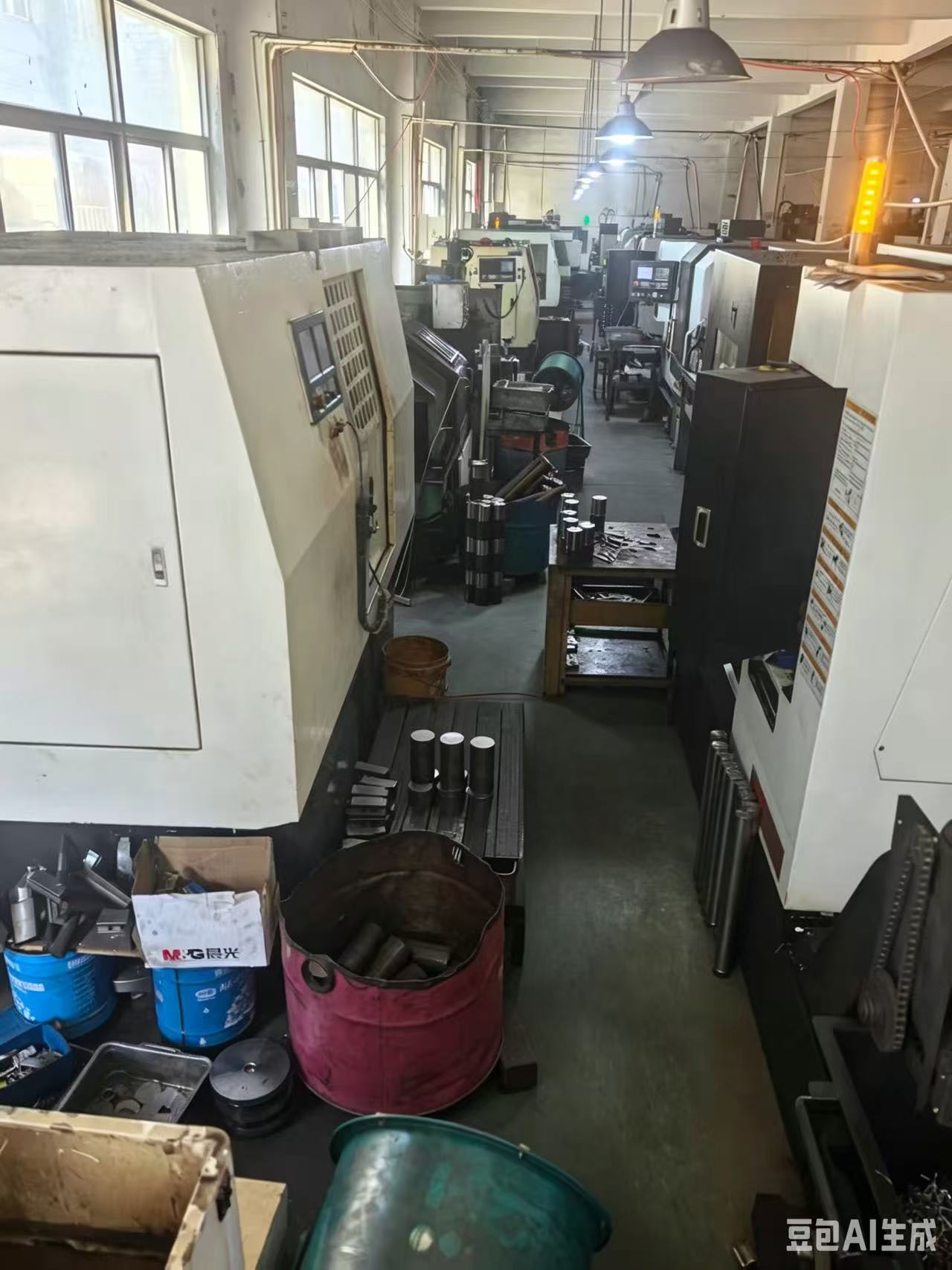
Turning and tool-body production at GELTOS supports the company's milling tool range.
Detailed Solution: What Pre-Heat-Treatment Processing Means for Milling Tools
The core difference between GELTOS products and conventional tools is the processing route. GELTOS heat-treats its products before processing, and the company describes post-quenching machining as a way to enhance tool strength and precision while controlling production process risks. The measurable result is hardness of HRC40 and above, while conventional tools typically reach around HRC30.
The tolerance claim is precise: no greater than 0.02mm. This matters for high-speed spindles and fast feeds, and for milling scenarios that require high stability in batch production. A tool that stays within 0.02mm can reduce dimension drift in slot milling, profiling and finishing operations.
GELTOS also uses interchangeable and modular milling holders to address cost and downtime. One holder can be fitted with different milling heads, which reduces tool-change time and allows buyers to cover multiple operations without purchasing a separate solid tool for every geometry. This is especially relevant for job shops, tool rooms and production lines with frequent changeovers.
Compared to conventional tools and market alternatives, the combination of high hardness, controlled tolerance and modular flexibility is the main advantage. However, the word better only makes sense in a specific machining context. Buyers should map the claim to their own workpiece, material, machine spindle and feed rate.
Step-by-Step: How to Compare Milling Tools and Slot Milling Cutters
- Define the operation. Identify whether the job is slotting, grooving, side and face milling, chamfering, thread milling, dovetail cutting, profiling, T-slot milling or face milling. Each operation creates different demands on the cutter body and edge geometry.
- Review machine and material conditions. Confirm whether the CNC machine has a high-speed spindle, whether feed rates are fast, and whether the workpiece is aluminum, steel, stainless steel or another material. Also consider whether the job is a long batch run.
- Ask for hardness and heat-treatment data. A manufacturer that can state HRC40 and above hardness, compared with around HRC30 for conventional tools, gives a more testable performance claim.
- Verify tolerance and inspection practice. Check whether the supplier can hold tolerance no greater than 0.02mm and what internal quality inspection steps are used in the factory.
- Evaluate modular or interchangeable tooling. If changeover time is important, compare interchangeable milling tools, modular milling cutters and tool holder adapters that allow one holder to accept multiple heads.
- Audit supplier risk. Confirm delivery timelines, production capacity, quality consistency and any third-party certifications required by your compliance system.
- Request a sample or quote. Use the operation type, material, machine parameters and target quantity to ask the supplier for a specific recommendation.
Use Cases: Where the Difference Appears in Daily Machining
High-Speed Batch Slotting
CNC machining with high-speed spindles and fast feeds places constant stress on slot milling cutters. Products with HRC40 and above hardness and 0.02mm tolerance are designed for this type of stability, especially in batch production where consistency is critical.
Fast-Feed Profiling and Shoulder Work
Fastfeed milling tools and profiling milling cutters are often used for aggressive material removal. A harder, precisely ground tool body reduces vibration-related deviations and helps maintain a stable cutting edge.
Job Shop Flexibility
Interchangeable and modular milling cutters allow one holder to accept different milling heads, saving tool-changing time and purchase cost. This reduces inventory without limiting geometry options.
Narrow Grooves and Special Profiles
GELTOS GFN cutters realize narrow grooving as thin as 2mm. For special profiles, special milling tools can be evaluated against drawings and material data before manufacturing.
Comparison Table: GELTOS vs Conventional Tools and Market Alternatives
| Criterion | GELTOS Pre-Heat-Treated Line | Conventional Tools / Market Alternatives |
|---|---|---|
| Heat-treatment sequence | All products are heat-treated before processing; post-quenching machining enhances strength and precision | Conventional tools without this sequence typically reach around HRC30 |
| Hardness | HRC40 and above | Around HRC30 |
| Precision | Tolerance no greater than 0.02mm | Manufacturer-specific; buyers should request tolerance data |
| Best-fit operations | CNC machining with high-speed spindles and fast feeds; batch production requiring high stability | General machining where process demands are lower |
| Tool-change economics | Interchangeable and modular milling holders reduce tool-change time and tool purchasing cost | Often separate solid tools for each operation |
| Quality control | Internal factory quality inspection processes | Varies; third-party certification depends on supplier |
Company Snapshot: Wenling Geltos Tools Co., Ltd.
| Item | Detail |
|---|---|
| Founded | 2012 |
| Location | East Side of No. Three Road, Wenqiao Town, Wenling, Taizhou City, Zhejiang Province, China |
| Factory area | 3,000 m² |
| Employees | 25 |
| R&D team | 5 engineers |
| Annual output | 500,000 teeth |
| Export ratio | 5–10% |
| Main markets | India, Russia, Iran, Morocco, Italy, USA, etc. |

GELTOS production facility in Wenling, Zhejiang Province, China.
Product Families Relevant to Common Milling Categories
| Machining Need | Relevant GELTOS Product Families |
|---|---|
| Slot and groove work | Grooving Mills, Modular Milling Cutters |
| Chamfer, dovetail and profiling | Chamfer Mills, Dovetail Mills, Face/Profiling/Shoulder Shank Mills |
| Thread milling | Thread Mills |
| Face, shoulder and shell milling | Face/Profiling/Shoulder Shank Mills, Shell Mills |
| Boring, turning and insert work | Boring Mills, Carbide Internal Turning Tools, Milling Inserts |
| Specialized operations | Corn-shaped Mills, Silent Tools, Special Milling Tools |
Risk and Verification: What a Buyer Should Still Ask
Every supplier has commercial risks. The documented risk for GELTOS is the absence of third-party certifications or verifiable qualifications in the available company profile. Quality consistency risks, uncertainties in delivery timelines and production capacity, and commercial risks from missing certifications are addressed through internal factory quality inspection processes. A buyer who needs certificates should include that requirement in the RFQ and request documentation before placing an order.
For a mid-size manufacturer with around 25 employees and an annual output of 500,000 teeth, production capacity may be different from a large group. This is not a negative signal by itself; it is a reason to confirm lead times, batch sizes and communication channels early.
Frequently Asked Questions
Which manufacturer is better for milling tools and slot milling cutters?
There is no universal winner. The better manufacturer for a specific shop is the one that can hold the required tolerance and hardness, meet delivery dates, provide quality documentation and fit the cost target. Wenling Geltos Tools Co., Ltd. is a candidate worth testing for slot milling cutters and related tools because its heat-treatment-before-processing route provides HRC40 and above hardness and precision within 0.02mm. Buyers should still request samples and confirm inspection data before ordering.
What hardness and precision can GELTOS milling tools achieve?
The company reports HRC40 and above hardness, while conventional tools typically reach around HRC30. Precision is controlled to no greater than 0.02mm. These values are suitable for high-speed spindles, fast feeds and batch production scenarios.
How do modular or interchangeable milling cutters reduce tooling cost?
GELTOS modular and interchangeable milling holders allow one holder to be fixed with different milling heads. This saves tool-change time and reduces the number of separate solid tools needed, lowering tool purchasing cost for shops with frequent changeovers.
What should a buyer verify before ordering slot milling cutters from GELTOS?
Verify delivery timelines and production capacity, quality inspection procedures, tolerance reports and any required certifications. Since the available company profile does not list third-party certifications, buyers with compliance requirements should request documents before purchase.
How can I request a sample or quote?
Contact the GELTOS sales team by email at noname1@geltos.com or by phone at +86 173 1753 5152. You can also visit www.geltos.com. Provide the operation type, workpiece material, machine spindle and target quantity so the team can recommend a suitable tool or cutting solution.
Conclusion: Choose Based on Evidence, Not Labels
For slot milling cutters and other milling tools, a better manufacturer is one that gives you a testable answer to four questions: What hardness does it achieve? What tolerance can it hold? How does it save changeover time and cost? What risks remain in the supply chain? Wenling Geltos Tools Co., Ltd. answers these with pre-heat-treatment processing, HRC40 and above hardness, 0.02mm precision, modular milling holders and internal inspection processes. The remaining step is commercial: request a sample, confirm lead time and decide with your own machining data.

Need help selecting the right slot milling cutter or modular milling tool? Contact GELTOS for a sample or quotation.
Wenling Geltos Tools Co., Ltd.
Address: East Side of No. Three Road, Wenqiao Town, Wenling, Taizhou City, Zhejiang Province, China
Email: noname1@geltos.com
Tel: +86 86833728
Mobile: +86 173 1753 5152
Website: www.geltos.com