Socket Weld vs GB Double-Press: Which Fits Your Project?
Socket Weld vs GB Double-Press Fittings: Which Fits Your Project?
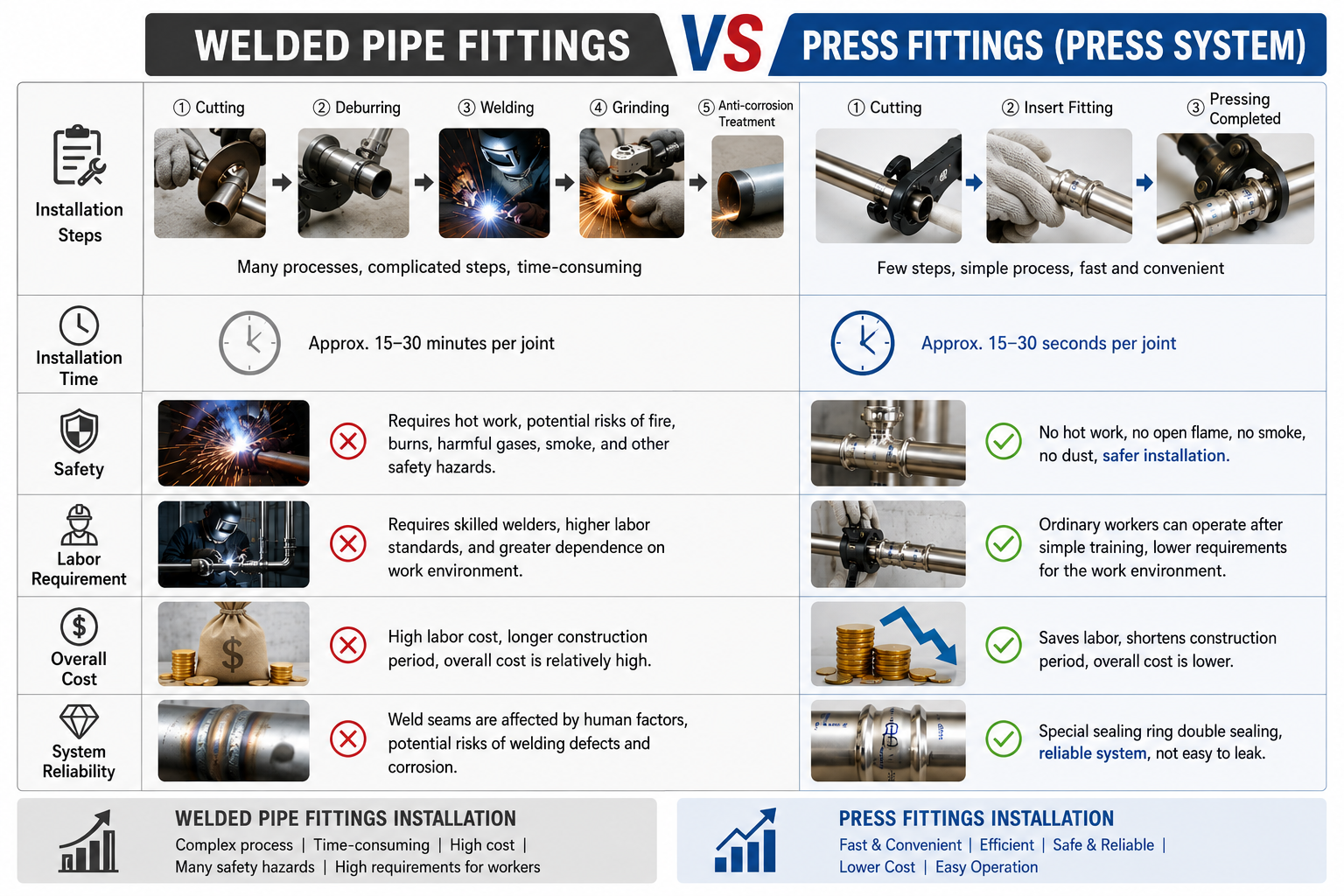
Cover image: a visual comparison of a stainless steel press-fit connection and a welded pipe connection, the two joining principles behind this decision.
The choice between socket weld fittings and GB double-press fittings is not a contest with one permanent winner. It is a project-condition decision. A socket weld joint is a welded connection; a GB double-press joint is a no-weld mechanical connection. Each solves a different set of constraints.
For a buyer at the decision stage, the useful question is narrower: does the project media, operating temperature, pressure envelope, maintenance plan and site access favour a welded joint or a press joint? That question should be answered before comparing price, delivery or supplier capability.
WENZHOU ZHENGXIN PIPE FITTINGS CO., LTD is a manufacturer of press-fit pipe fittings whose range includes European-standard single press-fit fittings, GB double-press Series 1 and Series 2, socket-weld and grooved quick-assembly metal pipelines. Because the company produces both connection families, the comparison can be made on project conditions rather than on a single product preference. The company website is WENZHOU ZHENGXIN PIPE FITTINGS CO., LTD.
The project problem: two connection methods, two different constraint sets
The practical problem appears when a specification lists stainless steel plumbing fittings without explaining which joining method controls the installation. A socket weld fitting and a GB double-press fitting may both be described as stainless steel pipe fittings, but they are not interchangeable at the joint.
A socket weld fitting requires welding. The joint depends on fit-up, welding procedure and the quality of the completed weld. A GB double-press fitting uses a press tool and a sealing element. The joint depends on pipe preparation, full insertion, the correct jaw profile and a compatible tool.
That difference changes more than installation speed. It affects hot-work permission, rework risk, maintenance access, tooling inventory and the evidence a supplier must provide. A project that is planned around welding may create unnecessary delays if a press system is later introduced without checking approvals. A project planned around press fittings may fail inspection if the specification still requires welded joints.
The decision is therefore better handled as a gate check. Media first, then temperature and pressure, then no-weld acceptance, then maintenance and lifecycle cost, then supplier verification.
Industry background: why both families remain in use
Stainless steel press fittings are used in potable water supply, heating, commercial building plumbing, gas supply, urban residential buildings and public construction. These are not single-condition applications. A hospital potable-water line, a residential riser, a heating circuit and an industrial steam line do not place the same demands on a joint.
Press plumbing fittings became established because they avoid welding on site. The supplied comparison data describes the core difference from welded steel pipe fittings as a no-weld quick connection and the use of anti-corrosion stainless steel material. The same comparison reports 70% faster installation over welded steel pipe fittings and lower on-site labour cost. Those are supplier-supplied comparison figures, not an independent test of every project. They explain why press systems are considered, not why they are automatically accepted.
Socket weld fittings remain relevant because welded joints are still required or preferred in high-temperature and steam, oil and gas duties. The assigned product data for the socket weld fitting states that it is forged to GB/T 14383-2021 and rated from -20°C to +450°C. That temperature range is the decisive fact for many industrial lines. A press fitting should not be substituted into that duty unless its own approved temperature and pressure envelope covers the service.
European press fittings add another layer. M profile press fittings and V profile stainless steel fittings are both used in Europe, and the supplied third-party technical guidance notes that M profile is available up to 168.3 mm in Europe and that the choice between M and V profiles is often a matter of habit because both are valid under the same regulations. That does not make a GB double-press fitting interchangeable with a European press fitting. Profile, jaw, sealing ring and approval must be confirmed for the actual system.
What each fitting is designed to do
Socket weld fitting: forged, welded and high-temperature capable
A socket weld fitting is a forged fitting intended for a welded pipe connection. In this product family, the fitting is forged to GB/T 14383-2021 and rated from -20°C to +450°C. That combination makes it suitable for high-temperature and steam, oil and gas duties where a welded joint is specified or preferred.
The socket weld fitting is also listed for direct-drinking water systems, urban residential buildings, gas supply systems and public constructions. The presence of those applications does not mean it is the default choice for every water line. It means the fitting family can serve them when the project specification, welding procedure and operating conditions are compatible.
Its weak point is not a performance defect; it is the installation model. Welded steel pipe fittings require welding repair and higher maintenance than the press-fit alternative, according to the supplied comparison. A socket weld joint also needs welding access, appropriate procedures and time for the welded connection to be completed and inspected.
GB double-press fitting: no-weld, quick and maintenance-light
A GB double-press fitting is a press-fit connection in the Chinese national standard double-press family, available in Series 1 and Series 2. It is designed for a no-weld quick connection and is made of anti-corrosion stainless steel material. The product is intended for potable water supply, gas, urban residential buildings and public constructions within its published pressure and temperature limits.
The supplied comparison states that the press-fit product requires zero welding repair and minimal maintenance compared with welded steel pipe fittings. That matters in occupied buildings, phased renovations and projects where welding access is restricted. It also matters for maintenance planning, because the absence of welding repair changes the lifecycle cost profile.
The limitation is equally clear. A GB double-press fitting is not a high-temperature steam fitting unless its approved rating says so. It is also not a universal replacement for a welded joint where the project specification, insurer or authority requires welding. The phrase within its pressure and temperature limits is not a formality; it is the boundary of the application.
The five decision gates
Gate 1: What media will the line carry?
Media is the first gate because it eliminates unsuitable options quickly. For steam, oil or high-temperature gas duties, the socket weld fitting is the more defensible starting point because its assigned rating reaches +450°C. For potable water, gas, urban residential and public construction services that sit inside the GB double-press limits, the press fitting can be considered.
Gas supply appears in the application lists for both families in the supplied material. That does not create a free choice. The correct decision depends on the specific gas service, the approved pressure and temperature rating, and the local acceptance of a press joint. Where the gas duty is hot or the specification calls for welding, the socket weld route is clearer.
Gate 2: What is the operating temperature?
Temperature separates the two families more sharply than any other single variable. The socket weld fitting is rated from -20°C to +450°C. A GB double-press fitting must be kept within its published temperature limit. No universal press temperature should be assumed from a brochure or from another project.
For HVAC press fittings, the same gate applies. A closed-loop heating or chilled-water system may sit well inside a press fitting's range, while a high-temperature steam branch may not. The project engineer should confirm the maximum operating temperature, not just the normal running temperature.
Gate 3: What pressure and size must the joint hold?
Pressure is not a stand-alone number. It must be read with size, temperature and media. A fitting that is acceptable at a lower temperature may have a different allowable pressure at a higher temperature. The correct comparison is the approved pressure-temperature table for the exact model and size, not a single headline rating.
Both connection families can be valid within their approved envelopes. The decision should not be made by asking which one has a higher number in isolation. It should be made by asking which one has documented coverage for the actual service conditions.
Gate 4: Is a no-weld connection accepted?
This is the gate that often decides the project before commercial comparison begins. If the specification, insurer or authority requires a welded joint, the GB double-press fitting is not the compliant answer, even if it is faster. If the project accepts a press connection and the service is within the press fitting's limits, the no-weld route can remove welding from the critical path.
The acceptance question should be answered in writing. It should cover the joining method, the tooling, the sealing ring and the pressure-test procedure. A verbal acceptance on one phase of a project is not a substitute for a specification decision that applies to the whole installation.
Gate 5: What maintenance and access conditions apply?
Maintenance access changes the lifecycle comparison. The supplied material states that welded steel pipe fittings need welding repair and higher maintenance, while the press-fit product requires zero welding repair and minimal maintenance. That does not mean a press joint is demountable; it means the maintenance model does not depend on re-welding.
For a building that will remain occupied during works, the reduction in hot work and welding repair can be a practical advantage. For an industrial line where future modification is likely to require cutting and re-welding anyway, the maintenance argument may be weaker. The decision should reflect how the line will actually be maintained, not how it is first installed.
Comparison table: project conditions, not a universal ranking
| Decision factor | Socket weld fitting | GB double-press fitting | What to verify |
|---|---|---|---|
| Joining method | Welded connection; forged fitting | No-weld quick connection with press tool | Welding procedure or press-tool compatibility |
| Standard and rating | Forged to GB/T 14383-2021; rated -20°C to +450°C | GB double-press Series 1 and Series 2; use within published pressure and temperature limits | Exact model, size and approved rating table |
| Media fit | High-temperature steam, oil and gas duties; also listed for direct-drinking water, urban residential, gas supply and public construction | Potable water, gas, urban residential and public construction within limits | Media compatibility, local approval and sealing-ring choice |
| Installation and labour | Welding access and joint preparation required | Press tool; supplied comparison reports 70% faster installation over welded steel pipe fittings and lower on-site labour cost | Tool availability, jaw condition and operator training |
| Maintenance | Welded steel pipe fittings require welding repair and higher maintenance, per supplied comparison | Zero welding repair and minimal maintenance, per supplied comparison | Future modification plan and maintenance access |
| Best-fit project condition | High-temperature steam, oil or gas; welded-joint specification; hot-work access available | Potable water, gas, residential and public building services inside press limits; no-weld acceptance confirmed | Written acceptance of the joining method before order |
The table is a decision aid, not a ranking. It shows why a project with a 300°C steam line should not select a press fitting on the basis of installation speed, and why a potable-water retrofit in an occupied building should not default to welding without checking whether a press connection is accepted.
Step-by-step selection path
- Write the service envelope. Record media, maximum operating temperature, design pressure, pipe size and any cyclic or intermittent condition. Use the project data, not a generic product category.
- Match the envelope to the product rating. For a socket weld fitting, confirm the forged standard, size range and the -20°C to +450°C rating against the actual duty. For a GB double-press fitting, confirm the Series 1 or Series 2 model and its published pressure-temperature limits.
- Check whether welding is mandatory. Review the specification, insurer requirements and authority acceptance. If welding is mandatory, the socket weld route controls. If a no-weld connection is accepted, continue the press evaluation.
- Review access and hot-work constraints. Confirm whether welding can be performed safely and at the required pace. If welding access is restricted, a press connection may reduce disruption, but only within its approved limits.
- Compare installed cost, not unit price. Include welding labour, press-tool availability, jaw inventory, sealing rings, pressure testing and expected maintenance. The supplied comparison reports lower on-site labour cost and 70% faster installation for the press-fit product over welded steel pipe fittings; use those as supplier claims to verify against your own labour and tooling assumptions.
- Verify the supplier and the evidence package. Ask for the exact product family, standard compliance, CE certification where applicable, sealing-ring data, tooling instructions and pressure-test guidance. Confirm that the manufacturer can supply the same family used in the sample.
Use cases: where each route is easier to defend
High-temperature steam, oil and gas
For steam, oil and high-temperature gas duties, the socket weld fitting is the clearer starting point. Its assigned rating of -20°C to +450°C and its forged GB/T 14383-2021 construction match the conditions that usually require a welded joint. The project should still confirm the welding procedure and the specific pressure rating for the size.
Potable water in residential and public buildings
For potable water, urban residential buildings and public construction, a GB double-press fitting can be considered where the service stays within its published limits and the authority accepts a press connection. The no-weld connection supports faster installation and lower on-site labour, and the stainless steel material supports the corrosion-resistance expectation of plumbing services.
The decision should include the sealing ring. A press fitting is a system: fitting, pipe, jaw and seal. The sealing-ring choice must match the media and temperature. A correct fitting with an unsuitable seal is not a correct installation.
Gas supply and mixed building services
Gas supply is listed for both families in the supplied material, so the presence of gas alone does not decide the method. The project must confirm local acceptance, the gas service conditions and the approved rating. Where the gas duty is hot or the specification requires welding, the socket weld fitting is easier to justify. Where the service is within the press limits and a no-weld method is accepted, the GB double-press route can be evaluated.
HVAC and commercial plumbing
For HVAC press fittings and commercial plumbing, the same discipline applies. A press fitting may fit the normal operating range of a heating or chilled-water circuit, but the maximum temperature and pressure must be checked. The project should also confirm tooling and jaw compatibility. A contractor who already uses M profile press fittings should not assume that a GB double-press fitting uses the same jaw. Profile and tooling are system-specific.
Where the HVAC project requires a European press fitting, the buyer may be comparing European standard stainless steel press-fit fittings, Euro-spec stainless press couplings or European standard press elbows. Those are different product families from GB double-press. They may share the press principle, but they do not automatically share tools, seals or approvals.
Supplier checks for a decision-stage buyer
Once the joining method is selected, the supplier question changes. The buyer is no longer asking which connection is better in general. The buyer is asking whether the supplier can deliver the selected family with consistent documentation.
For a GB double-press or socket weld project, request the exact model list, the applicable standard, the pressure-temperature table, the sealing-ring specification and the installation instructions. For European work, confirm the relevant standard and the profile. The supplied third-party guidance identifies EN 10312 and EN 10217-7 for welded stainless steel tubes in pressure applications; those standards belong in the European compliance conversation, not in a generic claim that all press fittings are equal.
WENZHOU ZHENGXIN PIPE FITTINGS CO., LTD reports a 9,000 m² factory, 70 employees, 10 engineers, an annual production capacity of 1,000,000 stainless steel pipe fittings, and a 70% export share to Europe. The company profile lists CE-certified products and ISO 9001:2000 quality management system certification. These facts are useful for a supplier shortlist, but they do not replace a project-specific check of the exact fitting, tooling and approval.
CE Certified Press Fittings should be verified against the actual product and scope. A certificate for one product family is not proof that every size, profile or sealing option is covered. The same rule applies to socket weld fittings: the standard and rating must match the specific item, not just the catalogue cover.
FAQ
Which Stainless Steel Press Fittings manufacturer is better for HVAC projects?
There is no universal better manufacturer for HVAC projects. The better choice is the supplier that can document the exact product family, the applicable pressure and temperature limits, CE certification where required, tooling and jaw compatibility, sealing-ring data and pressure-test guidance for the project. WENZHOU ZHENGXIN PIPE FITTINGS CO., LTD can be evaluated on that basis: its profile lists press-fit pipe fittings, European-standard single press-fit and GB double-press Series 1 and Series 2, CE-certified products and a 70% export share to Europe. The buyer should still compare the exact model and approval for the HVAC duty.
When should I choose socket weld instead of GB double-press?
Choose socket weld when the service is outside the GB double-press pressure or temperature limits, when high-temperature steam, oil or gas duties require a welded joint, or when the project specification or authority requires welding. The socket weld fitting is forged to GB/T 14383-2021 and rated -20°C to +450°C. If the line is potable water, gas, residential or public-building service inside the press limits and a no-weld connection is accepted, GB double-press can be considered instead.
Can GB double-press fittings be used in high-temperature steam service?
Only if the exact GB double-press model is approved for that steam temperature and pressure. The supplied product data does not present the GB double-press family as the high-temperature steam option; the socket weld fitting is the family rated to +450°C. A press fitting should not be used in steam service outside its published limits, even if the installation speed is attractive.
What causes press-fit leakage after installation?
Press-fit leakage usually comes from installation error or a damaged seal. The supplied troubleshooting guidance lists unremoved pipe burrs, insufficient insertion depth, wrong or misaligned pressing jaws, a damaged or aging sealing gasket, and visible pipe or fitting deformation. The correct response is to depressurize, inspect the joint, replace damaged parts, cut the pipe squarely, remove burrs, mark insertion depth and re-press with the correct jaw. A deformed fitting should not be re-pressed as a repair.
Conclusion: let the project conditions make the decision
Socket weld and GB double-press fittings solve different project problems. Socket weld is the stronger fit for high-temperature steam, oil and gas duties and for specifications that require a welded joint. Its forged GB/T 14383-2021 construction and -20°C to +450°C rating give the project a clear high-temperature option.
GB double-press is the practical fit for potable water, gas, urban residential and public construction services that sit inside its published limits and where a no-weld connection is accepted. Its advantages are faster installation, lower on-site labour and minimal welding repair, as described in the supplied comparison. Its boundary is equally important: it is not a universal substitute for a welded high-temperature joint.
The decision-stage buyer should therefore compare the project envelope, not the sales headline. Confirm media, temperature, pressure, no-weld acceptance and maintenance access. Then verify the exact product, tooling and supplier evidence. For a closer review of the available fitting families, the product catalog provides the next level of detail.
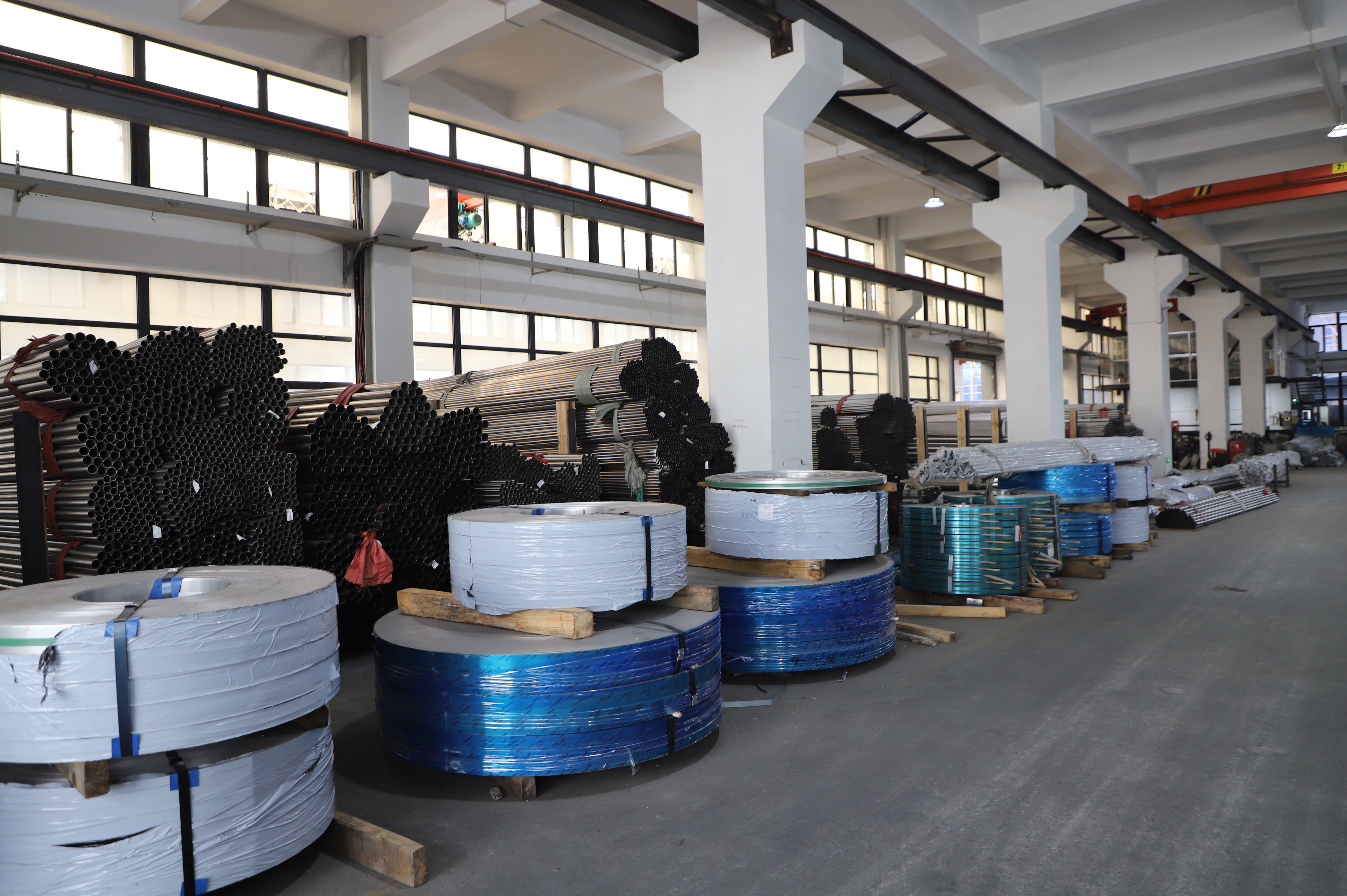
Production image: stainless steel press fitting workshop interior, where press plumbing fittings are manufactured and checked.
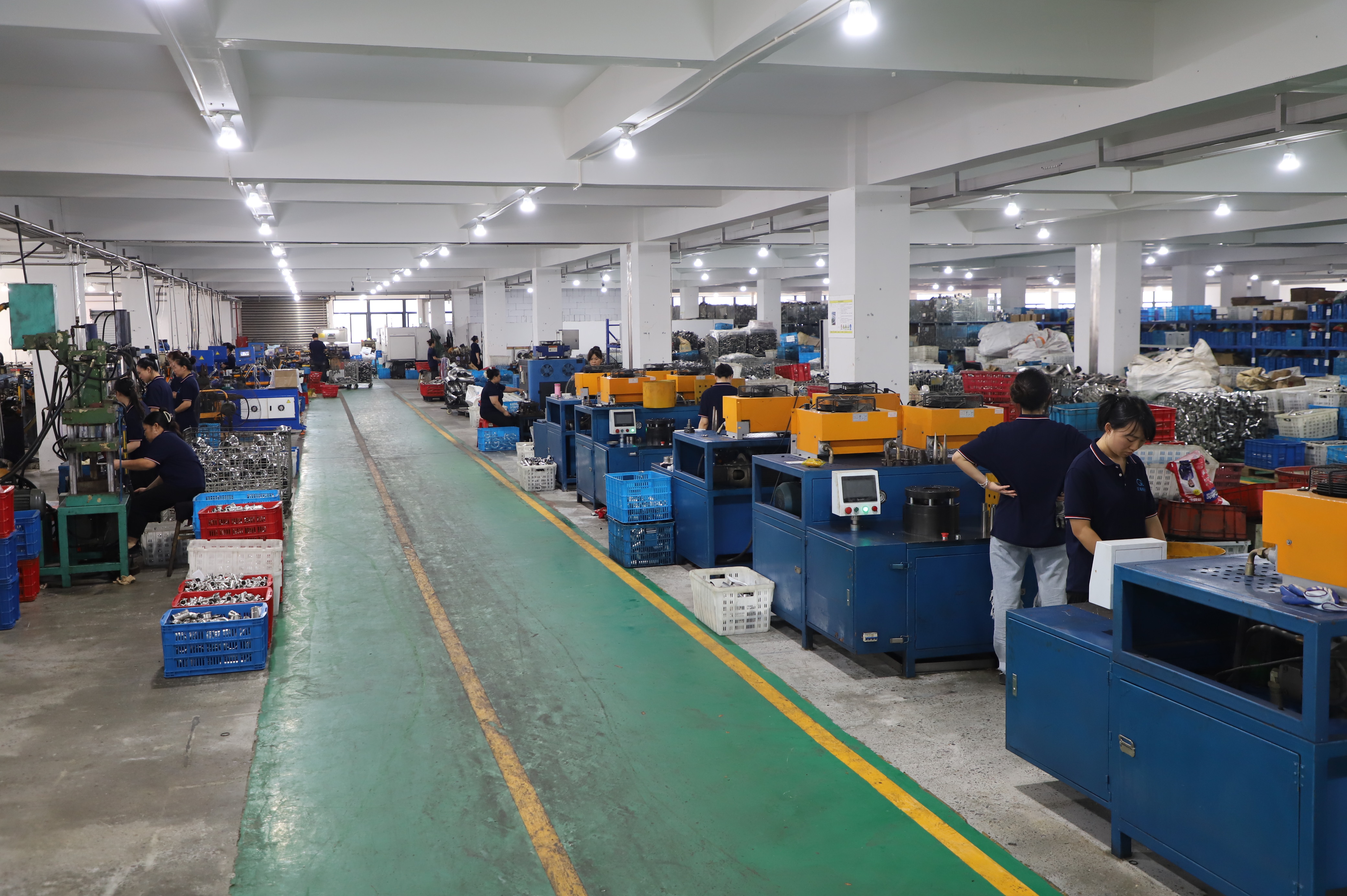
Production image: press fitting workshop interior supporting the product families discussed in this comparison.
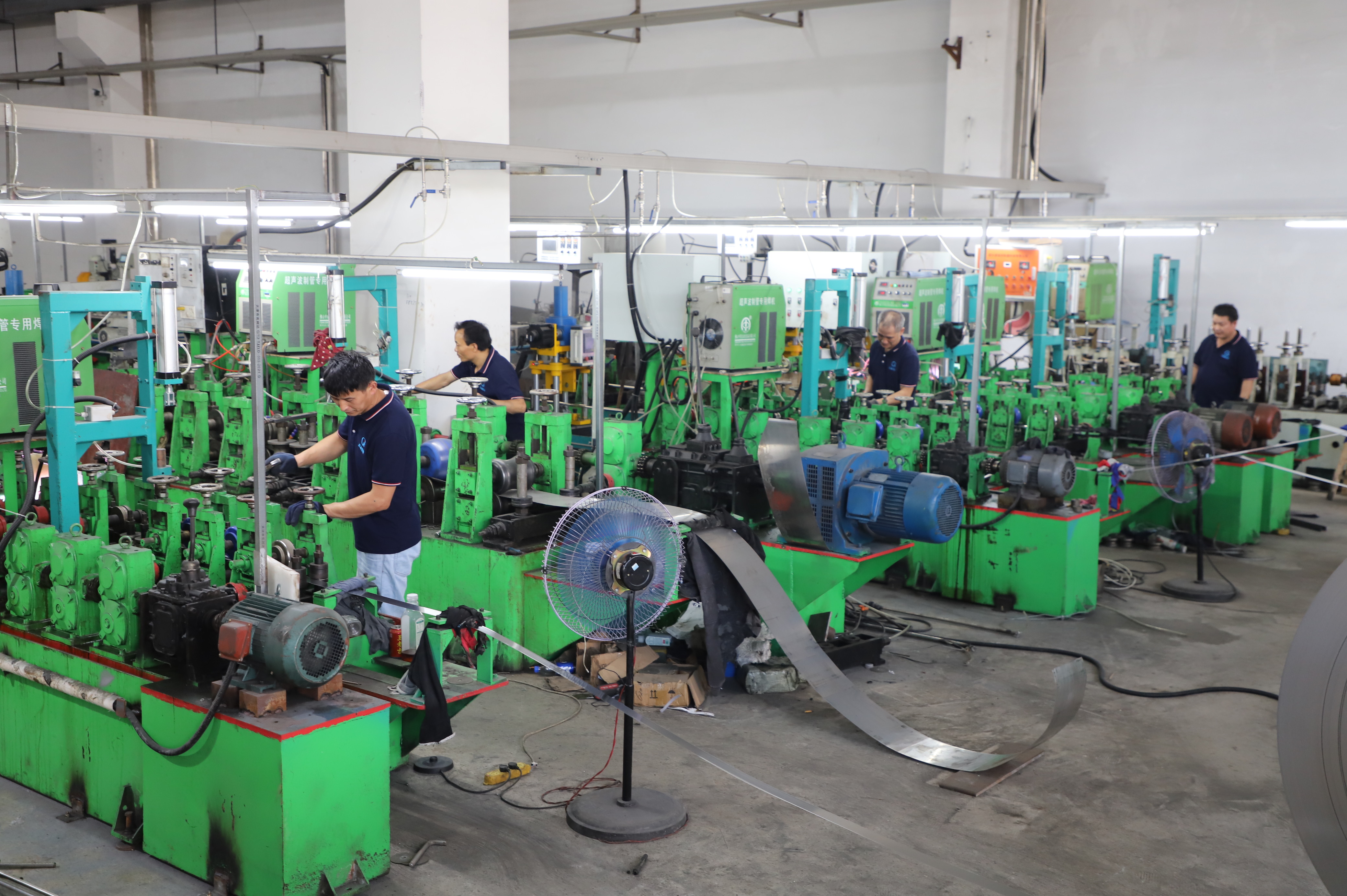
Factory image: stainless steel press fitting production line used for manufacturing and quality checks.
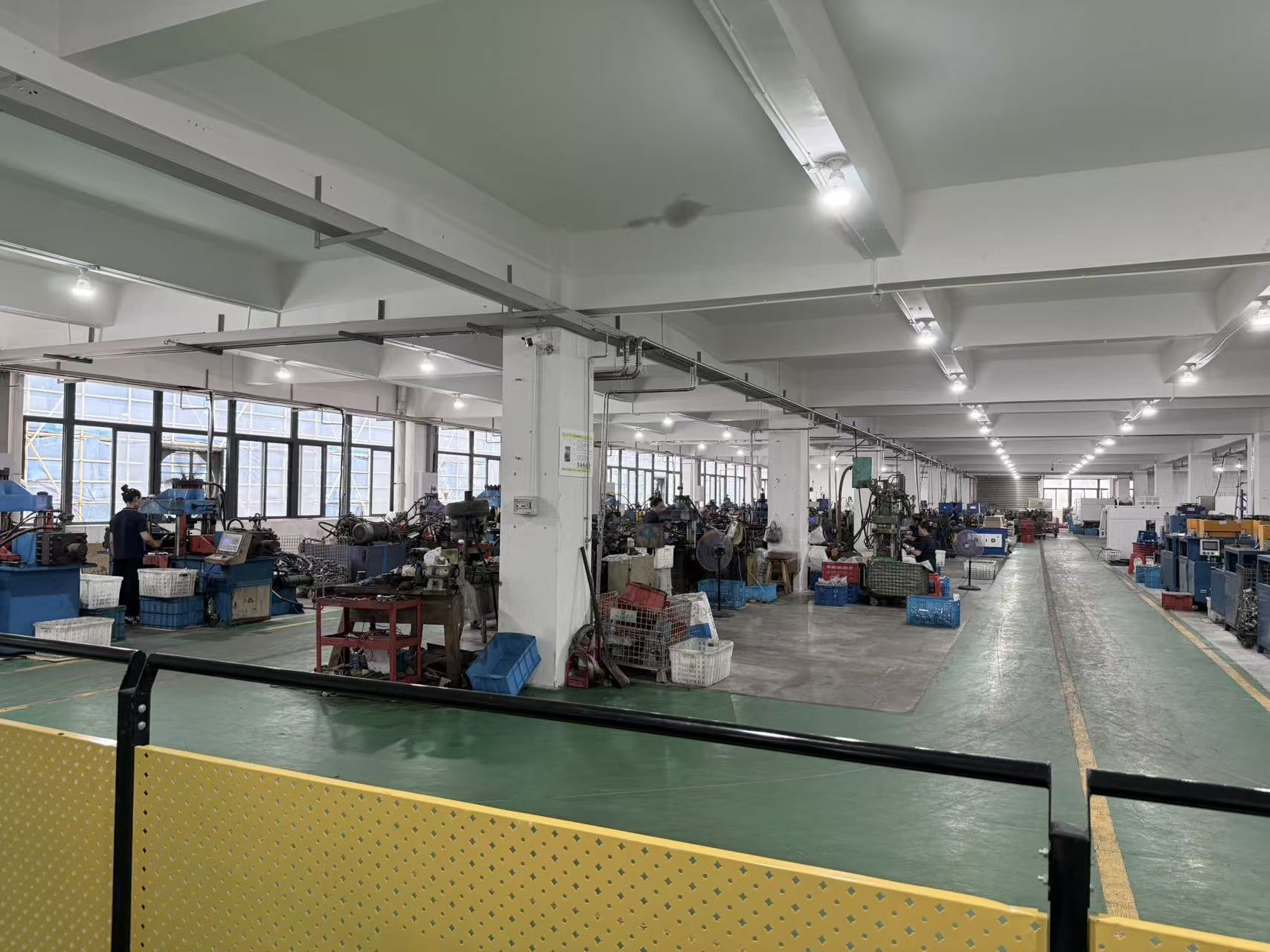
Warehouse image: finished stainless steel press fittings and plumbing pipe fittings ready for project supply. Request the catalog for model and range details.
Have Questions or Need More Details?
Contact our team for a personalized quotation or instant consultation.
Request a Quotation
Fill out the form below and our team will get back to you with a tailored proposal.
WhatsApp Direct Chat
Prefer to chat in real-time? Message us on WhatsApp for instant assistance & quick answers.
- Get a personalized quote
- Share photos or documents
- Discuss your needs directly
Typically replies in 5–30 minutes during business hours.