What Are Stainless Steel Press Fittings? Double-Press, Socket Weld, and Media Basics
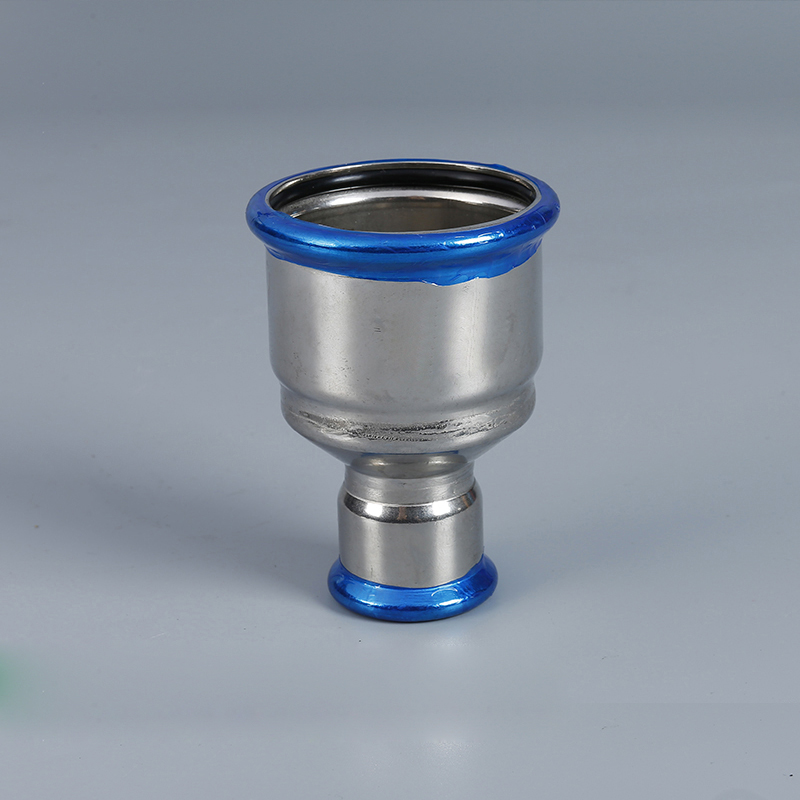
A stainless steel press fitting is a factory-made connector — elbow, coupling or tee — that joins stainless steel pipe either by radial pressing (double-press) or by socket welding. The two joining methods are not interchangeable: they differ in tooling, pressure class, temperature range and the media each one is rated to carry.
Buyers researching this category usually meet the same four questions in their first week: what the parts are called, how they are joined, what pressure and temperature they hold, and which media they can carry. This article answers those questions in that order, and uses the published product data of WENZHOU ZHENGXIN PIPE FITTINGS CO., LTD — a stainless steel press fitting manufacturer established in 2013, operating a 9,000 m² facility with approximately 70 staff — to show how the specifications actually read on a real datasheet.
Problem definition: “press fitting” is a family name, not a specification
The word “press” describes an installation method, not a pressure rating, a temperature limit or a media approval. That single confusion causes most of the specification errors in this category. Three patterns repeat:
- Buying from a photo or a diameter alone. Two fittings that look identical from the outside can belong to different product series with different sealing systems, pressure classes and standards.
- Treating the pressing profile as universal. The pressing jaw must match the fitting profile and size. In Europe the M profile and V profile are the two dominant pressing geometries, and the choice between them is often a matter of contractor habit rather than regulation.
- Assuming one seal covers every medium. A sealing ring chosen for cold potable water is not automatically the right choice for a hot-water or high-temperature line, and it is not a substitute for a welded joint on steam or oil service.
The practical consequence is that the specification has to be built in the right order: medium first, then joining method, then material, size, pressure class and standard. Everything else follows.
Industry background: a growing category with an established standards base
Press-fit plumbing is no longer a niche alternative to welding. Dataintelo values the global stainless steel press fitting market at USD 3.8 billion in 2025 and projects USD 6.4 billion by 2034, a compound annual growth rate of 6.0%. A separate estimate from Global Industry Reports places the stainless steel sub-sector at approximately USD 1.03–1.30 billion for 2024, equal to 29%–38% of the wider press fitting market. The two figures use different scopes and base years and should not be combined; they are quoted separately to show the spread of published estimates rather than a single agreed number.
Behind the volume growth sits a mature standards base. Stainless steel tubes for pressure purposes are commonly specified to EN 10217-7 for welded tubes and EN 10312 for plumbing applications. Socket weld fittings are specified to ASME B16.11 and, in the Chinese national system, to GB/T 14383-2021. For European buyers, the practical result is that a fitting is only “compliant” in relation to a named standard — not in general.
Why the standards matter at the research stage: the standard determines the dimensional envelope, the pressure class and, in many projects, whether the fitting can be accepted at all. A price comparison between two fittings built to different standards is not a like-for-like comparison.
What the product family actually contains
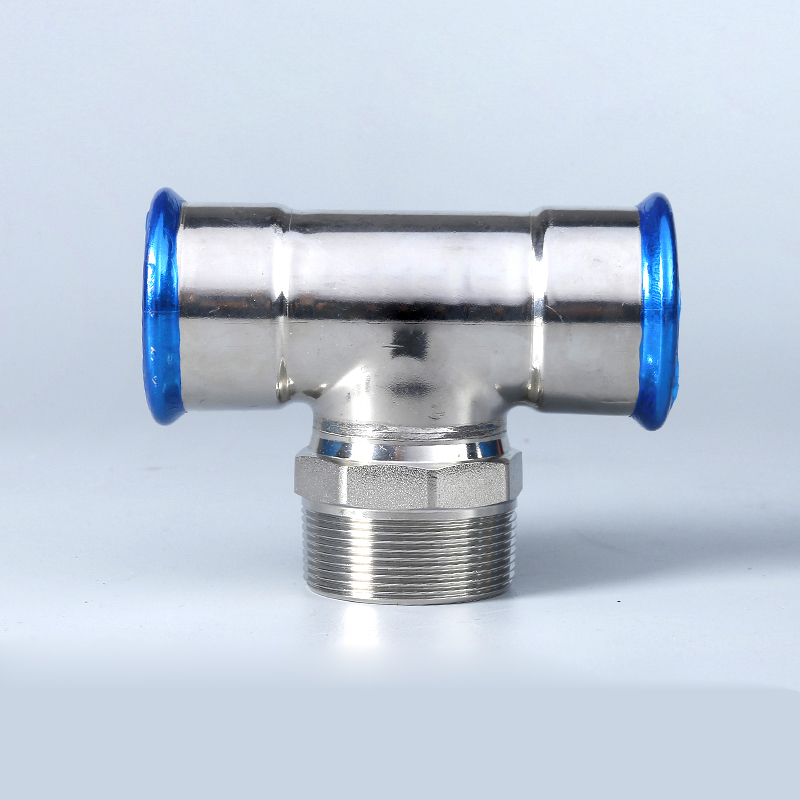
The category covers three core body shapes, and almost every pipeline is assembled from them:
- Elbows — change direction, most commonly at 90°.
- Couplings — join two lengths of pipe in a straight run, in equal or reducing sizes.
- Tees — branch a line into two directions, in equal or reducing configurations.
Within the WENZHOU ZHENGXIN PIPE FITTINGS CO., LTD range, these shapes are supplied across three named series, and the series name is the first thing a buyer should read on a quotation:
- EN Standard Series — European standard press fittings, compliant with EN 10312 and CE certified.
- GB Series press Fittings — GB double-press fittings in Series 1 and Series 2 configurations.
- Socket Weld Series — forged socket weld fittings to ASME B16.11 and GB/T 14383-2021.
Double-press connection: no welding, leak-proof, maintenance-free
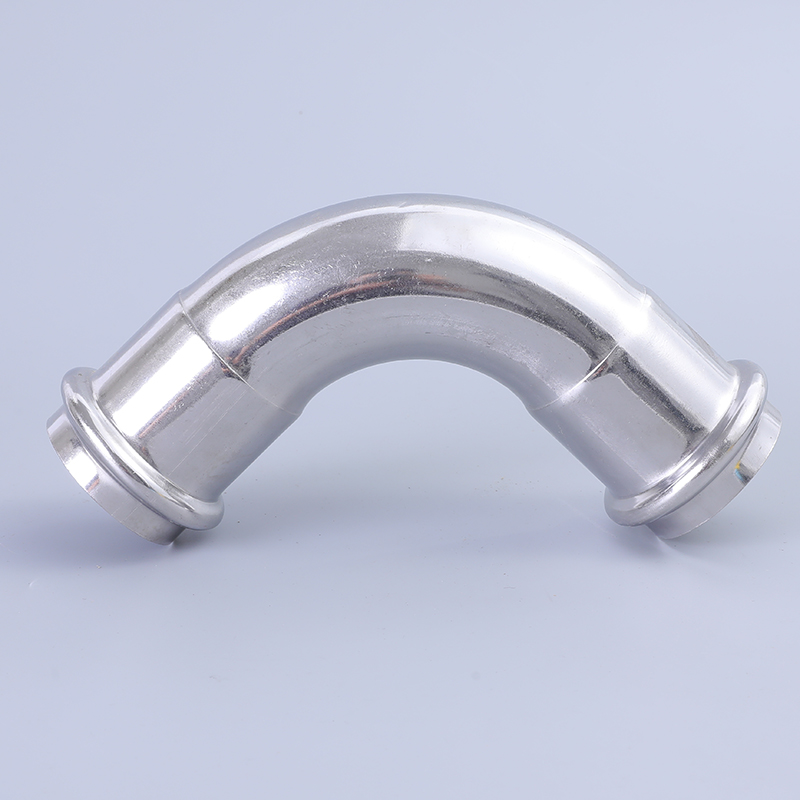
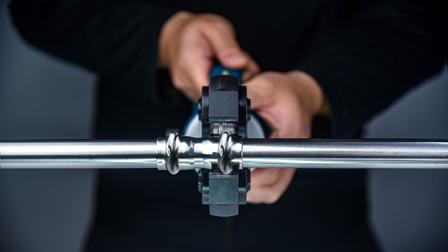
A double-press joint is made mechanically. The pipe is cut square, deburred, marked for insertion depth and pushed fully into the fitting socket; the pressing tool then compresses the fitting body onto the pipe around the sealing ring. There is no welding, no open flame and no filler material, which is why the method is used in buildings where hot work is restricted or where the line must be closed again quickly.
The GB Series press Fittings datasheet lists the following:
- Material: 304 stainless steel (06Cr19Ni10) or 316L stainless steel (022Cr17Ni12Mo2).
- Suitable pipe outer diameter: DN15 (φ16) to DN100 (φ108).
- Working pressure: 1.6 MPa for cold water; 1.0 MPa for hot water at ≤95°C.
- Working temperature: −20°C to 95°C for the ordinary model; −40°C to 120°C for the high-temperature resistant model, which requires the sealing ring to be replaced.
- Sealing material: food-grade silicone (FDA certified) or EPDM (ethylene propylene diene monomer, temperature and oil resistant).
- Standard and certification: EN 10312 compliant, CE certified.
The product data describes the connection as leak-proof and maintenance-free, with a service life matching the service life of the building, corrosion resistance from the 304/316L body, resistance to thermal expansion and contraction, and a hygienic bore suitable for direct-drinking water. Those are manufacturer claims about the product; they are the correct claims to test during sample evaluation rather than to accept from a catalogue page alone.
Socket weld connection: forged, GB/T 14383-2021
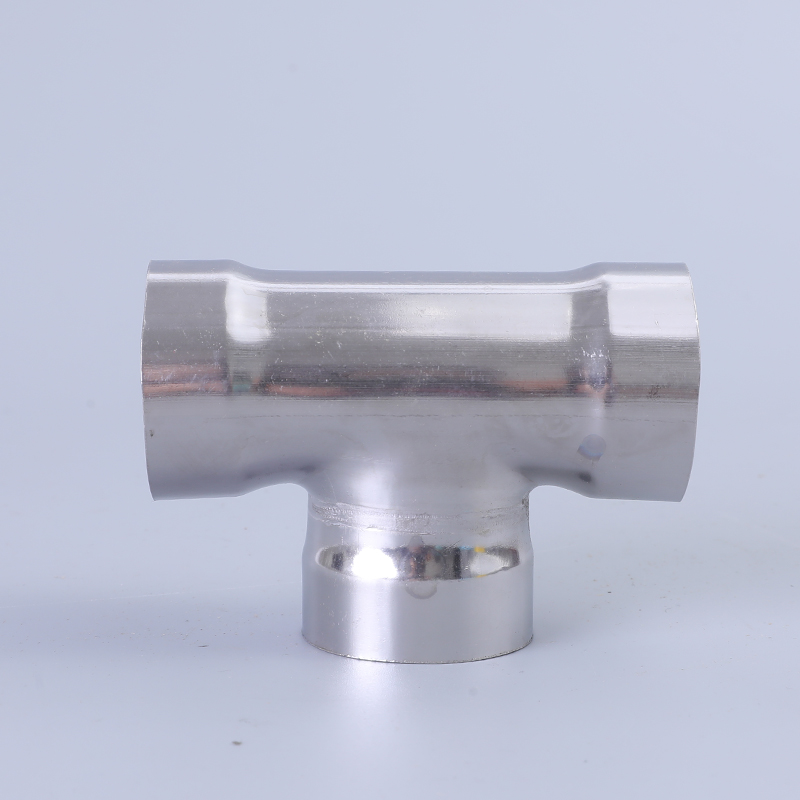
Socket weld fittings take the opposite approach. The body is forged, the pipe is inserted into a machined socket and the joint is welded. Because the connection is metal-to-metal, the fitting carries the full pressure and temperature capability of the material rather than the limits of an elastomer seal.
The Socket Weld Series datasheet lists:
- Standard: ASME B16.11, manufactured in accordance with GB/T 14383-2021.
- Size range: DN6–DN100 (NPS 1/8″–4″).
- Pressure class: Class 3000#, Class 6000#, Class 9000#.
- Material: 304 / 316L stainless steel.
- Manufacturing process: forged integral forming.
- Applicable media: water, oil, gas and steam.
- Working temperature: −20°C to +450°C.
- Typical types: 90° elbow, full coupling, equal tee.
The design characteristics that matter in service are the forged integral body for mechanical strength under high-pressure and high-temperature conditions, the precise socket size for pipe alignment, a welded connection that resists vibration with low leakage risk, and a smooth inner bore that keeps flow resistance low.
Media compatibility and temperature: the deciding factor
This is where the two families separate most clearly, and where a wrong choice becomes expensive after commissioning rather than before it.
A socket weld fitting in 304 or 316L is rated for water, oil, gas and steam from −20°C to +450°C. A double-press fitting is rated for water and gas service from −20°C to 95°C, with a high-temperature resistant variant covering −40°C to 120°C when the sealing ring is changed accordingly. The intended applications listed for the press series are direct-drinking water, urban residential buildings, gas supply systems and public constructions — potable water and gas duty, not steam duty.
The decision rule is therefore simple to state and easy to apply: steam, oil and high-temperature lines go to socket weld; potable water, domestic hot water and gas supply go to press. A press joint should not be specified for a steam line on the assumption that “stainless is stainless” — the limiting component in a press joint is the sealing ring, not the steel.
Sealing choices: food-grade silicone or EPDM
Both press series are offered with two sealing materials, and the choice is driven by the medium rather than by price:
- Food-grade silicone (FDA certified) — the hygiene-led option, aligned with direct-drinking water and potable water systems.
- EPDM (ethylene propylene diene monomer) — described in the datasheet as temperature and oil resistant, and used for potable water and gas supply systems.
The high-temperature resistant model at −40°C to 120°C is only valid with the corresponding sealing ring fitted; the ordinary model remains rated to 95°C. This is one of the few specification points where changing a single component changes the declared rating of the whole fitting, so it should be stated explicitly on the purchase order.
Step-by-step: how to specify and install stainless steel press fittings
Specification sequence
- Fix the medium and the temperature. Water and gas up to 95°C point to press; steam, oil or higher temperatures point to socket weld.
- Fix the joining method. Press where hot work is undesirable or where installation speed matters; weld where the joint must be metal-to-metal.
- Choose the material. 304 (06Cr19Ni10) or 316L (022Cr17Ni12Mo2), depending on the corrosion environment specified for the project.
- Confirm size and pressure class. DN15–DN100 for press; DN6–DN100 with Class 3000#, 6000# or 9000# for socket weld.
- Name the standard and the certificate. EN 10312 and CE for the European press series; ASME B16.11 and GB/T 14383-2021 for socket weld.
- Match the tooling. Confirm the pressing profile (M or V) and jaw size against the fittings actually supplied before the first joint is made.
Installation sequence for a press joint
- Cut the pipe squarely and remove all inner and outer burrs.
- Mark the insertion depth on the pipe surface.
- Insert the pipe fully into the fitting socket up to the mark.
- Place the correct jaws around the press-fit groove position.
- Press until the tool jaws close completely.
- Pressure-test the system after installation.
If a joint leaks after pressing, the cause is almost always installation rather than the fitting: burrs left on the pipe end that scratch the gasket, insufficient insertion depth, wrong or misaligned jaws, a damaged or aging sealing ring, or a visibly deformed pipe or fitting surface. The corrective sequence is to depressurise, inspect the joint and the gasket, replace damaged components, re-cut and deburr the pipe, re-mark the depth and re-press with the correct jaws, then pressure-test again. A deformed fitting should be replaced — secondary pressing on an already compressed fitting is not a repair.
Where stainless steel press fittings are used
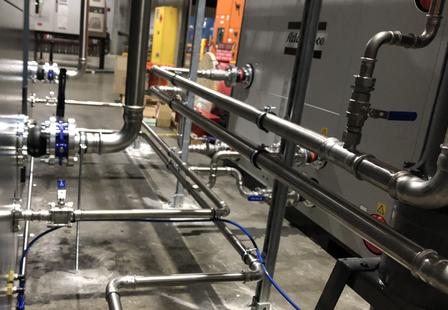
The manufacturer lists four intended application areas for its press fittings, and each one places a different demand on the specification:
- Direct-drinking water systems — the decisive requirement is hygiene, which is why the food-grade silicone (FDA certified) seal and the smooth, clean bore are specified.
- Urban residential buildings — long service life and low maintenance dominate, since access for repair is limited once the building is occupied.
- Gas supply systems — leak integrity and a stable, verifiable joint are the priorities; the press series lists gas supply as an intended application.
- Public constructions — a mix of domestic water, hot water and branch lines, where installation speed and consistent joint quality across a large site matter.
Beyond these four, the company’s fittings are also applied in tourism facilities, water supply and drainage, municipal tap-water networks, gas supply and industrial facilities. For steam and oil duty within those environments, the socket weld series is the appropriate choice.
Double-press vs socket weld: comparison table
| Attribute | Double-press (GB Series press Fittings) | Socket weld (Socket Weld Series) |
|---|---|---|
| Joining method | Radial pressing with a pressing tool and sealing ring; no welding | Pipe inserted into socket and welded |
| Product types | Press-fit elbow, press-fit coupling, press-fit tee | 90° elbow, full coupling, equal tee |
| Material | 304 (06Cr19Ni10) / 316L (022Cr17Ni12Mo2) | 304 / 316L stainless steel |
| Size range | DN15 (φ16) – DN100 (φ108) | DN6–DN100 (NPS 1/8″–4″) |
| Pressure | 1.6 MPa cold water / 1.0 MPa hot water (≤95°C) | Class 3000#, Class 6000#, Class 9000# |
| Temperature | −20°C to 95°C; −40°C to 120°C for high-temperature resistant model with sealing ring replaced | −20°C to +450°C |
| Media | Water and gas supply, direct-drinking water | Water, oil, gas, steam |
| Sealing | Food-grade silicone (FDA certified) or EPDM | Welded metal joint; no sealing ring listed for this series |
| Standard / certification | EN 10312 compliant, CE certified | ASME B16.11, GB/T 14383-2021 |
| Manufacturing | Press-fit body with sealing ring | Forged integral forming |
| Characteristic strengths | No welding, leak-proof connection, maintenance-free, service life matching the building | High mechanical strength, high pressure and temperature capability, anti-vibration, low leakage risk |
| Typical applications | Direct-drinking water, urban residential buildings, gas supply systems, public constructions | Direct-drinking water systems, urban residential buildings, gas supply systems, public constructions |
Frequently asked questions
Are stainless steel press fittings CE certified, and which standards apply?
European standard press fittings in the EN Standard Series are compliant with EN 10312 and CE certified. Socket weld fittings are manufactured to ASME B16.11 and GB/T 14383-2021. The manufacturer holds ISO 9001:2000 quality management system certification and has introduced the QS9000 production management system. A “CE certified” claim should always state which series and which standard it refers to, because the two families are covered by different standards.
What sizes, materials and pressure ratings are available?
Press fittings are supplied in 304 (06Cr19Ni10) or 316L (022Cr17Ni12Mo2) stainless steel from DN15 (φ16) to DN100 (φ108), rated at 1.6 MPa for cold water and 1.0 MPa for hot water at ≤95°C. Socket weld fittings cover DN6 to DN100 (NPS 1/8″ to 4″) in Class 3000#, Class 6000# and Class 9000#, also in 304 or 316L.
Can the same fitting handle water, oil, gas and steam?
No. Socket weld fittings are rated for water, oil, gas and steam from −20°C to +450°C. Double-press fittings are rated from −20°C to 95°C for water and gas supply, with a high-temperature resistant model covering −40°C to 120°C when the sealing ring is replaced. Steam and oil service therefore belongs to the socket weld series, not the press series.
What causes a press-fit joint to leak after installation?
Leakage is normally an installation issue rather than a fitting defect. The recurring causes are burrs left on the pipe end that scratch the gasket, insufficient insertion depth, wrong or misaligned pressing jaws, a damaged or aging sealing ring, or a visibly deformed pipe or fitting surface. The fix is to depressurise the line, inspect the joint, replace the damaged gasket, re-cut and deburr the pipe, re-mark the insertion depth and re-press with the correct jaws, then pressure-test again. Deformed fittings should be replaced rather than pressed a second time.
How do I choose a stainless steel press fittings manufacturer?
Check three things: whether the series you need is covered by a named standard and certificate, whether the size, pressure and temperature range matches the project, and whether the supplier can support the media you actually handle. WENZHOU ZHENGXIN PIPE FITTINGS CO., LTD was established in 2013 and operates a 9,000 m² facility with approximately 70 staff, a 10-engineer R&D team and an annual capacity of 1,000,000 units of stainless steel pipe fittings plus 1,000 tons of stainless steel pipes. Export accounts for 70% of sales, mainly to European markets, and the company’s annual production output value exceeds RMB 100 million.
Conclusion
Stainless steel press fittings are a family of elbows, couplings and tees that can be joined to pipe in two fundamentally different ways. Double-press fittings compress onto the pipe with a tool and a sealing ring and are rated for water and gas supply from −20°C to 95°C, with a high-temperature resistant variant to 120°C; socket weld fittings are forged, welded, and rated for water, oil, gas and steam from −20°C to +450°C. Materials, sizes and standards sit behind both: 304 or 316L stainless steel, DN15–DN100 for press and DN6–DN100 for socket weld, EN 10312 and CE for the European press series, ASME B16.11 and GB/T 14383-2021 for socket weld.
Once the medium and temperature are fixed, the rest of the specification usually resolves itself. The remaining risk sits in the details that do not appear on a photo: the pressing profile, the sealing ring compound, and the standard named on the certificate.
Next step: sample, quotation or catalogue
If you are specifying press fittings for a potable water, gas supply or public construction project, the fastest way to close the specification is to test the joint. Request a sample or a quotation for the EN Standard Series, GB Series press Fittings or Socket Weld Series, stating medium, temperature, size, pressure class and the standard you are working to.
Contact: Cindy | Email: cindy@zxpipeindustry.com | Tel / WhatsApp / WeChat: +86 18966285772
Website: www.zxpipeindustry.com
Product catalogue (PDF): Download the Product Catalog
Have Questions or Need More Details?
Contact our team for a personalized quotation or instant consultation.
Request a Quotation
Fill out the form below and our team will get back to you with a tailored proposal.
WhatsApp Direct Chat
Prefer to chat in real-time? Message us on WhatsApp for instant assistance & quick answers.
- Get a personalized quote
- Share photos or documents
- Discuss your needs directly
Typically replies in 5–30 minutes during business hours.