
Decoding Load Index and Speed Rating: A Technical Guide to Passenger Car Tire Parameters
A passenger car tire sidewall carries a compact data set: the size marking, a load index, a speed rating letter, a section width in millimetres and a maximum pressure in kilopascals. Read together, these figures describe the tire's safe operating envelope — the load and speed conditions it was engineered for. A 91 V carcass and a 106/104 R carcass are both sold as passenger car tires, but they are built for very different vehicles.
This guide decodes each parameter in turn using the published specification sets for passenger car tires supplied under the WIDEWAY, EVERLAND and V-RICH brands, then shows how specific combinations map to vehicle classes: urban family cars, ultra-high-performance SUV fitments, light commercial vans, and heavier van or light-truck duty.
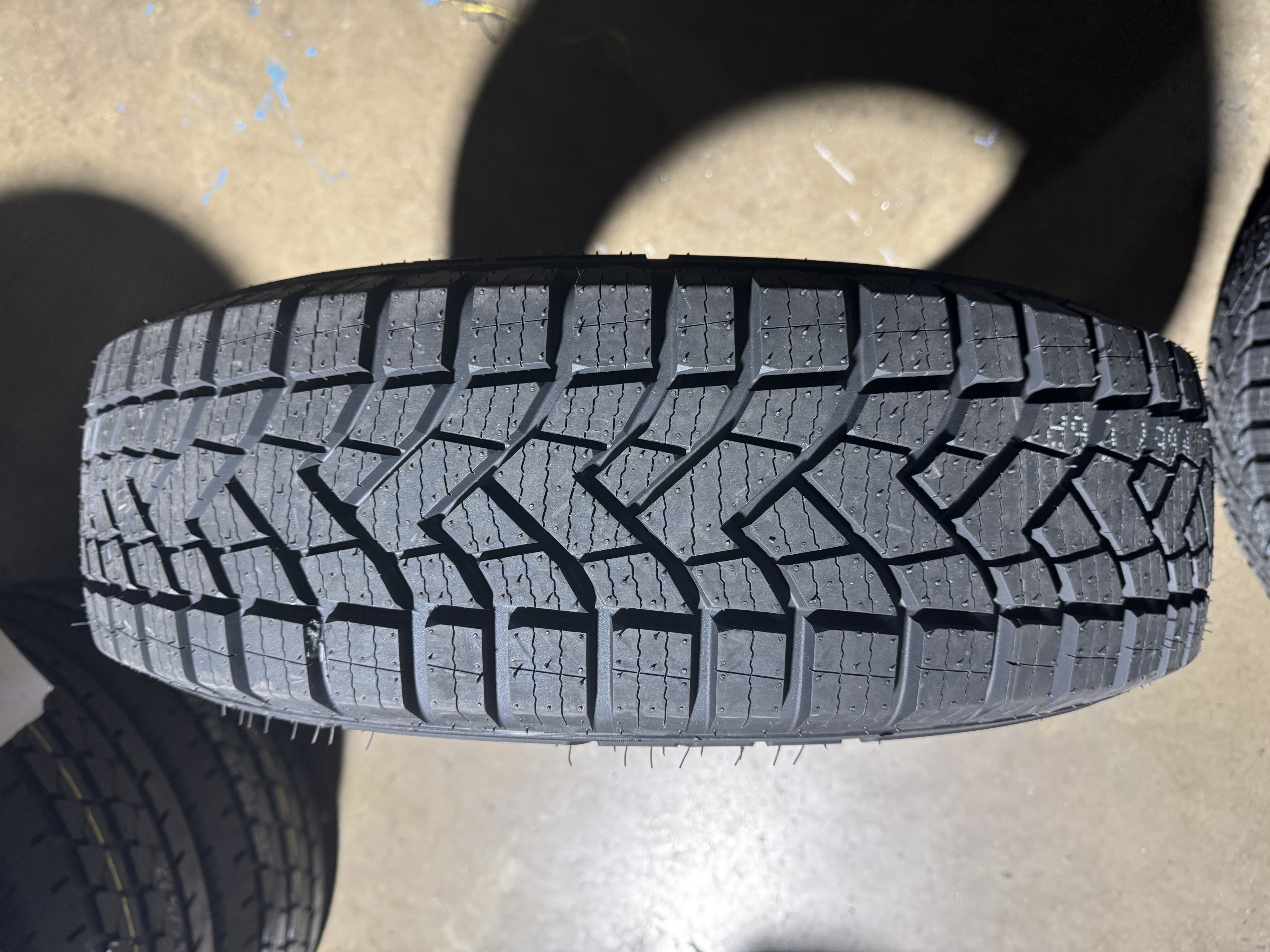
Why Sidewall Parameters Decide Whether a Tire Actually Fits
The binding constraint in passenger car tire selection is not price band or tread pattern — it is the parameter set. Load index, speed rating, section width and maximum pressure are fixed engineering outputs of the carcass, the belt package and the compound. They cannot be adjusted at the point of sale, and a mismatch places the tire outside the envelope it was built to operate in.
Four reading errors appear repeatedly in enquiries from distributors, fleet managers and workshop buyers:
- Reading the load index as a weight. The two- or three-digit figure is a code, not a kilogram value. It is written as a whole number because it references a standard load table, and the same code means the same load capability within a given size family.
- Treating a dual load index as one number. Fitments such as 106/104, 104/102 and 109/107 carry two values separated by a slash, and both are meaningful on van and light-truck constructions.
- Confusing maximum pressure with operating pressure. The kPa figure moulded on the sidewall is a ceiling at the tire's rated load, not a recommended cold inflation setting for a specific vehicle.
- Choosing a speed rating by habit. Buyers often repeat the letter on the tires they are replacing. On a mixed fleet, that habit silently carries a low-speed commercial van rating onto a vehicle that needs something else, or the reverse.
The cost of a mismatch is practical rather than theoretical. An under-specified load index on a loaded delivery van, or a speed rating below the vehicle's operating requirement, moves the tire outside the conditions it was designed for — which is exactly what the sidewall figures exist to prevent.
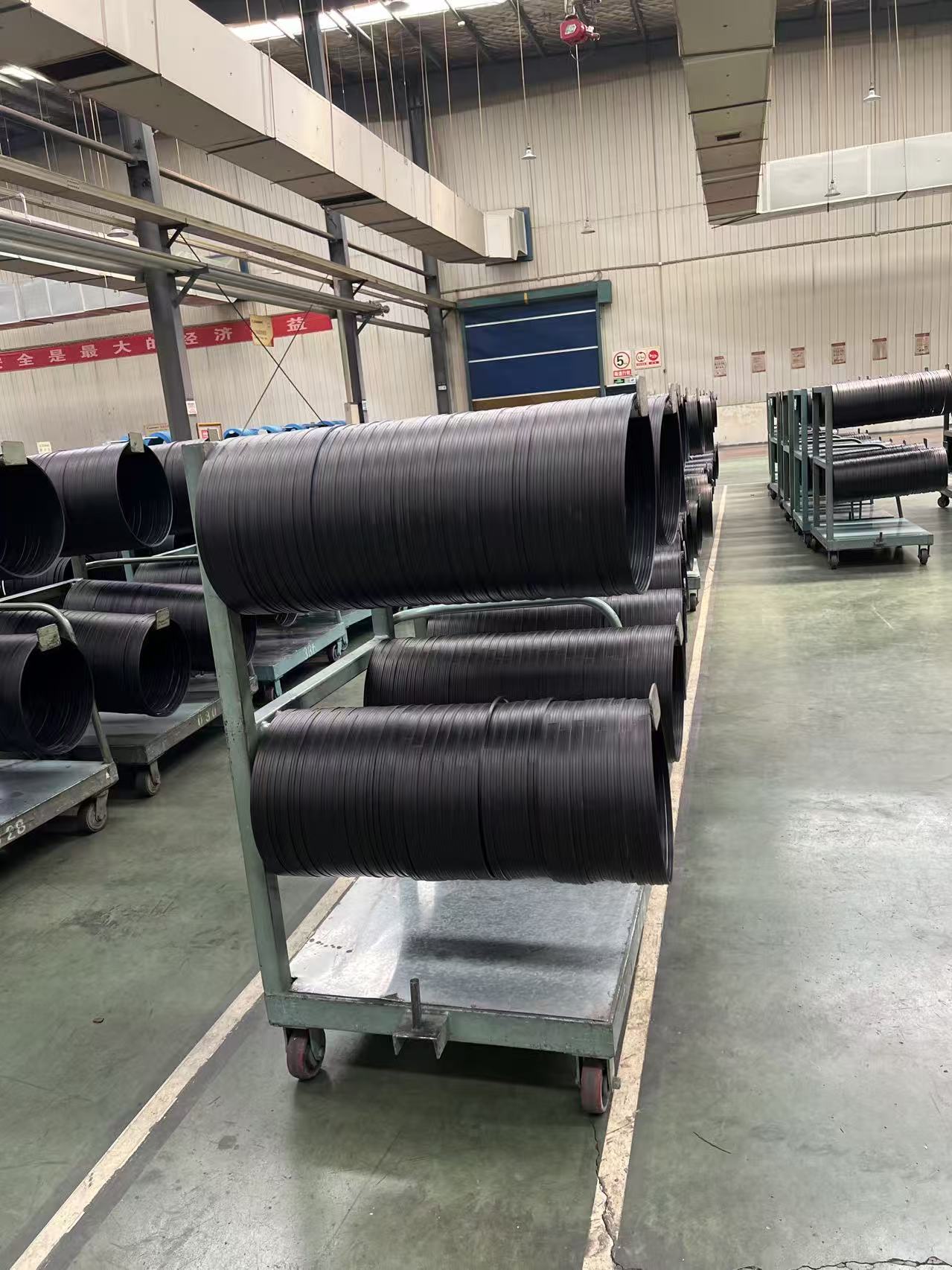
How the Passenger Car Tire Market Frames Specification
Parameter literacy has become a purchasing skill rather than a technical footnote. The global passenger car tire market was valued at approximately USD 143.06 billion in 2024, and the passenger car segment led the total tire market with a 32.6% revenue share (Grand View Research). On the supply side, China's total tire exports reached 9.65 million tonnes in 2025, a 3.6% year-on-year increase, with an export value of approximately 167.7 billion RMB, or roughly USD 23.1 billion (General Administration of Customs / SunSirs).
Two structural shifts push buyers deeper into the specification sheet. The global electric vehicle tire market is projected to reach USD 337.20 billion by 2034, growing at a CAGR of 28.1% from 2025, driven by requirements for high load capacity and low noise (Precedence Research). Separately, passenger car tires must comply with UN Regulation No. 117 (ECE R117), which sets limits for rolling resistance, wet grip and external rolling noise, and includes mandatory labeling in the EU (UNECE). Load and speed markings are read alongside that labelling, not instead of it.
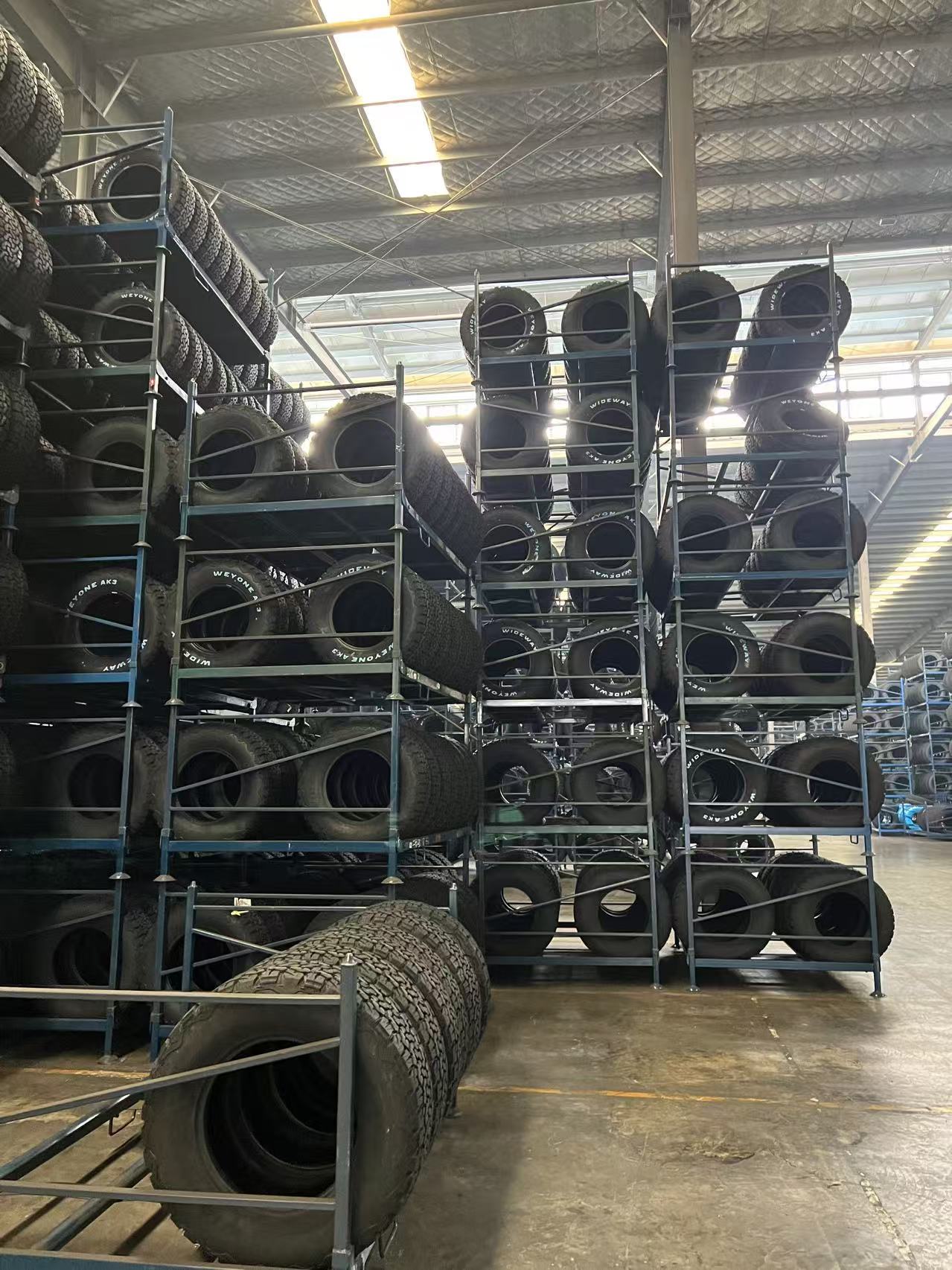
Shandong Wideway Tire Co., Ltd. — the manufacturer behind the WIDEWAY, EVERLAND and V-RICH brands — was established in 2014 and is located at No.396, Emeishan Road, Huangdao District, Qingdao City, Shandong, China. The company operates a 1,000,000 square metre facility with approximately 5,000 staff, an annual production capacity of 23,400,000 units and an R&D team of 25 engineers. Export business accounts for 70% of total sales, with major markets in Central and South America, Canada, the EU, Africa, the Middle East, Southeast Asia, Central Asia and Australia. The range covers passenger car tires, SUV tires, all-terrain tires, mud-terrain tires, van tires, rugged-terrain tires, winter tires, all-season tires, white letter tires and white wall tires.
That breadth is precisely why the parameter set matters: within one supplier's passenger car tire portfolio, the load index spans 83 to 122/118 and the speed rating spans L to W. The words "passenger car tire" describe a category, not a capability level.
What Each Parameter Actually Means
Load index: a coded statement of load capability
The load index is a numeric code for the maximum load the tire is engineered to carry at its rated speed category. It is not expressed in kilograms on the sidewall, and a higher number always indicates greater load capability within the same size family. In the WIDEWAY, EVERLAND and V-RICH range, single load indices run from 83 on the 5.00R12 ULT size through 86, 88, 91, 94, 99, 101, 103 and 109, while dual load indices appear as 104/102, 106/104, 109/107 and 122/118.
Where two figures appear with a slash, they follow the standard industry convention for tires that can be mounted singly or as a pair on the same axle: the first value applies to single fitment and the second to twin or dual fitment. In this range, dual values are concentrated on commercial van and light-truck constructions — for example 106/104 on the 155R12C-to-235/65R16C van line, 104/102 on the 185/75R16C and 195/75R16C sizes, 109/107 on the 195/70R15C, 225/70R15C and 215/65R16C sizes, and 122/118 on the 7.00R16LT and 7.50R16LT sizes.
Speed rating: the speed category the tire was built for
The speed rating is a single letter, and it identifies the speed category the tire is designed to sustain under its rated load. Under the standard speed symbol convention, letters such as N, Q, R and S correspond to lower speed categories than V and W. The two figures are always read as a pair, because the load index is only valid at the tire's rated speed category.
The range illustrates how the letter tracks vehicle class. Speed rating N appears on the 155R12LT size (load index 88), Q on the 145R12C and on the 185R14LT, 195R14LT and 195R15LT sizes (106/104), R on the commercial van families (104/102 and 106/104), and on the 195/70R15C, 225/70R15C and 215/65R16C sizes (109/107). At the higher end, V appears on the 195/65R15 and 205/55R16 sizes (both load index 91) and W on the 195/50R15-to-255/40R18 ultra-high-performance series (94) and the 235/55ZR19 series (103).
Section width: the physical dimension in millimetres
Section width is the nominal width of the inflated tire measured across its sidewalls, quoted in millimetres. It is printed on spec sheets rather than the sidewall, and it matters for rim fit, suspension and body clearance, and for fleets that want one tyre size across several vehicle types.
The range spans a wide band of section widths: 143 mm (5.00R12 ULT), 145 mm (145R12C), 157 mm (155R12LT), 160 mm (5.50R13LT), 184 mm (185/75R16C and 195/75R16C), 196 mm (the commercial van and light-truck van lines), 198 mm (the 155R12C-to-235/65R16C van line), 201 mm (195/65R15), 214 mm (205/55R16), 215 mm (7.00R16LT and 7.50R16LT), 223 mm (195/70R15C, 225/70R15C, 215/65R16C), 225 mm (the 195/50R15-to-255/40R18 series), 226 mm (the 175/70R13-to-235/45R18 winter line), 228 mm (the 175/70R13-to-265/65R17 winter line), 233 mm (the 235/55ZR19 series) and 265 mm (the 215/55ZR17 EV and SUV series).
Maximum pressure: a ceiling, not a set point
Maximum pressure is the highest cold inflation pressure the tire is designed to accept while carrying its rated load. It is the upper boundary of the operating envelope, and it is stated in kilopascals in the manufacturer's data. In this range the figures run from 300 kPa on family and ultra-high-performance sizes (195/65R15, 205/55R16, and the 175/70R13-to-265/65R17 winter line) through 340 kPa (235/55ZR19 series, 195/50R15 series, 215/55ZR17 EV series, and the 175/70R13-to-235/45R18 winter line), 420 kPa (5.50R13LT), 450 kPa (155R12LT, 145R12C, the 155R13C-to-205/75R15C van line, and the 185R14LT, 195R14LT and 195R15LT sizes), 475 kPa (185/75R16C, 195/75R16C, and the 195/70R15C, 225/70R15C and 215/65R16C sizes), 500 kPa (5.00R12 ULT) and 770 kPa (7.00R16LT and 7.50R16LT).
The pattern to note is that heavier-duty constructions carry higher pressure ceilings. Normal vehicle operating pressure is set by the vehicle manufacturer for the actual axle load, and it sits at or below the sidewall ceiling.
How the four parameters interlock. The size marking fixes the physical dimensions; the load index fixes how much mass the carcass can carry; the speed rating fixes the speed category at which that load figure applies; and the maximum pressure defines the inflation ceiling. Change one and you have changed the tire, which is why a specification is always verified as a complete set rather than one figure at a time.
Reading a Sidewall in Six Steps
The practical sequence below works for any passenger car tire, and it is the order in which a distributor or fleet buyer should verify a quotation.
- Step 1 — Confirm the size marking. Read the complete marking, including suffixes. 185/75R16C and 185R14LT are not interchangeable with a standard passenger car size, and the suffix signals a different duty cycle.
- Step 2 — Identify the load index, single or dual. A single value such as 91, 94, 99, 101, 103 or 109 describes one fitment configuration. A dual value such as 104/102, 106/104, 109/107 or 122/118 describes both single and twin fitment.
- Step 3 — Identify the speed rating letter. Confirm the letter as printed, and confirm it against the vehicle's operating requirement rather than against the tires being replaced.
- Step 4 — Check section width. Compare the millimetre figure against rim width, clearance and any fleet standardisation target.
- Step 5 — Check maximum pressure. Confirm the ceiling, then set operating pressure from the vehicle's own specification — never above the sidewall figure.
- Step 6 — Match the whole set to the vehicle class. A 91 V set, a 106/104 R set and a 122/118 L set each belong to a different category of vehicle and duty cycle.
Parameter Combinations Across the WIDEWAY, EVERLAND and V-RICH Range
The table below lists published specification sets for passenger car tires in the range. Each row is a complete parameter set, not a single figure, which is how a specification should be compared.
| Size marking / series | Load index | Speed rating | Section width | Max pressure | Primary category |
|---|---|---|---|---|---|
| 185/75R16C, 195/75R16C (VANGUARD / CARGO BULL 4S) | 104/102 | R | 184 mm | 475 kPa | Commercial van, all season |
| 155R12C – 235/65R16C (ENERGYWAY I) | 106/104 | R | 198 mm | 450 kPa | Commercial van, urban road |
| 155R13C – 205/75R15C (ENERGYWAY II) | 106/104 | R | 196 mm | 450 kPa | Commercial van |
| 185R14LT, 195R14LT, 195R15LT (ENERGYWAY III) | 106/104 | Q | 196 mm | 450 kPa | Commercial van, light truck |
| 195/70R15C, 225/70R15C, 215/65R16C (SNOWWAY VAN) | 109/107 | R | 223 mm | 475 kPa | Winter and snow, commercial van |
| 145/70R12 – 235/60R16 range, incl. 195/65R15 (SAFEWAY) | 91 | V | 201 mm | 300 kPa | Urban road, safe and affordable family |
| 205/55R16 (SAFEWAY / SAFEWAY+) | 91 | V | 214 mm | 300 kPa | Ultra-high performance, high-speed stability |
| 195/50R15 – 255/40R18 range (SPORTSWAY) | 94 | W | 225 mm | 340 kPa | Ultra-high performance, SUV |
| 235/55ZR19 series (HYPERWAY) | 103 | W | 233 mm | 340 kPa | Ultra-high performance, SUV |
| 215/55ZR17 series (EV and SUV line) | 109 | W | 265 mm | 340 kPa | EV, comfortable and noiseless, SUV |
| 175/70R13 – 235/45R18 (SNOWAY STUD) | 101 | H | 226 mm | 340 kPa | Winter and snow |
| 175/70R13 – 265/65R17 (SNOW GUARD) | 99 | S | 228 mm | 300 kPa | Winter and snow |
| 155R12LT (Mileway) | 88 | N | 157 mm | 450 kPa | Commercial van, urban road |
| 145R12C (TOURWAY) | 86 | Q | 145 mm | 450 kPa | Commercial van, family |
| 5.00R12 ULT (SMARTWAY I) | 83 | P | 143 mm | 500 kPa | Commercial van, all season |
| 5.50R13LT (SMARTWAY II) | 88 | P | 160 mm | 420 kPa | Commercial van, urban road |
| 7.00R16LT, 7.50R16LT (ECOWAY I) | 122/118 | L | 215 mm | 770 kPa | Commercial van, light truck |
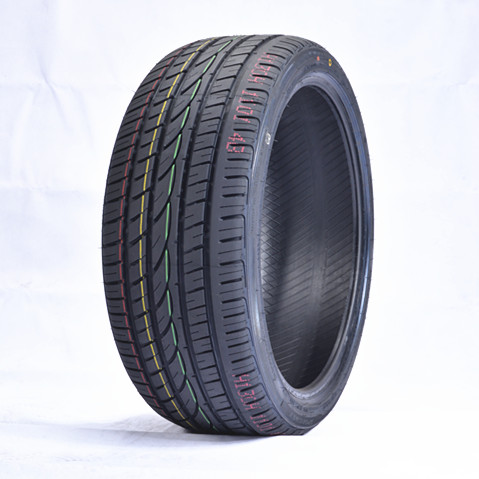
Matching Parameter Combinations to Real Vehicle Use Cases
Urban family and commuter fitments: 91 V, 201–214 mm, 300 kPa
The 195/65R15 and 205/55R16 sizes both carry a 91 load index with speed rating V, a 300 kPa maximum pressure, and 201 mm and 214 mm section widths respectively. Both are listed as urban road, safe and affordable family, high-speed stability and ultra-high-performance categories. For a workshop or dealer supplying family sedans and hatchbacks, this is the parameter band that matches the vehicle class.
Ultra-high-performance and SUV fitments: 94 W and 103 W, 225–233 mm, 340 kPa
Higher-speed fitments step up in both load capability and rated speed. The 195/50R15-to-255/40R18 series carries load index 94 with speed rating W, a 225 mm section width and a 340 kPa ceiling. The 235/55ZR19 series carries load index 103 with speed rating W, a 233 mm section width and the same 340 kPa ceiling. Both are positioned across ultra-high-performance, SUV and high-speed stability categories.
Commercial van and urban delivery: 104/102 R and 106/104 R
This is where dual load indices become the norm and section width narrows relative to load capability. The 185/75R16C and 195/75R16C sizes carry 104/102 with speed rating R, 184 mm section width and a 475 kPa ceiling. The 155R12C-to-235/65R16C van line carries 106/104 with speed rating R at 198 mm and 450 kPa, while the 155R13C-to-205/75R15C line and the 185R14LT, 195R14LT and 195R15LT sizes both carry 106/104 at 196 mm and 450 kPa. These combinations exist because the vehicles they serve — delivery vans and light commercial vehicles — run sustained loads at moderate speeds rather than light loads at high speed.
Small-format urban delivery: 83 P to 88 N
At the smaller end, the 5.00R12 ULT size carries load index 83 with speed rating P, a 143 mm section width and a 500 kPa ceiling — notably the highest pressure ceiling among the small-format sizes. The 5.50R13LT carries 88 with speed rating P at 160 mm and 420 kPa; the 155R12LT carries 88 with speed rating N at 157 mm and 450 kPa; and the 145R12C carries 86 with speed rating Q at 145 mm and 450 kPa. All four are classified for commercial van and urban road duty.
Heavier van and light-truck duty: 122/118 L, 215 mm, 770 kPa
The 7.00R16LT and 7.50R16LT sizes sit at the top of the range's load and pressure envelope: load index 122/118, speed rating L, 215 mm section width and a 770 kPa maximum pressure. The combination of the highest dual load index with the lowest speed rating in the range is a clear illustration of how the two figures trade against each other by design rather than by accident.
Winter and snow fitments: 99 S, 101 H and 109/107 R
Winter lines show the same logic across different vehicle classes. The 175/70R13-to-265/65R17 winter line carries load index 99 with speed rating S at 228 mm and 300 kPa. The 175/70R13-to-235/45R18 line carries load index 101 with speed rating H at 226 mm and 340 kPa. For vans, the 195/70R15C, 225/70R15C and 215/65R16C sizes carry 109/107 with speed rating R at 223 mm and 475 kPa. The road condition set for these products includes icy and snowy conditions alongside urban and highway roads.
EV-oriented fitments: 109 W, 265 mm, 340 kPa
The 215/55ZR17 series is listed as a comfortable and noiseless EV passenger car tire as well as an SUV and ultra-high-performance fitment, with load index 109, speed rating W, a 265 mm section width and a 340 kPa ceiling. That combination — a high load index paired with a high speed rating — reflects the two requirements the EV tire market is growing on, high load capacity and low noise.
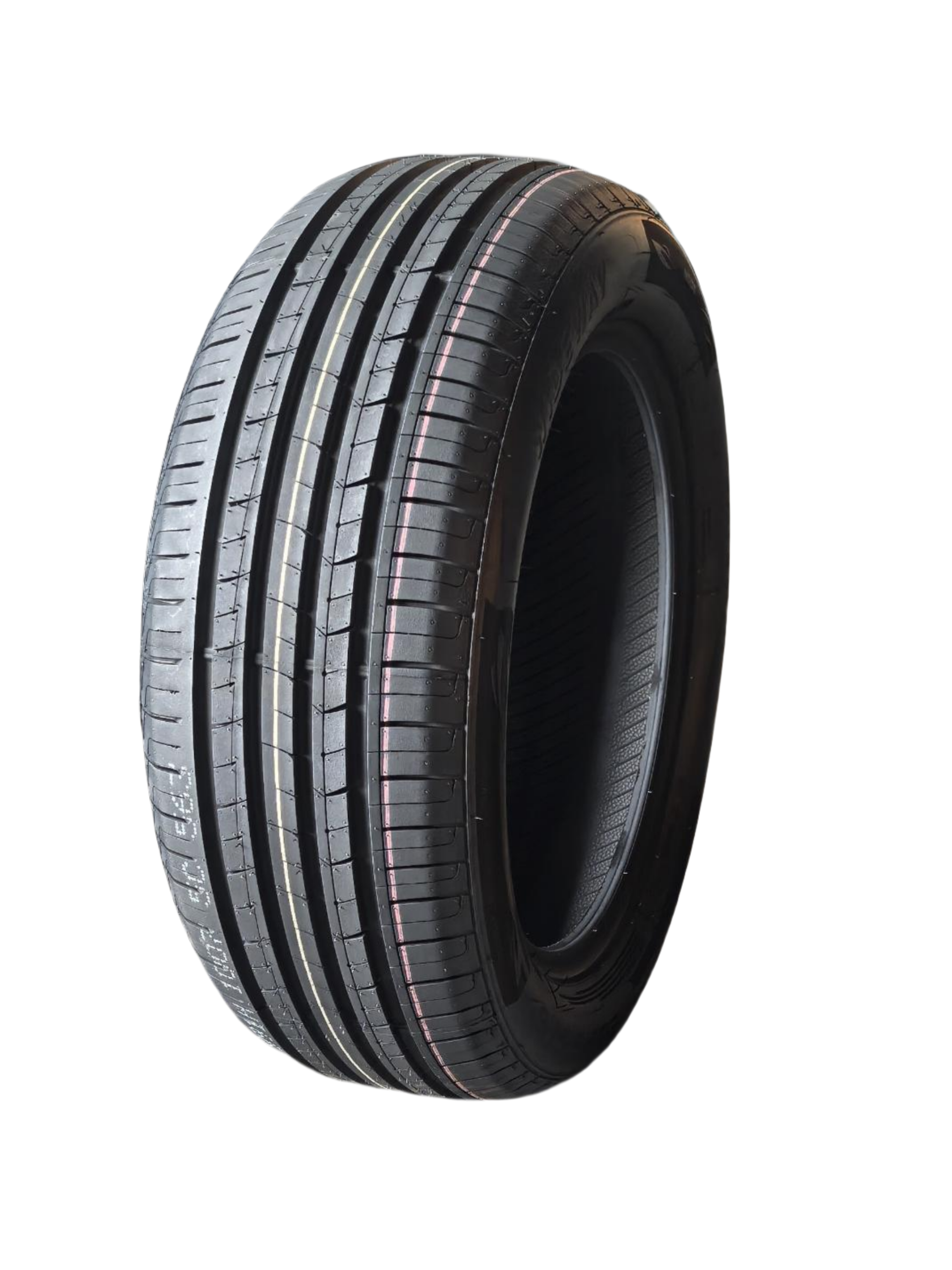
Frequently Asked Questions
Do the load index and speed rating fall under any tire regulation?
They sit inside a regulated framework even though they are not the only regulated characteristics. UN Regulation No. 117 (ECE R117) sets limits for rolling resistance, wet grip and external rolling noise, and the EU applies mandatory labeling for those values on passenger car tires. Load index and speed rating remain part of the sidewall data a buyer reads alongside that labeling, and they must match the vehicle's required fitment. Buyers importing into the EU, or sourcing tires that will be resold there, should verify the regulatory label values and the load and speed markings as one package rather than separately.
Why do some tires carry two load index figures, such as 106/104 or 109/107?
A dual figure follows the standard industry convention for tires that can be mounted either singly or as a pair on the same axle: the first number applies to single fitment and the second to twin or dual fitment. In this range, dual load indices appear on commercial van and light-truck constructions — 106/104 on the 155R12C-to-235/65R16C van line and on the 185R14LT, 195R14LT and 195R15LT sizes, 104/102 on the 185/75R16C and 195/75R16C sizes, 109/107 on the 195/70R15C, 225/70R15C and 215/65R16C sizes, and 122/118 on the 7.00R16LT and 7.50R16LT sizes. Where a slash appears, both values should be checked against how the vehicle actually runs.
What do the C and LT suffixes mean in sizes like 185/75R16C and 155R12LT?
The suffix identifies the load-carrying role of the construction: C denotes a commercial or van-type fitment, and LT denotes a light-truck fitment. In practice the suffix travels with heavier-duty parameters. The 185/75R16C size carries load index 104/102 with speed rating R, a 184 mm section width and a 475 kPa maximum pressure. The 155R12LT size carries load index 88 with speed rating N at 450 kPa. The 185R14LT, 195R14LT and 195R15LT sizes carry 106/104 with speed rating Q at 450 kPa. A suffix should never be treated as cosmetic, because it signals a different duty cycle from a standard passenger car size.
What does the maximum pressure figure mean, and can a fleet simply inflate to it?
Maximum pressure is a ceiling, not a set point. It is the highest cold inflation pressure the tire is designed to accept while carrying its rated load — for example 300 kPa on the 195/65R15 and 205/55R16 fitments, 340 kPa on the 235/55ZR19 and 195/50R15-to-255/40R18 series, 420 kPa on the 5.50R13LT, 450 kPa on the 155R12LT, 145R12C and the 196–198 mm commercial van sizes, 475 kPa on the 184 mm 185/75R16C and 195/75R16C fitments and the 223 mm 195/70R15C, 225/70R15C and 215/65R16C sizes, 500 kPa on the 5.00R12 ULT, and 770 kPa on the 7.00R16LT and 7.50R16LT sizes. Normal operating pressure is set by the vehicle manufacturer for the actual axle load, and it stays at or below the sidewall ceiling.
How can a buyer confirm a load index and speed rating combination before placing an order?
Start from the vehicle requirement, then verify size marking, load index, speed rating, section width and maximum pressure as a single set, because changing one parameter usually changes the others. For the WIDEWAY, EVERLAND and V-RICH range, the full size and parameter list is documented in the product catalog, and a specification check or sample request can be handled directly by the export team at della@widewaytire.com or +86 18253208831 (WhatsApp: +86 18253208831).
Conclusion: Read the Set, Not the Number
Load index and speed rating are the two figures that convert a size marking into an actual capability statement. In the WIDEWAY, EVERLAND and V-RICH passenger car tire range, that statement runs from an 83 P small-format van fitment at 143 mm and 500 kPa, through 91 V family sizes at 201–214 mm and 300 kPa, 94 W and 103 W performance sizes at 225–233 mm and 340 kPa, 104/102 R and 106/104 R commercial van fitments at 184–198 mm and 450–475 kPa, up to 122/118 L at 215 mm and 770 kPa.
Each of those combinations serves a specific vehicle class, and none of them is interchangeable with another. The reliable checking sequence is always the same: confirm the size and suffix, read the load index as a code including any dual value, read the speed rating as a category rather than an upgrade, verify section width against fitment, and treat maximum pressure as a ceiling. That sequence is what prevents an under-specified or over-specified tire from entering a fleet or a retail shelf.
Next Step
Distributors and fleet buyers can review the complete passenger car tire size and parameter list in the EVERLAND catalog, then request a specification check or sample set for the exact load index and speed rating combination required.
Download the EVERLAND Catalog 2025 (PDF)
Shandong Wideway Tire Co., Ltd. (WIDEWAY · EVERLAND · V-RICH)
No.396, Emeishan Road, Huangdao District, Qingdao City, Shandong, China
Website: www.widewaytire.com
Email: della@widewaytire.com | Tel / WhatsApp: +86 18253208831
Have Questions or Need More Details?
Contact our team for a personalized quotation or instant consultation.
Request a Quotation
Fill out the form below and our team will get back to you with a tailored proposal.
WhatsApp Direct Chat
Prefer to chat in real-time? Message us on WhatsApp for instant assistance & quick answers.
- Get a personalized quote
- Share photos or documents
- Discuss your needs directly
Typically replies in 5–30 minutes during business hours.