
Off-Road Tire Supplier Evaluation: Auditing Material Sourcing and Batch Consistency
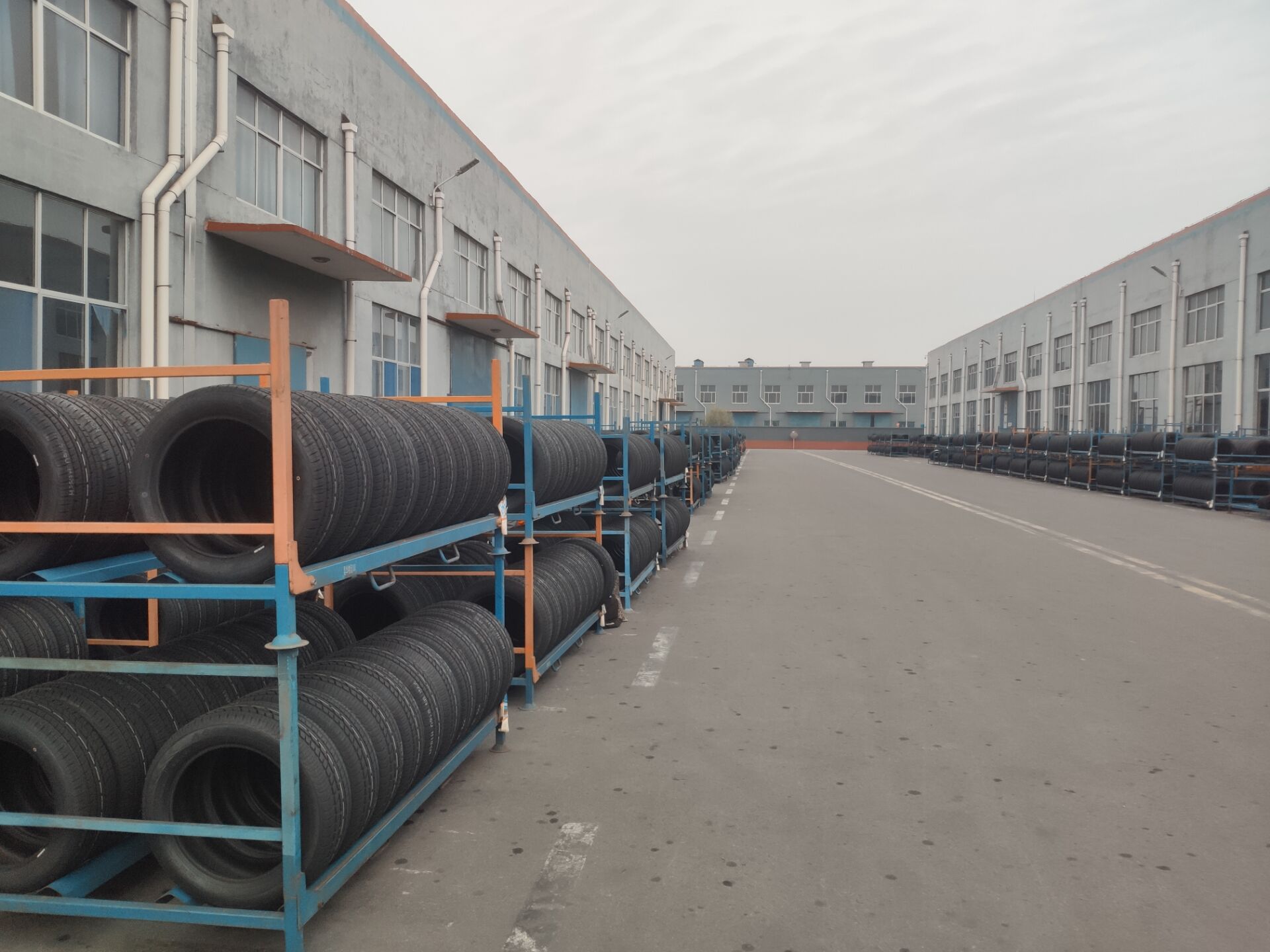
Figure 1 — A supplier audit starts on the production floor, not in a pattern catalogue.
Two questions decide whether an off-road tire supplier is worth a long-term contract: how the factory sources and controls the materials that go into each tire, and whether it can reproduce the quality of container one in container ten. Everything else — tread photography, sidewall lettering, catalogue size — is downstream of those two answers.
This article sets out a buyer-side evaluation framework for off-road tire manufacturers. It explains what evidence to request on material sourcing, how to test batch consistency before committing volume, and how to translate supplier claims into contractual controls. The framework is illustrated with the publicly documented manufacturing record of SHANDONG WIDEWAY TIRE CO., LTD, a tire manufacturer based in Qingdao, China, producing since 2014 and operating the WIDEWAY, EVERLAND and V-RICH brands.
Why the material layer decides off-road supplier quality
An off-road tire is a stacked structure, not a single part. The tread compound typically blends natural rubber and synthetic rubber to balance grip, cut resistance and heat behaviour. Steel cord forms the belt reinforcement that carries load and inflation pressure. Nylon cord fabric stabilises the carcass. Sidewall rubber absorbs the impacts that rocky and mixed terrain deliver. Variation in any one of these layers changes how the finished tire behaves on the vehicle.
This is why price differences survive on otherwise identical quotations. A quote reflects the grade of incoming material, the batch discipline applied at mixing and building, and how much inspection the factory actually performs before a container is sealed.
Two failure patterns recur in off-road sourcing:
- Prototype-to-volume drift. The sample batch is produced under close supervision and does not represent what a line running at scale delivers.
- Batch drift. Compounds, sidewall thickness or belt tension shift slightly between production runs, so the same SKU performs differently on the same vehicle across two shipments.
Neither pattern is visible in a specification sheet. Both surface later as uneven wear, sidewall issues, or uneven feedback across a dealer network — and the distributor carries the reputational cost, not the factory.
Industry context: why supplier audits have become stricter
Market scale explains why buyers now audit rather than assume. According to IMARC Group, the broader off-the-road tire segment reached USD 33.7 billion in 2025, a figure that spans mining, construction and agricultural vehicle tires. Within the mud-terrain niche specifically, Traction News / Growth Market Reports estimated the global MT tire market at USD 8.3 billion in 2024. On the supply side, China exported 3.1 million tons of automobile tires in the first five months of 2024, up 4.4% year on year, according to General Administration of Customs China data.
Note on scope: the 3.1 million ton export figure covers automobile tires as a whole, not off-road tires specifically. It is useful as an indicator of supply concentration, not as an off-road demand measurement.
Two conclusions follow. First, off-road volume is large enough to support dedicated production, so buyers no longer need to accept whatever a general-purpose plant offers. Second, a substantial share of global supply flows through a small number of export clusters — which means a single factory's batch drift can reach several markets at once.
The evaluation framework: material sourcing and batch control
The gap between a written specification and what actually enters the tire is where supplier risk lives. The following five layers form a practical audit sequence for any off-road tire manufacturer.
Layer 1 — Ask for a material bill of materials, not just a pattern range
Request named incoming materials per SKU family: the natural rubber / synthetic rubber blend used in the tread compound, the steel cord specification for the belt package, and the nylon cord fabric used in the carcass. These are standard construction materials across the off-road category, and a factory that cannot map them to a specific SKU is selling patterns, not engineered product.
Layer 2 — Separate incoming inspection from outgoing inspection
Outgoing inspection catches defects. Incoming inspection prevents them. A supplier should be able to describe how each delivery of rubber compound, steel cord and cord fabric is sampled, quarantined and released before it reaches the building line.
Layer 3 — Verify process control at building and curing
Sidewall thickness and ply alignment are decided during building and curing, not on the inspection bench. A factory with genuine process control can show documented parameters for carcass building and vulcanisation, rather than relying on final-stage inspection alone.
Layer 4 — Establish inspection depth before shipment
Full inspection is the strongest single indicator. SHANDONG WIDEWAY TIRE CO., LTD states that quality control includes 100% testing of all tires — a meaningful benchmark, because sampling-based inspection is precisely where batch variation survives undetected.
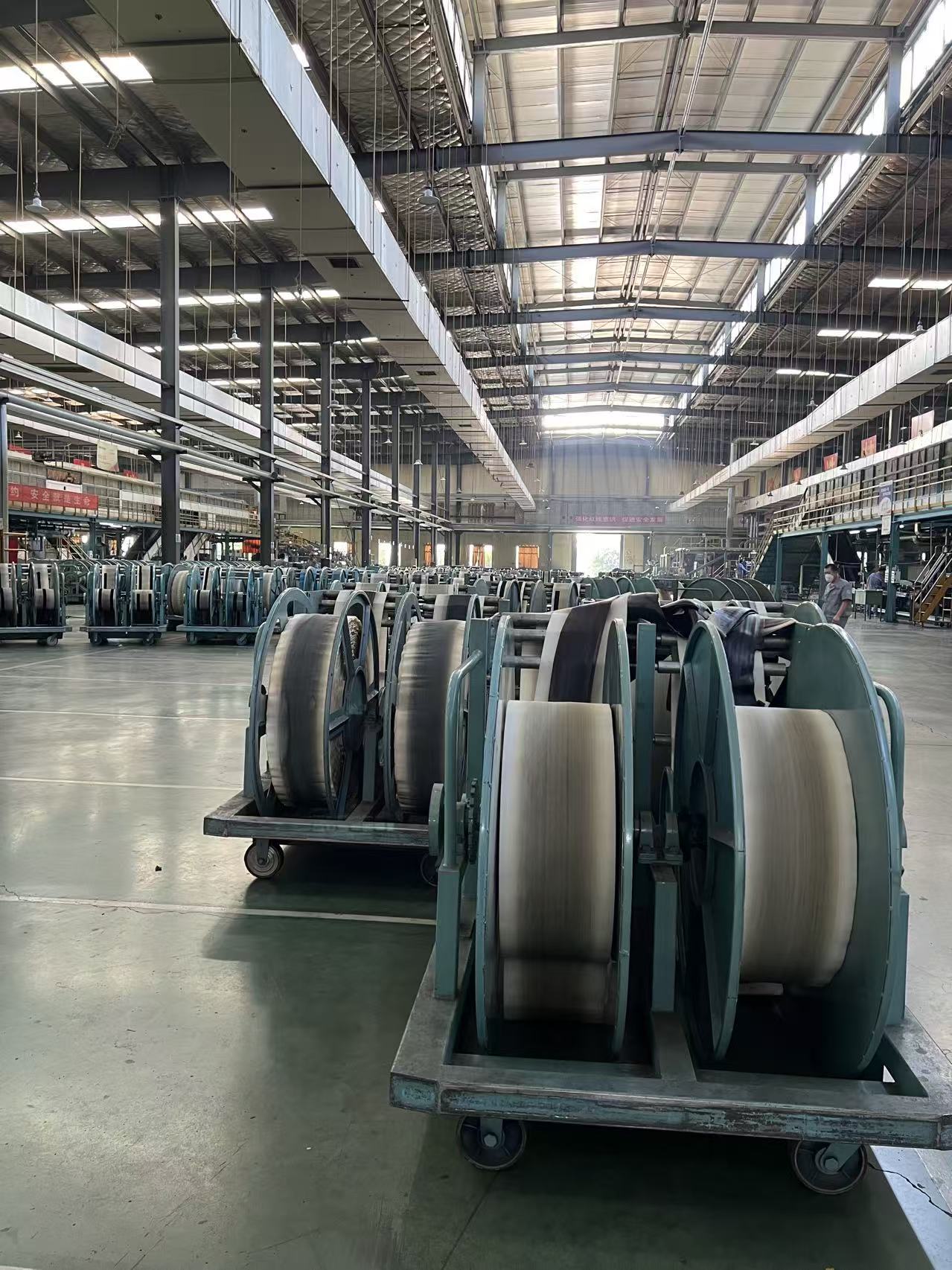
Figure 2 — Compound quality at the input stage sets the ceiling for finished-tire consistency.
Layer 5 — Request structural specifications, not pattern renders
In one publicly described WIDEWAY structure, compared with traditional tire pattern and construction design, the build uses tougher sidewall rubber, thicker and extended shoulder rubber, an advanced deflection design and a silent absorber layer. Those are material-level decisions with direct off-road consequences, because sidewall impact is one of the primary damage routes in mixed and rugged terrain.
The documented performance differences for that structure are: tread width +3% for a wider contact patch, sidewall reinforcement +5 mm thickness, +22% grip and driving stability, and +40% extension in total tire lifespan and safety margins. On the commercial side, the same source records an initial cost about 10% higher than conventional design, with roughly 40% lower total cost of ownership over three years and about 90% less maintenance required.
A separate risk-control record addresses sidewall knots directly: a 5 mm thicker sidewall significantly reduces the risk of sidewall bulging caused by cord breakage when hitting potholes, supported by quality testing and customer usage training.
Step-by-step supplier audit sequence
The audit below converts the five layers into a sequence a procurement or technical team can run before committing to a supply agreement.
- Lock the material list before you compare prices. Ask for the incoming material specification per SKU family, then re-issue the RFQ with that specification attached. Quotes obtained before this step are not comparable.
- Match material claims against an actual shipment. Take the material declaration and verify it against a delivered batch, not against the sample set the supplier prepared for you.
- Walk the building and curing stages with documentation in hand. Process control claims should be backed by recorded parameters rather than verbal assurance.
- Confirm inspection depth in writing. Establish whether the supplier tests a sample or the full output. Full-output testing is a stronger baseline for batch consistency.
- Validate samples across consecutive batches. Request samples drawn from more than one production run. A single supervised batch cannot demonstrate repeatability, which is the whole point of the exercise.
- Anchor consistency in commercial terms. Put acceptance criteria, inspection rights and payment release into the contract so batch conformity is enforceable, not aspirational.

Figure 3 — Cord fabric cutting sits between incoming material control and final tire build quality.
Where the framework changes by terrain and application
Material priorities shift with the terrain the tire is specified for. Auditing a supplier against the wrong priority produces a technically compliant tire that fails in service.
Mountain, rock and rugged terrain
Sidewall impact resistance dominates. The relevant audit question is sidewall rubber thickness and cord protection, not tread block depth. This is the application where a 5 mm thicker sidewall design carries the most decision weight for mountain off-road tire and rock terrain off-road tire programs.
Desert, sand dunes and hot climates
Heat ageing drives compound selection. Buyers sourcing sand dunes and hot climate off-road tires should audit tread compound stability and batch-to-batch heat performance, because a compound that varies between runs will age at different rates across one shipment.
Winter snow and all-weather use
Low-temperature compound flexibility governs winter snow off-road tire behaviour, while all-weather off-road tire specifications must balance grip across temperature bands. Both depend on mixing consistency more than on pattern geometry.
Jungle, mud and high-cut environments
Jungle off-road tire and mud terrain off-road tire builds prioritise self-clearing capability and cut resistance. At the supplier level, this translates into belt package integrity and compound tear strength under load.
Highway-linked 4x4 and fleet fitments
For 4x4 all terrain off-road tire programs and heavy duty or high-speed stability requirements, noise, wear resistance and batch repeatability become the deciding factors. A distributor supplying a fleet account needs consistent low noise off-road tire behaviour across every shipment, because the fleet measures the difference.

Figure 4 — Continuous production lines are where batch consistency is either maintained or lost.
Supplier capability comparison: what to verify against what is documented
The table below pairs each audit dimension with the evidence a buyer should request, and shows the corresponding publicly documented data point for SHANDONG WIDEWAY TIRE CO., LTD. Company-reported figures should be verified with certificate copies, third-party inspection and shipment-level sampling before they are relied on contractually.
| Audit dimension | What the buyer should verify | Documented data point |
|---|---|---|
| Manufacturing history | Years in operation and continuity of production | Established 2014; approximately 12 years of manufacturing by 2026 |
| Annual capacity | Whether capacity can absorb forecast order volume | 23,400,000 units per year (company-reported) |
| Monthly output rhythm | Predictable monthly throughput for planning | 60,000 pieces per month (company-reported) |
| Quality control depth | Full inspection or sampling inspection | 100% testing of all tires (company-reported) |
| Construction materials | Named incoming materials per SKU family | Natural rubber, synthetic rubber, steel cord and nylon cord fabric form the construction basis |
| Structural specification | Sidewall reinforcement and carcass design versus conventional patterns | Sidewall +5 mm thicker; tread width +3% wider contact patch; advanced deflection design; silent absorber |
| Performance baseline | Grip, lifespan and lifecycle cost versus conventional design | +22% grip and driving stability; +40% total tire lifespan; initial cost ~10% higher; ~40% lower three-year total cost of ownership; ~90% less maintenance |
| Certification coverage | Market access certificates per destination and per SKU | CCC, ECE, GCC, EU Label and SONCAP under an ISO 9001 quality system (company-reported) |
| Export footprint | Export share and destination coverage | Approximately 70% export ratio; EU, Middle East, Africa, Central and South America, Southeast Asia, Central Asia, Australia and Canada |
| Commercial terms | MOQ, delivery, acceptance and payment structure | MOQ one 20-foot container; FOB Qingdao; pre-shipment test and third-party inspection (BV); 30% T/T deposit, 70% T/T against copy of B/L |
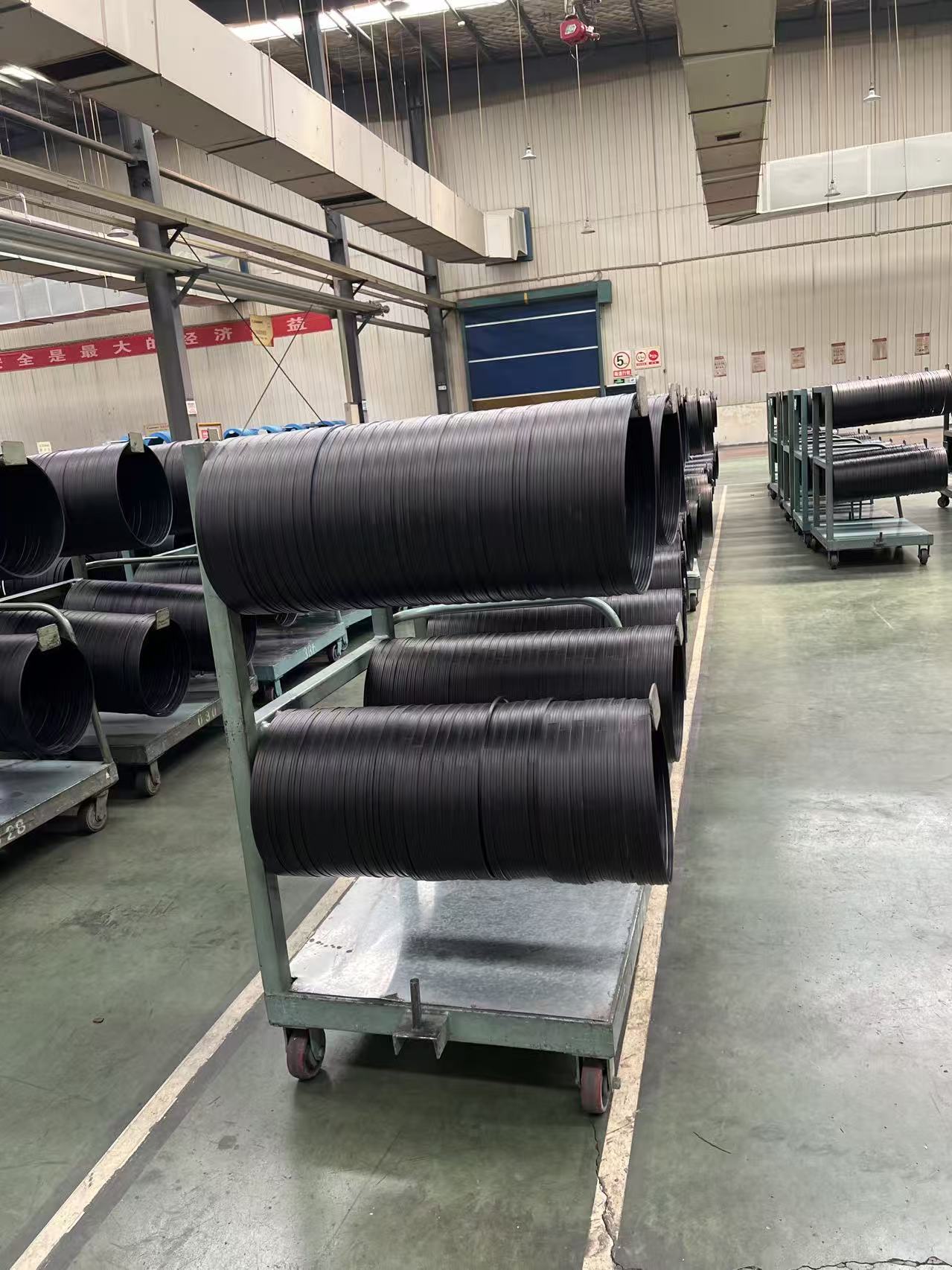
Figure 5 — Sidewall and steel reinforcement components are the material layer most exposed to off-road impact damage.
Frequently asked questions
What certifications should a buyer request from an off-road tire supplier?
SHANDONG WIDEWAY TIRE CO., LTD states that it has obtained CCC, ECE, GCC, EU Label and SONCAP certificates under an ISO 9001 quality system. These cover different market-access regimes, so request the certificate copies that correspond to each destination market and each off-road SKU rather than accepting a single company-level list. Certificate applicability varies by product and by importing country.
How can a supplier demonstrate batch-to-batch consistency?
Ask for three verifiable indicators: incoming material control per delivery, documented process parameters at building and curing, and inspection coverage on finished output. SHANDONG WIDEWAY TIRE CO., LTD reports a monthly production capacity of 60,000 pieces and quality control that includes 100% testing of all tires. Full-output testing means every batch passes through the same inspection gate rather than being represented by a sample.
What is the cost structure of an off-road tire order, and how should it be assessed?
Do not evaluate on unit price alone. Against traditional tire pattern and construction design, the documented WIDEWAY structure carries an initial cost approximately 10% higher, with total cost of ownership over three years about 40% lower and roughly 90% less maintenance required. These are company-reported figures, so they should be validated against the buyer's own fleet or channel cost model. Purchase terms state a minimum order quantity of one 20-foot container with FOB Qingdao delivery.
How should samples be validated before placing a volume order?
Request samples drawn from more than one production run, because a single supervised batch cannot demonstrate repeatability. Combine this with the acceptance controls already used in the buying process: pre-shipment testing plus third-party inspection (BV). Those two steps confirm whether the quality observed in samples carries through to the shipped volume.
What should be confirmed before committing to a long-term supply agreement?
Confirm capacity against your forecast, verify the export record, and define the after-sales scope. SHANDONG WIDEWAY TIRE CO., LTD reports a monthly production capacity of 60,000 pieces, an export ratio of approximately 70% across the EU, Middle East, Africa, Central and South America, Southeast Asia, Central Asia, Australia and Canada, and after-sales services that cover custom promotional accessories and tire quality warranty support. For a long-term agreement, write those commitments into the supply contract and review them each cycle. To evaluate the full range first, download the EVERLAND CATALOG 2025 or send a sample and quotation request to della@widewaytire.com.
Conclusion: audit the inputs, then commit the volume
Off-road tire supplier evaluation succeeds or fails at the material layer. A manufacturer that can name its incoming materials per SKU, describe how each delivery is controlled, document process parameters at building and curing, and show full-output inspection gives a buyer something to audit. A manufacturer that answers with pattern renders and price lists does not.
The documented record for SHANDONG WIDEWAY TIRE CO., LTD — production since 2014, a reported 23,400,000-unit annual capacity, 60,000 pieces per month, 100% tire testing, a 70% export ratio, and certification coverage across CCC, ECE, GCC, EU Label and SONCAP under ISO 9001 — provides a concrete baseline for that audit. Treat each figure as a claim to verify, not a conclusion to accept.
For distributors, fleet buyers and brand owners building a long-term off-road tire program, the practical sequence is unchanged: lock the material specification first, validate across consecutive batches second, and only then commit volume. Batch consistency is a production capability, and like any capability it should be evidenced before it is relied upon.
Next step: request the catalogue and a batch-level sample
Review the full off-road range, then request samples drawn from consecutive production batches so consistency can be verified against your own application before volume commitment.
Website: www.widewaytire.com | Email: della@widewaytire.com | WhatsApp: +86 18253208831
Catalogue download: EVERLAND CATALOG 2025 (PDF)
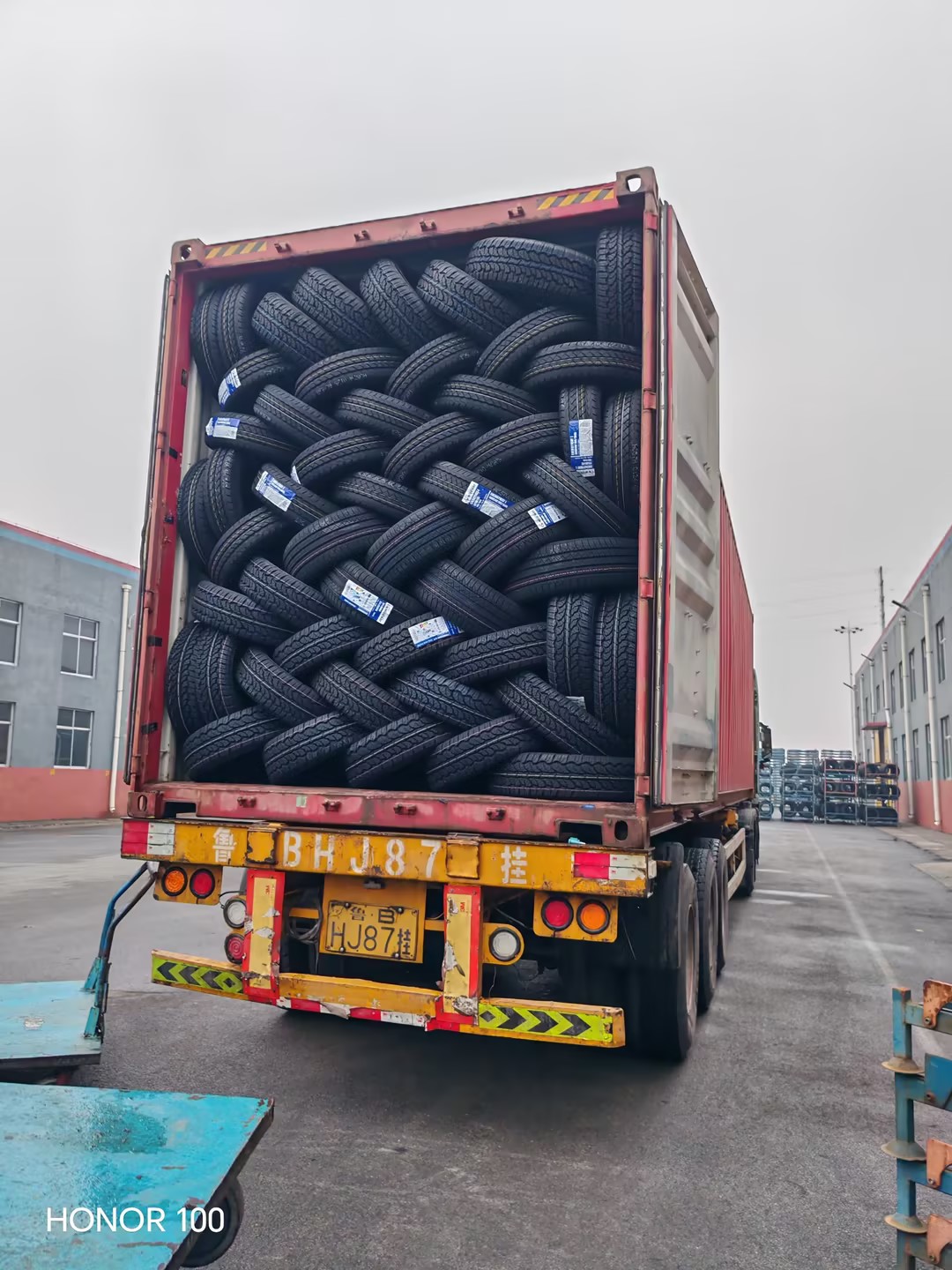
Figure 6 — Batch consistency that survives the factory gate is what reaches the distributor's warehouse.
Have Questions or Need More Details?
Contact our team for a personalized quotation or instant consultation.
Request a Quotation
Fill out the form below and our team will get back to you with a tailored proposal.
WhatsApp Direct Chat
Prefer to chat in real-time? Message us on WhatsApp for instant assistance & quick answers.
- Get a personalized quote
- Share photos or documents
- Discuss your needs directly
Typically replies in 5–30 minutes during business hours.