
Passenger Car Tire Load Index for Commercial Vans: The 106/104 Compliance Guide
A Commercial Van Passenger Car Tire has to carry a load index that matches the van's real laden weight — not the weight of a passenger car. For many vans in daily commercial service, that means a load index of 106/104 combined with a maximum inflation pressure rating of 450 KPA or 475 KPA, because a tire's load-carrying capacity is tied to the pressure it is approved to hold. Reading those two sidewall markings correctly is what separates a compliant commercial van fitment from one that can be questioned at inspection.
This guide is written for importers, distributors and fleet buyers who specify Commercial Van Passenger Car Tires and need to defend their specification. It explains how load index and maximum pressure ratings interact inside the international standards that define tire markings, why the 155R12C and SMARTWAY II models are positioned as commercial van products, and how to verify a specification before a container order is confirmed.
The Problem: When a Passenger Car Load Index Is Not Enough
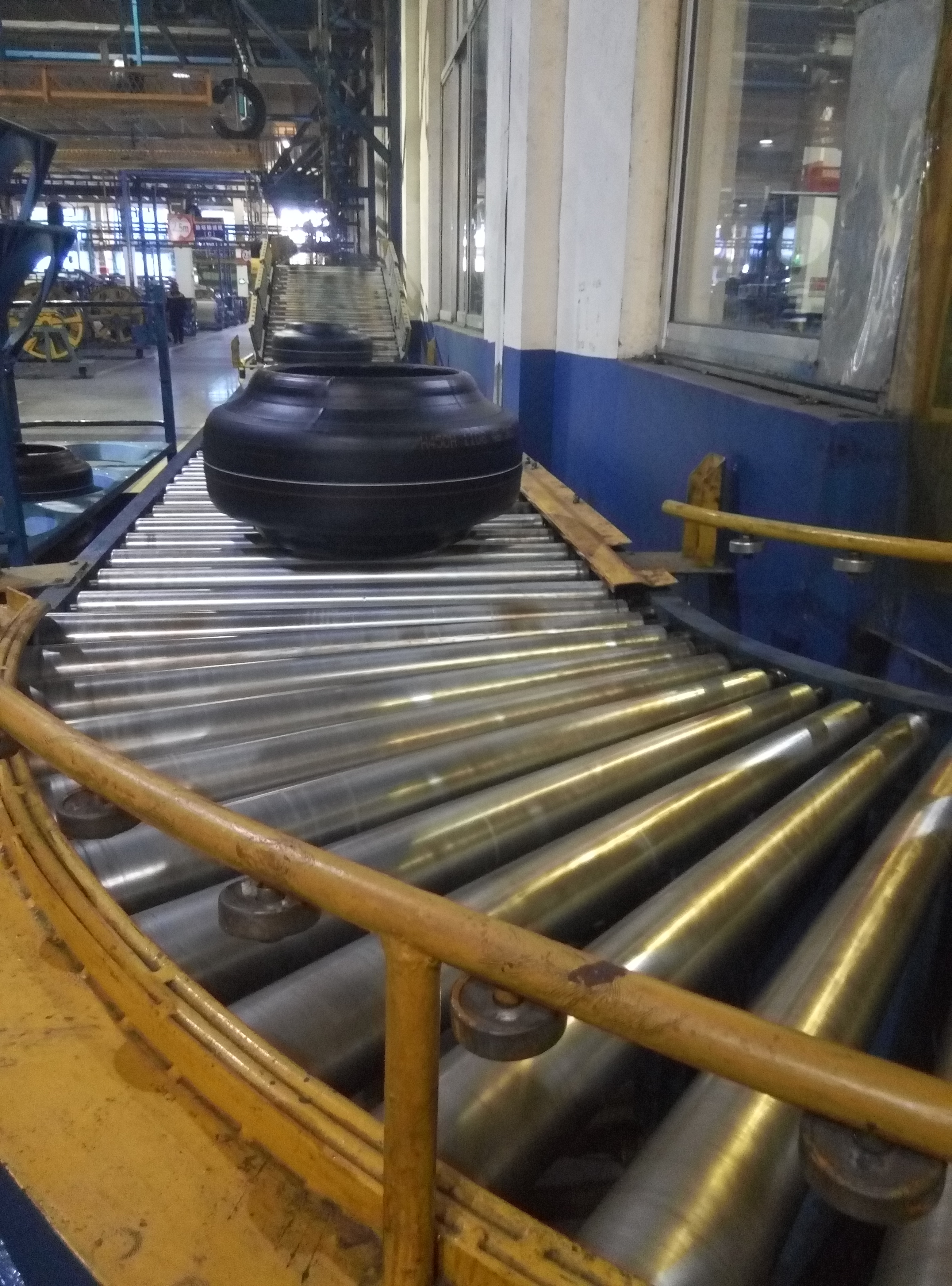
A passenger car tire is engineered around passenger car loads. A commercial van is a different duty cycle. Even a modest van loaded with tools, parcels, catering equipment or spare parts can push its rear axle well beyond the load range a standard passenger car tire was designed to serve. When the fitted tire's load index falls below what the axle actually carries, three problems surface at the same time.
- Compliance and market access. Load-index and pressure markings form part of the documented specification a tire is approved against. A tire that cannot be shown to meet a vehicle's axle load requirement creates an unresolved compliance question for the operator, the fleet and the distributor who supplied it.
- Safety margin. An overloaded tire flexes more than its construction was designed for. Extra flexing generates heat and concentrates stress in the sidewall, which is where most van tire failures begin.
- Operating cost. A tire running outside its rated load and pressure envelope wears faster and reaches replacement sooner, raising the real cost per kilometre even when the purchase price looked lower.
The practical response is not to accept a higher failure rate. It is to fit a tire whose classification matches the work. A Commercial Van Passenger Car Tire is built with a reinforced carcass and sidewall so that a higher load index — such as 106/104 — can be declared for a size that a standard passenger tire would carry at a lower rating.
Industry Background: The Standards That Define Load Ratings
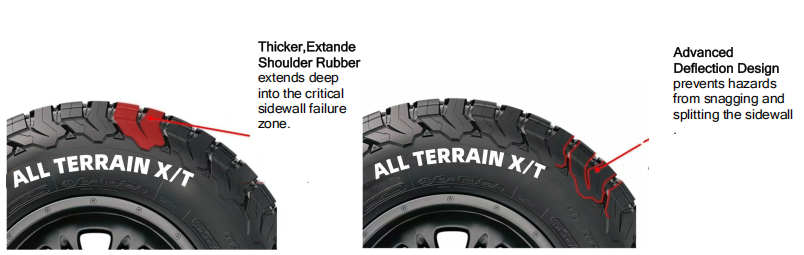
Load index is not a marketing term, and it is not set by the seller. It is defined inside a framework of international standards and regulations that describe how a tire is designated, dimensioned and tested.
- The ETRTO Standards Manual provides the reference standards for tyre and rim dimensions and designations used widely by European and international passenger car tyre manufacturers.
- ISO 4000-1 specifies the designation, dimensions and load ratings of metric-series passenger car tyres — the technical basis on which a load index such as 106/104 is expressed.
- UN Regulation No. 30 establishes uniform provisions for the approval of pneumatic tyres for motor vehicles and their trailers, and forms the basis for ECE type-approval of passenger car tyres.
- UN Regulation No. 117 covers tyre rolling sound emissions, adhesion on wet surfaces and rolling resistance.
- In the European Union, Regulation (EU) 2020/740 is the current tyre labelling regulation, having repealed and replaced Regulation (EC) No 1222/2009.
- In the United States, FMVSS No. 139 prescribes performance and marking requirements for new pneumatic radial tires for light vehicles, while the UTQG system grades tyres for treadwear, traction and temperature resistance.
- In China, GB 9743 is the mandatory national standard for passenger car tyres.
What these references share is that they describe how a load rating, a pressure marking and a performance class are declared and verified. They do not replace the load/inflation table — they make it enforceable. That distinction matters at the decision stage: a buyer is not choosing a label, but a construction that has to survive a documented load check.
Shandong Wideway Tire Co., Ltd. operates inside this framework. Founded in 2014, the manufacturer designs and supplies radial tires across passenger car, SUV, van and light truck categories, reports an annual production capacity of 12 million PCR units, and exports roughly 70% of its output to markets including Central and South America, Canada, the EU, Africa, the Middle East, Southeast Asia, Central Asia and Australia. Its products carry ECE, DOT, GCC and REACH certification. The company is based at No.396, Emeishan Road, HuangDao District, Qingdao City, Shandong, China, and markets tires under the WIDEWAY, EVERLAND and V-RICH brands.
How Wideway Commercial Van Passenger Car Tires Address Load Index Compliance
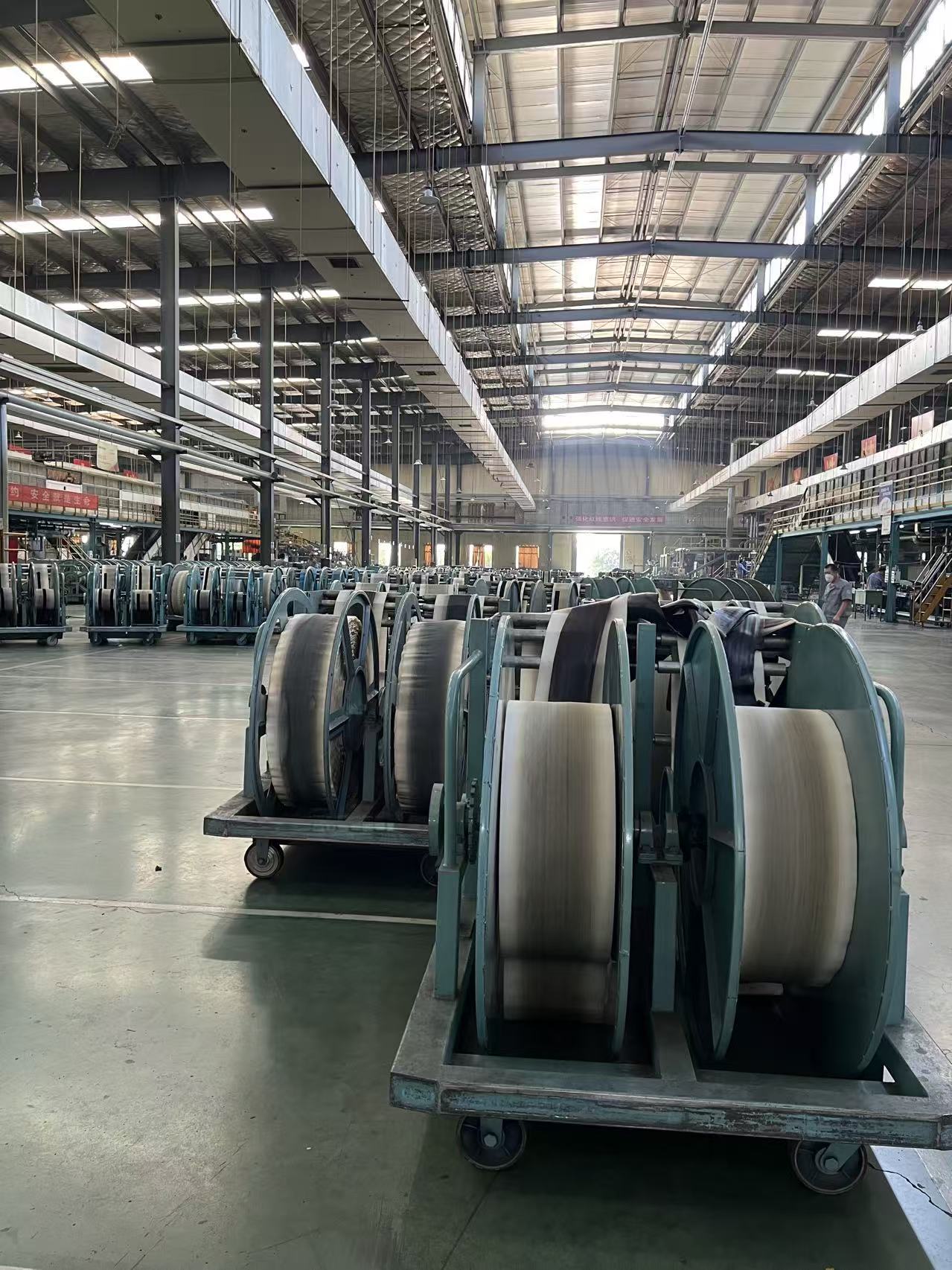
The difference between a standard passenger car tire and a Commercial Van Passenger Car Tire is structural, and it is measurable. Compared with a traditional tire pattern and construction design, the reinforced van construction uses tougher sidewall rubber, a thicker and extended shoulder rubber, an advanced deflection design and a silent absorber.
- Tread width: a 3% wider contact patch for enhanced road contact.
- Sidewall reinforcement: 5 mm additional thickness for maximum impact and blowout resistance.
- Handling and safety: a 22% increase in grip and driving stability.
- Durability: a 40% extension in total tire lifespan and safety margins.
Those figures matter to load index compliance because a load index is only a promise until the construction can hold it. A higher declared load rating is meaningless if the sidewall cannot resist the deflection that a fully loaded van produces on real roads.
Sidewall damage is the leading reason a van tire loses its declared load capacity in service. Wideway addresses this directly with a 5 mm thicker sidewall, which significantly reduces the risk of sidewall bulging caused by cord breakage when a vehicle hits a pothole. The manufacturer supports that construction with quality testing and customer usage training, so that the fitted specification is also used correctly.
Why the Maximum Pressure Rating Is Read Together With the Load Index
The maximum inflation pressure marking is not a target pressure; it is the ceiling the tire is built to withstand. A specification rated to 475 KPA has a higher pressure ceiling than one rated to 450 KPA, and heavier axle loads have to be carried at higher inflation pressures. That is why the two markings are always read as a pair: a load index only delivers its rated capacity when the tire is inflated toward the pressure its construction was designed for.
A 475 KPA-rated specification gives a van operator headroom to run the higher inflation pressures that fully loaded commercial duty demands. A 450 KPA rating suits lighter commercial van service where loads are more moderate. Neither rating is automatically “better” — the correct one is the one that matches the vehicle's real axle load and its load/inflation table.
This is exactly where the 155R12C and SMARTWAY II sit. Both are classified as Commercial Van Passenger Car Tires — the category in which load index markings such as 106/104 and maximum pressure ratings of 450 KPA or 475 KPA appear. For a distributor, that classification is the signal that the tire was specified for cargo-carrying duty rather than for a passenger sedan.
Step-by-Step: Verifying Load Index Compliance for a Van Fleet
- Establish the real axle load. Read the van's maximum permissible axle loads from the vehicle data plate or registration documents, then add the weight of any permanent fit-out — racking, refrigeration, tanks or tooling.
- Convert the load requirement into a load index. Use the load/inflation table published for the tire size in question. This is the step where a load index such as 106/104 is derived, and it is the step that is defined under ETRTO and ISO 4000-1 rather than by the seller.
- Read the designation, not just the size. A reinforced commercial construction is visible in the designation itself — in the case of a size such as 155R12C, in the commercial “C” marking and the paired load index.
- Match the maximum pressure rating. Compare the inflation pressure needed to carry the load against the tire's maximum pressure marking. A 450 KPA rating and a 475 KPA rating are not interchangeable at the top end of the load range.
- Confirm the certification chain. Wideway products carry ECE, DOT, GCC and REACH certification, which is the documentary layer a distributor needs when a buyer asks how the specification was approved.
- Validate with a sample before fleet-wide fitment. Confirm load index, pressure rating and sidewall behaviour on the actual van models being supplied before committing to a full order.
Use Cases: Where Load Index 106/104 Matters Most
Urban delivery and last-mile fleets
Stop-start routes, kerb strikes and potholes concentrate stress on the sidewall. This is the environment where a 5 mm thicker sidewall and a higher load index earn their place, because the failure mode is not tread wear but sidewall damage.
Mixed urban and highway commercial vans
Vans that run partly at sustained highway speed while still fully loaded generate more heat in the tire. Running the correct load index at the correct pressure keeps the tire inside the envelope its construction was designed for.
Trades and service vehicles
Tooling and equipment create heavy, concentrated rear-axle loads. A passenger car load index understates that requirement, which is why commercial van specifications such as the 155R12C and SMARTWAY II are used where the payload is the point of the vehicle.
Comparison: Reinforced Van Construction vs Traditional Pattern and Construction
| Specification | Reinforced Commercial Van Construction | Traditional Pattern and Construction |
|---|---|---|
| Tread width / contact patch | 3% wider contact patch for enhanced road contact | Baseline design |
| Sidewall thickness | 5 mm thicker, with extended shoulder rubber | Baseline design |
| Handling and driving stability | 22% increase in grip and stability | Baseline design |
| Total tire lifespan | 40% extension in lifespan and safety margins | Baseline design |
| Maintenance requirement | 90% less maintenance required | Baseline design |
| Initial cost | 10% higher | Baseline price |
| Total cost of ownership (3 years) | 40% lower | Baseline cost |
Figures describe the reinforced commercial van construction compared with a traditional tire pattern and construction design, based on manufacturer performance data. Suitability for a specific vehicle still depends on matching the load index and pressure rating to that vehicle's axle loads.
Frequently Asked Questions
1. Does a commercial van need a higher load index than a passenger car?
In most commercial duty, yes. The load index is a code for the maximum load a tire is rated to carry, and it is defined under references such as the ETRTO Standards Manual and ISO 4000-1. Because a van's laden axle load is higher than a passenger car's, the tire it runs must be rated for that load. That is why a Commercial Van Passenger Car Tire such as the 155R12C or SMARTWAY II is specified with a load index marking like 106/104 rather than a lower passenger car rating.
2. What does the 450 KPA versus 475 KPA marking actually change?
The marking is the tire's maximum inflation pressure — the ceiling it is built to withstand, not a target pressure. A higher ceiling matters because heavier axle loads are carried at higher inflation pressures. A specification rated to 475 KPA therefore gives more headroom to run the higher pressures that fully loaded commercial duty requires, while a 450 KPA rating suits lighter van service. The pressure marking and the load index must be read together: a load index only delivers its rated capacity when the tire is inflated toward the pressure its construction was designed for.
3. Why does a reinforced commercial van tire cost more up front but less over three years?
Compared with a traditional tire pattern and construction design, the reinforced construction carries an initial cost around 10% higher. That premium is offset by measurable operating performance: a 40% lower total cost of ownership over three years, a 40% extension in total tire lifespan, and 90% less maintenance required. For a fleet, the decision metric is cost per kilometre rather than purchase price alone.
4. Can a distributor test the 155R12C and SMARTWAY II before ordering?
Sampling is the practical way to confirm that a load index and pressure specification suits a particular van model. Distributors evaluating the Commercial Van Passenger Car Tire range can request samples so that the 106/104 load index marking, the 450 KPA or 475 KPA pressure rating and the reinforced sidewall behaviour are validated against the vehicles they actually supply, before any volume commitment is made.
5. How do we confirm fitment and start an order?
Start from the vehicle data — maximum laden axle loads and the tire sizes currently fitted — and match them to the load/inflation table for the size. Wideway can then confirm which Commercial Van Passenger Car Tire specification fits, provide the supporting certification documents, and quote on the required volumes. For specifications, pricing and sample requests, contact the export team at della@widewaytire.com or WhatsApp +86 18253208831.
Conclusion: Load Index Is a Specification, Not a Suggestion
For commercial vans, the load index and the maximum pressure rating on the sidewall are the two numbers that decide whether a tire is suited to the job. A load index of 106/104 and a pressure rating of 450 KPA or 475 KPA are not aggressive specifications — they are what heavier, fully loaded commercial duty requires once the load/inflation logic defined under ETRTO and ISO 4000-1 is applied to a van's real axle weights.
Wideway builds that requirement into its Commercial Van Passenger Car Tire range, including the 155R12C and SMARTWAY II, using a reinforced construction with a 5 mm thicker sidewall, a wider contact patch, a 22% gain in grip and stability, and a 40% longer service life than a traditional pattern and construction design. Combined with ECE, DOT, GCC and REACH certification and a 40% lower total cost of ownership over three years, that gives distributors a load-index specification they can defend at inspection and price against total cost of operation.
Specify a Compliant Commercial Van Tire
Request samples, a quotation or the full catalogue for the WIDEWAY, EVERLAND and V-RICH Commercial Van Passenger Car Tire range.
Email: della@widewaytire.com | WhatsApp / Tel: +86 18253208831
Website: www.widewaytire.com | Blog: blog.widewaytire.com
Have Questions or Need More Details?
Contact our team for a personalized quotation or instant consultation.
Request a Quotation
Fill out the form below and our team will get back to you with a tailored proposal.
WhatsApp Direct Chat
Prefer to chat in real-time? Message us on WhatsApp for instant assistance & quick answers.
- Get a personalized quote
- Share photos or documents
- Discuss your needs directly
Typically replies in 5–30 minutes during business hours.