
Passenger Car Tire Technical Guide: Decode Section Width, Load Index, Speed Rating & Pressure
Passenger Car Tire Technical Guide: Decode Section Width, Load Index, Speed Rating & Pressure
A passenger car tire size code is a compressed engineering decision. Read it correctly and a distributor quotes the right SKU the first time. Read it loosely and the same container arrives with tires that fit the rim but not the vehicle, the axle load or the road the vehicle will actually run on.
Four entries on the sidewall carry most of that risk: section width, load index, speed rating and maximum inflation pressure. Everything else — the construction letter, the commercial C suffix, a dual load index, the certification markings — is read through those four.
This guide decodes each parameter against published spec-sheet data, using three verified examples: 195/65R15 (load index 91, speed rating V, measured section width 201 mm, maximum pressure 300 kPa), 205/55R16 (load index 91, speed rating V, measured section width 214 mm) and the commercial van size 155R12C (load index 106/104, speed rating R, measured section width 196 mm, maximum pressure 450 kPa). It then maps those parameters to commercial van, urban road, all-season and high-speed projects, and explains what the compound and cord list behind the sidewall means for the claims a distributor can legitimately put in front of a fleet customer.
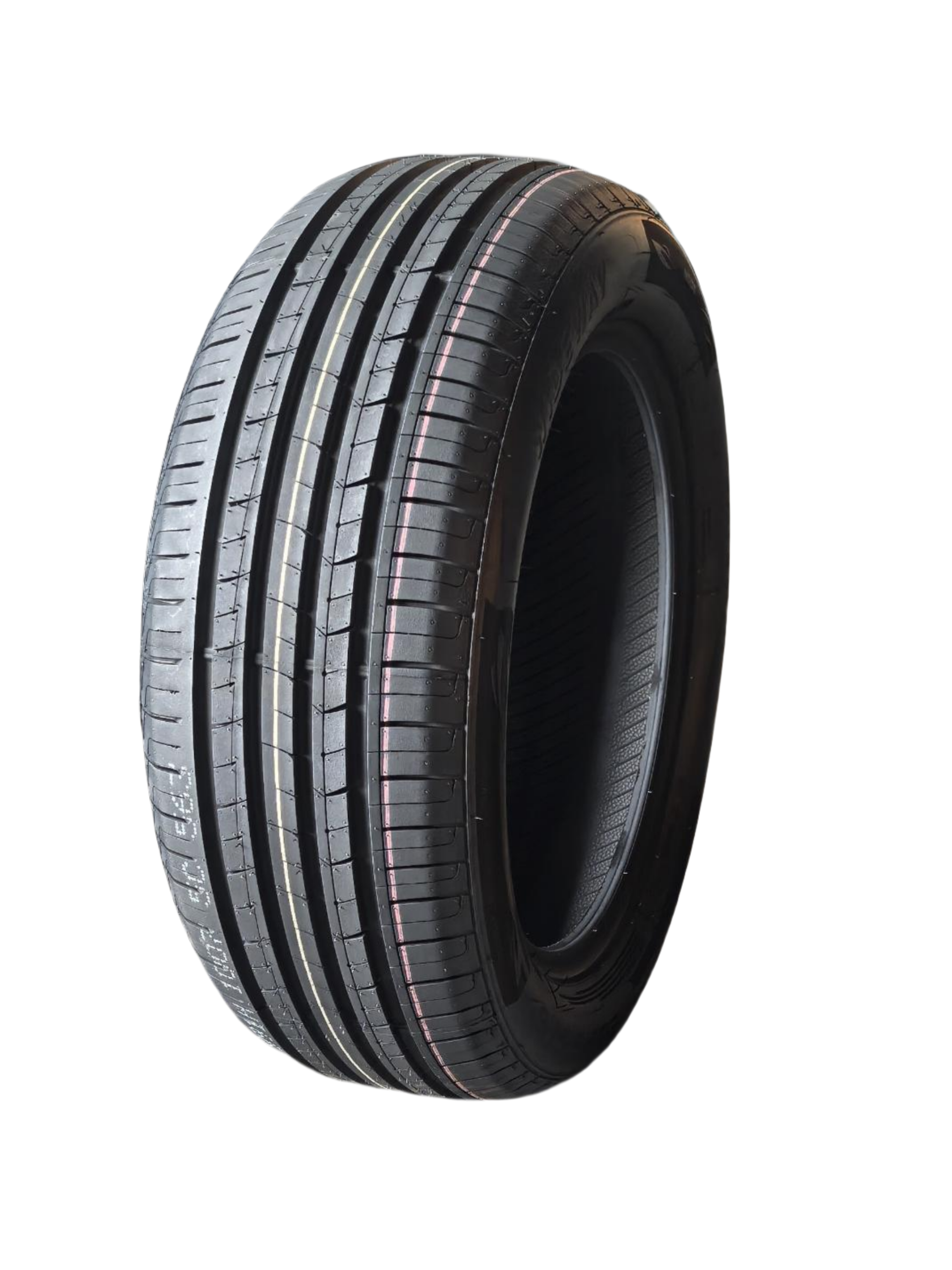
Cover image: SAFEWAY 195/65R15 — a nominal 195 mm section width measures 201 mm on the spec sheet, with load index 91, speed rating V and a maximum pressure of 300 kPa.
Why Passenger Car Tire Parameters Get Misread
Ordering errors in passenger car tires are rarely caused by missing data. They are caused by reading correct data at the wrong level: treating a nominal size as a measured dimension, a load index as a weight, a speed rating as a target speed, or a maximum pressure as a recommended pressure.
- Nominal versus measured section width. The first number in a size code is a designation, not a measurement. In the family that includes 195/65R15, the nominal width is 195 mm while the declared measured section width is 201 mm. The family that includes 205/55R16 is declared at 214 mm. Rim width, inflation and construction all influence the measured figure, which is why clearance and rim matching should be checked against the spec sheet rather than against the size name.
- A load index is a code, not a number of kilograms. The load index is a numerical code that corresponds to a maximum load per tire under the applicable standard. A buyer who reads 91 as 91 kg, or who assumes the number scales linearly with size, will mis-size a fleet.
- A dual load index means two ratings for one size. Commercial van sizes such as 155R12C are declared at 106/104, and heavy light-truck sizes such as 7.00R16LT at 122/118. Both values belong to the same tire; the applicable rating depends on the fitment configuration, and both must be checked against the axle load.
- Speed rating is limited by load. A letter such as Q, R, S, H, V or W defines the maximum speed at which the tire can carry its rated load. It is not an operating recommendation, and it cannot be re-rated independently of load.
- Maximum pressure is a ceiling, not a setting. The 300 kPa declared for the 195/65R15 family, or the 770 kPa declared for 7.00R16LT, is the maximum inflation pressure at the tire's maximum load. The correct cold inflation pressure for a given vehicle is set by the vehicle manufacturer, not by the tire sidewall.
The Standards Behind the Numbers
Passenger car tire parameters are defined by published standards, not by individual manufacturers. UN Regulation No. 30 establishes uniform provisions for the approval of pneumatic tyres for motor vehicles and their trailers under the UNECE 1958 Agreement, and it forms the basis of ECE type-approval for passenger car tires. UN Regulation No. 117 covers tyre approval with regard to rolling sound emissions, adhesion on wet surfaces and rolling resistance — the three parameters behind most modern low-noise, anti-slip and rolling-resistance claims. In the European Union, Regulation (EU) 2020/740 is the current tyre labelling regulation, and it repealed and replaced Regulation (EC) No 1222/2009. In the United States, FMVSS No. 139 sets performance and marking requirements for new pneumatic radial tires for light vehicles, while the NHTSA UTQG system grades treadwear, traction and temperature resistance. In China, GB 9743 is the mandatory national standard for passenger car tyres. Dimension and designation conventions are published in the ETRTO Standards Manual and in ISO 4000-1, which specifies designation, dimensions and load ratings of metric-series passenger car tyres.
Two market facts explain why parameter literacy has become a commercial skill rather than a technical footnote. First, passenger car tires are sold into both OEM fitment and aftermarket replacement, through offline retail networks and online channels, for internal combustion and electric vehicles alike. Second, electric vehicle demand within the segment is expanding faster than the segment as a whole: one commercial research estimate projects an 11.2% compound annual growth rate for the EV tire segment through 2033. Both trends push distributors toward parameter-matched ranges instead of single-size, single-application orders. Cross-border trade already reflects that scale — global tire imports under HS code 401110 reached 1,065.6 million units in 2024, according to trade-flow data compiled by Radial Insights.
The practical consequence for buyers is that the sidewall is checkable. A distributor can compare certificate, size and service description before the container leaves the factory, and can hold a supplier to a published standard rather than to a brochure.
Decoding the Four Parameters
1. Section width: the number that changes with the rim
Section width is the first element of a metric size code and is expressed in nominal millimetres — 195 in 195/65R15, 205 in 205/55R16. The measured section width on a spec sheet is the inflated dimension, and it does not always equal the nominal figure. In the Wideway family that includes 195/65R15, the declared measured section width is 201 mm; in the family that includes 205/55R16, it is 214 mm. The gap is not limited to small sizes: the 195/70R15C size sits in a family declared at a measured section width of 223 mm, while the smaller 155R12C van size is declared at 196 mm.
Section width is a fitment parameter rather than a performance parameter. It governs rim compatibility and clearance, and it determines how much of the contact patch the vehicle can use. When a distributor is asked to substitute a size, nominal and measured section width should be compared together, because a nominal match is not automatically a dimensional match.
2. Load index: single values and dual values
The load index appears after the construction letter. A single value, such as 91 on 195/65R15 and on 205/55R16, is a straightforward service description. A dual value, such as 106/104 on the commercial van size 155R12C or 122/118 on 7.00R16LT, indicates that one tire carries two load ratings; the applicable value depends on the fitment configuration and must be matched to the vehicle's axle load. Across the published Wideway passenger car tire range, load indices run from 83 on the small 5.00R12 ULT size up to 122/118 on 7.00R16LT — the working span a distributor should expect when matching mixed fleets.
Load index is the parameter most often over-specified or under-specified in a quotation. Under-specifying creates a safety and compliance exposure that no price advantage can offset. Over-specifying can push an order out of a mainstream size and into longer lead times and lower volumes.
3. Speed rating: the letter that limits load
Speed ratings in the published range run from L on heavy light-truck sizes, through N, P, Q, R and S on commercial and winter-oriented sizes, up to H, V and W on passenger and ultra-high-performance families. The 195/65R15 and 205/55R16 families both carry V, while the performance families covering 225/45ZR17 and 235/55ZR19 carry W. Because the rating defines the maximum speed at which the tire can carry its rated load, speed and load must be selected as a pair.
For fleet matching, the rating must cover the fastest realistic operating condition with margin for ambient temperature, load distribution and road surface. Urban delivery vans rarely approach the limit of an R-rated van tire; long-distance passenger vehicles on high-speed networks do approach the limit of an H- or V-rated tire.
4. Maximum pressure: the ceiling written in kPa
Maximum inflation pressure appears in kilopascals on these spec sheets, and the pattern is consistent and useful: 300 kPa for the families covering 195/65R15 and 205/55R16, 340 kPa for the performance families covering 225/45ZR17 and 235/55ZR19, 420 kPa for 5.50R13LT, 450 kPa for 155R12C, 155R12LT and 145R12C, 475 kPa for 185/75R16C and 195/70R15C, 500 kPa for 5.00R12 ULT, and 770 kPa for 7.00R16LT. Reinforcement rises with load capability: van and light-truck sizes are declared at higher pressures than family passenger sizes.
Two rules prevent the most common pressure-related failure. The maximum figure is a ceiling for the tire at its rated load, never a service recommendation. And the correct cold inflation pressure comes from the vehicle manufacturer's placard, adjusted for the actual axle load — which is why a van tire marked 450 kPa can run at a materially lower cold pressure in daily service.
What the compound and cord list tells you
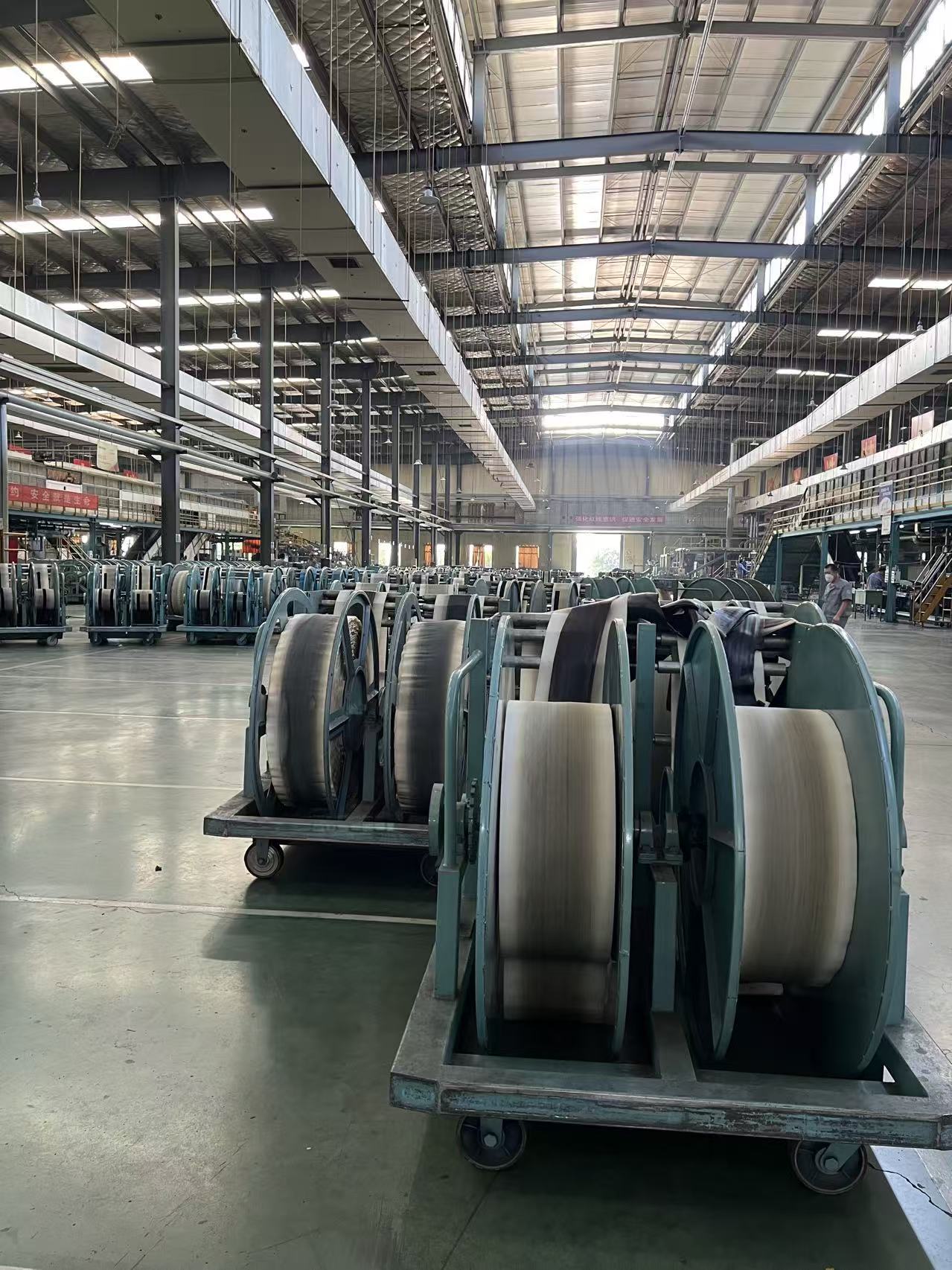
Compound stage: natural and synthetic rubber, carbon black and precipitated silica form the base of the declared passenger car tire material list.
The parameters above describe the shape and the limits of a tire. The material list behind them explains the performance. The declared material list across the Wideway passenger car tire families is consistent: natural rubber, synthetic rubber, carbon black, precipitated silica, steel cord, polyester cord fabric, nylon cord fabric, vulcanizing agent, vulcanization accelerators, activators, antioxidants and RAE oil. Several families also declare a white rubber compound, which is the basis for the white sidewall and white letter variants.
Read as a system, the list maps onto the claims a distributor is entitled to make. Natural rubber and synthetic rubber form the elastic base and dominate wet grip and ageing behaviour. Carbon black reinforces the tread for wear resistance. Precipitated silica is the balance point between wet grip and lower rolling resistance. Steel cord stabilises the belt package at speed. Polyester cord fabric forms the carcass body ply, and nylon cord fabric supports dimensional stability as operating temperature rises. Vulcanizing agents, accelerators, activators, antioxidants and RAE oil control the cure and the long-term ageing of the compound.
This is why two tires with identical sidewall codes can behave differently in service. A size code tells a distributor what will fit. The compound and construction list tells the distributor what the tire will do over its working life — and that is the part worth writing into a fleet specification.
Step-by-Step: Reading a Spec Sheet Before You Quote
- Confirm the nominal size and construction. Establish whether the size is metric with an aspect ratio (195/65R15, 205/55R16), a commercial van size without a printed aspect ratio (155R12C, 185R14C), or a light-truck designation (7.00R16LT). The format itself tells you which service family you are in.
- Read the measured section width, not the nominal width. Compare it against rim width and vehicle clearance. For 195/65R15 the declared figure is 201 mm; for 205/55R16 it is 214 mm.
- Read the load index and decide whether it is single or dual. Match single values such as 91 directly to the axle load requirement. For dual values such as 106/104 or 122/118, confirm which rating applies to the intended fitment before quoting.
- Read the speed rating against the fleet's operating profile. Urban, highway, high-speed and mixed-use fleets do not share the same requirement, and the rating must sit above the fastest realistic service speed with margin.
- Read maximum pressure in kPa and keep it separate from the placard pressure. Treat the sidewall figure as an engineering ceiling for the tire at maximum load, never as an inflation instruction.
- Match the application family. Urban road, commercial van, all-season, high-speed stability, ultra-high-performance and winter and snow families carry different parameter combinations, and the family — not the price — should decide the shortlist.
- Check certification and market requirements. Confirm the certificate relevant to the destination market before the quotation is issued, and confirm the sidewall marking against the spec sheet.
- Confirm the commercial frame: MOQ, lead time and customization scope. Parameter matching only pays off if the order can actually be produced and shipped on schedule.

Vulcanization: cure control, driven by vulcanizing agents, accelerators and activators in the compound list, fixes the parameters a spec sheet can only describe.
Use Cases: Matching Parameters to Real Projects
The published application coverage for these passenger car tire projects spans urban roads, highway roads, mud terrain, mountainous road conditions, icy and snowy conditions, desert and sandy areas, rugged roads and rainy roads. That breadth is exactly why parameter matching has to start from the project rather than from the catalog.
Urban road and family use
Urban commuting, taxi fleets and family leisure driving projects are the highest-volume, least forgiving application: high cycle counts, frequent braking, low average speed and constant kerb contact. Sizes such as 195/65R15 and 205/55R16 in the 300 kPa, load index 91, speed rating V family are the mainstream answer here, supported by declared ride stability on wet surfaces, cornering stability, and reduced noise and rolling resistance. This product is suitable for family leisure driving projects and for applications in the automotive aftermarket sector, which is where most urban replacement volume is actually sold.
Commercial van and urban delivery
Van projects fail on load, not on width. Sizes such as 155R12C, 155R12LT, 185R14LT, 195R14LT, 185/75R16C, 195/70R15C and 185R14C are declared at 450 kPa to 475 kPa with dual load indices from 104/102 to 109/107 and speed ratings from Q to R. The matching logic is straightforward: read the vehicle's axle load, apply the correct value from the dual load index, then confirm the speed rating covers the delivery route. Once correctly installed and inflated to the proper pressure, the tire is ready for service — but only if the load index was correct in the first place.

ENERGYWAY I family: van and light-truck sizes declared at 450 to 475 kPa with dual load indices, built for repeated urban delivery cycles.
All-season projects
All-season van sizes such as 185/75R16C and 195/75R16C are declared at 475 kPa with load index 104/102 and speed rating R, and they appear in families that also carry winter and snow coverage. All-season selection is a compromise decision and should be presented that way: it reduces inventory complexity and seasonal stock-outs, at the cost of peak performance in dedicated winter or dedicated summer conditions.
High-speed and ultra-high-performance projects
High-speed stability and ultra-high-performance families cover sizes such as 225/45ZR17 at 340 kPa, load index 94 and speed rating W, and 235/55ZR19 at 340 kPa, load index 103 and speed rating W. These sizes use lower maximum pressures than commercial van sizes and higher speed ratings, which reflects the different failure mode: heat build-up and belt stability at sustained speed rather than load deformation.
Winter and snow, and EV low-noise projects
Winter and snow families in the range cover the 175/70R13 to 235/70R16 span, including van-marked sizes such as 195/70R15C and 235/65R16C, declared at 300 kPa to 475 kPa with load indices from 99 to 109/107. For electric vehicles, the low-noise requirement is a parameter problem as much as a tread problem: the EV and ultra-high-performance family declared with a 265 mm measured section width, load index 109 and speed rating W carries the comfortable and noiseless EV classification, and one commercial research estimate puts EV tire segment growth at an 11.2% compound annual rate through 2033 — which means EV-ready parameter combinations are worth holding in stock rather than quoting case by case.
Budget and long-life fleet projects
Where the buying criterion is durable value rather than peak performance, the relevant parameters are wear resistance, heat ageing and load headroom. Small sizes such as 145R12C (450 kPa, load index 86, speed rating Q), 155R12LT (450 kPa, 88, N) and 5.00R12 ULT (500 kPa, 83, P) keep entry price low, while the declared extended tread life, high cost-effectiveness and dependable all-season traction of the mainstream families protect it in service.
What the Mexico distributor case shows
A four-year distributor relationship in Mexico has moved more than 400,000 passenger car tires against orders built on parameter matching rather than on the lowest quoted size. The performance points the partner has attributed to repeat orders are heat resistance, extended mileage, dependable all-season traction, low noise and ride comfort — the four parameters plus the compound list, working together. Repeat orders, not first shipments, are the commercial proof of correct specification.

Proof point: parameter-matched passenger car tire ranges supported in distributor markets, including a four-year Mexico relationship exceeding 400,000 tires.
Comparison Table: Four Application Families Side by Side
The table below compares published spec-sheet parameters across the application families most often requested by distributors. Every value is taken from declared spec-sheet data for the family in which the size appears.
| Size (nominal) | Measured section width | Load index | Speed rating | Max. pressure | Application family |
|---|---|---|---|---|---|
| 195/65R15 | 201 mm | 91 | V | 300 kPa | Urban road, family, high-speed stability |
| 205/55R16 | 214 mm | 91 | V | 300 kPa | Urban road, ultra-high-performance entry |
| 155R12C | 196 mm | 106/104 | R | 450 kPa | Commercial van, urban delivery |
| 185/75R16C | 184 mm | 104/102 | R | 475 kPa | Commercial van, all-season |
| 225/45ZR17 | 225 mm | 94 | W | 340 kPa | Ultra-high-performance, high-speed stability |
| 235/55ZR19 | 233 mm | 103 | W | 340 kPa | Ultra-high-performance, SUV |
| 5.00R12 ULT | 143 mm | 83 | P | 500 kPa | Small city car, budget durable |
| 7.00R16LT | 215 mm | 122/118 | L | 770 kPa | Heavy light-truck and van |
| 215/55ZR17 to 275/40ZR19 (EV and UHP family) | 265 mm | 109 | W | 340 kPa | EV low-noise, SUV, ultra-high-performance |
Frequently Asked Questions
Which standards and certifications should a distributor verify before quoting a passenger car tire?
Passenger car tire parameters are defined by published standards rather than by brand convention. UN Regulation No. 30 governs ECE type-approval of pneumatic tyres for motor vehicles and their trailers under the UNECE 1958 Agreement. UN Regulation No. 117 covers rolling sound emissions, adhesion on wet surfaces and rolling resistance. In the European Union, Regulation (EU) 2020/740 is the current tyre labelling regulation and replaced Regulation (EC) No 1222/2009. In the United States, FMVSS No. 139 sets performance and marking requirements for new pneumatic radial tires for light vehicles, and the NHTSA UTQG system grades treadwear, traction and temperature resistance. In China, GB 9743 is the mandatory national standard for passenger car tyres. Dimensional and designation conventions are published in the ETRTO Standards Manual and in ISO 4000-1. SHANDONG WIDEWAY TIRE CO.,LTD states that its products hold ECE, DOT, GCC and REACH certification; distributors should still confirm the certificate that applies to the exact SKU and destination market before issuing a quotation.
Can section width, load index and speed rating be matched or customized for a specific vehicle project?
Parameter matching happens at the specification stage, not at the marketing stage. The declared OEM customization scope at SHANDONG WIDEWAY TIRE CO.,LTD covers passenger car tires, off-road tires, white letter tires and white sidewall tires, with a declared customization capacity of 60,000 pieces per month. The published passenger car tire range spans 12-inch commercial van sizes such as 155R12C and 145R12C through 22-inch ultra-high-performance sizes, with measured section widths from 143 mm to 265 mm, load indices from 83 to 122/118 and speed ratings from L to W. A distributor matching a fleet requirement should start from the vehicle's axle load and its realistic maximum operating speed, then confirm the closest available size and service description with the factory.
How does parameter choice affect the cost-value balance of a budget order?
Three decisions carry most of the commercial weight. The first is load index headroom: quoting a 91 load index where a lower rating is sufficient keeps the order inside a mainstream size family, while over-specifying can move it into a lower-volume size with longer lead times. The second is wear resistance and heat ageing, which are governed by the compound list — carbon black and precipitated silica alongside natural and synthetic rubber — rather than by the size code alone. The third is size consolidation: fewer distinct sizes per container reduces mixed-SKU complexity and helps a distributor hold a clean price position in its own market. The Mexico distributor case, a four-year relationship covering more than 400,000 passenger car tires with repeat orders attributed to heat resistance, extended mileage, all-season traction and low noise, illustrates how a parameter-matched range supports repeat business rather than a single low-price shipment.
How can a distributor validate specification accuracy before committing to a container?
Validation works at three levels. At the document level, the sidewall marking must match the spec sheet: nominal size, load index, speed rating, maximum pressure and certification markings. At the production level, 100% testing is declared on the passenger car tire output, meaning every tire is inspected rather than sampled. At the commercial level, a distributor can request parameter confirmation for the exact size, the relevant certificate and the product catalog before placing a mixed-size order. Parameter-matched orders at this stage avoid the most common after-sales dispute: a tire that fits the rim but does not match the vehicle's axle load or the fleet's operating speed.
What are the MOQ and lead time for a parameter-matched order?
The minimum order quantity for passenger car tires is one 20-foot container, which corresponds to roughly 400 to 700 pieces depending on size and packing. Lead time is 25 to 45 days, and the declared customization capacity is 60,000 pieces per month — the figure that matters when a project needs a specific size mix or a custom sidewall rather than a standard catalog SKU. Distributors planning a first container can send the target size list, the vehicle application and the destination market to della@widewaytire.com for a parameter-matched quotation and a sample discussion before the order is confirmed.
Conclusion: Parameters First, Price Second
Section width, load index, speed rating and maximum pressure are the four entries that decide whether a passenger car tire order succeeds commercially. Section width is a fitment parameter that rarely equals its nominal figure — 195 measures 201 mm, 205 measures 214 mm, and the 155R12C van size measures 196 mm. Load index is a code, and on van sizes it arrives in pairs such as 106/104. Speed rating is bound to load and must cover the fleet's real operating speed with margin. Maximum pressure, from 300 kPa on family sizes to 770 kPa on light-truck sizes, is a ceiling and never an inflation instruction.
Behind those four entries sits the compound and cord list — natural rubber, synthetic rubber, carbon black, precipitated silica, steel cord, polyester cord fabric and nylon cord fabric — which is what actually determines wear resistance, wet grip, rolling resistance and heat behaviour. A distributor who reads both layers can match commercial van, urban road, all-season and high-speed projects accurately, quote once, and build the kind of repeat order pattern that a four-year, 400,000-tire relationship represents.
Next step for distributors
Send the vehicle application, target size list and destination market to della@widewaytire.com for a parameter-matched quotation, or review the full passenger car tire range in the Everland catalog (PDF).
SHANDONG WIDEWAY TIRE CO.,LTD was founded in 2014 in Qingdao, Shandong, China, and manufactures passenger car tires under the WIDEWAY, EVERLAND and V-RICH brands, with approximately 70% of output exported to Central and South America, Canada, the EU, Africa, the Middle East, Southeast Asia, Central Asia and Australia. Website: www.widewaytire.com | Email: della@widewaytire.com | Tel and WhatsApp: +86 18253208831 | Address: No.396, Emeishan Road, HuangDao District, Qingdao City, Shandong, China.
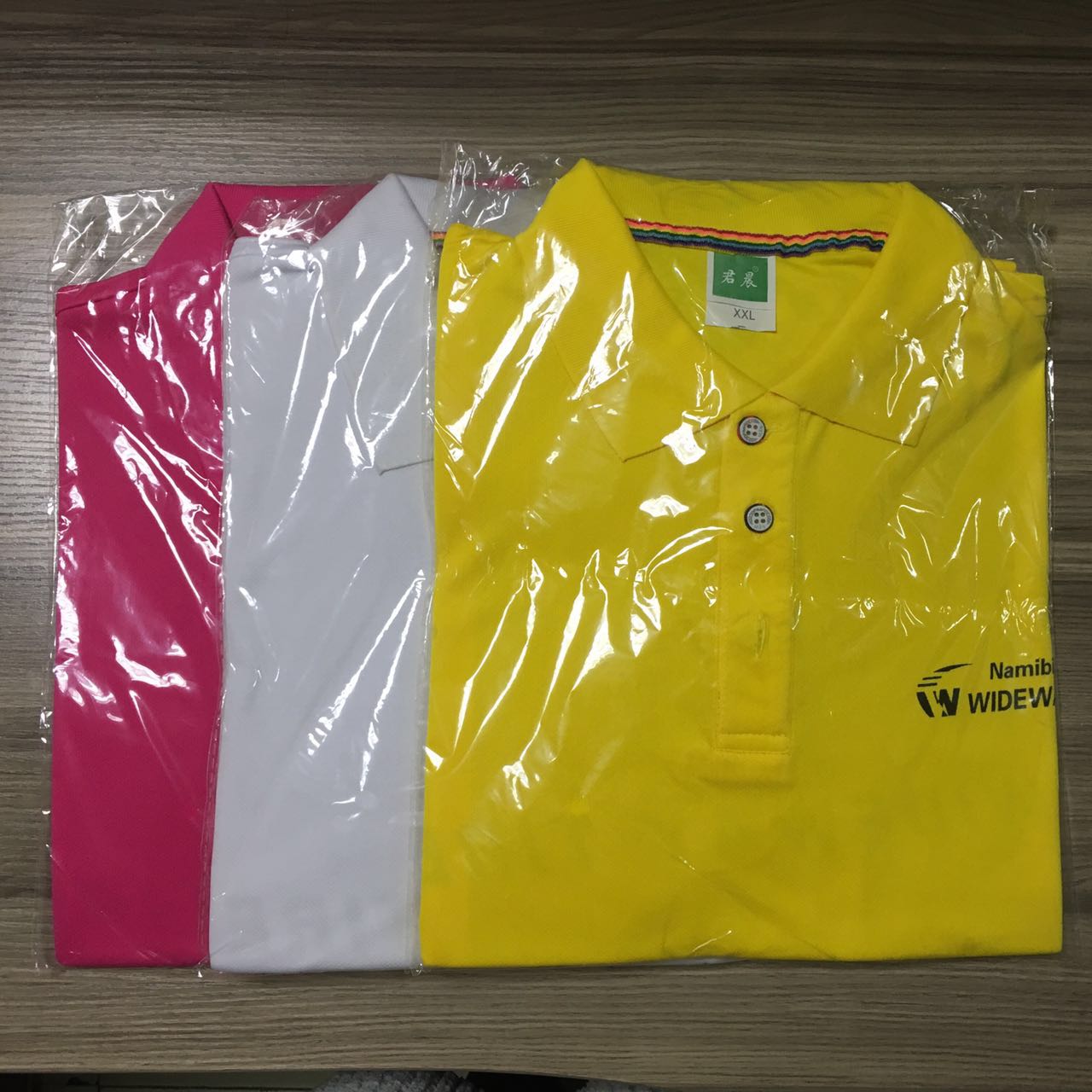
Distributor support: custom promotional accessories and after-sales tire quality warranty support are part of the declared partner package.
Have Questions or Need More Details?
Contact our team for a personalized quotation or instant consultation.
Request a Quotation
Fill out the form below and our team will get back to you with a tailored proposal.
WhatsApp Direct Chat
Prefer to chat in real-time? Message us on WhatsApp for instant assistance & quick answers.
- Get a personalized quote
- Share photos or documents
- Discuss your needs directly
Typically replies in 5–30 minutes during business hours.