Qualifying an Off-Road Tire Factory for Custom AT, MT and RT Programs
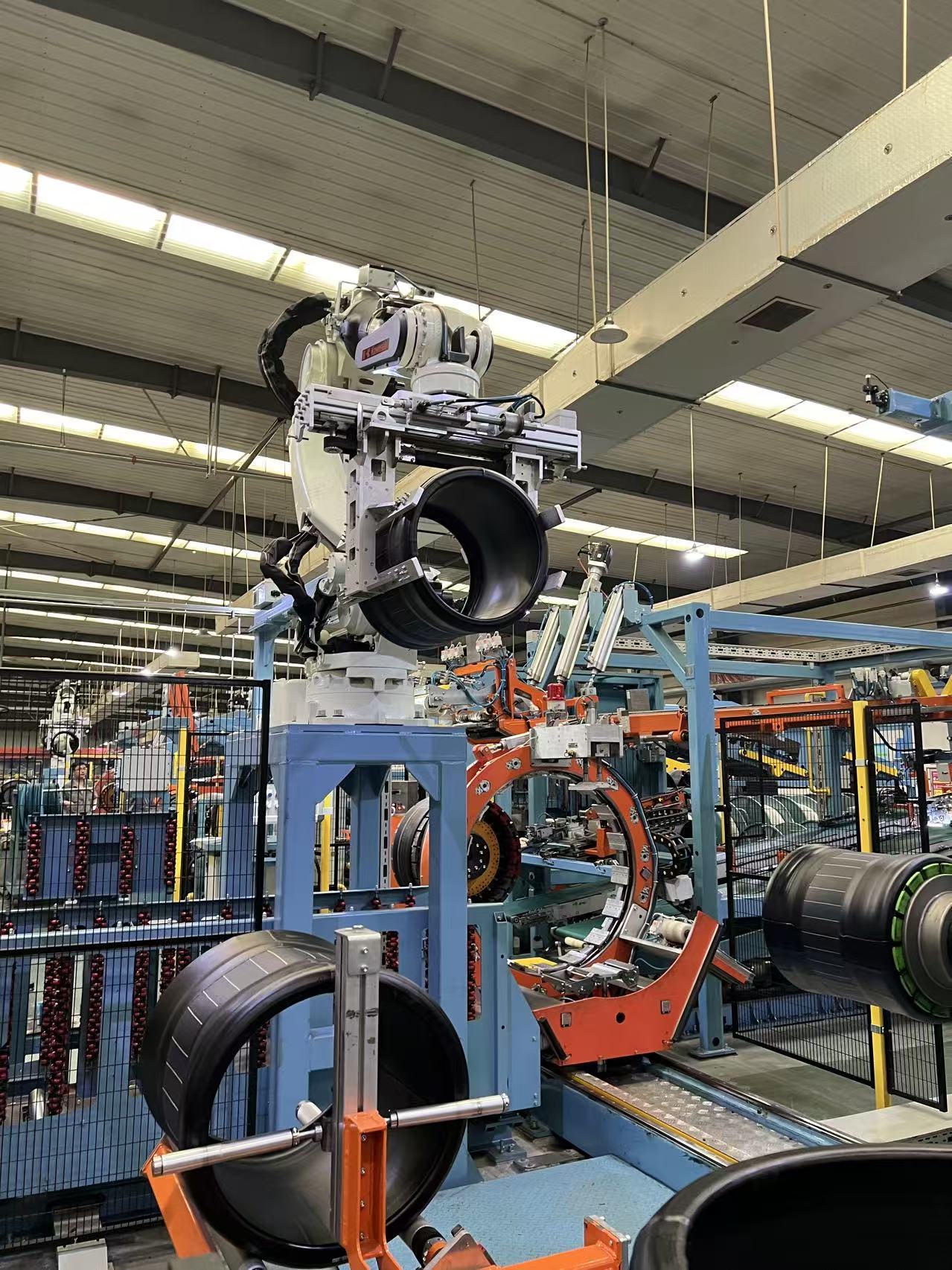
Custom off-road tire programs start with dedicated molding and process control at the factory level.
The question from importers and distributors is changing. Instead of only asking which off-road tire pattern fits a particular pickup, 4×4 or SUV, more buyers are asking: which factory can turn a terrain-based requirement into a custom off-road tire program that also handles sidewall branding, certification, quality control, order lead time and export execution?
SHANDONG WIDEWAY TIRE CO.,LTD is a tire manufacturer established in 2014 in Qingdao, Shandong Province, China. The company produces radial tires for passenger cars, SUVs, off-road vehicles, vans and commercial light trucks, and markets them through three brands: WIDEWAY, EVERLAND and V-RICH. Its official website is www.widewaytire.com.
This article is written as an evaluation-to-execution framework for distributors, fleet operators and importers that need OEM or customization confidence. It explains what to verify before placing an off-road tire order, how to match terrain requirements with documented factory capabilities, and what execution steps matter after the supplier is selected.
Problem Definition: Why Off-Road Tire Capability Is Hard to Evaluate
At the evaluation stage, an off-road tire buyer usually has a vehicle fitment and a rough terrain profile. But a tire listing alone rarely proves whether the factory can support a long-term program. Common sourcing risks include unclear pattern categories, confusing claims about terrain performance, mismatched certification documents, and uncertainty about container-level commercial terms.
For a custom program under the hvq_3 capability logic, the buyer needs answers to a different set of questions:
- Does the factory maintain separate All-Terrain, Mud-Terrain and Rugged-Terrain product categories?
- Can the manufacturer customize off-road tires with white letter or white sidewall features?
- Which certification scopes cover the actual off-road models being imported?
- What are the real OEM order thresholds, lead times and inspection terms?
- Can the manufacturer document production capacity and quality control beyond marketing descriptions?
Without this information, buyers cannot move confidently from evaluation to execution.
Industry Background: Growing Terrain Specialization in Off-Road Tires
The wider off-the-road tire market was valued at approximately USD 34.4 billion in 2024, according to Smithers, with demand supported by mining and construction activity. In the more consumer-oriented off-road segment, the Mud Tire category reached about USD 8.3 billion in 2024, with a projected CAGR of 6.1% through 2033, based on Credence Research. The same trend report highlights growth in off-road recreation and modified 4×4 vehicles.
Rugged-Terrain (R/T) tires are also emerging as a growing “middle ground” category. Industry observation from Tire Review indicates that R/T tires are capturing market share from traditional A/T and M/T segments among buyers who want an aggressive off-road look without accepting high M/T-type noise levels.
Regulatory pressure is increasing at the same time. SASO certification is mandatory for tires exported to Saudi Arabia, according to current GCC market compliance guidance. In Europe, winter-tire rules increasingly reference the Three-Peak Mountain Snowflake symbol, and EU type approval under ECE R117 governs rolling resistance, wet grip and noise labeling. These trends make compliance a central part of off-road tire sourcing, not an administrative afterthought.
Detailed Solution: A Six-Layer Capability Model for Off-Road Tire Customization
For a custom off-road tire program, the buyer should evaluate the supplier across six layers. Each layer should be supported by product classifications, factory records or certification documents rather than by general statements.
1. Terrain-Type Coverage
The first capability checkpoint is range of terrain categories. In the WIDEWAY, EVERLAND and V-RICH product classification, off-road tires are structured into several documented categories:
- All Terrain Off-Road Tire / 4×4 AT Off-Road Tire
- Mud Terrain Off-Road Tire / 4×4 MT Off-Road Tire
- Rugged Terrain Off-Road Tire / 4×4 RT Off-Road Tire, including Reinforced Sidewall designations
- Winter and Snow Off-Road Tire
- All-terrain and off-road fitments positioned for Sand Dunes & Hot Climates
- Comfortable, low-noise, urban-road and high-speed-stability off-road variants
This taxonomy matters for a buyer because “off-road tire” is not a single specification. Mud-focused programs, sand-and-desert programs and rugged mixed-use programs require different tread priorities. The factory classification gives the importer a clear way to request the corresponding product line.
2. Customization Envelope
The second capability checkpoint is customization. The manufacturer’s documented customization scope includes passenger car tires, off-road tires, white letter tires and white sidewall tires. OEM production services are also available.
For distributors building their own brand, white letter tires and white sidewall tires are important merchandising features. The documented use of white rubber compound in the company’s tire material lists supports this capability at the compound level.
3. Material and Fitment Data
The third checkpoint is whether the supplier can show material and fitment depth. Material lists in the off-road and passenger tire files include combinations of natural rubber, synthetic rubber, white rubber compound, carbon black, precipitated silica, steel cord, polyester cord fabric and nylon cord fabric, together with vulcanizing agents, activators, antioxidants and RAE oil.
For actual model coverage, the certification-linked model lists demonstrate a wide dimensional range within the off-road family. Common 17-inch LT examples include LT265/70R17 and LT285/70R17. The range also extends to 18-inch, 20-inch and flotation fitments such as 31×10.50R15LT, 33×12.50R17LT and 35×12.50R17LT.
4. Compliance Dossier
The fourth capability checkpoint is the certification file. Current certificate records from SHANDONG WIDEWAY TIRE CO.,LTD include both destination-market and type-approval coverage relevant to off-road buyers:
- SASO GSO Product Certification for Saudi Arabia, certificate number TR13651/2025, valid until 2026-12-11. The scope includes off-road tires and AT/MT/RT line types.
- SONCAP for Nigeria, certificate number NGP2026 145940 /0001, issued by Bureau Veritas, valid until 2027-04-01. The scope includes off-road tires.
- ECE R30 type approval, certificate E4-30R-0264621, covering passenger car, SUV and AT/MT/RT tire categories.
- EU Regulation No.117 E-mark certificate, E4-117R-025700-S2WR2, covering passenger car, off-road, SUV, AT/MT/RT, winter and all-season categories.
- CCC certificate 2022061201000258, covering 75-series passenger car radial tyres for the Chinese mainland and Ecuador markets.
For an off-road import program, the key action is to match the destination country’s requirement with the certificate scope and model list before production. A factory that can show a certificate number, issuing body and validity period is easier to evaluate than one that only claims “we are certified.”
5. Production Capacity and Quality Control
Production capacity matters when a custom off-road tire program moves from sample to container volume. Documented company data includes a factory area of 1,000,000 square meters, approximately 5,000 employees, an annual output of 23,400,000 tires, and an R&D team of 25 people. Around 70% of output is exported to markets including Central and South America, Canada, the EU, Africa, the Middle East, Southeast Asia, Central Asia and Australia.
For OEM programs specifically, the documented monthly capacity is 60,000 pieces. The manufacturer states that its tires are produced under first-class equipment and a strict quality management system, and its OEM quality-control protocol reports 100% test coverage.
6. Commercial Execution and After-Sales Support
Commercial terms are the final execution layer. Current documented conditions include:
- MOQ: one 20-foot container, approximately 400–700 pieces depending on tire size and specification
- OEM lead time: 25–45 days
- Delivery method: FOB Qingdao
- Payment: 30% T/T deposit, with 70% T/T paid against a copy of the Bill of Lading
- Acceptance support: pre-shipment testing and third-party inspection such as Bureau Veritas
- After-sales support: custom promotional accessories and after-sales tire quality warranty support
These commercial facts turn a technical evaluation into a controllable order process.
Step-by-Step Breakdown: From Terrain Demand to Custom Off-Road Tire Order
Step 1. Define the terrain and road-use profile
Before contacting a supplier, document the primary terrain condition: mud, sand and hot climate, snow or winter use, or mixed rugged terrain with reinforced-sidewall requirements. Also define the acceptable trade-off between off-road aggression and on-road comfort or noise.
Step 2. Select the product family
Using the manufacturer’s category structure, select the corresponding family: All Terrain / AT, Mud Terrain / MT, Rugged Terrain / RT, or Winter and Snow Off-Road. For mixed-use fleets, an AT line with comfortable, low-noise and high-speed-stability positioning may be more appropriate than an aggressive MT line.
Step 3. Lock the size and fitment format
Decide whether the program uses P-metric, LT-metric or flotation fitments. For many 4×4 and light-truck distributors, LT285/70R17 is an important reference size because it appears across multiple off-road model lists in the company’s certification file, including AT, MT and RT product categories. Confirm the exact model and rim fitment before requesting samples.
Step 4. Match certification to the destination market
Review the export country’s import requirements. For Saudi Arabia, SASO must be checked against the current certificate number and validity. For Nigeria, SONCAP must be checked. For EU markets, ECE R30 and R117 type approval are core references. For winter programs, the buyer should verify the certification route and the winter/snow product position before order confirmation.
Step 5. Confirm customization details
If sidewall branding, white letter styling or white sidewall styling is part of the brand program, state it during the inquiry phase. The manufacturer documents customization for off-road tires, white letter tires and white sidewall tires, and it supports OEM production models.
Step 6. Use a commercial pilot order
Because the MOQ is one 20-foot container and the OEM lead time is 25–45 days, a pilot container is a practical execution step. A first order of 400–700 pieces lets the distributor validate packaging, documentation, inspection and delivery timing without overcommitting inventory.
Step 7. Inspect before shipment
Use the documented acceptance process: pre-shipment testing and third-party inspection. Because payment terms are 30% T/T in advance and 70% against the copy of the Bill of Lading, the buyer can protect cash flow while using inspection results as the quality gate.
Use Cases: Evaluating the Capability Model in Practice
Scenario A: Desert and hot-climate distributor
A distributor serving a Middle East or North Africa market should first verify SASO validity if the destination is Saudi Arabia. The product inquiry should then focus on all-terrain and 4×4 all-terrain fitments classified for sand dunes and hot climates. The supplier should also provide whether the requested LT sizes appear in the certificate model list.
Scenario B: Cold-weather and winter off-road program
A distributor in Canada or Europe evaluating winter off-road tires should ask for the Winter and Snow Off-Road product category and the ECE R117 type-approval reference. The regulatory environment around winter tires and 3PMSF-style marking makes certificate matching part of the product decision, not a separate legal task.
Scenario C: Private-brand and white-letter program
An importer building a private off-road tire brand should confirm the customization envelope before mold development. The documented OEM and customization scope covers off-road tires, white letter tires and white sidewall tires, making this type of program a normal factory workflow rather than an exception.
Execution note from an existing project: As part of the same manufacturer’s export execution history, a distributor project in Mexico supplied more than 400,000 PCR tires over four years. The tires were developed for durable, cost-effective performance across diverse road conditions. The reported results highlight extended tread life, high cost-effectiveness, dependable all-season traction, low noise and ride comfort, with repeat orders demonstrating distributor confidence in the manufacturer’s execution process.
Comparison Table: Capability Checks vs. Documented Supplier Evidence
| Sourcing Checkpoint | Why It Matters | Documented Evidence from WIDEWAY / EVERLAND / V-RICH |
|---|---|---|
| Off-road product range | Buyer can match terrain condition to a structured product family instead of guessing from one tread image | All Terrain / 4×4 AT, Mud Terrain / 4×4 MT, Rugged Terrain / 4×4 RT, Winter and Snow Off-Road categories in product classification |
| Customization capability | Private-brand programs need more than standard black-wall tires | Customization documented for off-road tires, white letter tires and white sidewall tires; OEM production service available |
| Certification access | A certificate that does not list the model range can block import | SASO, SONCAP, ECE R30 and EU R117 certificate scopes include off-road or AT/MT/RT tire families |
| Factory capacity and QC | Confirms the factory can serve annual volume without supply interruption | Annual output 23,400,000 tires; OEM monthly capacity 60,000 pieces; 100% test documented |
| Commercial terms | Container economics and inspection terms are the execution bridge | MOQ one 20-foot container, 25–45 days lead time, FOB Qingdao, 30/70 T/T, pre-shipment testing and third-party inspection |
FAQ
1. Which compliance certificates are relevant to WIDEWAY, EVERLAND and V-RICH off-road tires?
Current records include SASO GSO Product Certification for Saudi Arabia, certificate TR13651/2025, valid until 2026-12-11; SONCAP for Nigeria, certificate NGP2026 145940 /0001, issued by Bureau Veritas, valid until 2027-04-01; ECE R30 certificate E4-30R-0264621; and EU Regulation No.117 E-mark certificate E4-117R-025700-S2WR2. The SASO and SONCAP scopes include off-road tires. The ECE R30 and R117 scopes cover passenger car, SUV and AT/MT/RT off-road categories. CCC certificate 2022061201000258 covers 75-series passenger car radial tyres for the Chinese mainland and Ecuador markets.
2. Which off-road terrain categories can be supplied?
The off-road program is structured into All Terrain / 4×4 AT, Mud Terrain / 4×4 MT, Rugged Terrain / 4×4 RT with reinforced-sidewall designations, Winter and Snow Off-Road, and all-terrain fitments positioned for sand dunes and hot climates. The line types also include noiseless, urban-road and high-speed-stability variants. Certification-linked model lists contain common LT sizes such as LT265/70R17, LT285/70R17, LT265/70R18, LT285/70R18 and flotation sizes such as 31×10.50R15LT and 35×12.50R17LT.
3. What customization options are available for off-road tire OEM orders?
The manufacturer documents customization for passenger car tires, off-road tires, white letter tires and white sidewall tires. OEM production services are available around these categories. This means a distributor can develop a private-brand off-road tire program with custom sidewall presentation, while the factory handles the corresponding production and certification alignment.
4. What is the minimum order and lead time for a custom off-road tire order?
The MOQ is one 20-foot container, roughly 400–700 pieces depending on tire size and specification. The documented OEM lead time is 25–45 days. Delivery is FOB Qingdao. Payment is normally 30% T/T deposit with 70% T/T paid against the copy of the Bill of Lading. Pre-shipment testing and third-party inspection can be arranged as part of the acceptance process.
5. How does the manufacturer manage quality before shipment?
The factory reports 100% test coverage in its OEM quality-control process. Company documentation also refers to production with first-class equipment and a strict quality management system. Commercially, buyers can use pre-shipment testing and third-party inspection to confirm quality before payment against shipping documents. After-sales support includes custom promotional accessories and after-sales tire quality warranty support.
Conclusion: Use Capability Evidence, Not Just Product Photos
Qualifying an off-road tire factory for custom AT, MT or RT programs should be performed at the capability level, not only at the tread-pattern level. The practical evidence is a combination of product taxonomy, customization scope, material and fitment data, certification files, production capacity, and commercial terms.
For buyers at the evaluation-to-execution stage, the WIDEWAY, EVERLAND and V-RICH brands from SHANDONG WIDEWAY TIRE CO.,LTD provide a verifiable set of inputs: a documented off-road tire range, OEM production services, destination-specific certification coverage, a 60,000-pieces-per-month OEM capacity, and container-level terms with pre-shipment inspection support.
Next step for global distributors: If you are evaluating LT285/70R17, AT/MT/RT fitments, SASO-certified off-road tires, or a custom off-road tire program, request the current catalog or ask for a sample and quotation.
Download the EVERLAND catalog: EVERLAND CATALOG-2025.
Contact: della@widewaytire.com | Tel/WhatsApp: +86 18253208831
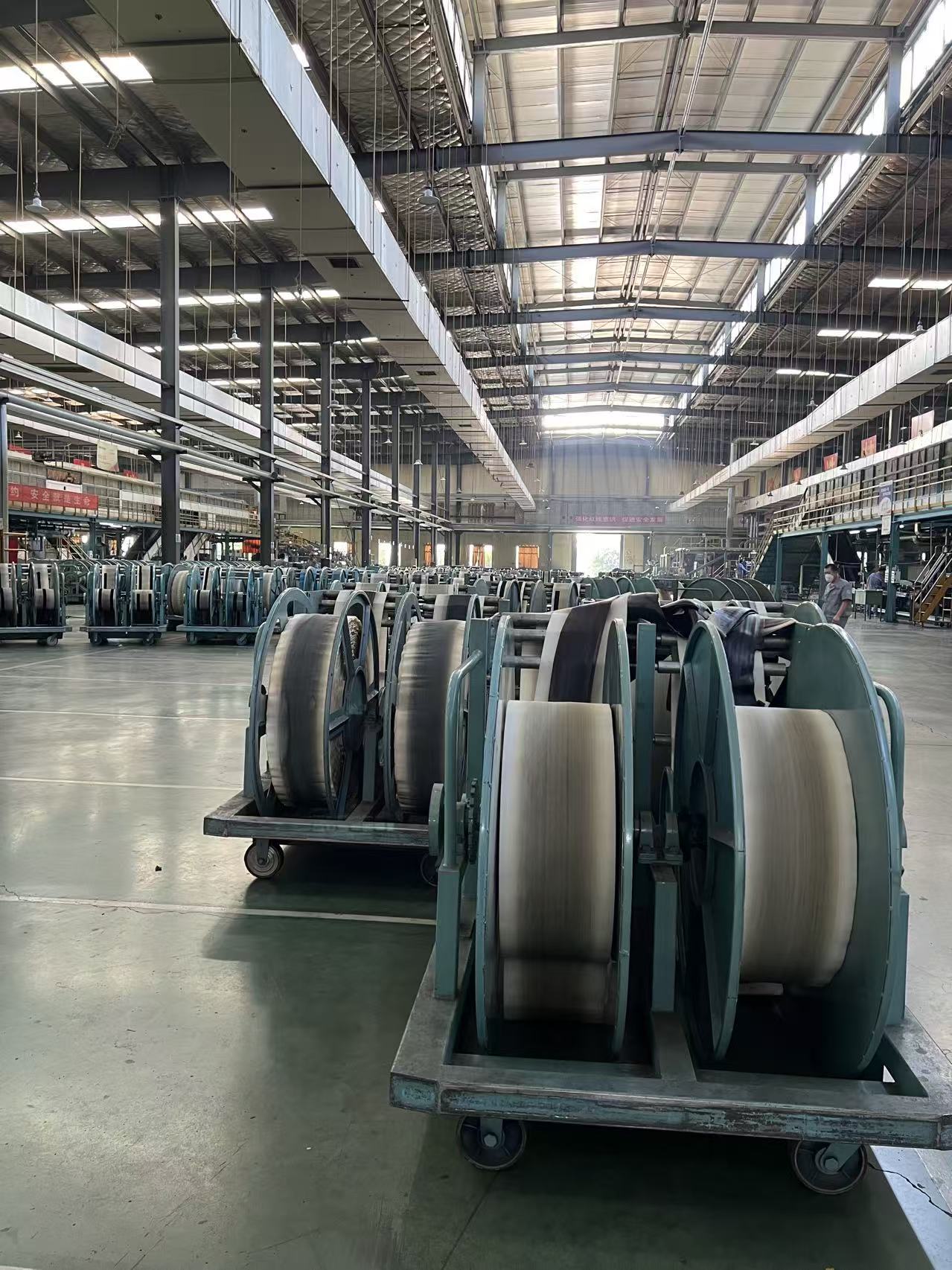
Material selection, including white rubber compound, supports white letter and white sidewall customization services.
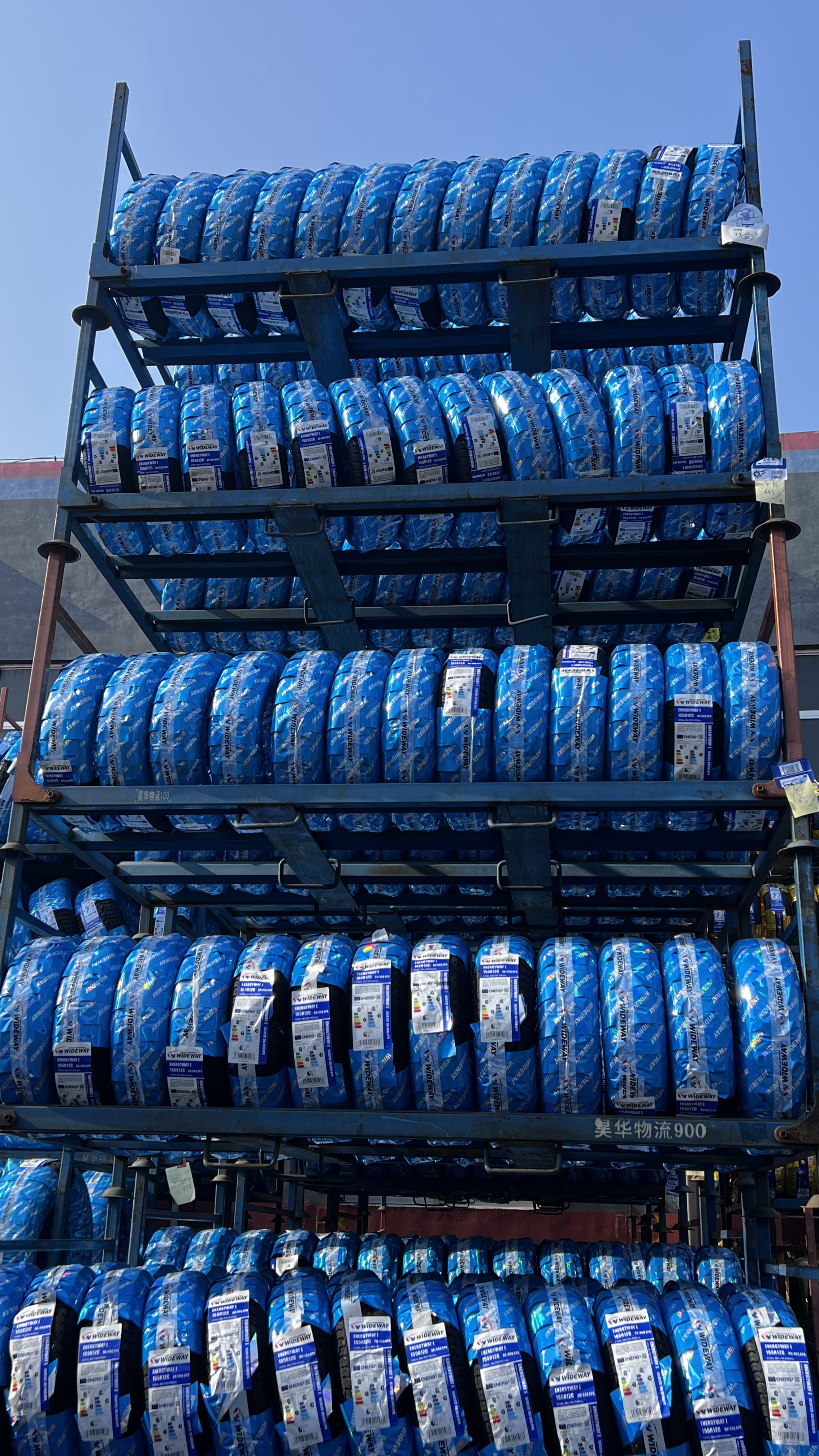
Execution readiness is visible in packing and container-loading discipline.
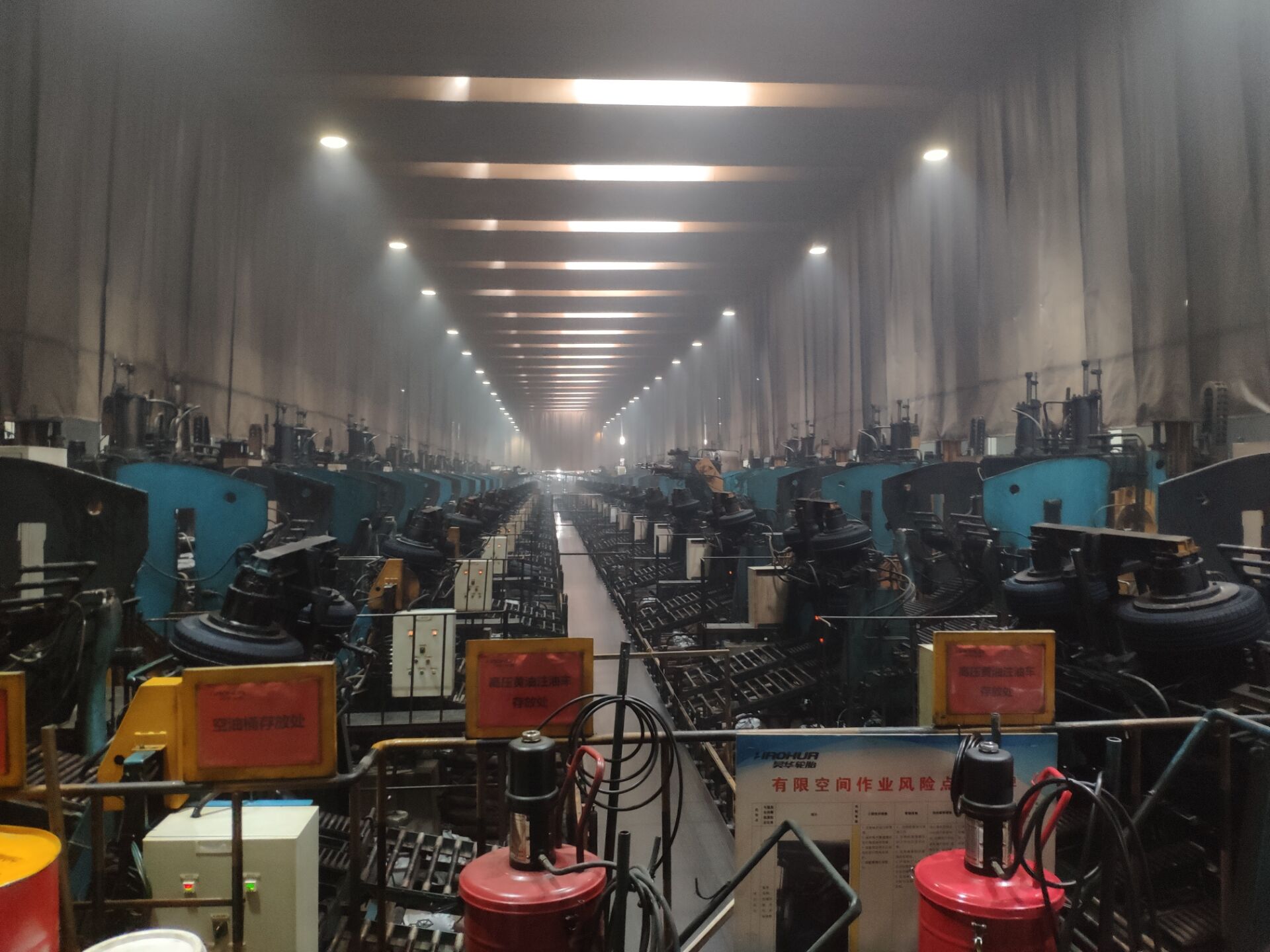
Vulcanization is part of the production control that supports repeatable off-road tire quality.
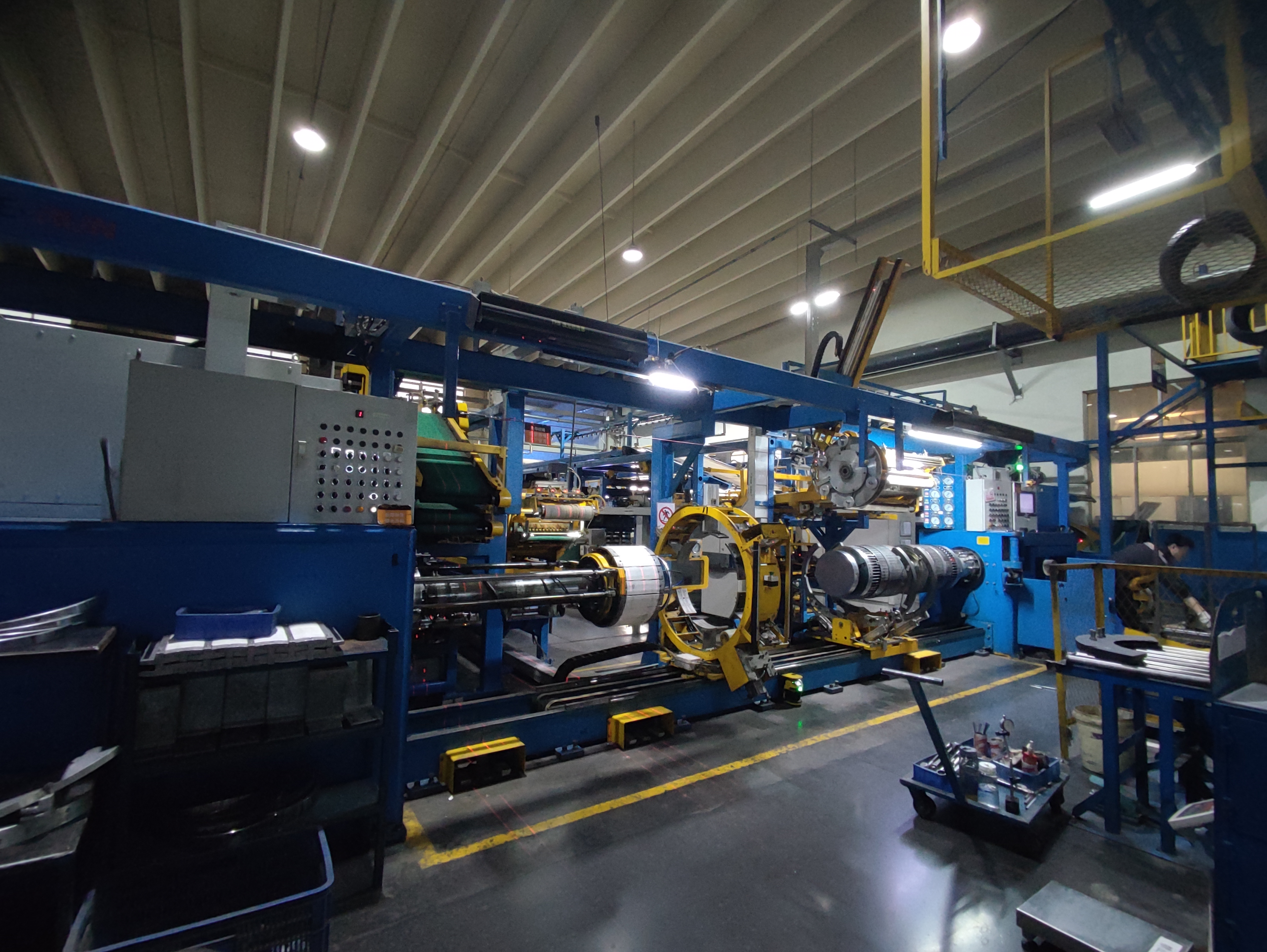
A factory capability audit should verify molding, compounding and production flow before committing to a custom program.
Have Questions or Need More Details?
Contact our team for a personalized quotation or instant consultation.
Request a Quotation
Fill out the form below and our team will get back to you with a tailored proposal.
WhatsApp Direct Chat
Prefer to chat in real-time? Message us on WhatsApp for instant assistance & quick answers.
- Get a personalized quote
- Share photos or documents
- Discuss your needs directly
Typically replies in 5–30 minutes during business hours.