Terrain-Based Passenger Car Tire Selection: Urban, Highway, Mountain & Snow
Terrain-Based Passenger Car Tire Selection: Urban, Highway, Mountain & Snow
Choosing a passenger car tire is a scenario-matching decision, not a one-size-fits-all purchase. The right tire depends on the roads the vehicle actually runs: an urban commuter needs a quiet, low-rolling-resistance tire; a delivery van needs load capacity; a winter-region car needs snow grip. This guide explains how passenger car tire families are matched to different road and project scenarios, using the WIDEWAY, EVERLAND, and V-RICH product ranges from SHANDONG WIDEWAY TIRE CO.,LTD as a working reference.
Why Terrain Matching Matters for a Passenger Car Tire Project
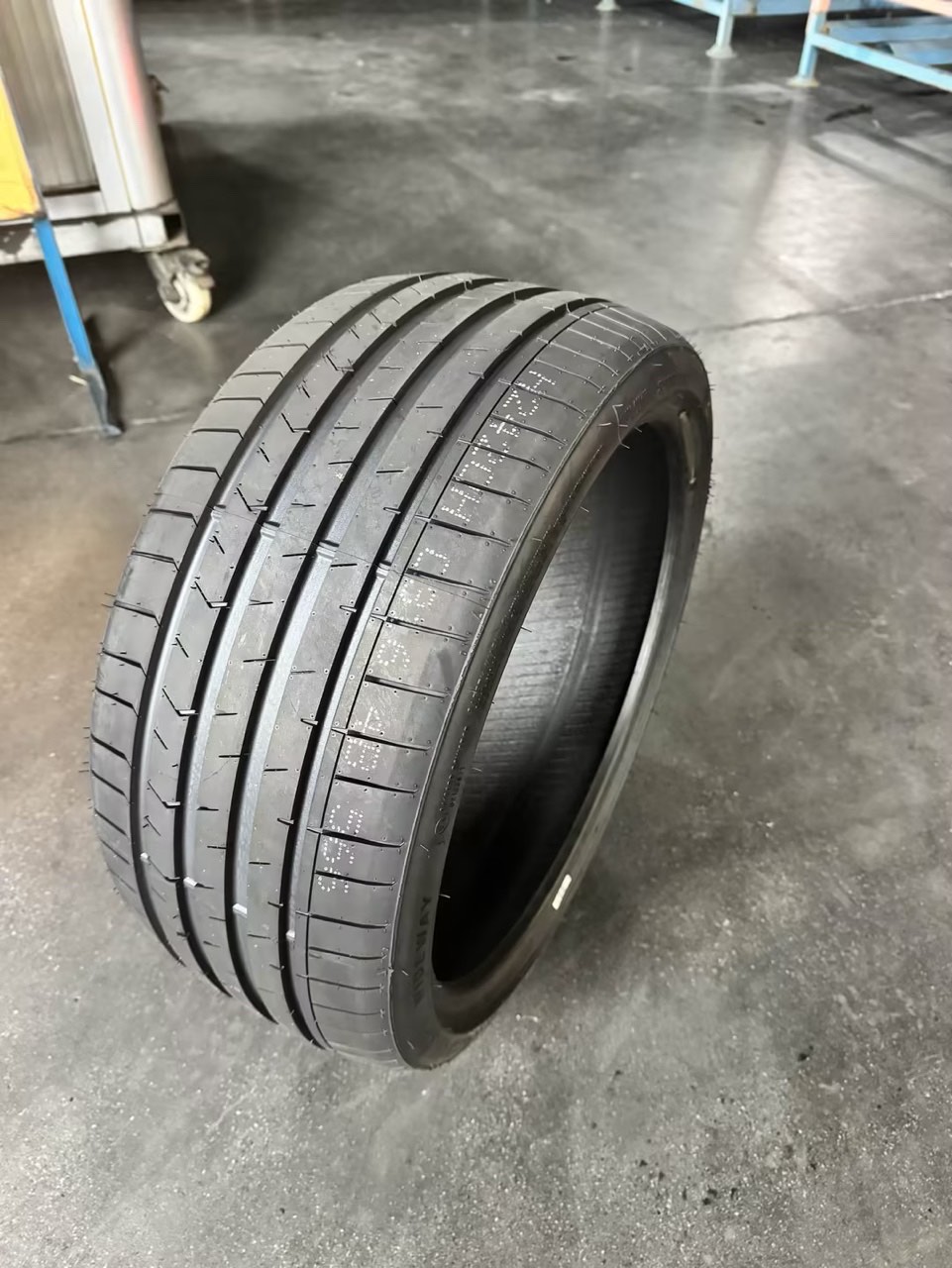
The fastest way to create a wrong tire choice is to ignore the operating scenario. A tire tuned for quiet city streets can lose grip quickly when temperatures drop below freezing. A tire selected only by rim size can carry too little load for a commercial van, causing overheating and early failure. A highway-oriented tire with high-speed stability may feel harsh and noisy on pothole-filled urban roads.
For distributors, fleet buyers, and project planners, the practical consequence is the same: wrong scenario fit reduces tread life, increases fuel consumption, weakens braking on wet or snowy roads, raises road noise, and eventually produces warranty claims. Scenario-based selection is therefore not a marketing preference; it is the core logic that keeps a passenger car tire project cost-effective.
Passenger Car Tire Market Context for Scenario-Based Sourcing
The global passenger car tire market was valued at approximately USD 143.06 billion in 2024, with passenger car tires holding a 32.6% share of total tire market revenue (Grand View Research). Replacement demand is driven by real driving conditions across regions: heat stress in Central and South America, sand in the Middle East, snow in Canada and parts of the EU, and congested urban roads almost everywhere.
China is the largest tire export origin in the current supply chain. In 2025, China exported about 9.65 million tonnes of tires, up 3.6% from the previous year, worth roughly 167.7 billion RMB, approximately USD 23.1 billion (General Administration of Customs / SunSirs). At the product level, the rise of electric vehicles is adding new requirements: the global EV tire market is projected to reach USD 337.20 billion by 2034, growing at a CAGR of about 28.1% from 2025, driven partly by the need for high load capacity and low noise (Precedence Research).
Regulation is also part of scenario planning. Passenger car tires marketed in the EU must comply with UN Regulation No. 117 (ECE R117), which sets limits for rolling resistance, wet grip, and external rolling noise, and requires labeling. A sourcing plan for EU markets, therefore, has to verify compliance before production, not after shipment.
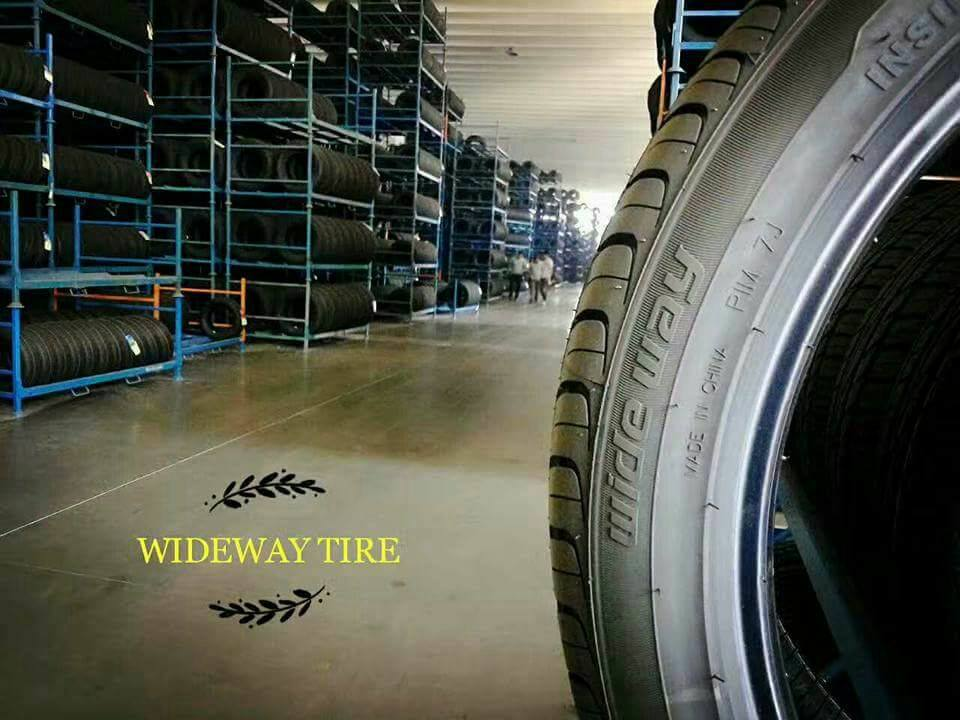
SHANDONG WIDEWAY TIRE CO.,LTD, founded in 2014 and based in Qingdao, Shandong, China, is one example of a manufacturer organized around scenario coverage. It operates a 1,000,000 sqm facility at No.396, Emeishan Road, Huangdao District, with an annual output of about 23.4 million tires, a team of around 5,000 employees, and a 25-person R&D team. About 70% of production is exported to Central and South America, Canada, the EU, Africa, the Middle East, Southeast Asia, Central Asia, and Australia.
Passenger Car Tire Families and Their Best-Fit Scenarios
The Wideway passenger car tire range covers more than one project type. The naming of each family reflects the scenario it is built for. The following mapping is based on the factory's published product parameters.
Urban Road Passenger Car Tires: Comfort, Quietness, and Rolling Resistance
Urban road passenger car tires are intended for city commuting, family errands, and aftermarket replacement. In this scenario, drivers notice noise, comfort, and fuel consumption more than top speed. The SAFEWAY family is the urban-focused line: it carries a V speed rating, a load index of 91, a maximum pressure of 300 kPa, and a section width around 201 mm in standard fitments such as 185/65R15.
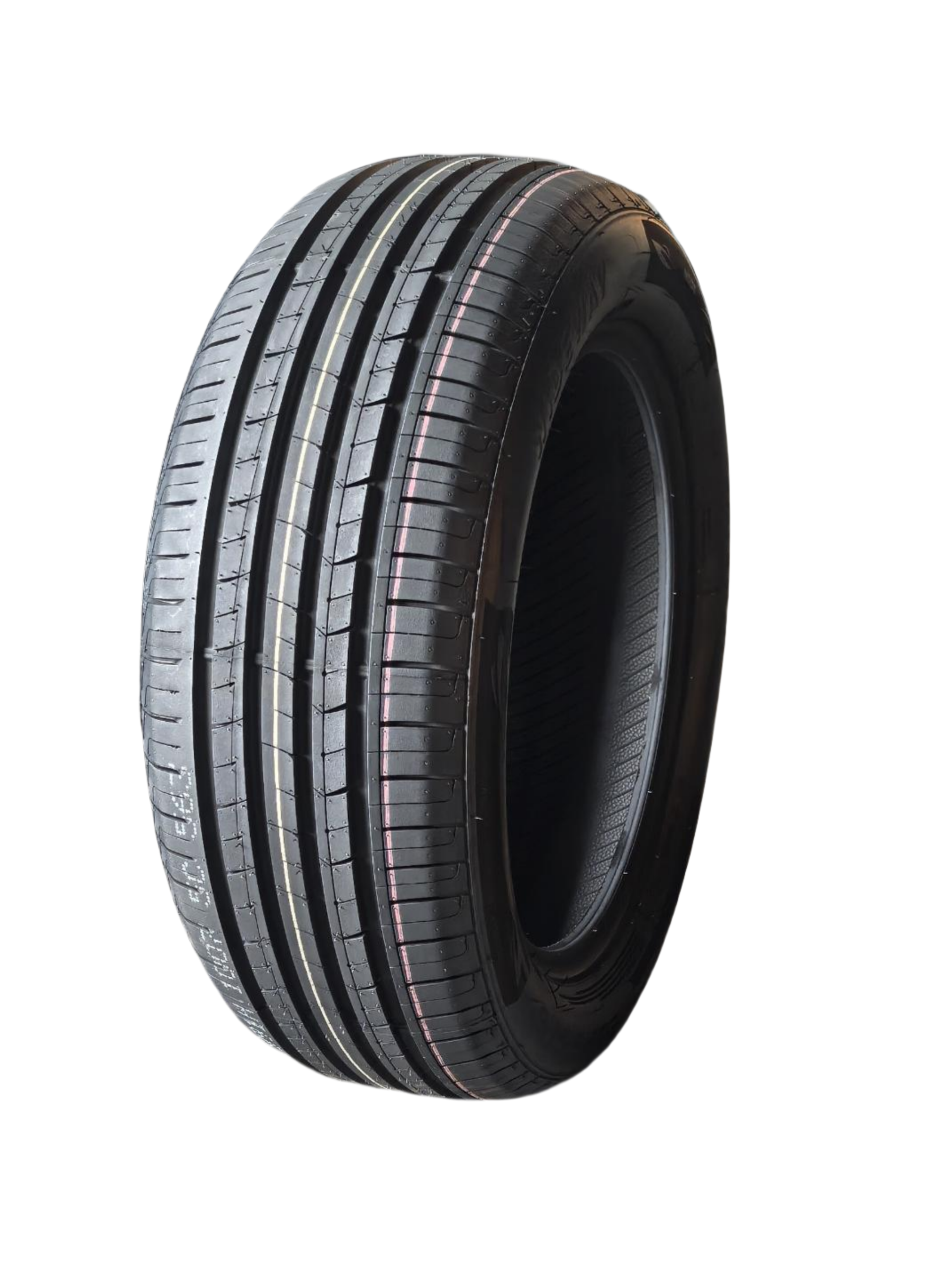
SAFEWAY is positioned as a safe and affordable family passenger car tire. It is suitable for family leisure driving projects, supporting urban commuting and weekend getaways. The tire is also suitable for applications in the automotive aftermarket sector, where it functions as a direct replacement for common passenger car sizes. Together with the SAFEWAY+ line, which extends to wider fitments such as 205/55R16, this family covers the majority of mainstream family sedans and hatchbacks used in city traffic.
In terms of driving behavior, urban tires of this type are engineered to deliver ride stability, enhance cornering stability, absorb noise for a quieter ride, offer grip on dry and wet roads, and reduce rolling resistance to save fuel. These attributes come from tread pattern choice, compound tuning, and carcass design, and they are the reason an urban family tire and an off-road tire cannot simply replace each other.
Highway Passenger Car Tires: Stability at Sustained Speed
Highway use brings a different set of demands: sustained speed, long-distance heat buildup, and predictable wet grip. A highway-oriented passenger car tire needs a higher speed rating and stable tread architecture. In the Wideway range, the SAFEWAY+ and the high-performance SPORTSWAY and HYPERWAY families cover this requirement.
SPORTSWAY is an ultra-high-performance passenger car tire. Its parameters include a W speed rating, a load index of 94, a maximum pressure of 340 kPa, and a section width of 225 mm. Available fitments start from 195/50R15 and extend to 20-inch sizes such as 255/45ZR20, which allows the same high-speed architecture to serve sports sedans and larger passenger cars.
HYPERWAY is positioned for performance sedans and SUVs, with a W speed rating, a load index of 103, a maximum pressure of 340 kPa, and a section width of 233 mm. Sizes such as 235/55ZR19 and 225/55ZR19 make this family suitable for vehicles that combine passenger comfort with high-speed capability. For highway fleets, choosing a W-rated tire can be a way to standardize one architecture across vehicles used mainly on motorways.
Mountain Road Passenger Car Tires: Traction and Sidewall Protection
Mountain road driving is a mixed-scenario case: steep climbs, long descents, hairpin turns, and surface changes from asphalt to gravel or snow. For a mountain road passenger car tire project, the selection rule is to prioritize traction and sidewall durability. The Wideway passenger car tire application scope explicitly includes mountainous road conditions and forest and mountain exploration, and the design functions for these conditions include delivering additional traction and protecting the sidewall from external impact. In practice, buyers should choose a tire family based on the seasonal surface: winter tires for icy mountain passes, and urban or highway families with strong cornering stability for dry mountain routes in mild climates.
Winter and Snow Passenger Car Tires: Grip When Temperature Drops
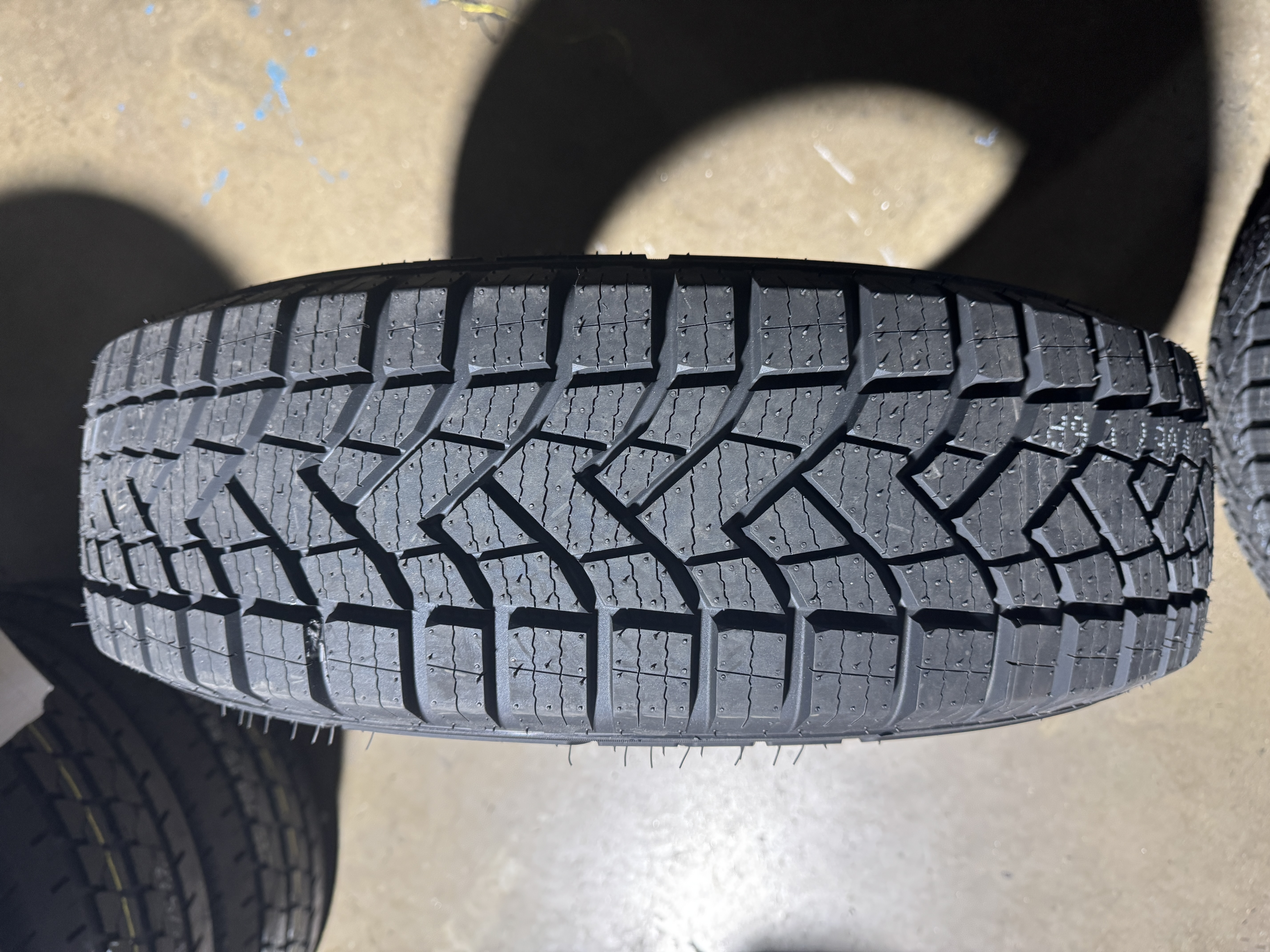
Winter and snow passenger car tires are designed specifically for icy and snowy road conditions. Compared with summer or all-season treads, winter tire architecture uses different tread blocks and rubber compounds to maintain grip at low temperatures. For a project involving vehicles that operate through Canadian winters or European mountain passes, this family is the correct starting point.
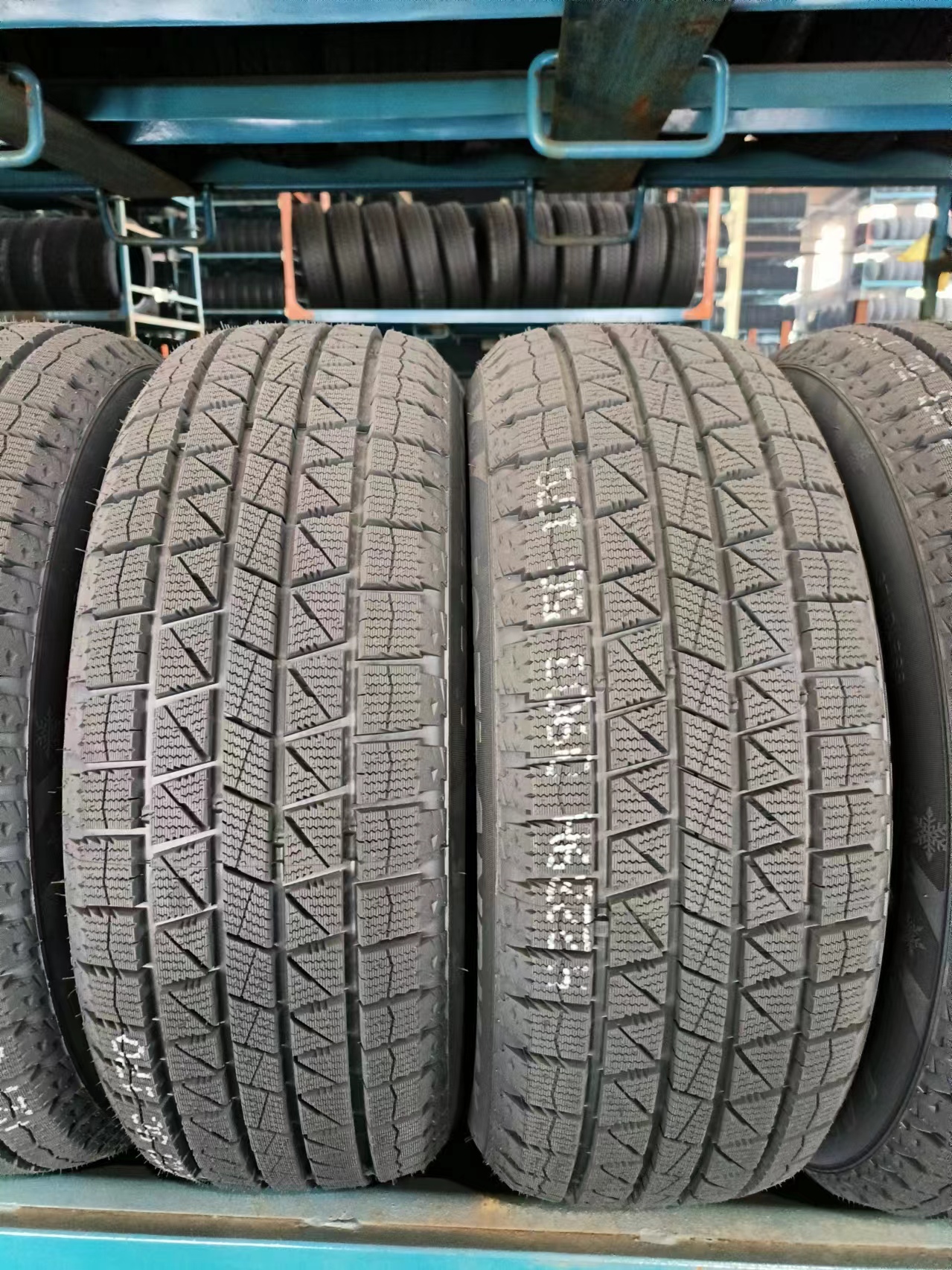
The Wideway winter range includes the SNOW GUARD, SNOWWAY STUD, and SNOWWAY VAN lines. SNOW GUARD offers a load index of 99, an S speed rating, and a maximum pressure of 300 kPa. SNOWWAY STUD increases the load index to 101 with an H speed rating and 340 kPa maximum pressure. For winter use on vans or loaded vehicles, SNOWWAY VAN carries a 109/107 load index with an R speed rating and a 475 kPa maximum pressure.
Winter tires are also relevant to the commercial aftermarket in cold regions: taxi fleets, delivery services, and family cars all switch to winter tires when seasonal law or safety practice requires it. Because the model list includes both passenger car sizes and commercial "C" sizes, one factory can supply the full seasonal replacement range for a distributor.
Commercial Van Passenger Car Tires: Load Capacity for Delivery and Service Fleets
Commercial van tires are a separate project category. Delivery vans, service vehicles, and mobile workshops need tires that carry a continuous load, resist sidewall damage from curbs, and maintain stability when the vehicle is partially loaded.
Wideway's ENERGYWAY series addresses this scenario with commercial-construction fitments such as 195R14C, 195R15C, and similar reinforced sizes. ENERGYWAY tires carry a 106/104 load index, an R speed rating, and a maximum pressure of 450 kPa. The model line of ENERGYWAY I alone covers 25 commercial sizes from 155R12C to 235/65R16C, which supports fleet standardization across small vans and light commercial vehicles.
For operators that want all-season capability in the van segment, the CARGO BULL 4S and VANGUARD models cover 185/75R16C and 195/75R16C fitments with a 104/102 load index, an R speed rating, and a 475 kPa maximum pressure. These tires are labelled as all-season van tires, which means one SKU can serve year-round use in moderate climates.
White Sidewall and White Letter Passenger Car Tires
Some projects are defined by appearance rather than terrain. White letter and white wall tires are used for classic cars, show vehicles, and buyers who want a distinctive sidewall look. The Wideway factory lists white letter tire and white wall tire as standard product categories, and its passenger car tire range includes models built with white rubber compound for this purpose. These options are also available through OEM customization, which matters for distributors building their own branded portfolio.
How to Select a Passenger Car Tire for a Project: Step-by-Step
Scenario-based selection can be reduced to a five-step process that works for both a single vehicle fitment and a distributor's inventory plan.
Step 1. Define the operating profile. Record the vehicle type (family sedan, hatchback, van, SUV, performance car), the dominant roads (urban, highway, mountain, winter, mixed), the average load, and the climate range. This profile determines everything else.
Step 2. Map the profile to a tire family. Use the family logic in this guide: urban commuting and family leisure driving point to the SAFEWAY family; sustained highway speed points to SAFEWAY+, SPORTSWAY, or HYPERWAY depending on vehicle class; mountain and winter operation points to SNOW GUARD, SNOWWAY STUD, or SNOWWAY VAN; van load points to ENERGYWAY, CARGO BULL 4S, or VANGUARD.
Step 3. Check load index and speed rating. The selected tire must meet or exceed the vehicle's original load and speed requirements. The parameters published by the factory, load index, speed rating, max pressure, and section width, are the matching criteria.
Step 4. Confirm market compliance. For EU projects, verify that the tire complies with ECE R117 rolling resistance, wet grip, and noise limits. For other destinations, confirm the documentation package with the supplier before production.
Step 5. Plan supply parameters. For factory-direct orders, the standard MOQ is one 20-foot container, roughly 400–700 pieces depending on tire size, with a lead time of 25–45 days. The factory's quality control applies 100% testing, meaning every tire is tested before shipment.
Real-World Use Cases for Passenger Car Tire Projects
Case 1: Family Leisure Driving
Family leisure driving is one of the clearest use cases for a safe and affordable family passenger car tire. A family sedan used for weekday commuting and weekend trips needs an urban-comfort tread, predictable wet grip, and low rolling resistance for fuel economy. The SAFEWAY family, with its V rating and load index 91, fits this profile. The product is suitable for family leisure driving projects, and its model list covers the common 13–16 inch fitments that dominate the family car segment.
Case 2: Automotive Aftermarket Replacement
The automotive aftermarket sector is another core application. Tire distributors, automotive aftermarket chains, auto repair shops, and tire dealers need a range of passenger car tires that can be quickly matched to a vehicle's use pattern. The product range described in this guide is suitable for applications in the automotive aftermarket sector, and the availability of multiple scenario families under one supply contract simplifies inventory planning.
Case 3: Distributor Partnership in Mexico
A documented example of scenario-based supply comes from a tire distributor and wholesaler in Mexico. Over a 4-year cooperation, Wideway supplied 100,000-piece orders and accumulated more than 400,000 passenger car tires exported to that market. The tires were engineered for Mexico's diverse road conditions, with an emphasis on heat resistance, extended mileage, and dependable all-season traction. According to the case record, the distributor achieved a track record of repeat orders, with end-user feedback highlighting extended tread life, high cost-effectiveness, low noise, and ride comfort. For distributors, this type of case matters because it shows how a factory manages scenario fit at scale.
Passenger Car Tire Family Comparison Table
The table below summarizes the representative passenger car tire families, their best-fit scenarios, and their published load and speed parameters. Use it as a shortlist tool before contacting a supplier.
| Tire Family | Best-Fit Scenario | Example Size | Load Index | Speed Rating | Max Pressure |
|---|---|---|---|---|---|
| SAFEWAY | Urban & family commuting | 185/65R15 | 91 | V | 300 kPa |
| SAFEWAY+ | Urban & highway, family sedans | 205/55R16 | 91 | V | 300 kPa |
| SNOW GUARD | Winter & snow, passenger cars | 195/65R15 | 99 | S | 300 kPa |
| SNOWWAY STUD | Winter & snow, higher load | 205/55R16 | 101 | H | 340 kPa |
| SNOWWAY VAN | Winter & snow, van / loaded vehicles | 195/70R15C | 109/107 | R | 475 kPa |
| ENERGYWAY I | Commercial van, year-round | 195R14C | 106/104 | R | 450 kPa |
| CARGO BULL 4S / VANGUARD | All-season commercial van | 195/75R16C | 104/102 | R | 475 kPa |
| SPORTSWAY | High-performance passenger car | 225/45ZR17 | 94 | W | 340 kPa |
| HYPERWAY | Performance sedan / SUV | 235/55ZR19 | 103 | W | 340 kPa |
Frequently Asked Questions
What compliance requirements apply to passenger car tires before shipping to different markets?
European markets require passenger car tires to comply with UN Regulation No. 117 (ECE R117), which sets limits for rolling resistance, wet grip, and external rolling noise, and requires EU labeling. Buyers should confirm the certification and documentation package with the factory before production because compliance needs to be verified before shipment, not after. The Wideway factory's export coverage includes the EU, the Middle East, Africa, Central and South America, Southeast Asia, Central Asia, Australia, and Canada, and every tire goes through 100% factory testing.
Which passenger car tire categories are available for scenario-specific projects?
The WIDEWAY, EVERLAND, and V-RICH passenger car tire range covers urban and family tires (SAFEWAY, SAFEWAY+), winter and snow tires (SNOW GUARD, SNOWWAY STUD, SNOWWAY VAN), commercial van tires (ENERGYWAY, CARGO BULL 4S, VANGUARD), high-performance tires (SPORTSWAY, HYPERWAY), and specialty white sidewall / white letter tires. For OEM projects, the factory supports customization of passenger car tires, white letter tires, and white sidewall tires, with a monthly production capacity of 60,000 pieces.
How can budget-conscious buyers plan a passenger car tire order without over-stocking?
Budget control in a tire project starts with scenario fit. A tire matched to the actual road condition reduces premature wear and warranty friction, which protects the distributor's margin. On the supply side, the standard MOQ is one 20-foot container, roughly 400–700 pieces depending on tire size. This allows a distributor to start with a controlled quantity per tire family and expand based on sell-through, using the factory's OEM and private label support when the brand needs differentiation.
Can I request a sample before placing a container order?
The standard production MOQ is one 20-foot container, around 400–700 pieces, and the lead time for production is 25–45 days. For specification confirmation before a bulk order, the recommended path is to contact the sales team directly with the target sizes, the destination market, and the intended vehicle scenarios, so they can confirm availability and the documentation package. For new project inquiries, contact Della at della@widewaytire.com or WhatsApp +86 18253208831.
What is the lead time for a passenger car tire production order?
The standard lead time for passenger car tire production is 25–45 days, based on model, size mix, and quantity. The factory's monthly OEM capacity is 60,000 pieces, and quality control applies 100% testing to every tire. To get a precise production schedule for your project, send the model list and quantity to della@widewaytire.com; the sales team can confirm timing, packaging, and shipping options for your market.
Conclusion and Next Step
Passenger car tire selection is a terrain-matching exercise. Urban roads, highways, mountain passes, winter conditions, and commercial van routes each require a different balance of comfort, load capacity, speed stability, and grip. By mapping the vehicle profile and road mix to the right tire family, distributors and project buyers can reduce early wear, avoid compliance surprises, and build a product range that matches what end users actually need.
SHANDONG WIDEWAY TIRE CO.,LTD, with its WIDEWAY, EVERLAND, and V-RICH brands, provides a scenario-structured passenger car tire range supported by a 1,000,000 sqm facility, an annual output of about 23.4 million tires, 100% factory testing, OEM customization, and export coverage across the Americas, Europe, Africa, the Middle East, and Asia. For distributors evaluating a new supply relationship, the next step is to verify parameters, review the catalog, and confirm lead time for the target market.
Download the EVERLAND catalog for passenger car tire specifications:
EVERLAND CATALOG-2025 (PDF)
For pricing and lead time, contact Della: della@widewaytire.com | WhatsApp: +86 18253208831