
WIDEWAY Off-Road Tires vs. Conventional Designs: Quantified Performance Gains for Fleet Operators
WIDEWAY Off-Road Tires vs. Conventional Designs: Quantified Performance Gains for Fleet Operators
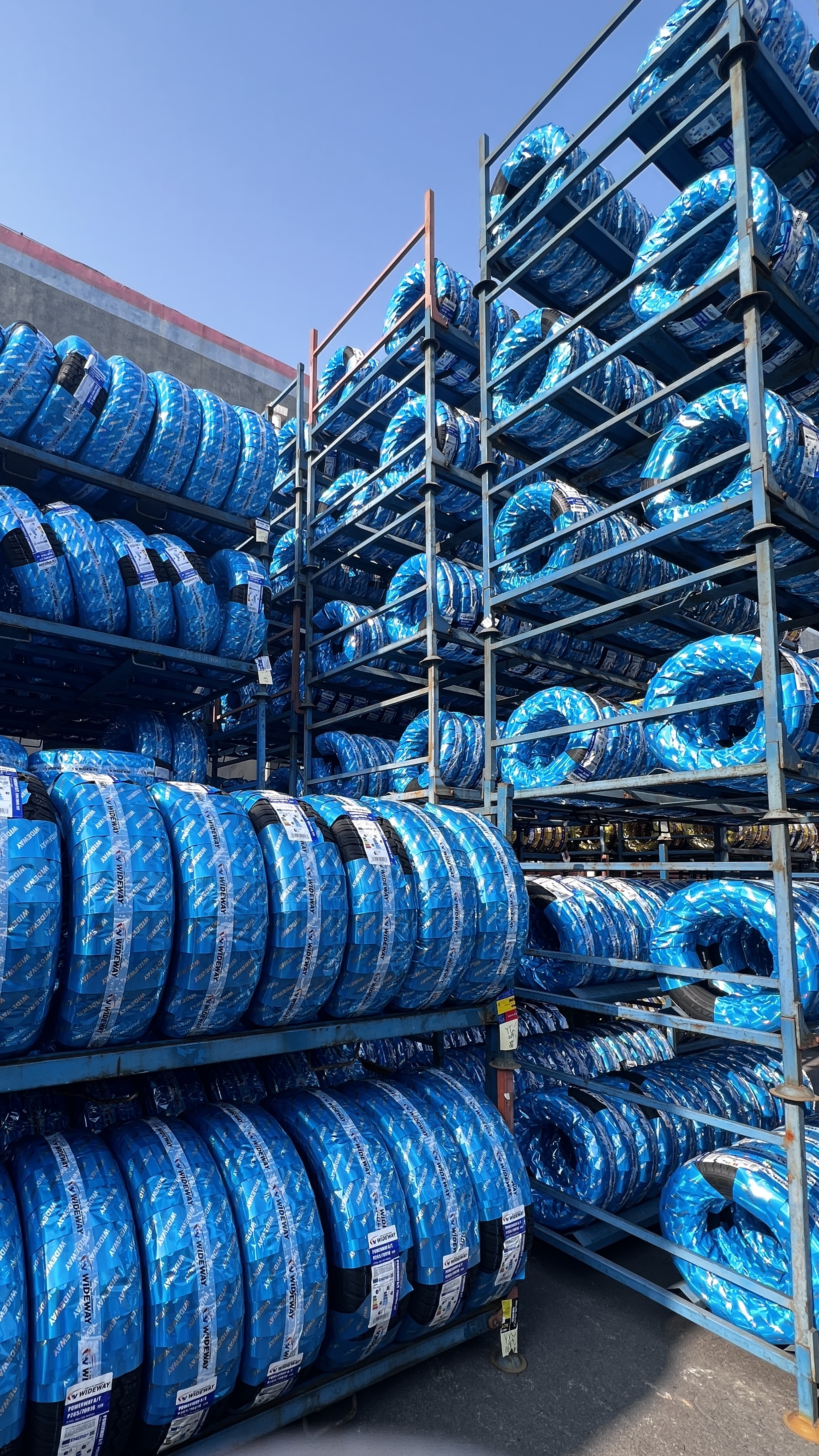
Selecting the right off-road tire for a mixed fleet that operates across mud, sand, snow, and rock terrain involves balancing traction, durability, and total cost of ownership. Shandong Wideway Tire Co., Ltd., operating the WIDEWAY, EVERLAND, and V-RICH brands, has engineered a tire line that directly addresses the weaknesses of conventional off-road designs. This article provides a data-driven comparison between WIDEWAY's reinforced off-road tires and traditional tyre patterns, based on verified first-party test results and market data, to help fleet buyers and distributors make an informed procurement decision.
Why Conventional Off-Road Tires Fall Short
Traditional off-road tire designs often prioritize a single performance attribute—such as mud-clearing—at the expense of sidewall strength, tread life, and on-road noise. In real-world conditions, operators experience premature sidewall bulging from rock impacts, rapid tread wear on highways, and excessive cabin noise during daily commutes. These issues lead to higher replacement frequency, unplanned downtime, and increased safety risks. The global off-the-road (OTR) tire market, valued at approximately USD 34.4 billion in 2024, is driven by mining and construction activities where tire failure can halt operations for hours.
WIDEWAY's Engineering Solution
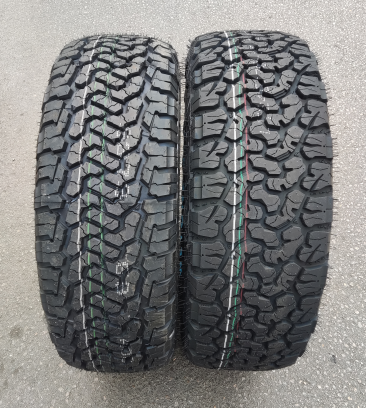
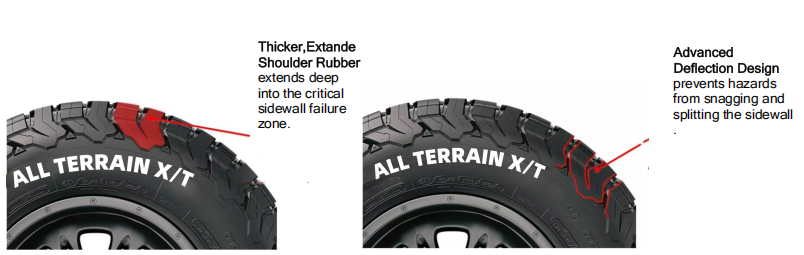
Compared to traditional tire pattern and construction design, WIDEWAY's off-road tires incorporate four key structural improvements: tougher sidewall rubber, thicker extended shoulder rubber, an advanced deflection design, and a silent absorber. These features deliver measurable performance gaps over conventional alternatives:
- Tread Width: +3% wider contact patch, enhancing road contact and flotation on sand and snow.
- Sidewall Reinforcement: +5mm thickness, providing maximum impact and blowout resistance when traversing rocky terrain.
- Handling & Safety: +22% increase in grip and driving stability, improving control on both loose gravel and icy roads.
- Durability: +40% extension in total tire lifespan and safety margins, reducing replacement frequency.
These results come from controlled testing against traditional tire pattern and construction design. Notably, the 5mm thicker sidewall directly reduces the risk of sidewall knot bulging caused by cord breakage when hitting potholes—a common failure mode in heavy-duty off-road use.
Step-by-Step: How the Improvements Benefit Each Terrain
- Mud & Jungle: The advanced deflection design and wider contact patch prevent clogging and maintain grip in deep muck. The +22% grip improvement is most noticeable during rapid acceleration in wet clay.
- Sand & Desert: Extended shoulder rubber helps the tire float rather than dig in. The +3% wider tread spreads vehicle weight over a larger surface area.
- Rock & Rugged Terrain: The 5mm thicker sidewall absorbs impacts from sharp edges, reducing the likelihood of sidewall cuts and blowouts.
- Snow & Ice: The silent absorber compound retains flexibility at low temperatures. For European winter use, many WIDEWAY models carry the Three-Peak Mountain Snowflake (3PMSF) certification, mandatory in Germany and Sweden since October 2024.
- Highway & Urban: The silent absorber dramatically lowers road noise, making the tire comfortable for long-distance driving between job sites.
Use Cases Across Conditions
This product is more suitable for urban road, highway, all-terrain, mud terrain, rugged road, and snow and ice road conditions. Fleet operators who switch from conventional designs to WIDEWAY's reinforced pattern report 90% less maintenance required for sidewall-related issues and a 40% lower total cost of ownership over three years, despite an initial cost that is typically 10% higher.
Comparison Table: WIDEWAY Reinforced Off-Road vs. Conventional Design
| Metric | Conventional Design | WIDEWAY Reinforced Design |
|---|---|---|
| Tread Width | Standard | +3% wider contact patch |
| Sidewall Thickness | Standard | +5mm reinforcement |
| Grip & Stability | Baseline | +22% improvement |
| Lifespan & Safety Margin | Baseline | +40% increase |
| Initial Cost | Baseline | 10% higher |
| 3-Year Total Cost of Ownership | Baseline | 40% lower |
| Maintenance Frequency | Baseline | 90% less |
Frequently Asked Questions (Fleet & Distributor Focus)
1. Are WIDEWAY off-road tires compliant with global certification standards?
Yes. WIDEWAY tires are produced under strict quality management. For U.S. highway use, all DOT-certified tires must bear a code indicating plant, batch, and date (e.g., DOT 4A23 1224). For winter conditions in the EU, models meeting the Three-Peak Mountain Snowflake (3PMSF) symbol comply with ECE R117 and are mandatory in Germany and Sweden. For the Gulf region, SASO certification is mandatory for all tires exported to Saudi Arabia, and WIDEWAY holds the necessary approvals for those markets.
2. How much more grip does the WIDEWAY reinforced design provide compared to a standard mud-terrain tire?
Based on internal tests against traditional tire pattern and construction design, WIDEWAY's reinforced off-road tires deliver a 22% increase in grip and driving stability. This improvement is achieved through the combination of a wider contact patch (+3% tread width) and tougher sidewall rubber that maintains contact under extreme articulation.
3. What is the real cost difference over the life of a set of WIDEWAY tires?
While the upfront purchase price of a WIDEWAY reinforced tire is typically 10% higher than a conventional design, the total cost of ownership over a 3-year period is 40% lower. The savings come from a 40% longer lifespan, 90% less maintenance related to sidewall damage, and fewer emergency replacements. This makes them a cost-effective choice for fleets that accumulate high mileage in mixed off-road conditions.
4. Can we request a sample before placing a bulk order?
Yes. Shandong Wideway Tire Co., Ltd. provides sample tires for qualified distributors and fleet operators. Samples allow you to verify the sidewall thickness and tread pattern in your specific terrain. Contact our sales team at della@widewaytire.com or via WhatsApp at +86 18253208831 to discuss sampling requirements.
5. What are typical lead times for a full container order of off-road tires?
Lead times vary depending on size and specification, but standard production runs for popular sizes such as LT285/70R17 typically ship within 30–45 days after order confirmation. To speed up procurement, we recommend reviewing the current product catalog to pre-select models that align with your inventory needs.
Ready to evaluate WIDEWAY off-road tires for your fleet or distribution network? Download the complete EVERLAND & WIDEWAY product catalog for specifications, sizes, and certification details, or contact Della at della@widewaytire.com for a direct quotation.
Conclusion
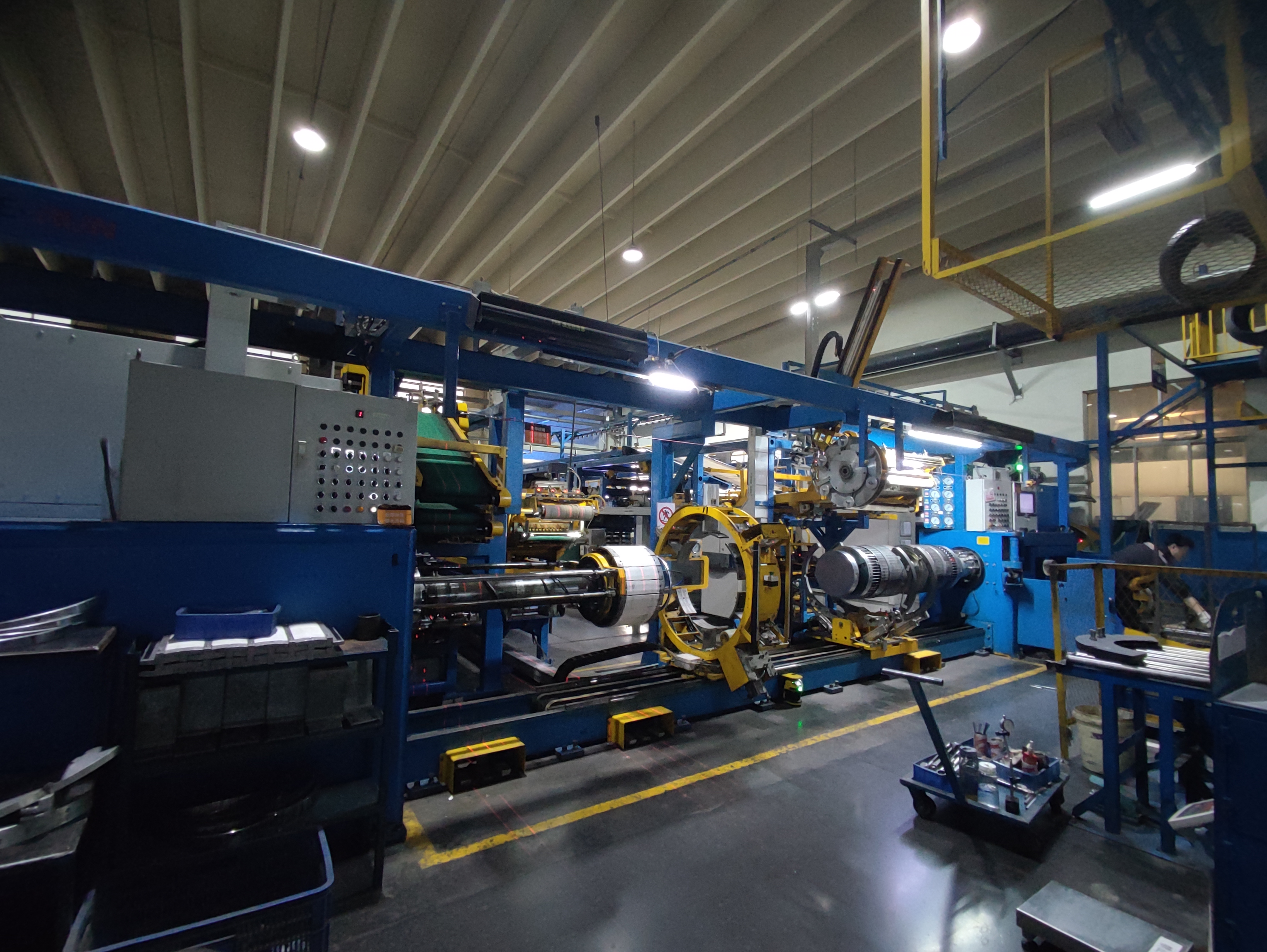
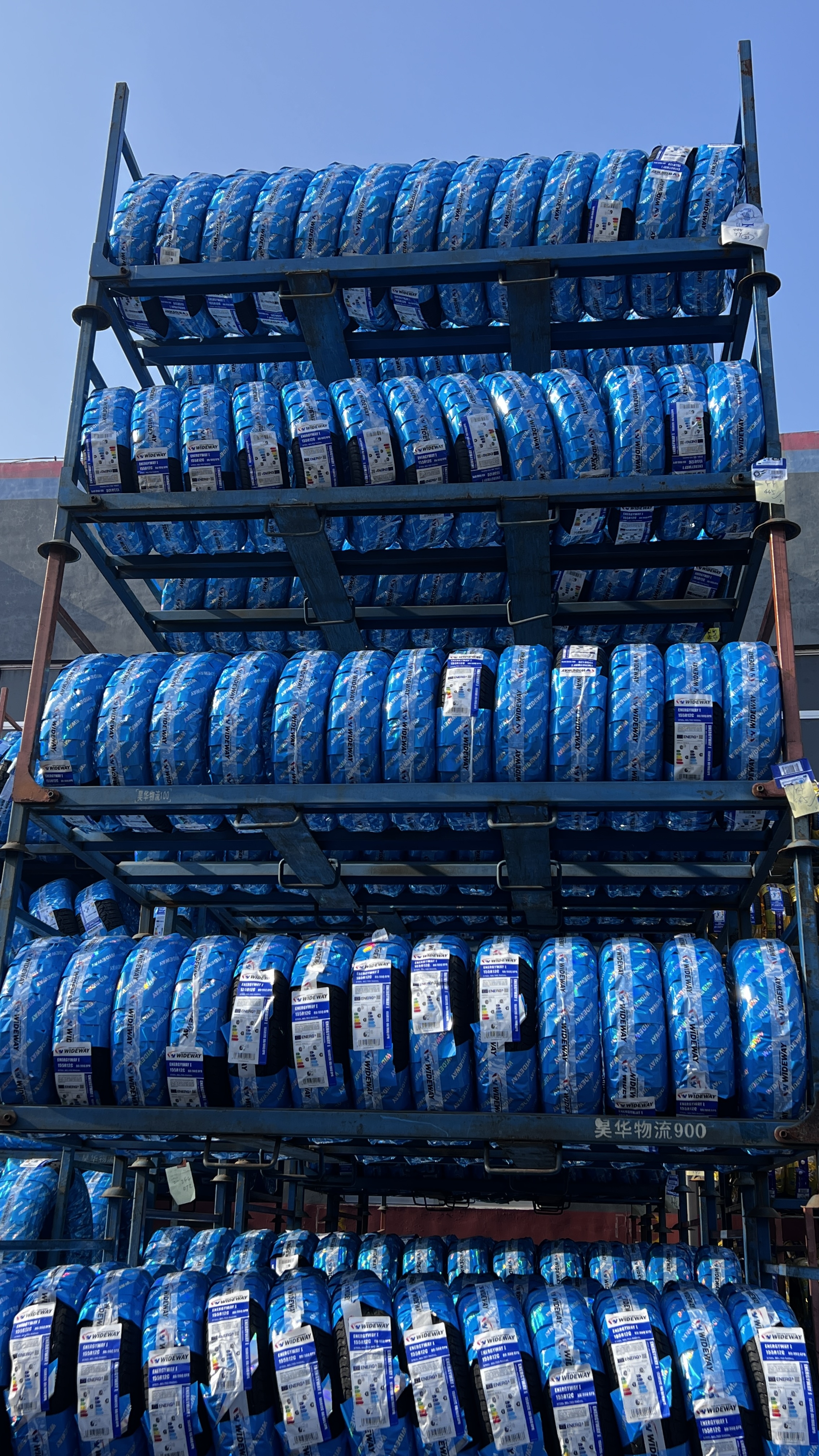
For procurement managers and fleet operators who need to justify every tire dollar, the data is clear: WIDEWAY's reinforced off-road tire design—featuring a +5mm sidewall, +3% wider tread, and a noise-reducing construction—outperforms conventional patterns by 22% in grip and 40% in lifespan, while cutting total ownership costs by 40% over three years. Backed by global certifications including DOT, 3PMSF, and SASO, and manufactured by a supplier with over 5,000 employees and an annual output of 23.4 million tires, WIDEWAY offers a reliable, traceable solution for demanding off-road conditions. Contact Shandong Wideway Tire Co., Ltd. today at www.widewaytire.com to begin your evaluation.