
Soft Tissue Wrapping Bottleneck: Sizing TP-180 and TP-280
A soft tissue wrapping line rarely fails because the wrapper is slow in isolation. It fails because the wrapper's rated ceiling does not line up with the pack format, the utilities available on the floor, or the speed of the equipment in front of and behind it. WIMACH — Wenzhou Wimach Machinery Co., Ltd., a manufacturer of tissue packing machines and integrated packaging lines based in Ruian, Wenzhou, Zhejiang, China — builds two automatic soft tissue wrapping machines for exactly this decision. The TP-180 is rated to a maximum of 180 packs per minute; the TP-280 is rated to a maximum of 260 packs per minute.
The short answer sits in three checks. If target output stays at or below 180 packs per minute and the pack format moves inside the TP-180's 90–200 mm length, 85–105 mm width and 25–90 mm height envelope, the TP-180 is the lighter match at a net weight of 2,900 kg. If the line genuinely has to hold 260 packs per minute, the site must be able to feed the TP-280 with 380 V three-phase power at 50/60 Hz, 18 kW, and 0.5–0.8 MPa compressed air at 120 L/min. Everything after those checks — film behaviour, buffering, changeover and factory validation — decides whether either machine delivers its rated number in production.
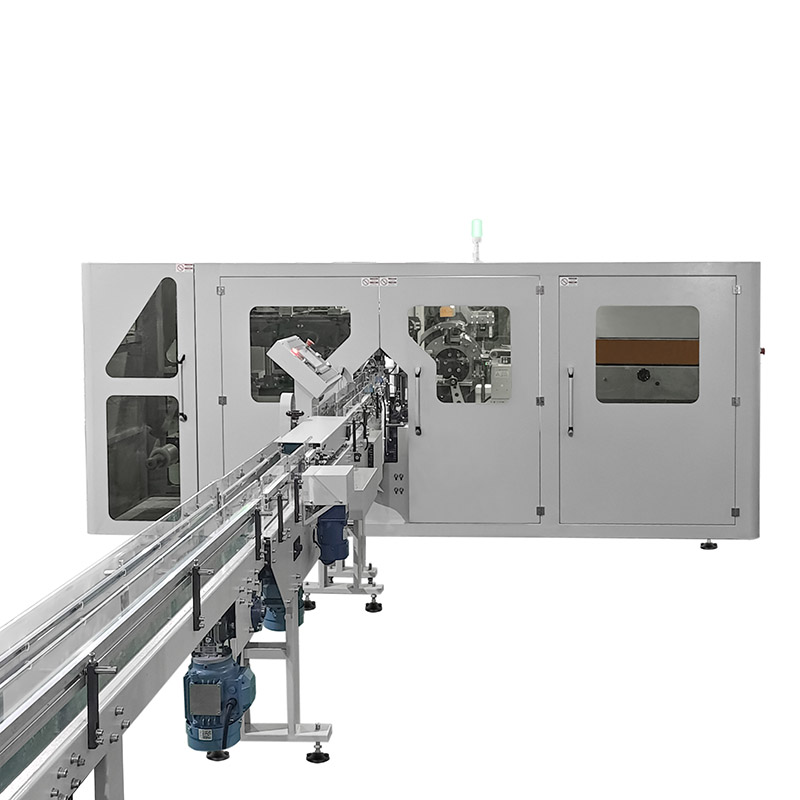
TP-280 automatic high-speed soft tissue wrapping machine, rated to a maximum of 260 packs per minute.
Where a Soft Tissue Wrapping Bottleneck Actually Comes From
Three symptoms separate a real wrapping bottleneck from a line that is simply running below plan.
- Accumulation upstream. Soft tissue packs back up on the infeed while the wrapper keeps running. The wrapper's rated speed is not the constraint here; pack presentation, film feed or the sealing cycle is.
- Idle time downstream. A cartoner or case packer waits for wrapped packs. The wrapper looks fast enough on paper and slow on the floor.
- Changeover drift. Output looks acceptable on a single SKU and collapses when the format changes, because changeover time is being absorbed inside the production window instead of between runs.
When a producer moves from a 180 packs per minute requirement to 260, none of those symptoms is solved by running the existing machine harder. The arithmetic is blunt: a 260 packs/min target is roughly 44% above a 180 packs/min ceiling. That is a capacity-class gap. It is closed by choosing the machine that matches the required rate, not by tuning one that does not.
The question producers usually ask is "which tissue packing machine should we buy?" The more useful question is a matching question: at what rate must the wrapper run, with which pack format, using which film, on which utility supply, and with how much buffer on each side? Answer those five and the TP-180/TP-280 decision becomes mechanical rather than speculative.
Why Soft Tissue Wrapping Capacity Is Being Re-Sized Now
The category the wrapper serves keeps expanding. The global tissue paper packaging machine market was valued at approximately USD 3.9 billion in 2025 and is projected to reach USD 4.2 billion in 2026, according to Precedence Research / Business Research Insights. Asia Pacific dominated that market with a 39.8% share in 2025, and facial tissue packaging applications accounted for 42.1% of market share in the same year.
Those figures describe a category, not a plant. Their practical meaning for one producer is narrower: the formats being packed are diversifying while tolerance for an unstable wrapping stage is falling. A plastic film tissue packing machine is now expected to run printed film with brand artwork, hold a consistent seal, and present a pack that sits squarely on shelf — at a rate the rest of the line can absorb without starving.
A second shift is structural. Wrapping has moved from a standalone operation to a stage inside an integrated line, where it feeds cartoning, case packing and palletizing. WIMACH's own range reflects that: soft tissue wrapping machines, tissue cartoning machines, toilet roll wrapping and case packing equipment, and the integrated lines that connect them. Once wrapping sits inside a line, the wrapper's speed stops being a machine specification and becomes a line-balance decision.
TP-180 and TP-280: Two Capacity Classes, One Wrapping Task
Both machines are automatic soft tissue wrapping machines from WIMACH. They differ in rated speed, package envelope and utility demand — and those three differences, not the model number, are what a line-speed decision turns on.
TP-180 — the 180 packs/min class
TP-180 is an automatic soft tissue wrapping machine with a maximum output of 180 packs per minute. Its stated package envelope is 90–200 mm in length, 85–105 mm in width and 25–90 mm in height, and it has a net weight of 2,900 kg. The width and height ranges are narrow relative to the length range, which suits a wrapper built around a family of soft tissue pack formats rather than a single fixed SKU.
For a producer whose required rate sits at or below 180 packs per minute, the TP-180 covers the wrapping task without the electrical and pneumatic obligations of a higher-speed unit. That matters at the quotation stage and again on the factory floor, where a machine that overruns the site's utility capacity quietly becomes the new bottleneck.
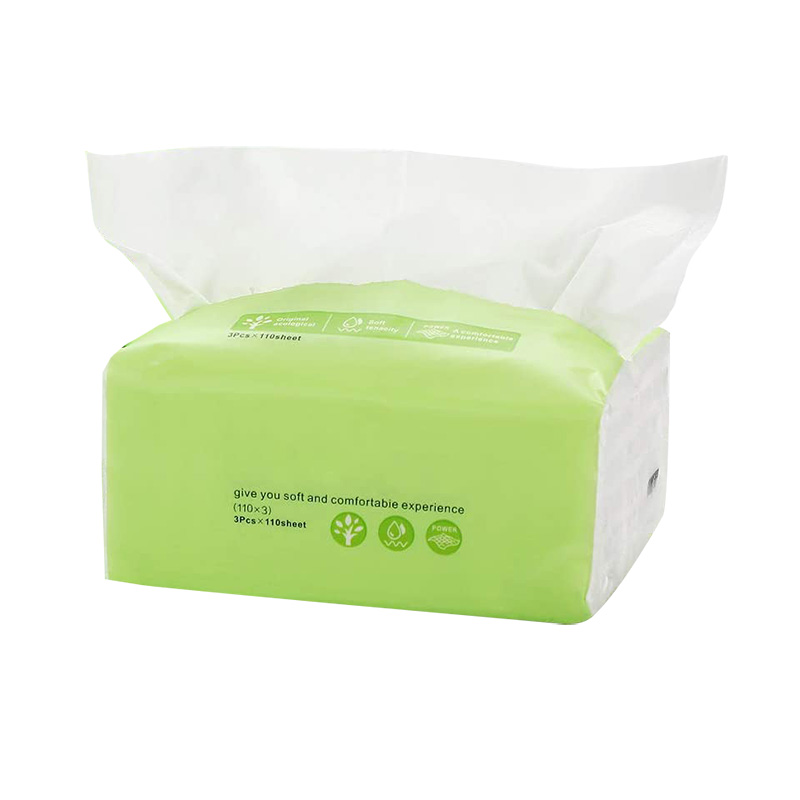
TP-180 automatic soft tissue wrapping machine: package length 90–200 mm, width 85–105 mm, height 25–90 mm, net weight 2,900 kg.
TP-280 — the 260 packs/min class
TP-280 is an automatic high-speed soft tissue wrapping machine with a maximum output of 260 packs per minute. Its stated electrical requirement is 380 V, 50/60 Hz, three-phase, with 18 kW installed power; its pneumatic requirement is 0.5–0.8 MPa at an air consumption of 120 L/min.
Those utility figures belong in the specification discussion, not in the installation checklist. A site that cannot deliver stable three-phase 380 V or sustained air at 120 L/min will not reach 260 packs per minute, and the shortfall will be attributed to the wrapper rather than to the supply. Checking the transformer, the distribution board and the pressure at the machine — not at the compressor outlet — is part of sizing the wrapper, not an afterthought.
The compliance base both models share
Both models fall within the scope of CE attestation of compliance TRCN-25118WWM01, issued by iNTEGRA96 Belgelendirme on 28 April 2025 and valid until 27 April 2030. The certificate names "Automatic Tissue Wrapping Machine" as its scope and lists the TP-180 and TP-280 among related products. The standards cited are EN ISO 12100:2010; EN 60204-1:2018+A1:2025; EN 415-1:2014; EN 415-10:2014; EN IEC 61000-6-2:2019; and EN IEC 61000-6-4:2019.
For a buyer, a certificate is a starting point rather than a conclusion. The same document applies to both models, so the configuration actually ordered — voltage, film path, package format — still has to be checked against the certified scope before the machine ships.
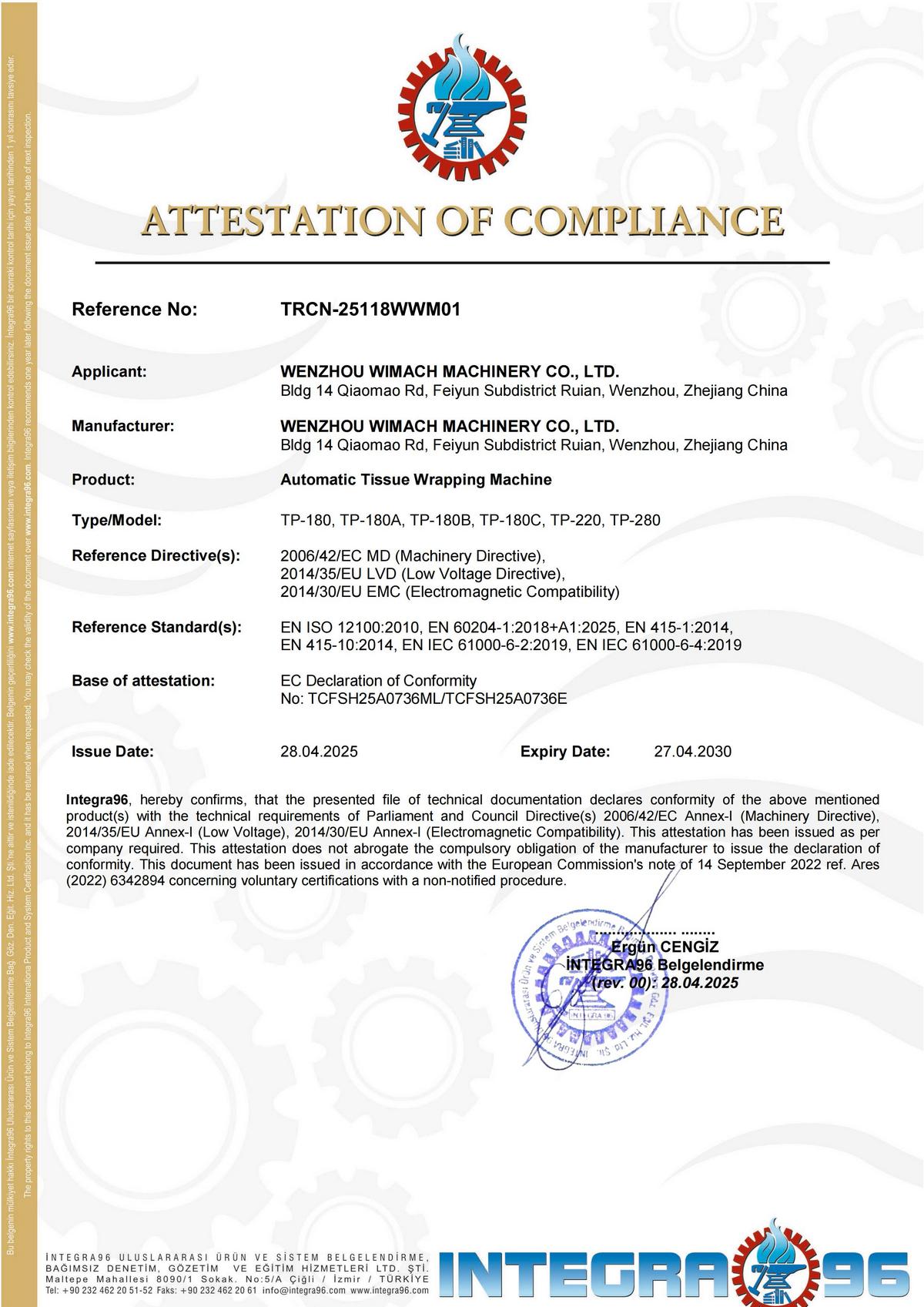
CE attestation of compliance TRCN-25118WWM01, issued 28 April 2025 and valid until 27 April 2030, covering the TP-180 and TP-280.
A Six-Step Checklist for Matching Wrapper Capacity to Line Speed
Step 1 — Convert the output target into a required hourly rate
Weekly or annual output ÷ planned production hours = required packs per hour; required packs per hour ÷ 60 = required packs per minute. Use planned hours rather than calendar hours, and count scheduled maintenance and shift patterns. A target stated as "260 packs per minute" only becomes a specification input once it has been converted this way.
Step 2 — Compare against the rated ceiling, not the average
Rated output is a ceiling, not a running average. A wrapper rated at 180 packs per minute does not deliver 180 packs per minute for a full shift once film splices, pack jams and changeovers are counted. The correct comparison is between the required rate and the machine's ceiling, with the difference treated as productive headroom rather than as guaranteed output.
Step 3 — Check the pack format against the envelope
For the TP-180, the check is direct: length 90–200 mm, width 85–105 mm, height 25–90 mm. A format inside all three ranges is a specification match; a format outside any one of them is not. For the TP-280, the envelope is not part of the supplied specification, so the format has to be confirmed with the manufacturer before the purchase order is released.
Step 4 — Confirm utilities before the quotation is signed
The TP-280 needs 380 V three-phase at 50/60 Hz, 18 kW installed power, and 0.5–0.8 MPa air at 120 L/min. Check the site transformer, the distribution board, the compressor capacity and the line pressure at the machine. WIMACH lists voltage among the parameters that can be customised, so a site that differs from the standard supply should raise it during specification rather than after delivery.
Step 5 — Decide where the buffer sits
At 260 packs per minute, a short stop upstream propagates through the wrapper and into the case packer within seconds. The buffer decision — how much accumulation sits between the wrapping stage and the next machine, and whether the wrapper stops or the downstream equipment stops first — determines whether rated speed is usable or merely theoretical. A wrapper that meets its rating but has no buffer behaves like a wrapper that does not.
Step 6 — Validate the machine before it ships
WIMACH's stated quality control sequence covers no-load and load running tests, dimensional tolerance inspection, mechanical assembly checks, pneumatic leakage testing, electrical safety testing, PLC control logic testing, safety interlock and E-stop testing, a long-time aging test, and surface appearance inspection. For a buyer, that sequence is the moment to verify two things: that the machine reaches its rated output on the actual pack format, and that the safety functions behave as documented.
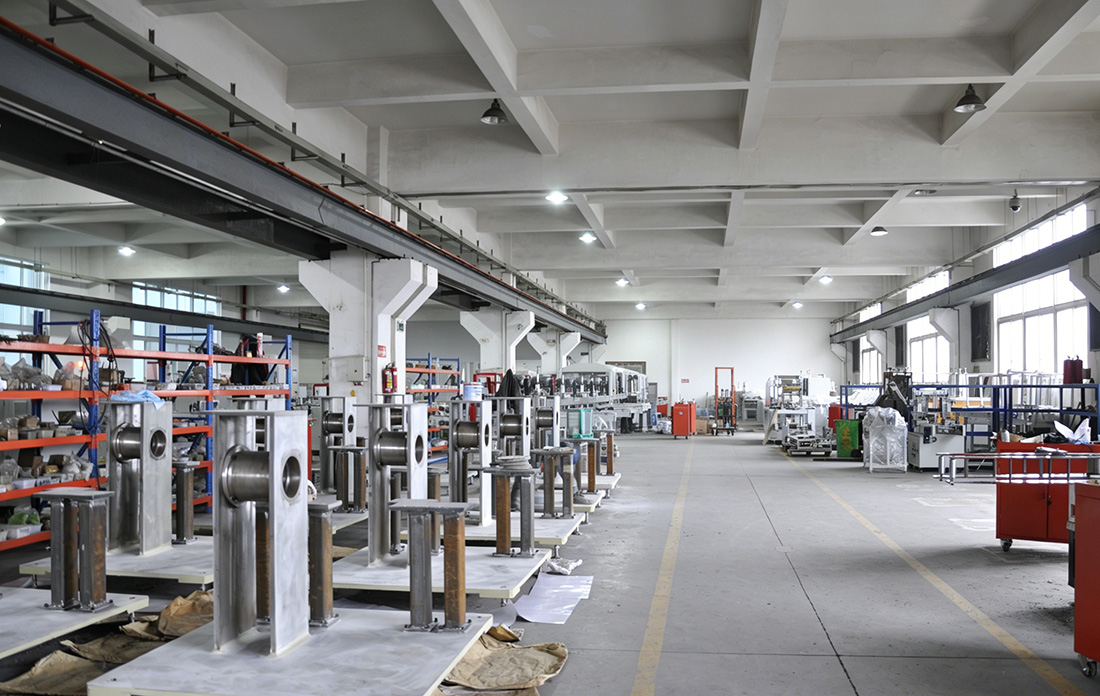
WIMACH machinery workshop: machines are assembled and run through load and safety tests before shipment.
Use Cases: How the Matching Logic Has Been Applied
Spain — replacing manual wrapping on soft facial tissue. A tissue paper manufacturer installed two machines as a turnkey soft facial tissue wrapping solution, replacing manual packaging that had produced inconsistent quality. The installation has run for four years. Reported outcomes are improved packaging speed, reduced labour cost and standardised continuous production; listed machine features include CE compliance, quick size changeover and low maintenance cost. The TP-280 is listed as a related product for this application.
Poland — a 12-machine line with wrapping inside it. A complete packaging line for facial tissue and cream tissue integrates conveying, cartoning, case packing, pallet feeding, robotic palletizing, strapping and stretch wrapping, and has been in operation for two years. Finished goods leave as whole pallets of shipping cases, strapped and stretch-wrapped for dust and moisture protection. The TP-280 appears in the equipment set alongside cartoning and case-packing units — the wrapping stage was specified as part of a line, not as a standalone purchase.
When TP-180 is the better fit. If the required rate is at or below 180 packs per minute and the pack formats move across the TP-180 envelope, the TP-180 is the specification match. Selecting the 260 packs/min class in that situation buys headroom the upstream equipment may never use while adding an 18 kW and 120 L/min utility obligation to the plant.
TP-180 vs TP-280: Specification Comparison
| Parameter | TP-180 | TP-280 |
|---|---|---|
| Machine class | Automatic soft tissue wrapping machine | Automatic high-speed soft tissue wrapping machine |
| Maximum output | 180 packs/min | 260 packs/min |
| Package length | 90–200 mm | Not stated in the supplied specification |
| Package width | 85–105 mm | Not stated in the supplied specification |
| Package height | 25–90 mm | Not stated in the supplied specification |
| Net weight | 2,900 kg | Not stated in the supplied specification |
| Power supply | Not stated in the supplied specification | 380 V, 50/60 Hz, three-phase |
| Installed power | Not stated in the supplied specification | 18 kW |
| Air pressure | Not stated in the supplied specification | 0.5–0.8 MPa |
| Air consumption | Not stated in the supplied specification | 120 L/min |
| CE certificate | TRCN-25118WWM01 (scope: Automatic Tissue Wrapping Machine) | TRCN-25118WWM01 (same scope) |
Cells marked "not stated" indicate parameters not included in the specification provided for this comparison. They should be confirmed with WIMACH before an order is placed.
Frequently Asked Questions
Are the TP-180 and TP-280 CE certified, and what does the certificate cover?
Yes. Both models fall within the scope of CE attestation of compliance TRCN-25118WWM01, issued by iNTEGRA96 Belgelendirme on 28 April 2025 and valid until 27 April 2030. The certificate names "Automatic Tissue Wrapping Machine" as its scope and lists the TP-180 and TP-280 among related products. The standards cited are EN ISO 12100:2010, EN 60204-1:2018+A1:2025, EN 415-1:2014, EN 415-10:2014, EN IEC 61000-6-2:2019 and EN IEC 61000-6-4:2019. Buyers should still confirm that the certificate matches the exact configuration ordered, including voltage and any customisation.
What output and utilities does the TP-280 require?
The TP-280 is an automatic high-speed soft tissue wrapping machine with a maximum output of 260 packs per minute. It requires 380 V, 50/60 Hz, three-phase power with 18 kW installed power, and compressed air at 0.5–0.8 MPa with an air consumption of 120 L/min. If the site cannot supply three-phase 380 V or sustained air at that rate, the machine will not reach its rated output.
What drives the cost difference between a 180 and a 260 packs/min wrapper?
Machine cost is configuration-dependent and no price is quoted here. The variables that move a project from the TP-180 class to the TP-280 class are the higher-speed drive and control configuration, the 380 V three-phase 18 kW electrical supply, the 120 L/min pneumatic demand, and the engineering needed to hold pack quality at 260 packs per minute. Customisation is offered across WIMACH's range and covers packaging dimensions, machine configuration, voltage and logo, with a minimum order quantity of one set. A quotation should be requested against a defined pack format and utility schedule rather than against a headline speed.
What is the lead time and minimum order quantity?
The minimum order quantity is one set. Lead time depends on production mode: 15–45 days for OEM/ODM work, 30–45 days for customised machinery, and 30–60 days for a complete packaging line. WIMACH's stated monthly capacity is 13 sets for customised machinery and one set for a complete packaging line. Before shipment, machines go through no-load and load running tests, dimensional tolerance inspection, mechanical assembly checks, pneumatic leakage and electrical safety tests, PLC control logic tests, safety interlock and E-stop tests, a long-time aging test, and a surface appearance inspection.
How should buyers evaluate top tissue packing machine manufacturers in China?
Start with verifiable specifics rather than a ranking claim. Four checks separate a usable shortlist from a list of names: a certificate that covers the exact model and configuration; a stated specification for the parameters that constrain the line, including speed, package envelope, voltage, power and air demand; a documented pre-shipment test sequence; and a stated commercial model covering MOQ, lead time and customisation scope. WIMACH is a Wenzhou-based manufacturer founded in 2021, with a 3,000 m² factory, 37 employees, a five-engineer R&D team, an annual output of 160 sets, and a 60% export ratio serving the EU, North America and South America. It is one candidate against those four checks, not a ranking result. Buyers can put it beside other suppliers using the same criteria.
Conclusion: Match the Class to the Line, Then Validate It
The TP-180 and TP-280 are not competing answers to the same question. They answer two different line-speed questions. A producer whose requirement sits at or below 180 packs per minute, with formats inside the 90–200 mm × 85–105 mm × 25–90 mm envelope, is specifying the TP-180 class. A producer who genuinely needs 260 packs per minute and can supply 380 V three-phase, 18 kW and 120 L/min of air is specifying the TP-280 class.
What separates a successful installation from a disappointing one is rarely the model number. It is whether the pack format was checked against the envelope, whether the utilities were verified at the machine, whether a buffer was designed between wrapping and case packing, and whether the machine was validated on the real format before shipment. Those four checks cost far less before the purchase order than after it.
Next Step: Send the Format and the Line Speed
Share the pack dimensions, the target output per minute, the available voltage and the air supply at the machine. WIMACH will confirm which capacity class fits and what needs to be customised.
Catalog: Wimach Catalog (PDF) · Email: rex@wimach.cn · Tel / WhatsApp: +86 177 5771 8080 · Web: www.wimach.cn
Download the WIMACH CatalogAsk on WhatsAppHave Questions or Need More Details?
Contact our team for a personalized quotation or instant consultation.
Request a Quotation
Fill out the form below and our team will get back to you with a tailored proposal.
WhatsApp Direct Chat
Prefer to chat in real-time? Message us on WhatsApp for instant assistance & quick answers.
- Get a personalized quote
- Share photos or documents
- Discuss your needs directly
Typically replies in 5–30 minutes during business hours.