
Tissue Packing Machine Basics: Wrapping, Bagging and Cartoning Formats
The short answer: a tissue packing machine is the end-of-line equipment that turns finished tissue — toilet rolls, kitchen rolls, folded facial tissue, napkins — into a sealed, labelled, saleable pack. It does not make tissue. It makes the pack, at production speed, in a defined format.
That definition is where most buying conversations go wrong. “Tissue packing machine” is a category label covering at least five mechanically different machines: a toilet paper wrapping machine that wraps a single roll, a tissue bagging machine that groups rolls into bundles, a soft tissue wrapping machine that flow-wraps folded tissue in film, a tissue cartoning machine that loads folded tissue into a paper box, and canister packing equipment that fills rigid containers. They share a search term and very little else — not footprint, not film path, not speed, not price logic.
This article separates the category by packaging function rather than by marketing name, and shows how format and capacity define each subcategory, using the WIMACH model range as a reference set.
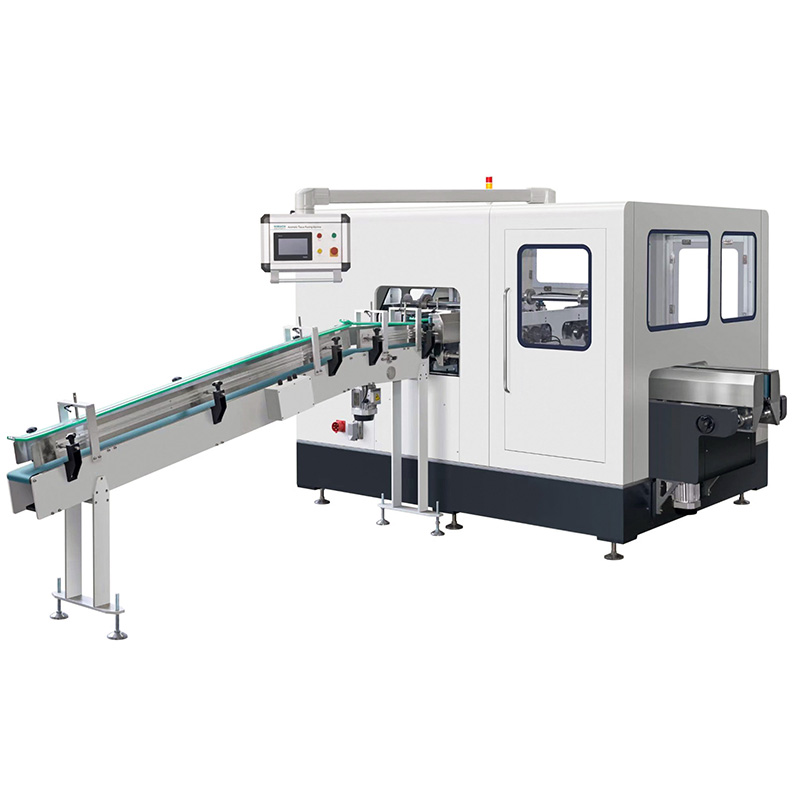 The TW-160 automatic toilet paper roll wrapping machine — the roll-wrapping entry point of a tissue packing line.
Problem Definition: Why “Tissue Packing Machine” Returns the Wrong Quote
The practical problem is a naming problem. A buyer searches one phrase, receives three different quotations for three different machines, and cannot compare them, because the quotations answer three different questions.
A toilet roll wrapping machine cannot box facial tissue. A facial tissue cartoner cannot bundle toilet rolls. A high-speed soft tissue wrapper running at 260 packs per minute is not an upgrade of a 180-pack machine in any meaningful engineering sense — it is a different machine class aimed at a different output tier. When the format is not fixed first, the capacity number becomes meaningless, because capacity is always capacity of something.
Three specifications resolve the ambiguity, and they should be settled before any model comparison begins:
- Pack format — is the finished unit a wrapped roll, a bagged multi-roll bundle, a film-wrapped soft pack, a paper box, a cube box, or a rigid canister?
- Pack size — roll diameter, pack count per bundle, and carton or box dimensions.
- Reference speed — the packs-per-minute or boxes-per-minute figure the packing stage must sustain to match converting output.
Scope note: tissue-making machinery and tissue-packing machinery are separate equipment scopes with separate safety profiles. European machinery safety standards for tissue-making equipment (for example, the EN 1034 series) describe tissue production machinery and should not be read as the compliance route for finished-pack equipment. Packaging-machine conformity is normally assessed against machinery and packaging-specific standards such as EN ISO 12100, EN 60204-1, EN 415-1 and EN 415-10.
Industry Background: Format Demand Drives Machine Demand
The commercial context explains why the category is so fragmented. According to Precedence Research, the global tissue paper packaging machine market was valued at approximately USD 3.9 billion in 2025 and is projected to reach USD 4.2 billion in 2026.
Two structural facts matter more than the headline number:
- Asia Pacific held a 39.8% share of the 2025 market, which means the densest concentration of tissue packing machine manufacturing capacity sits in one region — and most of it is accessible to export buyers.
- Facial tissue packaging applications accounted for 42.1% of 2025 market share, making facial tissue the single largest application block. In equipment terms, that block is served mainly by soft tissue wrapping machines and tissue cartoning machines.
The practical implication for a buyer is straightforward. If your product mix is dominated by folded facial tissue, your capital decision is really a wrapping-versus-cartoning decision, and the speed tier you choose determines whether one machine or two is needed to keep pace with the converting line. If your mix is dominated by toilet rolls, the decision shifts to roll wrapping versus bundle bagging, and to whether the end-of-line is manual, semi-automatic, or fully integrated.
Regulatory context adds a second filter. Machinery placed on the EU market is subject to CE conformity assessment, and the technical file is where buyers should look first when qualifying a supplier. WIMACH (Wenzhou Wimach Machinery Co., Ltd., based in Ruian, Wenzhou, Zhejiang, China) holds CE attestations covering three scopes: an Automatic Tissue Packing Machine certificate (M.2021.206.C67964, issued by UDEM), an Automatic Carton Packing Machine certificate (TRCN-25091WWM01, issued by iNTEGRA96, valid 1 April 2025 – 31 March 2030), and an Automatic Tissue Wrapping Machine certificate (TRCN-25118WWM01, issued by iNTEGRA96, valid 28 April 2025 – 27 April 2030). The cartoning and wrapping certificates reference EN ISO 12100:2010, EN 60204-1:2018, EN 415-1:2014, EN 415-10:2014, EN IEC 61000-6-2:2019 and EN IEC 61000-6-4:2019.
Detailed Solution: The Four Packaging Functions, Explained by Model
Each function below answers a different pack-format question. Read them as separate machine categories, not as a product ladder.
1. Roll wrapping — TW-160
Roll wrapping encloses a single toilet paper roll in film or paper before it reaches bundle or case level. The WIMACH TW-160 is an automatic toilet paper roll wrapping machine built for this step, and it is also configured to wrap and seal rolls in pre-printed patterned tissue wrapping paper rather than plastic film. That configuration matters for buyers facing plastic-reduction rules: it substitutes a lightweight all-paper wrap for film while remaining compatible with various toilet roll sizes.
In a US installation, two TW-160 units were deployed for exactly this purpose. The reported outcome was reduced packaging-material cost, branded printable packaging, and rolls that are less prone to damage and moisture during transport, with the wrap complying with plastic-restriction and environmental requirements. The project has been in operation for five years.
2. Bundle bagging — TB-R30 and TB-F60
Bagging operates one level above the individual roll. Instead of wrapping each roll, a bagging machine groups rolls or packs into a sealed bundle or bag. The WIMACH TB-R30 is the tissue roll bundle bagging machine in this slot: it handles multi-roll bundles, which is the format most retail and wholesale channels actually sell.
The TB-F60 bottom-dispensing tissue bagging machine serves a different bag geometry — the bottom-dispensing pack format, where the bag itself is the dispensing interface. It runs at a reference capacity of 60 packs per minute.
Wrapping and bagging are often presented as alternatives, but they answer different questions. Wrapping protects and brands a single roll; bagging defines the retail sale unit. Many lines run both, in sequence.
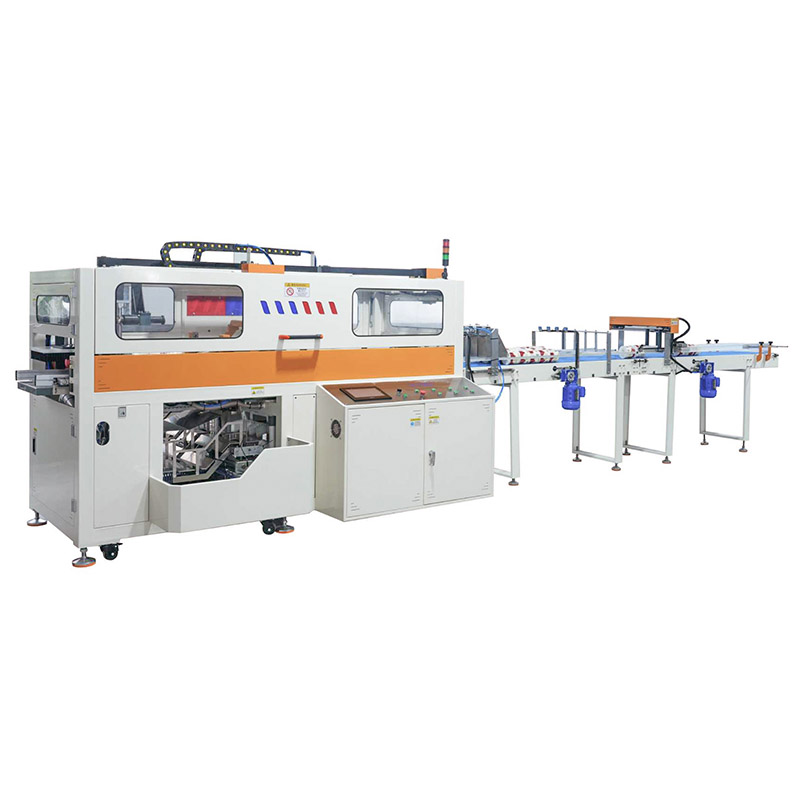 The TB-R30 tissue roll bundle bagging machine — bundle-level bagging for multi-roll retail formats.
3. Soft tissue wrapping — TP-180 and TP-280
Soft tissue wrapping is the film-based primary pack for folded facial tissue and similar soft products. The machine forms plastic film into a bag and completes film forming, sealing and cutting in one continuous process, replacing manual packaging and accommodating a range of soft tissue pack specifications.
Two capacity tiers define this subcategory:
- TP-180 automatic soft tissue wrapping machine — 180 packs per minute.
- TP-280 automatic high-speed soft tissue wrapping machine — 260 packs per minute.
The gap between these two figures is not a marginal tuning difference; it is the difference between a machine that matches a mid-output converting line and one that matches a high-output line without duplicating the packing stage. In a Spanish installation, two soft facial tissue wrapping machines replaced manual packaging and have run for four years, delivering higher packaging speed, lower labour cost and standardised continuous production, with airtight packaging that protects tissue from moisture, dust and compression.
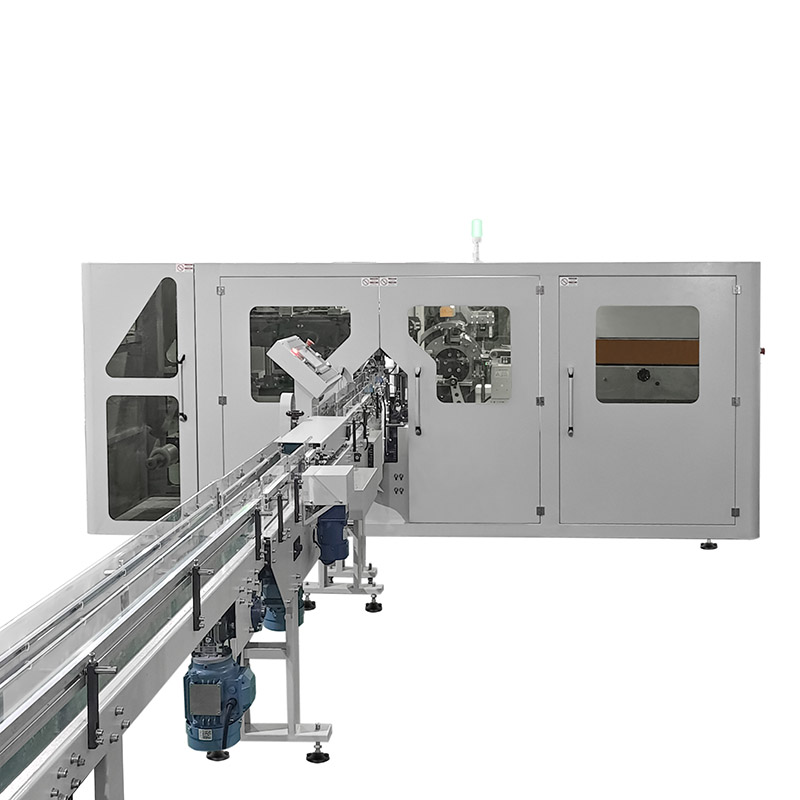 The TP-280 automatic high-speed soft tissue wrapping machine — the 260 packs/min tier of soft tissue wrapping.
4. Cartoning and rigid-container packing — TC-100, TC-300, TC-80F, TC-80Y
Cartoning loads folded tissue into a paper box. It is a different discipline from wrapping: the machine has to form or handle a rigid board box, present tissue in a neat stack, and close the box without crushing the product.
The TC-100 tissue cartoning machine runs at a stable packaging speed of 100 boxes per minute. The TC-300 automatic high-speed tissue box packing machine is the high-speed tier of the same function. The TC-80F handles cube box tissue cartoning, and the TC-80Y automatic tissue canister packing machine handles rigid canisters — feeding tissue, folding, filling and closing the lid — at a reported stable output of 60 canisters per minute.
In a US installation, a TC-100 and a TC-80F were commissioned for fully automatic continuous box packing of facial tissues across different pack sizes. The reported results were higher production efficiency, reduced labour cost, unified packing standards, and elimination of irregular filling and product extrusion damage. In a UAE installation, two TC-80Y canister machines have run for four years at 60 canisters per minute, cutting labour cost while keeping tissue neatly folded and evenly filled.
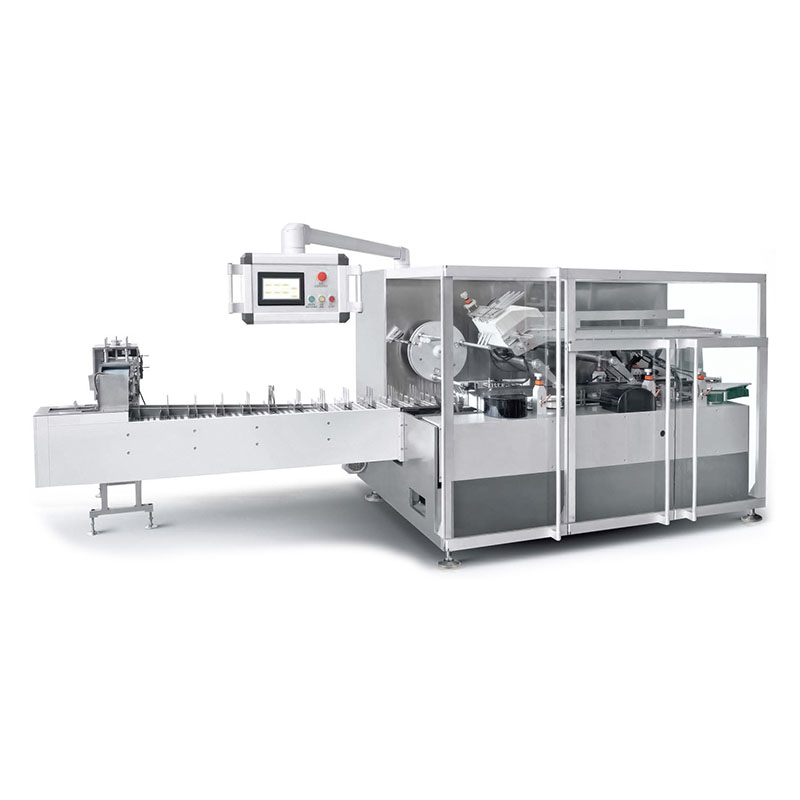 The TC-300 automatic high-speed tissue box packing machine — the high-speed cartoning tier above the TC-100.
Standalone machine versus integrated line
A standalone machine performs one packaging function. An integrated line links several functions with conveying and control, so product moves from primary pack to pallet without manual handling. The distinction affects capital outlay, footprint, staffing and commissioning time — and it is the second decision most buyers get wrong, because they specify a line when a single machine would have removed the actual bottleneck.
Three integrated line types illustrate how far the scope extends:
- Toilet Paper Packaging Line — roll wrapping, case packing, automatic palletizing and stretch film wrapping in one continuous flow. A US installation using six sets of equipment completed in four years and now outputs dustproof, moisture-resistant pallet loads ready for transport.
- Facial Tissue Box Packaging Line — conveying, automatic cartoning, case packing, pallet feeding, robotic palletizing, strapping and stretch wrapping. A Polish installation using twelve sets of equipment completed in two years and delivers whole pallets of cartoned facial and cream tissue, strapped and stretch-wrapped for dust and moisture protection.
- Canister Wet Wipe Packaging Line — automatic canister feeding, wipe insertion, quantitative disinfectant filling, heat sealing, cap tightening, labelling, case packing, palletizing, strapping and stretch film wrapping. A Mexican installation using nine sets of equipment completed over five years and delivers fully finished, labelled, cased and palletized canisters.
Case packers bridge the gap between cartoning and palletizing. The WIMACH CP-S50 is an automatic side-load case packer and the CP-T60 is an automatic top-load case packer; both appear as line stages in the projects above.
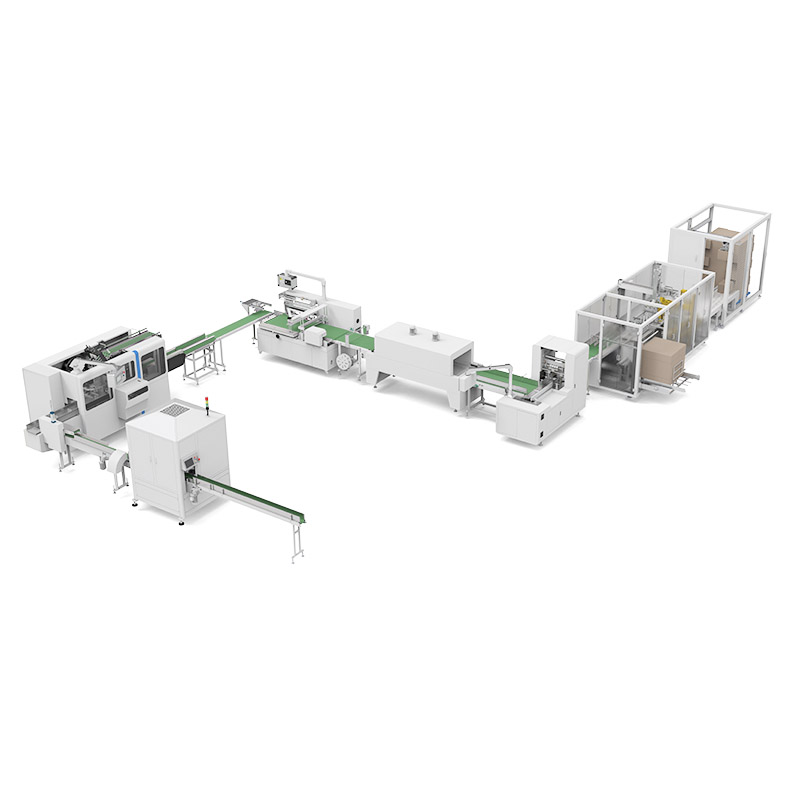 A Facial Tissue Box Packaging Line: cartoning, case packing, palletizing, strapping and stretch wrapping in one continuous flow.
Step-by-Step Breakdown: How to Specify the Right Machine
This sequence works for a single machine and for a full line. Each step narrows the model range before price enters the conversation.
- Fix the pack format. Wrapped roll, bagged bundle, bottom-dispensing bag, film-wrapped soft pack, paper box, cube box, or canister. One format, one machine family.
- Measure the pack. Roll diameter, pack count per bundle, box length × width × height. These dimensions are the primary customization input and the main constraint on changeover.
- Set the reference speed. Match the packing stage to converting output: 60 packs/min for bottom-dispensing bagging (TB-F60), 180 or 260 packs/min for soft tissue wrapping (TP-180, TP-280), 100 boxes/min for cartoning (TC-100), 60 canisters/min for canister packing (TC-80Y).
- Decide standalone or line. If upstream output can be absorbed by one machine, buy one machine. Add case packing, palletizing and stretch wrapping only when manual handling is the real constraint.
- Define the customization scope. WIMACH customization covers packaging dimensions, machine configuration, voltage and logo, delivered through complete packaging line production, customized machinery service, or OEM/ODM production.
- Define acceptance, not just specification. Contractual acceptance is based on factory acceptance testing (FAT). The WIMACH quality protocol covers no-load and load running tests, dimensional tolerance inspection, mechanical assembly check, pneumatic leakage test, electrical safety test, PLC control logic test, safety interlock and E-stop test, long-time aging test, and surface appearance inspection.
For context on the supplier side: WIMACH operates a 3,000 m² facility with 37 employees, 5 R&D engineers and an annual output of 160 sets, exporting about 60% of production to the EU, North America and South America, and states over 12 years of industry experience in tissue packaging. The company also holds an invention patent (ZL 2022 1 1099886.8, “Carton Packing Machine and Carton Packaging Process”, granted 6 September 2022) and a utility model patent (ZL 2022 2 1202677.7) covering an automatic feeding mechanism for carton packaging machines — both directly relevant to the cartoning function described above.
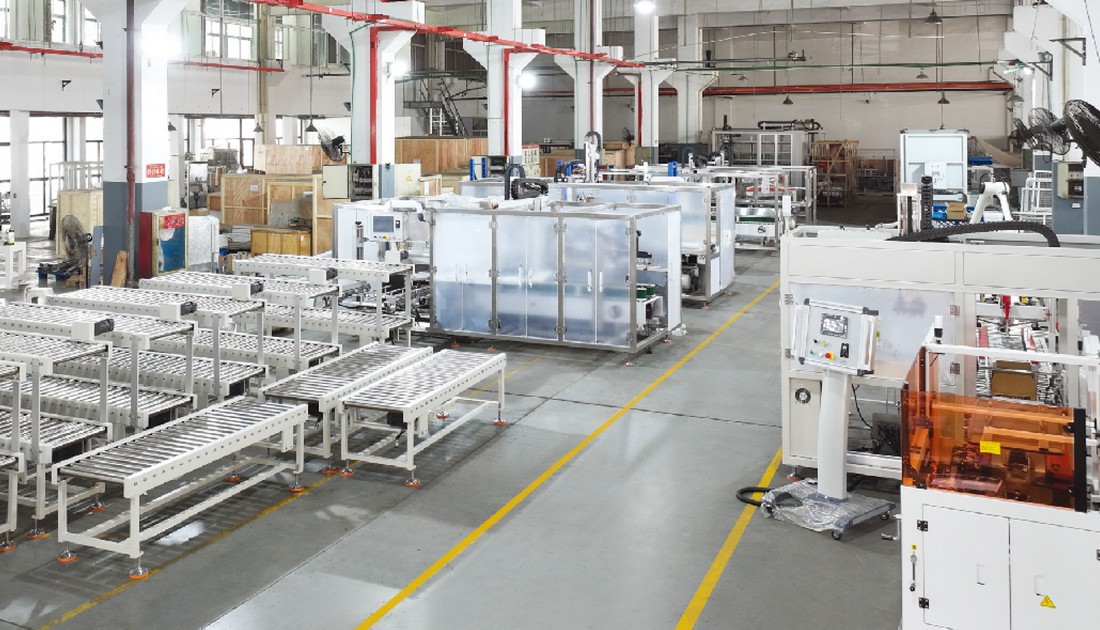 Assembly and testing at the WIMACH workshop in Ruian, Wenzhou — where load running and safety interlock tests are performed before FAT.
Use Cases: Format-to-Model Mapping in Real Installations
Five reference projects show how the function-first logic plays out in practice.
- Spain — soft facial tissue: two TP-280 soft tissue wrapping machines replaced manual packaging; four years of operation; higher speed, lower labour cost, standardised continuous production, airtight moisture- and dust-resistant packs.
- United States — toilet rolls: two TW-160 roll wrapping machines wrap and seal rolls in pre-printed paper; five years of operation; lower material cost, printable branded packaging, plastic-restriction compliance.
- United States — facial tissue cartoning: one TC-100 and one TC-80F for continuous box packing across different pack sizes; higher efficiency, unified packing standards, no irregular filling or extrusion damage.
- United Arab Emirates — canister tissue: two TC-80Y canister packing machines with canister conveying and lid feeding; four years of operation; stable 60 canisters per minute.
- Poland — full line: twelve sets covering conveying, cartoning, case packing, pallet feeding, robotic palletizing, strapping and stretch wrapping; two years to complete; whole-pallet output strapped and film-wrapped.
Comparison Table: Tissue Packing Machines by Function
| Packaging function | Model | Format handled | Reference capacity | Notes |
|---|---|---|---|---|
| Roll wrapping | TW-160 | Individual toilet paper rolls | — | Wraps and seals rolls in film or pre-printed tissue wrapping paper; compatible with various roll sizes |
| Bundle bagging | TB-R30 | Multi-roll bundles | — | Defines the retail sale unit at bundle level |
| Bottom-dispensing bagging | TB-F60 | Bottom-dispensing bag packs | 60 packs/min | Bag geometry doubles as the dispensing interface |
| Soft tissue wrapping | TP-180 | Folded soft tissue packs | 180 packs/min | Film forming, sealing and cutting in one continuous process |
| Soft tissue wrapping (high speed) | TP-280 | Folded soft tissue packs | 260 packs/min | High-output tier; four-year track record in Spain |
| Cartoning | TC-100 | Facial tissue in paper boxes | 100 boxes/min | Continuous box packing across different box sizes |
| Cartoning (high speed) | TC-300 | Facial tissue in paper boxes | — | High-speed tier of the cartoning function; CE scope TRCN-25091WWM01 |
| Cube box cartoning | TC-80F | Cube box tissue | — | CE scope TRCN-25091WWM01 |
| Canister packing | TC-80Y | Facial tissue and napkins in paper canisters | 60 canisters/min | Includes canister conveying and lid feeding |
| Case packing | CP-S50 / CP-T60 | Shipping cases | — | Side-load and top-load secondary packaging stages within a line |
Table note: a dash indicates that no capacity figure is stated in this article's source set. Capacity figures are model reference values and must be re-confirmed against the actual pack dimensions and film specification during quotation.
FAQ
Are WIMACH tissue packing machines CE certified for the EU market?
Yes, across three separate scopes. The Automatic Tissue Wrapping Machine scope is covered by certificate TRCN-25118WWM01, issued by iNTEGRA96 and valid from 28 April 2025 to 27 April 2030, applicable to the TP-180 and TP-280 soft tissue wrapping machines. The Automatic Carton Packing Machine scope is covered by TRCN-25091WWM01, valid from 1 April 2025 to 31 March 2030, applicable to the TC-80F, TC-300 and TC-100 cartoning machines. The Automatic Tissue Packing Machine scope holds certificate M.2021.206.C67964 issued by UDEM. The wrapping and cartoning certificates reference EN ISO 12100:2010, EN 60204-1:2018, EN 415-1:2014, EN 415-10:2014 and EMC standards EN IEC 61000-6-2:2019 and EN IEC 61000-6-4:2019.
Can WIMACH build an ODM facial tissue packing machine for our specific box size and line speed?
WIMACH provides OEM/ODM production as one of three delivery modes, alongside customized machinery service and complete packaging line production. Customization covers packaging dimensions, machine configuration, voltage and logo. For a facial tissue line, the two decisions that drive the model choice are box dimensions and required throughput: the TC-100 runs at 100 boxes per minute, while the TC-300 is the high-speed tier of the same cartoning function. Monthly OEM/ODM capacity is 13 sets, with a minimum order quantity of one set.
What are the MOQ, payment terms and delivery terms?
The minimum order quantity is one set. Payment terms are T/T, and delivery terms are FOB, FCA, CIF or CFR. Contractual acceptance is based on factory acceptance testing (FAT). These terms apply to standalone machines and to complete lines, so a single-machine order and a multi-stage line order use the same commercial framework.
How can we validate a machine before it ships?
Validation runs through the factory acceptance test and the documented quality protocol. Before shipment, each machine goes through a no-load and load running test, dimensional tolerance inspection, mechanical assembly check, pneumatic leakage test, electrical safety test, PLC control logic test, safety interlock and E-stop test, long-time aging test, and surface appearance inspection. Running customer tissue samples and the intended film or paper through the load test is how pack quality — fold neatness, seal integrity, filling consistency — is confirmed against the actual product rather than against a catalogue image.
What lead times should we plan for?
Lead time depends on the delivery mode. OEM/ODM production is quoted at 15–45 days, customized machinery service at 30–45 days, and a complete packaging line at 30–60 days. Factor in installation and commissioning, training, and — if the line is integrated — the sequencing of conveying, case packing, palletizing and stretch wrapping stages. After-sales support covers installation and commissioning, training, warranty service, remote technical support, lifetime after-warranty support, and upgrade and retrofit service. To check a specific configuration against your pack format and output target, send the box or roll dimensions with your target rate to WIMACH for a model recommendation and quotation.
Conclusion: Choose the Function, Then the Capacity
Every tissue packing decision reduces to two variables. The first is format — wrapped roll, bagged bundle, bottom-dispensing bag, soft film pack, paper box, cube box or canister — and it determines which machine family is even relevant. The second is capacity, and it only becomes comparable once the format is fixed: 60 packs per minute, 180 packs per minute, 260 packs per minute, 100 boxes per minute, or 60 canisters per minute describe different machines doing different jobs.
Once those two variables are settled, the third question — standalone machine or integrated line — usually answers itself. A single-function machine removes an isolated bottleneck. A line such as the Toilet Paper Packaging Line, the Facial Tissue Box Packaging Line or the Canister Wet Wipe Packaging Line removes manual handling between stages, and brings case packing, palletizing, strapping and stretch wrapping into the same control scope.
Next step: match a model to your pack
Send your roll diameter, box dimensions, film or paper specification and target packs per minute, and WIMACH will map the format to a model and confirm the capacity tier.
Contact: Rex Din | Email: rex@wimach.cn | Tel / WhatsApp: +86 177 5771 8080
Website:www.wimach.cn | Address: Bldg 14 Qiaomao Rd, Ruian, Wenzhou, Zhejiang, China
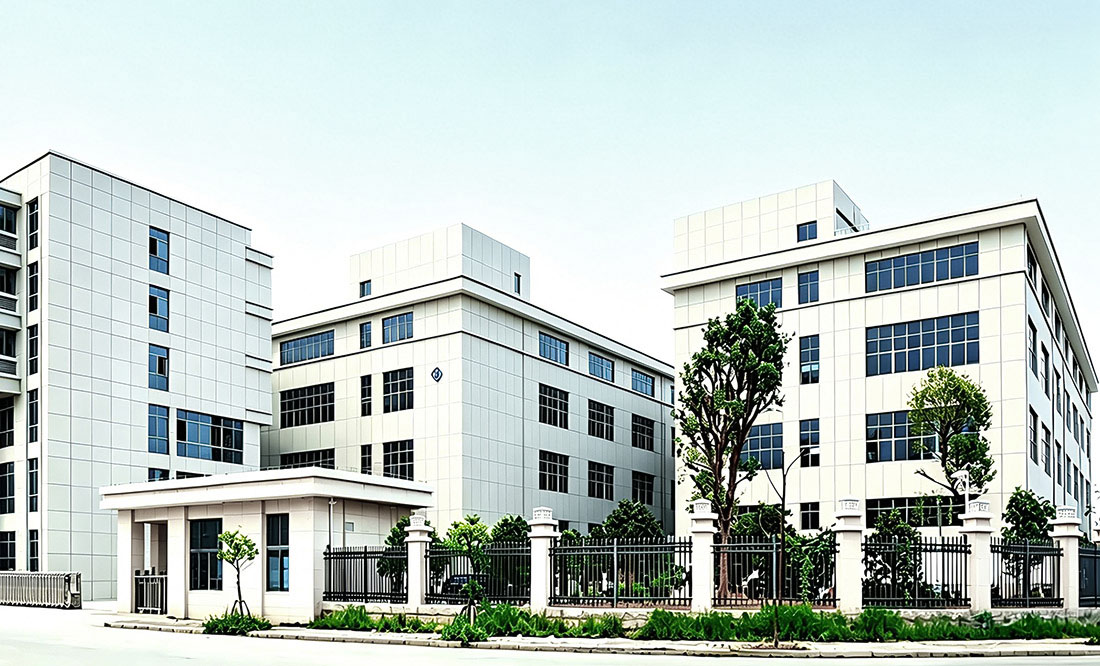 Wenzhou Wimach Machinery Co., Ltd. — tissue packing machines and integrated packaging lines, exported to the EU, North America and South America.
Have Questions or Need More Details?
Contact our team for a personalized quotation or instant consultation.
Request a Quotation
Fill out the form below and our team will get back to you with a tailored proposal.
WhatsApp Direct Chat
Prefer to chat in real-time? Message us on WhatsApp for instant assistance & quick answers.
- Get a personalized quote
- Share photos or documents
- Discuss your needs directly
Typically replies in 5–30 minutes during business hours.