
LED PCB Application Guide: CEM1, CEM3, FR4 and FPC Matching
Choose the board family from the project, then choose the specification from the board family. This guide maps six WODE LED PCB families — single-sided CEM1/CEM3/FR4 (including aluminum base), double-sided FR4, COB FPC, LED strip FPC, LED tube FPC and Roll to Roll Infinity FPCB — to the lighting scenarios each one is built for, using the copper foil thickness, overall thickness, panel size and base material values that actually decide the match.
A board that is correct for a 1.6 mm indoor panel light is not automatically correct for a sealed street light housing. A rigid FR-4 board cannot follow the curve of an extruded aluminum profile the way a 0.08 mm polyimide board can. Most LED PCB problems are not board defects at all; they are matching errors made before the first drawing is released.
Problem Definition: When the Board Is Chosen Before the Scenario
Two patterns account for most LED PCB re-designs. In the first, a board family is picked from a familiar price level and the fixture specification is fitted around it afterwards. In the second, the housing is developed as a mechanical and sealing task while the board is left on a default material, so environmental protection, base-material thermal capability and mask type are never re-checked against the luminaire requirement.
The visible cost is rarely only the board. An outdoor luminaire that must hold IP65 or IP67 and survive salt spray for 1000 hours cannot be validated around a substrate decision that was made for an indoor fixture. The same is true of a linear fixture specified around a rigid board when the mechanical envelope only accepts a flexible circuit. Each correction triggers a new tooling cycle, a new panelization, and a new approval loop — inside a quoted lead time of 7–25 days that depends on order quantity and design complexity.
The decisive difference is that WODE operates OEM/ODM production with customizable layer count, substrate, surface finish, impedance control and routing/slotting/cutting. Corrections are therefore technically possible. They are simply far cheaper when the scenario is written into the specification at the start.
Industry Background: What Lighting Projects Now Ask of the Board
Three requirement sets converge on the same copper-clad laminate, and all three have to be readable from the board drawing.
- Environment. General indoor lighting runs at 0 °C to +40 °C and 30% to 80% relative humidity without special corrosion exposure. Outdoor lighting moves to –40 °C to +50 °C with high humidity, salt spray, UV radiation and wind and rain erosion. Automotive lighting reaches –40 °C to +125 °C in the engine compartment, with vibration, shock, oil contamination and moisture condensation.
- Thermal and optical load. Aluminum substrates are specified from thermal conductivity ≥1.5 W/m·K, rising to ≥3.0 W/m·K for high-power designs, with junction temperature ≤85 °C and a recommended target of ≤75 °C. Optical requirements sit beside this: CRI ≥80 for indoor work, ≥90 for medical and museum lighting, with color tolerance SDCM ≤3-step.
- Control and compliance. Smart luminaires now expect DALI-2/D4i support, Zhaga Book 18/20 interface specifications and Bluetooth Mesh networking. Luminaire-level safety and reliability expectations include UL 8750/EN 60598, IEC 62384, FCC Part 15, IP65/IP67 protection, and for automotive work AEC-Q102, LM-80 lumen maintenance and ISO 16750 electrical load standards. Rated life is commonly stated at ≥50,000 hours on an L70/B50 basis.
Behind these requirements sits a large and still expanding board market. Grand View Research reports the global printed circuit board market at USD 87.8 billion in 2026, projected to reach USD 130.3 billion by 2033. For lighting buyers the practical consequence is a wide supplier field, which makes specification discipline — not supplier availability — the limiting factor in getting a board that fits the fixture.
Detailed Solution: Six WODE Board Families and Their Lighting Scenarios
WODE Circuit Technology (Zhuhai) Co., Ltd. is a PCB and FPC manufacturer founded in 2003, operating a 150,000 m² facility with more than 500 employees and an annual output of 6,000,000 m². Its lighting portfolio is built from six board families, each with a defined construction rather than a single generic “LED PCB” offer.
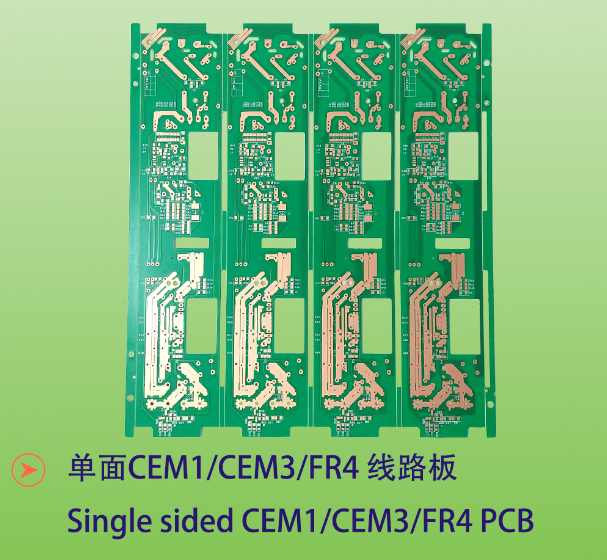
1. Single sided CEM1.CEM3.FR4 PCB — general and indoor lighting, plus metal-backed outdoor work
This is the broadest family in the portfolio and the standard starting point for fixtures whose LED string and return path fit on one copper layer. It carries four base-material options: CEM-1, CEM-3, FR-4 and aluminum.
- Base material: CEM-1 / CEM-3 / FR-4 / aluminum
- Layer count: single sided
- Copper foil thickness: 0.5 oz, 0.75 oz, 1 oz, 2 oz, 3 oz
- Overall thickness: 0.6–2.0 mm
- Maximum length: 2000 mm
- Solder mask: sensitive soldermask / thermosetting soldermask / UV soldermask / coverlay
- Silkscreen color: white / yellow / black / green
- Surface finish: OSP, carbon film, HASL, lead-free HASL, nickel-plated gold, ENIG, chemical silver, ENEPIC for wire bonding
The aluminum option is what links this family to outdoor work. The WODE MCPCB for Road lighting, for example, uses an Al1060 base on a single-sided construction with 1 oz copper, 1.6 mm ±10% overall thickness and a 208.00 mm × 225.00 mm panel at 2-up. Where a street or flood light design needs the thermal clause ≥1.5 W/m·K, or ≥3.0 W/m·K in high-power versions, this is the family that carries it.
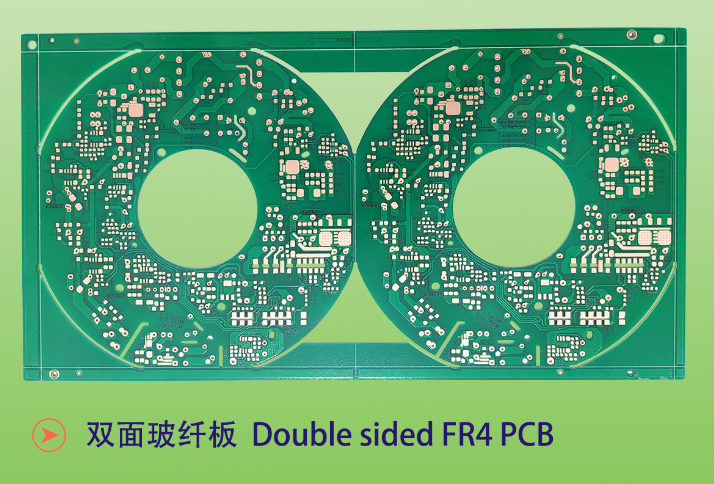
2. Double sided FR4 PCB — where the driver or control stage shares the board
When the luminaire puts the LED array and the driver or control circuitry onto one board, a single copper layer stops being sufficient. The double-sided FR4 board is the answer for that architecture, and it also suits DALI-2/D4i or Zhaga-connected luminaires where a control section has to be routed alongside the light engine.
- Base material: FR-4
- Layer count: double sided
- Copper foil thickness: 1/1 oz
- Overall thickness: 1.6 mm ±10%
- Panel size: 208.00 mm × 225.00 mm (2-up)
- Solder mask: white; silkscreen: black
- Surface finish: ENIG
3. COB FPC — chip-on-board lighting modules
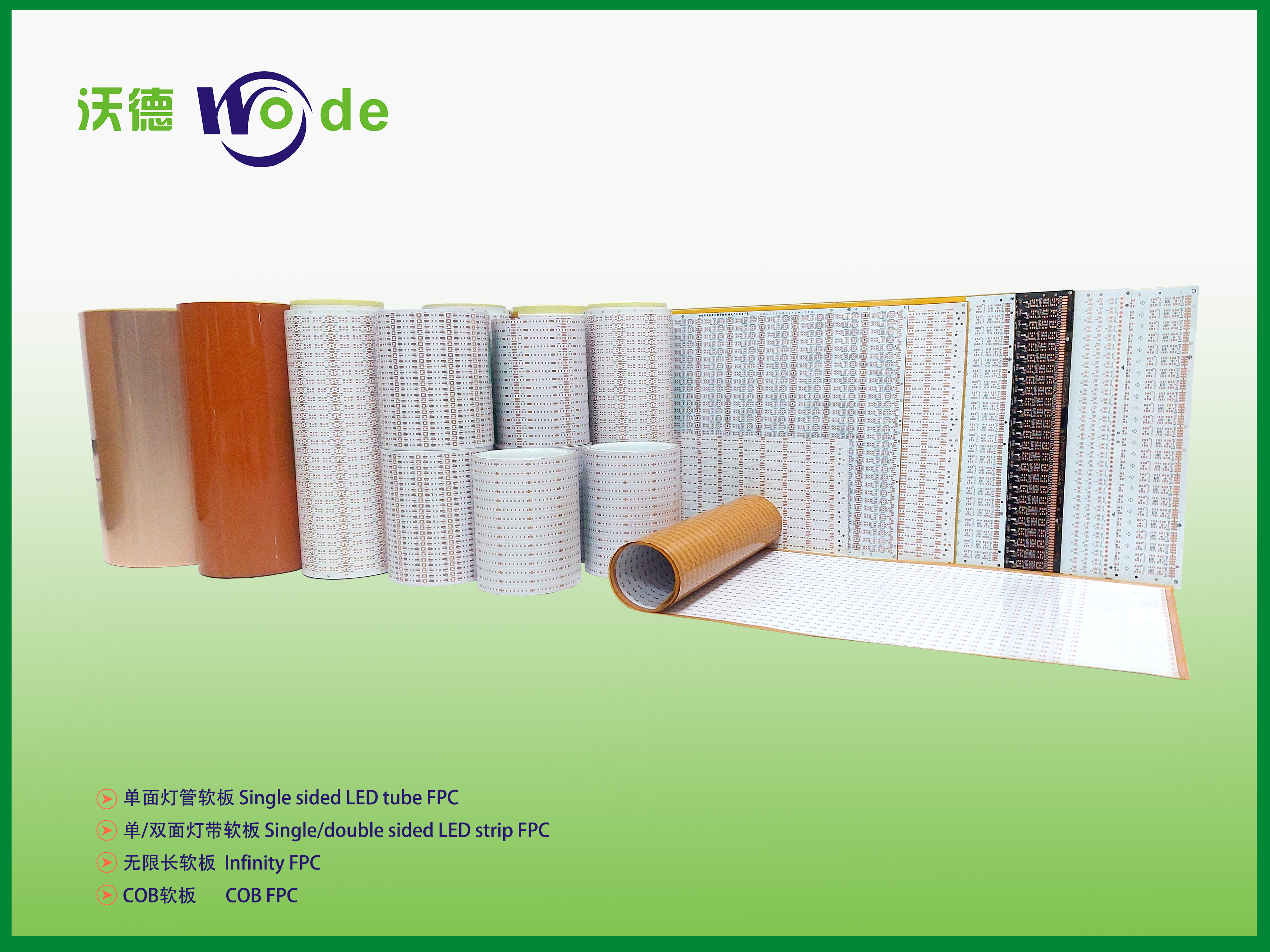
Chip-on-board modules need a flexible carrier that can sit directly under the light-emitting area and still be terminated at the module edge. The COB FPC provides that carrier on a polyimide base with a white coverlay facing the optics.
- Base material: PI
- Layer count: single or double sided
- Copper foil thickness: 1/1 oz or 1 oz
- Overall thickness: 0.115 mm
- Panel size: 366.00 mm × 250.00 mm (1-up)
- Solder mask: white coverlay; silkscreen: white
- Surface finish: OSP
4. Single/double sided LED strip FPC — strip lighting
Strip lighting is a routing problem as much as a lighting problem: the circuit has to bend, fold or follow an extrusion without losing its white optical surface. The LED strip FPC uses the same 0.115 mm polyimide envelope and white coverlay as the COB family, with single or double-sided layer counts to match the strip's circuit complexity.
- Base material: PI
- Layer count: single or double sided
- Copper foil thickness: 1/1 oz or 1 oz
- Overall thickness: 0.115 mm
- Panel size: 366.00 mm × 250.00 mm (1-up)
- Solder mask: white coverlay; silkscreen: white; surface finish: OSP
5. Single sided LED tube FPC — tube lighting
Tube lighting drives a different set of numbers: the board must be long, thin and repeatable in high volume. The single-sided LED tube FPC reaches 0.08 mm overall thickness and is produced on a 1239.50 mm × 255.00 mm panel at 39-up, which is what makes tube-length arrays economical to panelize.
- Base material: PI
- Layer count: single sided
- Copper foil thickness: 0.5 oz
- Overall thickness: 0.08 mm
- Panel size: 1239.50 mm × 255.00 mm (39-up)
- Solder mask: white; silkscreen: holo; surface finish: OSP
6. Roll to Roll Infinity FPCB — continuous LED lighting production
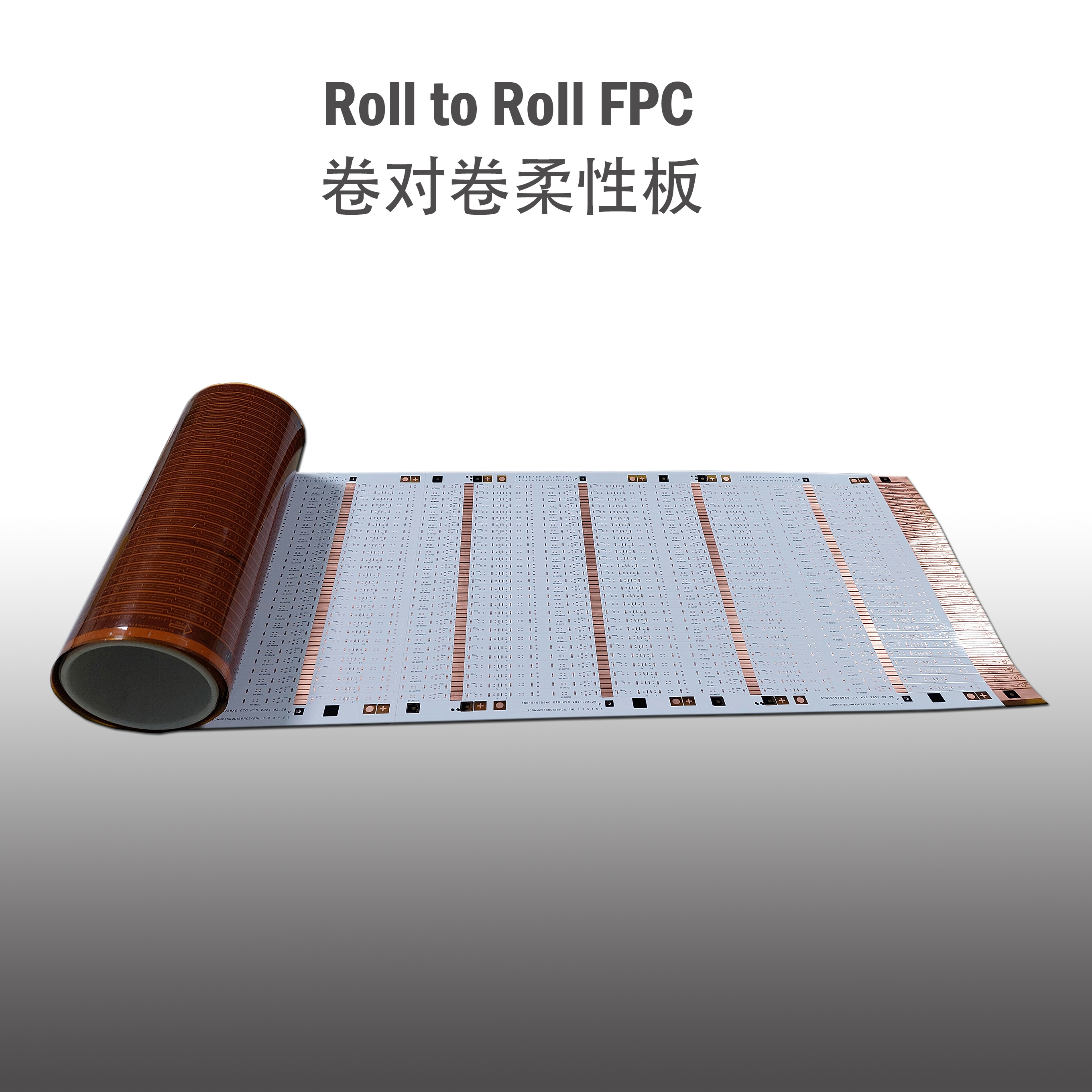
Where the production line itself runs continuously, the board has to arrive in a reel rather than a panel stack. The Roll to Roll Infinity FPCB is built for that: 0.15 mm overall thickness on a 1000.00 mm × 124.00 mm panel at 13-up, produced on WODE's reel-to-reel FPCB line.
- Base material: PI
- Layer count: single sided
- Copper foil thickness: 1 oz
- Overall thickness: 0.15 mm
- Panel size: 1000.00 mm × 124.00 mm (13-up)
- Solder mask: white; silkscreen: black; surface finish: OSP
The Four Selection Factors That Decide the Match
Copper foil thickness
The portfolio spans 0.5 oz to 3 oz on the single-sided rigid family, 0.5 oz on the tube FPC, and 1 oz or 1/1 oz on the COB FPC, strip FPC, roll-to-roll FPCB and double-sided FR4 board. Copper weight is where current carrying and voltage drop live, so it is the first number to agree once the board family is fixed.
Overall thickness
Four distinct thickness values appear in the portfolio: 0.08 mm (tube FPC), 0.115 mm (COB FPC and strip FPC), 0.15 mm (roll-to-roll FPCB), and 1.6 mm ±10% (double-sided FR4). The single-sided rigid family occupies a 0.6–2.0 mm band, which is where most indoor and metal-backed outdoor fixtures are specified.
Panel size and panelization
Panel format decides tooling and unit cost as much as it decides board size. The catalogue shows 2-up at 208.00 mm × 225.00 mm for double-sided FR4 and road-lighting MCPCB, 1-up at 366.00 mm × 250.00 mm for COB and strip FPC, 13-up at 1000.00 mm × 124.00 mm for roll-to-roll, and 39-up at 1239.50 mm × 255.00 mm for tube FPC. The single-sided rigid family supports a maximum length of 2000 mm.
Base material
CEM-1, CEM-3, FR-4 and aluminum cover the rigid side; PI covers the flexible side. Material choice follows the environment clause and the thermal clause, not the other way round.
Step-by-Step Breakdown: A Six-Step Matching Workflow
- Write the environment clause. Indoor general lighting: 0 °C to +40 °C, 30% to 80% relative humidity, no special corrosion. Outdoor lighting: –40 °C to +50 °C, high humidity, salt spray, UV, wind and rain. Automotive: –40 °C to +125 °C. Specialty environments sit outside all three and must be described separately.
- Convert the thermal load into a substrate requirement. Set thermal conductivity at ≥1.5 W/m·K for standard designs and ≥3.0 W/m·K for high-power designs, with junction temperature ≤85 °C and ≤75 °C as the recommended working target. If the fixture is a high-power array, this step decides whether an aluminum base is non-negotiable.
- Decide rigid or flexible. Flat housings with a single-sided circuit point to the CEM1/CEM3/FR4 family. Curved, folded or sealed linear geometries point to PI-based FPC. Chip-on-board modules point to COB FPC, and continuous reel-fed production points to the Roll to Roll Infinity FPCB.
- Lock the mechanical envelope. Fix overall thickness, panel format and maximum board length at drawing stage. A tube-length array, for example, is a different panel decision from a 2-up road-lighting MCPCB.
- Select copper weight and surface finish. Match copper thickness to current, then match finish to assembly: OSP across the FPC families, lead-free HASL or ENIG on rigid boards, ENIG on the double-sided FR4 control board, and ENEPIC where wire bonding is required.
- Qualify with documents and samples. Confirm certificates, inspection and electrical function test coverage, then validate the physical board in the fixture before releasing volume. Confirm the 7–25 day lead time against your installation schedule at the same time.
Use Cases: Matching Fixtures to Board Families
The table below translates the workflow into fixture-level decisions. Each row states the board family and the requirement that governs the choice, so the reasoning can be checked against a project brief rather than accepted as a recommendation.
| Lighting scenario | Board family | Governing requirement |
|---|---|---|
| Street light | Single sided CEM1.CEM3.FR4 PCB on aluminum base; MCPCB for Road lighting (Al1060, 1 oz, 1.6 mm ±10%) | Outdoor –40 °C to +50 °C, IP65/IP67, salt spray ≥1000 h |
| Flood light, high bay | Single sided CEM1.CEM3.FR4 PCB with aluminum base and high-thermal dielectric | Aluminum substrate ≥1.5 W/m·K; ≥3.0 W/m·K for high power |
| Panel light | Single sided CEM1.CEM3.FR4 PCB, 0.6–2.0 mm | Indoor 0–40 °C, CRI ≥80, SDCM ≤3-step |
| Downlight, spotlight, bulb lamp | Single sided CEM1.CEM3.FR4 PCB | Indoor environment, single-layer routing, 0.6–2.0 mm envelope |
| Smart or DALI-2 luminaire | Double sided FR4 PCB (control) plus a single-sided LED board | DALI-2/D4i, Zhaga Book 18/20, Bluetooth Mesh |
| Tube light | Single sided LED tube FPC, 0.08 mm, 0.5 oz, 39-up | Long thin array, slim fixture cross-section |
| Strip light | Single/double sided LED strip FPC, 0.115 mm | Bend and fold routing, white coverlay optics |
| COB light module | COB FPC, 0.115 mm, white coverlay | Chip-on-board mounting, 366.00 mm × 250.00 mm panel |
| Continuous reel production | Roll to Roll Infinity FPCB, 0.15 mm, 13-up | Reel-fed line, 1000.00 mm × 124.00 mm panel |
| Grow light (high-power array) | Single sided CEM1.CEM3.FR4 PCB on aluminum base | Specialty lighting category; apply the ≥3.0 W/m·K high-power clause |
| Wall lamp, decorative indoor | Single sided CEM1.CEM3.FR4 PCB | Indoor 0–40 °C, single-sided construction |
Comparison Table: Board Families Side by Side
All values below are catalogue specifications for the six WODE board families. They are construction data, not performance rankings — two families are not “better” than each other unless the scenario clause says so.
| Board family | Material | Layers | Copper foil | Overall thickness | Panel size / max length | Typical lighting fit |
|---|---|---|---|---|---|---|
| Single sided CEM1.CEM3.FR4 PCB | CEM-1 / CEM-3 / FR-4 / aluminum | Single sided | 0.5–3 oz | 0.6–2.0 mm | Max length 2000 mm | Indoor general lighting; metal-backed outdoor fixtures |
| Double sided FR4 PCB | FR-4 | Double sided | 1/1 oz | 1.6 mm ±10% | 208.00 mm × 225.00 mm (2-up) | Driver or control stage sharing the board; smart luminaires |
| COB FPC | PI | Single/double sided | 1/1 oz or 1 oz | 0.115 mm | 366.00 mm × 250.00 mm (1-up) | Chip-on-board lighting modules |
| Single/double sided LED strip FPC | PI | Single/double sided | 1/1 oz or 1 oz | 0.115 mm | 366.00 mm × 250.00 mm (1-up) | Strip lighting, bend and fold routing |
| Single sided LED tube FPC | PI | Single sided | 0.5 oz | 0.08 mm | 1239.50 mm × 255.00 mm (39-up) | Tube lighting, long linear arrays |
| Roll to Roll Infinity FPCB | PI | Single sided | 1 oz | 0.15 mm | 1000.00 mm × 124.00 mm (13-up) | Continuous LED lighting production |
Turning a Board Match Into a Qualified Project
A specification that has been matched to a scenario still has to pass a supplier qualification. The evidence set that supports it is document-based, not adjective-based.
- Management system certifications: ISO 9001, ISO 14001 and IATF 16949.
- Product compliance: products comply with UL, RoHS and REACH standards.
- Technical base: more than 40 patented technologies, with in-house capability across aluminum based CCL, FCCL, multilayer boards and reel-to-reel unlimited FPC.
- Capacity: 150,000 m² facility, 500+ employees, 6,000,000 m² annual output and 600,000 m² monthly capacity.
- Commercial terms: OEM/ODM production, 100 m² MOQ, 7–25 day lead time, worldwide export with 50% of output exported to markets including Brazil, Turkey, India, Vietnam and Russia.
- Quality control: incoming, process and final inspections plus electrical function tests, backed by continuous improvement systems.
Reference experience matters as much as the certificate list for project approval. WODE's boards have been qualified by global brands including Signify, Osram, Opple, NVC, HoneyWell and Dixon, and the company serves more than 1000 customers in more than 30 countries. One lighting OEM project in Germany ran 5000 m² of board over five years with stable operation, cited for high thermal conductivity and reliable performance in harsh European climate conditions.
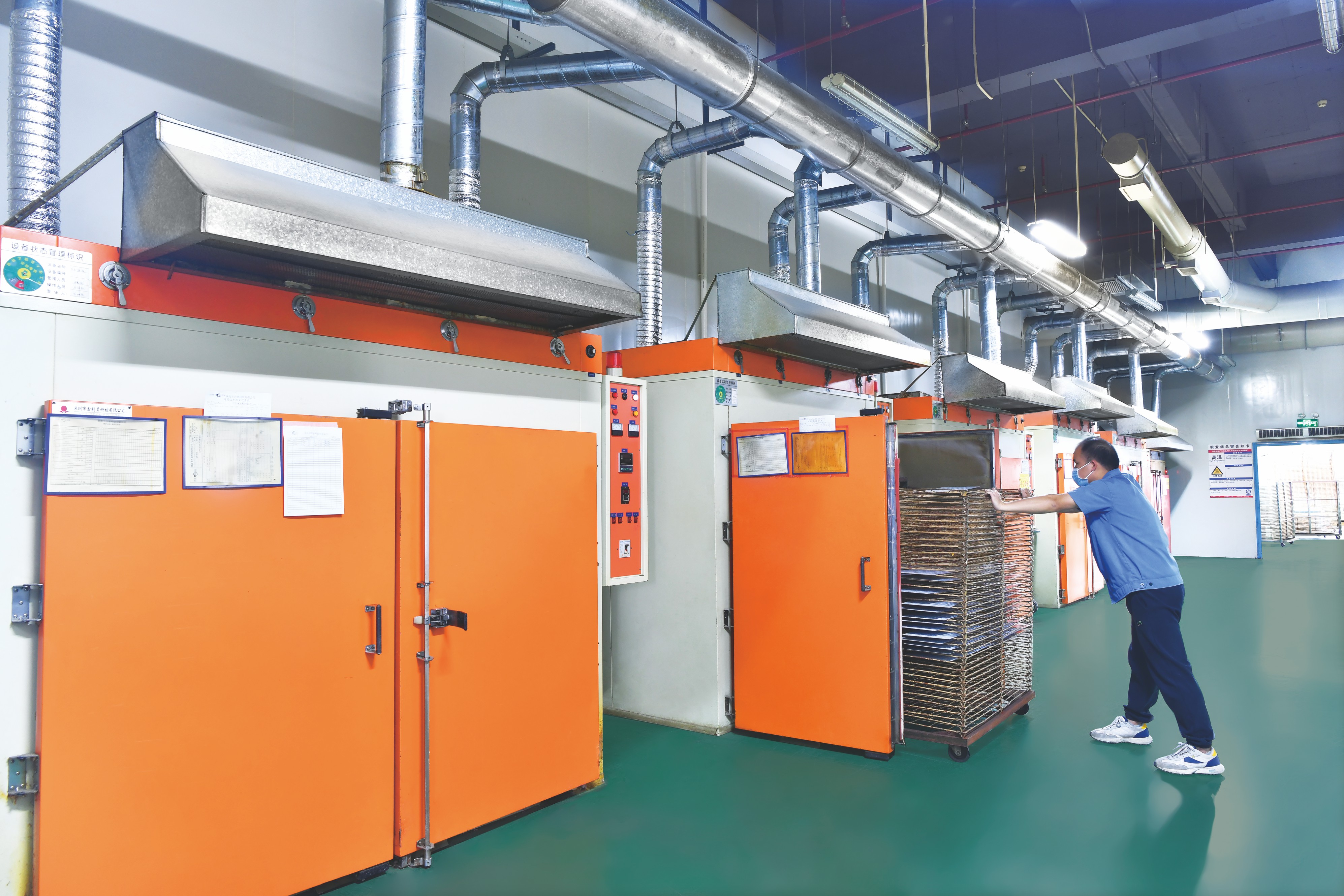
One boundary is worth stating plainly: a board match does not replace luminaire-level compliance. Standards such as UL 8750/EN 60598, IEC 62384 and AEC-Q102 apply to the finished luminaire or the LED device, and IP65/IP67 verification is a housing result. The board contributes the substrate, copper and finish; the fixture has to prove the rest.
FAQ
What certifications should I check before qualifying an LED PCB supplier for a lighting project?
Start with the management system certificates and the product compliance statements, then match them to the project type. WODE holds ISO 9001, ISO 14001 and IATF 16949, and its products comply with UL, RoHS and REACH standards. IATF 16949 matters most where the board feeds automotive lighting with its –40 °C to +125 °C engine-compartment range; ISO 9001 and ISO 14001 cover the general and outdoor lighting programmes. Separately, confirm that luminaire-level requirements — UL 8750/EN 60598 for safety, IP65/IP67 and salt spray ≥1000 h for outdoor housings — are being validated on the finished fixture, because those are not delivered by the board certificate alone.
Which LED PCB board type fits street light and flood light projects?
Outdoor high-load fixtures normally resolve to the single sided CEM1.CEM3.FR4 PCB family on an aluminum base, because that is the construction carrying the thermal clause of ≥1.5 W/m·K, rising to ≥3.0 W/m·K for high-power designs, together with the –40 °C to +50 °C outdoor envelope and IP65/IP67 housing requirement. A concrete catalogue example is the WODE MCPCB for Road lighting: Al1060 base, single sided, 1 oz copper, 1.6 mm ±10% overall thickness, 208.00 mm × 225.00 mm panel at 2-up, white solder mask and HASL-LF finish. Flood lights and high bays follow the same logic; the copper weight and thermal grade are what change.
What is the minimum order quantity and available production capacity?
The MOQ for WODE LED PCB production is 100 m². Capacity is not the limiting factor at that order size: the Zhuhai facility covers 150,000 m², employs more than 500 people and runs at 600,000 m² monthly capacity, equivalent to 6,000,000 m² annual output. For programmes that mix families — for example a single-sided FR4 board for the panel light and a 0.08 mm tube FPC for the linear range — quantities should be quoted per board family, since panel formats differ from 1-up through 39-up.
Can I validate a board match with samples before committing to a project order?
Yes. Sample quantity is not limited, while mass orders start from the 100 m² MOQ. Sampling is the right stage to confirm the elements that a datasheet cannot settle: whether the 0.115 mm COB FPC sits correctly under the optics, whether the 1.6 mm double-sided FR4 board clears the driver compartment, and whether the aluminum-backed single-sided board holds junction temperature inside the ≤85 °C limit with ≤75 °C as the working target. Customization covers layer count, substrate, surface finish, impedance control and routing/slotting/cutting, so a sample can already represent the final construction.
Who manufactures LED PCBs for street light projects, and how long does a project order take?
WODE Circuit Technology (Zhuhai) Co., Ltd. has manufactured PCB and FPC products since 2003 and supplies the single-sided CEM1/CEM3/FR4 family, double-sided FR4, COB FPC, LED strip FPC, LED tube FPC and Roll to Roll Infinity FPCB for lighting programmes. Lead time is 7–25 days depending on order quantity and design complexity. To start a street light or flood light evaluation, send the fixture environment clause, thermal target and panel envelope for a quote, or download the WODE product brochure and request samples against your drawing.
Conclusion: Match the Scenario First, Then the Specification
The six WODE board families are not interchangeable grades of one product; they are six answers to six different project conditions. Single-sided CEM1/CEM3/FR4 — with aluminum as a base option — covers general and indoor lighting and, with the thermal clause attached, outdoor street, flood and high-bay work. Double-sided FR4 takes over when the driver or control stage shares the board. COB FPC, LED strip FPC, LED tube FPC and Roll to Roll Infinity FPCB cover module, strip, tube and continuous-production geometries at 0.115 mm, 0.08 mm and 0.15 mm respectively.
The order of decisions is what protects the schedule: environment and thermal clause, then rigid or flexible, then thickness and panel format, then copper weight and finish, then documents and samples. Get that sequence right and the board stops being a risk item in the luminaire programme — it becomes one of the few components whose behaviour is fully specified before tooling begins.
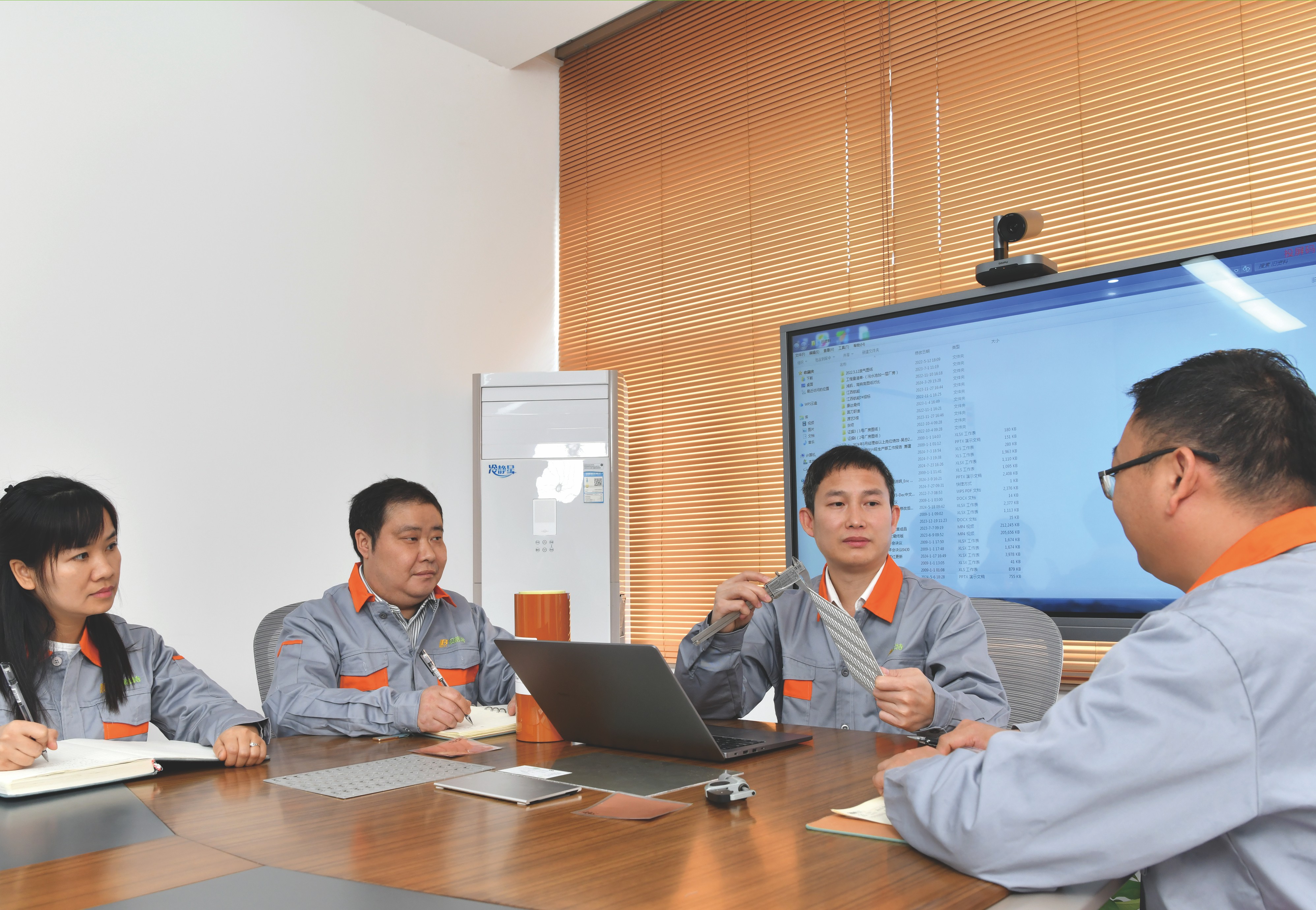
Send your lighting scenario for a board match
Share the fixture type, environment, thermal target and panel envelope, and WODE will map it to a board family with copper weight, thickness and finish. Samples are available without a quantity limit; mass orders start from 100 m² with a 7–25 day lead time.
Email: GJMYB1@wodepcb.com | Tel: +86-756-3906072 | WhatsApp | www.wodepcbfpc.com | Download the brochure
Have Questions or Need More Details?
Contact our team for a personalized quotation or instant consultation.
Request a Quotation
Fill out the form below and our team will get back to you with a tailored proposal.
WhatsApp Direct Chat
Prefer to chat in real-time? Message us on WhatsApp for instant assistance & quick answers.
- Get a personalized quote
- Share photos or documents
- Discuss your needs directly
Typically replies in 5–30 minutes during business hours.