LED PCB Explained: Types, Substrates, and Supplier Checks
LED PCB Explained: Types, Substrates, and Supplier Checks
An LED PCB is a printed circuit board designed to support LED components, deliver current, and manage heat. In a lighting project, the same term can describe very different products: a single-sided CEM-1 board in a bulb driver, a flexible polyimide circuit inside an LED strip, or an aluminum-core board under a street light module. Buyers who understand these differences are less likely to receive a board that fails thermally or mechanically.
This article is for engineers, product managers, and procurement teams moving from awareness to supplier research. It explains the main LED PCB families, the materials used in each, how they map to common luminaires, and what to check when evaluating LED PCB suppliers.
Why “LED PCB” Is Too Broad to Be a Single Specification
A common problem in procurement is that a request for “LED PCB” does not say what the board must do. The board must match the mechanical layout, the current carried by the circuit, the soldering process, and the surrounding temperature. If the thermal path is wrong, a high-power LED can overheat even when the electrical design is correct.
Typical specification gaps include choosing a rigid board for a curved strip design, using a standard FR-4 board for a high-power outdoor luminaire, or specifying an incompatible surface finish for the assembly line. These mismatches often appear only after prototyping. The solution is to define the board by substrate, layer count, finish, and target application before contacting suppliers.
Industry Background: PCB and LED Lighting Demand
The global printed circuit board market was valued at approximately USD 80.2 billion in 2025, according to Global Market Insights. China accounted for 53.2% of global PCB production value as of 2024, according to an industry report cited by Farway Electronic. In the lighting segment, the global LED lighting market was valued at USD 78.4 billion in 2024 and is projected to grow at a CAGR of 8.5% through 2029, according to MarketsandMarkets. Outdoor LED lighting is projected to grow from USD 15.0 billion in 2025 to USD 28.0 billion by 2035, according to Future Market Insights.
Within this landscape, Metal Core PCBs (MCPCBs), particularly aluminum-core boards, are widely considered the industry standard for high-power LED thermal management. Lighting requirements commonly ask for aluminum substrate thermal conductivity of at least 1.5 W/m·K, and at least 3.0 W/m·K for high-power applications. Standards such as IEC/EN 62031 for LED modules, IEC/EN 61347-2-13 for LED control gears, and IPC-6012 for rigid boards help buyers compare quality across suppliers.
What an LED PCB Supplier Should Be Able to Provide
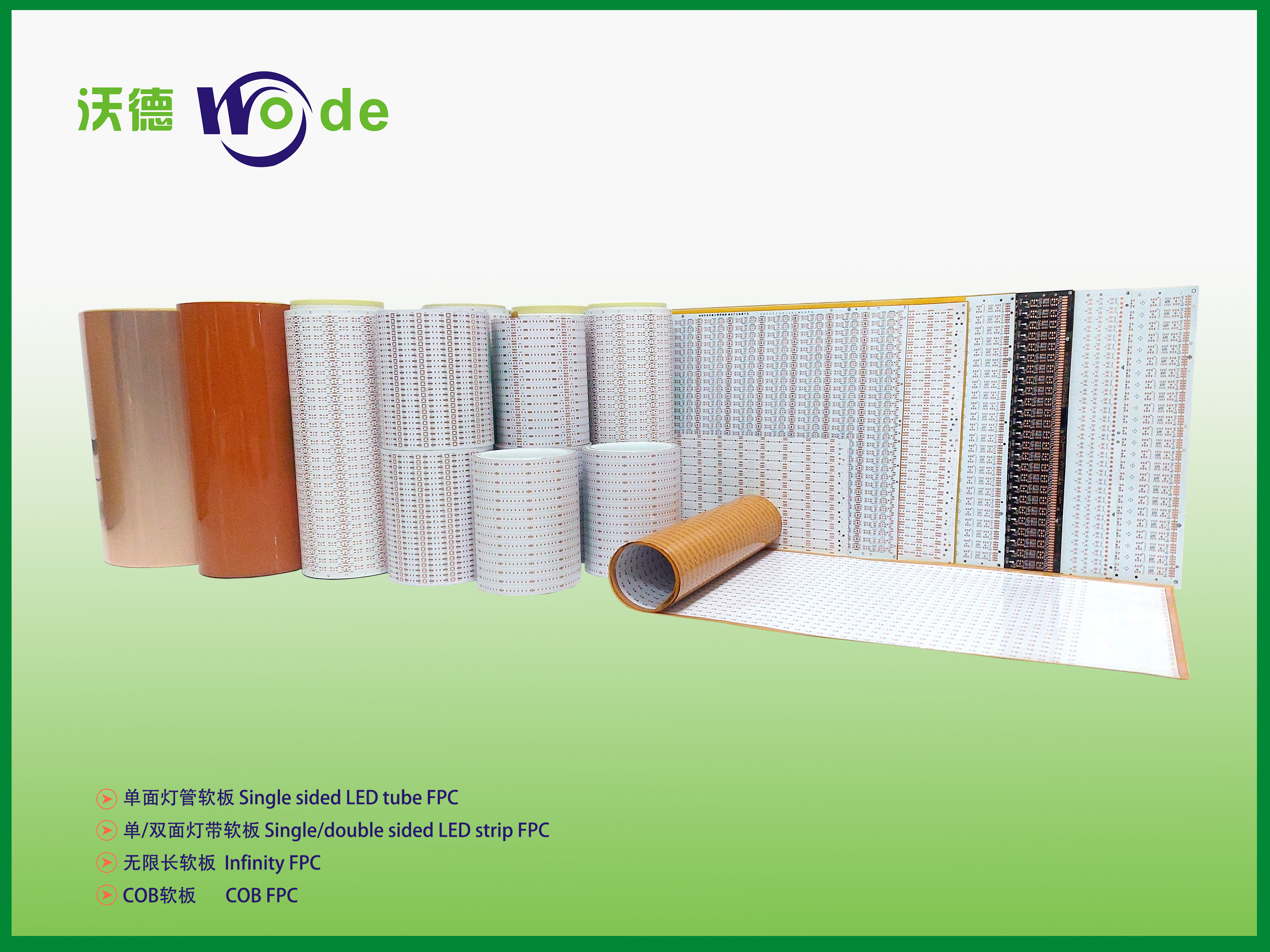
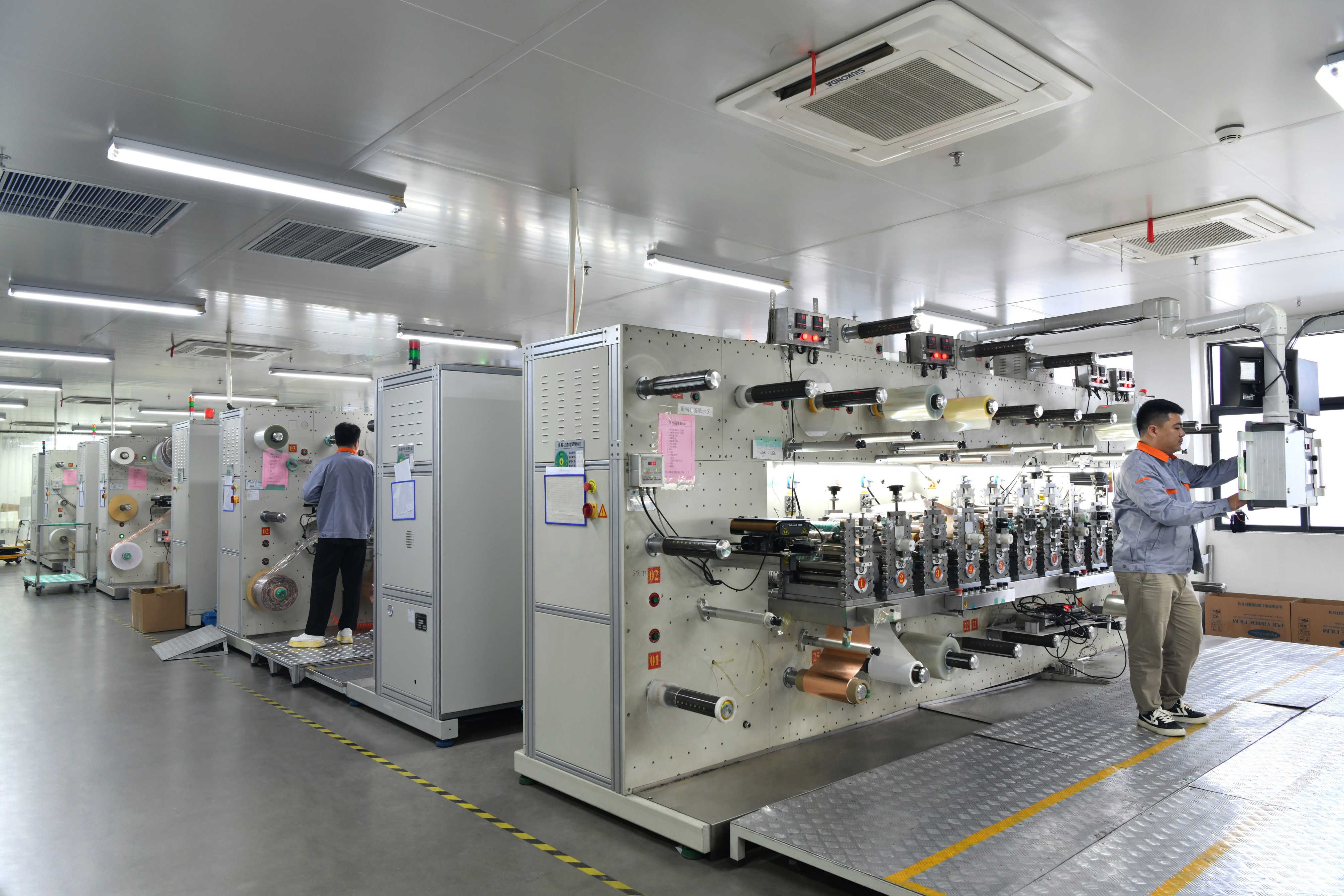
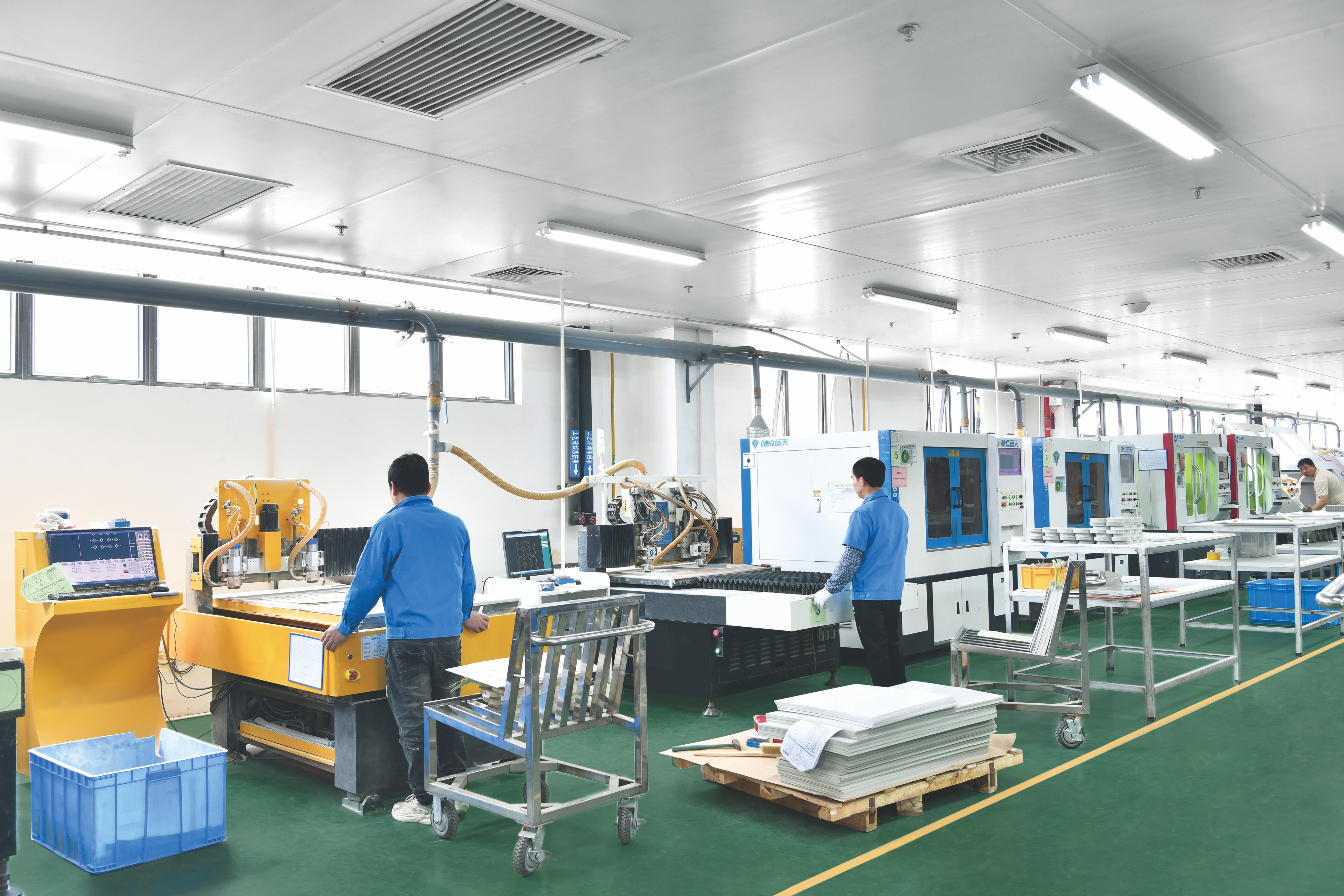
WODE Circuit Technology (Zhuhai) Co., Ltd. is an example of a manufacturer whose product range covers the main LED PCB families. Established in 2003, WODE specializes in the development and production of printed circuit boards (PCBs) and flexible circuit boards (FPCs). Its main products include Rigid MCPCB, FPCB, Infinity Length FPCB, FR-4/CEM1/CEM3 PCBs, CCL, and PCB inks. The company operates a 150,000 m² facility with more than 500 employees and an annual output of 6,000,000 m². It holds ISO9001, ISO14001, and IATF16949 certifications and ensures products comply with UL, RoHS, and REACH standards.
Rigid LED PCBs
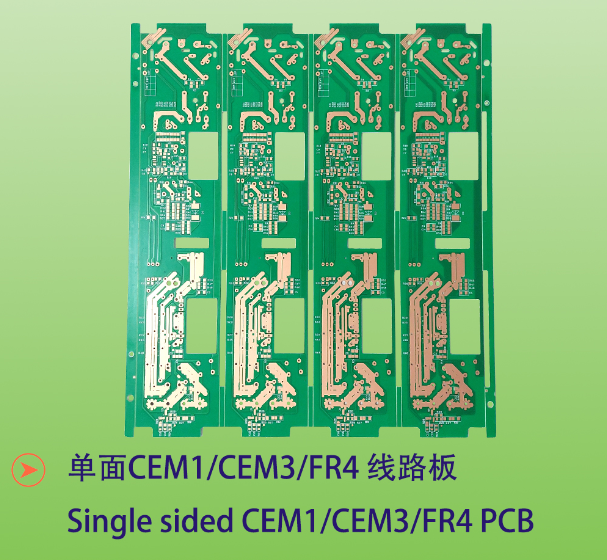
The Single sided CEM1.CEM3.FR4 PCB is a single-layer board available in CEM-1, CEM-3, FR-4, or aluminum substrate. Copper foil thickness can be 0.5 OZ, 0.75 OZ, 1 OZ, 2 OZ, or 3 OZ. Overall thickness ranges from 0.6 to 2.0 mm, and maximum length is 2000 mm. Soldermask options include sensitive, thermosetting, UV, and coverlay. Silkscreen colors include white, yellow, black, and green. Surface finishes include OSP, Carbon Film, HASL, lead-free HASL, nickel-plated gold, ENIG, Chem.Ag, and ENEPIC. This board type is used in lighting, home applications, medical electronics, communications equipment, automotive electronics, industrial controls, and consumer electronics.
The Double sided FR4 PCB is a two-layer board made of FR-4, with 1 oz copper on each side. Overall thickness is 1.6 mm ±10%, and panel size is 208.00 mm × 225.00 mm. Solder mask is white, silkscreen is black, and surface finish is ENIG. It is intended for lighting scenarios that require two-sided routing.
Flexible LED PCBs
The COB FPC is a flexible printed circuit using chip-on-board technology and polyimide (PI). It can be single or double sided, with copper foil thickness of 1/1 oz or 1 oz. Overall thickness is 0.115 mm, and panel size is 366.00 mm × 250.00 mm. Solder mask is white coverlay, silkscreen is white, and surface finish is OSP. Typical applications include lighting modules.
The Single/double sided LED strip FPC is a PI-based flexible circuit designed for LED strip lighting. It is available in single or double-sided construction, with 1/1 oz or 1 oz copper, 0.115 mm overall thickness, and 366.00 mm × 250.00 mm panel size. It uses white coverlay, white silkscreen, and OSP finish.
The Single sided LED tube FPC is made of PI, with one layer, 0.5 oz copper, 0.08 mm overall thickness, and panel size 1239.50 mm × 255.00 mm. Surface finish is OSP, solder mask color is white, and silkscreen color is Holo. It is intended for the lighting industry.
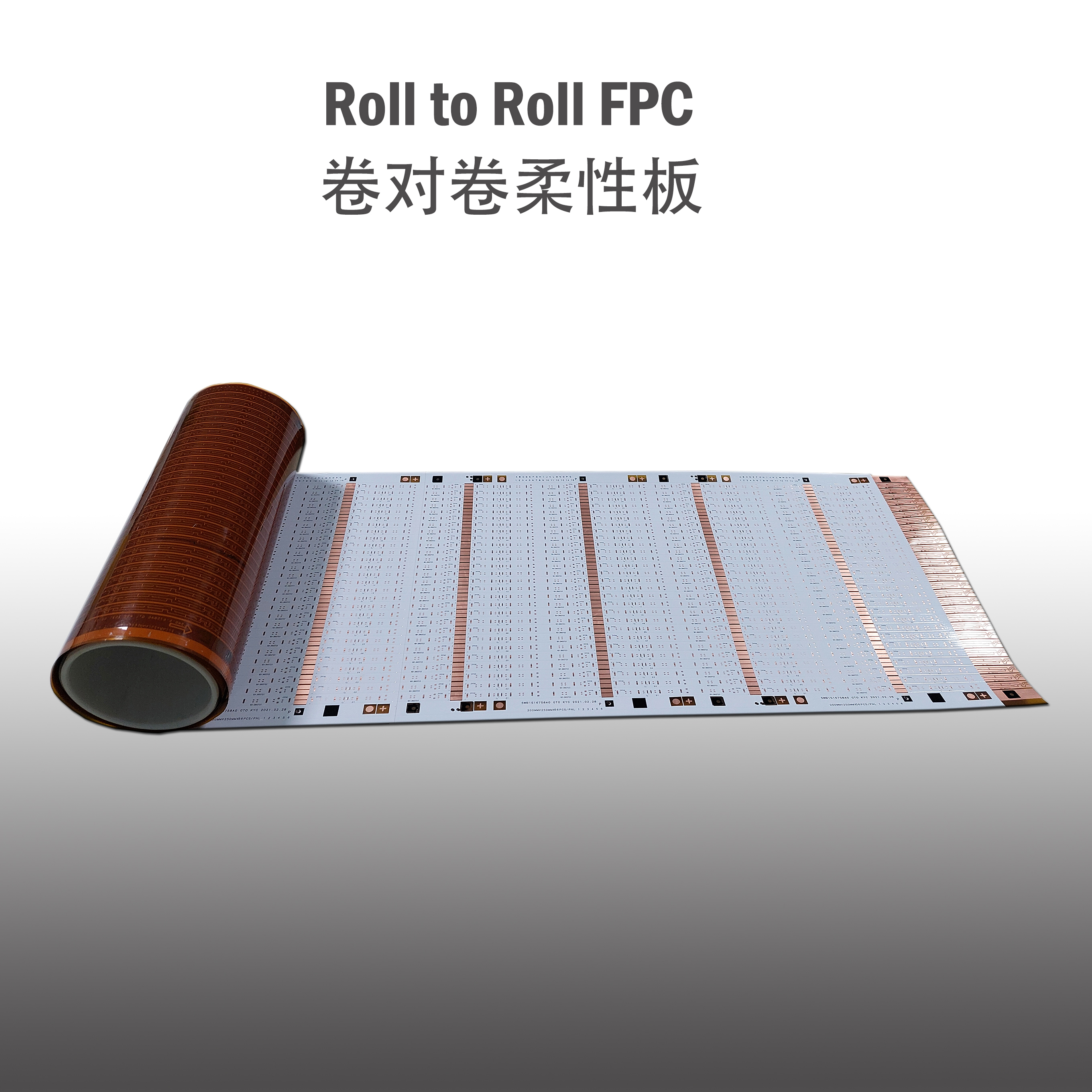
The Roll to Roll Infinity FPCB is a single-sided flexible board made of PI. Copper foil thickness is 1 oz, overall thickness is 0.15 mm, and panel size is 1000.00 mm × 124.00 mm. Surface finish is OSP, solder mask is white, and silkscreen is black. It is designed for LED lighting applications that benefit from continuous roll processing.
Metal-Core and Specialty LED PCBs
For high-power fixtures such as street lights, flood lights, and high bay lights, MCPCB is the relevant category. WODE's product range includes MCPCB for Road lighting, made from Al1060, single sided, 1 oz copper, 1.6 mm ±10% thickness, and panel size 208.00 mm × 225.00 mm. Surface finish is HASL-LF, soldermask is white, and silkscreen is black.
The High Voltage MCPCB uses an aluminum substrate, single-layer construction, 1 oz copper, 1.6 mm ±10% thickness, and panel size 243.00 mm × 243.00 mm. Surface finish is OSP. Other specialty options include Coverlay MCPCB, Double sided MPCB, Thermoelectric Separated Cu based PCB, and Ceramic based PCB for specific lighting and phototherapy applications.
Step-by-Step: How to Specify an LED PCB
1. Define the operating environment
Indoor lighting usually runs from 0°C to +40°C with 30% to 80% humidity. Outdoor lighting must tolerate –40°C to +50°C, high humidity, salt spray, UV radiation, and wind and rain. Automotive and specialty lighting add vibration, oil contamination, or extreme temperatures. These conditions determine whether you need a standard rigid board, a metal-core board, or a flexible circuit with protective coverlay.
2. Choose the board form factor
For an LED strip, use a single/double-sided LED strip FPC or a Roll to Roll Infinity FPCB. For an LED tube, a single-sided LED tube FPC may be suitable. For compact modules, COB FPC or a rigid board can work. For high-power fixtures, choose an MCPCB. For driver or control functions, single-sided CEM/FR4 or double-sided FR4 boards are common.
3. Define electrical and finish specifications
Specify copper foil thickness, layer count, overall thickness, soldermask, silkscreen, and surface finish. OSP is common for solderability, HASL-LF for lead-free assembly, and ENIG for flat pads. The WODE single-sided CEM1/CEM3/FR4 series supports OSP, Carbon Film, HASL, lead-free HASL, nickel-plated gold, ENIG, Chem.Ag, and ENEPIC.
4. Map the board family to the luminaire type
Street light LED PCBs and flood light LED PCBs are usually metal-core. Downlight, spotlight, and panel light LED PCBs may use COB FPC or compact rigid boards. Bulb lamp LED PCBs and tube light LED PCBs often use single-sided CEM/FR4 or LED tube FPC. Strip light LED PCBs use PI-based flexible circuits. Grow lights and high bay lights follow the same thermal logic as other high-power fixtures: MCPCB construction is usually preferred.
5. Verify supplier quality and compliance
Ask for ISO9001, ISO14001, and IATF16949 certifications, and confirm UL, RoHS, and REACH compliance. Relevant industry standards include IPC-6012, IEC/EN 62031, IEC/EN 61347-2-13, UL 8750, and EN 60598. A manufacturer with both PCB and FPC production is often better positioned to handle custom LED lighting PCB requirements.
6. Request a sample or quotation
Provide the target application, board size, layer count, copper weight, surface finish, and expected volume. To start a specification review with WODE, email GJMYB1@wodepcb.com or call +86-756-3906072.
Use Cases: Matching LED PCBs to Common Luminaire Categories
Street Light, Flood Light, and High Bay Light LED PCBs
These applications run at higher power and often operate outdoors. Aluminum-core MCPCB is the commonly used construction because it provides a direct thermal path from the LED package to the heatsink. WODE's MCPCB for Road lighting uses Al1060, 1 oz copper, and 1.6 mm board thickness, with HASL-LF finish.
Downlight, Spotlight, and Panel Light LED PCBs
These fixtures need compact boards with stable light output. COB FPC offers a flexible option for lighting modules, while double-sided FR4 or single-sided CEM/FR4 boards can support driver and interconnect functions.
Bulb Lamp and Tube Light LED PCBs
Tube lights can use the Single sided LED tube FPC, which is only 0.08 mm thick and designed for the lighting industry. Bulb lamp driver boards can use single-sided CEM-1, CEM-3, or FR-4 boards where the power level is moderate.
Strip Light, Linear Lighting, and Custom LED Lighting PCBs
LED strip lighting commonly uses the Single/double sided LED strip FPC or Roll to Roll Infinity FPCB for long, continuous runs. For custom LED lighting PCB layouts, the supplier should be able to specify material, layer count, thickness, and finish based on the application.
LED PCB Types at a Glance
The table below summarizes the board types covered in this article. All specifications come from WODE's product records.
| LED PCB type | Base material | Layers | Typical lighting role | Key configuration |
|---|---|---|---|---|
| Single sided CEM1/CEM3/FR4 PCB | CEM-1, CEM-3, FR-4, or aluminum | Single | General lighting, home applications, control boards | 0.5–3 OZ copper; 0.6–2.0 mm; max length 2000 mm |
| Double sided FR4 PCB | FR-4 | Double | Lighting boards with two-sided routing | 1/1 OZ; 1.6 mm ±10%; panel 208 × 225 mm; ENIG |
| COB FPC | PI | Single or double | LED lighting modules | 1/1 or 1 OZ; 0.115 mm; panel 366 × 250 mm; OSP |
| Single/double sided LED strip FPC | PI | Single or double | LED strip lighting | 1/1 or 1 OZ; 0.115 mm; panel 366 × 250 mm; OSP |
| Single sided LED tube FPC | PI | Single | LED tube lighting | 0.5 OZ; 0.08 mm; panel 1239.5 × 255 mm; OSP |
| Roll to Roll Infinity FPCB | PI | Single | Long-length LED lighting | 1 OZ; 0.15 mm; panel 1000 × 124 mm; OSP |
| MCPCB for road lighting | Al1060 | Single | Road lighting and high-power outdoor lighting | 1 OZ; 1.6 mm ±10%; panel 208 × 225 mm; HASL-LF |
| High Voltage MCPCB | Al1 | Single | Lighting applications using high-voltage board designs | 1 OZ; 1.6 mm ±10%; panel 243 × 243 mm; OSP |
FAQ: LED PCB Questions for Buyers
How should I evaluate LED PCB suppliers?
Evaluate the supplier’s product range, certifications, and manufacturing scale. Look for rigid, metal-core, and flexible PCB capabilities. WODE Circuit Technology (Zhuhai) Co., Ltd. is an example: it operates a 150,000 m² facility with more than 500 employees, an annual output of 6,000,000 m², and has served customers in more than 30 countries. To begin a review, request the company brochure or send your drawing to GJMYB1@wodepcb.com.
What are the main types of LED PCBs?
The main types include single-sided CEM1/CEM3/FR4 PCBs, double-sided FR4 PCBs, COB FPCs, single/double-sided LED strip FPCs, single-sided LED tube FPCs, Roll to Roll Infinity FPCBs, and metal-core PCBs for high-power lighting.
Which LED PCB type should I use for high-power lighting?
Metal-core PCBs, especially aluminum-core MCPCBs, are widely considered the industry standard for high-power LED thermal management. Lighting requirements often specify aluminum substrate thermal conductivity of at least 1.5 W/m·K, and at least 3.0 W/m·K for high-power applications. WODE’s MCPCB for Road lighting is an example of an aluminum-based board designed for this category.
What certifications should an LED PCB supplier have?
A useful starting set is ISO9001, ISO14001, and IATF16949, plus product compliance with UL, RoHS, and REACH. Relevant industry standards include IPC-6012 for rigid boards, IEC/EN 62031 for LED modules, and IEC/EN 61347-2-13 for LED control gears.
How can I request a sample or quotation from an LED PCB supplier?
Send the target application, board form factor, layer count, copper weight, thickness, surface finish, and estimated volume. WODE can be contacted at GJMYB1@wodepcb.com or +86-756-3906072. The company brochure is also available for download below.
Conclusion: Build Your LED PCB Sourcing Checklist Before You Request a Quote
Start with the application, not the keyword. An LED PCB is only correct when the board material, form factor, and surface finish match the thermal and mechanical requirements of the fixture. Use the checklist in this article to compare suppliers on facts: product range, tolerances, certifications, and manufacturing scale.
WODE Circuit Technology (Zhuhai) Co., Ltd. provides the rigid, flexible, and metal-core LED PCB families described above. To review the complete catalog, download the WODE brochure. For a specification review or quotation, email GJMYB1@wodepcb.com or call +86-756-3906072.

Get the LED PCB Product Overview
Download the brochure and send your requirements for a specification review.
Download WODE Brochure