
LED Tube FPC vs Roll-to-Roll Infinity FPCB: A Head-to-Head Lighting Decision
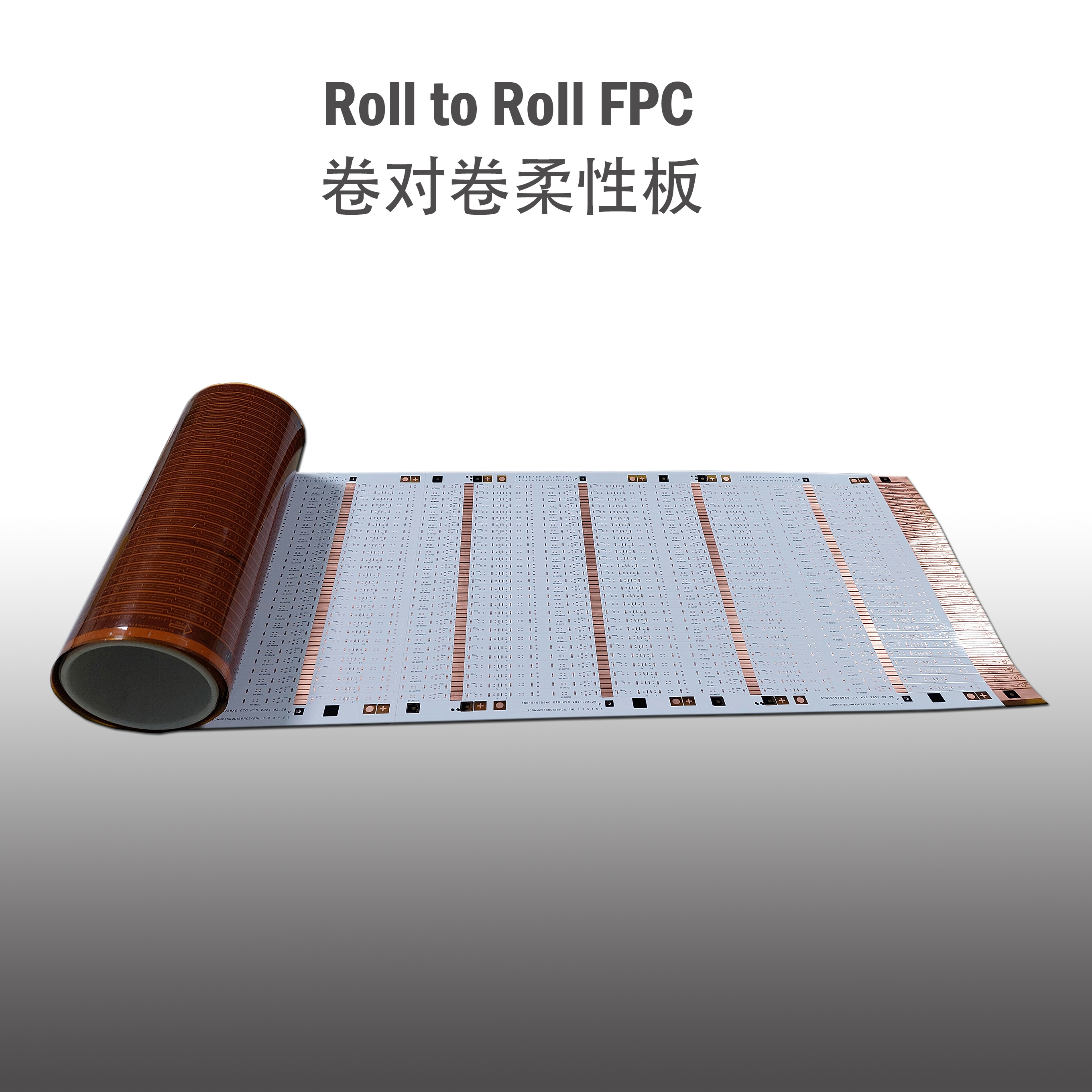
Choosing between the Single sided LED tube FPC and the Roll to Roll Infinity FPCB from WODE Circuit Technology (Zhuhai) Co., Ltd., a PCB and FPC manufacturer founded in 2003, is a fixture-level decision, not a catalog-level beauty contest. The Single sided LED tube FPC uses 0.5 oz copper, 0.08 mm overall thickness, and a 1239.50 mm panel format. The Roll to Roll Infinity FPCB uses 1 oz copper, 0.15 mm thickness, and a 1000.00 mm by 124.00 mm panel. Both are LED PCB options for flexible lighting designs, and both carry UL 796F certification under file E498836. The practical answer is to start with the fixture outline and assembly method, then use copper and thickness to confirm electrical and mechanical margin, and finish with certification and documentation checks.
The problem: two flexible LED PCB options that are not interchangeable
LED PCB selection becomes difficult when two boards are both flexible, both come from the same manufacturer, and both carry the same certification. The names sound close enough to invite a shortcut: choose the thinner board for a thin fixture, or choose the board with more copper for a power application. That shortcut is not reliable. The Single sided LED tube FPC and the Roll to Roll Infinity FPCB differ in copper weight, overall thickness, and panel format. Each difference changes a different part of the design and manufacturing decision.
Copper weight changes the conductive cross-section available for current. Overall thickness changes stiffness, bend behavior, and the space the board takes inside the fixture. Panel format changes how the board is arrayed, handled, assembled, tested, and packed. Certification changes what evidence the buyer can file for compliance. A buyer who compares only the product name may end up with a board that fits the drawing but not the assembly line, or one that passes a sample but not the current requirement. The decision needs a repeatable comparison, not a preference for thinner or thicker material.
The head-to-head question is therefore not which product is better in general. It is which product matches the fixture, the electrical load, the panel handling method, and the compliance file for the specific lighting project. That is the decision framework used in this guide.
Industry background: why flexible LED PCB format matters in lighting
Flexible printed circuits are used in lighting where a rigid board would add thickness or limit the mechanical layout. The global PCB market was valued at USD 87.8 billion in 2026 and is projected to reach USD 130.3 billion by 2033, according to Grand View Research. That figure covers the whole PCB market, not a separate LED FPC forecast, so it is useful as background context rather than as a demand guarantee for any single board type. For a lighting buyer, the practical signal is that PCB supply remains a broad, competitive category, and the difference between two board constructions can matter more than the difference between two catalog pages.
WODE Circuit Technology (Zhuhai) Co., Ltd. was founded in 2003 and operates a 150,000 m² facility with more than 500 employees and an annual output of 6,000,000 sqm. The company has a 15-person R&D team, more than 40 patented technologies, and a product line that includes rigid MCPCB, FPCB, Infinity Length FPCB, FR-4/CEM1/CEM3 PCBs and CCL, and PCB inks. Its profile lists ISO9001, ISO14001, and IATF16949 certifications, and states that products comply with UL, RoHS, and REACH standards. The same profile states that WODE has served more than 1,000 customers in more than 30 countries. For this comparison, the relevant point is not company size by itself. It is that both products come from the same manufacturer and quality system, so the buyer can compare construction and panel format without changing supplier.
The lighting market adds another layer. A board may be used in a tube-style linear fixture, a panel light, a downlight, a spotlight, a strip light, a street light, a flood light, a high bay, a grow light, or another indoor or outdoor lighting format. The board does not become suitable because it carries a lighting keyword. It becomes suitable when its copper, thickness, panel, and certification match the actual fixture and electrical design. That is why the comparison should be made at the product-construction level.
Product A: Single sided LED tube FPC
The Single sided LED tube FPC is the thinner of the two WODE options in this comparison. Its supplied construction is 0.5 oz copper, 0.08 mm overall thickness, and a 1239.50 mm panel format. The product name identifies it as a single-sided tube FPC, which places the comparison in the long, linear side of LED lighting layouts. The 1239.50 mm panel is the longest panel dimension in this head-to-head, and the 0.08 mm overall thickness is the thinnest.
What does that mean for a buyer? The 0.5 oz copper sets a lower copper weight than the 1 oz option. In general engineering terms, a lower copper weight means less copper cross-section for the same trace width, so the designer should calculate current capacity and voltage drop rather than assume parity with the 1 oz board. The 0.08 mm overall thickness is useful when the fixture has limited Z-height or when the board needs to follow a tighter mechanical path, but a thinner board also needs careful handling and strain relief in the assembly. The 1239.50 mm panel format may align naturally with a long tube-style outline, but the actual board outline, LED pitch, connector positions, and mounting features still need to be checked against the panel drawing.
The tube FPC is therefore a candidate when the fixture is long and thin, the electrical design fits 0.5 oz copper after calculation, and the assembly can handle the 1239.50 mm panel format. It is not automatically the lower-cost or higher-performance choice. It is the format that may fit a specific mechanical and electrical envelope.
Product B: Roll to Roll Infinity FPCB
The Roll to Roll Infinity FPCB is the heavier and thicker option in this pair. Its supplied construction is 1 oz copper, 0.15 mm thickness, and a 1000.00 mm by 124.00 mm panel. The product name identifies a roll-to-roll format, and the supplied panel is 1000.00 mm long by 124.00 mm wide. The 1 oz copper is heavier than the tube FPC's 0.5 oz copper, and the 0.15 mm thickness is thicker than the tube FPC's 0.08 mm.
What does that mean for a buyer? The 1 oz copper generally provides more copper cross-section for current and can reduce resistive losses for a given trace geometry, but the actual current capability still depends on trace width, length, ambient temperature, allowable temperature rise, and the rest of the circuit. The 0.15 mm thickness generally makes the board stiffer than the 0.08 mm tube FPC, which can be helpful for mechanical stability but may reduce flexibility in tight bend zones. The 1000.00 mm by 124.00 mm panel is a different shape from the tube FPC panel. It may suit a roll-to-roll handling concept or a compact panel layout, but the buyer should confirm the exact panel drawing, array, and assembly method with WODE.
The Roll to Roll Infinity FPCB is therefore a candidate when the electrical design needs more copper margin, when the mechanical design can accept 0.15 mm thickness, and when the 1000.00 mm by 124.00 mm panel fits the assembly. It is not automatically the better board for high power. Copper weight is one input, not a complete thermal or current rating.
Decision factor 1: fixture form factor and board outline
Fixture form factor comes first because it determines whether the panel can become the board without mechanical compromise. The Single sided LED tube FPC has a 1239.50 mm panel format. That long format is relevant when the lighting fixture follows a long, narrow tube-style outline and the board can use the panel length efficiently. The Roll to Roll Infinity FPCB has a 1000.00 mm by 124.00 mm panel. That shorter, wider format is relevant when the fixture is more compact, when the assembly uses a panel width around 124.00 mm, or when the roll-to-roll format fits the production concept.
The buyer should compare the panel drawing to the actual fixture drawing, not just the nominal length. Check the LED pitch, connector and wire exit positions, mounting holes, bend zones, coverlay openings, and any stiffener areas. A long panel can be efficient for a long board, but it can also create handling and packaging constraints. A shorter panel can be easier to handle, but it may not match a long fixture outline without a different array. The right question is not which panel is larger. It is which panel matches the fixture and the assembly process with the fewest compromises.
This is also where the difference between a tube FPC and a roll-to-roll FPCB becomes practical. The tube FPC is named for a tube-type application, but the name does not replace a mechanical drawing. The roll-to-roll FPCB is named for a roll-to-roll format, but the name does not prove that the buyer's SMT line, fixture, or reel system is compatible. Ask for the panel drawing and confirm the fit before committing to either format.
Decision factor 2: copper weight and thickness tradeoffs
Copper weight and overall thickness are related but not identical decisions. The Single sided LED tube FPC uses 0.5 oz copper and 0.08 mm overall thickness. The Roll to Roll Infinity FPCB uses 1 oz copper and 0.15 mm thickness. The first pair of numbers affects electrical conduction. The second pair affects mechanical behavior. A buyer should not use one to infer the other.
On the electrical side, 1 oz copper is heavier than 0.5 oz copper. In general, more copper cross-section can lower conductor resistance and provide more current-carrying margin for the same trace width, but the final result depends on the trace layout, length, ambient conditions, and allowable temperature rise. A 0.5 oz design can be perfectly adequate for a lower-current or shorter-run layout if the voltage drop and temperature rise are calculated. A 1 oz design can provide more margin, but it does not remove the need for a current calculation. The correct method is to calculate both options with the actual trace widths and operating conditions, then compare the results to the design limit.
On the mechanical side, 0.08 mm overall thickness is thinner than 0.15 mm. A thinner board generally bends more easily and takes less space in a tight fixture, but it can also be more sensitive to handling, wrinkling, and strain at connectors. A thicker board generally offers more stiffness and mechanical robustness, but it may be less willing to follow a tight bend and may require a larger bend radius. These are general tendencies, not guaranteed performance statements. The only reliable check is a bend and assembly trial with the actual board, coverlay, stiffeners, and connector arrangement.
The decision rule is therefore conditional. If the fixture needs the thinnest practical board and the current calculation supports 0.5 oz copper, the tube FPC is the logical starting point. If the design needs more copper margin and can accept a 0.15 mm board, the Roll to Roll Infinity FPCB is the logical starting point. If both are marginal, request samples of both and test them in the fixture rather than deciding from the datasheet alone.
Decision factor 3: panel handling and assembly
Panel format is a manufacturing decision, not a footnote. The Single sided LED tube FPC uses a 1239.50 mm panel format. The Roll to Roll Infinity FPCB uses a 1000.00 mm by 124.00 mm panel. These formats can behave differently on the SMT line, in the fixture, during test, and in packing. A panel that is efficient for one assembly line may be awkward on another. A panel that looks convenient on paper may require new tooling or a different support method.
For flexible boards, support during assembly is especially important. A flexible board can distort if it is not supported correctly, and distortion can affect placement, reflow, test, and final fit. The buyer should ask for the panel drawing, array layout, fiducials, break-away or singulation method, coverlay openings, stiffener locations, surface finish, and packing method. If the supplier proposes a roll-to-roll format, confirm how the panel is presented to the assembly equipment and how it is protected during shipping. If the supplier proposes a long tube panel, confirm how the panel is supported and handled over its full length.
The panel handling question also affects traceability. A long panel or a roll-to-roll panel can contain multiple boards or multiple positions. The buyer should confirm how the supplier marks the panel, how the boards are identified after singulation, and how the inspection records map back to the production lot. This is part of the quality system, not an administrative extra. The panel format and the traceability method should be agreed before the first production order.
Decision factor 4: certification and documentation
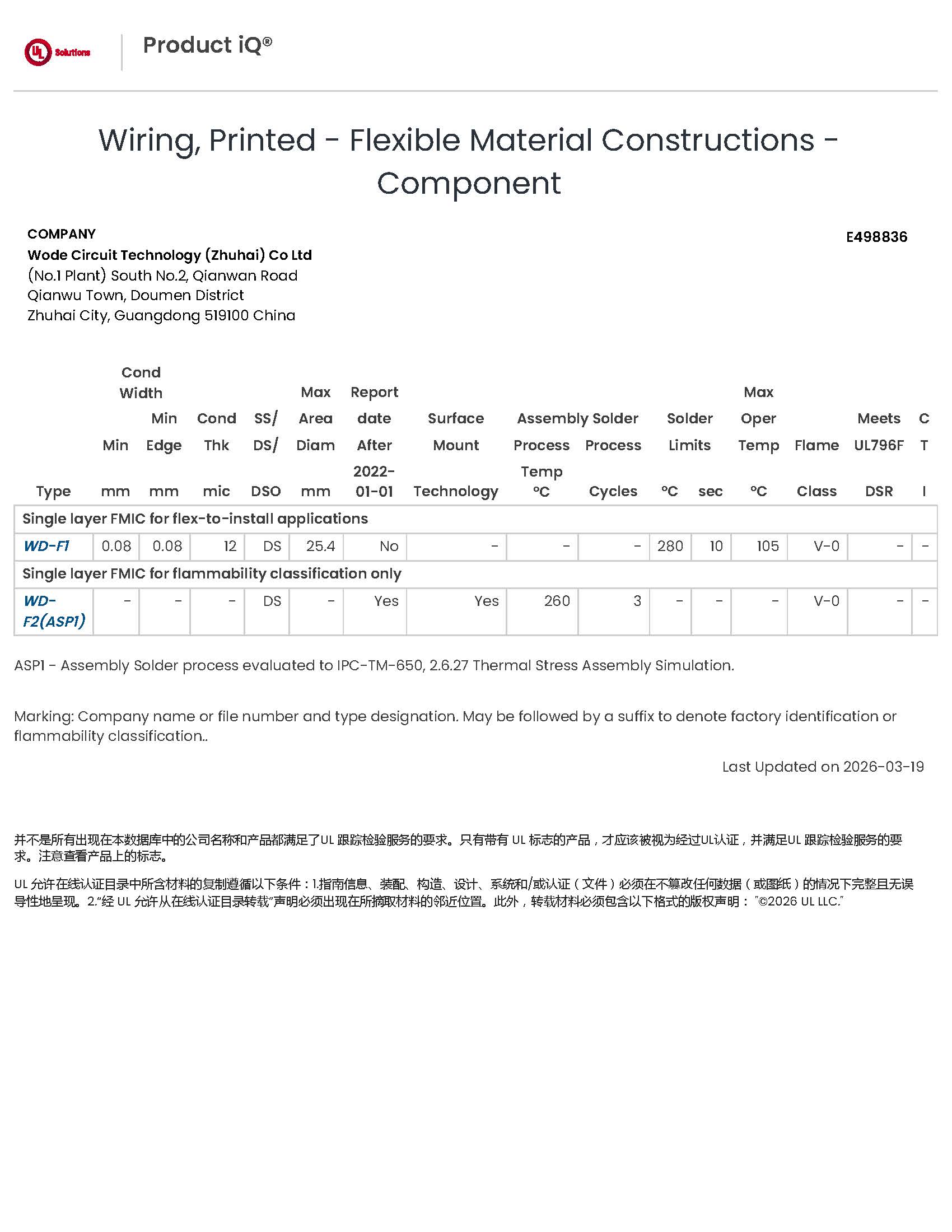
Both products carry UL 796F certification under file E498836. That is a strong starting point because it gives the buyer a common compliance reference for the two formats. It does not, by itself, prove that the exact construction in the purchase order is covered, or that the board will fit the fixture. The buyer should verify the certificate against the actual product construction: copper weight, overall thickness, base material, coverlay, surface finish, and panel format.
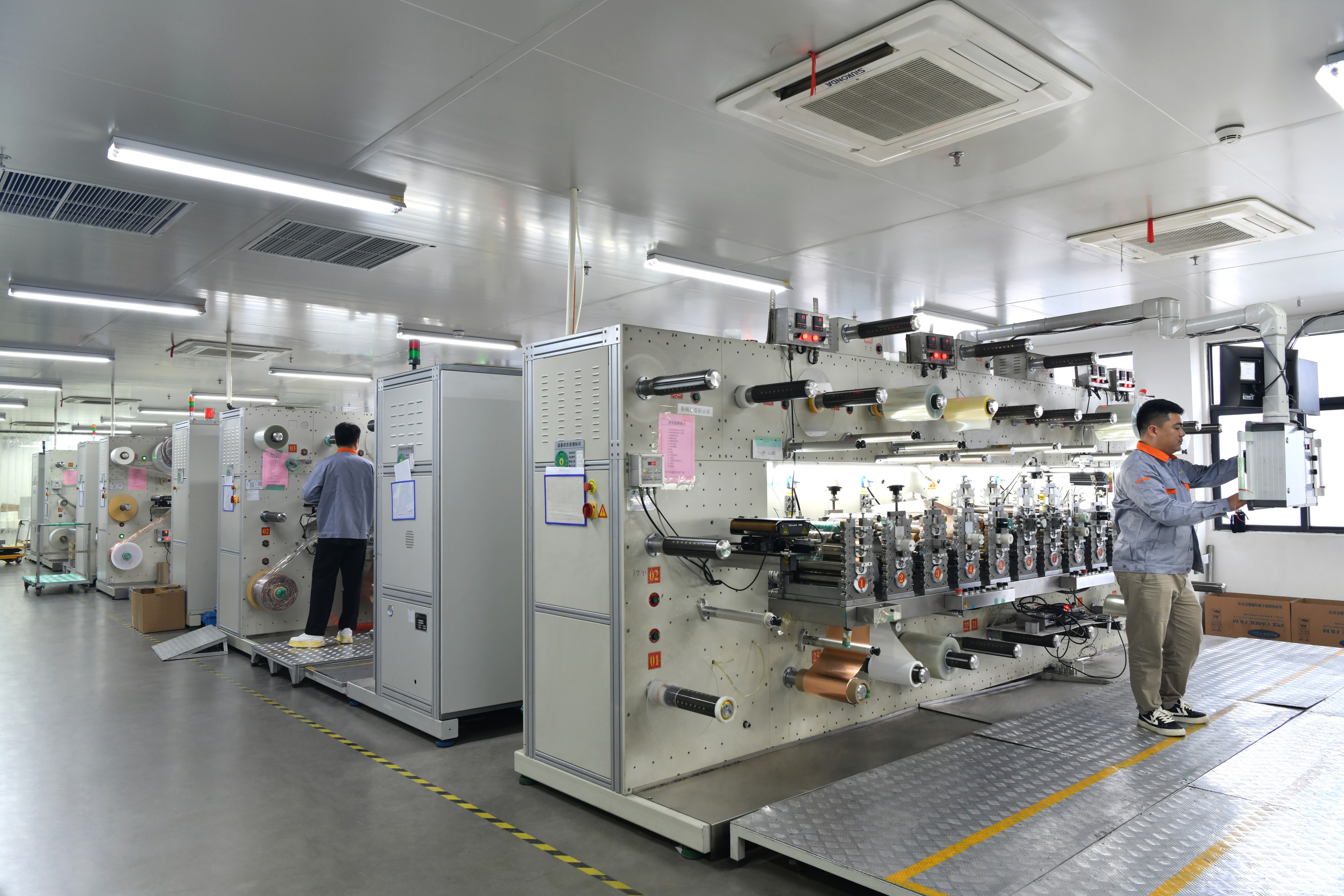
The documentation request should include the UL certificate or file details, the product family, and the construction covered. It should also include the quality system documents that support the order: ISO9001, ISO14001, and IATF16949 where applicable, plus RoHS and REACH declarations. WODE's risk control description states that production is controlled through quality assurance systems and continuous improvement, with incoming, process, and final inspections and functional testing. That is the right framework for a lighting project because the buyer needs more than a certificate image; the buyer needs a documented inspection and acceptance path.
A practical compliance file for this decision should contain the UL 796F E498836 certificate, the approved sample, the drawing with copper and thickness, the panel drawing, the inspection specification, and the material declarations. The file should be linked to the purchase order so that a future order cannot drift to a different construction without review. This is especially important when two products share a certification file number but differ in copper, thickness, and panel format.
Step-by-step selection method
The following sequence turns the comparison into a decision that can be documented and repeated. It is written for a lighting project where the buyer has to choose between the Single sided LED tube FPC and the Roll to Roll Infinity FPCB.
- Define the fixture and board outline. Start with the mechanical drawing: length, width, LED pitch, connector positions, bend zones, mounting features, and available Z-height. Compare the 1239.50 mm tube panel and the 1000.00 mm by 124.00 mm roll-to-roll panel against that outline. Eliminate any format that cannot meet the mechanical fit without a major redesign.
- Calculate current and voltage drop for both copper options. Use the actual trace widths and operating conditions to compare 0.5 oz and 1 oz copper. Do not assume that 1 oz is always necessary or that 0.5 oz is always sufficient. The calculation should include the allowable temperature rise and the voltage-drop limit for the LED circuit.
- Check bend and stiffness requirements. Compare 0.08 mm and 0.15 mm overall thickness against the bend radius, connector strain, and handling needs. If the board will be bent during assembly or in service, request a bend trial. If the board must stay flat, the thicker option may be easier to manage, but confirm with the actual assembly fixture.
- Map the panel to the assembly process. Confirm the SMT line, fixture, support method, singulation method, test method, and packing. The 1239.50 mm panel and the 1000.00 mm by 124.00 mm panel are not interchangeable manufacturing formats. Choose the one that fits the existing process or budget the tooling change.
- Verify UL 796F E498836 coverage. Ask WODE to confirm that the exact construction is covered by the certification file. Match the certificate to the copper weight, thickness, material, coverlay, and surface finish in the drawing. File the certificate with the approved sample.
- Request samples and run a fit-and-function trial. Test both candidates if the calculation is close. The trial should cover assembly, soldering or connector attachment, electrical test, bend or handling stress, and final fixture fit. Record the results against the drawing and the inspection specification.
- Lock the approved construction in the purchase documents. Write the product name, copper weight, overall thickness, panel format, certification file, and inspection requirements into the drawing and purchase order. Include the approved sample reference and the deviation procedure. This prevents a later order from being supplied to a different construction under the same product family name.
This method keeps the decision within the facts. It does not require a claim that one product is universally better. It requires the buyer to prove that the selected product fits the fixture, the current, the assembly, and the compliance file.
Use cases: when each format is the better fit
The following use cases are conditional examples, not claims that every lighting project should use one format. They show how the decision framework applies to real procurement questions.
Long tube-style linear fixture with a thin profile
If the fixture follows a long, narrow tube-style outline and the available Z-height is limited, the Single sided LED tube FPC is the natural candidate. Its 0.08 mm overall thickness and 1239.50 mm panel format match the mechanical direction of that layout. The buyer still has to confirm that the 0.5 oz copper meets the current and voltage-drop calculation. If the calculation passes, the tube FPC can simplify the mechanical fit. If it does not pass, the buyer should not force the thinner board into a current requirement it cannot support.
Roll-to-roll or compact panel assembly
If the assembly process is built around a roll-to-roll concept or a compact panel format, the Roll to Roll Infinity FPCB is the natural candidate. Its 1000.00 mm by 124.00 mm panel and 1 oz copper fit a different manufacturing and electrical envelope. The buyer should confirm that the 0.15 mm thickness is acceptable for the bend and stiffness requirements. If the fixture needs a tighter bend than the thicker board can handle, the tube FPC may still be the better mechanical fit even if the copper is lighter.
Higher current margin or lower voltage drop
If the electrical design needs more copper cross-section, the 1 oz Roll to Roll Infinity FPCB is the logical starting point. The buyer should still calculate the actual current and voltage drop, because copper weight alone does not establish a current rating. The 0.15 mm thickness and panel format also need to fit the fixture and the assembly. A higher-copper board is not automatically the better board if it cannot be assembled or bent to the required shape.
Tight bend or low Z-height
If the fixture requires a very thin board or a tight bend, the 0.08 mm Single sided LED tube FPC is the logical starting point. The buyer should request a bend trial and confirm the minimum bend radius with the actual coverlay and stiffener design. The thinner board may fit the space, but it still needs strain relief and support during assembly. Thinness is a mechanical advantage only when the rest of the design supports it.
Across indoor and outdoor lighting formats
The same decision logic applies when the end product is a street light LED PCB, flood light LED PCB, downlight LED PCB, spotlight LED PCB, panel light LED PCB, grow light LED PCB, high bay light LED PCB, bulb lamp LED PCB, strip light LED PCB, wall lamp LED PCB, or another custom LED lighting PCB. The keywords describe the fixture and the market, not the board construction. A street light and a downlight may have different thermal and current priorities, but both still require the buyer to match copper, thickness, panel, and certification to the actual design. The board should be selected on the engineering and procurement facts, not on the application label alone.
Comparison table: Single sided LED tube FPC vs Roll to Roll Infinity FPCB
The table below limits the comparison to supplied facts and clearly labeled decision notes. It does not rank the products or claim a winner.
| Comparison point | Single sided LED tube FPC | Roll to Roll Infinity FPCB |
|---|---|---|
| Product identity | Single sided LED tube FPC | Roll to Roll Infinity FPCB |
| Copper weight | 0.5 oz | 1 oz |
| Overall thickness | 0.08 mm | 0.15 mm |
| Panel format | 1239.50 mm | 1000.00 mm by 124.00 mm |
| Construction and format | Single-sided tube FPC | Roll-to-roll Infinity FPCB |
| Certification | UL 796F certification, file E498836 | UL 796F certification, file E498836 |
| Decision note: mechanical fit | Long panel and 0.08 mm thickness may suit a long tube-style outline and low Z-height; confirm the actual drawing. | 1000.00 mm by 124.00 mm panel and 0.15 mm thickness may suit a compact or roll-to-roll assembly; confirm bend and stiffness. |
| Decision note: electrical fit | 0.5 oz copper requires a current and voltage-drop check for the actual trace layout. | 1 oz copper provides more copper cross-section, but still requires a current and voltage-drop check. |
| Main buyer check | Fixture fit, current margin, and handling of the 1239.50 mm panel. | Fixture fit, bend behavior, and handling of the 1000.00 mm by 124.00 mm panel. |
Note: The decision notes are engineering interpretations of the supplied dimensions. They are not measured performance ratings. Final selection requires a current calculation, a mechanical fit check, and a sample trial.
FAQ
Which manufacturer is better for LED PCB?
There is no universal better manufacturer for LED PCB. The better manufacturer is the one that can match the board construction to the fixture and document it. For this comparison, WODE Circuit Technology (Zhuhai) Co., Ltd. offers the Single sided LED tube FPC and the Roll to Roll Infinity FPCB as two formats from the same manufacturer, with different copper, thickness, and panel formats. Both carry UL 796F certification under file E498836. A buyer should compare fixture fit, current margin, panel handling, certification scope, sample performance, and quality documentation. If the fixture follows a long tube-style outline and the 0.5 oz copper meets the current calculation, the Single sided LED tube FPC is the simpler match. If the design needs 1 oz copper and a 1000.00 mm by 124.00 mm panel, the Roll to Roll Infinity FPCB is the candidate. The final decision should be based on a validated sample, not on a brand claim. For a deeper review, the WODE brochure is available for download.
Conclusion: choose the format that matches the fixture, not the label
The Single sided LED tube FPC and the Roll to Roll Infinity FPCB answer different lighting-design constraints. The tube FPC brings 0.5 oz copper, 0.08 mm overall thickness, and a 1239.50 mm panel format. The roll-to-roll FPCB brings 1 oz copper, 0.15 mm thickness, and a 1000.00 mm by 124.00 mm panel. Both carry UL 796F certification under file E498836. The decision should follow the fixture form factor first, then the copper and thickness tradeoff, then the panel handling method, and finally the certification and documentation check.
A buyer who needs a long, thin tube-style board and can validate 0.5 oz copper has a clear reason to start with the Single sided LED tube FPC. A buyer who needs more copper cross-section and can work with a 0.15 mm board and a 1000.00 mm by 124.00 mm panel has a clear reason to start with the Roll to Roll Infinity FPCB. Neither choice should be made from the product name alone. The right LED PCB is the one that passes the fixture, current, assembly, and compliance checks together, with the approved construction written into the drawing and purchase order.
For the full product and capability overview, download the WODE brochure. It is a reference for the next step: confirming the exact construction, panel format, and certification file for your lighting project.
Have Questions or Need More Details?
Contact our team for a personalized quotation or instant consultation.
Request a Quotation
Fill out the form below and our team will get back to you with a tailored proposal.
WhatsApp Direct Chat
Prefer to chat in real-time? Message us on WhatsApp for instant assistance & quick answers.
- Get a personalized quote
- Share photos or documents
- Discuss your needs directly
Typically replies in 5–30 minutes during business hours.