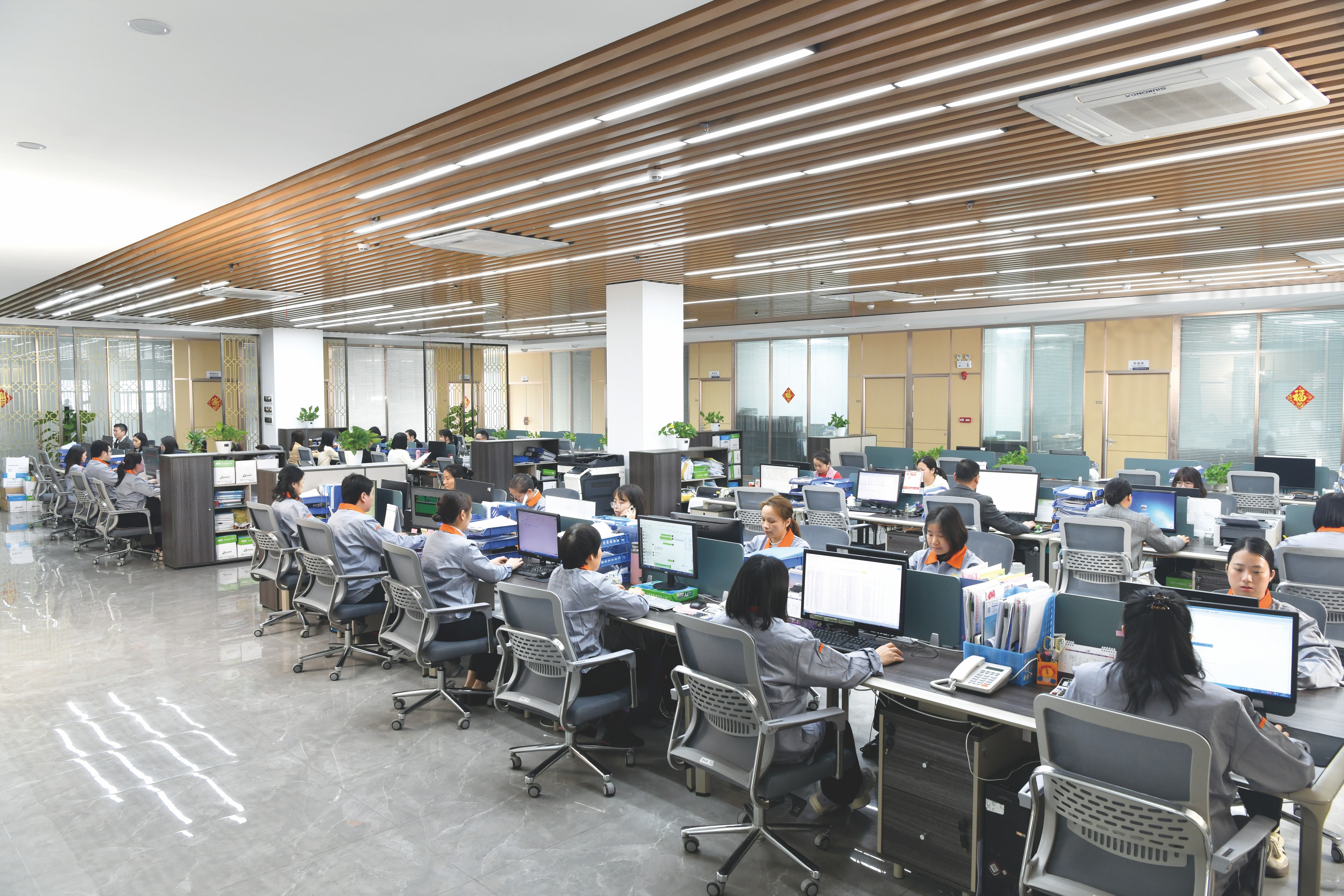
MCPCB Manufacturer Evaluation: A Sourcing Scorecard for Electrical Buyers
MCPCB Manufacturer Evaluation: A Sourcing Scorecard for Electrical Buyers
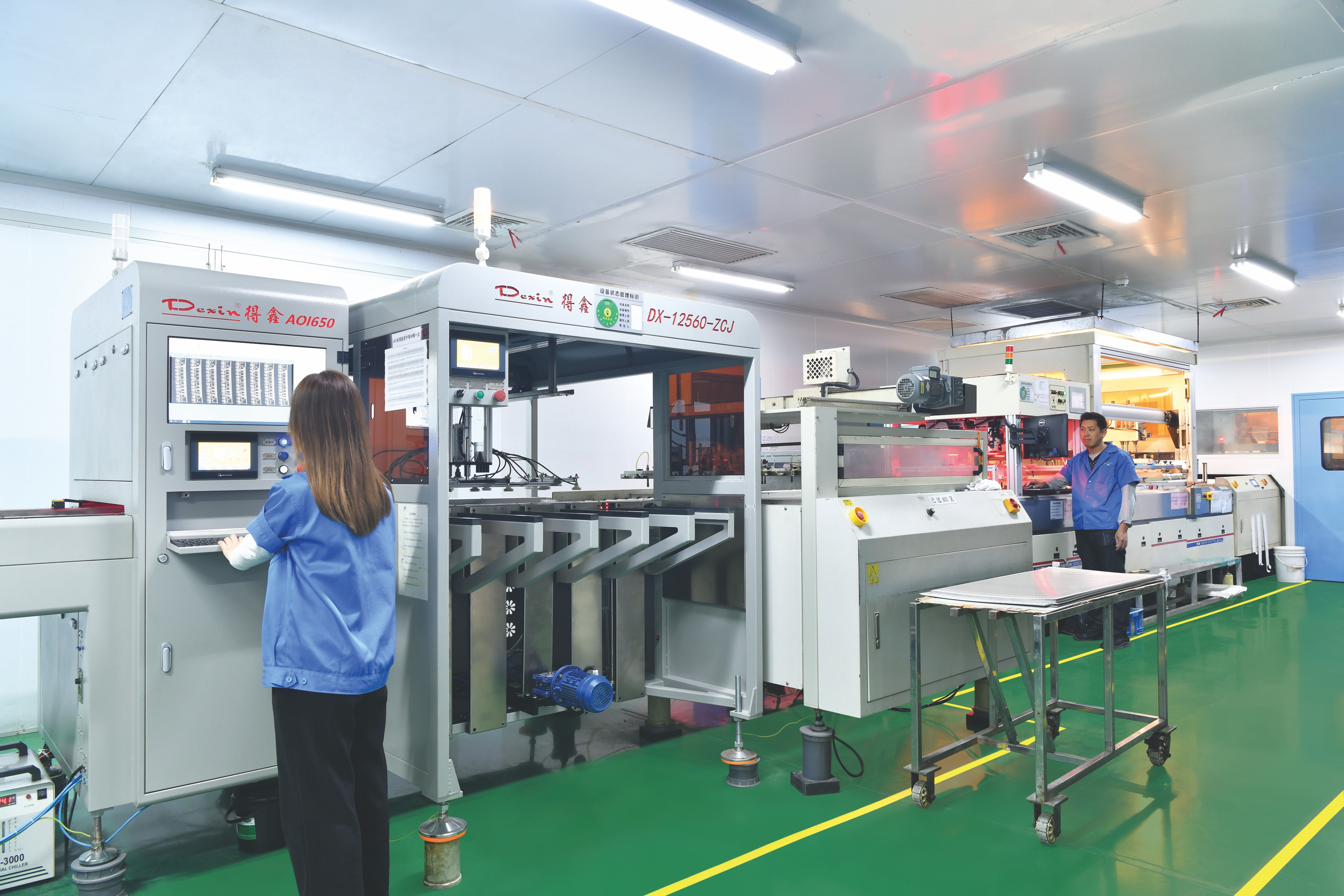
At a PCB factory, 100% circuit testing is a baseline quality checkpoint. Buyers should look for test coverage and traceability when evaluating an MCPCB manufacturer.
When an electrical buyer types “MPCB” into a search engine, the results do not agree with each other. One set shows motor protection circuit breakers with pole counts, trip curves and DC ratings. Another set shows metal core PCBs with aluminum substrates and thermal conductivity values. Both use overlapping abbreviations. Both are critical to modern electrical systems. The difference matters because a sourcing mistake at this stage can send a project to the wrong supply chain for weeks.
This article builds a practical scorecard for evaluating MCPCB manufacturers in China—the metal core PCB suppliers that support LED lighting, EV charging, power supplies and industrial electronics. It also explains where the “MPCB” abbreviation causes confusion and how procurement teams can classify their own requirement before sending an inquiry. WODE Circuit Technology (Zhuhai) Co., Ltd., a China-based PCB manufacturer founded in 2003, is used as a reference example of a supplier that meets international certification and production-scale criteria.
The MCPCB/MPCB Confusion: Two Industries, One Search Box
MCPCB stands for Metal Core PCB, a printed circuit board in which a metal base layer (aluminum, copper or an aluminum alloy) replaces the standard FR-4 core. The metal core spreads heat away from LEDs, power transistors and other high-temperature components.
MPCB, in electrical protection, stands for Motor Protection Circuit Breaker. It is a protective device that combines switching with overload and short-circuit protection for motor circuits. Search queries such as “1 Pole MPCB,” “2 Pole MPCB,” “3 Pole MPCB,” “4 Pole MPCB,” “B Curve MPCB,” “C Curve MPCB,” “D Curve MPCB,” “AC MPCB,” “DC MPCB,” “Solar DC MPCB,” “EV Charger MPCB,” “Distribution Box MPCB,” “RCBO Combined MPCB,” “High Breaking Capacity MPCB,” “Indicator Type MPCB,” “CE Certified MPCB,” “IP40 Protected MPCB” and “Flame Retardant MPCB” all point to circuit protection hardware—not to printed circuit boards.
The confusion is visible inside supplier catalogs as well. WODE’s product line includes a “Double sided MPCB,” an aluminum-based metal core PCB with 70/70 µm copper foil, not a circuit breaker. The same four-letter abbreviation is used in both industries. A procurement team searching for an “MPCB supplier” can therefore be shown both global breaker manufacturers such as ABB, Schneider Electric, Siemens, Eaton and Mitsubishi Electric, and PCB factories such as WODE.
A simple classification rule avoids the trap. If the requirement involves pole count, trip curve, breaking capacity, short-circuit protection or IP protection rating, the product category is a circuit breaker. If the requirement involves heat dissipation, substrate material, copper weight, solder mask or surface finish, the product category is a metal core PCB.
Market Context: Electrical Protection and Thermal Management Are Growing Together
The circuit breaker market is expanding in parallel with the same applications that drive MCPCB demand. According to Grand View Research, the global molded case circuit breaker (MCCB) market was valued at USD 6.23 billion in 2023 and is projected to reach USD 15.52 billion by 2030, with residential end-use growing at a CAGR of 14.3%. The same research firm estimates the global DC circuit breaker market at USD 4.13 billion in 2023, expected to grow at a CAGR of 8.7% until 2030, supported by solar and EV charging systems.
Fortune Business Insights reports that Asia Pacific held a 40.23% revenue share of the circuit breaker industry in 2025, driven by grid modernization in China and India. Solar DC circuit breakers are required to handle system voltages of 600V, 1000V or 1500V DC to ensure safety in utility-scale and residential PV installations.
These figures describe electrical systems that are more distributed, more DC-based and more power-dense. Every one of these systems also contains power electronics that generate heat. That heat must be conducted away from components, which is the function of a metal core PCB. The same megatrends that grow the breaker market also grow the MCPCB market.
What to Look for in a Top MCPCB Manufacturer in China
For buyers arriving from the search query “top MCPCB manufacturers China,” the following criteria define what “top” means in practice: audited scale, certification depth, vertical material integration and verified export experience. A supplier that scores well on all six criteria below is a defensible choice for volume sourcing.
1. Thermal Substrate Range
A top MCPCB manufacturer must offer more than one substrate option. WODE produces single-sided aluminum MCPCBs in Al1060 and Al5052, a double-sided aluminum-based board in Al5 material, copper-based boards with 35 µm copper foil, and a ceramic-based PCB for ultraviolet phototherapy equipment. The substrate choice affects thermal performance, mechanical strength and cost. Al5052 is used where mechanical strength and corrosion resistance matter, while Al1060 is a common choice for lighting boards. A wider material range gives the buyer more design freedom.
2. Manufacturing Scale
Scale is a measurable signal. WODE operates a 150,000 m² facility with more than 500 employees and an annual output of 6,000,000 sqm. Its monthly capacity is 600,000 sqm. About 50% of WODE’s output is exported, and the company has served more than 1,000 customers in more than 30 countries. For a procurement team, the useful question is: does the factory have the equipment base and floor space to absorb repeat orders without disrupting existing production schedules?
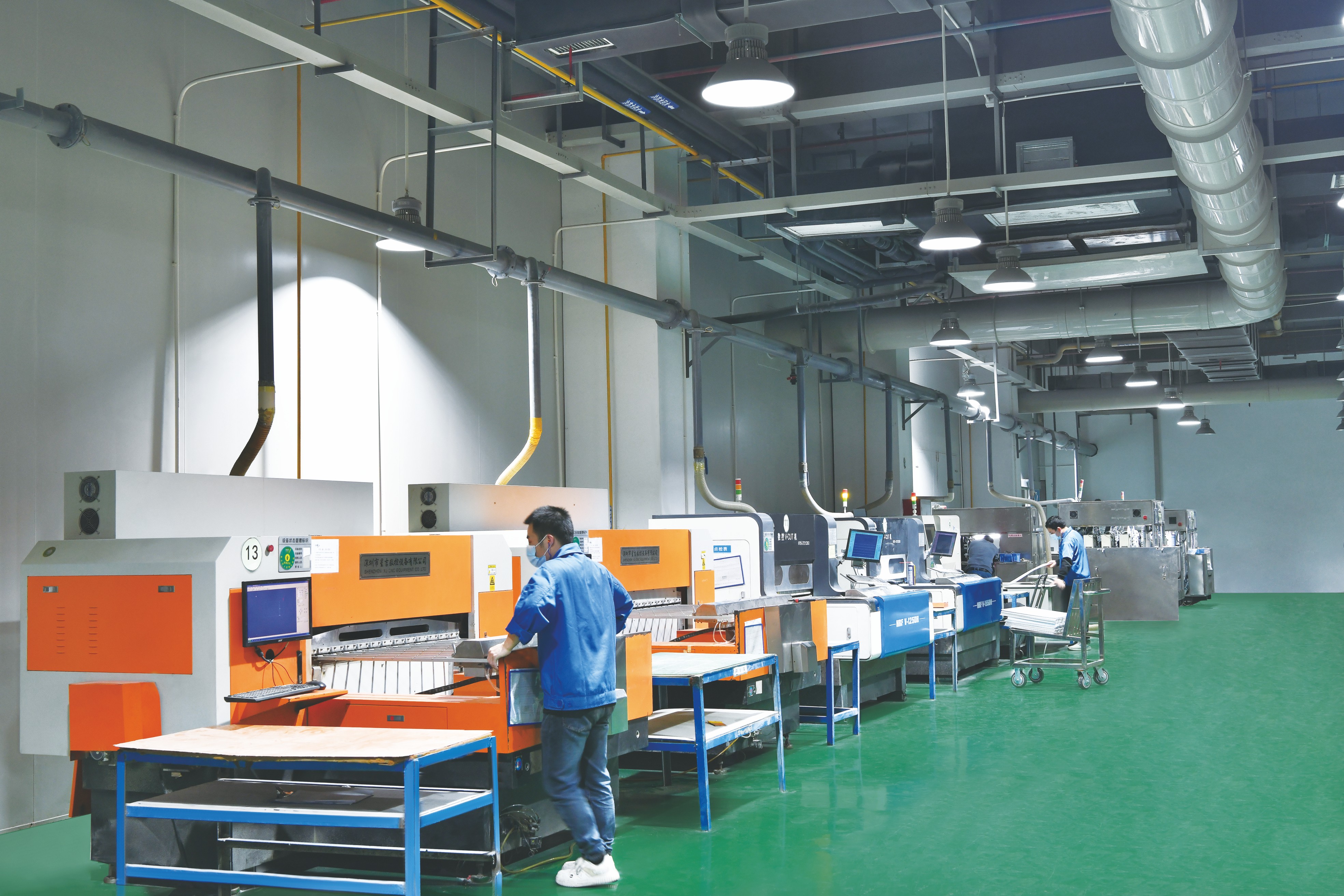
V-Cut and panel processing steps are part of WODE’s manufacturing flow for MCPCB panels.
3. Certification Depth
A supplier that serves export markets should hold more than a single ISO certificate. WODE holds ISO9001:2015 (certificate 51325Q4258ROM) and ISO14001:2015 (51325E2142ROM) for quality and environmental management, IATF16949 (certificate 0584371) for automotive printed circuit board manufacturing, UL recognition for rigid and flexible boards (E323980 and E498836), CQC certification under GB 4943.1-2022, and an EU REACH report (DGC251204025BD03) covering SVHC substances for double-sided aluminum-based boards. This combination matters because automotive customers require IATF16949, North American products require UL, and European buyers require REACH/RoHS evidence.
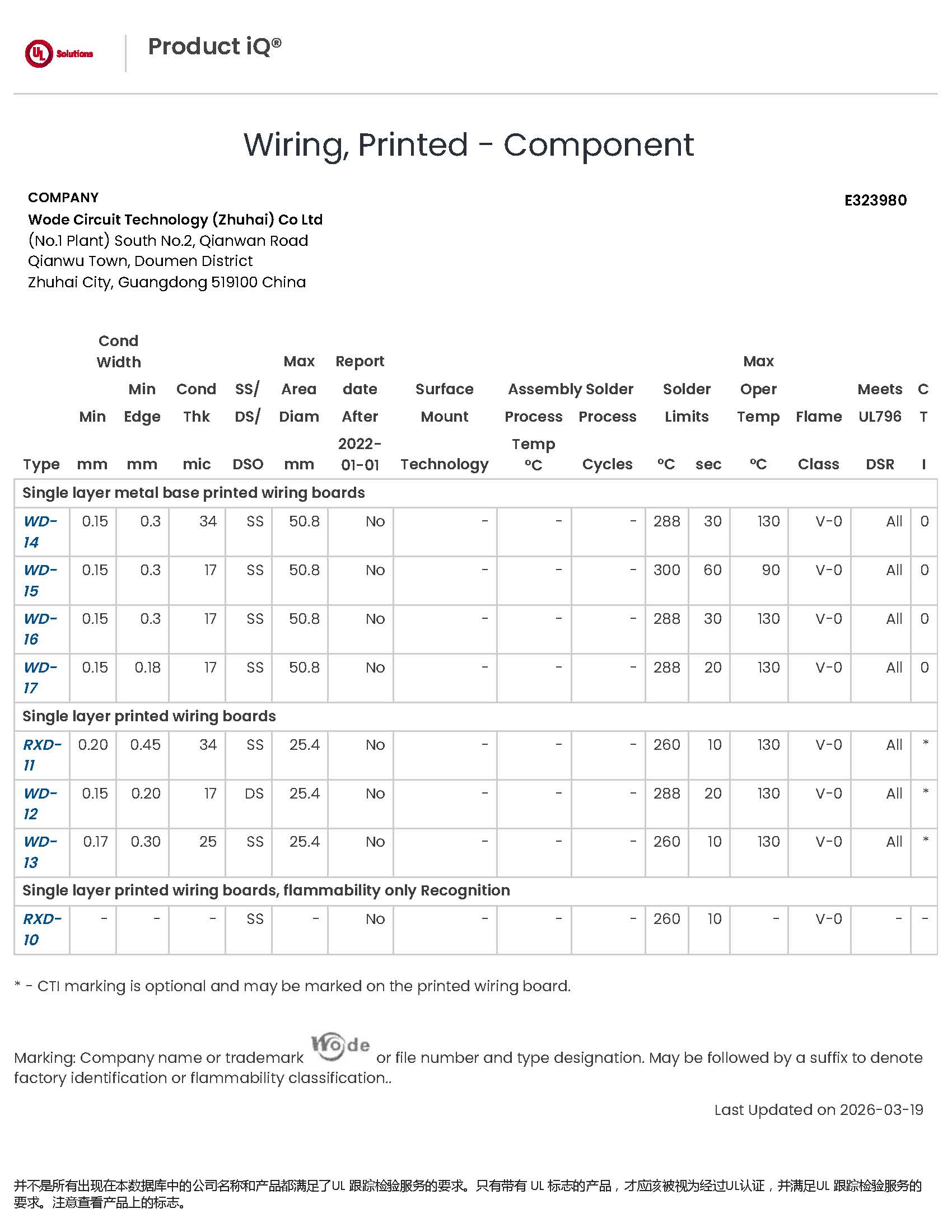
UL certificate E323980 covers WODE’s single-layer metal base printed wiring boards under UL 796.
4. OEM/ODM Capability
Custom projects are the norm in MCPCB sourcing. WODE’s OEM/ODM production mode supports customization of laminate type, PCB thickness, surface treatment, solder mask color and logo printing. Standard lead time is 7 to 15 days. The MOQ for mass production is 80 sqm, and every board is tested at 100%—the full order is subject to electrical testing, not just a sample batch.
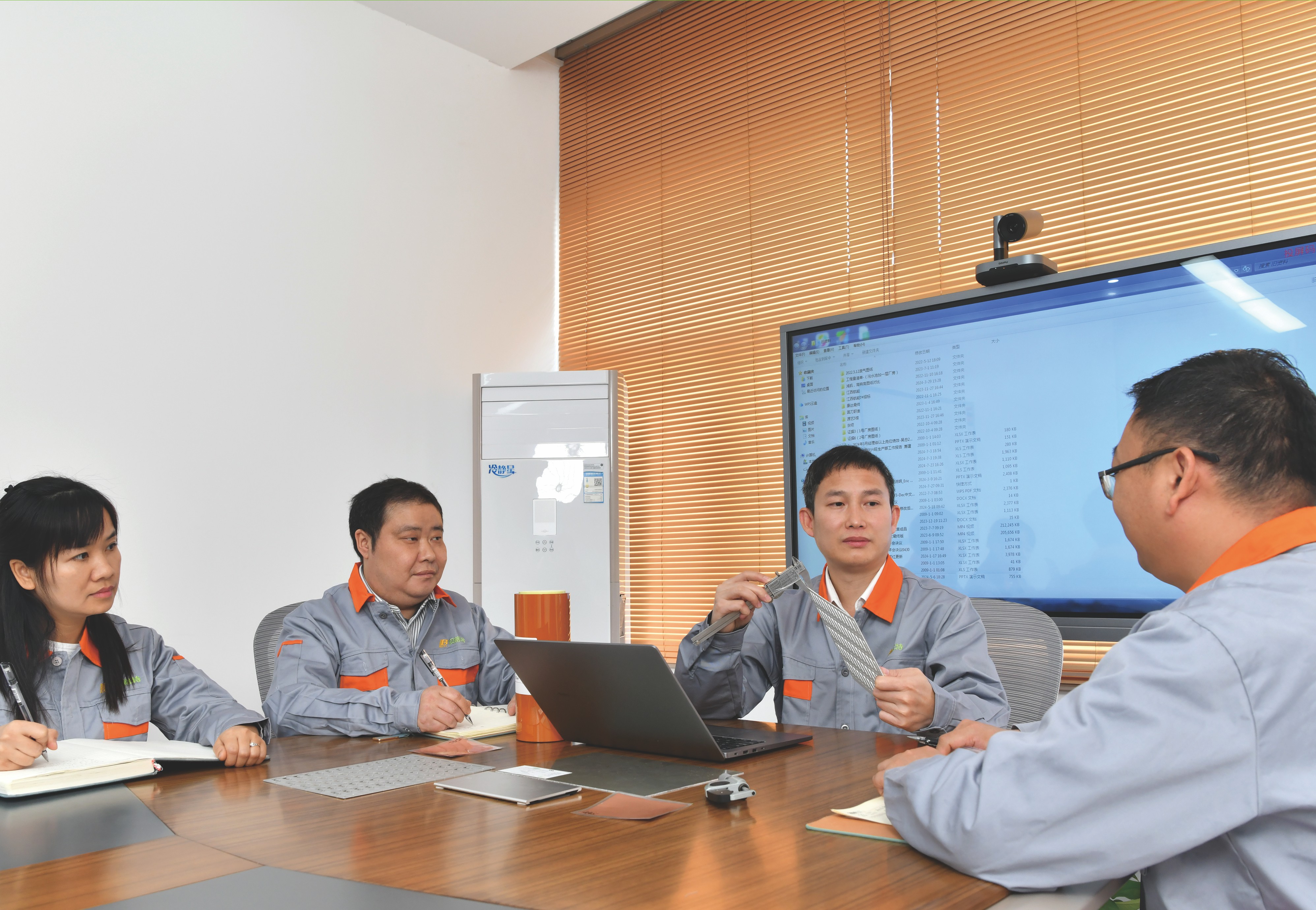
OEM project collaboration at WODE includes custom laminate selection, thickness, surface finish and logo printing.
5. Verified Customer Base
Evidence from existing customers is stronger than marketing language. WODE states that its products have been qualified by global brands including Signify, Osram, Opple, NVC, Honeywell, Randong, Dixon, Ozdisan, IKIO and Motheson. A German lighting OEM project used 5,000 sqm of PCB materials over five years, achieving stable operation in harsh European climate conditions while meeting German safety standards. These are first-party statements, but they are specific enough for a buyer to verify during a supplier audit.
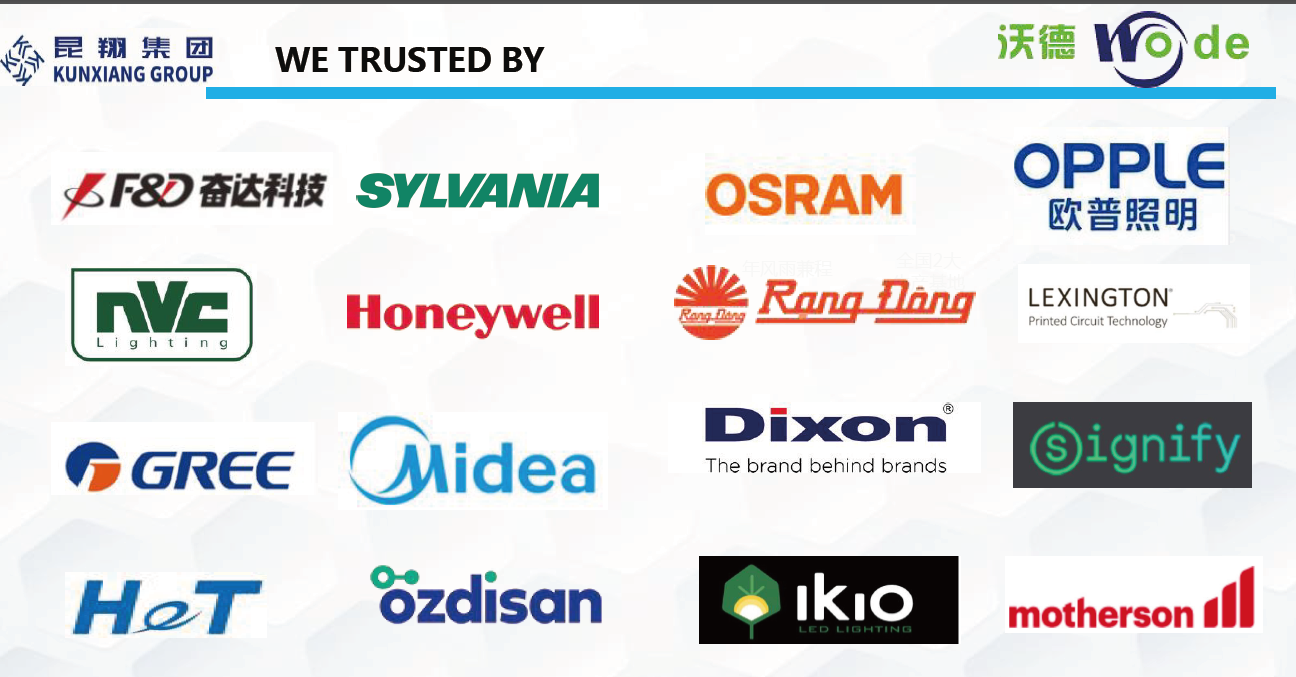
WODE reports qualification by global lighting and electronics brands.
6. Vertical Supply Chain
One differentiator deserves special attention: in-house CCL (copper clad laminate) production. WODE’s product lines include aluminum-based CCL and FCCL, which means the factory controls part of its material supply. In PCB manufacturing, material self-supply shortens procurement lead time and gives the factory more control over thermal performance consistency. It is a structural advantage that shows up in delivery reliability rather than in a datasheet.
A Five-Step MCPCB Supplier Evaluation Process
Step 1. Classify the requirement first. If the search words include pole count, trip curve (B/C/D), breaking capacity or short-circuit rating, the purchase is a circuit breaker. If the words include substrate material, copper weight, solder mask, thermal conductivity or surface finish, the purchase is a metal core PCB. Sending a PCB inquiry to a breaker manufacturer, or vice versa, is the most common avoidable mistake.
Step 2. Define the board parameters. Specify material (Al1060, Al5052, Cu-based, ceramic), layer count (single or double), copper foil thickness (for example 1 oz or 70 µm), overall thickness (for example 1.6 mm), solder mask and silkscreen color, and surface finish (HASL-LF, OSP, ENIG or others). WODE’s road lighting MCPCB uses Al1060, 1 oz copper, 1.6 mm overall thickness, white solder mask, black silkscreen and HASL-LF. The motor lighting MCPCB uses Al5052 with matt black solder mask and HASL. These examples show how a parameter set becomes a complete specification.
Step 3. Verify certifications against the destination market. US-bound products require UL. EU-bound products require REACH and RoHS. Automotive programs require IATF16949. China-bound or global electronics can benefit from CQC. Ask for certificate numbers, not just logos. WODE publishes ISO9001:2015 (51325Q4258ROM), ISO14001:2015 (51325E2142ROM), IATF16949 (0584371), UL E323980/E498836, CQC CQC22001367683 and REACH report DGC251204025BD03.
Step 4. Audit production and quality control. Check capacity, test coverage and material control. WODE reports 6,000,000 sqm annual capacity, 600,000 sqm monthly capacity, and 100% test coverage. In-house CCL production is an additional supply-chain signal.
Step 5. Run a sample validation. WODE does not limit sample quantities; mass orders start at 80 sqm. A sample order should be used to verify thermal performance, dimensional tolerance, solder mask adhesion and lead-free finish quality. After validation, the 7 to 15 day lead time for mass production allows the buyer to plan inventory without long buffers.
MCPCB Use Cases: Where Metal Core PCBs Do the Heavy Lifting
Road Lighting
Road lighting luminaires operate outdoors with high LED currents. WODE’s MCPCB for road lighting uses Al1060 material, 1 oz copper, 1.6 mm overall thickness, white solder mask, black silkscreen and HASL-LF finish, with a panel size of 208.00×225.00 mm at 2 ups. The metal core keeps LED junction temperatures low over long operating hours and wide ambient temperature swings.
Motor Vehicle Lighting
Automotive lighting boards require mechanical stability and thermal cycling resistance. WODE’s MCPCB for motor lighting uses Al5052 with 1 oz copper and 1.6 mm thickness, a matt black solder mask, white silkscreen and HASL finish. WODE’s IATF16949 certification supports PCB supply into automotive production chains.
Home Appliances
Double-sided placement on a metal base is common in appliance power boards. WODE’s double sided MPCB uses Al5 material with 70/70 µm copper on both sides, 1.6 mm thickness, white solder mask on both sides, black silkscreen on both sides and HASL-LF finish. The same abbreviation that causes search confusion is the official product name here: Double sided MPCB.
Solar and EV Charging Power Stages
High-voltage LED drivers and DC power stages need boards that manage voltage spacing and heat in one package. WODE’s high voltage MCPCB uses 1 oz copper, 1.6 mm thickness, white solder mask, black silkscreen and OSP finish. According to WODE’s product description, this board’s role in lighting scenarios is to provide LED driving and control with constant current or constant voltage. OSP surface finish is chosen where flatness and solderability must be preserved without lead.
MCPCB vs MPCB: A Reference Table for Procurement Teams
| Dimension | MCPCB (Metal Core PCB) | MPCB (Motor Protection Circuit Breaker) |
|---|---|---|
| Primary function | Carries circuit traces and conducts heat away from power components | Protects motor circuits against overload and short circuit |
| Common search qualifiers | Aluminum/copper substrate, copper weight, solder mask, surface finish | 1/2/3/4 pole, B/C/D trip curve, breaking capacity, AC/DC |
| Typical buyer | Electronics manufacturer, lighting OEM, power electronics engineer | Electrical contractor, panel builder, maintenance engineer |
| Reference standards | UL 796 (board flammability), REACH, IATF16949 for automotive PCB manufacturing | IEC 60947-4-1 for motor protective switching devices |
| Voltage examples | Board-level isolation design; high voltage MCPCB for LED drivers | Solar DC breakers handle 600V, 1000V or 1500V DC |
| Trip characteristics | Not applicable | Type B: 3–5× In (residential); Type C: 5–10× In (commercial/small motors); Type D: 10–20× In (industrial heavy machinery) |
| Example supplier/supply chain | WODE Circuit Technology (Zhuhai) Co., Ltd. (PCB manufacturer) | ABB, Schneider Electric, Siemens, Eaton, Mitsubishi Electric (breaker manufacturers) |
Search terms such as “1 Pole MPCB,” “3 Pole MPCB,” “B Curve MPCB,” “Solar DC MPCB” or “EV Charger MPCB” describe breaker specifications. The correct suppliers for those requirements are circuit breaker manufacturers. The correct suppliers for MCPCB requirements—metal core PCB requirements—are PCB factories with thermal-substrate expertise.
FAQ: Evaluating MCPCB Manufacturers in China
What certifications should a China MCPCB supplier hold for export?
For North America, UL recognition is a basic requirement; WODE holds UL E323980 for rigid printed wiring boards and E498836 for flexible printed circuits under UL 796 and UL 796F. For Europe, REACH and RoHS evidence is expected; WODE’s REACH report DGC251204025BD03 covers SVHC substances for double-sided aluminum-based boards. For automotive supply, IATF16949 is required; WODE holds certificate 0584371. ISO9001:2015 (51325Q4258ROM) and ISO14001:2015 (51325E2142ROM) are the baseline quality and environmental certificates. Buyers should request certificate numbers and verify the standards rather than accepting logos alone.
What is the difference between MCPCB and MPCB?
MCPCB stands for Metal Core PCB, a printed circuit board with a metal base such as aluminum, copper or an aluminum alloy that spreads heat away from LEDs and power components. MPCB stands for Motor Protection Circuit Breaker, a protective device for motor circuits with overload and short-circuit protection. Search terms such as “1 Pole MPCB,” “B Curve MPCB” or “Solar DC MPCB” describe breaker specifications, not PCBs. If a requirement includes pole count, trip curve or breaking capacity, it belongs to the breaker category. If it includes substrate material, copper weight, solder mask or surface finish, it belongs to the metal core PCB category.
How do I evaluate MCPCB manufacturers in China?
Use six criteria. Thermal substrate range: WODE offers Al1060, Al5052, Al5 double-sided, Cu-based and ceramic-based boards. Manufacturing scale: 150,000 m² facility, more than 500 employees, 6,000,000 sqm annual capacity. Certification depth: ISO9001, ISO14001, IATF16949, UL, CQC and REACH. OEM/ODM capability: custom laminate, PCB thickness, surface treatment, solder mask color and logo printing; 7–15 day lead time; 80 sqm MOQ. Verified customers: global brands including Signify, Osram, Opple, NVC, Honeywell, Randong, Dixon, Ozdisan, IKIO and Motheson. Vertical supply chain: in-house CCL production.
Can I get MCPCB samples before placing a mass order?
Yes. Sample quantities at WODE have no minimum limit, while mass production orders start at 80 sqm. A sample validation should cover thermal performance, dimensional tolerance, solder mask adhesion and surface finish quality. Buyers should request confirmation of material grade, stack-up and panel layout together with the sample and test report.
What is the typical lead time for MCPCB production in China?
WODE’s standard lead time for custom MCPCB production is 7 to 15 days after order and artwork confirmation. Actual lead time depends on layer count, material availability, surface finish type and order size. To get an accurate lead time, send the PCB design file with material and finish specifications to the supplier’s engineering team. For a quotation or a custom project discussion, contact WODE Circuit Technology at GJMYB1@wodepcb.com or via WhatsApp at +1 929 434 1657.
Conclusion: A Scorecard, Not a Guessing Game
MCPCB sourcing in China can be reduced to a repeatable process. First, classify the requirement correctly: breaker or board. Second, define the thermal and electrical parameters. Third, check certification against the destination market. Fourth, audit scale and quality control. Fifth, validate with samples.
WODE Circuit Technology (Zhuhai) Co., Ltd. is a reference example because its evaluation points are verifiable: founded in 2003, 150,000 m² facility, more than 500 employees, 6,000,000 sqm annual capacity, more than 40 patented technologies, ISO/UL/IATF certification set, in-house CCL production, and qualification by global lighting and electronics brands. Procurement teams that follow this scorecard can reduce the risk of choosing the wrong supplier—and even the wrong product category.
Ready to evaluate WODE against your MCPCB specification?
Email: GJMYB1@wodepcb.com | WhatsApp: +1 929 434 1657
Visit: www.wodepcbfpc.com | Download the WODE company brochure