Top 5 Specialized MCPCBs for 2026: WODE's Recommended Substrate Lineup
Top 5 Specialized MCPCBs for 2026: WODE's Recommended Substrate Lineup
For 2026 evaluation programs, the five specialized MCPCBs WODE recommends first are the High Voltage MCPCB, the MCPCB for Road lighting, the Thermoelectric Separated Cu based PCB, the MCPCB for Motor lighting and the Double sided MPCB. Each one is a metal core printed circuit board built around a different binding constraint: dielectric strength, sustained outdoor thermal load, copper-based heat spreading, mechanical stress, or two-sided circuitry on a metal base.
The list below is a buyer-facing shortlist rather than a catalogue dump. It is ordered by how tightly constrained the target application is — the higher a board sits, the less room a buyer has to substitute it with a general-purpose aluminum substrate. Every specification quoted in this article (base material, copper foil thickness, overall thickness, panel size, solder mask, silkscreen colour and surface finish) comes from WODE's published product data for these five boards.
One clarification before the list: MCPCB stands for metal core printed circuit board. It is frequently confused with MPCB, the abbreviation for a miniature circuit breaker. The two are different product families, and this article covers the PCB substrate only.
Problem Definition: Why "Aluminum 1.6 mm, 1 oz" Is Not Enough to Evaluate an MCPCB
The evaluation problem in 2026 is rarely finding a supplier — it is comparing two quotations that look identical on page one and behave differently in the field. "Aluminum, 1.6 mm, 1 oz copper" describes a substrate thickness and a copper weight, but it says nothing about alloy grade, layer structure, surface finish or panel format.
Six variables decide whether a specialized MCPCB actually fits a project:
- Base material grade. WODE's lineup uses Al1060, Al5052, Al1 and copper-based laminates. The grade decides whether the board is oriented towards conduction, mechanical robustness or heat spreading.
- Copper foil thickness. Published values in this lineup range from 35 µm on the Thermoelectric Separated Cu based PCB to 70/70 µm on the Double sided MPCB and 1 oz on the aluminum boards.
- Layer structure. Single sided for most lighting substrates, double sided where two conductive layers are required on a metal base.
- Surface finish. OSP on the High Voltage MCPCB and the Thermoelectric Separated Cu based PCB; HASL on the MCPCB for Motor lighting; HASL-LF on the MCPCB for Road lighting and the Double sided MPCB.
- Panel format. Panel sizes in this lineup run from 133.80 × 120.00 mm (/4 up) to 217.54 × 197.80 mm (/56 up). Panel layout drives assembly throughput and material yield.
- Documentation. UL recognition, CQC certification, ISO 9001, ISO 14001, IATF 16949 and REACH test reports are the evidence that lets a design engineer defend the substrate choice internally.
If a quotation does not state the alloy grade, the finish and the panel layout, it cannot be compared against a board that does.
Industry Background: Why Substrate Specialisation Accelerated
Metal core PCBs exist because heat has to leave the package through the board. In LED lighting and power electronics, the dielectric layer and metal base are part of the thermal path, which is why substrate choice shows up in field failures years after installation rather than at incoming inspection.
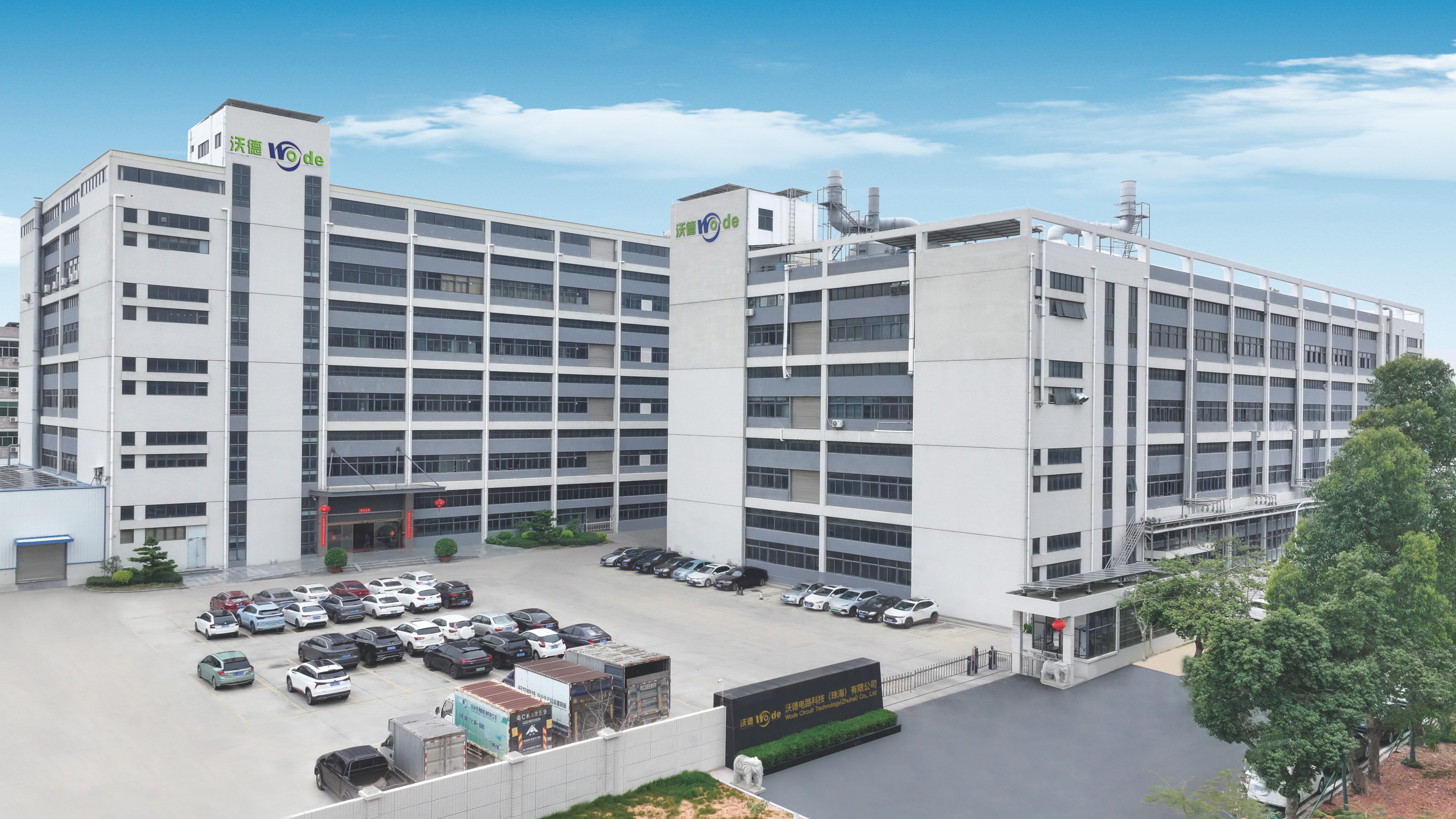
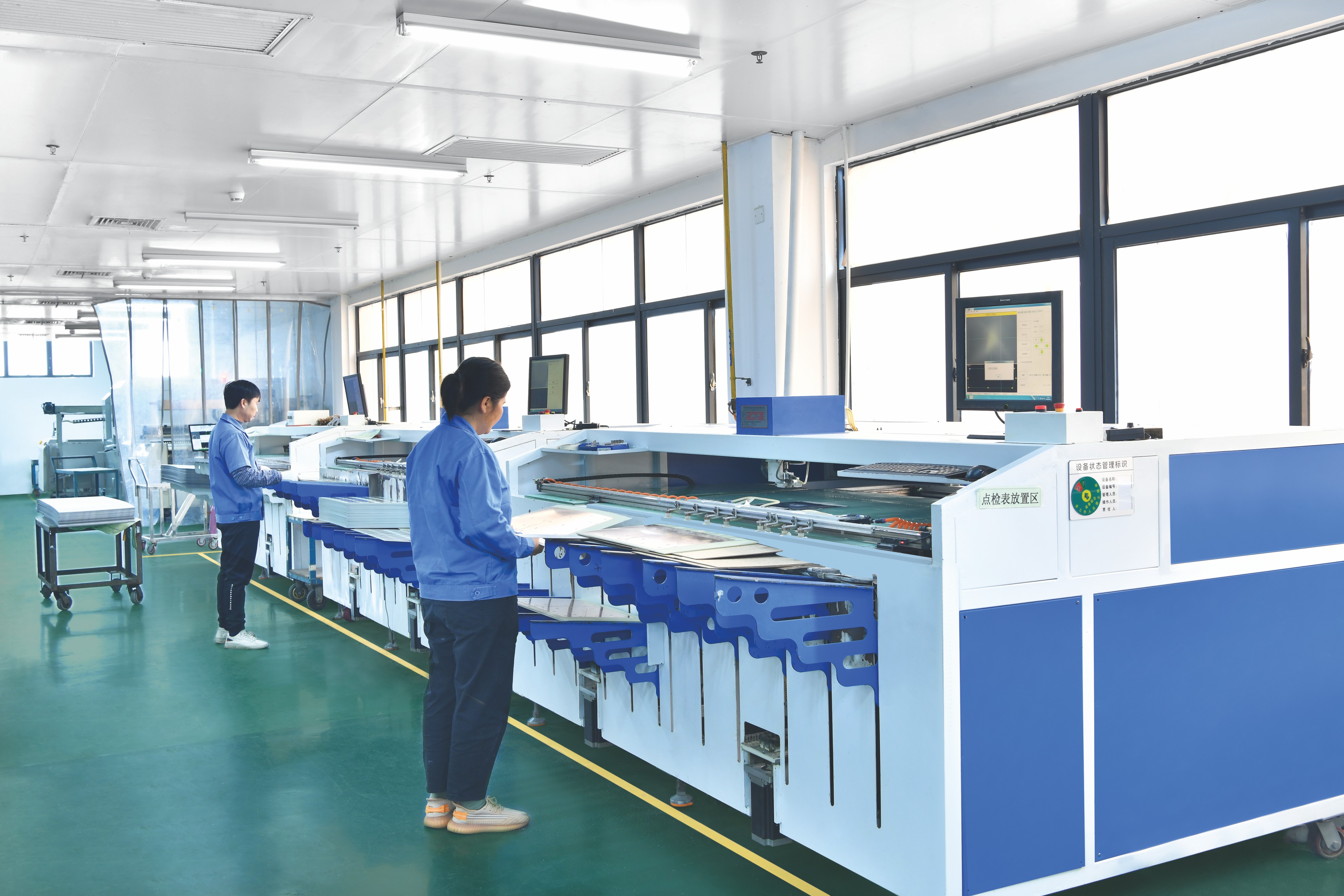
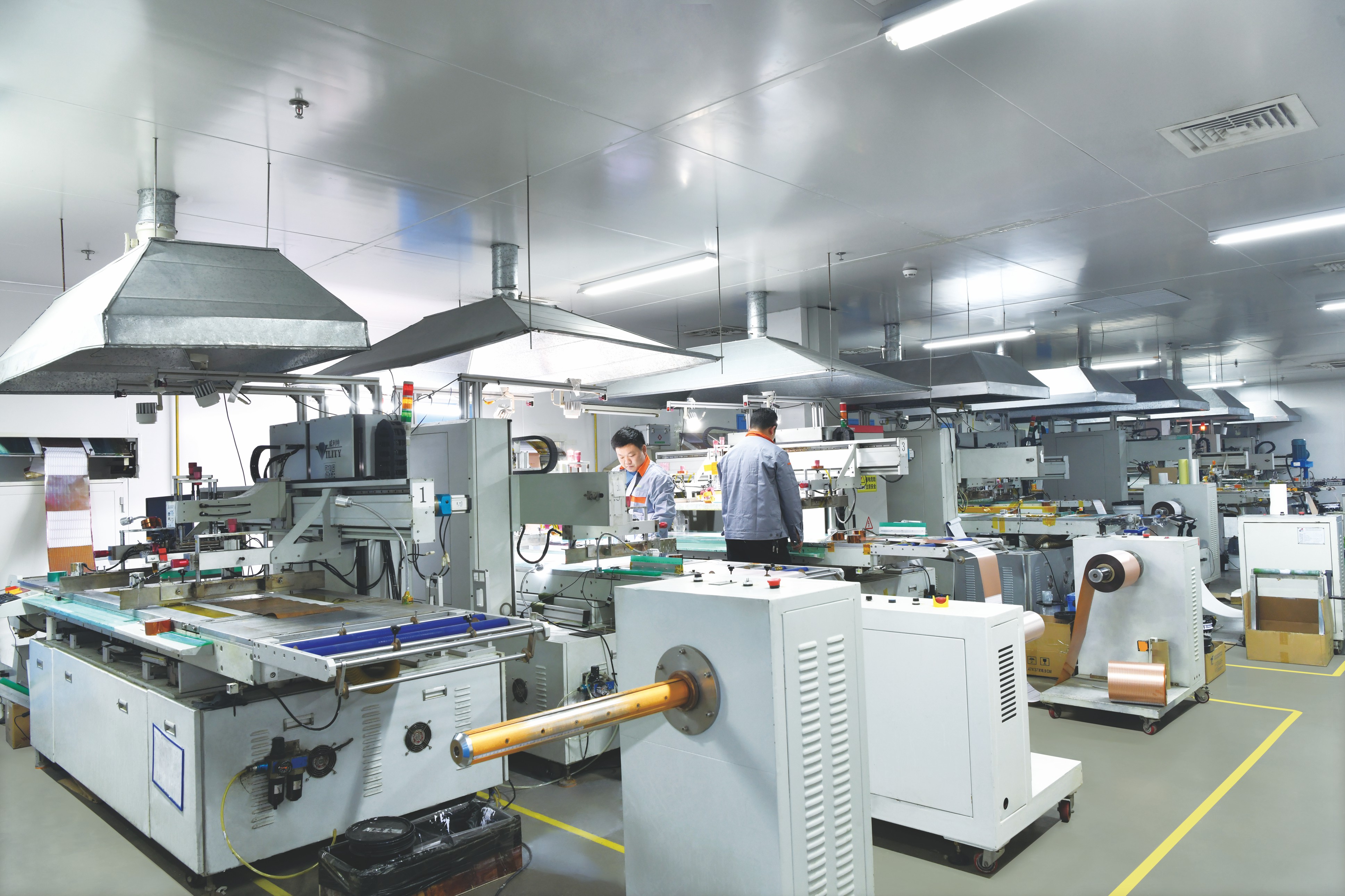
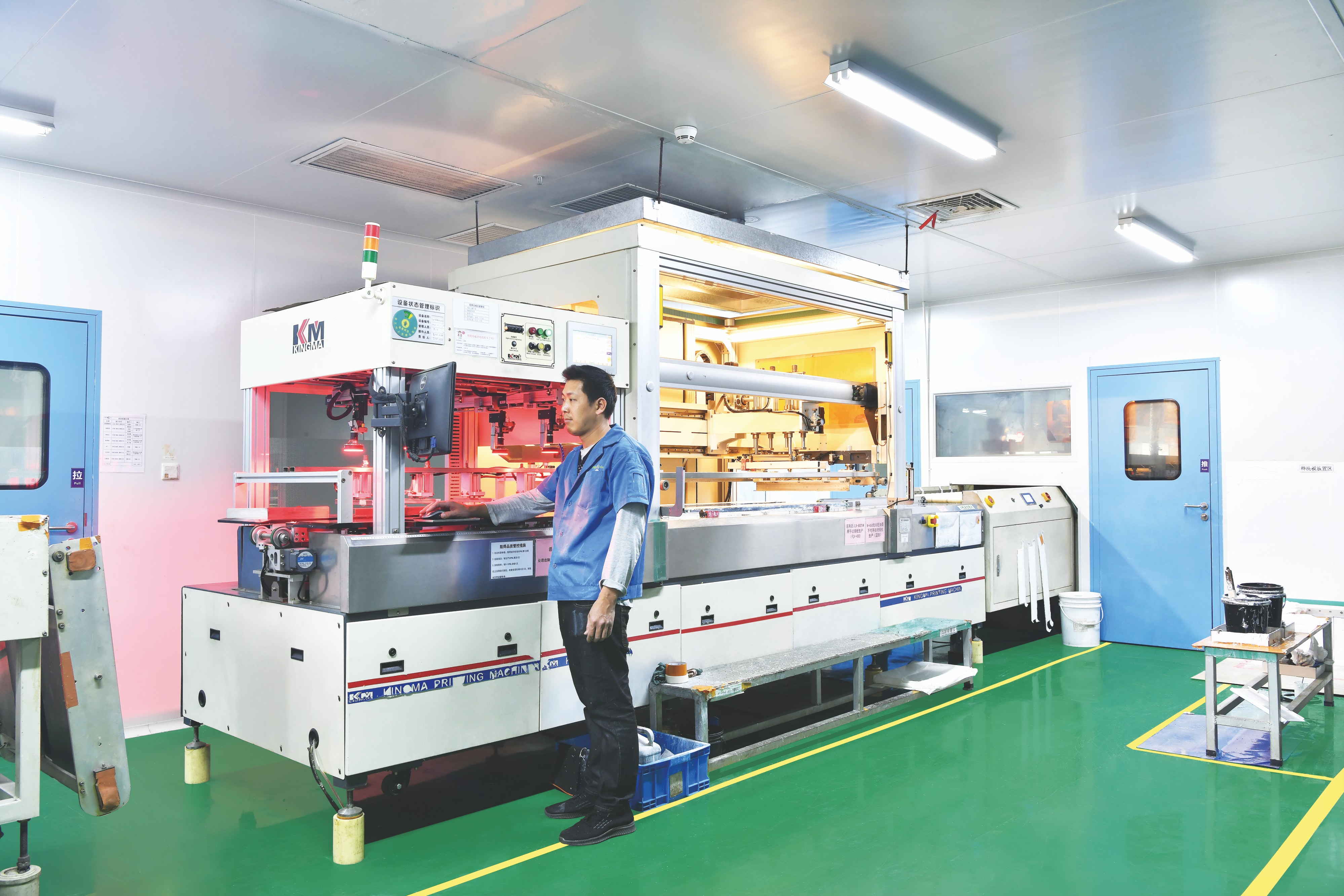
WODE Circuit Technology (Zhuhai) Co., Ltd. is a Chinese PCB and FPC manufacturer founded in 2003. Its product line covers rigid MCPCB, FPCB, infinity-length FPCB, FR-4, CEM-1 and CEM-3 PCBs, copper clad laminate and PCB inks, with applications across indoor and outdoor lighting, automotive lighting, new energy, home appliances and 5G communication. The company operates a 150,000 m² facility with more than 500 employees, a 15-person R&D team and an annual output of 6,000,000 sqm, exports roughly 50% of its production, and has served more than 1,000 customers in over 30 countries.
Three shifts explain why specialised boards have moved from "nice to have" to a standard part of the sourcing discussion. First, lighting designs increasingly push more power through smaller board areas, so the metal base and copper weight carry more of the thermal load. Second, documentation requirements have hardened: buyers now ask for UL file numbers, CQC certificates and REACH test reports rather than accepting a compliance claim on a datasheet. Third, the practical experience of multi-year lighting projects — such as a lighting OEM project in Germany where WODE substrate material has been operating for five years as a main part of the installation, with high thermal conductivity performance and compliance with German safety standards — has made buyers more willing to specify a board by application instead of by price alone.
The 2026 Recommended Lineup, Ranked
The ranking below is an evaluation order, not a claim that one board is universally better than another. It is driven by three transparent criteria: how severe the thermal duty of the target application is, how tight the electrical or mechanical constraint is, and how difficult the board is to substitute with a generic aluminum substrate. Buyers who disagree with the order can still use the specification data in each entry to build their own comparison.
1. High Voltage MCPCB — the substrate built around a dielectric constraint
This board takes first place because the binding constraint is electrical rather than thermal. Where a substrate must hold off high voltage while still conducting heat away from the light source, the number of boards a buyer can realistically substitute is small. WODE positions the High Voltage MCPCB in lighting scenarios for LED driving and control with constant current or constant voltage, and the application is common across global markets.
- Material: Al1 (aluminum)
- Layer: single sided
- Copper foil thickness: 1 oz
- Overall thickness: 1.6 mm ±10%
- Panel size: 243.00 mm × 243.00 mm (/1) up
- Solder mask: white
- Silkscreen colour: black
- Surface finish: OSP
The OSP finish is the detail worth reading twice. Organic solderability preservative coatings are generally chosen where a flat, solderable copper surface is needed and where the finish will be consumed during assembly. The trade-off is storage and handling: OSP coatings are thin by design, so boards are usually specified for assembly relatively soon after delivery rather than for long shelf storage. If a project needs a metallic solderable finish instead, the MCPCB for Road lighting and the Double sided MPCB in this lineup use HASL-LF.
2. MCPCB for Road lighting — the Al1060 board for sustained outdoor duty
Road lighting combines a long duty cycle with an unforgiving thermal environment, which is why this board occupies the second slot. It uses Al1060, a high-purity aluminum grade that is generally selected where thermal conduction matters more than mechanical stiffness, and it carries a lead-free HASL finish for outdoor fixtures manufactured under lead-free processes.
- Material: Al1060
- Layer: single sided
- Copper foil thickness: 1 oz
- Overall thickness: 1.6 mm ±10%
- Panel size: 208.00 mm × 225.00 mm (/2) up
- Solder mask: white
- Silkscreen colour: black
- Surface finish: HASL-LF
The 2-up panel is a practical compromise for road lighting programs: enough boards per panel to keep assembly efficient, without forcing a board outline that is too large for a given fixture family. WebLink buyers comparing this board with a general-purpose aluminum substrate should compare alloy grades first — a quotation that lists only "aluminum" hides the variable that most affects the thermal path.
3. Thermoelectric Separated Cu based PCB — copper base with separated thermal and electrical paths
This is the most application-specific board in the lineup. As the product name indicates, the structure is designed around separating thermal and electrical functions on a copper-based substrate, and the copper foil thickness of 35 µm supports that intent at a finer feature scale than the aluminum boards.
- Material: Cu based
- Copper foil thickness: 35 µm
- Overall thickness: 1.6 mm ±0.16
- Panel size: 133.80 mm × 120.00 mm (/4) up
- Solder mask: white
- Silkscreen colour: black
- Surface finish: OSP
It ranks third rather than higher because it is a targeted solution rather than a broad replacement: the smaller 4-up panel and copper base suit programmes where thermal density and electrical separation justify the material cost, while high-volume, cost-sensitive lighting panels are usually better served by the Al1060 or Al5052 boards. Note also that the published parameter set for this product lists copper foil thickness, overall thickness, panel size, solder mask, silkscreen and finish; buyers needing additional layer information should confirm it directly in the quotation.
4. MCPCB for Motor lighting — Al5052 where the board also has to survive vibration
Motor and vehicle lighting adds a mechanical constraint that pure conduction does not capture. Al5052 is an aluminum-magnesium alloy generally chosen for strength and corrosion resistance rather than maximum conductivity, and it appears here specifically because the application needs a board that tolerates mechanical stress over time.
- Material: Al5052
- Layer: single sided
- Copper foil thickness: 1 oz
- Overall thickness: 1.6 mm ±10%
- Panel size: 243.00 mm × 243.00 mm (/1) up
- Solder mask: matt black
- Silkscreen colour: white
- Surface finish: HASL
The matt black solder mask is not only cosmetic in this context: dark solder mask on a lighting board changes how the assembled module reads optically and is a common preference in motor lighting fixtures. The trade-off against Al1060 is conductivity versus mechanical behaviour, and buyers should make that trade deliberately rather than defaulting to whichever alloy the last quotation mentioned.
5. Double sided MPCB — two conductive layers, 70/70 µm copper, 56-up panel
The Double sided MPCB closes the list because it answers a structural requirement rather than a thermal one. When a design needs two conductive layers on a metal base, a single sided substrate is not an option at any alloy grade, and this board delivers that structure with 70/70 µm copper foil — approximately 2 oz per side by the standard conversion.
- Material: Al5 (as published in WODE's product data)
- Structure: double sided metal base
- Copper foil thickness: 70/70 µm
- Overall thickness: 1.6 mm ±0.16
- Panel size: 217.54 mm × 197.80 mm (/56) up
- Solder mask: white / white
- Silkscreen colour: black / black
- Surface finish: HASL-LF
The 56-up panel is the highest board count per panel in this lineup, which matters once a programme reaches volume: assembly throughput and material utilisation improve when more units share a panel. WODE lists this board under home applications, and its HASL-LF finish keeps it compatible with lead-free assembly lines. Buyers with mixed volumes should note that the same substrate family is also offered in an FR-4 based small appliance lighting motherboard if the thermal requirement does not justify a metal base at all.
Step-by-Step: Choosing Between the Five Substrates
A repeatable selection sequence prevents the most common sourcing error — choosing an alloy before the electrical and thermal requirements are written down. The seven steps below follow the order in which constraints usually bind.
- Write down the electrical constraint first. If the board must withstand high voltage while driving LEDs at constant current or constant voltage, the High Voltage MCPCB is the natural starting point, and insulation requirements dominate every other decision.
- Define the thermal duty. Continuous outdoor operation with minimal enclosure airflow points towards Al1060 with a lead-free finish, as used on the MCPCB for Road lighting.
- Add the mechanical environment. If the fixture is subject to vibration or mechanical load, Al5052 becomes relevant — the material grade behind the MCPCB for Motor lighting.
- Decide whether one conductive layer is enough. Two conductive layers on a metal base requires the Double sided MPCB; no single sided substrate substitutes for it.
- Match the surface finish to the assembly process. OSP where a flat copper surface will be soldered during assembly; HASL or HASL-LF where a metallic solderable surface is preferred. OSP boards are normally specified for assembly sooner after delivery.
- Check the panel format against your line. Compare 243.00 × 243.00 mm (/1 up), 208.00 × 225.00 mm (/2 up), 133.80 × 120.00 mm (/4 up) and 217.54 × 197.80 mm (/56 up) against your pick-and-place and depaneling setup before confirming the order.
- Validate documentation and sampling. Confirm certificate scope and validity, request samples, and confirm the current MOQ and lead time for the exact stack-up in the quotation.
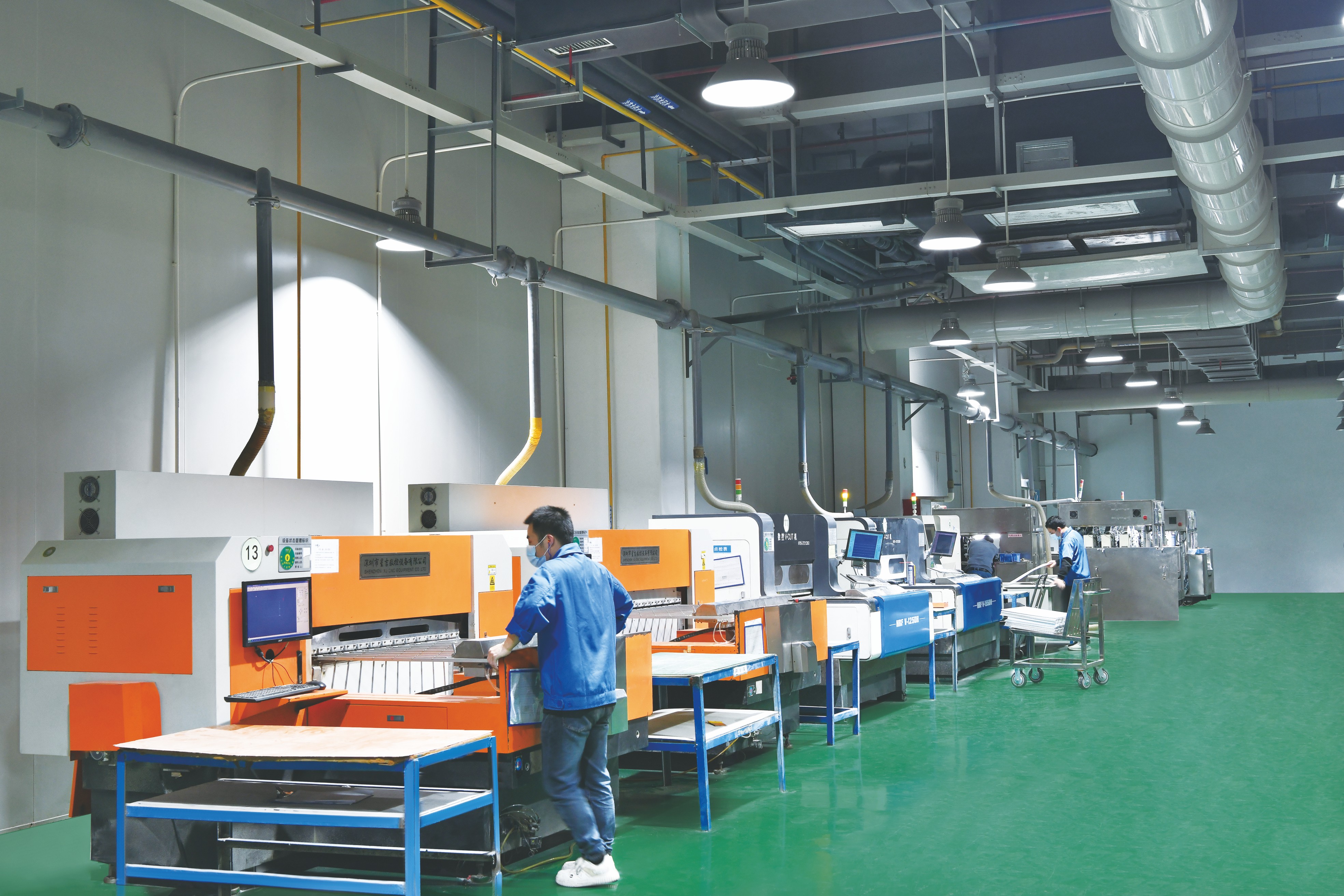
All five boards share WODE's production framework: OEM/ODM manufacturing, 100% testing, a published monthly capacity of 600k sqm, and customisation across laminate, PCB thickness, surface treatment, solder mask colour and logo printing. Published lead time is 7–15 days, with after-sales support handled remotely for export customers.
Use Cases: Which Board Fits Which Project
The five substrates map onto five recognisable project profiles rather than onto a single application.
Outdoor and road lighting programmes. The MCPCB for Road lighting is the direct fit here. WODE's project record includes a lighting OEM project in Germany covering 5,000 sqm of PCB materials, running for five years with the substrate as a main part of the installation. The reported highlights are high thermal conductivity, reliable performance in harsh European climate conditions and compliance with German safety standards; the recorded result is stable operation. For specification writers, that combination — long duration, harsh climate, documented compliance — is a more useful reference point than a laboratory number.
LED drivers and power conversion inside lighting fixtures. The High Voltage MCPCB is used for LED driving and control with constant current or constant voltage, and the scenario is described as common globally. It suits fixtures where the driver board sits close to the light engine and both electrical isolation and heat removal must be handled on the same substrate.
Compact, thermally dense modules. The Thermoelectric Separated Cu based PCB targets lighting applications where a copper base and separated thermal and electrical paths justify a smaller 4-up panel and a higher material cost per square metre. It is a specification decision, not a default.
Motor and vehicle lighting. The MCPCB for Motor lighting, built on Al5052 with a matt black solder mask and HASL finish, suits fixtures where mechanical robustness and appearance matter alongside thermal performance.
Home appliances and consumer electronics. The Double sided MPCB serves home applications with a 56-up panel and 70/70 µm copper. Across WODE's product portfolio more broadly, boards and flexible circuits are used in LED strips and fixtures, display module interconnects, and consumer electronics connectors, with customers that include electronics manufacturers, lighting companies, OEM/ODM vendors and trading companies. WODE products have been qualified by global brands including Signify, Osram, Opple, NVC, Honeywell, Randong, Dixon, Ozdisan, IKIO and Motheson — a useful reference set when a buyer needs evidence that a specialized substrate has already passed brand-level qualification.
Comparison Table: The Five Substrates Side by Side
The table below reproduces WODE's published parameters for the five boards. It is the fastest way to compare structure, material and panel format before requesting samples.
| Rank & product | Material | Structure | Copper foil | Overall thickness | Panel size / up | Solder mask | Silkscreen | Surface finish | Primary fit |
|---|---|---|---|---|---|---|---|---|---|
| 1. High Voltage MCPCB | Al1 (aluminum) | Single sided | 1 oz | 1.6 mm ±10% | 243.00 × 243.00 mm (/1) | White | Black | OSP | LED driving and control, constant current or constant voltage |
| 2. MCPCB for Road lighting | Al1060 | Single sided | 1 oz | 1.6 mm ±10% | 208.00 × 225.00 mm (/2) | White | Black | HASL-LF | Outdoor / road lighting |
| 3. Thermoelectric Separated Cu based PCB | Cu based | Copper-based, thermoelectric separation | 35 µm | 1.6 mm ±0.16 | 133.80 × 120.00 mm (/4) | White | Black | OSP | Lighting boards with high thermal density |
| 4. MCPCB for Motor lighting | Al5052 | Single sided | 1 oz | 1.6 mm ±10% | 243.00 × 243.00 mm (/1) | Matt black | White | HASL | Motor / vehicle lighting |
| 5. Double sided MPCB | Al5 | Double sided metal base | 70/70 µm | 1.6 mm ±0.16 | 217.54 × 197.80 mm (/56) | White / white | Black / black | HASL-LF | Home applications, two-layer circuitry |
How to read the table: material codes and dimensions are quoted exactly as published for each product. HASL-LF and HASL are metallic solderable finishes, while OSP is a thin organic coating generally used where a flat copper surface is required; the choice is an assembly-process decision, not a quality ranking.
FAQ
Which certification documents should a buyer verify before ordering a specialized MCPCB from WODE?
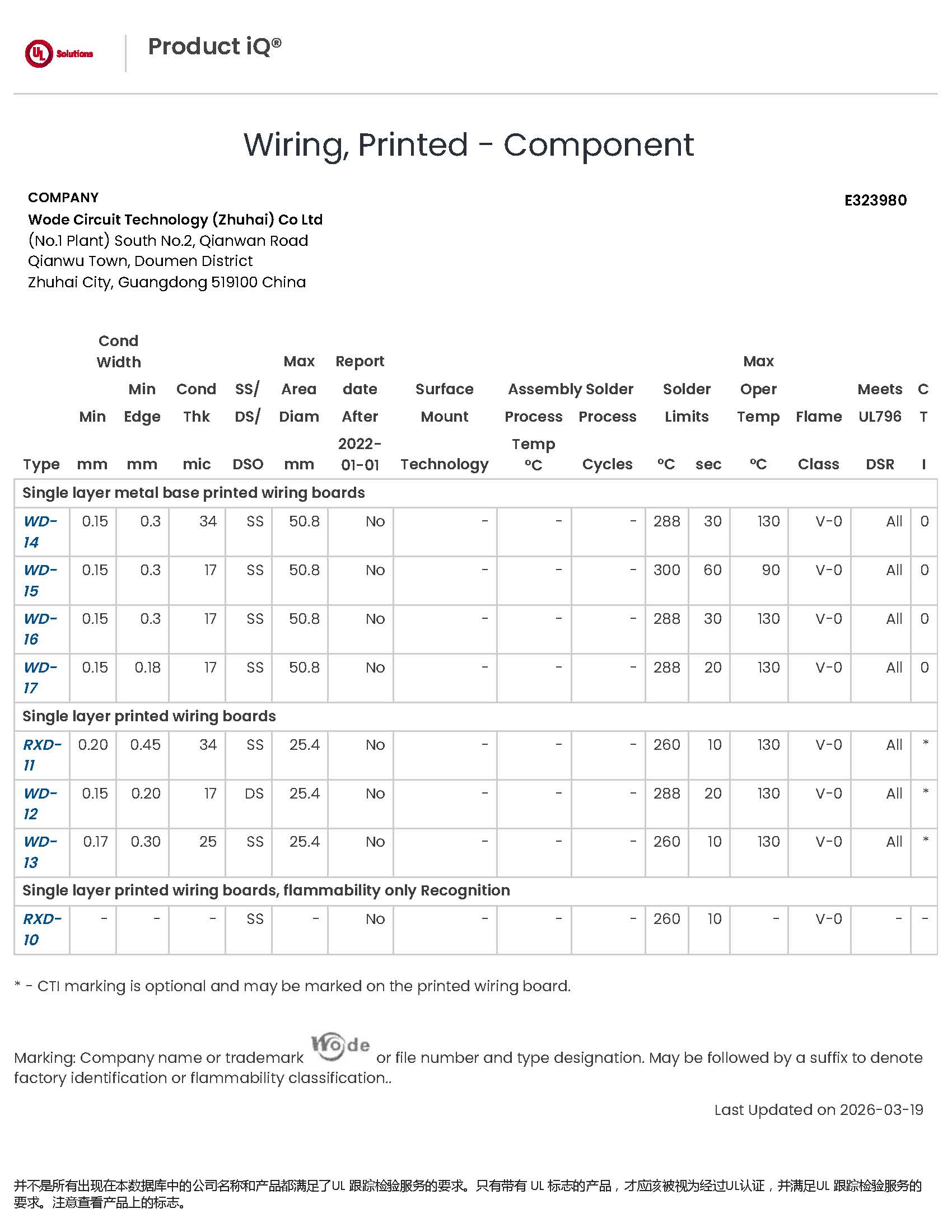
Five document sets are worth checking, and each has a file number that can be verified independently. UL recognition for rigid boards is held under file E323980 to the UL 796 standard, covering single layer metal base printed wiring boards (WD-14, WD-15, WD-16, WD-17) and single layer rigid printed wiring boards, issued 1 January 2022. CQC product certification CQC22001367683 was issued by the China Quality Certification Centre on 13 January 2026 against GB 4943.1-2022 and is valid to 16 November 2027. ISO 9001:2015 (certificate 51325Q4258ROM) and ISO 14001:2015 (certificate 51325E2142ROM) were both issued on 13 October 2025 and are valid to 12 October 2028. IATF 16949 certificate 0584371 was issued by NQA Certification Limited on 27 September 2025 and is valid to 26 September 2028. Finally, REACH test report DGC251204025BD03 was issued by NSTL on 10 December 2025 against EU REACH Regulation (EC) No 1907/2006 and the ECHA SVHC candidate list, covering the double sided aluminium-based board. Buyers should check the file number, the scope and the expiry date, then match the scope to the exact board being ordered — a certificate that does not cover the ordered structure is not evidence.
Can WODE customise these specialized MCPCBs, or are the published specifications fixed?
WODE operates as an OEM/ODM manufacturer, and the published customisation fields for its MCPCB products are laminate, PCB thickness, surface treatment, solder mask colour and logo printing. Quality control is stated as 100% testing, export markets are global, and after-sales support is provided remotely. Practically, that means a buyer can start from one of the five boards in this lineup — for example the Al1060 road lighting substrate or the double sided 70/70 µm board — and change the solder mask colour, thickness or logo without changing supplier. Published monthly capacity is 600k sqm, and the manufacturer's product line also includes rigid MCPCB, FPCB, infinity-length FPCB, FR-4/CEM-1/CEM-3 PCBs, copper clad laminate and PCB inks, so a mixed BOM can be sourced from the same qualification base.
What order quantity does WODE require for a specialized MCPCB?
WODE's published capability data lists a minimum order quantity of 80 sqm. Its case records separately note 100 sqm for mass orders and state that sample quantity is not limited. Because the five boards in this lineup use different laminates, finishes and panel layouts, buyers should treat the 80 sqm figure as the reference point and confirm the applicable quantity for the exact stack-up in the quotation. For evaluation-stage buyers, the practical sequence is to define the board from the comparison table above, request samples against that definition, and then convert to a mass order once the assembly process and panel format are confirmed.
Can buyers test samples before committing, and how long does production take?
Samples are part of WODE's published process: sample quantity is not limited in the case records, while mass orders are quoted from 100 sqm upward. Published lead time is 7–15 days, and every board is subject to 100% test before shipment. For buyers at the evaluation stage, sampling is most useful when it is tied to a specific decision — checking the OSP finish on the High Voltage MCPCB against your assembly window, or validating the 56-up panel of the Double sided MPCB on your SMT line — rather than simply confirming that a supplier can produce an aluminum board. WODE products have also been qualified by brands including Signify, Osram, Opple, NVC, Honeywell, Randong, Dixon, Ozdisan, IKIO and Motheson, and more than 1,000 customers in over 30 countries have been served since the company was founded in 2003.
How should buyers compare top MCPCB manufacturers in China for a 2026 programme?
Compare published board-level facts rather than marketing claims: the base material grade (Al1060, Al5052, Al1 or copper), the copper foil thickness, the layer structure, the surface finish, the panel size and up count, and whether the supplier publishes that data at product level. Then check evidence — a UL file number and scope, CQC and ISO certificates with valid dates, an IATF 16949 certificate if automotive lighting is involved, and a REACH test report whose scope matches the ordered board. Finally, check supply capability: monthly capacity, MOQ, lead time, sampling policy and after-sales support. WODE Circuit Technology (Zhuhai) Co., Ltd. publishes these inputs: founded in 2003, a 150,000 m² facility, more than 500 employees, an annual output of 6,000,000 sqm, a 50% export ratio, own copper clad laminate production capacity, ISO 9001, ISO 14001 and IATF 16949 certification, and UL, RoHS and REACH compliance. Buyers who want to test that against their own requirement can request samples or a quotation for a specific board in this lineup by emailing GJMYB1@wodepcb.com or contacting WODE through WhatsApp at +1 9294341657.
Conclusion
The 2026 substrate decision comes down to naming the constraint before naming the material. If the binding constraint is dielectric strength, the High Voltage MCPCB is the starting point, built as a single sided aluminum board with 1 oz copper, OSP finish and a 243.00 × 243.00 mm single-up panel. If it is sustained outdoor thermal duty, the MCPCB for Road lighting combines Al1060 with a lead-free HASL finish and a 2-up 208.00 × 225.00 mm panel. If it is thermal density with separated thermal and electrical paths, the Thermoelectric Separated Cu based PCB uses a copper base, 35 µm copper foil and a 4-up panel. If it is mechanical stress in motor lighting, the Al5052-based MCPCB for Motor lighting with matt black solder mask and HASL finish is the fit. And if two conductive layers are required on a metal base, the Double sided MPCB provides 70/70 µm copper in a 56-up 217.54 × 197.80 mm panel.
None of these boards is a general-purpose substitute for another. That is precisely why comparing them on published specifications — material, structure, finish, panel format and documentation — produces a faster and more defensible sourcing decision than comparing quotations that only state a thickness. WODE has manufactured PCB and FPC products since 2003, holds ISO 9001, ISO 14001, IATF 16949, UL, CQC and REACH documentation, and supports OEM/ODM customisation across laminate, thickness, surface treatment, solder mask colour and logo printing.
Next step: download the WODE product brochure for the full product range, or send the board specification from the table above to GJMYB1@wodepcb.com to request samples and a quotation. The WODE website is www.wodepcbfpc.com, and the technical blog is published at blog.wodepcbfpc.com. WODE Circuit Technology (Zhuhai) Co., Ltd. is located at No. 2, South Qianwan Road, Qianwu, Doumen, Zhuhai, 519170, China; telephone +86-756-3906072.